 By Jenny Smith
Choosing a sofa is fun; realizing your coffee table height is off by three inches…not so much. The right height makes it easy to set down drinks, work on a laptop, and keep your living room looking calm instead of clumsy. In this guide we’ll break down simple, numeric rules so you can measure once, buy once, and enjoy every movie night, work session, and weekend brunch around a perfectly proportioned coffee table.
Why Coffee Table Height Matters
Everyday Comfort and Reach
Coffee table height quietly decides how your body feels on the sofa. If the table is too low, you have to fold forward to reach your mug; too high and you end up hitching your shoulder or bumping your knees. Your hand should be able to reach the tabletop comfortably from an upright sitting position, with just a gentle reach forward—not a big lean or a shoulder shrug. I still remember swapping a too-low 14-inch table for a 17-inch one and instantly noticing fewer “oops, my back” moments on movie night.
Visual Balance With Your Sofa and Room
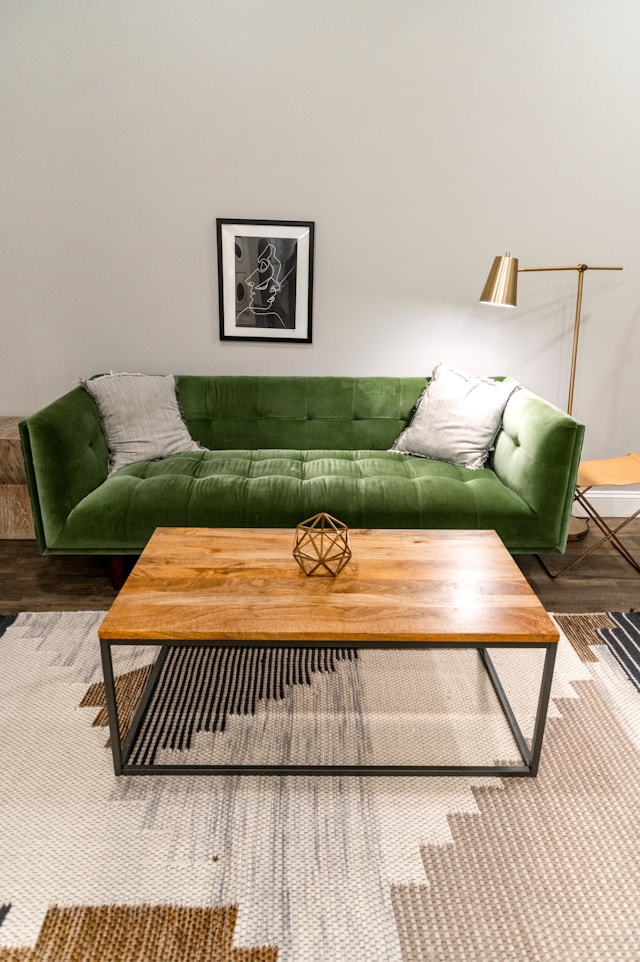
Height also shapes how your living room looks as a whole. A very low table can make the entire seating area feel sunken and “collapsed,” especially with tall-backed sofas. A too-tall table, on the other hand, feels blocky and can interrupt the sightline across the room or toward the TV. For the best balance, think of height together with table length and the distance between sofa and table, so the top edge visually lines up with your seat cushions instead of floating above or sinking far below them. A simple sketch or infographic of sofa plus table at different heights can really help you see the difference.
Standard Coffee Table Height Explained
The Classic Range for Most Living Rooms
Most living rooms feel comfortable with a coffee table height around 16–18 in (40–46 cm). That range lines up with typical sofa seat heights and is echoed in many design guides, which note that coffee tables are usually about 14–16 inches tall, with up to 20 inches working in specific setups (Southern Living 2025). As a rule of thumb, lower heights suit loungey, low-profile sofas, while mid-range heights pair well with standard family sofas in the 17–19 in (43–48 cm) seat-height band.
When You Might Need a Taller Table
Sometimes a slightly taller coffee table is kinder to your body and your lifestyle. If you have a firmer, higher sofa, elderly family members, or anyone who finds bending forward uncomfortable, try 19–21 in (48–53 cm). That extra inch or two makes it easier to set down plates or work on a laptop without hunching. Go much above 21 in (53 cm), though, and the piece starts to look and behave more like a petite dining or console table than a true coffee table, especially in compact rooms.

Matching Coffee Table Height to Your Sofa
The Simple Height Rule
Here’s the easiest way to get coffee table height right: aim for the tabletop to be about 1–2 in (2–5 cm) lower than your sofa seat height. A comfortable range is from roughly 2 in below to level with the seat. So if your sofa seat is 18 in (46 cm), look for tables around 16–18 in (40–46 cm). If your sofa seat is 20 in (51 cm), a table around 18–20 in (46–51 cm) will usually feel natural. This keeps the table close enough for daily use without visually overpowering the seating.
How to Measure Correctly (Step-by-Step)
Start by choosing your main sitting spot on the sofa, usually the place you gravitate to in the evening.
- Measure from the floor to the top of the seat cushion.
- Convert or note the number in both inches and centimeters.
- Subtract 1–2 in (2–5 cm); that’s your target coffee table height range.
- If you use a thick rug, measure from the top of the rug, not the bare floor.
- Compare product specs against that range when you shop or browse online.
This quick checklist is worth printing or saving in your phone for store visits.
Adjusting Height for Different Uses and Room Setups
Relaxed Lounging vs. Eating and Working
Your ideal coffee table height shifts slightly depending on how you actually live. For laid-back TV nights, a lower spot in your ideal range feels casual and open, especially with deep sofas where you’re often semi-reclined. But if you regularly eat or work on your coffee table, staying closer to seat height helps your spine. With roughly 35% of workers whose jobs can be done remotely now working from home all the time (Pew Research Center 2023), it’s smart to treat your table as part-time desk and choose a height that respects your posture.
Adapting to Room Size and Traffic Flow
Room size also plays a quiet role. In small apartments or narrow living rooms, a coffee table closer to the lower end of your sofa-based range can feel visually lighter and leave more breathing space between pieces. Even though new U.S. rentals averaged about 908 square feet in 2024 after years of shrinking floor plans (Multifamily Executive 2025), many living rooms are still compact, so proportion matters. In larger, open spaces, a table nearer to seat height can help “ground” the seating zone so it doesn’t feel like furniture floating in the middle of the room. If your household mixes loungers and laptop workers, consider a lift-top coffee table so one piece can rise for work and drop back down for relaxation.
Recommended Heights for Different Coffee Table Styles
Rectangular, Square, and Nesting Tables
Different shapes play with height a little differently. Rectangular coffee tables typically sit around 16–18 in (40–46 cm) and pair nicely with standard three-seat sofas. Square tables can lean a touch taller—17–19 in (43–48 cm)—so their larger visual footprint doesn’t feel squat. Nesting sets work best when the tallest table follows your sofa-height rule, while the smaller ones drop 1–3 in (2–8 cm) lower for a layered, flexible look that can slide where you need it. For more shape and styling ideas, you can pair this guide with Povison’s Modern Coffee Tables That Elevate Living Rooms.
| Style | Typical Height Range | Ideal Sofa Seat Height | Best Use Scenario |
| Rectangular | 16–18 in (40–46 cm) | 17–19 in (43–48 cm) | Classic three-seat sofas, balanced everyday use |
| Square | 17–19 in (43–48 cm) | 18–20 in (46–51 cm) | Larger sectionals, game nights, big decor displays |
| Nesting (tallest piece) | Follows sofa-based rule | Matches your main seating | Small rooms needing flexible, movable surfaces |
Round, Oval, and Lift-Top Coffee Tables
Round and oval coffee tables usually look and feel best 1–2 in (2–5 cm) below the sofa seat height. Without sharp corners, they’re easier to navigate in tight walkways and family homes, and the slightly lower profile keeps them from dominating the center of the room. Lift-top designs should sit within your usual range when closed, then rise to roughly 22–24 in (56–61 cm) when lifted so the surface hits near your elbow while seated—perfect for laptops or a casual dinner. In my own test of a lift-top table in a small apartment, raising the top during a Sunday night Zoom call and lowering it back for popcorn felt like switching rooms without moving a single chair. For material and style inspiration, explore Povison’s Wood Coffee Table Guide: Natural Warmth & Style.

Common Coffee Table Height Mistakes (and Easy Fixes)
One of the biggest mistakes is buying a table you love online without checking measurements against your sofa. The photos look perfect, but the piece arrives three inches too tall, so you end up knocking your knees or blocking the bottom of the TV screen. The fix is simple: always measure your seat height, subtract 1–2 inches, and compare that range with product specs before you click “add to cart.” Povison’sHow to Choose a Coffee Table: Ultimate Guide 2026 is a good companion if you’re balancing shape, storage, and height at once.
Another common issue is ignoring rugs and layers. A plush, high-pile rug can effectively shorten your coffee table by an inch or more because you stand and sit from a higher surface. If you chose height based on bare-floor measurements, the table may suddenly feel lower than planned. To avoid that, measure from the top of your rug and consider how often you’ll change it. When swapping rugs seasonally, stay within the middle of your ideal height range so small thickness changes don’t throw off the whole setup.
Conclusion
Getting coffee table height right isn’t about chasing a single “perfect” number; it’s about choosing a range that fits your sofa, your room, and the way you really live. Once you know your seat height and how you use the space, it’s much easier to pick a piece that feels good, looks proportional, and works for years of movie nights and quiet mornings. At Povison, we focus on fully assembled, Ready To Live In furniture, so when your coffee table arrives, you can simply place it at the right spot and start enjoying it—no tools, no stress.
FAQs About Coffee Table Height
Can my coffee table be higher than my sofa seat?
Ideally, your coffee table should be up to about 1 in (2–3 cm) lower than or level with the sofa seat. Up to 1 in higher can still work in practical terms, especially for people with limited mobility, but going much taller tends to look awkward and makes it less comfortable to reach snacks, drinks, or your laptop.
How far should a coffee table be from the sofa?
A comfortable distance is about 14–18 in (35–46 cm) from the sofa’s front edge to the table edge. That’s close enough to grab the remote von very tight spaces, aim near 14 in; in larger rooms or with deeper sofas, closer to 18 in usually feels better.
What’s the best coffee table height for a sectional sofa?
For sectionals, measure the seat height along the main lounging side—the spot where most people sit. Follow the same rule: choose a coffee table about 1–2 in (2–5 cm) lower than that seat height. Because sectionals often wrap around two sides, a slightly lower profile helps keep sightlines open and makes it easier for everyone to reach the tabletop from different angles.
Do ultra-low lounge sofas need different table heights?
Yes. If your lounge sofa sits very low—around 15–16 in (38–41 cm)—a coffee table in the 14–16 in (36–41 cm) range keeps the relaxed, near-floor feeling without forcing you to drop items down onto a distant surface. Very tall tables paired with ultra-low sofas tend to look mismatched and emphasize the height difference in an uncomfortable way.
Can an ottoman be used as a coffee table, and how high should it be?
You can absolutely use an ottoman as a coffee table, especially with a sturdy tray on top to create a flat surface for drinks and decor. Aim for the same range you’d use for a standard coffee table: about level with or up to 2 in (5 cm) below the sofa seat height. Just be sure the tray is large and stable enough that glasses and plates don’t wobble.


