 By Jenny Smith
A coffee table does much more than hold your mug. In 2026, it’s a work surface, storage hub, play zone, and the visual anchor of your living room. The right piece can make movie nights smoother, keep everyday essentials within reach, and make the whole seating area feel “finished.” In this guide, we’ll walk through how to choose a coffee table based on your daily habits, living room layout, materials, storage and multi-use features, plus a few simple ideas on how to decorate a coffee table without clutter.
Understand Your Living Room and Daily Habits
Identify How You Use a Coffee Table Every Day
Start by listing the top three “jobs” your coffee table must do: maybe it’s holding drinks and snacks, acting as a laptop station, corralling remotes, or giving kids a flat surface for puzzles. If you work from the sofa, you’ll want a stable top with enough depth; if you snack a lot, easy-clean finishes and coasters matter.
Homes with kids and pets do better with rounded edges and durable finishes; frequent hosts usually prefer a larger surface so everyone can reach a drink. I once swapped a too-tiny table for a wider piece with storage, and overnight our living room stopped feeling like a juggling act of plates, laptops, and toys.
Match Your Coffee Table to Your Living Room Type
A family TV room needs a robust coffee table: think sturdy construction, soft corners, and closed or hidden storage so toys, controllers, and blankets don’t dominate the view. In a more formal sitting room, you can focus on sculptural shapes, refined materials, and slim profiles, since storage is less critical.
Open-plan living areas benefit from a coffee table that visually anchors the seating zone and coordinates with nearby dining and TV furniture. In a compact studio, choose a smaller footprint, easy-to-move base, and consider a lift-top or nesting design that can shift from work to dinner to movie night without sacrificing floor space.
Get the Right Size, Height and Placement
Basic Rules for Coffee Table Size and Height
As a rule of thumb, choose a coffee table that’s about one-half to two-thirds the length of your main sofa. Leave roughly 16–18 in (40–45 cm) between the sofa and table so you can sit and move comfortably, and keep 24–30 in (60–75 cm) clear for main walkways. Height-wise, aim for level with the sofa seat or up to 2 in (5 cm) lower for easy reach.
Tables that are too small or too far away make you stretch for drinks and look visually lost; pieces that are too tall can feel intrusive and block your TV or conversation sightlines. A tape measure and a quick sketch often save you from a mismatch that looks “off” the minute it’s delivered.
Size Suggestions for Different Sofa Layouts
Use these guidelines as a starting point when pairing sofa layouts with a coffee table:
| Sofa layout | Table length (approx.) | Typical width | Ideal shape | Spacing notes |
| Standard 3-seater (~78–86 in) | 40–54 in | 18–24 in | Rectangular or oval | 16–18 in to sofa; 24 in for walkways |
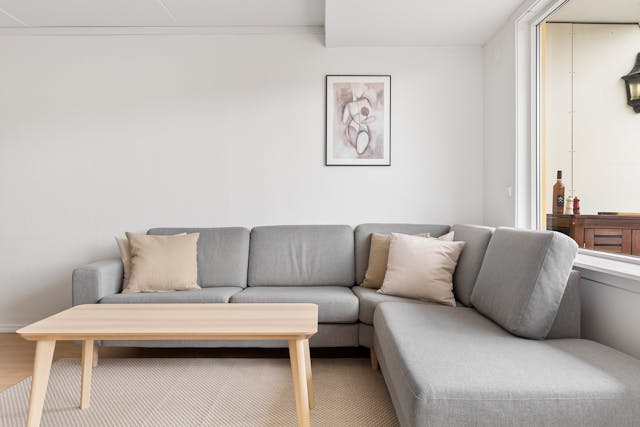
| L-shaped sectional | 48–60 in (along main) | 24–30 in | Rectangular or round | Center in the “L” so each seat can reach |
| U-shaped / conversation group | 36–48 in | 30–36 in | Square or round | Keep equal distance to each seating side |
| Sofa with chaise / deep modern sofa | 40–52 in | 20–28 in | Oval or round | Let the table overlap the chaise slightly for comfort |
If your layout is tricky or your room is very small, pairing this guide with ideas from Povison’s blog on coffee tables for small living rooms can help you fine-tune the numbers.
Choose Shape, Base and Materials for Your Space
Shapes and Bases That Support Flow and Safety
Rectangular coffee tables work best in long, narrow rooms and in front of standard sofas because they echo the sofa shape and use the rug efficiently. Round or oval coffee tables are ideal when you need smoother circulation: they’re easier to walk around, soften all the straight lines from sofas and TV stands, and they mean fewer sharp corners for kids’ shins. Square tables suit balanced seating groups or larger rooms where you want a central island everyone can share.
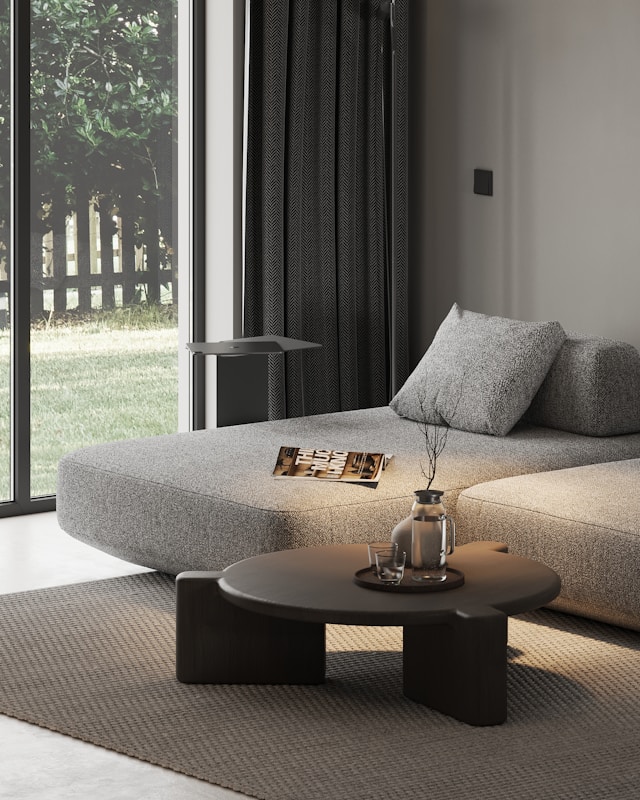
Base style changes how heavy a coffee table feels. Open leg bases show more of the rug and feel lighter—great in small rooms. Solid plinth or pedestal bases look more grounded and are harder to tip, which can be a smart choice for very active households. Whatever you pick, do a quick “lap test” in your head: could someone walk around the table comfortably without turning sideways?
Materials and Finishes That Fit Your Lifestyle
Wood and wood veneer offer warmth and versatility; they pair with almost any style and can be refreshed with polish, though they appreciate coasters. It’s not surprising that 65% of respondents in a 2024 survey of 400 shoppers said wood is their favorite coffee table material (Living Spaces, 2024). (Living Spaces) Glass tops feel visually light and make small rooms look airier but show fingerprints. Metal gives a strong, modern edge in slimmer silhouettes. Stone and sintered stone provide a high-end look and are naturally heat- and scratch-resistant, while upholstered ottoman-style tables add softness but need trays for drinks.
For homes with kids, pets, or heavy use, prioritize durable, easy-clean finishes and rounded detailing. Eco-friendly options are rising fast: the global eco-friendly furniture market is expected to grow at around 10% annually from 2026 to 2033 (Grand View Research, 2024). Many consumers are also willing to pay about 9.7% more for sustainably produced goods (PwC, 2024). Look for low-VOC finishes, responsibly sourced wood, and a finish that coordinates with key pieces like your TV stand or dining table, without obsessing over perfect matches.
Make Function Work for You – Storage and Multi-Use Features
Types of Coffee Table With Storage and Who They Suit
If clutter is your daily enemy, a coffee table with storage can quietly transform your living room. Open shelves suit readers, gamers, and families who like baskets for toys and consoles—everything is reachable and still looks styled. Drawers are better for minimalists who want remotes, chargers, and notebooks hidden away but close at hand.
Lift-top coffee tables with storage are a dream for work-from-home days and casual dining; the raised surface becomes a temporary desk while the compartment hides laptops and paperwork when you’re done. I love sliding my laptop into a lift-top table at night and reclaiming the room for movies. Trunk or chest-style tables maximize hidden storage for blankets, seasonal decor, and kids’ gear. If you’d rather skip assembly, fully assembled designs from brands like Povison arrive ready to use—no tools, no drama—so you can focus on styling instead of building.
For more detailed storage scenarios, you can go deeper with Povison’s guide to a round coffee table with storage.
Smart Features That Keep a Coffee Table Useful in 2026
A recent survey of 400 people found that 49% ranked storage as their favorite coffee table feature, and another 26% specifically preferred lift-top storage. (Living Spaces) Instead of chasing every feature, pick one or two that solve real pain points:
- Lift-top mechanisms for laptop work or sofa-side dinners
- Soft-close drawers that don’t slam during late-night TV
- Rounded corners and softened edges for kids and pets
- Casters or easy-glide feet for flexible layouts
- Cable-friendly designs if you charge devices at the table
- Durable, easy-clean finishes that shrug off daily spills
Let functionality filter your options first, then choose the prettiest piece that still ticks those boxes.
Coffee Table Trends 2026 and a Final Buying Checklist
Current Coffee Table Trends That Are Worth Considering
In 2026, coffee table trends skew toward relaxed, collected spaces rather than showroom perfection. Designers are leaning into gentle curves, rich wood tones, and more expressive details, all meant to make living rooms feel softer and more personal (Homes & Gardens, 2026). Rounded stone or wood tables, upholstered ottoman coffee tables, and mixed-material designs (wood plus metal or glass) are especially popular.
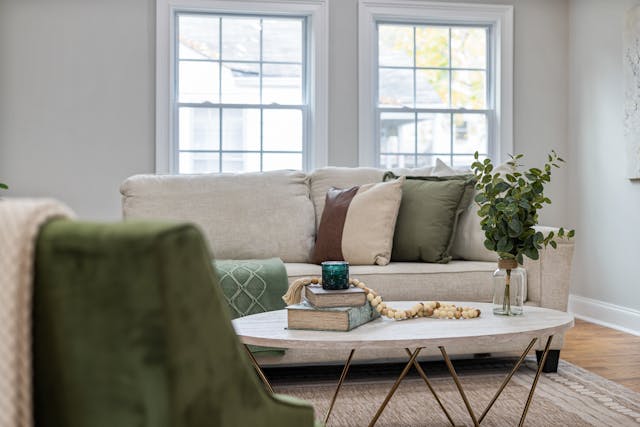
When you think about how to decorate a coffee table, styling is also becoming more intentional: a single sculptural bowl, a low vase of greenery, and one stack of books say “curated” without clutter. If you prefer a more iconic look, Povison’s article on mid-century modern coffee tables shows how timeless shapes still feel fresh.
Coffee Table Buying Checklist for 2026
Before you click “buy,” walk through this quick checklist. Confirm your top three daily uses and whether you need a coffee table with storage, a lift-top, or both. Measure sofa length, seat height, rug size, and walkway clearances against the sizing rules above. Decide on your preferred shape based on room flow and safety, then choose materials that match your maintenance level and lifestyle.
Finally, review smart features—like rounded corners, easy-clean finishes, or fully assembled delivery—and check they support your routines instead of just looking cool. If you’re exploring investment pieces, Povison’s guide on what makes luxury coffee tables worth it is a helpful companion.
Conclusion
The best coffee table for you in 2026 is the one that fits your life, not just your Pinterest board. Start with how you actually use your living room, then choose the right size, shape, and materials to support that. Add storage or smart features only where they truly solve problems, and style the surface with a light hand so it feels welcoming, not busy. With a bit of measuring and planning, your coffee table can become the quiet hero of the room—making everyday routines easier and your space feel genuinely “ready to live in.”
Q&A Section
What is the best size coffee table for a standard 3-seater sofa?
For a typical 3-seater around 78–86 in long, aim for a coffee table about 40–54 in long, roughly half to two-thirds of the sofa length. Keep the height level with the seat or up to 2 in lower, and leave 16–18 in between sofa and table so everyone can reach drinks comfortably without bumping knees.
Should I choose a round or rectangular coffee table for a sectional?
Rectangular coffee tables work well with L-shaped sectionals when you center them in the “L,” because everyone can reach the surface. Round or oval tables are better if your sectional sits in a tight room or you often walk past the corners—curves improve flow and are kinder to shins and toddlers. If you’re unsure, tape the shape on your rug and test the circulation.
What can I use instead of a coffee table in a very small living room?
In a tiny living room, consider nesting side tables, a small upholstered storage ottoman, or a slim bench against the sofa instead of a full-size coffeecan tuck away when you need open floor space and still hold a tray for drinks. Wall-mounted shelves near the sofa can handle remotes and books without taking up precious floor area.
Which coffee table materials are most durable for homes with kids and pets?
Solid or high-quality veneer wood with a sealed, easy-clean finish is a reliable choice for busy homes. Sintered stone or some engineered stone tops are highly scratch- and heat-resistant, and sturdy metal bases can take a lot of knocks. Glass can work, but fingerprints and potential chips make it higher maintenance; upholstered ottoman-style tables are soft but need trays to protect the fabric from spills.
How can I decorate a coffee table without making it feel cluttered?
Use a “rule of three”: one stack of books, one sculptural object, and one living element like flowers or a small plant. Place them on a tray so you can lift everything off in one go when you need the surface. Keep heights varied but low enough to see over when seated, and leave clear space for mugs and remotes so the table always looks styled yet practical.
How often should I replace or update my coffee table?
A good-quality coffee table can easily last 7–10 years or more, so you don’t need to replace it often. Update it when it no longer fits your layout, is badly damaged, or can’t support new habits like working from the sofa. Sometimes a fresh finish, new rug, or updated styling is enough to make an existing table feel completely renewed.


