 By Jenny Smith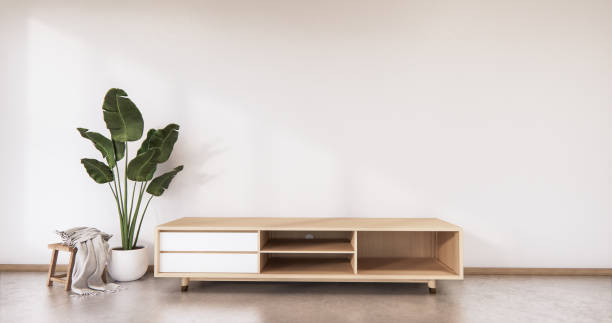
Introduction: Why Your TV Storage Style Matters
Your TV wall is often the first thing people notice when they walk into your living room. The right tv stand with cabinets or open shelves doesn’t just hold your screen—it controls clutter, cable chaos, and the overall mood of the room. In a world where more of us relax, work, and even work out in the living room, smart storage has become a real quality-of-life upgrade, not just a decor decision.
Storage Style Comparison: TV Stands With Cabinets vs Open Shelves
What Is a TV Stand With Cabinets?
A tv stand with cabinets uses doors and drawers to hide most of your gear—think consoles, routers, toys, board games, and spare throws. You still might get a couple of open niches for a soundbar or decor, but the bulk of storage is “quiet” and closed. No surprise, hidden storage is trending across home design: a 2023 study from the Kitchen & Bath Design Trends report found that 74% of homeowners want hidden storage in new kitchen layouts (Source: National Kitchen & Bath Association, 2023). (Airoom)
From the outside, cabinet-style TV units often look more built-in and premium. In my own apartment, switching from an open bench to a low cabinet immediately made the room feel calmer—suddenly the controllers, spare cables, and random remotes all had a place to “disappear.”
What Is an Open-Shelf TV Stand?
An open-shelf TV stand is mostly exposed: think simple wood or metal frames with stacked shelves and no doors. These units are great if you love styling—books, speakers, plants, baskets, and sculptural decor are always on display. You get excellent airflow around electronics and super-easy access for plugging and unplugging devices, which is helpful if you rearrange gear often.
The trade-off is that everything is visible. If you’re not careful, game cases, random mail, and small decor can quickly turn into visual noise, especially around a large black TV screen. Open shelves work best for people who enjoy styling and don’t mind tidying surfaces regularly.
Cabinets vs Open Shelves: At-a-Glance Comparison
| Feature | TV Stand With Cabinets | Open-Shelf TV Stand |
| Storage capacity | High; deep, enclosed compartments for bulkier items | Moderate; great for devices and decor, less for bulky items |
| Ability to hide clutter | Excellent; doors hide toys, cables, and small items | Low; everything is on display unless you add baskets |
| Typical price range | Usually mid to higher, depending on materials and size | Often more affordable and lightweight |
| Best for | Families, pet owners, minimalists, multi-device setups | Decor lovers, renters, small spaces needing airy furniture |
If you want a deeper dive into premium options, you can also explore this POVISON guide to luxury TV stands for more cabinet-focused inspiration.
Dust & Maintenance: How Much Cleaning Do You Really Want to Do?
Dust Control, Cables, and Everyday Cleaning
Open shelves expose every surface—each shelf, each decor object, each device—so dust settles everywhere. If you live in a busy city or keep windows open, an open TV unit can easily become a weekly dusting project. A tv stand with cabinets concentrates dust on the top panel and door fronts, so the mess you see (and need to clean) is much smaller.
Cleaning time isn’t trivial: in the 2023 American Time Use Survey, adults who did household activities spent around 2–3 hours per day on chores like cleaning and organizing (Source: U.S. Bureau of Labor Statistics, 2023). Choosing storage that needs less surface dusting can literally give you back hours over a year.
Cable management is also easier with cabinets. Many closed units have cable cut-outs behind each compartment, so you can feed cords through once and forget about them. With open shelves, cables are often more visible, so you either commit to cable channels, zip ties, and clips—or live with a tangle behind the TV.
Long-Term Care: Materials, Finishes, and Wear
Closed cabinets protect electronics and accessories from grease, UV exposure, and pet hair. That matters if your living room connects to an open kitchen or if your cat loves napping near warm electronics. Matte finishes are forgiving with fingerprints and dust, while high-gloss doors and glass fronts show smudges faster and may need more frequent wiping.
Here’s a quick “cleaning personality” checklist:
- Choose cabinets if you hate dusting: you want fast weekly wipe-downs, fewer visible items, and simpler cable hiding.
- Choose (or mix in) open shelves if you enjoy styling: you don’t mind arranging objects, swapping decor seasonally, and giving shelves a regular refresh.
Visual Impact: How Each TV Stand Changes the Look of Your Room
Calm, Minimal, and Polished: The Look of Closed Cabinets
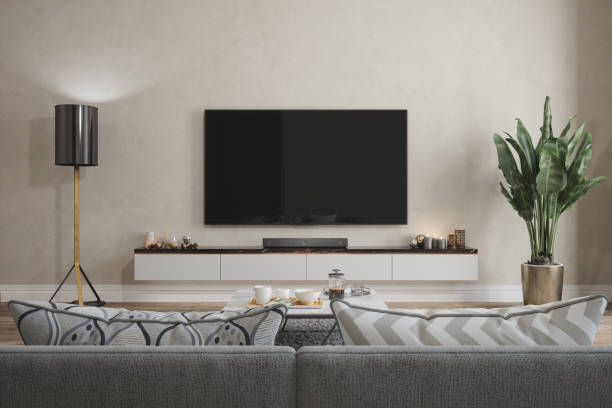
A long, low tv stand with cabinets creates a clean horizontal line that visually “grounds” your TV wall. With fewer objects on display, your eyes read one solid shape instead of dozens of small items. This works beautifully in minimalist, modern, Japandi, and quiet-luxury spaces where calm surfaces are part of the aesthetic.
Color and texture matter as much as the storage style. Dark wood or charcoal cabinets add drama and can make a large TV feel intentionally framed, while light oak or white lacquer keeps things airy. Solid doors also let the TV be the only strongly visible tech element; everything else—from routers to spare remotes—disappears behind the facade. For more style ideas, POVISON’s modern TV stand guide covers how to match stands with different decor moods.
Airy, Styled, and Display-Forward: The Look of Open Shelves
Open shelves feel lighter because you see negative space between objects and more of the wall color behind your TV. That makes them great for small rooms, boho or Scandinavian interiors, and rental spaces where bulky built-ins would dominate. You can show off plants, art books, speakers, and woven baskets for a relaxed, “collected” vibe.
The risk is visual clutter. Too many small items near the screen can make the wall feel busy and even smaller. A simple styling rule: treat each shelf like a small vignette, using the rule of three (three objects or clusters), mixing heights (book stacks + taller items), and leaving breathing room so your eye can rest.
Dust, Kids, and Pets: Safety & Practical Everyday Living
Keeping Electronics, Cords, and Fragile Items Out of Reach
If you have toddlers or curious pets, an open-shelf unit can feel like a playground of buttons and chewable cables. Little hands love pressing power buttons, tugging controllers, and pulling on charging cords. Cats and puppies often see dangling wires as toys.
A tv stand with cabinets helps you tuck remotes, controllers, and chargers behind doors so the fun stuff is out of sight and out of mind. Some cabinet styles even accept child locks or magnetic latches if you need extra protection. Open shelves can still work if you keep the most tempting items higher up and use lidded baskets on lower levels to hide anything fragile or electronic.
I’ve seen this in action at a friend’s home with twins: the bottom row of their TV cabinet is filled with soft baskets for toys, while consoles and routers live behind doors above—kids get what they need, but the electronics are safely off limits.
Stability, Tipping Risks, and Home Safety
No matter which style you choose, stability is non-negotiable. TVs and stands should be anchored to the wall whenever possible. Cabinet units are usually heavier and feel more solid, while very lightweight open frames can be easier to tip if someone climbs or leans on them.
Basic checklist: anchor the TV and stand, avoid placing heavy objects on the top edge, keep drawers from becoming “steps” kids can climb, and consider rounded corners in tight walkways. For more family-focused ideas, POVISON’s guide to TV stands for homes with kids is worth a read.
Storage Planning: How Much Space Do You Actually Need?
Before you decide on cabinets vs shelves, list what truly needs to live in or near your TV stand: consoles, soundbar, router, cable box, board games, photo albums, blankets, or kids’ toys. If half the list is “things I don’t want to see,” that’s an argument for more cabinet space. If it’s mostly decor and a couple of devices, open shelves (or a hybrid) could be enough.
Think in zones rather than “cramming everything in”: one zone for devices with good ventilation, one for daily essentials (remotes, chargers), and one for bulky items like throws or games. For broader inspiration across the room, POVISON’s living room storage ideas can help you distribute storage instead of overloading a single piece.
How to Choose Between TV Stands With Cabinets and Open Shelves
Think of this as a quick lifestyle check rather than a design quiz. Step 1: If you have kids or pets, dislike dusting, and own several devices, lean toward a tv stand with cabinets to hide clutter, protect electronics, and keep cleaning simple. Step 2: If you live in a compact apartment, enjoy styling decor, and only use a few devices, open shelves can keep the room light, airy, and expressive. Step 3: If you relate to both sides, choose a hybrid: solid cabinets on the lower half for storage and safety, with a few open niches around the TV for display, speakers, and ventilation. This way, you get both calm and character in one piece.
Conclusion: Find the Storage Style That Supports Your Real Life
When you strip away trends, the best TV stand is the one that matches your daily habits: how much you own, how much you like to clean, who you live with, and how you want the room to feel at 9 p.m. on a Tuesday. Whether you land on a tv stand with cabinets, open shelves, or a smart hybrid, treat this piece as quiet infrastructure for your living room—supporting the movie nights, game sessions, and lazy weekends that actually matter.
FAQs: TV Stands With Cabinets vs Open Shelves
Is a TV stand with cabinets better for small living rooms?
Yes—often it is. Cabinets let you hide toys, cables, and random living-room clutter so the space feels cleaner and bigger, even if the footprint is similar to an open unit. For tight rooms, choose a slim, shallow stand with raised legs or a wall-mounted cabinet so more floor is visible and the room stays airy.
Will a TV stand with cabinets make my room look too heavy?
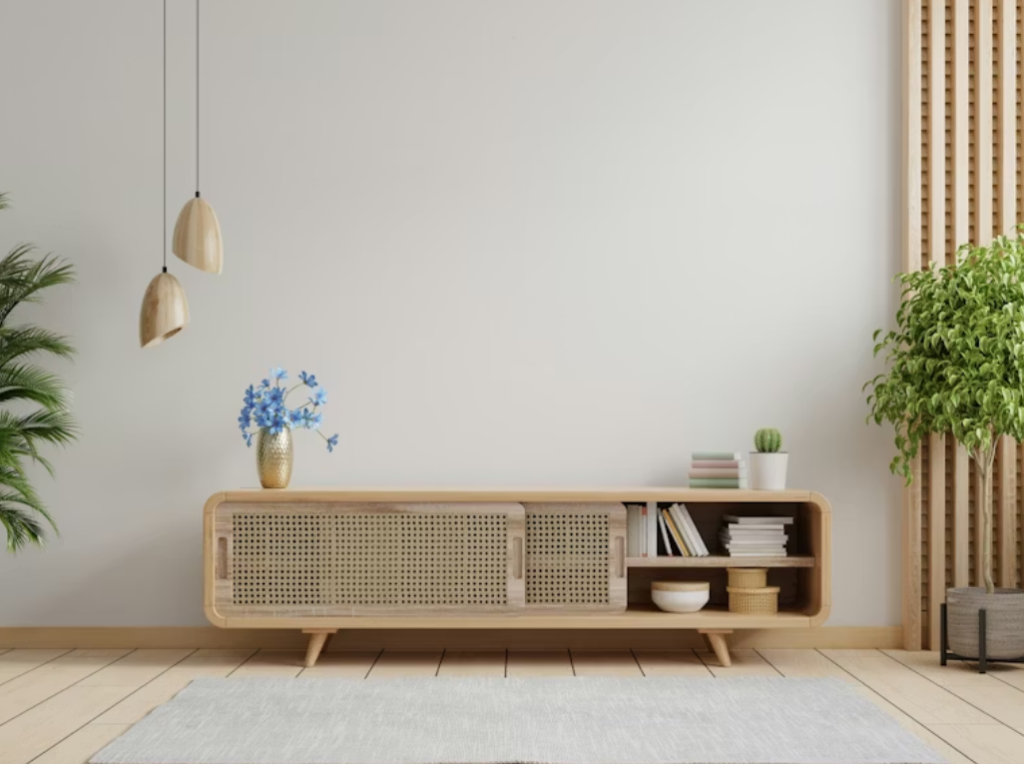
It doesn’t have to. Visual “weight” depends more on color, leg style, and door detail than on whether storage is open or closed. Light wood, white finishes, rattan or fluted doors, and stands on slim legs can look very light. Floating cabinets that leave space under the unit also feel much less bulky than a boxy stand that sits directly on the floor.
Can I mix cabinets and open shelves in one TV unit?
Absolutely. A hybrid layout is often the best compromise for couples or roommates with different preferences. Closed cabinets along the bottom handle devices, games, and mess, while open shelves or niches near the TV display books, speakers, or a few favorite objects. This way, you get the styling freedom of open shelves with the everyday practicality of hidden storage.


