 By Kelvin

Choosing between a daybed vs sleeper sofa comes down to one practical question: what does the room need to be most of the time? A daybed gives you a ready-made single sleeping surface and casual seating, while a sleeper sofa keeps a room feeling like a living area until a guest stays over. The better option depends on who will sleep there, how often the room is used for work or relaxing, and whether you can accommodate a bed-like look every day or an open bed footprint at night.
Table of Contents
What Is the Real Difference Between a Daybed and a Sleeper Sofa?
A daybed keeps a mattress in place, functioning as both a single bed and a casual seating area. A sleeper sofa prioritizes regular seating, then converts into a sleeping surface through a pull-out mattress, fold-down mechanism, or power-adjustable extension.
The main differences involve how each piece supports sleep, how much daily setup it requires, and whether the room needs a permanent bed.
| Buying Factor | Daybed | Sleeper Sofa |
|---|---|---|
| Primary function | Bed with casual seating | Sofa that converts for sleeping |
| Sleeping surface | Usually Twin; some fit Twin XL or Full | Depends on the mattress or conversion design |
| Bedtime setup | Usually ready without conversion | Requires unfolding or extending |
| Daytime footprint | Fixed bed-like shape | Closed sofa dimensions |
| Nighttime footprint | Usually unchanged; trundles need extra room | May extend considerably beyond the sofa |
| Bedding | Standard sheets when mattress size matches | Depends on the mattress or seat platform |
Neither format is automatically more comfortable. A daybed offers a conventional mattress surface, while sleeper sofa comfort depends on mattress construction, cushion support, and the conversion mechanism. Check the actual sleeping surface rather than relying on the furniture category alone.

Which One Works Better in a Home Office, Guest Room, or Studio?
The room itself should lead the decision. A home office, guest room, and studio can all need seating and sleeping space, but their daytime priorities are different. Think about how many people use the room during the day, who sleeps there at night, and whether the furniture needs to support work, television, reading, or hosting.
Home Office: Does the Room Need to Feel Professional First?
A daybed suits a home office that occasionally hosts one guest. Its fixed mattress provides a ready sleeping spot, while pillows can make it usable for reading between visits.
A sleeper sofa may be more appropriate if the office also serves as a meeting or family seating area. Consider how often people will sit there during the day and whether a permanent bed-like appearance fits the workspace.

Guest Room: Who Will Actually Sleep There?
For one regular guest, a daybed provides a dedicated mattress without requiring conversion. This can be useful for visiting relatives or guests who prefer a familiar bed setup.
A sleeper sofa becomes more practical when the room serves other purposes between visits. For two adults, compare usable sleeping width and mattress support. A trundle daybed may offer separate sleeping surfaces, while a wider sleeper can accommodate guests who prefer sharing a bed.

Studio Apartment: What Does the Room Need to Be During the Day?
A daybed can work well in a studio when one person needs a consistent sleeping area and doesn’t mind a bed-like setup remaining visible. A sleeper sofa is often more practical when the same room must accommodate visitors, reading, and everyday seating.
For studios where seating must also provide occasional overnight space, the Povison Aurora Power Sofa Bed offers an 83-inch-wide two-seat design with electric extension. Its zero-clearance mechanism allows placement close to the wall, helping preserve rear clearance while the seats move forward.
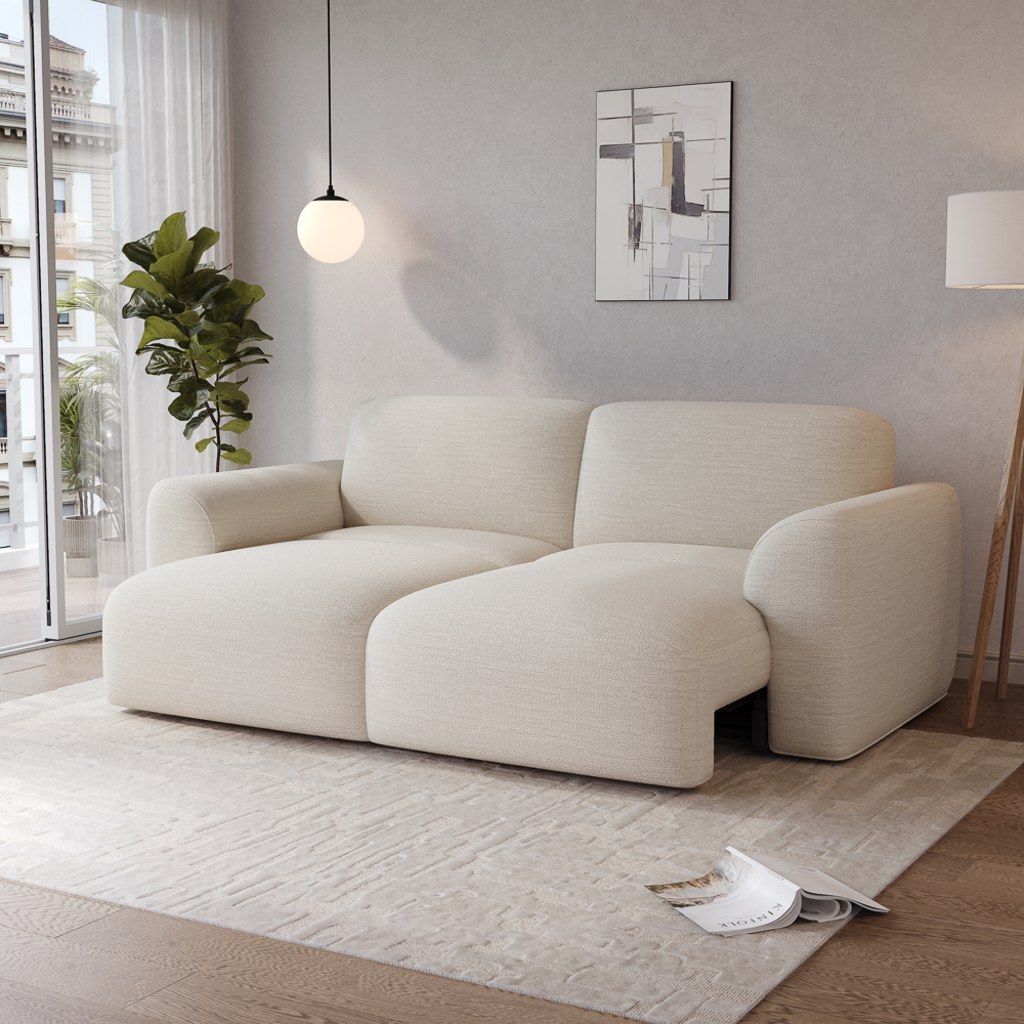
Aurora Power Sofa Bed
An adaptable loveseat keeps daily seating practical while accommodating occasional overnight guests.
👍 Best for: Studios hosting occasional overnight guests
✨ 27–45.5″ continuously adjustable seat depth
✨ Water-resistant, scratch-resistant chenille upholstery
Aurora is particularly useful when the living area changes functions throughout the day. However, the extended seating still requires sufficient floor space, and the upholstered resting surface should not be treated as a standard mattress without checking its usable dimensions.
How Much Space Does Each Option Need?
A daybed and a sleeper sofa can occupy very different amounts of floor space depending on whether they’re being used for sitting or sleeping.
A standard daybed usually maintains the same footprint throughout the day. However, models with pull-out trundles require additional clearance. A sleeper sofa may take up less floor space while closed, but its sleeping configuration can extend well beyond the original seating area.
| Furniture Setup | Daytime Space | Nighttime Space |
|---|---|---|
| Standard daybed | Fixed mattress footprint | Usually unchanged |
| Trundle daybed | Main bed footprint | Extra space for pulled-out trundle |
| Traditional sleeper sofa | Closed sofa footprint | Additional room for unfolded mattress |
| Power sofa bed | Adjustable seating footprint | Forward clearance for extended seats |
Before choosing, mark the full sleeping footprint on the floor. Check whether the coffee table can move aside and whether people can still reach the kitchen, bathroom, or entry.
For larger studios, the Povison Mila Power Sofa Bed provides a different approach to day-to-night conversion. The two-seater measures 90 inches wide, with an electrically adjustable seat depth of 32 to 59 inches and a backrest range of 105° to 180°.
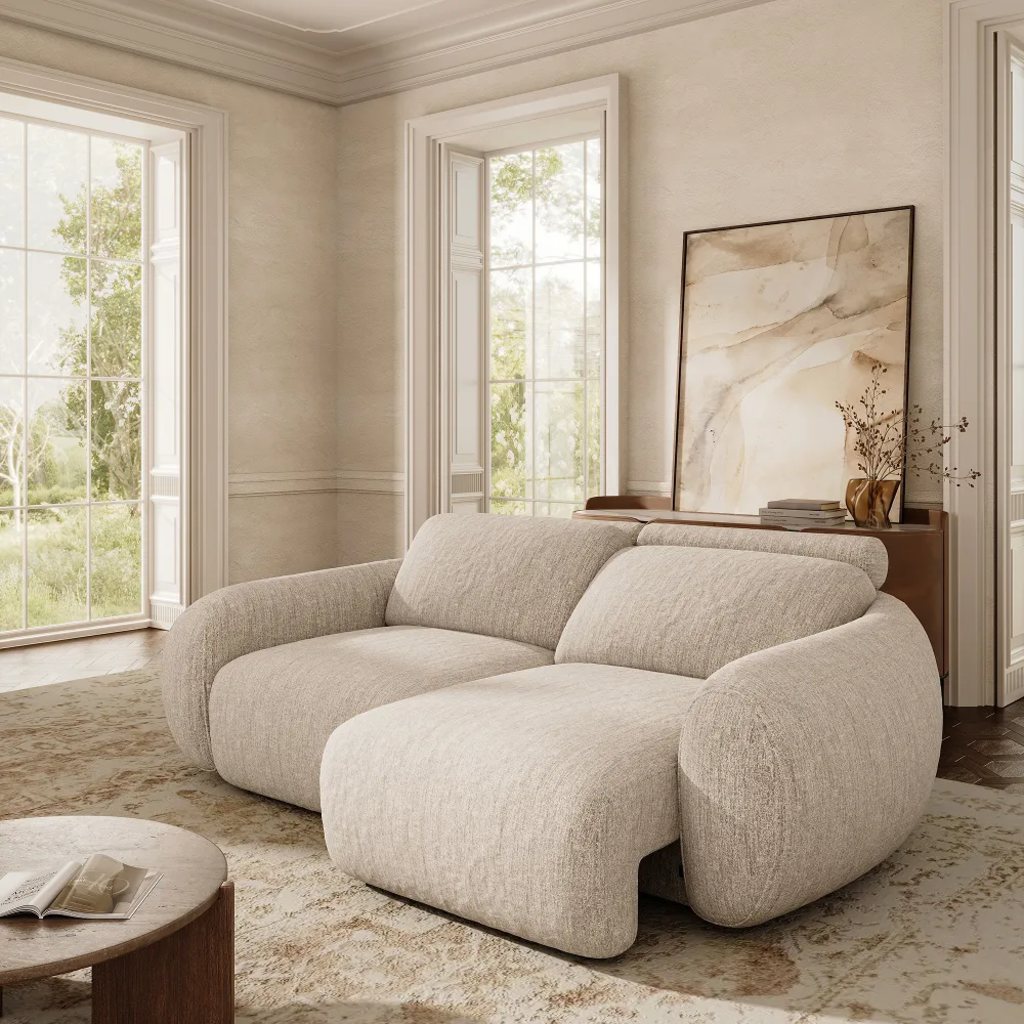
Mila Power Sofa Bed
A spacious sofa supports shared lounging without keeping a permanent bed exposed.
👍 Best for: Couples in larger open-plan studios
✨ 32–59″ adjustable seat depth
✨ 105°–180° power-adjustable backrest
✨ Water-resistant tweed chenille upholstery
Mila allows the resting area to expand without unfolding a separate mattress frame. This is useful when deeper lounging is part of the daily routine, rather than something reserved for overnight guests. Its 52-inch closed depth and additional forward extension make it better suited to a larger studio or open living space than a narrow room.
What Should You Check Before Buying?
Start with the guest, not the furniture category. A child staying one night has different needs from an adult rAfter comparing the room layout and sleeping arrangement, focus on the details that affect long-term comfort, maintenance, and everyday ownership.
1. Sleeping support: Check mattress thickness, cushion construction, frame support, and whether the manufacturer recommends regular overnight use.
2. Weight capacity: Look for the applicable sleeping-mode weight rating. A sofa’s per-seat capacity doesn’t necessarily represent the total capacity when fully extended.
3. Delivery requirements: Compare the largest package dimensions with doorways, stair turns, elevators, and building delivery restrictions.
4. Upholstery maintenance: Consider how often the furniture will be used for meals, lounging, pets, and guest stays. Review cleaning instructions before choosing fabric or leather.
5. Conversion routine: Make sure the mechanism is manageable for the person who will use it most often, including access to electrical outlets for power models.
If an adult will sleep in the room most nights, also consider whether a dedicated bed or Murphy bed provides a better long-term arrangement.
Conclusion
The daybed vs sleeper sofa decision depends on how your room needs to function most often. A daybed offers a ready sleeping surface, making it practical for regular single-person use or a dedicated guest space.
A sleeper sofa keeps everyday seating at the center of the room, with additional sleeping space available when needed. Compare the actual sleep surface, conversion routine, and room footprint before choosing the arrangement that works best for your household.
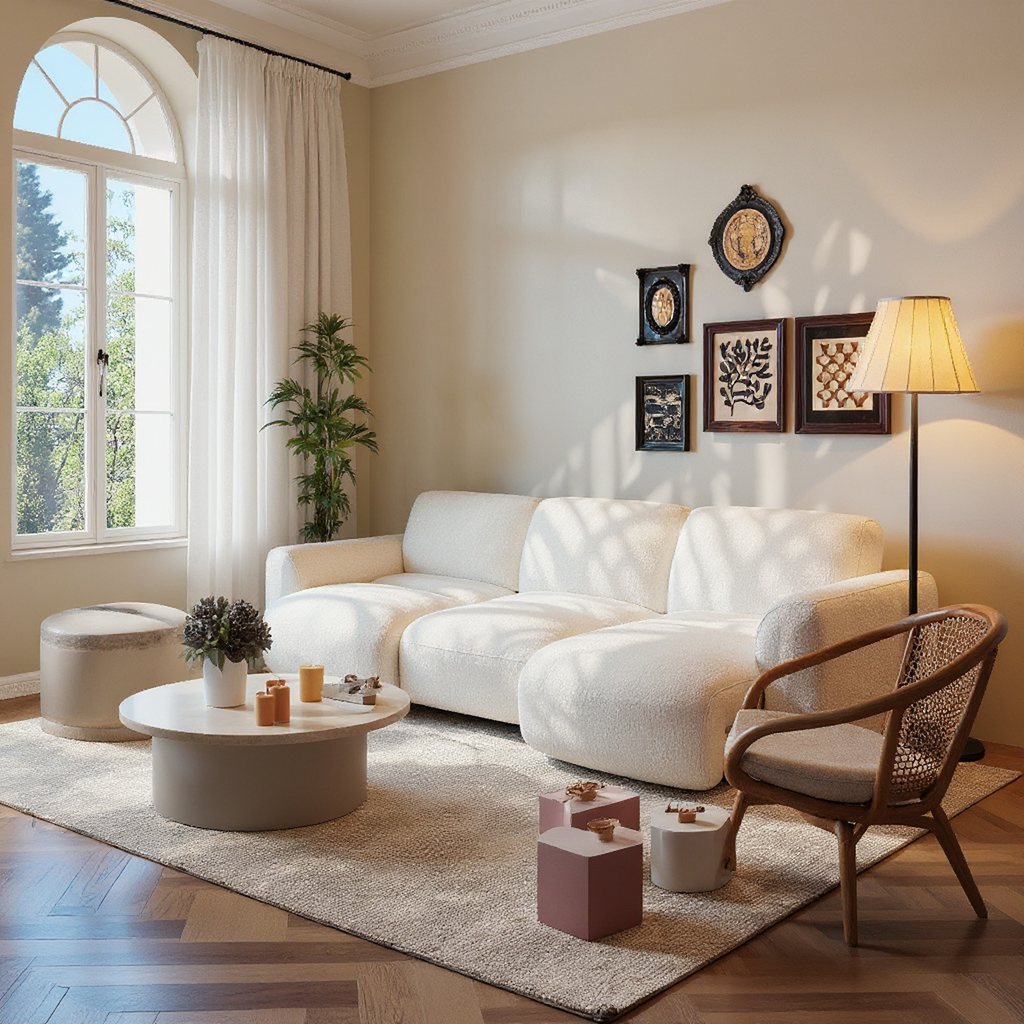
Find the Right Sofa Bed for Your Space
Explore power sofa beds that combine comfortable everyday seating, adjustable lounging, and flexible sleeping space for guests.
FAQ
Can I Use a Standard Twin Mattress in a Daybed?
Usually, if the frame is designed for a 38-by-75-inch Twin mattress. Check the interior platform measurements and the manufacturer’s recommended mattress thickness. A mattress that’s too tall may cover the back rail or leave daytime cushions poorly supported. Trundle mattresses often have additional thickness restrictions, so verify those separately.
Are Standard Daybeds Long Enough for Tall Adults?
Not always. A standard Twin mattress is 75 inches long, while Twin XL provides 80 inches. Taller adults should consider how much usable length remains after adding pillows or accounting for raised end panels. If the daybed will be used regularly for sleeping, verify Twin XL compatibility rather than relying on the frame’s exterior length.
Do Daybeds Need Box Springs?
Most modern daybeds don’t require box springs when they have an appropriate slatted or platform support system. Follow the manufacturer’s instructions rather than adding one automatically. An unnecessary box spring can raise the mattress too high, interfere with the backrest, and make daytime seating less comfortable. Check slat spacing and mattress support requirements before ordering.
Can a Sleeper Sofa Go Under a Window?
Yes, provided the window can still open, treatments can move freely, and the sofa does not cover a radiator, baseboard heater, or floor vent. Check the back height and loose cushions first. Then confirm the opened sleeper will not strike a windowsill, cabinet, or long curtain panel. These same considerations matter when placing furniture in front of a window, especially in a small room where the sofa may need to serve several functions.
What Happens if a Power Sofa Bed Loses Power?
A power sofa bed may remain in its current position until electricity returns. Some models have approved backup-power or emergency procedures, but these vary by manufacturer. Don’t force the mechanism manually. Before buying, check the manufacturer’s recovery instructions, outlet requirements, and available service support, particularly if the sofa will be converted frequently.


[…] deciding between two common options can use a daybed vs sleeper sofa comparison for a home office to judge whether a bed-first or sofa-first setup better matches daily […]
[…] a room used for both reading and hosting, the daybed vs. sleeper sofa decision often depends on whether permanent bedding or everyday sofa seating matters […]
[…] and the daybed runs along another. The limitation is that the room still looks like a bedroom. A daybed vs sleeper sofa for small-space living comparison can help when you are deciding between a bed-first and sofa-first […]