 By Kelvin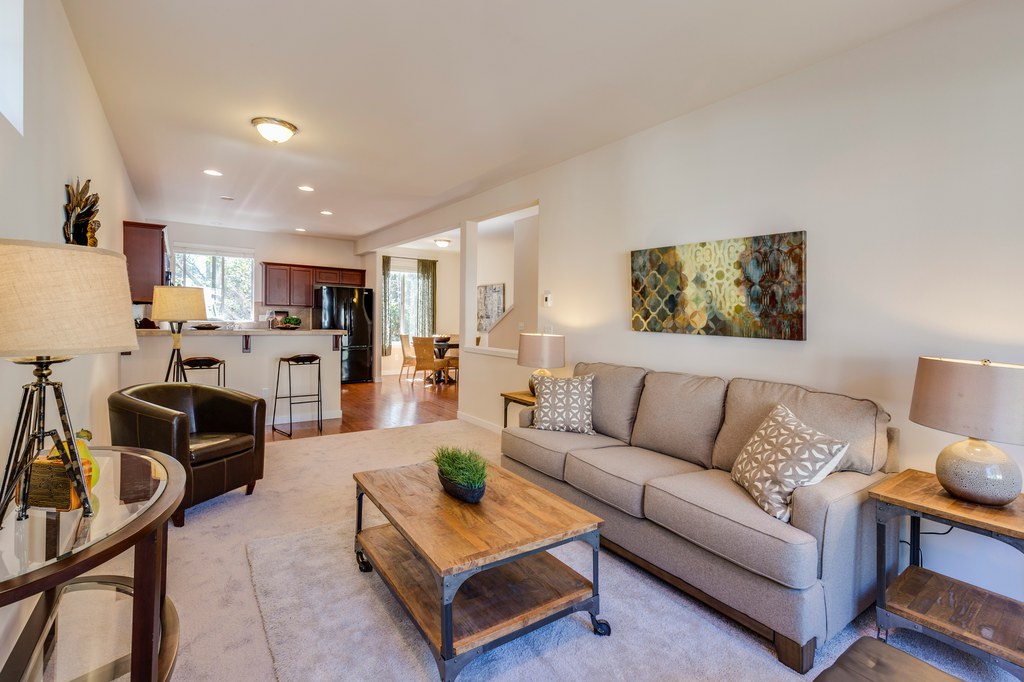
Introduction
A room can feel “off” even when every piece looks good on its own. Asymmetrical balance in interior design helps you fix that problem by balancing visual weight instead of matching both sides exactly. This guide explains how to use furniture, shape, color, height, storage, and negative space to make a living room, bedroom, dining area, or entryway feel more natural. The goal is not to make the room look random. It is to make an imperfect, real-life layout feel intentional and easy to live in.
Table of Contents
What Is Asymmetrical Balance in Interior Design?
Asymmetrical balance in interior design means using different objects on each side of a room, wall, or focal point while keeping the overall visual weight balanced. The word asymmetrical simply means two sides are not the same, but in interior design the goal is not imbalance. The goal is a room that feels steady without looking copied.
The key idea is visual weight. A large dark sectional, a black TV screen, a tall bookcase, or a textured cabinet draws more attention than a pale wall, slim chair, or open-base table. Size, color, material, texture, shape, height, and placement all change how “heavy” a piece feels in the room.
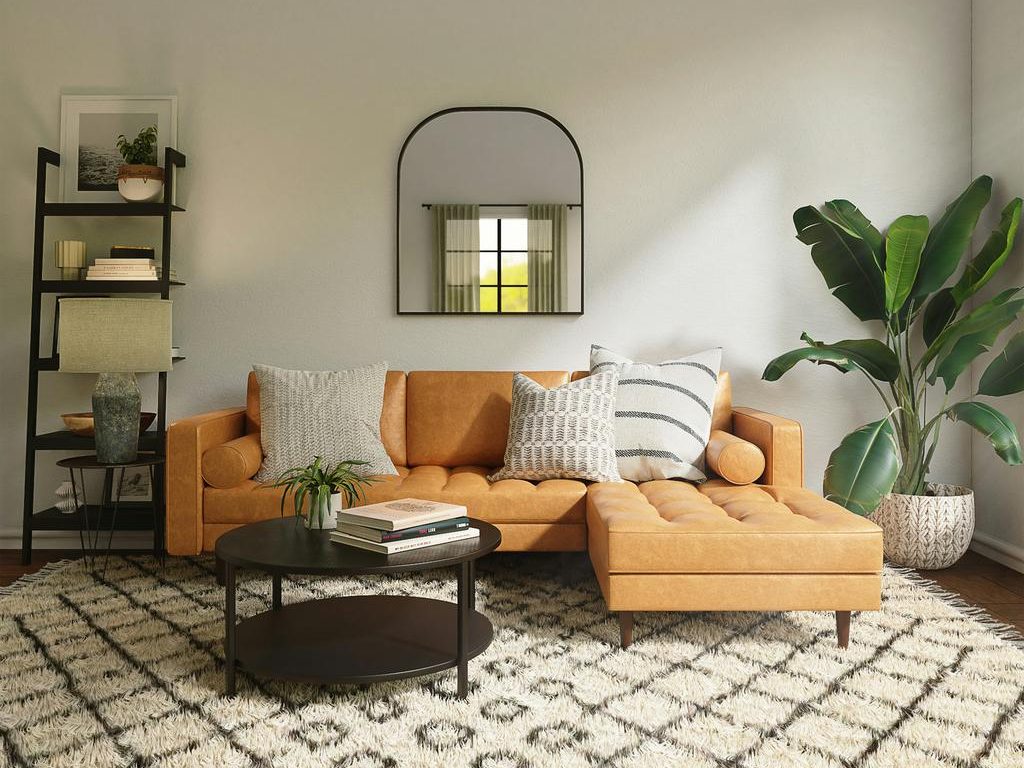
A simple example is a large sofa balanced by two lighter accent chairs, a floor lamp, a round coffee table, and wall art. The furniture is not identical, but the room still feels complete. This is why interior design asymmetrical balance works well in real homes, where doors, windows, fireplaces, walkways, and TV walls are rarely perfectly centered.
Why Can an Unmatched Room Feel More Balanced?
Matching furniture gives a room quick order, but it can also make the space feel stiff if everything is doubled: two identical lamps, two identical chairs, two identical side tables, and perfectly centered art. A lived-in room often needs more flexibility.
Asymmetrical balance works because the eye does not only measure sameness. It also reads proportion, rhythm, empty space, and repeated details. A room can feel calm when the large pieces, lighter pieces, wall decor, and open areas support one another.
| Layout Type | What It Looks Like | Best For | Main Risk |
| Perfect symmetry | Both sides mirror each other | Formal rooms, classic bedrooms, traditional seating | Can feel rigid or staged |
| Asymmetrical balance | Different pieces create equal visual weight | Living rooms, TV walls, apartments, awkward layouts | Can feel messy without repetition |
| Mixed balance | A centered anchor with asymmetrical styling | Most real homes | Needs careful scale and spacing |
The easiest approach is mixed balance. Keep one anchor stable, such as a sofa, bed, fireplace, dining table, or TV stand. Then use different supporting pieces to make the room feel relaxed instead of copied.
Where Can You Use Asymmetrical Balance at Home?
Use asymmetrical balance where a room already has an uneven feature, a strong focal point, or a layout limit that makes perfect symmetry hard to force. Instead of repeating the same furniture fixes from above, use these room checks to decide whether asymmetry is the right layout tool.
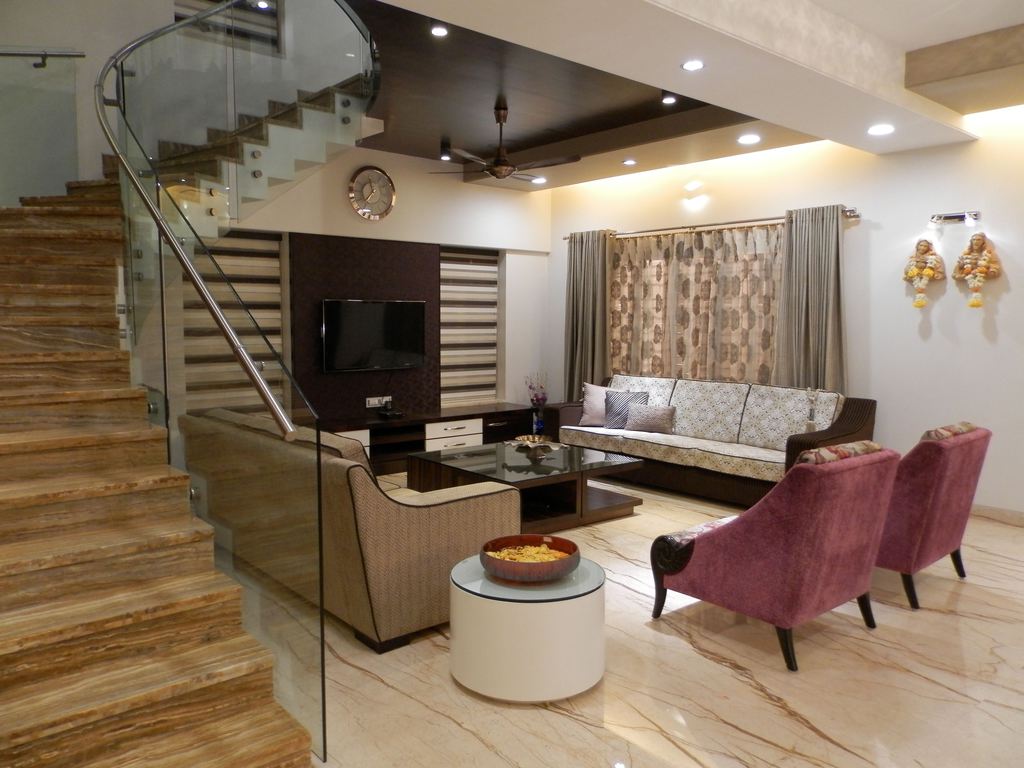
- Open living and dining areas: Use asymmetry to separate zones without building a wall. One side can feel like a seating area, while the other side is grounded by a dining table, sideboard, or pendant light.
- Small apartments: Use lighter visual tools, such as slim chairs, open-base tables, wall art, vertical lighting, and negative space. The smaller the room, the more important it is to balance without overfilling.
- Bedrooms with off-center windows or doors: Keep the bed as the main anchor, then use lighting, art, nightstands, or a bench to make the wall feel planned rather than awkward.
- Dining areas that feel too formal: Break up a full matching set with one asymmetrical detail, such as mixed end chairs, a sideboard on one wall, or a centerpiece placed slightly off center.
- Entryways and hallways: Use asymmetry when a console, mirror, bench, or storage piece has to sit on one side only. The goal is to make the one-sided layout feel useful, not unfinished.
How Do You Upgrade a Room Layout With Furniture?
Start with furniture before accessories. Small decor can help, but it cannot always fix a layout where one side is too heavy, too tall, too empty, or too crowded. The best upgrade begins with the largest visual anchor, then adds contrast, repetition, and breathing room.
Find the Heaviest Piece First
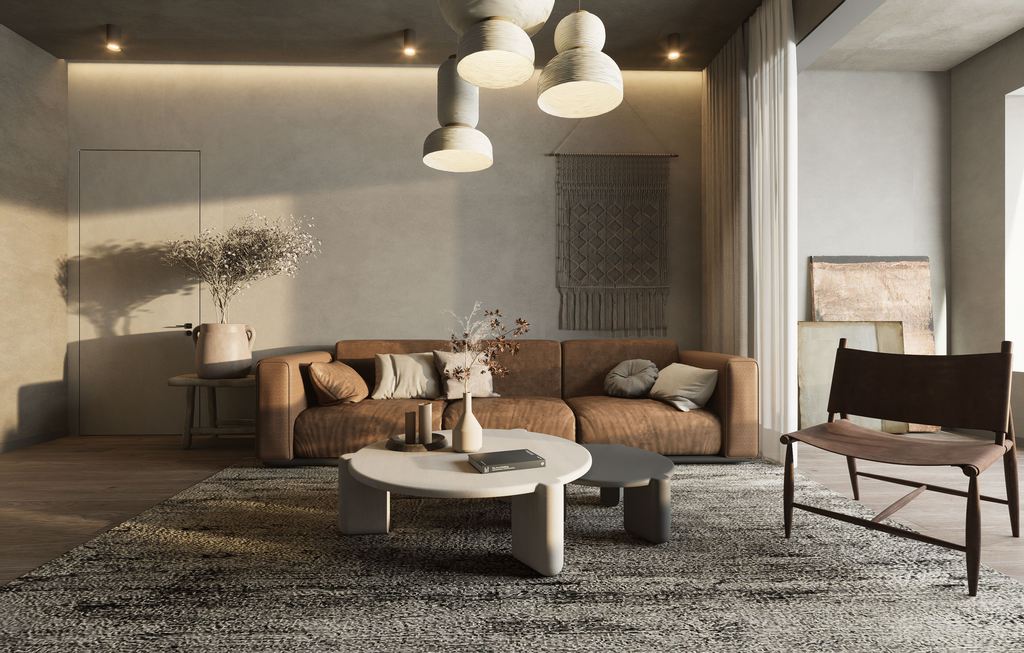
Walk into the room and notice where your eye goes first. That piece is usually the visual anchor. In a living room, it may be a sectional sofa, a dark leather couch, a large TV, a fireplace, or a full wall of shelves. In a bedroom, it is usually the bed. In a dining room, it may be the table, sideboard, or chandelier.
Once you know the anchor, do not fight it. Build around it. A large sectional does not need another large sofa across from it. It may need a chair, lamp, low table, rug, and vertical art to spread attention across the room.
For bigger layout planning, a best living room furniture layout starts with the main function of the room, then places the largest piece before smaller seating, storage, and walkways.
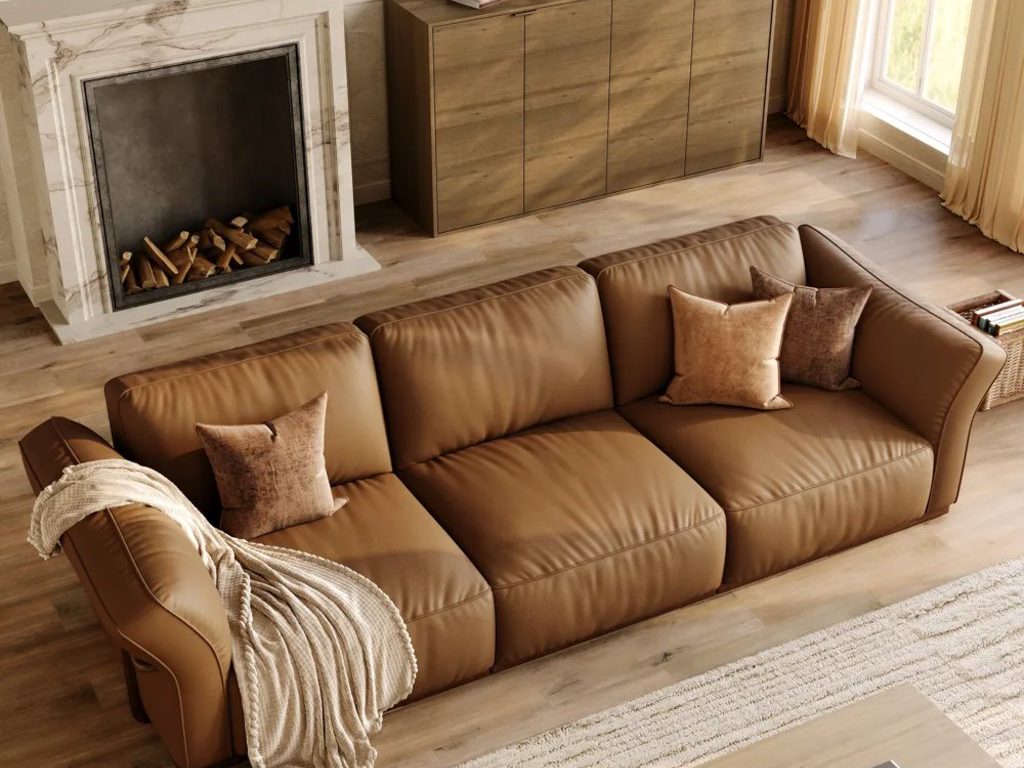
Add a Counterweight, Not a Matching Piece
A counterweight is something different that balances the room visually. It could be one bold chair, two small ottomans, a tall plant, a large framed print, or a storage cabinet. The point is not to copy the heavy side. The point is to give the lighter side enough presence.
A family may have a large sofa on the right because the left side is the walkway to the kitchen. Adding another sofa would block traffic. A better solution could be a slim accent chair near the walkway, a floor lamp behind it, and art above. The left side gains visual weight without becoming hard to move through.
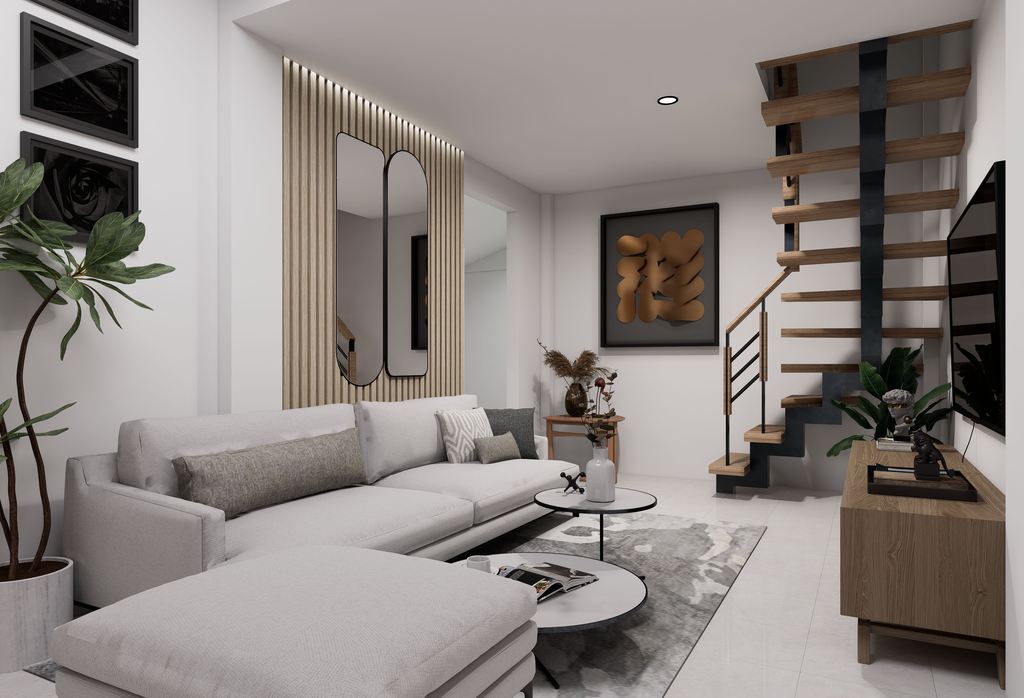
Use Shape to Soften the Layout
Rooms often feel awkward when every piece has the same visual language. A rectangular sofa, rectangular TV stand, rectangular coffee table, and rectangular rug can make the room feel boxy, even if the layout is correct.
Use shape as a balancing tool. A round coffee table can soften a long straight sofa. A curved chair can balance a square media wall. An oval dining table can reduce the stiffness of a narrow dining area. If you are not sure whether your room needs stronger straight lines or softer curves, understanding curved lines in interior design can help you choose a shape that supports the layout instead of adding more visual noise.
Shape is especially useful when you want asymmetry without adding more visual clutter. One curved piece can do more than several small accessories.
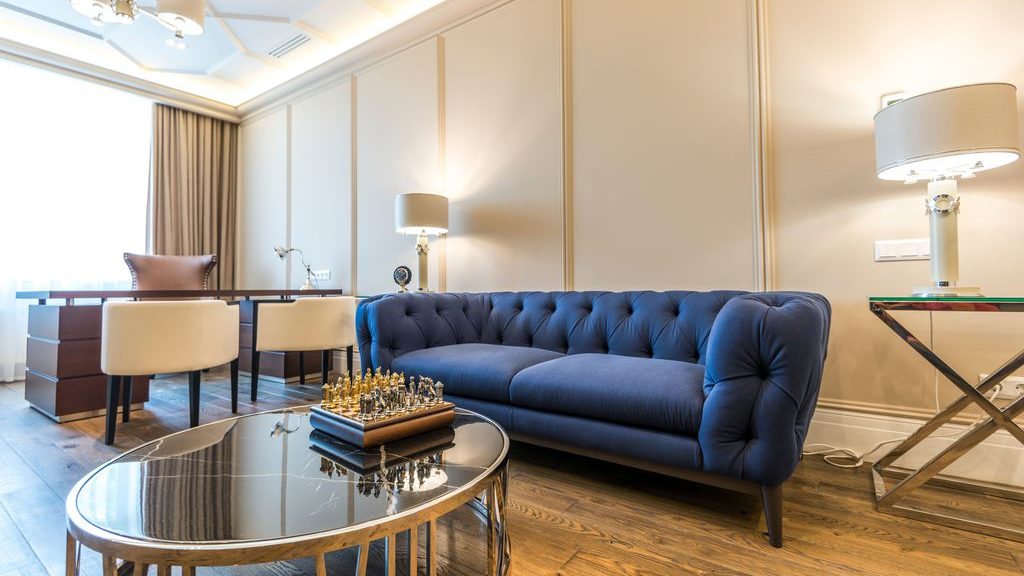
Repeat One Color or Material
Asymmetry needs a shared thread. Without it, mismatched furniture can look accidental. Choose one or two repeated details to hold the room together.
You can repeat:
- Walnut wood across a TV stand, side table, and chair legs.
- Black metal in a floor lamp, cabinet hardware, and picture frame.
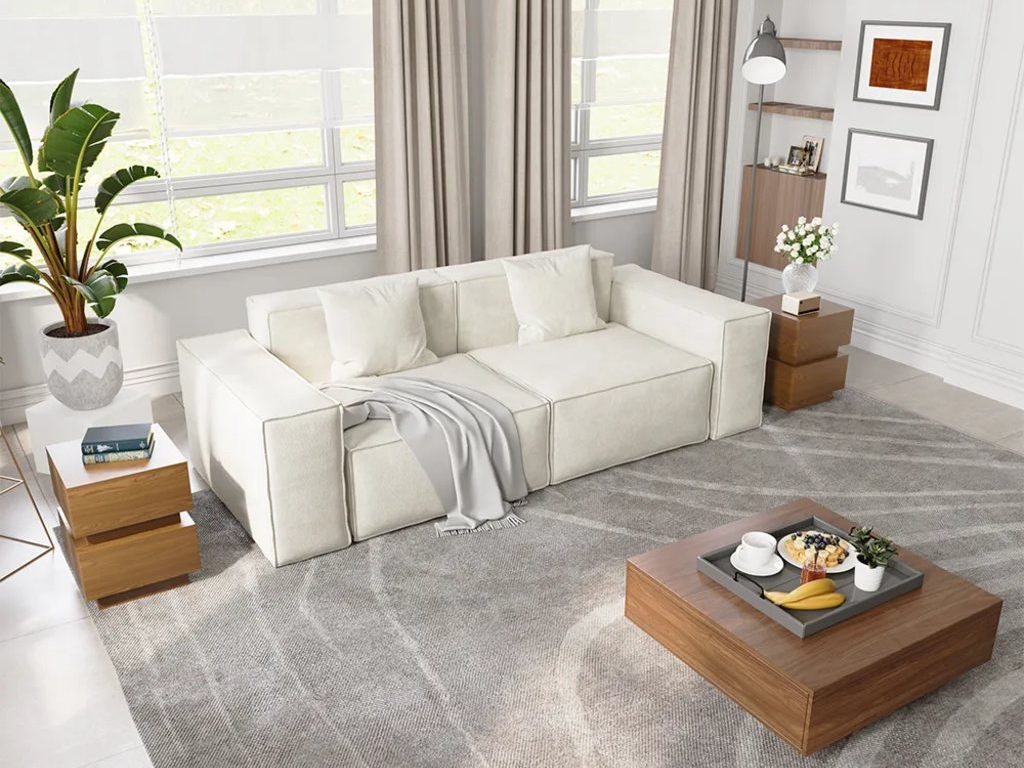
- Cream upholstery through a sofa, rug, and throw pillow.
- Rounded shapes in a coffee table, mirror, and accent chair.
Repetition should be subtle. The room does not need a matching set. It needs enough connection for the eye to understand that the furniture belongs together.
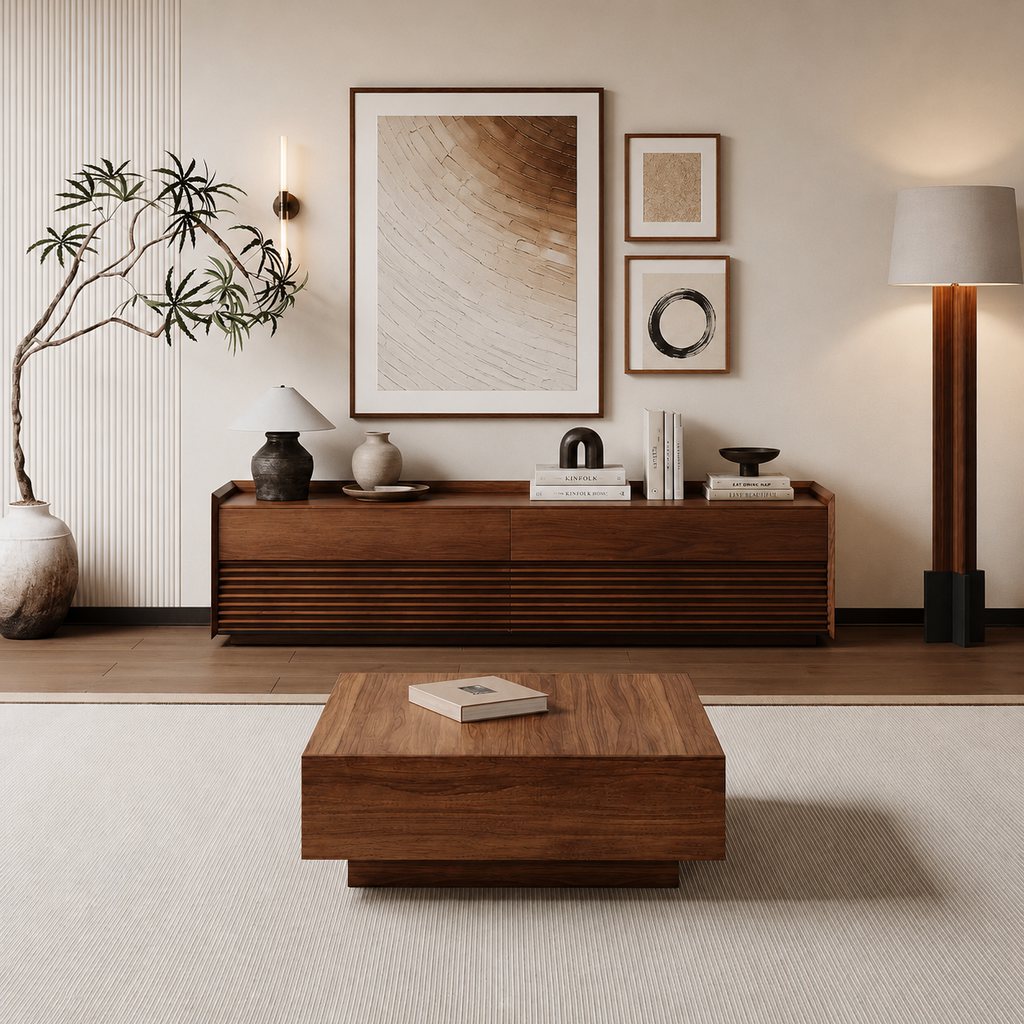
Leave One Side Lighter on Purpose
Negative space is part of the balance. An empty area can make a large piece feel calmer, especially in small rooms. The mistake is assuming every blank wall or open corner needs furniture.
If a room is small, balance a heavy sofa with wall art, a slim floor lamp, or an open-base chair instead of adding another bulky item. If a TV wall feels dark, closed storage and low decor may help more than crowded shelves. When styling a media wall, practical tv stand decor ideas should support the screen, hide clutter, and keep the area visually calm.
Which Furniture Pieces Help Fix an Unbalanced Room?
Different layout problems need different furniture solutions. Before buying something new, identify what feels wrong: is one side too heavy, too empty, too tall, too dark, or too straight? Then choose a piece that solves that specific imbalance.
| Room Problem | What Feels Wrong | Furniture Upgrade That Helps |
| Large sectional dominates one side | One side feels visually heavy | Add accent chairs, ottomans, a round coffee table, or a floor lamp |
| TV wall feels too black or empty | The screen pulls attention | Use a wider low TV stand, closed storage, side lighting, or wall art |
| Sofa area feels stiff | Too many straight lines | Add a round or oval coffee table, curved chair, or soft rug |
| Off-center bedroom window | Bed wall feels uneven | Use different nightstands with matching lamps, art, or a bench |
| Dining room feels too formal | Matching set lacks movement | Add a sideboard, mixed end chairs, or an asymmetrical centerpiece |
| Entryway feels unfinished | One side lacks weight | Use a console, mirror, bench, basket, or tall plant |
The key is to match the solution to the weight problem. A tall bookcase can balance a high blank wall. A low coffee table can calm a crowded seating area. A sideboard can make an off-center dining wall feel useful instead of strange.
How Should You Choose Furniture for Asymmetrical Balance?
Asymmetrical balance interior design becomes easier when you evaluate furniture before buying it. Do not only ask whether the piece is beautiful. Ask what role it will play in the room.
Use this checklist before adding a new item:
- Will this piece become the visual anchor or support an existing anchor?
- Is the color visually heavy or light?
- Is the base solid, open, low, or raised?
- Does the height balance another tall or low area?
- Does the shape soften too many straight lines?
- Does the material repeat something already in the room?
- Will it improve storage, seating, or daily function?
- Does it keep walkways clear?
Coffee tables are a good example. A large square table can make a seating area feel grounded, but it may feel too blocky in a small room with a heavy sofa. A round or oval table may improve flow and soften the layout. Spacing also matters; knowing how far from couch should coffee table be can help the room feel balanced without making daily movement awkward.
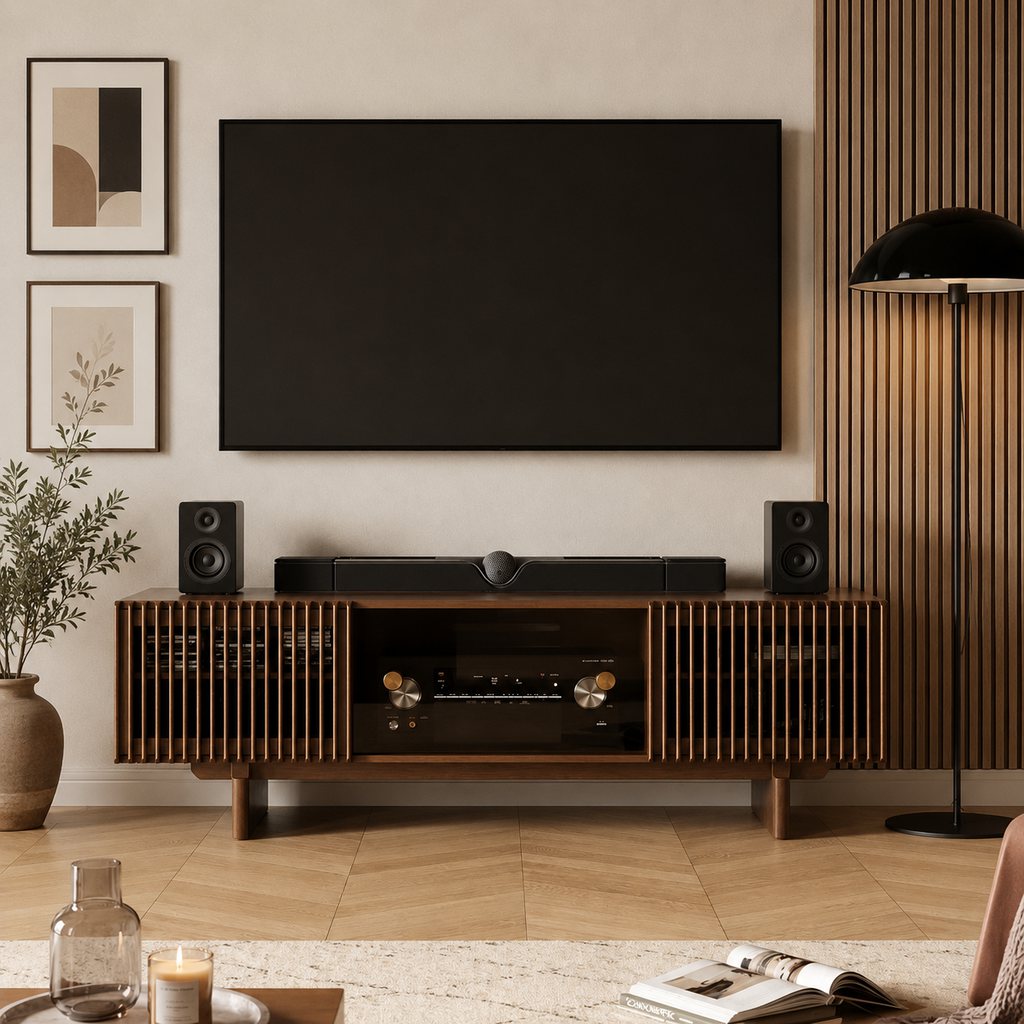
A good furniture upgrade should solve both a visual problem and a use problem. A storage TV stand can balance a black screen and hide remotes. A sideboard can add weight to a dining wall and store tableware. An accent chair can balance a sofa while adding a better reading spot.
The Arboren 71” Mid-Century Modern TV Stand with storage can help ground a large black screen with its low walnut profile. Its closed storage and cable openings also keep remotes, devices, and cords from adding visual clutter.
What Mistakes Make Asymmetrical Layouts Look Messy?
Asymmetry looks intentional when the room has enough structure. It looks messy when every choice is different with no shared logic. Most problems come from too many competing pieces, not from asymmetry itself.
| Mistake | Why It Looks Wrong | Better Fix |
| Every piece is different | The room has no common thread | Repeat one color, wood tone, metal finish, or fabric family |
| One side has all tall furniture | The eye gets pulled upward in one area | Add art, shelving, curtains, or a tall lamp on the lighter side |
| The rug is too small | Furniture looks scattered | Use a rug that connects the main seating pieces |
| You add furniture just to fill space | The room becomes crowded | Use wall art, lighting, or open-base pieces instead |
| The TV is the only focal point | The black screen dominates the room | Add storage, texture, side lighting, or artwork around the wall |
| You center everything out of fear | The room feels stiff | Let one element shift, then balance it with visual weight |
A useful test is to take a photo from the room entrance. If your eye gets stuck on one dark, tall, or crowded area, the opposite side may need counterweight. If the room feels busy everywhere, remove something before adding anything new.
Conclusion
Asymmetrical balance in interior design is not about making a room look uneven on purpose. It is about using visual weight, furniture scale, shape, color, height, storage, and negative space to make a real room feel balanced without forcing everything to match. Start with the heaviest piece, then add counterweight where the room feels empty, dark, tall, or crowded. When each piece has a job, asymmetry can make your layout feel more natural, more useful, and more ready for everyday life.
FAQ
Is asymmetrical balance suitable for traditional rooms?
Yes, but use it more subtly in traditional rooms. Keep classic anchors such as the bed, fireplace, or dining table calm, then add asymmetry through art, side chairs, lamps, or tabletop decor. A room based on traditional interior design can still feel balanced without looking overly formal.
How do I know if one side of the room is too visually heavy?
One side is too visually heavy if your eye always stops there first because of a dark color, tall furniture, bulky sofa, black TV, or crowded decor. Take a photo from the room entrance. If the opposite side feels empty or flat, add counterweight with height, texture, storage, or art.
Should I rearrange furniture before buying anything new?
Yes, rearrange first if the room already has enough seating, storage, and lighting. Move the largest piece, test the walkway, and check whether the lighter side still feels empty. If the room only lacks visual weight, a lamp, art, chair, or slim cabinet may solve the problem better than replacing major furniture.
How do I choose between an accent chair, sideboard, or floor lamp?
Choose based on what the room is missing. An accent chair adds seating and visual weight. A sideboard adds storage and works well along a blank wall. A floor lamp adds height without taking much floor space. If the room feels empty but already crowded, choose lighting or wall decor before another bulky furniture piece.
Is storage furniture better than decorative furniture for balancing a room?
Storage furniture is better when the room also has clutter, loose electronics, tableware, toys, or everyday items without a home. A cabinet, sideboard, or TV stand can add visual weight and solve a function problem at the same time. Decorative furniture works better when the room is already organized but feels visually flat.
What clearance should I check before adding furniture for balance?
Check walking paths, drawer swings, door openings, and seat pull-out space before adding furniture. If a chair, cabinet, or coffee table makes daily movement awkward, it is not the right solution. For seating areas, how far from couch should coffee table be gives useful spacing rules before you buy.


