 By Charles
Finding couches for tall people is not simply a search for the deepest cushion. A sofa can look oversized yet still leave long thighs unsupported, place the neck above the backrest, or make standing uncomfortable after the cushions compress. The right choice supports the positions used most often, whether the sofa is needed for upright conversation, gaming, reclining, or napping. This guide shows how to measure practical fit, compare three distinct seating solutions, and plan enough operating space so comfort still works in a real living room every day without compromise.
Table of Contents
Couch Dimensions and Support Tall People Need
Height alone does not determine whether a couch will fit. Two people who are both 6’3″ may need different seating because one has longer thighs while the other needs more upper-back support. Body proportions and everyday posture matter more than choosing the deepest sofa available.
Before comparing products, sit naturally on a firm chair and check:
- Hip to knee crease: Indicates the usable depth needed for thigh support.
- Seat to shoulder: Helps judge backrest height.
- Floor to knee crease: Provides a reference for seat height.
- Seat to head position: Matters when choosing a recliner or adjustable headrest.
Anthropometry uses body measurements to assess how people interact with products and physical environments (CDC).
Next, match the couch to the main activity. Upright reading and conversation need moderate depth, stable back support, and cushions that do not sink too low. TV viewing benefits from head, calf, and reclining support. Cross-legged sitting and naps require more usable depth and clear space between the arms.
Do not confuse overall depth with usable seat depth. Overall depth includes the frame and back angle, while thick cushions reduce the space available for sitting. Compare these three features together:
- Usable depth with the back cushions installed
- Seat height after the cushion compresses
- The point where the backrest supports the shoulders and head
The right sofa seat depth and height for everyday comfort should always be evaluated together. A permanently deep seat may suit lounging but make upright sitting difficult for shorter family members. Adjustable seating is often more practical when one sofa must support several people and positions.
Compare Three Couches for Tall People
Once body proportions and preferred positions are clear, compare the type of support each design provides. Using current product specifications, the three options below are evaluated by usable seating range, seat height, upper-body support, leg support, and flexibility across sitting positions—not by maximum depth alone.
| Couch | Best for | Main tall-person benefit | Consider before buying |
| Aurora Power Sofa Bed | Mixed-height households | Changes from everyday seating to deeper lounging | Requires open floor space when extended |
| Hudson Sailboat Deep Sofa | Cross-legged sitting and naps | Creates a broad, extra-deep seating platform | Lounge-focused design may not suit every upright sitter |
| Ergopals Power Reclining Loveseat | TV rooms and easier standing | Combines a higher seat with adjustable upper-body support | Provides seating for two |
Adjustable Depth for Mixed-Height Households
A permanently deep couch may support a tall person’s thighs but leave a shorter partner sitting forward with no back support. When the same living room sofa is used for conversation, TV, and occasional overnight guests, adjustable depth allows the seating position to change with the activity instead of forcing everyone into one fixed posture.
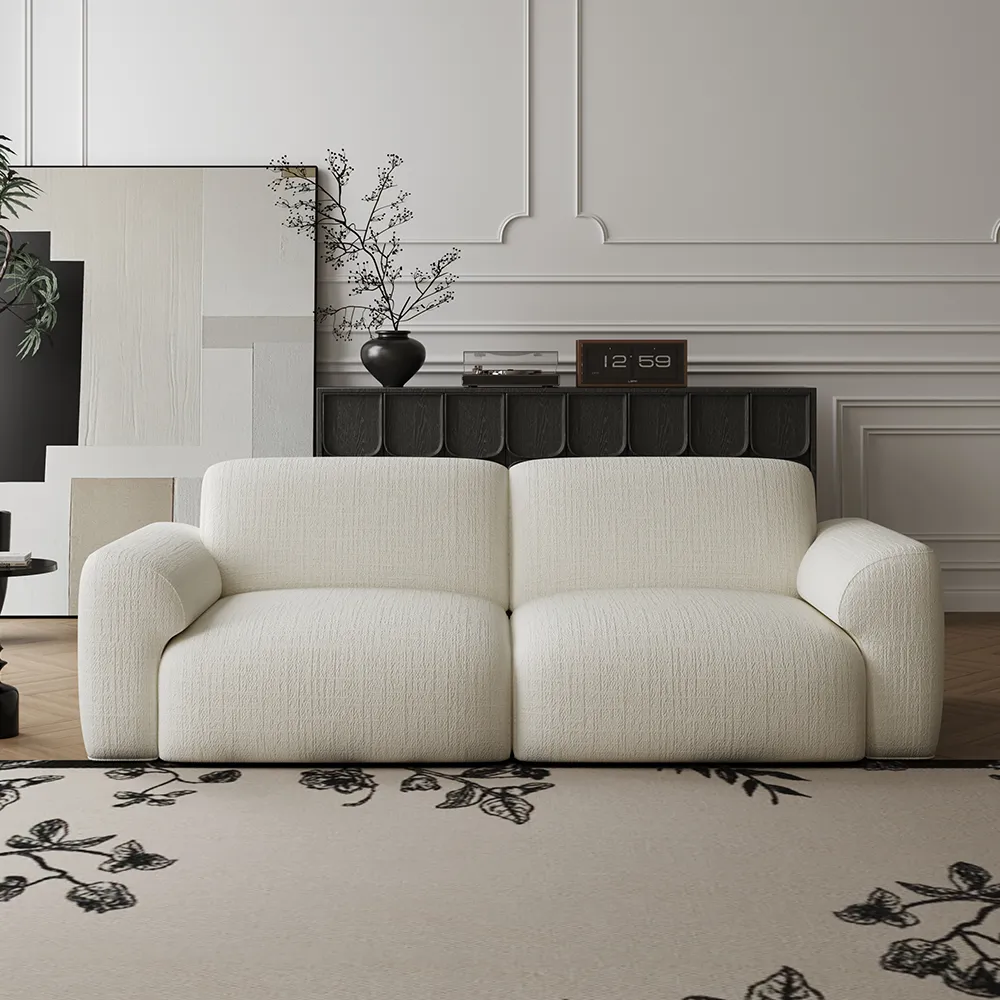
The Aurora Power Sofa Bed uses stepless power extension to move from a conventional sitting position into deeper lounge, recline, and sleep modes. A tall user can extend the seat for more leg support during a movie, then retract it for everyday seating when the room needs easier coffee-table access or a clearer walkway.
Extra-Deep Space for Cross-Legged Lounging
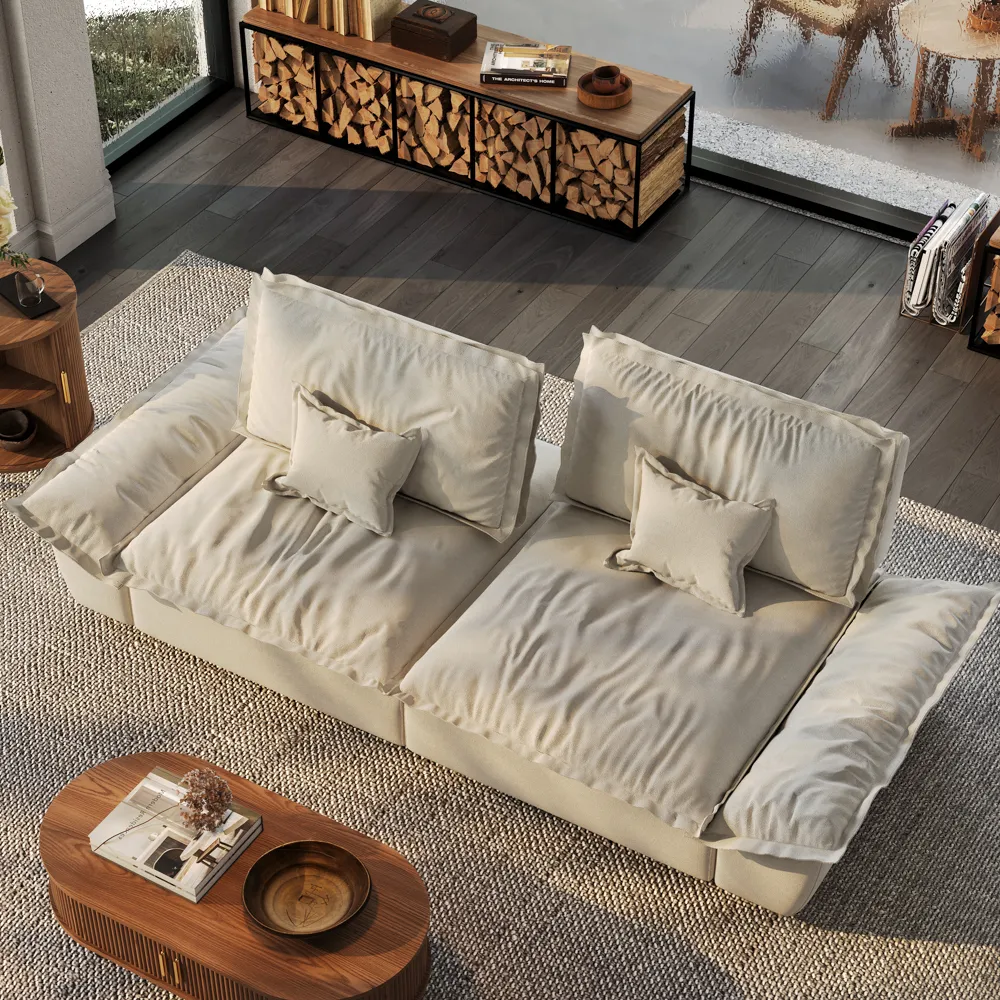
Some tall users do not want to remain in conventional feet-on-the-floor posture. They sit cross-legged, turn sideways, pull both legs onto the cushion, or use the sofa for afternoon naps. These positions require a broader seating surface rather than a standard seat paired with a short footrest.
The Hudson Sailboat Deep Sofa uses a movable backrest to shift between regular seating and an extra-deep lounge platform. Its soft, water-resistant, pet-friendly upholstery also suits relaxed family-room use, where people, pets, snacks, and everyday spills regularly share the same seating area.
This design is strongest for lounging and lying down. Buyers who mainly sit upright should still confirm that the backrest position and seat height allow them to stand without pushing heavily against the arms.
Higher Seating With Head-to-Leg Support
Long legs are not the only source of discomfort. A tall viewer may also find that a low cushion places the knees too high, while a short backrest leaves the neck unsupported once the body reclines. In a TV room or gaming space, seat height and adjustable upper-body support may matter more than maximum depth alone.
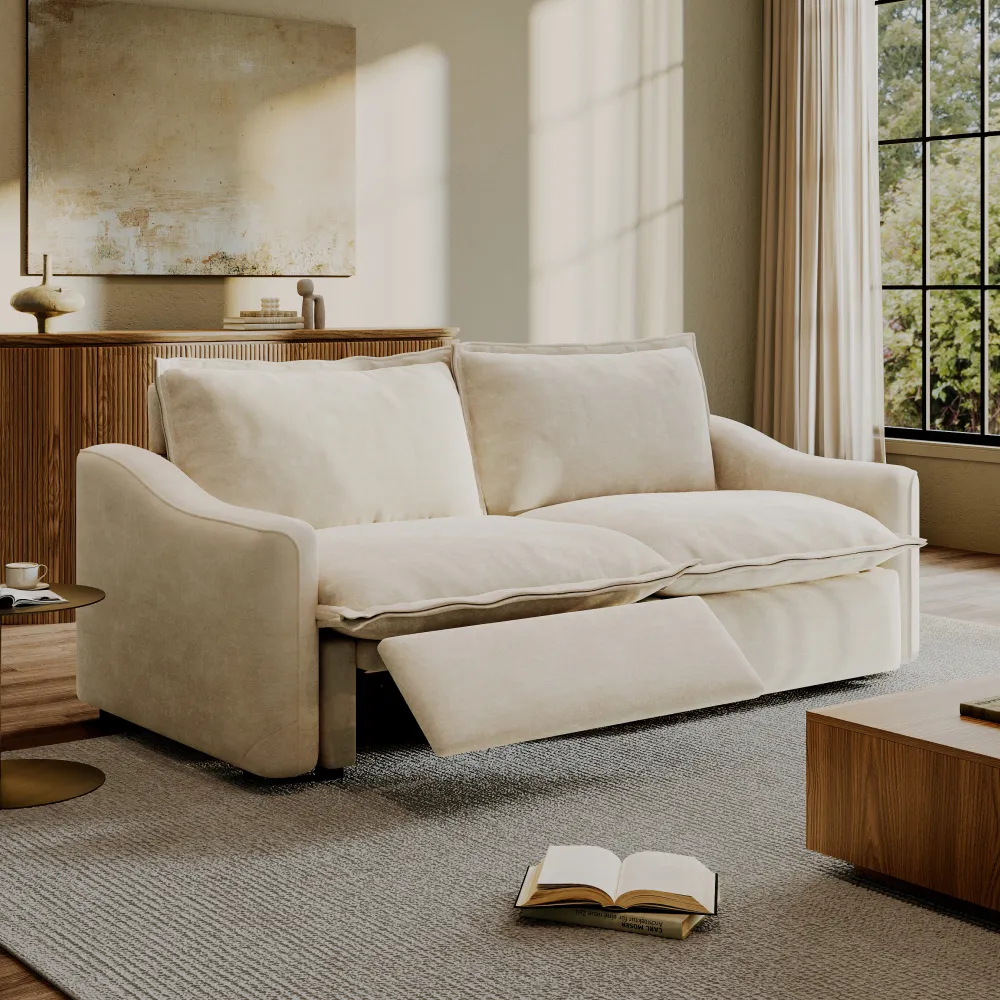
The Ergopals Power Reclining Loveseat combines a 21-inch seat height with powered reclining and a four-inch adjustable headrest. This higher starting position may make standing easier while allowing the head, back, and legs to change position together during longer viewing sessions, rather than asking the user to slide forward or add several loose pillows. Its two-seat format makes it most suitable for couples, dens, and dedicated media rooms. Larger households may need to compare the same support features in a wider sofa or modular configuration.
Plan the Sofa Around Its Open Position
A sofa can fit along the wall and still disrupt the room once a seat extends or a backrest moves. Before ordering, mark the closed position, the most frequently used lounge position, and the maximum open position with painter’s tape. Include the coffee table, door swings, media console access, and the route between the seating area and kitchen.
The reclining sofa size and open-clearance requirements matter most when several seats can move independently. Test the layout based on the household’s real routine rather than reserving one oversized rectangle for every possible position.
A useful room check should cover:
- The main walkway while one seat is extended
- Access to the coffee table or side table
- Clearance for cabinet doors and media-console storage
- Distance from cords to walking routes
- Space for people to pass without stepping over a footrest
On movie night, a layout may appear spacious until one seat extends and someone carries drinks from the kitchen. If that person must turn sideways or lift the tray over another person’s legs, the sofa technically fits the room but does not support the routine.
Delivery access also matters. Measure the narrowest doorway, hallway turn, elevator, and stair landing against the largest packaged component. Powered seating needs a reachable outlet, room to access plugs and controls, and enough clearance for future servicing without moving the entire room.
Common Buying Mistakes to Avoid
Terms such as “oversized,” “deep,” and “big and tall” do not guarantee a good body fit. They may describe the overall frame, wide arms, or visual scale rather than the actual seating area. Review the dimensions and mechanism behind the label before treating it as proof of comfort.
Avoid these common mistakes:
- Treating weight capacity as proof of tall-person comfort. A strong frame may support more weight, but it does not confirm sufficient thigh support, back height, or footrest length.
- Ignoring front-edge support and cushion recovery. A seat may feel supportive at first but become difficult to leave if the front edge collapses or the cushion is slow to recover.
- Assuming a high overall back supports the head. Decorative framing and loose cushions may increase the listed height without placing support behind the user’s neck.
- Overlooking clear width. Thick arms can reduce usable space even when the sofa is wide overall.
- Buying for one posture only. A sofa designed only for full recline may feel awkward during conversation or laptop use.
- Assuming the footrest supports the entire leg. Some footrests stop beneath the upper calf and leave the ankles unsupported.
The strongest choice is not the largest couch. It is the one that supports the tall user’s main posture, remains usable for the rest of the household, and still functions when fully open in the actual room.

Conclusion
The best couches for tall people support the body in the positions used most often, not merely in a product photo. Measure thigh length, seated shoulder height, loaded seat height, and clear lying space; then compare those needs with usable depth, back support, motion range, and room clearance. Adjustable extension suits mixed-height households, movable backs favor lounge-first living, and higher power recliners support upright-to-relaxed viewing. A strong purchase decision connects body fit, daily routines, delivery access, and furniture movement before color or style becomes the final filter for the home.
FAQs
Are bench cushions better for tall people?
A bench cushion creates one continuous surface, which can feel better for side sitting and naps because there are no gaps under the hips or shoulders. Separate cushions are easier to rotate or replace. Check whether the bench cushion has enough edge support, since one soft continuous seat may develop a preferred sitting depression.
How much sleeping length should a tall adult allow?
Measure the person’s height in the sleeping position, then add space for a pillow and relaxed feet. Compare that total with the clear surface between the arms or the product’s stated bed length. Overall sofa width is misleading because arms and side padding do not contribute usable sleeping space.
Can furniture risers make a low sofa suitable?
Do not place a sofa on generic risers unless the manufacturer confirms that the frame and legs can support them. Risers may change stability, overload attachment points, or interfere with reclining mechanisms. A factory-designed higher seat is the safer choice when standing comfort is a major purchase requirement.
Which upholstery suits tall users with pets?
Tall users often contact a larger area of the back and seat, so choose tightly woven, abrasion-resistant upholstery with clear cleaning instructions. Pet homes also benefit from removable covers or surfaces that release fur easily. Request a swatch and test whether claws or a fingernail catch loops before ordering a textured fabric.


