 By Kelvin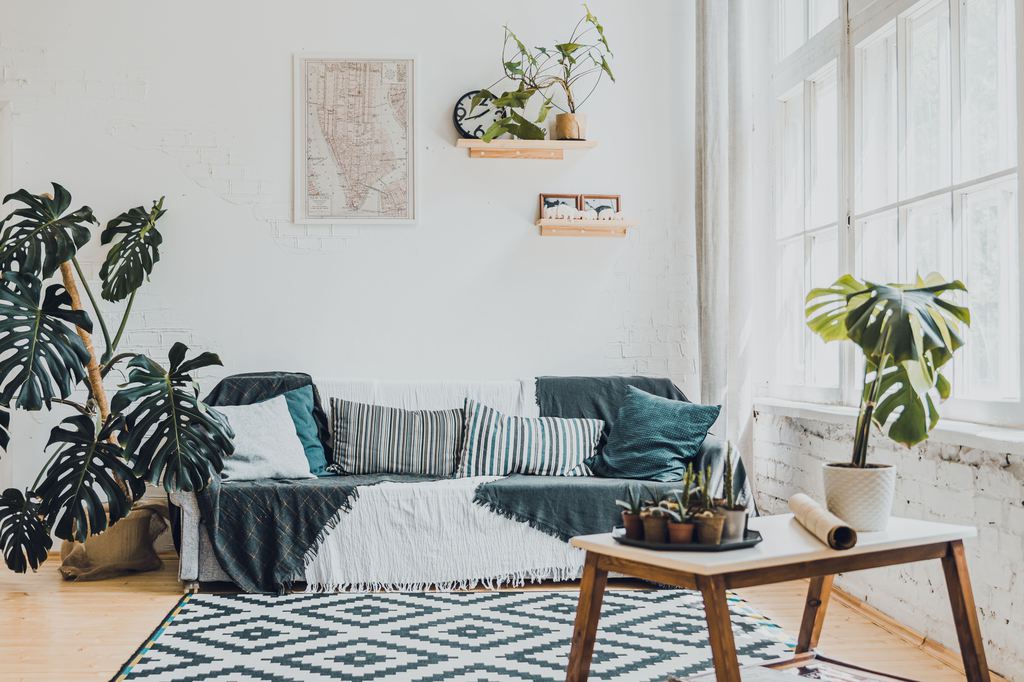
Introduction
Plants can make a room feel softer, warmer, and more finished, but only when they fit the way the room is actually used. This guide will help you choose indoor plant decor by room type, furniture placement, light level, and daily function. Instead of filling every open surface with greenery, the goal is to place the right plant in the right spot, so it supports the room without blocking walkways, cluttering tables, or making furniture harder to use.
Table of Contents
What Makes Indoor Plant Decor Work?
Good indoor plant decor starts with the room, not the plant. A plant may look beautiful in a store, but it still needs the right light, enough space to grow, and a place where it will not interfere with daily routines. A tall floor plant can soften an empty corner. A small tabletop plant can make a desk or side table feel less plain. A trailing plant can add movement to a shelf.
Use these basic rules before choosing plants:
- Check the light level first: bright, medium, or low.
- Match the plant size to the furniture around it.
- Use different heights instead of placing every plant at the same level.
- Repeat planter materials or colors for a more organized look.
- Keep plants away from doors, vents, walkways, and crowded tabletops.
- Use trays or liners under planters to protect wood, stone, or painted surfaces.
The best plant decor ideas are not always the biggest ones. In a small apartment, one slim floor plant beside a sofa may work better than six small pots scattered across the coffee table. In a larger room, a group of plants can look intentional if they share a similar planter color or sit at different heights.
Which Indoor Plant Decor Ideas Work Best by Room?
Each room has a different purpose, so the same plant arrangement will not work everywhere. A dining table needs a low centerpiece. A bedroom needs calm, low-maintenance greenery. A bathroom needs a plant that can handle humidity. Use the table below as a quick planning guide before buying plants or planters.
| Room Type | Best Plant Decor Idea | Best Placement | What to Avoid |
| Living Room | Tall floor plant, shelf greenery, small table plant | Sofa side, empty corner, TV wall, bookshelf | Blocking the TV, walkway, or seating |
| Bedroom | Small calm plant or hanging greenery | Nightstand, dresser, window corner | Strong fragrance or loose soil near bedding |
| Dining Room | Low centerpiece or sideboard plant | Table center, sideboard, nearby window | Tall plants that block conversation |
| Entryway | Slim floor plant or console table plant | Beside a console, under a mirror, near stairs | Wide leaves that block traffic |
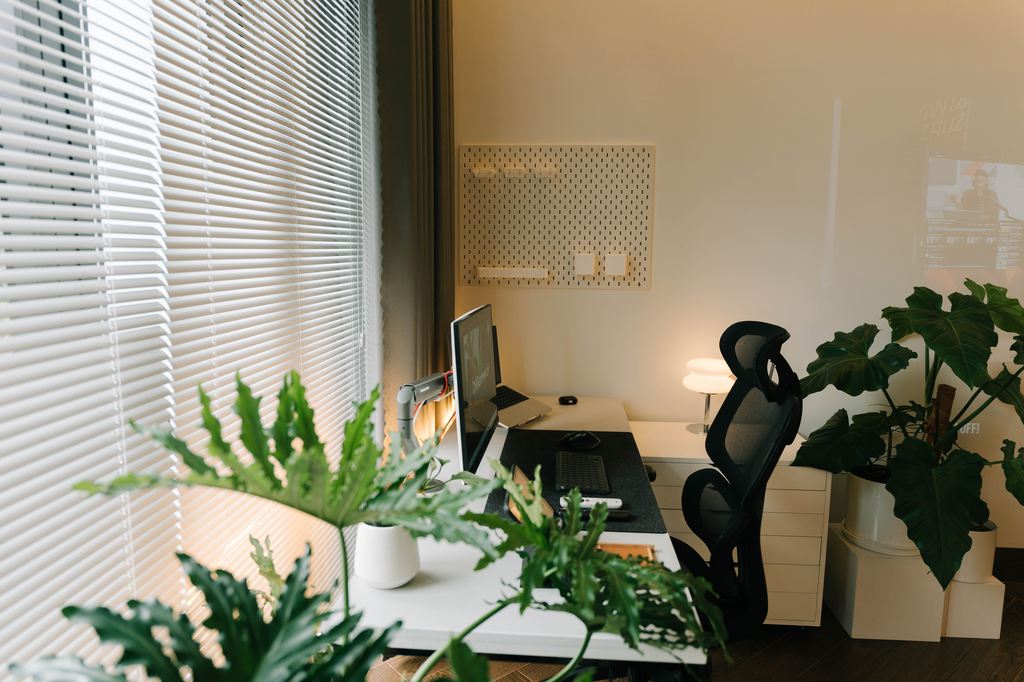
| Home Office | Desk plant or shelf plant | Desk corner, bookcase, cabinet top | Plants taking over work surface |
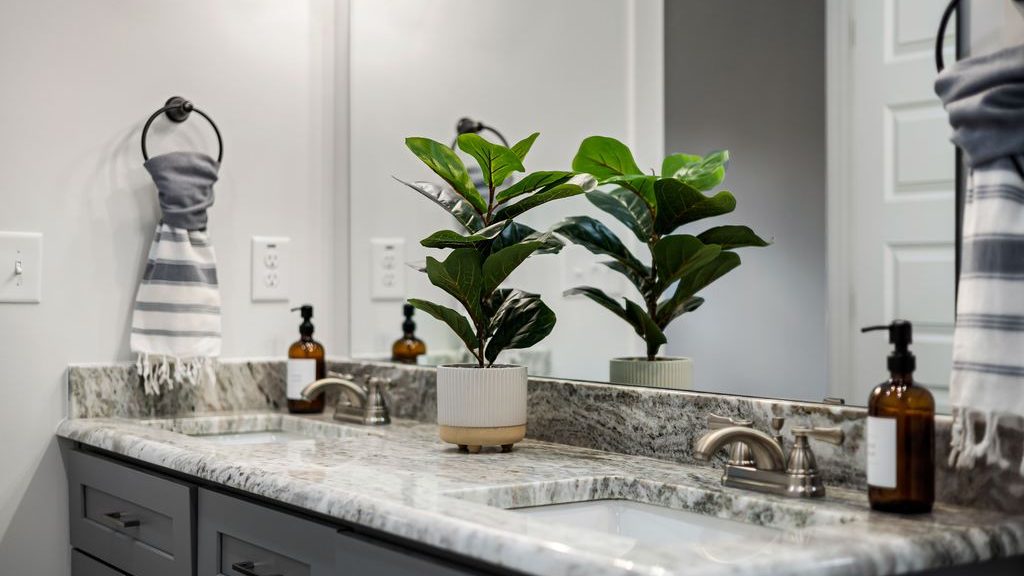
| Bathroom | Humidity-friendly plant | Vanity corner, shower shelf, window ledge | Plants that prefer dry air |
| Kitchen | Herb pot or compact windowsill plant | Windowsill, open shelf, counter corner | Crowding prep space |
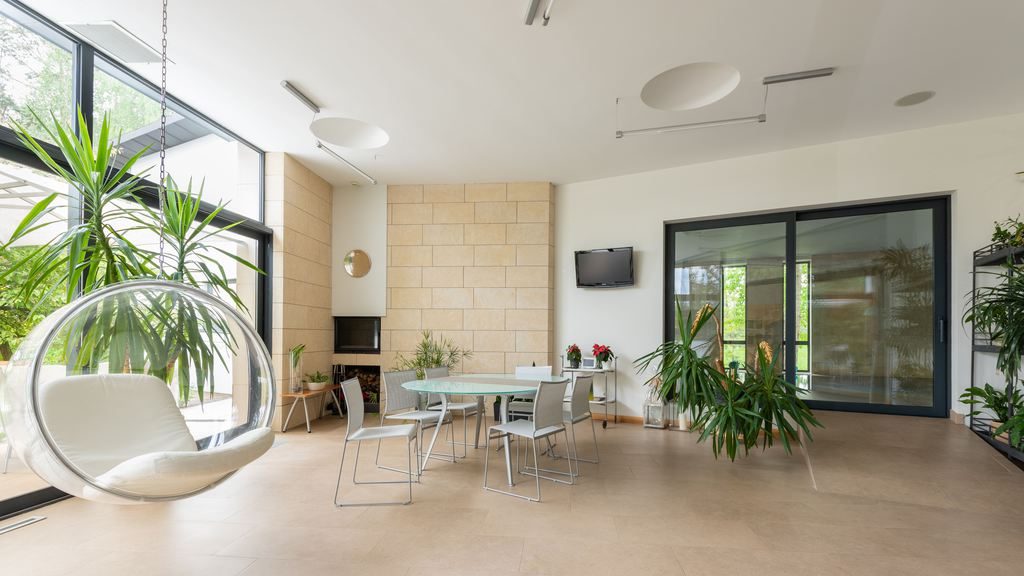
For decoration of living room with plants, start with the biggest visual gaps. That may be an empty corner beside the sofa, a shelf that feels too hard, or the area around a TV stand. In the bedroom, keep the look lighter. A small plant on a dresser or one hanging plant near a window can be enough. In a dining room, plants should refresh the space without getting in the way of plates, serving dishes, or conversation.
How Can Plants Work With Furniture Instead of Cluttering It?
Plant styling works best when it supports the furniture layout. A plant should help soften edges, balance height, or make a surface feel more complete. It should not turn a table, console, or media area into a place you can no longer use.
Around the Sofa
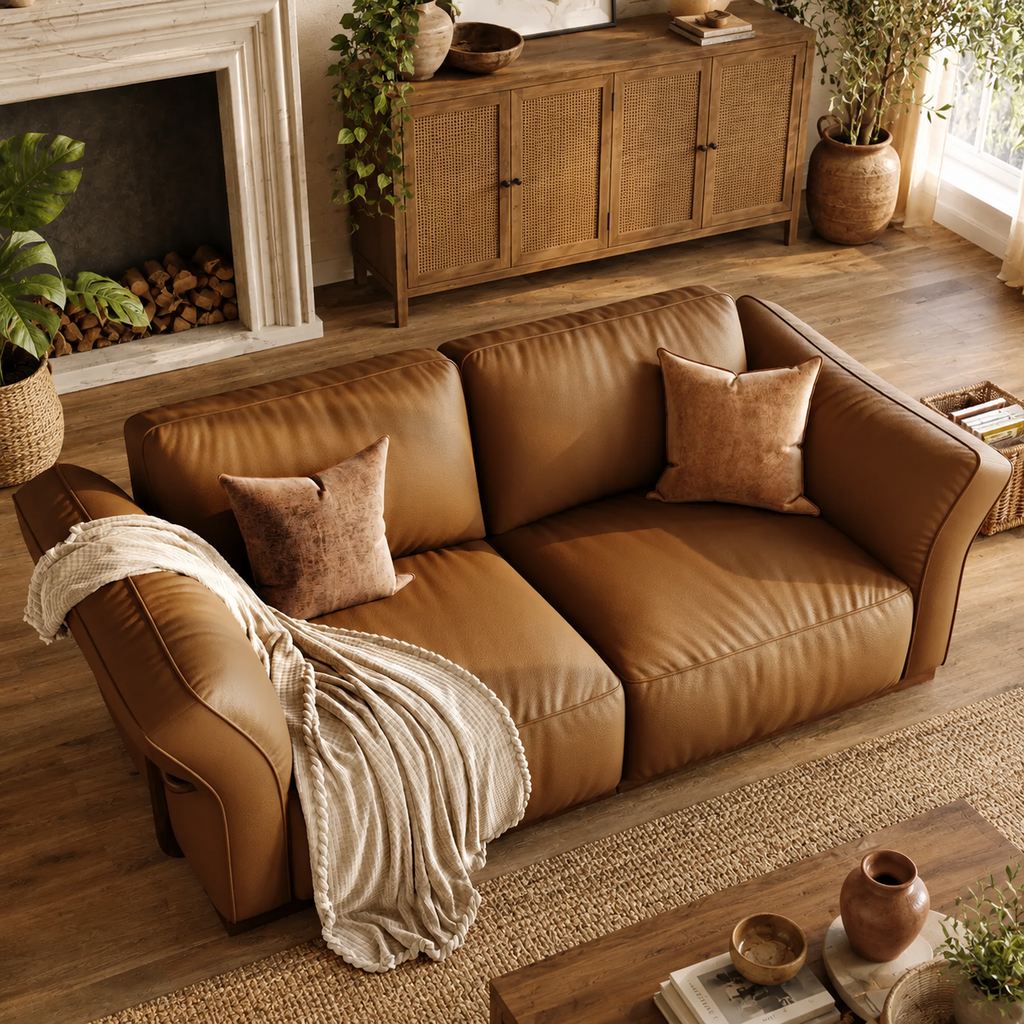
A tall plant beside a sofa can make the seating area feel more grounded. This works especially well when the sofa sits against a long blank wall or beside a window. Choose a plant that grows upward rather than outward if the room is narrow.
For living room decor with plants, avoid placing large leaves where people sit down, walk past, or reach for a side table. A plant should frame the sofa, not brush against someone’s shoulder every time they relax.
Near a TV Stand or Media Console
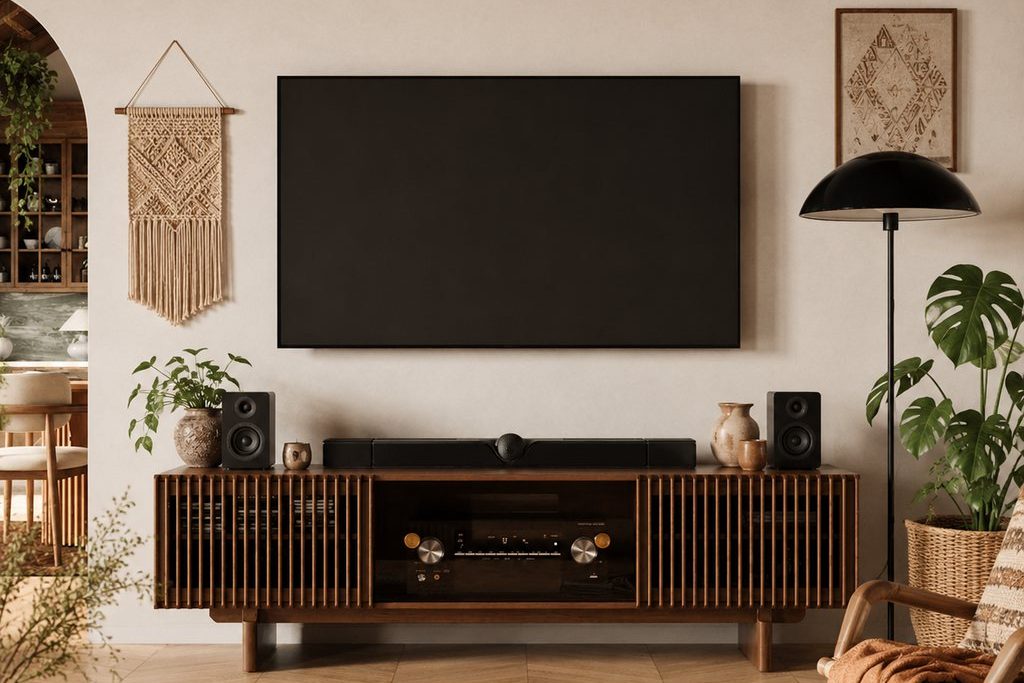
Plants can soften the hard lines of a screen and media console, but they need to stay out of the viewing area. Use one small plant on the far side of a TV stand or place a taller floor plant next to the cabinet. Leave space around vents, speakers, remotes, and cable openings.
A low trailing plant near the side of the console can look natural, but keep vines away from electronics. Water plants away from the furniture first, then return them after the pot base is dry.
On Coffee Tables and Side Tables
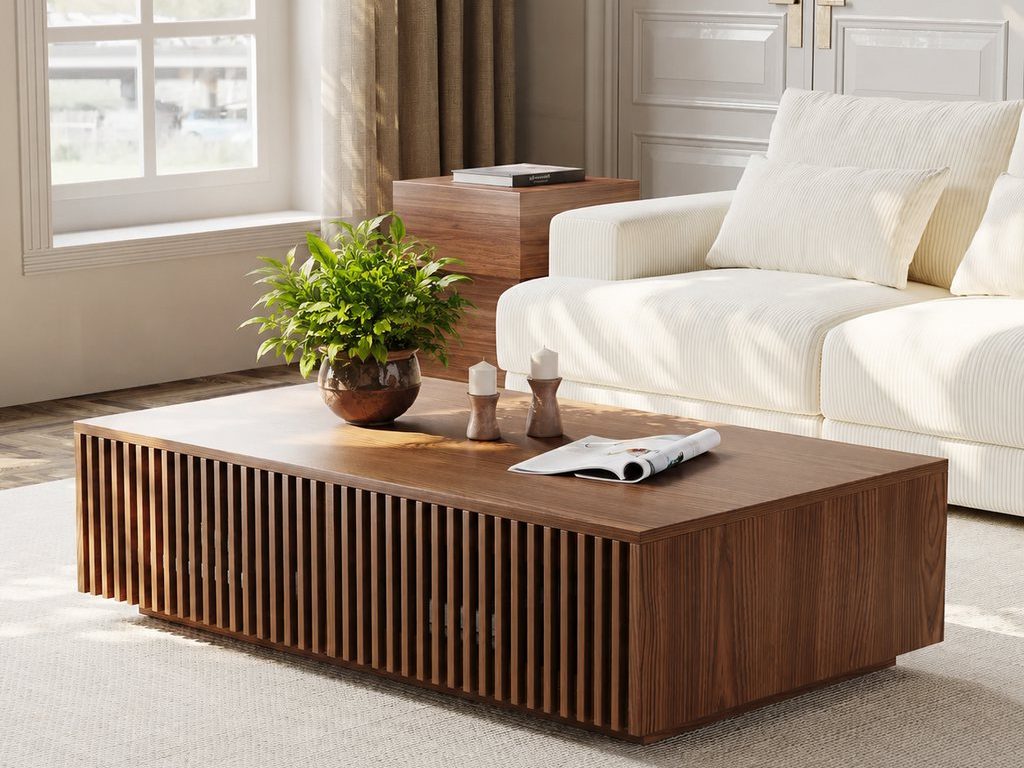
Small plants work well on coffee tables and side tables because they add texture without needing much space. The key is height. A low plant, terrarium, or small succulent is easier to live with than a tall centerpiece that blocks the view across the room.
If your table already holds a lamp, books, drinks, and remotes, choose one small plant and place it on a tray. For more ideas on keeping small surfaces useful, side table decor ideas for a beautiful and practical living room can help you balance decoration with daily function.
On Console Tables, Sideboards, and Storage Cabinets
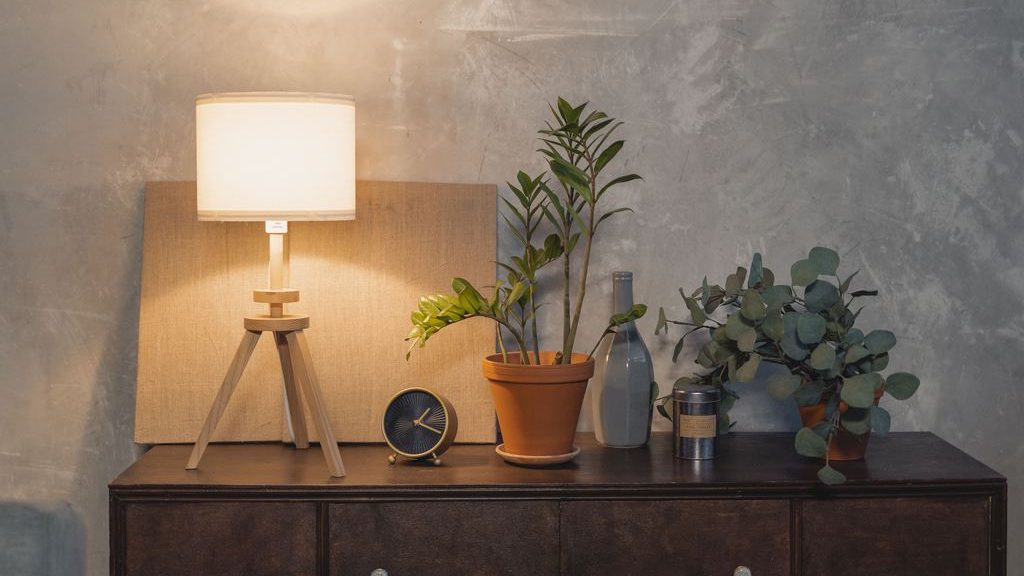
Console tables, sideboards, and storage cabinets are useful places for indoor plant decor because they usually have more surface space than coffee tables. In an entryway, one slim plant on a console can soften the first view of the home without blocking keys or bags. In a dining room, a sideboard plant adds freshness without taking space from the dining table. On a living room storage cabinet, use a tray or saucer so water does not sit directly on the furniture surface.
On Shelves and Bookcases
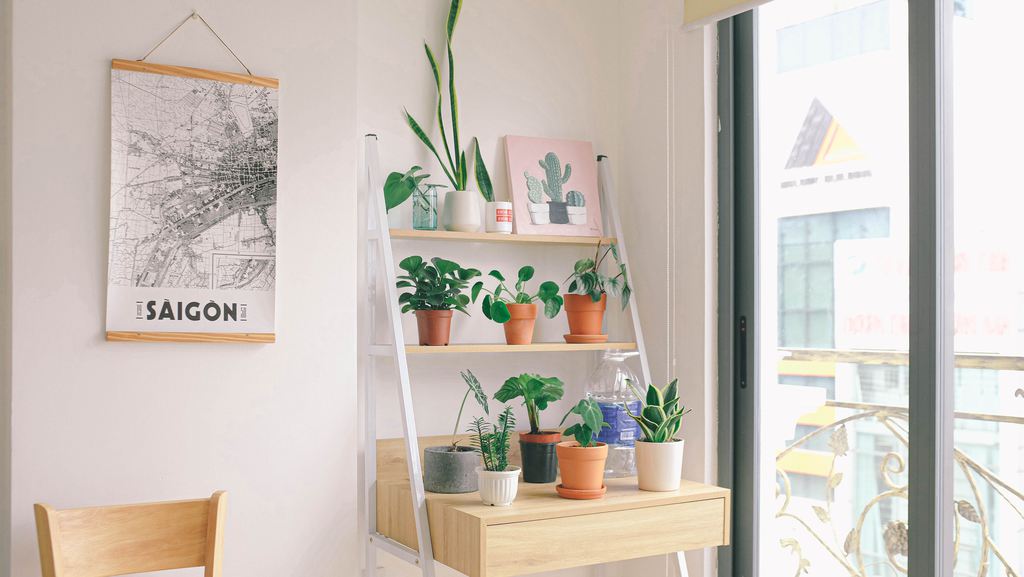
Shelves are good for small upright plants, trailing plants, and mixed decor. The mistake is filling every shelf with a pot. Leave room for books, bowls, framed art, or empty space. A trailing pothos on one upper shelf can add more movement than five small plants placed in a row, especially when you already know how to decorate a bookshelf with balance and negative space.
Group plants by care needs when possible. Plants that need similar light and watering are easier to maintain when they sit near each other.
On Nightstands, Dressers, and Bathroom Vanities
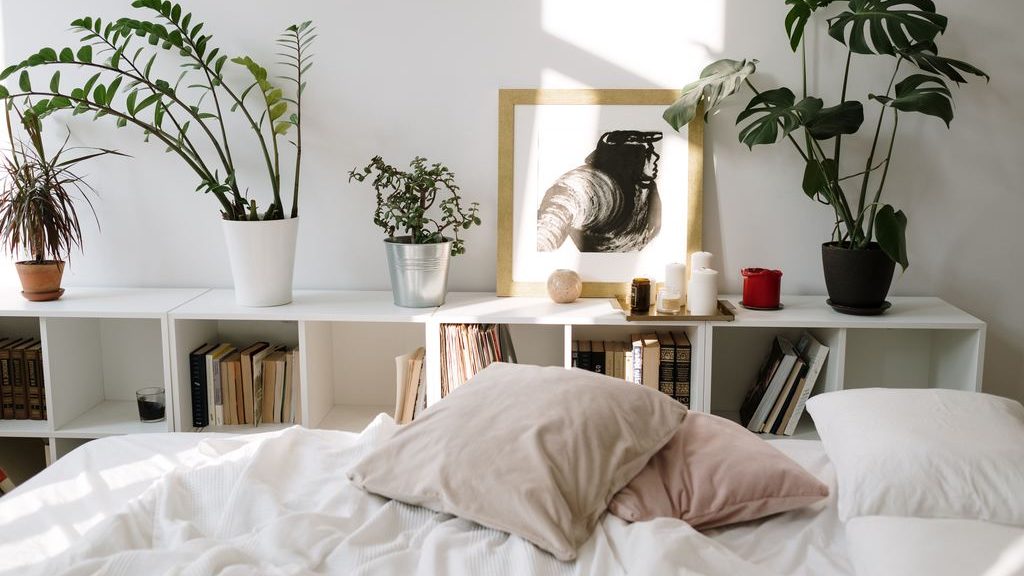
Bedroom and bathroom surfaces need smaller, easier-to-move plants. On a nightstand, choose one compact plant that still leaves space for a lamp, phone, or book. On a dresser, a medium plant can soften a plain wall or mirror area. In a bathroom, place greenery on a vanity corner, shelf, or window ledge where it will not interfere with the sink, towels, or daily cleaning.
How Should Plant Style Match Your Decoration Style?
Plant style does not need to become the main topic of this article, but it does matter. The plant shape, pot material, placement, and quantity should support the room’s design direction. This is especially useful when you want plants decoration ideas that feel intentional instead of random.
| Decoration Style | Plant Type | Best Placement | Suggested Amount |
| Modern | Sculptural plants, upright leaves, simple pots | TV stand side, empty corner, clean-lined console | 1 large plant or 2 small accents |
| Scandinavian | Light greenery, simple ceramic or woven planters | Near light wood furniture, windows, open shelves | 2–3 simple plants |
| Boho | Trailing plants, leafy plants, mixed planters | Hanging planters, shelves, side tables, corners | 3–5 layered plants |
| Organic Modern | Soft leafy plants in neutral ceramic, stone, or wood-toned pots | Coffee table, cabinet top, wood furniture area | 2–4 natural-texture plants |
| Minimalist | One statement plant in a plain planter | Empty corner, beside a sofa, near a low cabinet | 1–2 plants only |
| Japandi | Calm structured greenery, quiet shapes | Entryway console, low cabinet, natural-light corner | 1 large plant or 2 balanced accents |
If you want to go deeper into plant shapes for specific interior styles, style your home with houseplants like an interior designer focuses more on style-based houseplant matching.
What Mistakes Make Plant Decor Hard to Live With?
Plant decor becomes frustrating when it looks good for one photo but does not work in daily life. A plant should not make it harder to clean, sit down, open a cabinet, watch TV, or use a table. These mistakes are common because people choose plants by appearance before checking the room.
Avoid these problems:
- Too many small plants on every surface.
- Planters in many unrelated colors and materials.
- Wet pots placed directly on wood furniture.
- Large plants blocking doors, vents, screens, or walkways.
- Tall plants used as dining table or coffee table centerpieces.
- Plants placed far from the light they need.
- Delicate plants in busy areas with kids or pets.
A better approach is to choose fewer plants and give each one a clear role. One tall plant can anchor a corner. One small plant can soften a desk. One trailing plant can loosen a shelf. In a warm, natural room, the same thinking used in organic modern interior design also applies to plants: use natural texture, leave breathing room, and avoid filling every surface.
What Should You Check Before Buying Plants or Planters?
Before buying a plant, check how the room works on a normal day. A sunny window may look like the best spot, but it might also be where curtains move, pets sit, or people pass through. A console table may look empty, but it may already hold keys, bags, or mail by the end of the day.
Use this checklist:
- Does the room get bright, medium, or low light?
- Will the plant grow taller or wider over time?
- Is the plant safe for pets or children?
- Does the planter have drainage?
- Will water touch wood, stone, or painted furniture?
- Can you clean around the plant easily?
- Does the pot style match your furniture finish?
- Will the plant improve the room, or just fill space?
This is especially important for plant living room ideas because the living room usually handles many activities at once: relaxing, hosting, watching TV, eating snacks, or working from the sofa. Plant placement should support that flexibility.
Conclusion
Indoor plant decor works best when plants are treated as part of the room’s layout, not extra items added at the end. Start with light, room function, and furniture placement. Then choose plant size, planter style, and quantity based on how the room is used every day. A good arrangement can soften large furniture, refresh empty corners, and bring natural texture into the home without making surfaces crowded or harder to maintain.
FAQ
Should I buy real plants or faux plants for indoor plant decor?
Real plants are better if the room has suitable light and you can handle regular care. Faux plants are better for dark corners, frequent travel, rental homes, or busy households. Before buying, consider whether the plant will survive in the spot, not just whether it looks good there.
What is the easiest plant decor idea for beginners?
The easiest idea is one floor plant in an empty corner and one small plant on a table, shelf, or desk. This keeps the room fresh without creating maintenance pressure. Choose forgiving plants, simple planters, and visible spots where you will remember to water and clean them.
How many plants are enough for one room?
A small room often needs only one main plant and one or two small accents. A larger room may handle three to five plants if they are grouped by height, light needs, or planter style. The room should still have clear surfaces, open walkways, and enough blank space.
How do I choose the right plant size before buying?
Check both the current size and the mature size. A plant that looks compact in a store may grow wider and block a walkway, window, or cabinet door later. For tight rooms, choose narrow upright plants. For open corners, a taller floor plant can add height without crowding surfaces.
What indoor plants should I avoid in homes with pets or kids?
Avoid buying plants only by appearance if you have pets or young children. Some popular houseplants can be irritating or toxic when chewed. Always check the specific plant name before purchase, place risky plants out of reach, or choose pet-safer options from trusted plant safety lists.
How can I reduce the cleaning work caused by indoor plants?
Choose plants that do not shed heavily, use stable planters, and avoid loose soil near fabric furniture or bedding. A top layer of decorative stones can help keep soil contained. Place plants where you can easily wipe leaves, clean the floor, and move the pot when needed.


