 By Kelvin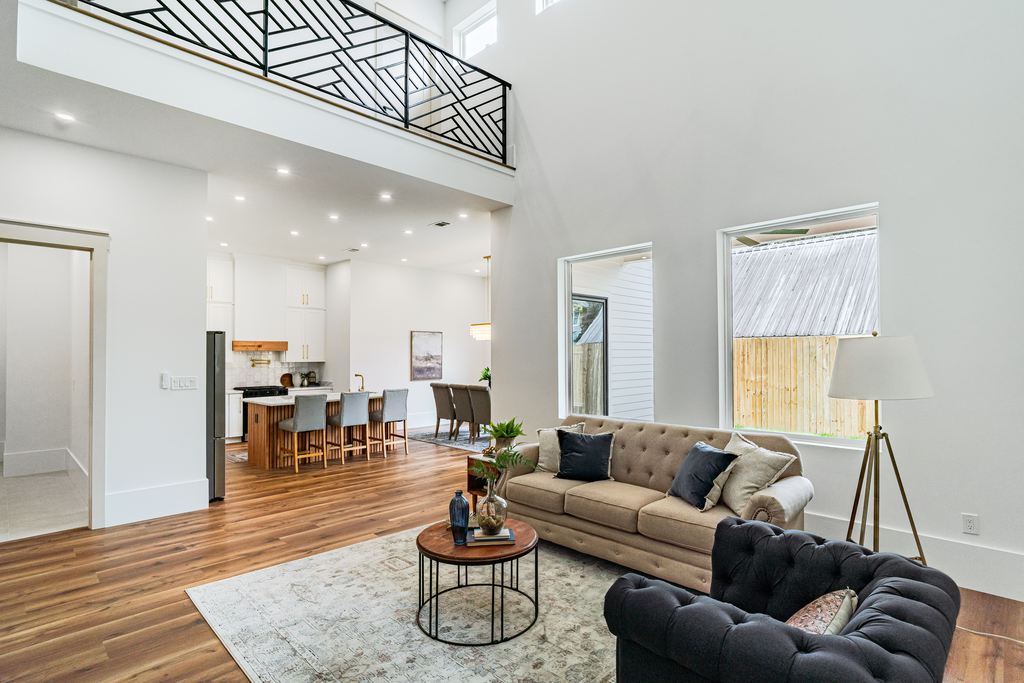
Introduction
Choosing between furniture styles is easier when you stop asking, “Which look is popular?” and start asking, “Which look actually fits my home?” A small apartment, open living-dining layout, low-light room, and large family house do not need the same furniture choices. This guide compares common styles by home type, room condition, and daily use, so you can narrow your options before buying a sofa, dining table, TV stand, or storage piece that looks good in real life.
Table of Contents
Why Should a Furniture Style Match Your Home Type?
A furniture style changes how large, bright, and easy to use a room feels. The same sofa, table, or storage piece can look balanced in one home but too heavy, too plain, or too busy in another.
A small apartment usually needs lighter visual weight and smarter storage. A large family room may need warmer textures and stronger anchor pieces. The right choice depends on size, light, layout, traffic flow, and daily use.
Before choosing one look, ask:
- Does this style make the room feel lighter or heavier?
- Does it work with your existing floors, walls, and windows?
- Will the furniture support your daily routine?
- Can the main pieces stay useful if you move or redecorate?
- Does the room need warmth, storage, openness, or structure most?
This is where a home-type approach is more useful than a long list of styles of furniture. It connects the look to the way the room actually works.
Furniture Styles Compared by Home Type
Instead of memorizing every furniture label, start with your space. The same style can feel different depending on ceiling height, natural light, room width, and how many functions the room needs to support.
| Home Type or Room Condition | Better-Fit Styles | Why It Works | Be Careful With |
| Small homes | Japandi, modern, Scandinavian, minimalist, mid-century modern | Clean lines, raised legs, lighter visual weight, less clutter | Oversized farmhouse, heavy traditional, dark industrial |
| Open layouts and larger homes | Transitional, organic modern, mid-century modern, modern farmhouse | Stronger anchor pieces, warmer materials, easier zone connection | Treating each zone as a totally different room |
| Condos and new builds | Contemporary, modern, organic modern | Updated look, flexible neutrals, easy room-to-room flow | Too many trend-heavy statement pieces |
| Low-light rooms | Japandi, Scandinavian, light modern | Pale woods, soft neutrals, lower visual weight | Dark rustic, black metal-heavy industrial |
| Rental homes | Simple modern, transitional, mid-century modern | Easier to move, restyle, and match with different finishes | Built-in looks or highly themed pieces |
| Lofts or high-ceiling spaces | Industrial, contemporary, modern | Stronger silhouettes and mixed materials can hold the scale | Delicate furniture that looks too small |
This table does not mean every small apartment must be Japandi or every family home must be transitional. It gives you a starting point. The better question is whether the furniture’s shape, scale, material, and storage style solve the problems your home already has.
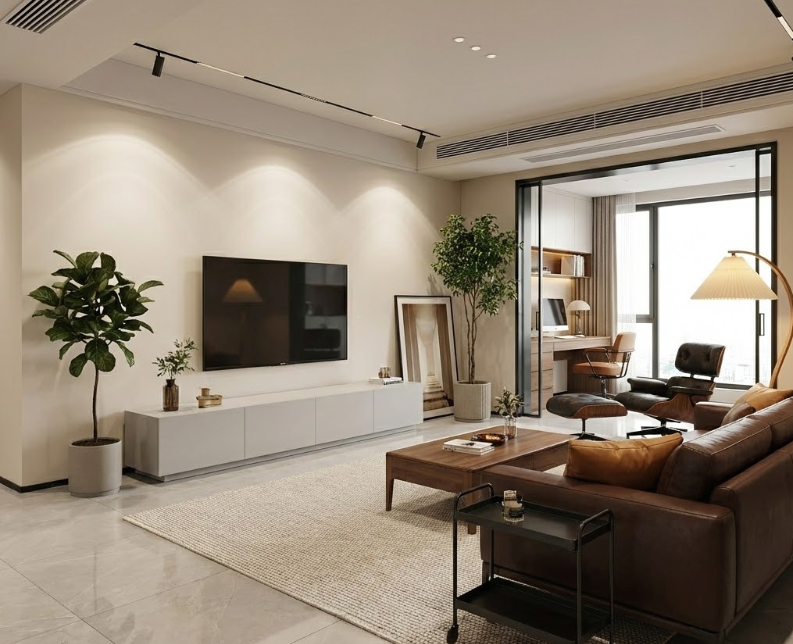
Small Homes
Small homes need furniture that protects movement and keeps the eye from stopping too often. The goal is not to make every room minimal, but to choose a furniture style that reduces visual pressure while still giving you enough comfort and storage.
Japandi: Especially useful for small homes where clutter is the main problem. Low-profile furniture, quiet surfaces, light-to-medium wood, and closed storage help the room feel calmer without looking empty.
Modern: Works well in compact living rooms because clean lines and simple frames reduce visual noise. A slim sofa, low media console, and compact coffee table can make the room feel more open than several decorative pieces.
Mid-century modern: Adds warmth without too much bulk. Tapered legs, raised bases, and warm wood finishes expose more floor and help small apartments feel less boxed in.
Minimalist or Scandinavian: Better for rooms with limited natural light or narrow walking paths. These styles use soft neutrals, lighter wood, and fewer heavy details, but they still need enough texture so the room does not feel unfinished.
Open Layouts and Larger Homes
Open layouts and larger homes need a different strategy. The risk is not always clutter. Sometimes the problem is that the space feels unfinished, disconnected, or too empty.
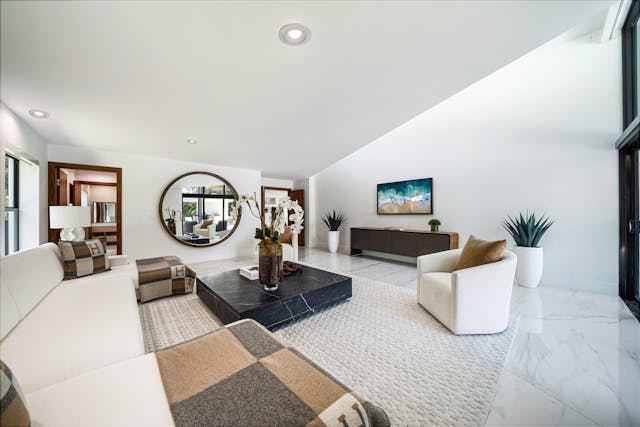
Organic modern: Works well when a large room feels too cold or sharp. Curved silhouettes, natural textures, warm wood, stone-look surfaces, and soft upholstery can make an open space feel more grounded.
Transitional: Useful for family homes with mixed furniture. It keeps classic comfort but simplifies the lines, so a modern sofa, wood dining table, and storage cabinet can feel connected instead of random.
Mid-century modern: Fits open living-dining spaces because wood tones and slim legs can repeat across zones. A walnut dining table, low TV stand, and clean-lined sofa can share the same visual language without matching exactly.
Modern farmhouse: Better for larger dining rooms, kitchens, and family homes than very tight apartments. It brings warmth through wood, texture, and practical shapes, but it should stay edited so the room does not feel heavy.
Condos and New Builds
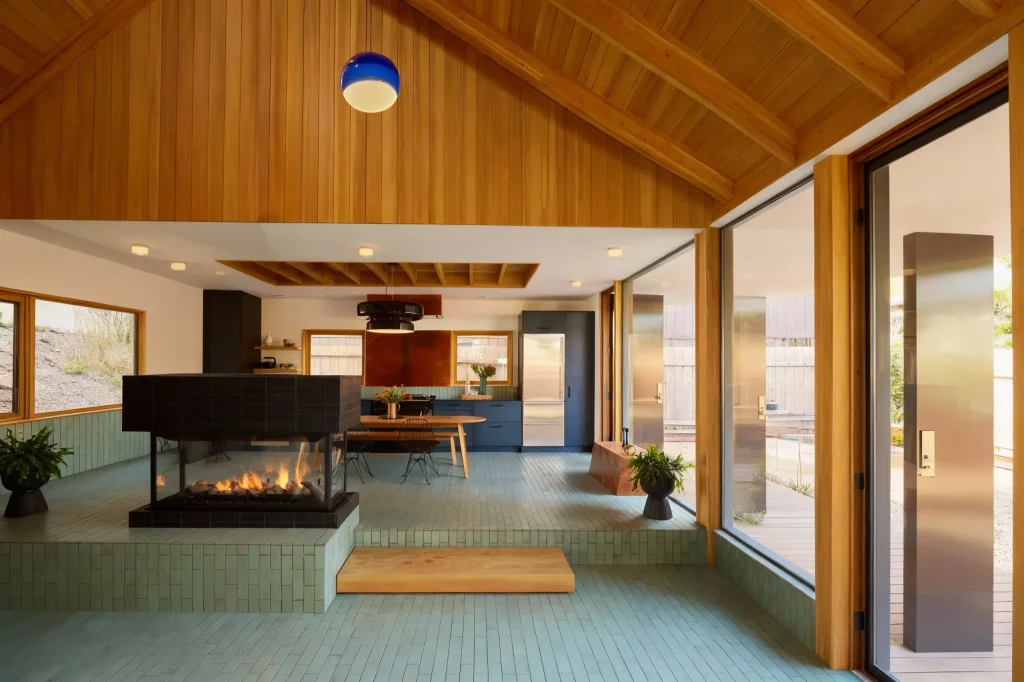
Condos and new builds often have cleaner architecture, neutral finishes, and open room connections. The best furniture style should make the home feel finished without making every piece look like a short-term trend.
Contemporary: Fits condos that need a fresh, updated look. Softer shapes, mixed materials, and calm neutrals can make a newer space feel current, but use trend-led silhouettes carefully on expensive pieces.
Modern: Works well when you want the room to stay flexible. Simple shapes and functional storage help a condo support daily life without requiring strong architectural details.
Organic modern: Softens white walls, smooth floors, and open kitchens. If the condo feels plain, organic modern adds warmth through wood grain, textured fabric, rounded forms, and matte finishes.
Low-Light Rooms
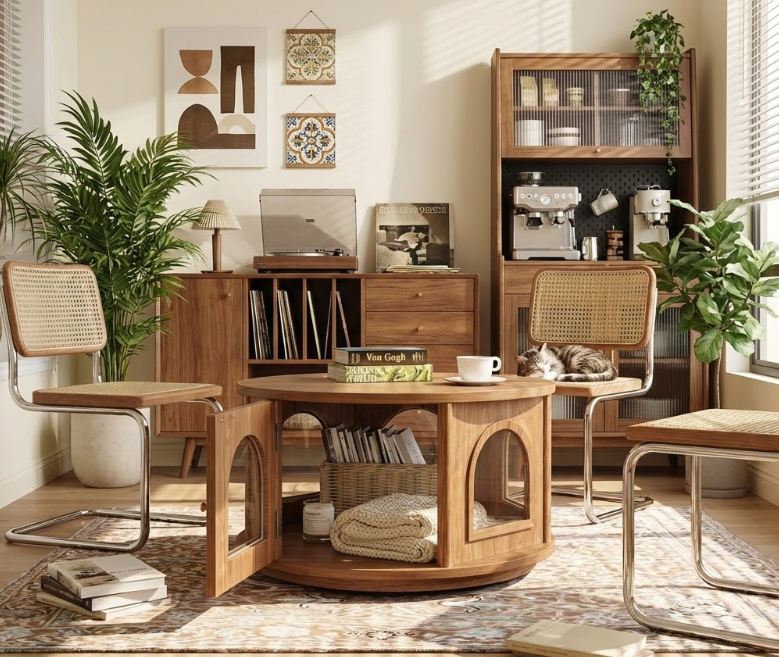
Low-light rooms need furniture that reflects softness rather than absorbing all the available light. The wrong style can make the room feel smaller, heavier, or more closed in.
Scandinavian: A strong fit for low-light rooms because it often uses pale wood, soft upholstery, simple shapes, and practical furniture. The result feels brighter without relying on high-gloss finishes.
Japandi: Works when you want calm but not clutter. Light wood, matte surfaces, and fewer competing lines can keep a dim room from feeling visually crowded.
Light modern: Better than dark industrial or heavy rustic furniture in rooms with small windows. Choose cleaner shapes, soft neutrals, and closed storage so the room feels brighter and easier to maintain.
Rental Homes
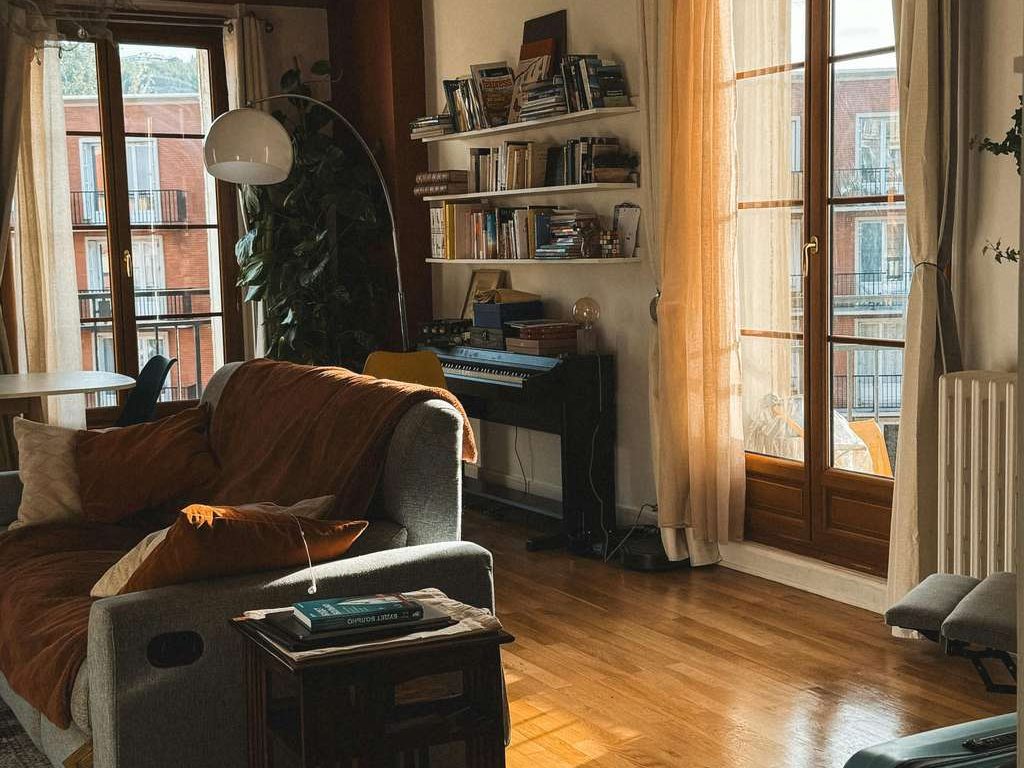
Rental homes need furniture that can adapt. You may not control wall color, flooring, lighting, or room size, so overly themed furniture can become hard to reuse later.
Simple modern: A safe starting point because it works with many wall colors and floor finishes. Clean-lined storage, neutral sofas, and simple dining pieces can move between apartments more easily.
Transitional: Helpful when you own mixed pieces from different homes. It can bridge classic, modern, and casual furniture without requiring a full redesign.
Mid-century modern: Flexible for renters because its warm wood, raised legs, and simple silhouettes work in apartments, condos, and older homes. Avoid oversized retro shapes if the next room may be smaller.
Lofts or High-Ceiling Spaces
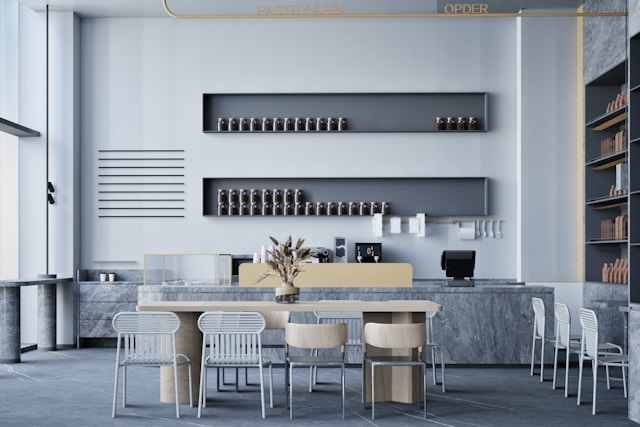
Lofts and high-ceiling spaces can handle stronger furniture than small apartments. The room may need pieces with enough scale, contrast, and material presence to avoid looking empty.
Industrial: Works best when the home already has loft features, such as high ceilings, exposed brick, concrete, metal, or large windows. Dark wood and metal can feel intentional in this setting.
Contemporary: Fits lofts when you want a softer, more updated alternative to industrial style. Curved seating, sculptural lighting, and mixed materials can balance the hard surfaces.
Modern: Helps keep a loft from feeling cluttered. Large-scale modern sofas, simple media furniture, and clean storage can fill the space without adding too many competing details.
Easy-to-Confuse Furniture Styles: What’s the Difference?
Many different styles of furniture design overlap. That is why shoppers often feel stuck between two looks that seem similar online. The difference usually comes down to warmth, ornament, visual weight, and how flexible the style is in real homes.
Modern vs. Contemporary
Modern furniture is usually cleaner, simpler, and more stable as a design language. It often uses straight lines, functional shapes, smooth surfaces, and fewer decorative details. Contemporary furniture reflects what feels current now, so it may include softer curves, mixed materials, boucle, sculptural forms, or trend-aware silhouettes.
Choose modern if you want a calmer long-term base. Choose contemporary if your home already feels plain and you want something fresher, softer, or more current.
Mid-Century Modern vs. Japandi
Mid-century modern is warmer and more retro. It often uses walnut tones, tapered legs, slim frames, and recognizable silhouettes. Japandi is quieter and more restrained. It usually favors light or medium wood, low-profile furniture, matte surfaces, and less visible decor.
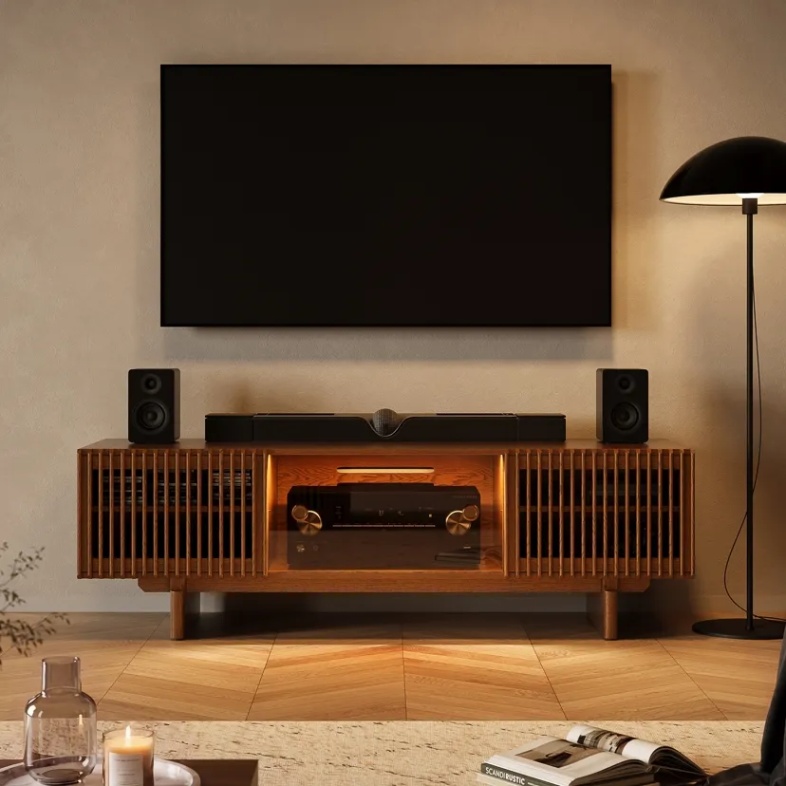
A small apartment with warm wood floors may handle MCM well, especially if you like furniture with character. A compact room that feels visually noisy may benefit more from Japandi interior design, especially when storage and calm surfaces matter. For a room that leans more retro, mid-century modern decor gives the space more warmth and shape. Arboren-71” Mid-Century Modern TV Stand can support that look in a living room where the media wall needs warmth, cable control, and closed storage without adding heavy visual clutter.
Organic Modern vs. Minimalist
Organic modern and minimalist rooms can both look simple, but they feel different. Minimalist furniture focuses on fewer pieces, clean lines, and visual restraint. Organic modern adds warmth through curved shapes, natural textures, stone, wood, soft upholstery, and layered neutrals.
Choose minimalist when clutter control is the main goal. Choose organic modern when the room feels too cold, too sharp, or too empty. A warm organic modern interior usually needs fewer hard edges and more natural texture than a strict minimalist room.
Transitional vs. Traditional
Traditional furniture is more formal and decorative. It may include carved details, rolled arms, darker woods, curved legs, and heavier proportions. Transitional furniture keeps some classic comfort but simplifies the lines, making it easier to mix with modern pieces.
If your home already has older furniture you want to keep, transitional is often safer than trying to force everything into a fully modern look.
Modern Farmhouse vs. Rustic
Modern farmhouse is warmer, cleaner, and more edited than rustic style. It can use wood grain, soft upholstery, black accents, and practical storage without making the room feel like a cabin. Rustic furniture is rougher, heavier, and more raw.
Modern farmhouse can work in family dining rooms and larger kitchens. Rustic pieces need more space, natural light, and balance so they do not feel too heavy.
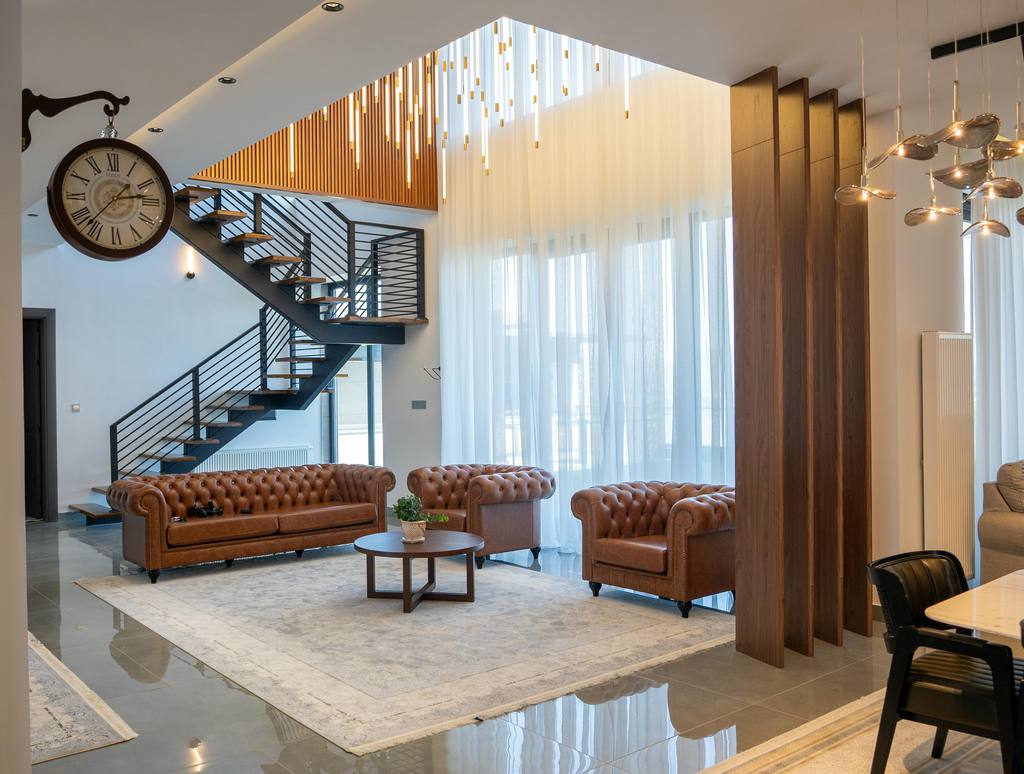
How to Choose a Furniture Style Before Buying
The best furniture style is the one that fits your home’s limits as well as your taste. Before buying, test the style against the room, not just against a product photo.
Use this checklist before choosing large pieces:
- Room size: Will the sofa depth, table length, or cabinet width leave enough walking space?
- Natural light: Will dark wood, black metal, or heavy upholstery make the room feel dimmer?
- Existing pieces: Can the new item repeat a wood tone, leg shape, or color already in the room?
- Storage needs: Does the style allow closed storage, or will clutter stay visible?
- Daily use: Will the material handle pets, kids, meals, hosting, or long TV nights?
- Anchor piece: Which item sets the tone: sofa, dining table, TV stand, bed, or sideboard?
- Future flexibility: Can this style move to another home or work with another wall color?
For example, a renter who may move next year should be careful with oversized, highly themed furniture. Simple modern, mid-century modern, or transitional pieces are easier to reuse in a different layout. A homeowner with a large open family room can choose warmer and larger-scale pieces, but still needs shared finishes across zones.
What Furniture Style Mistakes Make a Home Feel Mismatched?
A mismatched room usually happens when large pieces compete instead of connect. The issue is not that you mixed styles. The issue is that the room has no shared rule for scale, color, material, or shape.
Mistake: Choosing every large piece from a different style family.
A curved contemporary sofa, rustic coffee table, glossy glam TV stand, and farmhouse dining table can all look good separately. Together, they may fight for attention.
Solution: Keep one main style for large furniture, then bring in a second style through smaller accents.
Mistake: Letting the strongest piece sit in the wrong room.
A heavy dark dining table may work in a bright open dining room, but it can overpower a narrow, low-light apartment.
Solution: Match the visual weight of the furniture to the size and brightness of the room.
Mistake: Matching everything too perfectly.
A full matching set can make a home feel flat, especially in open layouts.
Solution: Repeat materials without copying every piece. A walnut TV stand, dining chair legs, and coffee table detail can connect the room while still allowing variation.
Mistake: Forgetting that storage affects style.
Open shelves, glass cabinets, and display tables can make a room feel busy if daily items stay visible.
Solution: If your home collects remotes, chargers, toys, pet items, or mail, choose a style that works with closed storage.
Mistake: Using trends for every expensive item.
Trend-driven colors and shapes are easier to change in pillows, lamps, art, stools, or small tables.
Solution: Large pieces should be the part of the room you can live with longer.
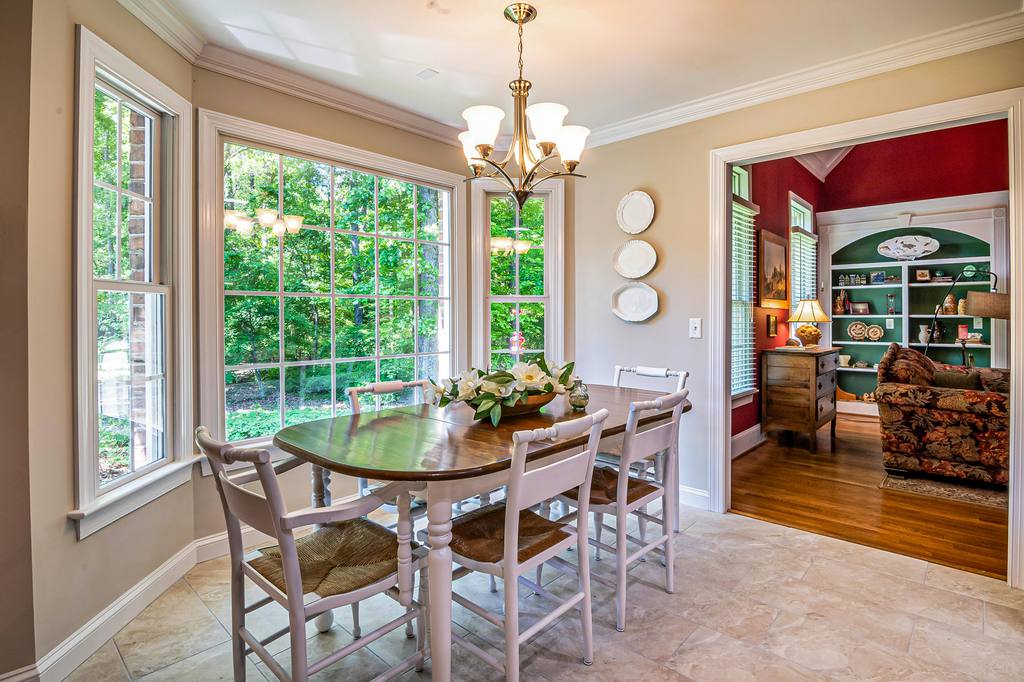
Conclusion
The right furniture style is not just the one you like in a photo. It should fit your home type, room size, light, storage needs, and daily routine. Small apartments often need lighter frames and hidden storage. Open layouts need shared finishes across zones. Larger homes can handle warmer textures and stronger anchor pieces. Once you understand how furniture styles behave in real rooms, it becomes easier to choose pieces that feel cohesive, useful, and flexible over time.
FAQ
What if I like several types of furniture styles?
Choose one main style for large furniture and let the others appear in smaller accents. A modern sofa can work with a mid-century cabinet or organic modern coffee table if they share wood tone, color, or shape. The goal is not one strict label, but a room that has a clear visual thread.
Which furniture style is easiest to maintain?
Simple modern, transitional, and casual organic styles are often easier to maintain because they use cleaner surfaces and fewer carved details. Material matters more than the label. For busy homes, look for durable upholstery, wipeable tabletops, closed storage, and furniture shapes that do not collect dust in many small grooves.
What style works best if I have pets or kids?
Choose a flexible style that allows durable materials, rounded edges, and storage. Modern, transitional, and organic modern rooms can work well because they do not depend on delicate finishes or heavy ornament. Avoid sharp glass-heavy pieces, pale high-maintenance fabrics, or rough textures that are hard to clean.
Can one home use different furniture styles in different rooms?
Yes, one home can use different furniture styles if the rooms share a few connecting details. Repeat a wood tone, neutral palette, metal finish, rug texture, or clean-lined shape. A Japandi bedroom and mid-century living room can still feel connected if both use warm wood and calm colors.
What furniture style works best if my floor or wall color is hard to match?
Choose a flexible style with simple lines and neutral materials. Transitional, simple modern, and mid-century modern furniture often work well because they can connect with warm wood, gray floors, white walls, or beige palettes. If the room has a strong floor color, avoid adding too many competing wood tones.
How do I know if a furniture style will feel dated?
A furniture style may date quickly if every major piece follows the same short-term trend. Keep expensive pieces quieter in shape, color, and material. Use trend-driven details in decor, lighting, small tables, or accent chairs so the room can be refreshed without replacing everything.


