 By Kelvin
From clean-lined modern sofas to classic tufted designs, different couch styles can change how a living room looks and functions. But choosing a style involves more than deciding which shape looks best in a photo.
Arm width affects usable seating space, back cushions influence everyday maintenance, and the sofa’s overall silhouette determines how much visual space it occupies.
This guide compares common couch styles, explains how to recognize their defining features, and helps you choose a design that fits your room, seating habits, and maintenance needs.
Table of Contents
What Are the Most Common Couch Styles?
Most couch styles are identified by their arm shape, back design, proportions, and decorative details. Understanding these features makes it easier to compare sofas without confusing their appearance with their seating configuration.
| Couch Style | Defining Features | Best For | Consider Before Buying |
|---|---|---|---|
| Track Arm | Straight, squared arms and clean lines | Modern and compact living rooms | Wide track arms reduce usable seat width |
| Rolled Arm | Rounded, outward-curving arms | Traditional and transitional spaces | Arm thickness affects seating capacity |
| Chesterfield | Deep tufting and rolled arms, often level with the back | Formal living rooms and statement seating | Tufted surfaces require detailed cleaning |
| Lawson | Lower arms and separate back cushions | Casual, everyday living rooms | Loose cushions need periodic adjustment |
| Tuxedo | Arms and back at approximately equal height | Contemporary and structured interiors | High arms can limit relaxed side lounging |
| Mid-Century Modern | Slim profile, tapered legs, minimal detailing | Apartments and retro-modern spaces | Lower seat heights may not suit everyone |
| English Roll Arm | Low rounded arms, deep seat, relaxed cushions | Comfortable, classic living rooms | Deeper seating may require extra back support |
These names describe design characteristics rather than fixed comfort levels. A Chesterfield can have modern proportions, while a track-arm sofa can include deep cushions and reclining features.
When comparing different couch styles, use the design name to identify the silhouette, then examine the actual dimensions and construction before deciding.

How Can You Tell Couch Styles Apart?
Two sofas can share the same upholstery color and overall width but create very different impressions in a room. Four visual details offer a practical way to tell them apart.
Arm shape and width
Straight track arms create a more geometric profile, while rolled arms introduce softer curves. Wide arms can also reduce the available seating space within the same overall sofa width. If three adults regularly share the sofa, compare the usable seat width rather than relying on the three-seater label.
Back design
A tight-back sofa has upholstery attached directly to the frame, creating a cleaner outline. Loose-back designs use separate cushions, giving a more relaxed appearance. Tufted backs introduce decorative depth but also create additional seams and recesses that require cleaning.
Leg design
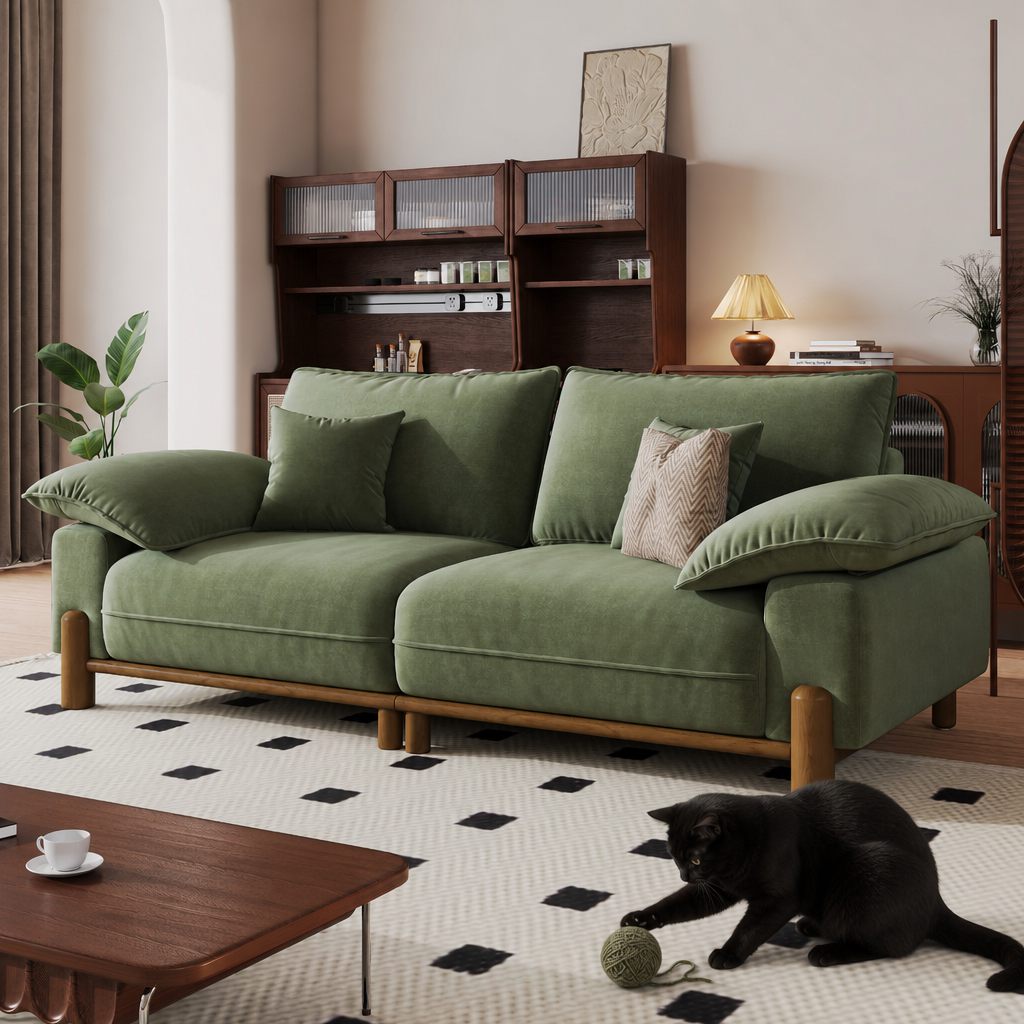
Exposed, tapered legs are common in mid-century modern furniture and reveal more floor beneath the sofa. Concealed legs or a continuous upholstered base create a heavier visual profile. Neither guarantees better construction, so evaluate frame quality separately from appearance.
Overall silhouette
Low-profile sofas emphasize horizontal lines, while taller backs and substantial arms create a more enclosed seating shape. Consider the sofa’s height against windows, nearby chairs, and other large furniture before choosing.
These details help you recognize sofa styles even when manufacturers use different names for similar designs.

Which Couch Style Fits Your Room and Lifestyle?
The right sofa should complement your room without creating unnecessary limitations. Instead of choosing entirely by appearance, consider where the sofa will sit and how your household uses it.
| Room or Lifestyle | Recommended Style | What Matters Most |
|---|---|---|
| Small apartments | Track-arm or mid-century modern | Slim proportions and usable seating width |
| Traditional living rooms | Rolled-arm or English roll-arm | Softer silhouettes and classic details |
| Formal seating areas | Chesterfield or Tuxedo | Structured appearance and decorative character |
| Families with children | Lawson or simple track-arm | Accessible cushions and manageable cleaning |
| Homes with pets | Simple, minimally tufted designs | Upholstery durability and fewer dirt-trapping details |
| Relaxed everyday lounging | Lawson or English roll-arm | Cushion support and suitable seat depth |
For a compact living room, a narrow-arm three-seater may offer more usable seating than a smaller sofa with oversized arms. In a larger traditional space, rolled arms and deeper cushions can make the seating arrangement feel more substantial.
Households with pets or children should pay particular attention to upholstery and cleaning requirements. A simple silhouette can reduce difficult-to-reach areas, but fabric performance matters more than the sofa’s style name.
For a closer comparison of upholstery options, see the pros and cons of different sofa materials.
How Do Couch Styles Differ in Function?
A couch’s visual style and its functional type are two separate decisions. A sofa can have a mid-century modern silhouette while also being modular, reclining, or convertible.
The most common functional categories include:
| Sofa Type | Main Function | Best Use |
|---|---|---|
| Loveseat | Compact seating for approximately two people | Smaller seating areas |
| Sectional | Connected seating in L-shaped or U-shaped layouts | Shared family spaces |
| Modular Sofa | Separate units that can be rearranged | Flexible room configurations |
| Chaise Sofa | Extended seating on one side | Stretching out and relaxing |
| Reclining Sofa | Adjustable backrest or footrest | Personalized seating positions |
| Sleeper Sofa / Sofa Bed | Converts into a sleeping surface | Living rooms with guest-sleep needs |
These categories can overlap. For example, a sectional may also be modular, and a reclining sofa can use either a traditional or contemporary design.
If you’re comparing these configurations in detail, our guide to different kinds of couches explains their practical differences.
A Functional Example: Povison Aurora Power Sofa Bed
For households that need more than fixed seating, the Povison Aurora Power Sofa Bed combines a clean, rounded silhouette with electric seat-depth adjustment from 27 to 45.5 inches. The 83-inch two-seat version also uses a zero-clearance design, allowing placement close to the wall.
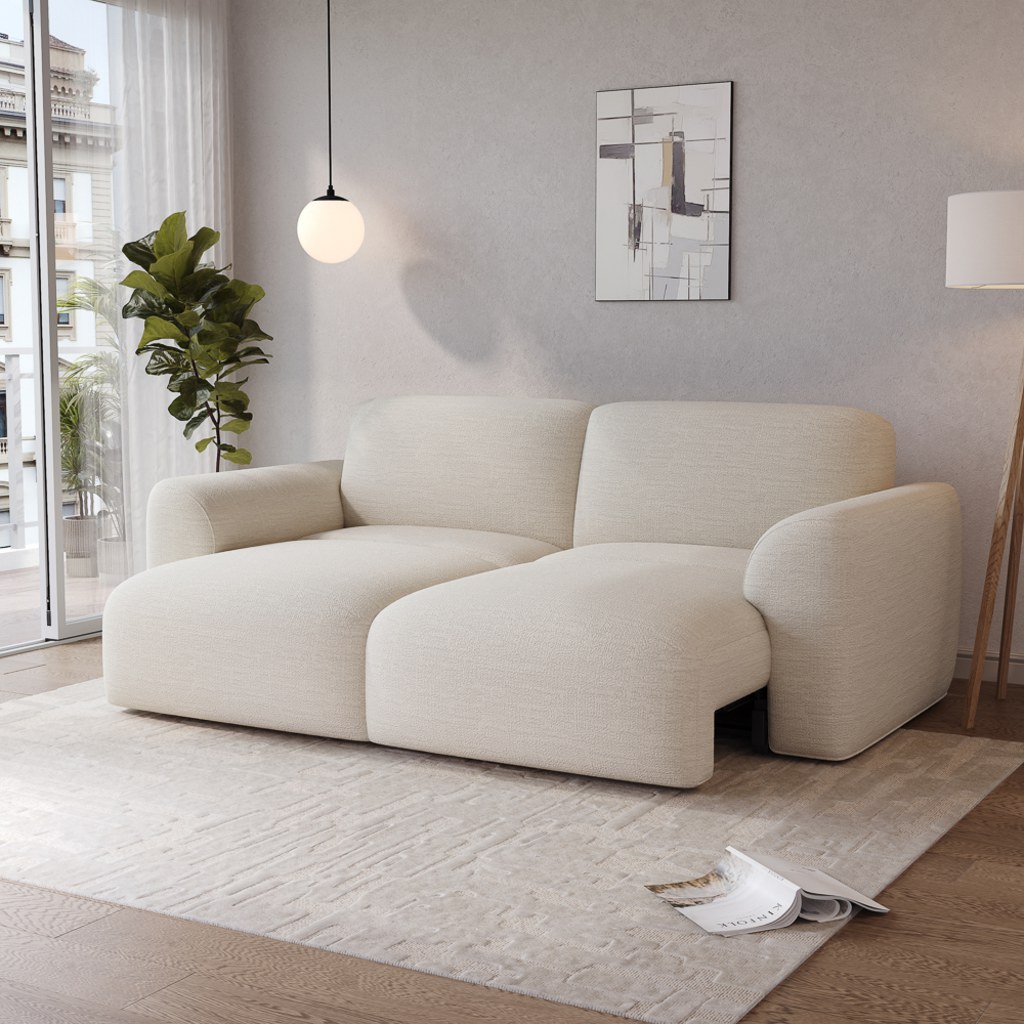
Aurora Power Sofa Bed
Rounded contemporary seating transitions from upright conversations to stretching out after work.
👍 Best for: Modern living rooms needing flexible seating
✨ High-resilience cushioning for everyday support
✨ Zero-clearance placement near walls
Aurora is particularly relevant when the sofa serves as both everyday seating and an occasional resting space. Its adjustable depth allows users to change positions without unfolding a separate mattress, while chenille upholstery provides a softer, residential appearance.
However, the extended seat still requires forward floor space, and electrical power is needed for adjustment.
What Should You Check Before Buying a Couch Style?
Once you’ve identified a preferred style, use practical measurements and construction details to narrow the choice. A sofa can have the right look while still being uncomfortable or poorly suited to the room.
1. Compare overall width with usable seating width. Two sofas of similar exterior size may offer different seating space because of arm thickness. This matters most when several people regularly use the sofa.
2. Check seat depth and back support. Deep, relaxed designs suit stretching out, while a more upright seat may feel better for conversation or reading. Compare usable depth, not just overall sofa depth.
3. Measure the room and delivery route. Confirm wall space, doorways, hallway turns, and any clearance required for reclining or extension. Our sofa size guide provides additional measurement guidance.
4. Check upholstery and cushion care. Tufting, loose cushions, leather finishes, and textured fabrics require different maintenance. Choose materials according to everyday use rather than appearance alone.
5. Look beyond the style label. Review frame construction, cushion materials, assembly requirements, and warranty coverage. Two track-arm sofas may look nearly identical but differ considerably in these details.
A useful final check is to compare the sofa with your existing coffee table, side chairs, and walking paths. The design should work as part of the room, not only as an individual statement piece.

Conclusion
Understanding different couch styles starts with recognizing their shapes, proportions, and design details. Track arms create clean lines, rolled arms introduce softer curves, and tufted designs offer a more decorative appearance.
Once you’ve found a style you like, compare usable seating space, cushion support, maintenance, and room fit. The right couch should suit your preferred look while remaining comfortable and practical for everyday living.
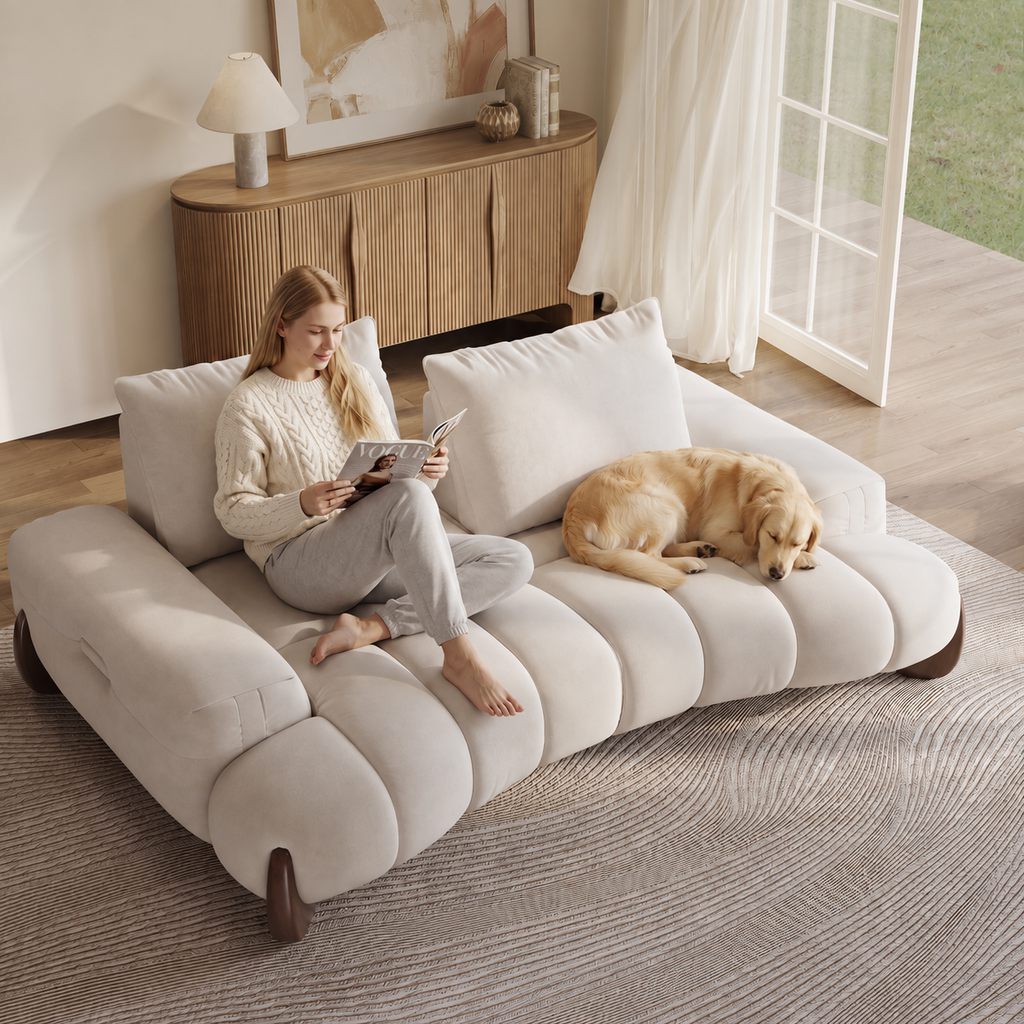
Find the Right Couch Style for Your Home
Explore sofas in different shapes, sizes, and designs, from timeless classics to modern styles with adjustable comfort.
FAQs
Should Sofa Arms Match the Height of Side Tables?
Not exactly, but the heights should work comfortably together. A side table is generally most convenient when its surface sits near the sofa’s arm height. Tall rolled arms may require a taller table, while low track arms often pair well with lower surfaces. Compare actual measurements before ordering, especially if the table will hold drinks or reading lamps.
Can Different Couch Styles Work in One Living Room?
Yes. Different couch styles can work together when they share a consistent element, such as upholstery color, wood finish, or overall proportions. For example, a clean-lined sofa can pair with a rounded accent chair when their scale feels balanced. Avoid combining several oversized statement pieces in a small room, where competing shapes can make the space feel crowded.
Which Couch Legs Work Best With Robot Vacuums?
Raised legs can make floor cleaning easier, provided there’s enough clearance for your robot vacuum to pass underneath. Check the vacuum’s actual height, including its sensor housing, against the sofa’s lowest obstruction. Some sofas have decorative exposed legs but crossbars or a low center frame that prevent full access. Avoid choosing solely by the visible leg height.
Is a Slipcovered Sofa Suitable for Curved Arms?
Yes, but fit depends on the sofa’s shape and the slipcover design. Fitted covers made for a specific model generally follow curved arms more closely than universal covers. Loose slipcovers may wrinkle around rolled arms or shift during regular use. Check whether the cover is removable, washable, and approved for the sofa before buying.


