 By Kate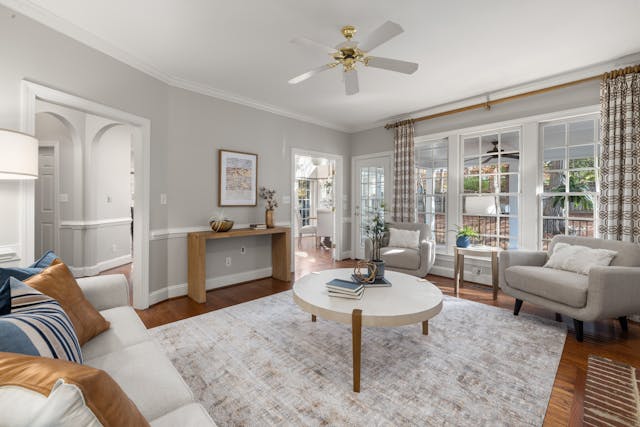
A dark or plain room can feel smaller, colder, and less personal than it really is. The good news is that you do not always need new flooring, new paint, or a full remodel. Colorful furniture can shift the mood fast by reflecting light, creating a clear focal point, and adding visual layers. That is the real power of how multi colored furniture can brighten a room: it brings light, energy, and personality into everyday spaces.
Table of Contents
How Different Colorful Furniture Changes the Feel of a Room?
The best way to understand how multi colored furniture can brighten a room is to look at what color does visually. It can reflect more light, guide the eye, and break up flat surfaces. When used with care, bright colorful furniture makes a room feel more open, lively, and designed.
Light Colors Reflect More Brightness
White, cream, pale gray, soft beige, and light wood tones bounce light around the room, so they are helpful in spaces with small windows, dark flooring, or heavy curtains. These colors do not have to feel boring. When paired with smooth surfaces, gentle shine, or warm metal accents, they can make a room feel brighter and more refined.
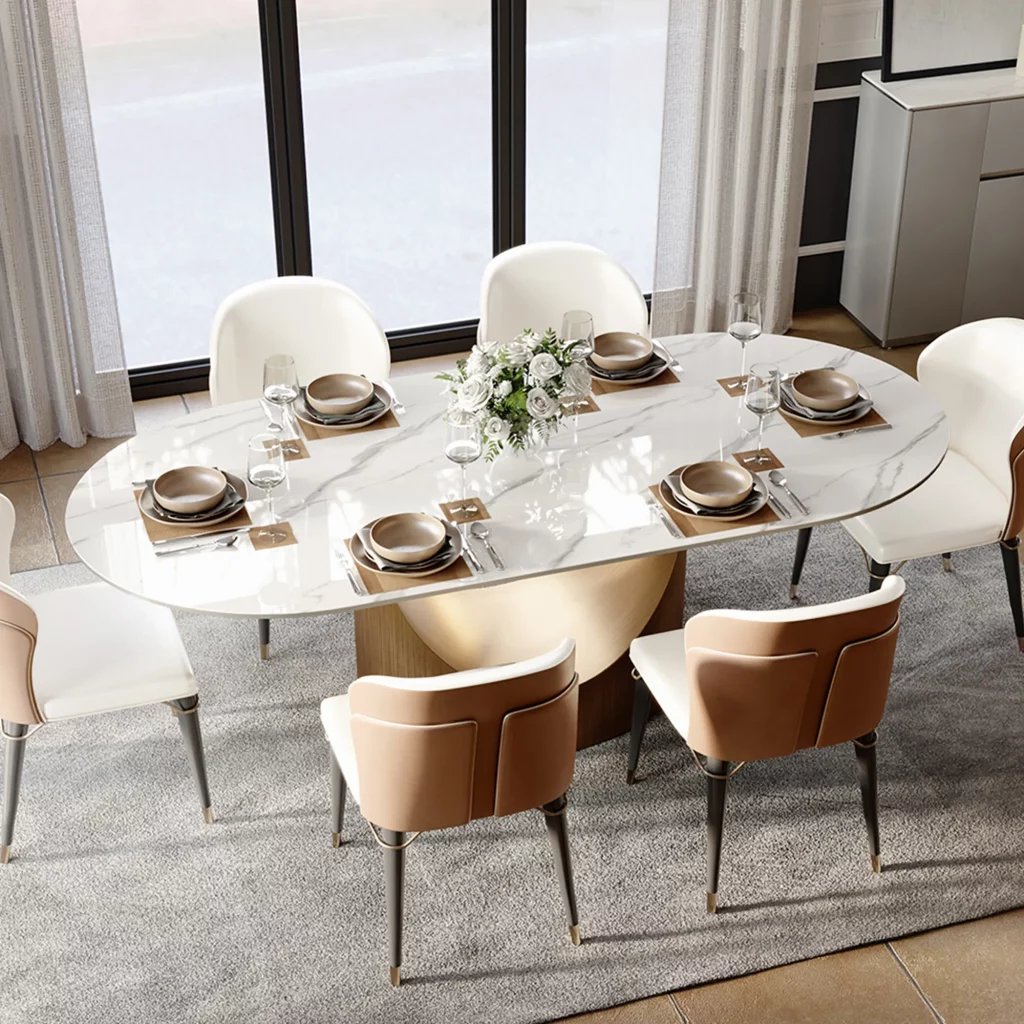
A pale sofa, cream cabinet, or glossy coffee table can reduce visual weight while still adding style. A Glossy Sintered Stone Dining Table’s glossy sintered stone tabletop can help reflect light, while the oval shape and bronze carbon steel base keep the dining area polished, open, and modern.
Warm Colors Add Energy and Focus
Warm colors like yellow, coral, terracotta, peach, and orange can make a quiet room feel more active and welcoming. They work well in places where people gather, such as a living room, dining corner, or family lounge. Use warm tones on one main piece, like a sofa, chair, or cabinet, so the eye has a clear place to land without making the room feel too busy.
Cool Colors Make the Room Feel Airy
Cool colors such as light blue, mint green, sage, and soft teal can make a room feel calmer and more open. They are useful in bedrooms, reading corners, and small living rooms because they create a softer visual rhythm. A cool-toned chair, bench, or side table can freshen the space while keeping the overall mood relaxed and breathable.
Patterns and Color Blocking Create Depth
Patterns and color blocking help a room feel layered instead of flat. Stripes, two-tone upholstery, patterned pillows, or a color-blocked cabinet can add movement without needing many separate colors. The trick is to repeat one shade from the pattern somewhere else in the room. This makes the design feel connected, not random, while still giving the space more visual interest.
What Colors and Furniture Pieces Work Best?
Once you know why color works, the next step is choosing the right color and furniture piece. This is where many people hesitate. Start with the mood you want, then choose the size of the piece. A colorful furniture living room can feel bold or soft depending on the balance, especially when you start with practical living room color ideas that match your light and room size.
| Color / Tone | Mood It Creates | Best Room Use | Best Furniture Piece |
|---|---|---|---|
| White / cream | Clean, open, bright | Dark living rooms, small rooms | Coffee table, cabinet, sofa |
| Light blue | Calm, airy | Bedroom, reading nook | Accent chair, bench |
| Mint green | Fresh, natural | Living room, office corner | Chair, ottoman |
| Yellow | Sunny, cheerful | Dining room, entryway | Dining chair, side table |
| Coral / orange | Warm, social | Living room, lounge area | Sofa, accent chair |
| Navy / emerald / burgundy | Elegant, dramatic | Large rooms, neutral spaces | Sofa, cabinet, lounge chair |
How Should You Choose Colorful Furniture by Size and Impact?
Start Small with Low-Risk Pieces
Accent chairs, ottomans, pillows, side tables, and stools are safe first steps because they add color without taking over the whole room. They also let you test how a shade looks with your walls, flooring, and natural light before choosing a larger piece. If you are learning how to combine furniture colors, begin with one color family and repeat it twice in small details.
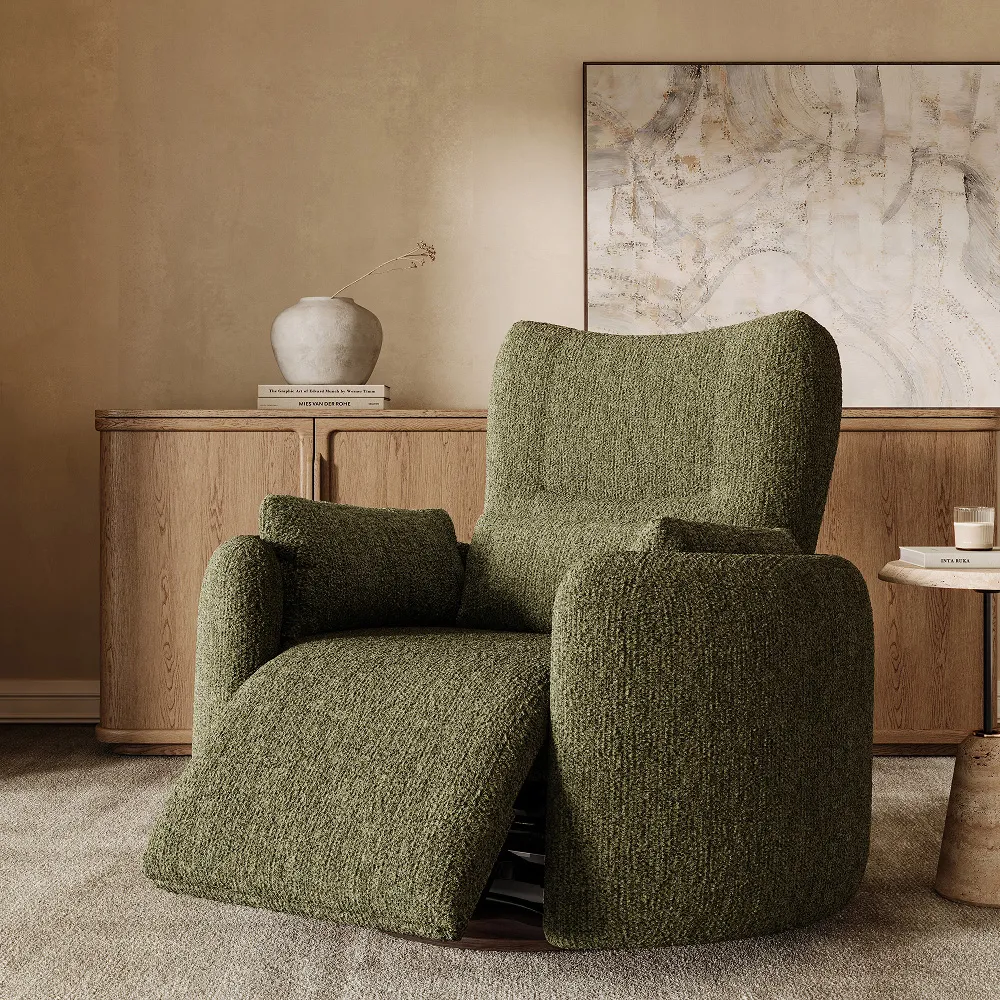
A green accent chair is a practical example because green feels fresh but not too loud. It works naturally in this role. Its green chenille fabric can soften a reading nook, office corner, or living room while giving the space a calm, natural lift.
Use Larger Pieces for Stronger Impact
A colorful sofa, sideboard, or storage cabinet can give a room a clear visual center. This is useful when a space feels plain or lacks direction. Instead of adding many small colorful items, one larger piece often creates a cleaner and more confident look.
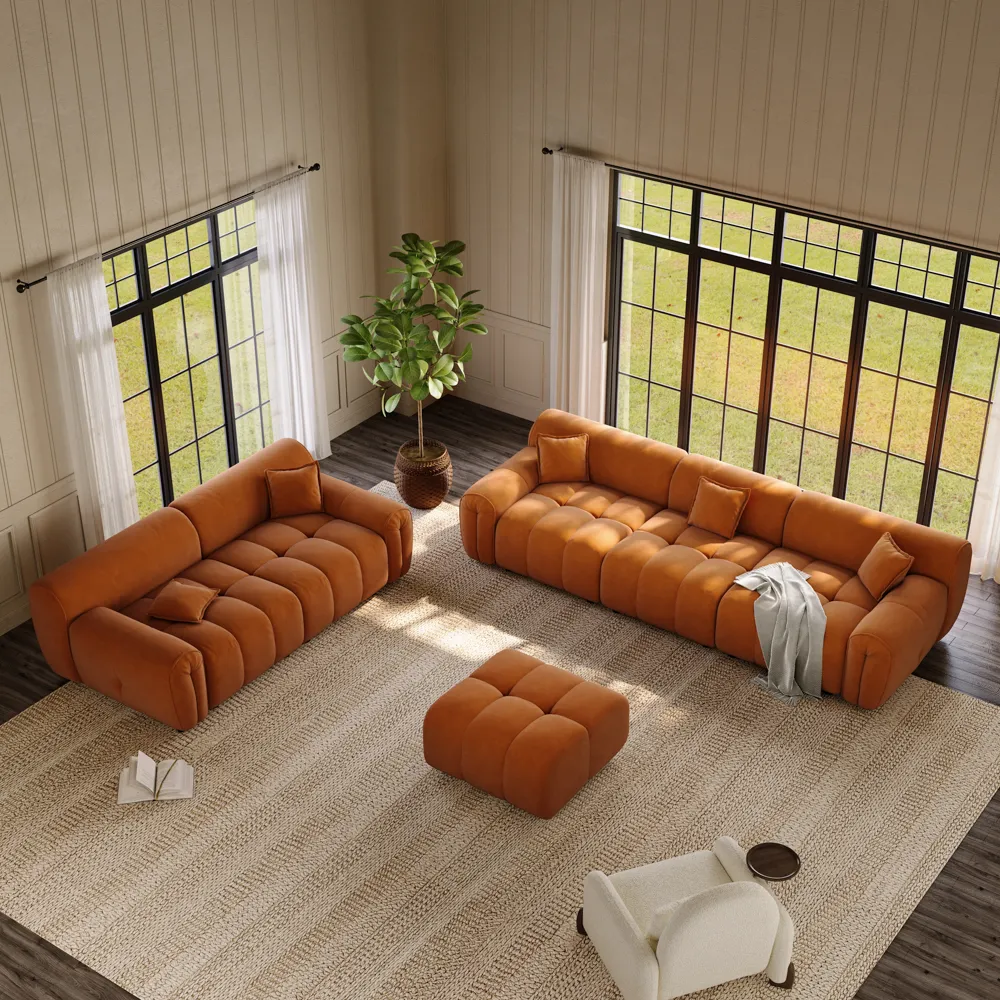
Balance is the key. When the main furniture piece has a bold color, keep the walls, rug, curtains, and nearby tables quieter. This gives the color room to breathe. Warm tones work especially well in social spaces because they make the room feel more inviting. The Set-Velvet Tufted Sofa uses orange velvet in a way that supports this idea: the orange adds energy, while the velvet sheen keeps the look soft and refined.
To make the piece feel intentional, repeat one small related detail nearby, such as brass lighting, warm artwork, or a rust-colored pillow.
Choose Coordinated Sets for a Polished Look
Think of your buying path as low-risk → high-impact: accent chair or side table → coffee table or cabinet → colorful sofa → coordinated furniture set. Once you choose a colorful hero piece, coordinate nearby furniture through repeated materials, finishes, or soft neutral tones instead of adding more competing colors.
4 Tips for Styling Multi Colored Furniture Without Clutter
The fear is real: colorful furniture can look joyful, but it can also look messy if every piece fights for attention. The solution is structure. If you know how to mix furniture styles, you can use color, material, shape, and proportion to make the room feel intentional.
Follow the 3 Color Rule
Use one dominant color, one supporting color, and one accent color to keep the room easy to read. The dominant color should cover the largest surfaces, such as walls or large furniture. The supporting color can appear in wood tones, upholstery, or rugs. The accent color should stay small but clear, such as coral pillows or a bright chair.
Use the 60-30-10 Formula
Let 60% of the room stay neutral, 30% carry a secondary tone, and 10% hold the boldest color. This formula is helpful with bright colored furniture because it gives the eye a place to rest. It also keeps the bold piece from feeling random, since every color has a clear role in the room.Let 60% of the room stay neutral, 30% carry a secondary tone, and 10% hold the boldest color. This formula is helpful with bright colored furniture because it gives the eye a place to rest.
Let One Piece Be the Statement
Different rooms need different color energy. A living room can handle stronger contrast. A bedroom needs softer tones. A dining area can use color to make meals feel more social. This is why how multi colored furniture can brighten a room depends on both color choice and placement.
Repeat One Color Across the Room
Repeating one color is one of the easiest ways to make colorful furniture feel planned instead of random. The repeated color does not need to appear in large amounts. It can show up in a piece of wall art, a pillow pattern, a lamp base, a book cover, or a small rug detail. These small color echoes help the eye move smoothly around the room.
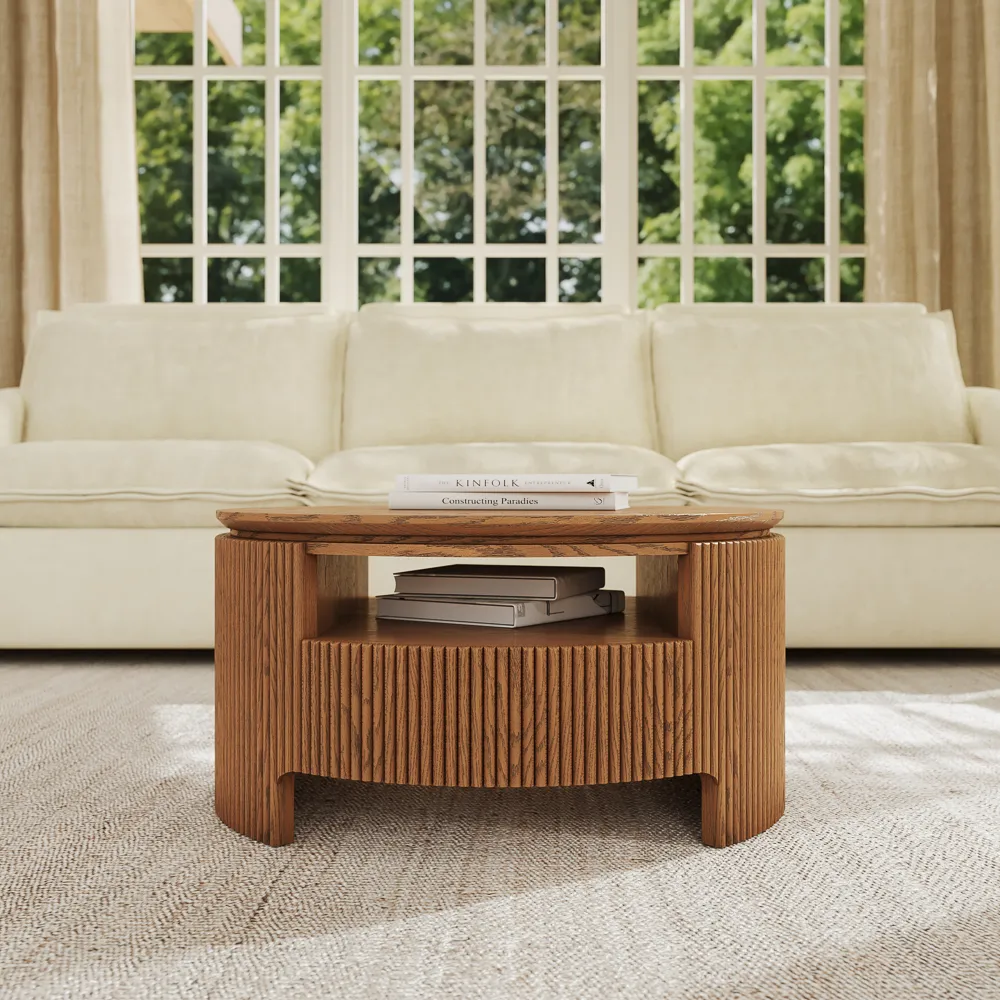
When the seating already has strong color, a grounding piece can also help connect the palette, especially if you want to mix wood tones in a living room without making the space feel busy. The Round Fluted Coffee Table with Open Shelf supports this idea with its warm walnut tone and subtle gold trim. Instead of adding another competing color, it brings warmth, texture, and balance, making colorful seating feel more mature and cohesive.
Where Should You Use Multi Colored Furniture in Each Room?
Different rooms need different color energy. A living room can handle stronger contrast. A bedroom needs softer tones. A dining area can use color to make meals feel more social. This is why how multi colored furniture can brighten a room depends on both color choice and placement.
Living Room, Bedroom, and Dining Room Ideas
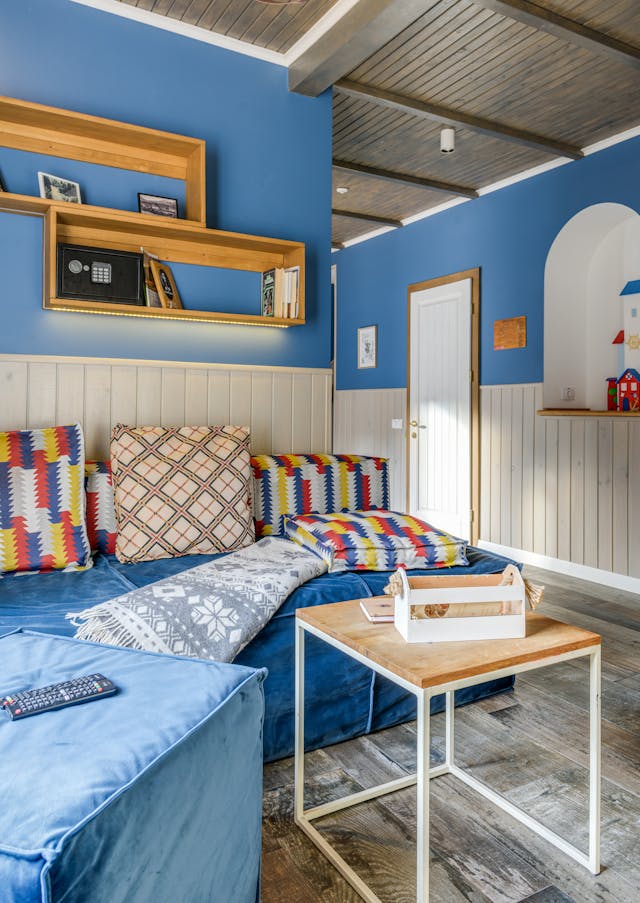
For living rooms, choose a colorful sofa, accent chair, or coffee table to create a strong focal point. Bedrooms usually work better with softer color, such as pale blue nightstands, a pastel bench, or a muted green chair. In dining rooms, colorful chairs or a painted sideboard can make the space feel warmer and more social without overwhelming the table setting.
Small Room and Dark Room Tips
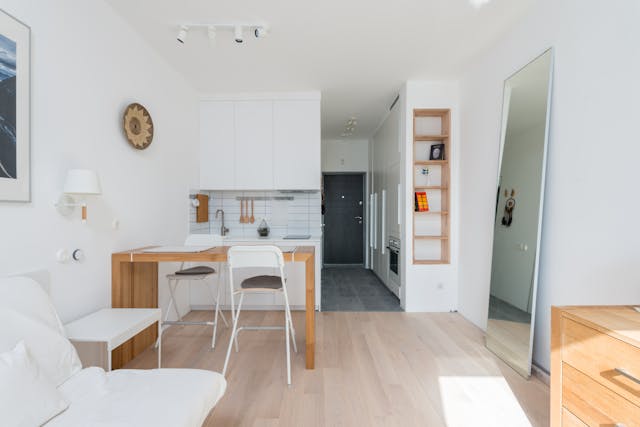
To make small rooms look Bigger need color with breathing space. Choose lighter bases, slim legs, glossy surfaces, or multi-functional pieces so the room does not feel crowded. Dark rooms benefit from pale rugs, mirrors, and layered lighting. Bright color works best as one clear accent, supported by reflective surfaces and soft neutrals that help move light around the space.
Q&A
How do I make colorful furniture feel intentional, not random?
Choose one repeated detail to connect the room, such as the same wood finish, metal accent, fabric texture, or curved shape. This makes colorful pieces feel curated instead of accidental, even when the colors are different.
How many colorful furniture pieces should I use in one room?
Usually, one to three colorful furniture pieces are enough. Let one piece lead the room, then use smaller accents to support it. Too many bold pieces can make the space feel crowded, while a few well-placed colors create a brighter and more intentional look.
Can colorful furniture still look elegant?
Yes. Choose richer colors like navy, emerald, burgundy, or deep rust. Pair them with clean lines, quality materials, and neutral surroundings. Elegant colorful furniture usually depends more on proportion and finish than on the color alone.
What is the easiest way to test a bold furniture color before buying?
Use fabric swatches, digital mood boards, or temporary decor in the same color family first. Check the color in morning, afternoon, and evening light so you can see how it works with flooring, walls, and nearby furniture.
What is the safest colorful furniture piece to start with?
An accent chair, ottoman, or side table is the safest starting point. These pieces add color without dominating the room. They are also easier to move, restyle, or replace if your taste changes later.
Conclusion
Learning how multi colored furniture can brighten a room is not about filling the space with every color you love. It is about choosing the right color, the right furniture scale, and the right location. Light tones reflect brightness, bold pieces create focus, patterns add depth, and smart color rules prevent clutter. Start small, repeat one detail, and let one piece lead the room.


