 By Jenny Smith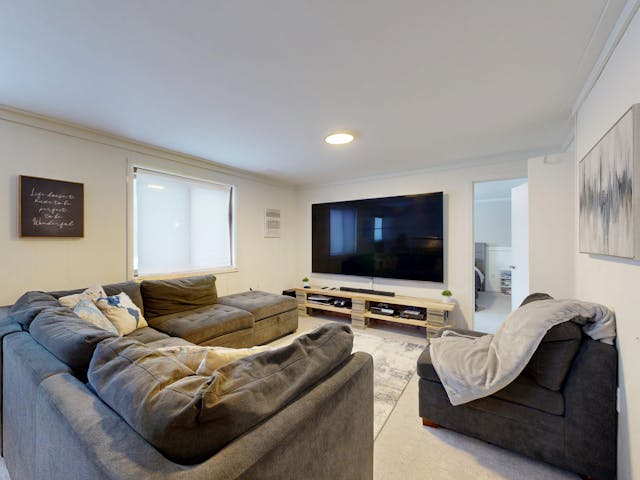
Choosing between a sectional and a sofa sounds simple until you picture your real life happening around it. In the sectional vs sofa debate, the better option depends on how you use the room, how many people sit there, and how often your layout changes. One piece may make your space feel cozy and complete, while the other keeps it open and flexible. This guide breaks down the differences in plain language so you can choose with confidence, not guesswork.
Table of Contents
What Is the Difference Between a Sectional and a Sofa?
At first glance, both pieces do the same job: they give you a place to sit, stretch out, and gather. But once you look at shape, layout, and everyday use, the distinction becomes much clearer. This is the best place to answer what is a sectional, unpack the sectional meaning, and separate it from a standard sofa.
What makes a sectional different?
A sectional is a seating piece made from two or more connected sections. It usually comes in an L-shape, a chaise-ended layout, or a larger U-shape. That built-in corner or extension is what gives it a more lounge-focused feel.
If you have ever wondered about sectional vs modular sofa, the key difference is flexibility. A modular sofa is designed to be reconfigured more easily, while many sectionals come in a fixed arrangement with fewer layout options.
What makes a sofa different?
A sofa is usually one straight, single-frame seat. It may have two or three cushions, and it works well alone or paired with chairs, an ottoman, or a loveseat. In casual speech, people also say couch, while settee is a more traditional term. In practice, the difference between sofa and couch is mostly about tone, not function, and the difference between sofa couch settee matters more in style language than in how you use the furniture.
If you are comparing sofa vs loveseat vs couch, the main difference is size and seating capacity, not whether one is “better.”
| Feature | Sectional | Sofa |
| Shape | L-shaped, U-shaped, or chaise layout | Straight, single piece |
| Seating | More people in one unit | Usually 2–3 seats |
| Look | Casual, anchored, lounge-friendly | Balanced, classic, versatile |
| Best for | Open layouts, family rooms, corners | Small rooms, mixed layouts, formal living areas |
| Flexibility | Lower if fixed; higher if modular | Easy to pair with other seats |
| Moving | Harder in large sections | Usually easier |
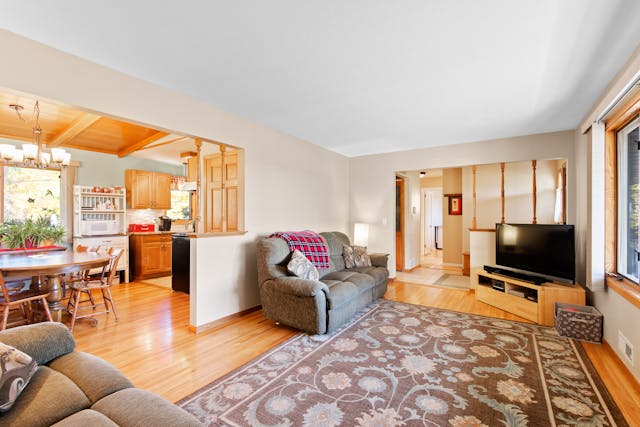
A few years ago, I helped a friend furnish a long, narrow apartment living room. The sectional looked great online, but once it arrived, the room lost its walkway and felt boxed in. A simple sofa with one chair ended up working far better.
How Does Room Size and Layout Affect Your Choice?
This is where most good decisions are made. The right seat is not only about taste. It is also about traffic flow, visual weight, and how the furniture shapes the room. A large piece can solve a layout problem in one home and create one in another, especially when you are balancing TV viewing, conversation, and movement.
When does a sectional work better?
A sectional usually works best when your room needs one strong anchor piece. It can define the living zone in an open-plan home and create a natural gathering area without needing extra chairs.
A sectional is often the smarter choice when you have:
- An open-concept living room
- A family room used for TV, lounging, or naps
- A corner that would otherwise feel empty
- A household that regularly seats four or more people
In many layouts, a sectional helps organize the room more naturally than several smaller pieces. That is especially true in living room furniture layout ideas for better flow, where one large piece can reduce clutter and make the zone feel intentional.
When does a sofa work better?
A sofa usually wins when you want breathing room. It leaves more open floor area, works with more room shapes, and gives you freedom to add or remove other pieces later. Among different sofa types, the standard sofa remains the most flexible starting point.
Choose a sofa when you need:
- Better walkway clearance
- A lighter visual feel
- More freedom to rearrange the room
- A setup that can evolve with chairs, poufs, or a loveseat
One rule helps here: a large room does not automatically need a sectional. If the layout already has strong architectural lines, windows, or multiple walkways, a sofa may still be the cleaner choice.
Why Do Lifestyle and Seating Needs Matter More Than You Think?
Two homes with the same square footage can need completely different seating. That is why choosing by measurements alone often leads to regret. Think about who uses the room, how they sit, and what “comfort” actually means in your daily routine. Lifestyle tells you more than floor plan alone.
Who should choose a sectional?
A sectional is ideal for people who treat the living room like a true landing zone. It suits casual routines, stretched-out lounging, and homes where everyone wants a seat in the same place.
A sectional often fits best for:
- Families with kids
- Movie-night households
- Couples who both like to recline
- People who host informally and often
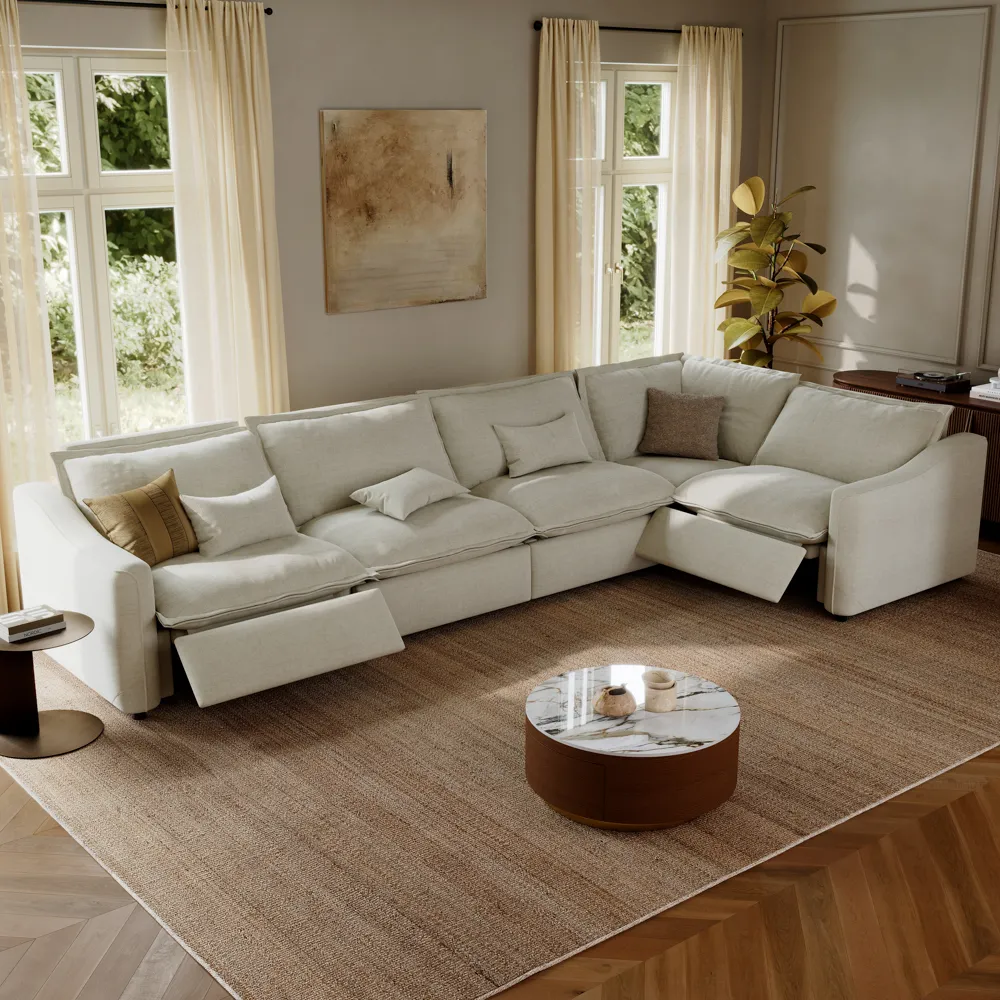
If comfort is the priority, a power-reclining design can make that even more practical. The Ergopals Power Reclining Sectional Sofa brings oversized cushioning, deep seating, adjustable support, and a relaxed silhouette that feels especially right in a cozy media-focused room. It is not a sectional, but it shows how a sofa can still deliver lounge-level comfort without taking over the whole floor plan.
Who should choose a sofa?
A sofa is a better fit for people who want options. It works well if you like to refresh your layout, mix in accent chairs, or create a room that feels a little more polished than purely casual.
A sofa may be better for:
- Small households
- Frequent movers
- People who entertain in a more formal way
- Anyone deciding between loveseat vs sofa for a tighter room
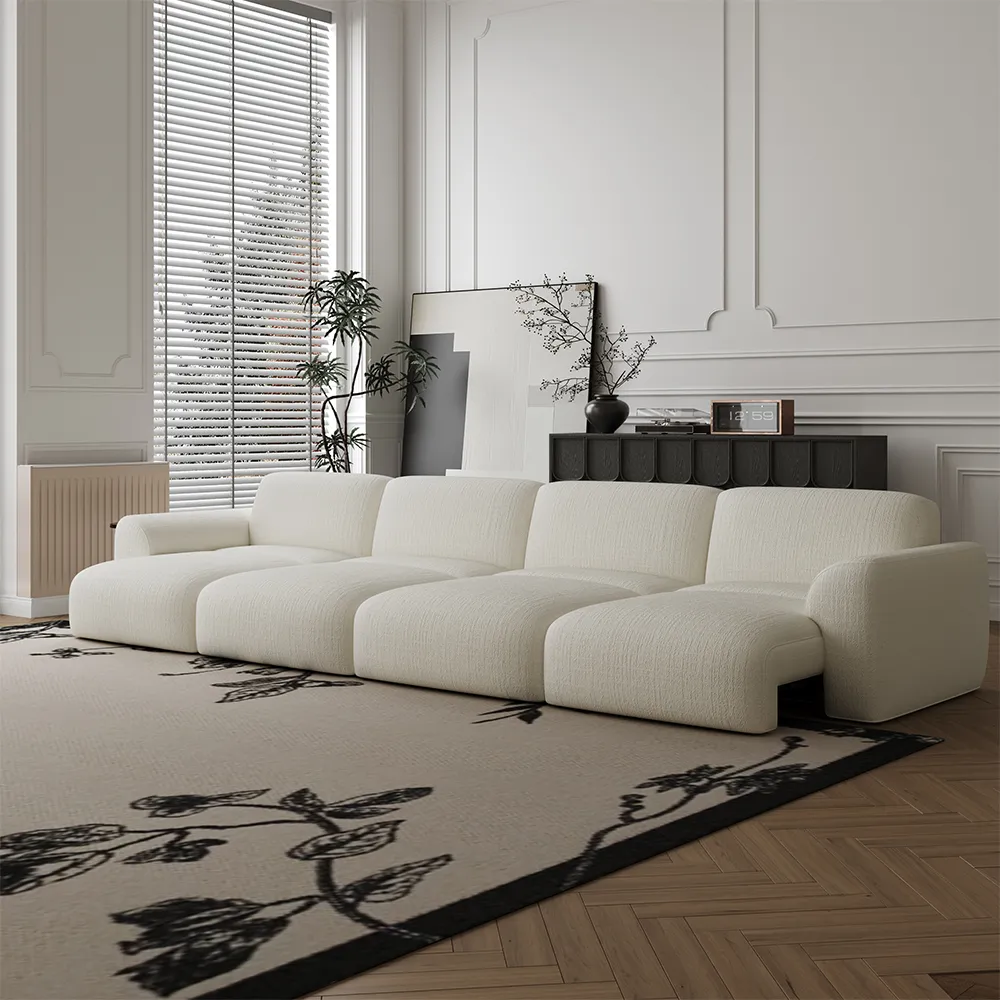
For homes that need sofa flexibility but still want a lounge-ready feel, a power sofa bed can be a smart middle ground. The Aurora-Power Sofa Bed works especially well in smaller living rooms, apartments, or media corners where one piece needs to support sitting, reclining, and occasional sleeping. Its electric retractable design lets the seat extend for lounging or naps, while the soft chenille fabric and rounded French-inspired silhouette keep the look cozy rather than bulky. It is not a sectional, but it gives a standard sofa more everyday comfort without requiring a large L-shaped footprint.
I once used a straight sofa in a rental with a bay window and two doorways. A sectional would have blocked both the natural light and the walking path, but the sofa left enough room for a slim chair and a floor lamp by the window.
What Are the Pros and Cons of a Sectional vs Sofa?
By this point, the answer is probably getting clearer. Still, it helps to put the tradeoffs in one place. The best pick is rarely the one with the longest feature list. It is the one whose strengths match your room and whose weaknesses will not annoy you six months from now.
Sectional pros and cons
Pros
- Seats more people in one piece
- Creates a cozy, unified lounge area
- Defines open-plan spaces well
- Makes corner layouts feel complete
Cons
- Can overwhelm small rooms
- Harder to move through stairs or elevators
- Often limits future rearranging
- May require more effort to deep clean around corners and chaise sections
Sofa pros and cons
Pros
- Easier to move and reposition
- Works in more room shapes
- Pairs well with chairs and ottomans
- Usually feels visually lighter
Cons
- Seats fewer people on its own
- May need extra pieces for hosting
- Does not create the same wraparound lounging feel
- Can look under-scaled in a large open room
This is also why shoppers sometimes compare a sectional with a sofa-plus-chair setup instead of treating it as a simple one-to-one choice. If you are exploring how to choose the right sectional sofa for your living room, pay attention not just to size but to the cost of living with it: cleaning, moving, and reworking your layout later.
How Do You Decide Which One Is Best for Your Home?
The easiest way to decide is to stop asking which piece is better in general and start asking which one removes more friction from your daily life. Think about movement, seating habits, future changes, and the mood you want the room to create. Usually, the answer becomes obvious once you frame it that way.
Choose a sectional if…
- You want maximum seating in one piece
- Your room has enough width and depth
- You love a casual, sink-in feel
- You want furniture to define the zone in an open layout
- Your household spends a lot of time lounging together
Choose a sofa if…
- You need more layout flexibility
- Your room is narrow, small, or awkwardly shaped
- You prefer a cleaner, lighter look
- You may move soon or re-style often
- You want to pair seating instead of committing to one large footprint
A simple test helps: if you picture people mostly stretching out, pick the sectional. If you picture people flowing through the room, rotating seats, and adjusting the setup over time, pick the sofa.
Conclusion
The best answer to sectional vs sofa is the one that fits your room and the way you actually live. A sectional gives you comfort, capacity, and a strong visual anchor. A sofa gives you flexibility, balance, and more room to adapt over time. If you lounge as a group and want one cozy destination, go sectional. If you want a layout that breathes and evolves, go sofa. Measure carefully, think through your habits, and choose the piece that makes daily life easier.
FAQ
These are the questions readers usually ask after they already understand the basics. They are less about definition and more about the small decision points that affect comfort, flexibility, and long-term satisfaction.
Is a couch the same as a sofa?
In most everyday use, yes. “Couch” is the more casual word, while “sofa” sounds slightly more formal and is used more often in product descriptions. “Settee” is older and more style-specific, so the practical difference is usually about tone rather than furniture function.
Can a sofa with a chaise replace a sectional?
Sometimes, yes. A sofa with a chaise can give you that stretched-out comfort without the full footprint of a sectional. It is a smart middle ground if you want a lounge-friendly feel but still need better flow, easier moving, and more freedom in a smaller room.
Which is easier to move, a sectional or a sofa?
A sofa is usually easier to move, especially in apartments, stairwells, and homes with tight corners. Even when a sectional comes in multiple pieces, the overall footprint is larger, and reassembling it in a new layout is not always as simple as expected.
Should I buy a loveseat instead of a sofa?
A loveseat can be the better choice if your room is tight and you only need seating for two. But if this is your main living room seat, a full sofa often gives you better comfort, better proportion, and more flexibility for everyday use.


