 By Jenny Smith
A rip in leather may look small, but it can quickly turn into a larger split, color loss, or peeling edge if you ignore it. The good news is that learning how to fix a rip in leather sofa surfaces at home can save you a large repair bill and help your furniture last longer. In many cases, a careful DIY leather couch repair costs far less than professional upholstery work, which can run by the hour and climb quickly once structural work is involved.
What Should You Prepare Before Fixing a Leather Sofa Rip?
Before you start any leather furniture repair, slow down and set up properly. The quality of your prep usually decides whether the final result looks smooth and natural or stiff and obvious. A clean workspace, the right tools, and a quick material check will make fixing sofas much easier.
Essential Tools and Materials
For a pro-looking leather sofa repair, gather a leather repair kit, sub-patch fabric such as denim or canvas, flexible leather glue, a palette knife, tweezers, small scissors, and 600- to 1200-grit sandpaper. Keep a lint-free cloth and rubbing alcohol nearby too, because skin oil and dust can weaken the bond.
You do not need a huge toolbox, but you do need the correct materials. Household substitutes often fail because they dry too hard or leave residue. I learned this the annoying way on an old club chair: the cheap glue looked fine for one evening, then cracked the moment someone sat down.
Identify Your Leather Type
Before you ask how do you fix a rip in a leather couch, identify whether the surface is real leather or faux leather. A quick water-drop test helps: place one drop in a hidden area and wait about 30 seconds. If it beads, the finish is protected; if it darkens fast, the surface is more absorbent and needs extra care. Faux leather usually has a more uniform, coated feel and reacts differently to products.
That matters because real leather may accept conditioning later, while PU or faux leather is more sensitive to heat, oils, and the wrong cleaner. A smart leather repair for furniture job starts with knowing what you are touching, not guessing. For routine upkeep after the repair, many of the same low-moisture habits used in how to clean leather couch care will help protect the surface.
How to Fix a Rip in Leather Sofa? (Step-by-Step Guide)
This is the part most readers come for: the actual repair. If you want a repair that lasts, think in layers. You are not just closing a cut. You are rebuilding support, sealing the gap, and blending the finish so the area moves with the seat instead of reopening.
How to Fix a Rip in Leather Sofa? (Step-by-Step Guide)
Step 1: Surface Preparation and Trimming
First, clean the area gently with rubbing alcohol on a soft cloth. This removes body oils, dust, and old conditioner, all of which can interfere with adhesion. Let the leather dry fully before doing anything else.
Next, trim only the loose, fuzzy, or curled edges. Do not cut deep into the healthy leather. Your goal is to create a neat seam line, not make the tear bigger. If the flap edges lie flat, the repair will look tighter and more even.
Step 2: Inserting the Sub-Patch for Structural Integrity
Cut your sub-patch so it extends about 1 centimeter beyond the rip on all sides. That extra size gives the damaged area a stable base and spreads pressure across a wider section of the seat. Without that support, the rip may open again the first time someone sits down.
Use tweezers to slide the patch underneath and flatten it carefully. No folds, no bunching. I once repaired a tear on the front edge of a cushion where everyone dropped their weight when sitting, and the hidden patch made the difference between a one-week fix and a repair that still looked stable months later.
Step 3: Bonding and Filling the Gap
Apply flexible leather glue in a thin, controlled layer so the torn edges bond to the sub-patch underneath. Press gently, align the edges, and avoid overloading the area. Too much glue can create a hard ridge.
Then fill the gap in thin layers instead of one thick coat. This layered method is the secret behind better leather suite repairs and cleaner leather couch repair results. Let each layer dry before adding the next. Thick filler often shrinks as it cures, leaving a dip that makes the patch obvious.
| Repair choice | Best for | Pros | Main risk |
| Glue only | Hairline cuts | Fast and simple | Reopens under pressure |
| Sub-patch + filler | Small to medium rips | Stronger, smoother finish | Needs patience |
| Large patch repair | Missing material or wide tears | Better coverage | Harder color and grain match |
| Professional upholstery | Seam failure or large damage | Strongest long-term result | Highest cost |
How to Match the Texture and Color Seamlessly?
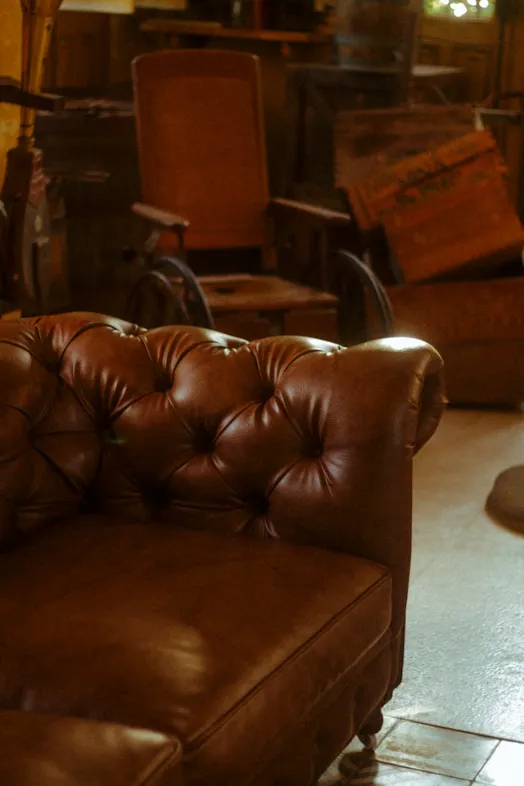
A repair can be structurally solid and still look bad if the finish is wrong. This stage is what separates a basic patch from a believable leather furniture repair. The goal is not perfect invisibility under a spotlight. The goal is that nobody notices it in normal daily use.
Perfecting the Color Blend
Always test your color mix on a hidden section first. Leather tones shift under warm lamps, daylight, and even nearby wall colors. Apply color with a dabbing motion rather than brushing sideways. Dabbing softens the border so the eye does not catch a sharp outline.
This is especially important if you are trying to fix leather couch surfaces with worn patina. A perfectly solid block of color can look fake on older furniture. Build the tone slowly, and stop once the repair blends from normal viewing distance.
Pro Tip: Recreating the Grain Texture
When the filler is half-dry, press a piece of plastic wrap lightly into the surface or tap it with a clean sponge. That creates a soft grain effect and prevents the repair from looking flat and plastic-like.
This small step helps if you are figuring out how to repair leather furniture without leaving a glossy scar. You are copying the natural randomness of leather, not stamping a perfect pattern. A little texture often matters more than chasing a perfect color formula.
Why Do Most DIY Leather Repairs Fail?
Most failed repairs are not caused by the rip itself. They fail because the method is rushed, the wrong adhesive is used, or the curing time is ignored. Once you understand the common mistakes, how to fix ripped leather sofa damage becomes much more manageable.
The Dangers of Household “Quick Fixes”
Super glue is a bad idea because it dries brittle. Leather needs to flex every time someone sits, shifts, or leans on an armrest, and brittle glue cannot move with it. Duct tape is worse: adhesive residue can sink into the surface and complicate future leather patch for sofa work.
A proper repair kit is designed for flexible movement. That is why people researching repair methods usually get better results when they stop treating leather like plastic or fabric and start handling it with the same care that helps determine how long do sofas last.
Ignoring the Curing Time
Even if the surface feels dry, the inside layers may still be soft. Give the repair at least 24 hours before normal use. On high-stress areas such as seat fronts or arm tops, adding a second thin support layer can improve durability.
This is where many DIY jobs fail. People sit down too soon, the filler shifts, and then they assume the whole method does not work. In reality, the repair simply never had time to cure into a flexible bond.
When Should You Call a Professional Instead?
DIY works well for many small tears, but not every problem belongs in a home repair kit. If the damage affects the seam, frame pressure points, or valuable antique leather, a professional may protect the piece better and actually save money in the long run.
Large Rips and Structural Seam Failures
If the rip is longer than about 2 inches, or if it runs along a stitched seam, DIY has limits. Seam damage often needs sewing, panel replacement, or deeper upholstery skill. Even well-written repair guides point out that seam tears are a different category from simple surface cuts.
The same rule applies when you are researching how to repair tear in leather couch cushions that have already stretched out. If the leather is under tension, patching the surface alone may not hold.
High-Value Antique Leather Restoration
Older or premium leather develops patina, softness, and grain variation that are hard to recreate. One wrong filler color or harsh cleaner can reduce the piece’s visual value. If the sofa is antique, sentimental, or made from high-end leather, professional restoration is usually the safer choice.
If you love the feel of real leather but want something easier to live with day to day, the Cygnus Power Sofa Bed is a useful example of modern convenience done well. It uses New Zealand top-grain leather, is built for long-term durability, and shifts into lounge, recline, or sleep mode with one touch, which makes it a smart fit for homes that want comfort without sacrificing craftsmanship.
Conclusion
Learning how to fix a rip in leather sofa surfaces is really about patience, not magic. Clean carefully, support the tear from underneath, fill in thin layers, and blend the texture before rushing to the final color. That method works for many common cases of leather sofa repair and leather couch repair at home. But if the damage is large, stitched, or valuable, calling a professional is the smarter move. Done properly, a small repair can extend the life of your sofa and keep it looking comfortable, polished, and lived-in.
Q&A Section
Can I fix a rip in a faux leather sofa?
Yes, but the method is slightly different. Faux leather does not respond like real leather, and heavy conditioners or harsh solvents can make the surface cloudy or sticky. Use products labeled for PU or faux leather, keep moisture low, and expect cosmetic repairs to be a bit less durable than real-leather repairs.
How long does a leather repair last?
A well-done repair can last months or even years, depending on the tear size, seat pressure, and how carefully you followed curing steps. Small, non-seam repairs on low-stress areas usually hold best. Front seat edges and armrests wear faster because they flex and absorb body weight every day.
Is it possible to fix a rip without a repair kit?
It is possible, but not ideal. You may improvise with backing fabric, flexible adhesive, and careful color blending, yet the finish is harder to match and the bond is less predictable. For anyone serious about how to fix a rip in leather sofa damage cleanly, a proper kit is usually worth it.


