 By Charles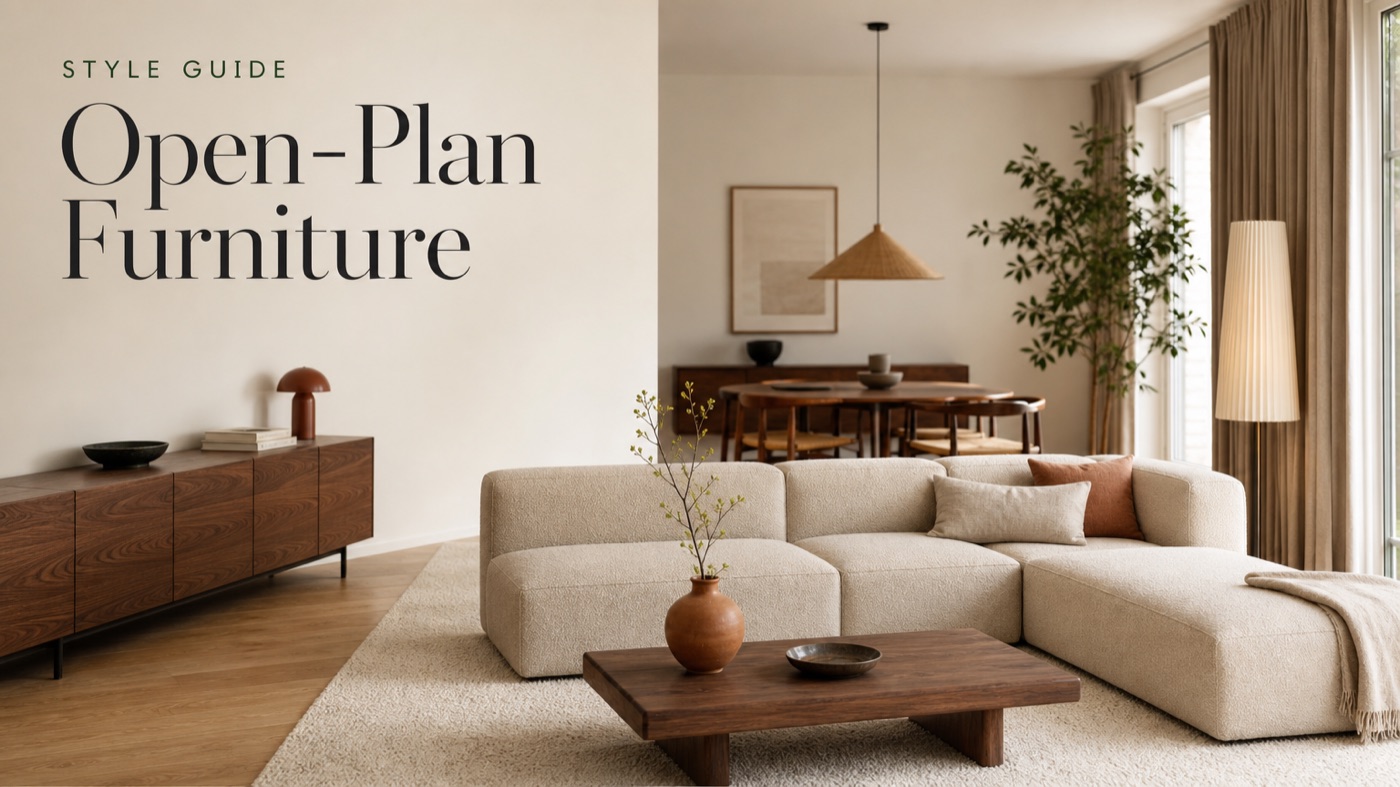
Decorate an open-plan apartment by using furniture to define zones without blocking light, traffic, or conversation. The goal is to make the living, dining, and work areas feel connected but not visually confused.
Start with the largest zone, usually the living area. Position the sofa to face the TV, window, or conversation area, and let its back create a soft boundary if the room allows. POVISON's sofas can anchor an open-plan layout when the size supports seating without cutting off the walkway. Add a coffee table that fits the seating shape and leaves enough room to move around it.
Next, place the dining area where it has natural access to the kitchen. A round table can soften a small apartment, while a rectangular table can follow a long wall or window line. POVISON's dining tables can help you match the table shape to the apartment's traffic flow.
Use rugs, lighting, and storage to clarify each area. A rug can mark the living room, a pendant or floor lamp can define dining or reading, and a storage cabinet can separate functions without building a wall. Keep the palette consistent across zones so the apartment feels larger.
Avoid pushing all furniture against the walls if it leaves the center empty and awkward. Floating a sofa, placing a slim cabinet behind it, or using a small desk near a window can make the plan feel intentional. Leave clear paths from the entry to the kitchen, bedroom, and balcony.
Scale should stay consistent across the whole apartment. If the sofa is visually heavy, balance it with a dining table that has enough presence. If the dining set is slim, avoid a bulky storage piece beside it. Open-plan rooms reveal everything at once, so repeated wood tones, leg shapes, or upholstery colors can make separate zones feel related.


[…] back, rug, console, or lighting change can distinguish the seating area. The same principle used to decorate an open-plan apartment with furniture lets function change while the larger visual envelope stays […]
[…] the office sits within a larger multifunctional space, the principles used to decorate an open-plan apartment with furniture also apply: give each zone a clear purpose while repeating enough materials or finishes to keep the […]