 By Kate
Introduction
A lake home should feel calm, comfortable, and connected to the view outside. The best lake home decorating ideas do not rely on filling every wall with paddles, anchors, or blue-and-white stripes. Instead, they use soft color, natural texture, durable furniture, and easy movement between indoor and outdoor spaces. Whether your home is a weekend escape, a full-time residence, or a guest-friendly retreat, the goal is simple: create a place that feels relaxed, lived-in, and ready for slow mornings by the water.
Table of Contents
What Makes a Lake Home Feel Relaxed and Livable?
A relaxed lake home is not just about pretty decor. It is about how the space feels when people actually use it. The best lake homes feel open to nature, easy to gather in, and simple to care for after a long day by the water. These three qualities create the foundation for thoughtful lake home decorating ideas.
A Strong Connection to the Outdoors
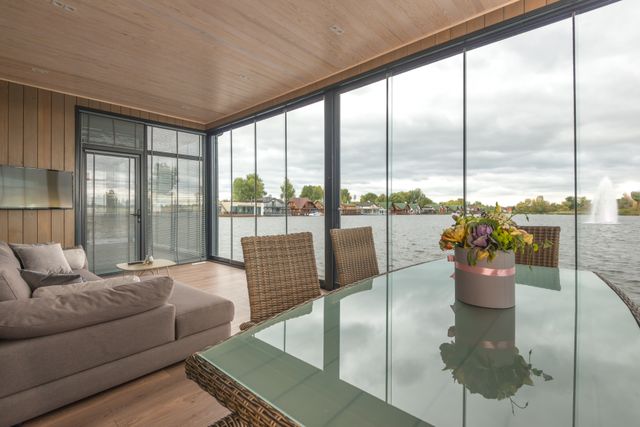
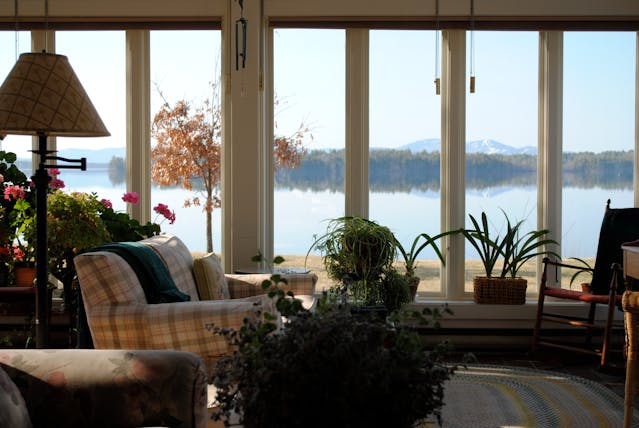
A lake home feels most relaxed when the outside view becomes part of the interior. Large windows, open sightlines, soft curtains, and low-profile furniture help the room feel connected to the water, trees, and sky.
The goal is not to decorate over the lake view. It is to support it. When the room stays visually light, the lake naturally becomes the focal point. This makes the space feel calmer, wider, and more inviting without adding too many decorative pieces.
Comfort That Handles Real Lake Life
A livable lake home needs to support real routines: wet towels, sandy shoes, extra guests, family meals, and quiet evenings after swimming or boating. That is why comfort should always come with durability.
Soft seating, washable fabrics, sturdy wood surfaces, closed storage, and easy-clean rugs all make the home feel more relaxed. No one wants to worry about every spill or damp cushion. The best approach to decorating lake homes is choosing pieces that look warm but can still handle everyday use.
Picture an early Saturday morning: coffee on the deck, kids coming in with damp feet, and someone opening every window to catch the breeze. That kind of home needs furniture and finishes that can handle life, not just look good in photos.
A Clear Style Without Theme Overload
A lake home feels more timeless when it has a clear style direction instead of too many obvious lake-themed items. Anchors, paddles, signs, and nautical prints can work in small doses, but they should not define the whole room.
The strongest lake homes usually feel natural first and themed second. Warm wood, soft blue, woven texture, stone, linen, and simple lighting can express a lakeside mood in a subtle way. This keeps the home from feeling like a rental cottage or souvenir shop.
| Lake Home Style | What Makes It Feel Relaxed | Best Design Elements | What to Avoid |
|---|---|---|---|
| Modern lake home | Clean, open, and uncluttered | Simple lines, neutral sofas, large art, warm wood | Cold gray rooms |
| Rustic lake cabin | Cozy, grounded, and nature-led | Timber, leather, plaid, stone, vintage accents | Heavy dark furniture everywhere |
| Coastal lake cottage | Light, breezy, and casual | White walls, pale blue, woven textures, linen | Too many beach signs |
| Organic contemporary | Soft, warm, and refined | Curved furniture, natural stone, soft greens, ceramics | Glossy plastic finishes |
How Do You Choose Colors, Materials, and Textures for a Lake Home?
Color and texture set the mood faster than any single decor piece. Lakeside decorating should feel fresh but not chilly, natural but not rough, and relaxed but not unfinished. The easiest approach is to build from the outdoor palette: water, sky, stone, wood, reeds, and soft evening light.
Use a Soft, Nature-Led Color Palette
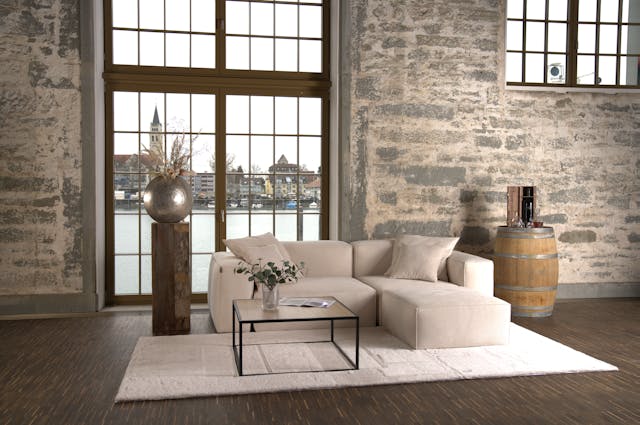
The best colors for a lake home are gentle and grounded. Try soft white, warm beige, sage green, lake blue, driftwood gray, and natural walnut. These shades make rooms feel open while still adding warmth.
A useful formula is:
- 60% neutral base: walls, large rugs, main sofa
- 30% wood or natural texture: tables, cabinets, baskets, beams
- 10% lake-inspired accent: blue pillows, green ceramics, framed art
Soft blues and teals can create a calm waterside feeling, especially when paired with creamy upholstery and wood tones, much like summer color palettes for a relaxed home.
Layer Natural Materials Instead of Loud Themes
Natural texture gives a lake home its quiet character. Use wood, rattan, linen, cotton, stone, ceramic, woven lighting, and matte metal. These materials work well because they age softly and connect the room to the outdoors.
Avoid making every accent literal. A carved wood bowl, a linen curtain, or a stone lamp can feel more timeless than a wall full of fishing signs. The room should suggest the lake, not announce it too loudly.
Pick Finishes That Can Handle Water, Sand, and Guests
Lake homes need beauty and durability. Look for sealed wood, performance fabric, washable slipcovers, stone-look surfaces, and rugs that can handle traffic. Entryways, dining rooms, and living rooms often take the most wear.
For lakefront decorating ideas, think beyond style and ask: Can this surface be wiped down? Will this fabric show water marks? Can guests use it without worrying? A relaxed home is easier to enjoy when nothing feels too precious.
How Should You Decorate Each Lake Home Space?
Each room in a lake home has a different job. The living room gathers people, the dining room hosts slow meals, the bedroom restores calm, and the entry catches all the mess from outside. A strong layout moves naturally from wet zones to social zones to quiet zones.
Arrange the Living Room Around the View
Place the main seating toward the lake, fireplace, or both. If the windows are large, choose low furniture so the sightline stays open. A sofa with clean arms, a wood coffee table, and two movable chairs can create a flexible conversation area.
The room should invite people to sit down without feeling crowded. A soft rug helps define the space, while simple curtains keep glare under control. When you decorate a lake house, comfort matters as much as symmetry.
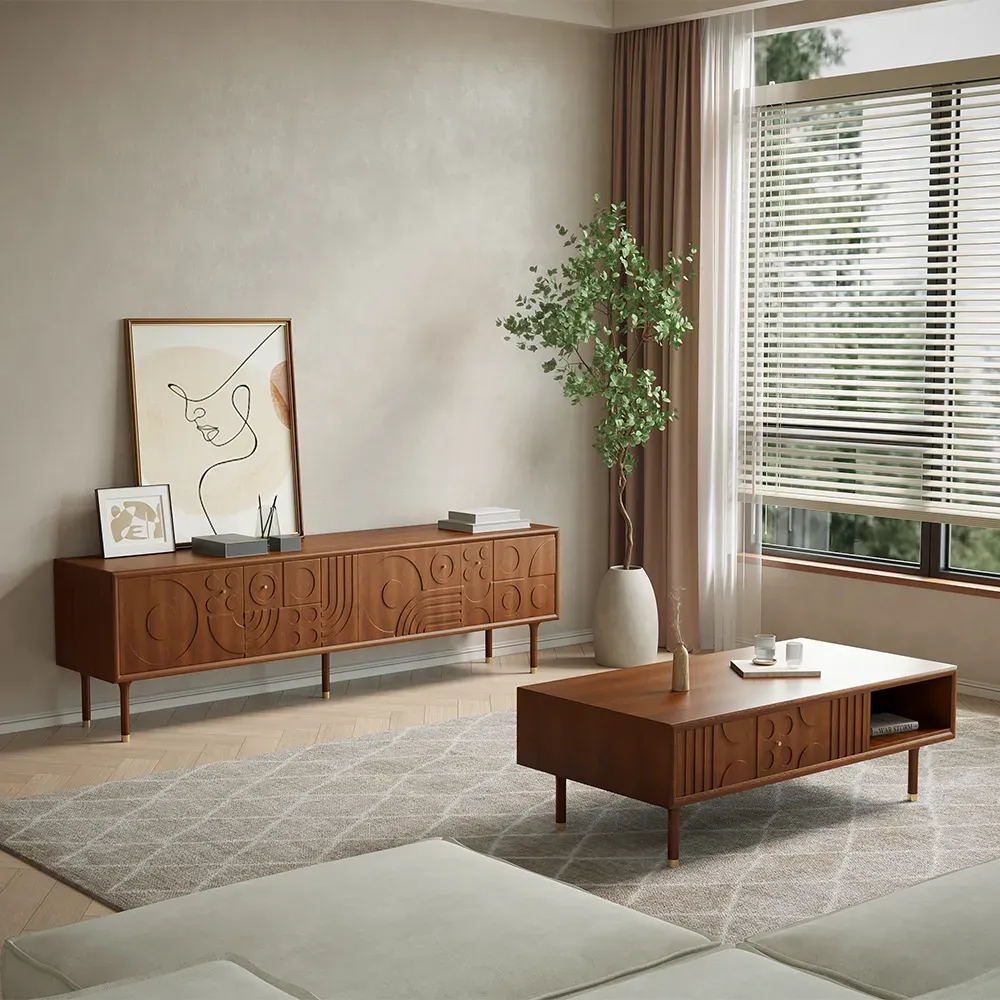
A mid-century TV stand with coffee table can help anchor a lake home living room without blocking the view. The warm wood tone, storage, and coordinated surfaces support a calm layout where media, books, throws, and board games stay close but not scattered.
Build the Dining Room for Slow Gatherings
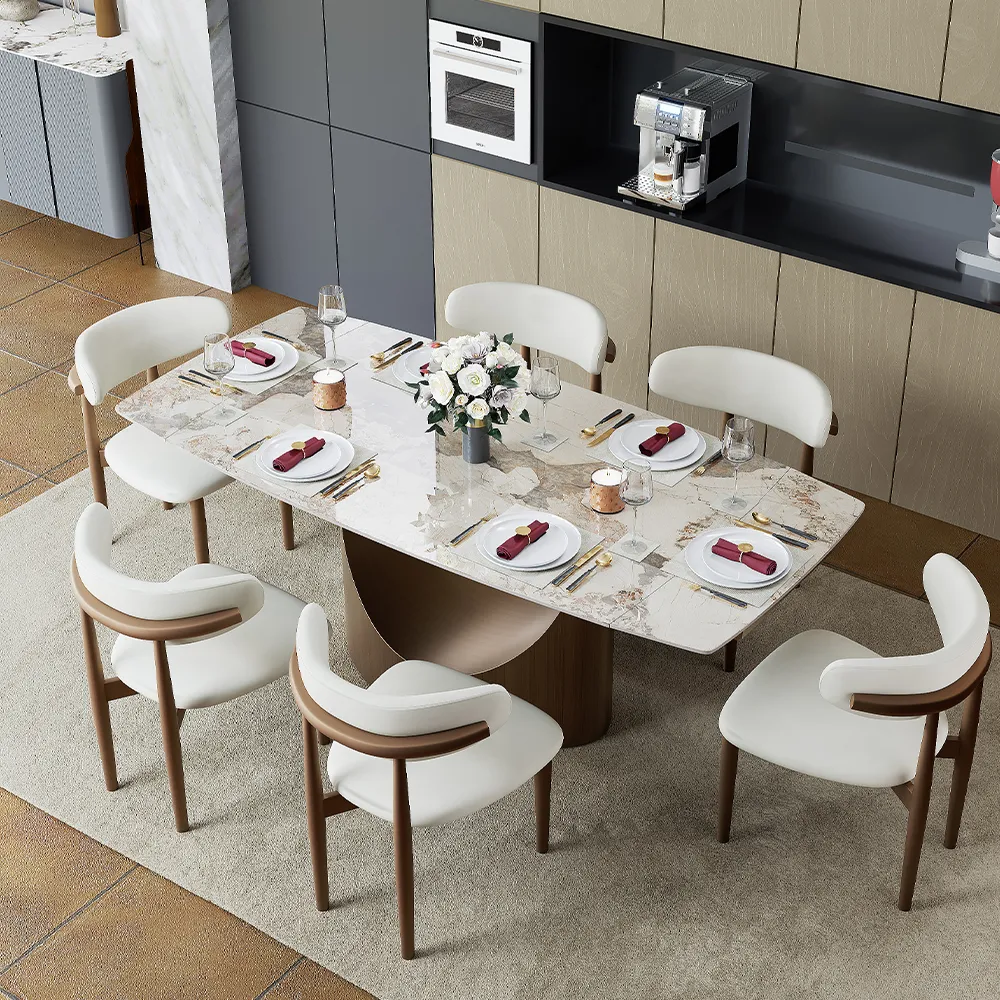
Lake dining rooms often work harder than formal city dining rooms. They host breakfast before boating, casual lunches, game nights, and big family dinners. A round table works well for smaller rooms because it softens traffic flow. A long table fits open-plan homes and larger gatherings.
Use warm wood, comfortable chairs, and simple lighting. Keep the centerpiece low so people can talk easily. When the sun drops and the windows turn dark, a dimmable pendant or woven shade helps the room feel intimate.
Make Bedrooms Soft, Quiet, and Uncluttered
A lake home bedroom should feel restful, not overdecorated. Choose breathable bedding, a soft rug, warm bedside lighting, and curtains that let in morning light. Pale blue, cream, sage, and oatmeal tones work well because they feel quiet at night and fresh in the morning.
Add one strong focal point, such as a large landscape print or textured headboard. For lake cabin decorating, wood beams or paneled walls can add charm, but keep bedding simple so the room does not feel heavy.
Create a Practical Drop Zone Near the Entry
The entry is where lake life gets messy. It needs storage for shoes, towels, bags, hats, jackets, pet leashes, and outdoor gear. Use hooks, a bench, closed cabinets, trays, and washable rugs.
A good mudroom protects the rest of the home. It also makes guests feel more comfortable because they know where everything belongs. Even a small wall near the door can become a mini drop zone with hooks, baskets, and a narrow cabinet.
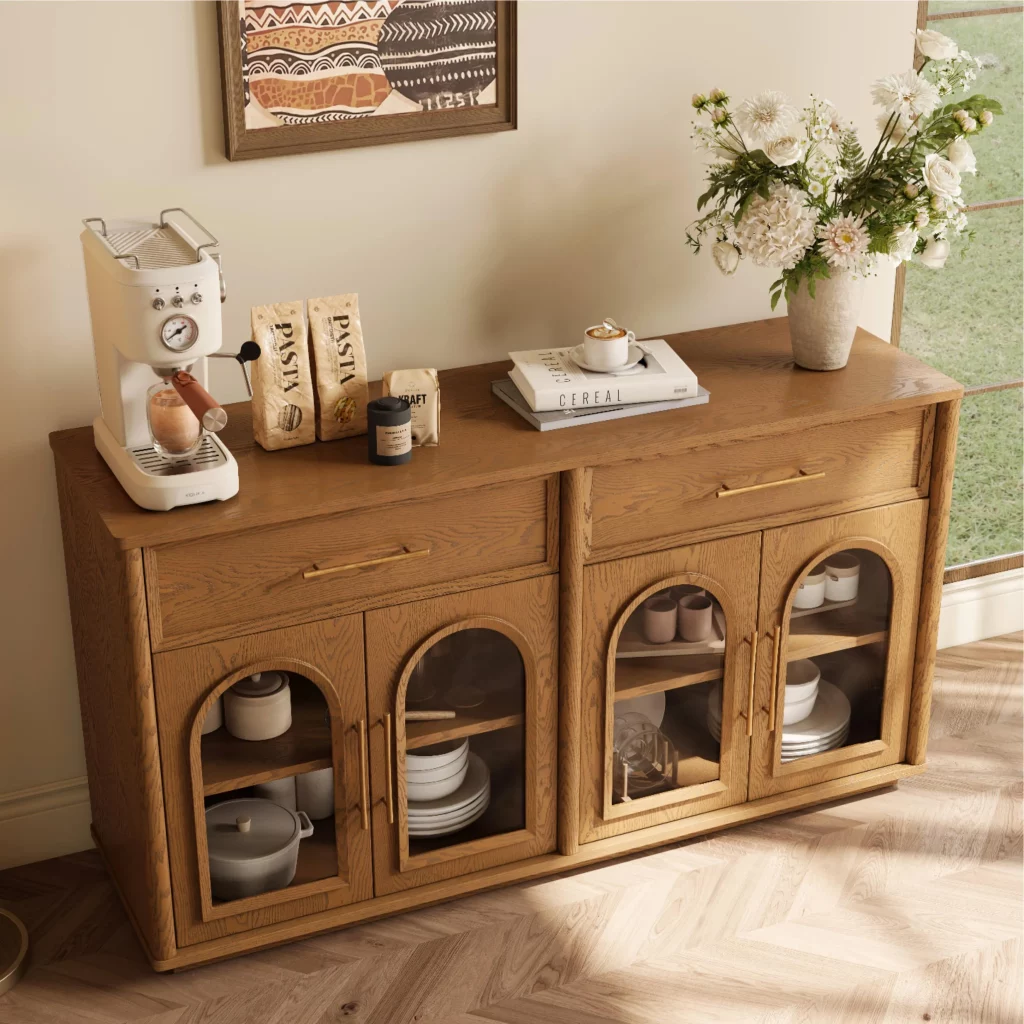
A fully assembled buffet cabinet can work beyond the dining room. In a lake entry, it gives towels, sunscreen, candles, and extra linens a closed storage spot, helping the home feel calm after everyone comes in from the dock.
Turn the Deck Into an Outdoor Living Area
The deck should feel like an extension of the interior. Use outdoor dining furniture, lounge chairs, weather-friendly cushions, lanterns, and a few planters. Keep the palette close to the inside rooms so the transition feels natural.
By late afternoon, the deck often becomes the most-used “room” in the home. A few chairs facing the water, a small side table for drinks, and warm lighting can do more than a large set of unused furniture. Durable modern outdoor patio furniture makes this space easier to use often.
What Furniture Works Best for Lake Homes?
Furniture in a lake home should be comfortable, sturdy, and easy to live with. It also needs to support guests, storage, and changing seasons. The best pieces feel relaxed but not temporary. Choose fewer, better items that can handle real use.
Pieces That Are Durable and Easy to Clean
Lake homes need furniture that can handle damp clothes, snacks, pets, kids, and weekend guests. Look for performance fabric, removable covers, sealed wood, rounded corners, and surfaces that wipe clean.
A sofa should be deep enough for lounging but structured enough for conversation. Coffee tables should offer space for drinks, books, and games. Storage pieces should hide clutter quickly when guests arrive. These practical choices make lake home decorating ideas easier to maintain.
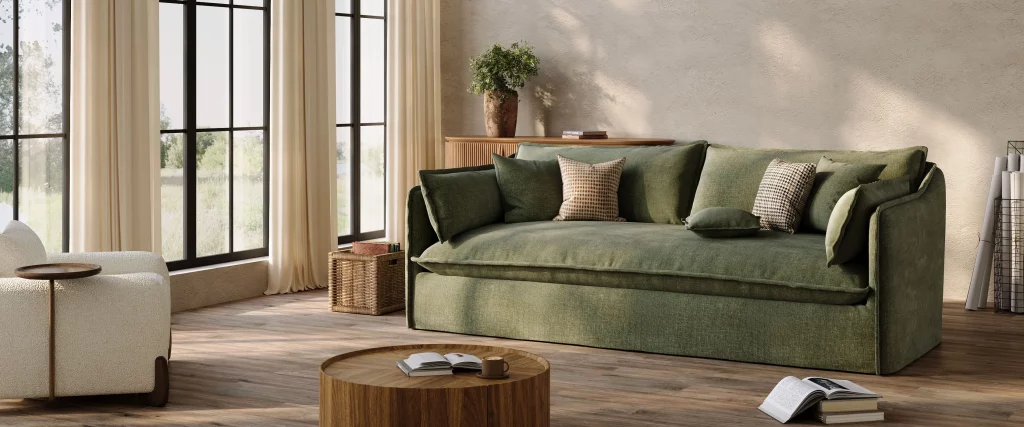
A modern deep seat sofa fits the relaxed rhythm of a lake home. Its water-repellent fabric and removable covers support real daily use, while the deep seat keeps the living room ready for reading, movie nights, and post-swim lounging.
Storage-Focused Accent Furniture
Storage should not feel like an afterthought. Choose sideboards, media consoles, benches, and coffee tables that add warmth while hiding practical items. In lake homes, storage often needs to hold blankets, games, chargers, serving pieces, guest linens, and seasonal decor.
The key is to place storage where clutter happens. A cabinet near the dining area holds extra plates. A media console keeps electronics and games contained. A bench near the door handles bags and shoes. Fully assembled coffee tables and TV stands also reduce setup work when you want the home ready faster.
How Do You Add Lake House Character Without Looking Kitschy?
Lake house character should feel collected, not staged. The goal is to bring in local texture, meaningful objects, and subtle references to the water. Too many theme pieces can make the home feel like a souvenir shop. A lighter touch feels more personal and more timeless.
Use Subtle Lake Details
Choose accents that hint at the setting. Framed lake photography, vintage maps, handmade pottery, woven trays, linen pillows, stoneware lamps, and natural greenery all work well. A few pieces from local artists can make the home feel rooted in its place.
This is where lakeside decorating ideas become personal. A map of the nearest town, a photo of the dock at sunrise, or a handmade bowl from a local market can tell a better story than generic wall signs.
Know What to Use and What to Skip
A simple do-and-don’t approach keeps the decor balanced.
| Do | Don’t |
|---|---|
| Use one large lake photo | Fill every wall with water-themed art |
| Choose warm wood and woven texture | Use plastic nautical props |
| Add local maps or handmade ceramics | Overuse anchor, paddle, or boat motifs |
| Keep window areas open | Cover lake views with heavy curtains |
| Mix rustic and modern pieces | Make every room the same theme |
This balance gives the home character without making it feel forced.
Finish With Lighting, Plants, and Everyday Objects
The final layer should make the home feel used in the best way. Add table lamps, dimmable sconces, candles, books, soft throws, trays, and plants. These pieces bring warmth into evenings when the lake view fades outside the windows.
Plants are especially helpful because they bridge indoor and outdoor spaces. Ferns, pothos, olive branches, or simple seasonal stems can soften wood and stone. In a modern lake home, fewer accents with better texture often create the most peaceful result.
FAQ
What colors are best for a lake home?
The best lake home colors are soft white, warm beige, sage green, lake blue, driftwood gray, and natural wood tones. These colors feel calm and timeless. They also let the outdoor view remain the main visual feature instead of competing with it.
How do I decorate a small lake house?
Use light walls, low-profile furniture, hidden storage, and multi-functional pieces. Keep window areas open and avoid too many small decor items. A few larger accents, such as one landscape print or one textured rug, will make the space feel cleaner and more open.
What is the difference between lake house and beach house decor?
Lake house decor is usually warmer, woodier, and more rustic. Beach house decor often feels brighter, breezier, and more coastal. Lake homes tend to use deeper wood tones, stone, cozy textiles, and earthy greens, while beach homes often use white, sand, coral, and crisp blue.
How can I make a lake home feel modern?
Choose clean-lined furniture, simple lighting, neutral colors, large-scale art, and natural texture. Keep the palette quiet and avoid overusing themed accessories. Modern lake homes work best when they feel open, edited, and connected to the view rather than heavily decorated.
What decor should I avoid in a lake home?
Avoid too many anchors, paddles, signs with slogans, plastic shells, and overly bright nautical colors. These details can make the space feel dated. Choose subtle references instead, such as local art, woven lamps, natural wood, lake photography, and soft blue or green accents.
Conclusion
The best lake home decorating ideas make a home feel calmer, more durable, and easier to share. Start with the lake view, then build the room around soft colors, natural materials, practical furniture, and simple movement between wet, social, and quiet zones. Avoid buying too many themed accents before the basics are right. With the right sofa, dining setup, storage, lighting, and texture, a lake home can feel ready for slow weekends, family gatherings, and everyday retreat living.


