 By Kelvin
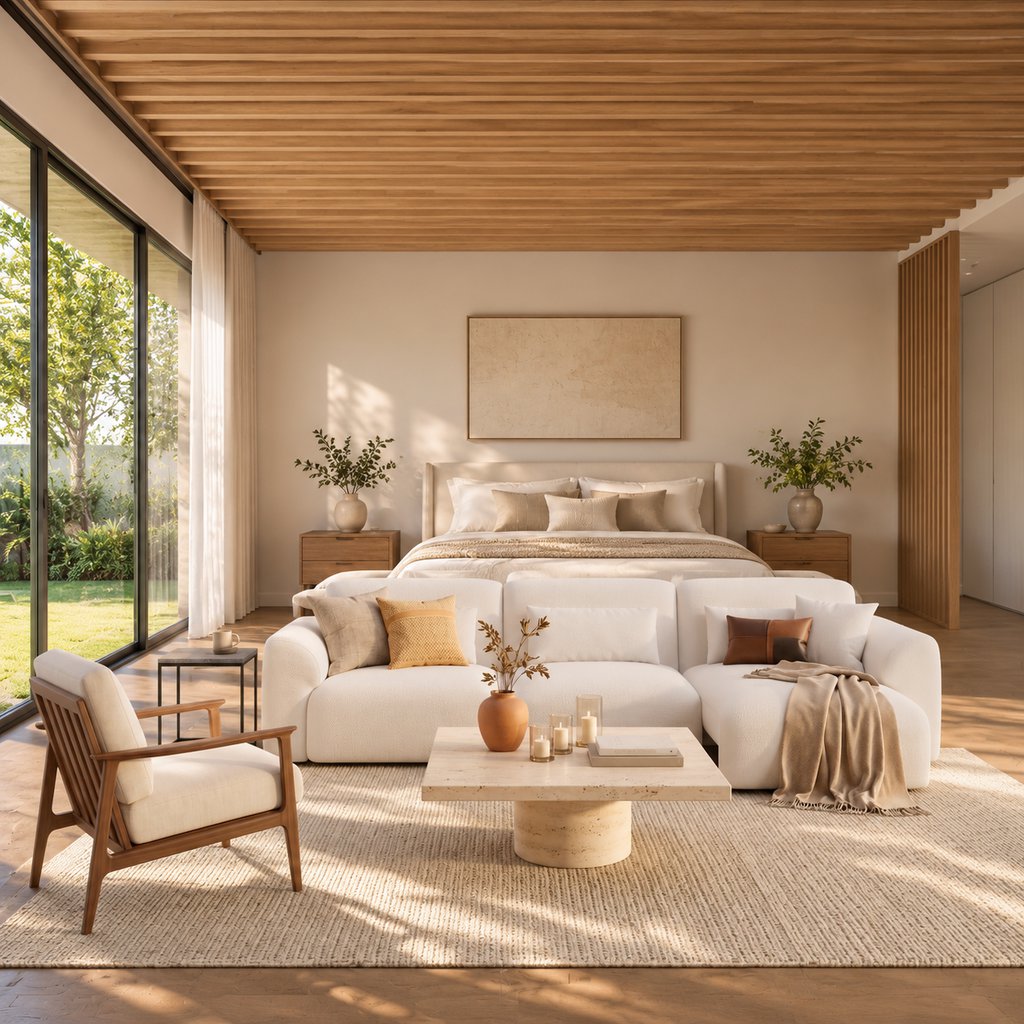
A bedroom sitting area gives you a place to read, watch TV, or unwind without having to sit on the bed. The right setup depends on how much floor space you have and whether you need seating for one person or two. From a single accent chair to a loveseat or a deeper lounge sofa, these bedroom sitting area ideas explain which furniture combinations work for different bedroom sizes and routines.
Table of Contents
Step 1: Define How You’ll Use the Sitting Area
Before choosing furniture, think about what you want to do in the space. A reading corner, a shared TV area, and a larger lounge all call for different seating arrangements. Identifying your main activity first helps you avoid buying furniture that looks appealing but does not fit your daily routine.
Consider these common uses:
- Reading and quiet breaks: A comfortable seat with good back support, a nearby surface for books, and focused lighting may be all you need.
- Watching TV: Seating should face the screen comfortably, with enough room to recline or change positions.
- Relaxing together: Two people may prefer separate chairs with a shared table or a loveseat where they can sit side by side.
- Stretching out: If you enjoy putting your feet up or changing your sitting position, consider a recliner, chaise, or sofa with adjustable seat depth.
Also think about how many people will use the area regularly and whether it needs to accommodate other activities. A clear primary purpose makes the furniture selection process much easier.
Step 2: Choose the Right Seating Combination
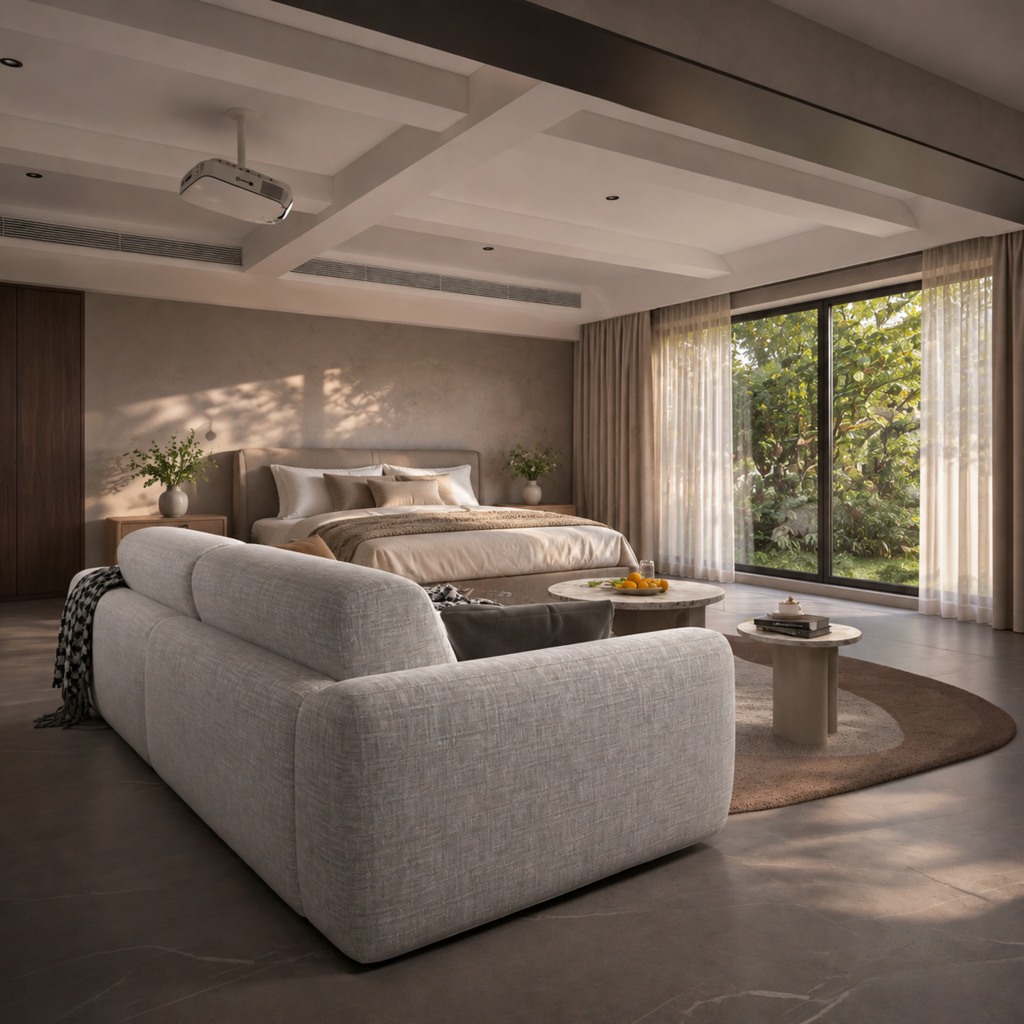
Once you know how you plan to use the space, choose a furniture combination that supports those activities. The following options cover everything from a compact reading corner to a more spacious bedroom lounge. Compare their main uses and space requirements before exploring the individual arrangements.
| Seating Combination | Best For | Main Consideration |
| Accent Chair + Ottoman | Solo Reading | Allow room for the footrest |
| Two Accent Chairs + Side Table | Shared Downtime | Account for both seat footprints |
| Loveseat or Modular Sofa + Side Table | Watching TV Together | Keep the seating area accessible |
| Sofa or Chaise | Deeper Lounging | Check the full footprint and extension space |
Create a Reading Corner with an Accent Chair and Ottoman
An accent chair paired with an ottoman is a straightforward way to create a personal reading spot. Place the chair near a window or in an unused corner, with a small side table for books, glasses, and a drink. An ottoman lets you put your feet up without requiring a full chaise lounge.
Look for a chair with supportive armrests and a backrest that suits your preferred reading posture. If you tend to read for longer periods, an adjustable recliner can offer more flexibility than a fixed accent chair. Keep a reading lamp within reach so you can use the space comfortably after sunset.
Arrange Two Accent Chairs for Shared Downtime
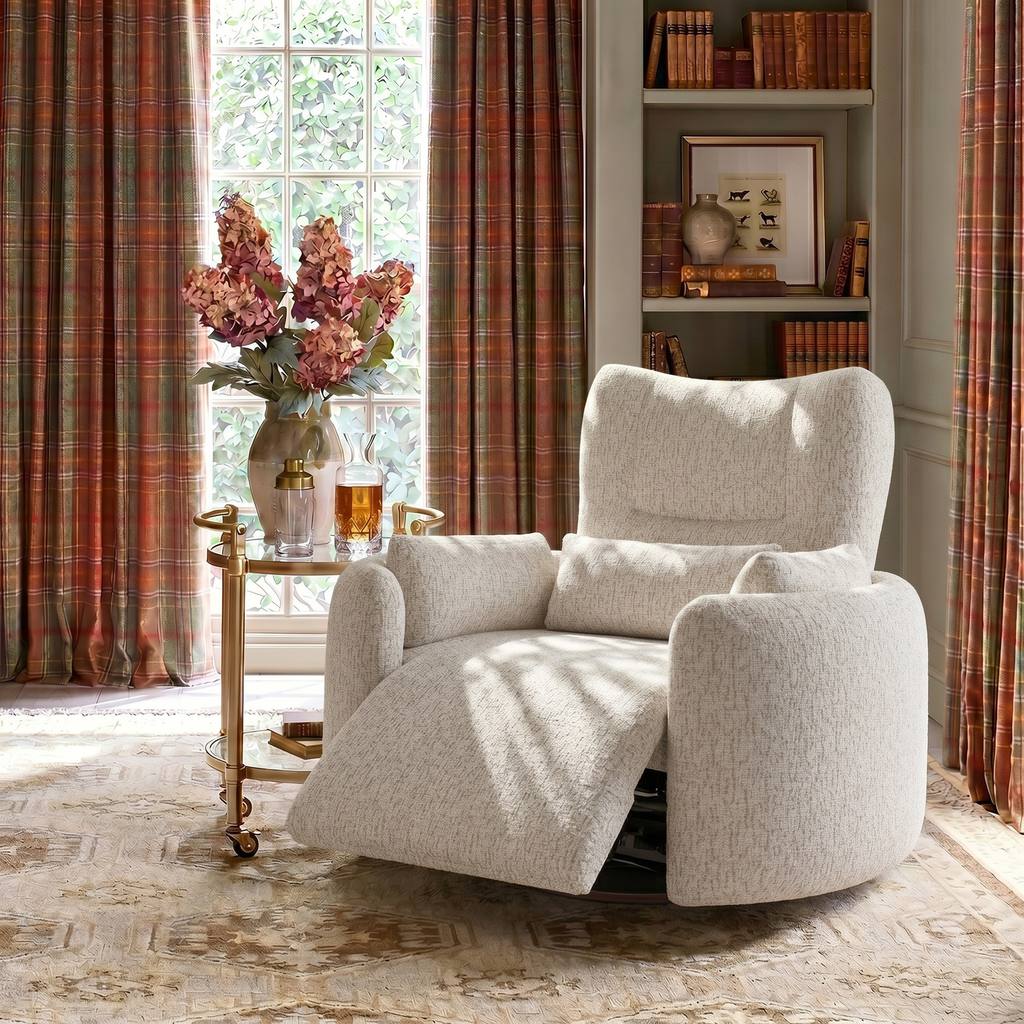
Two accent chairs with a small side table between them create a more conversational arrangement. This setup works well beside a window or across from the bed, especially when two people want to sit together without sharing one seat.
The chairs do not have to be identical. One can be a stationary accent chair, while the other offers adjustable positioning for a different way to relax. This combination is especially useful when one person prefers reading upright and the other wants to recline or turn toward the TV.
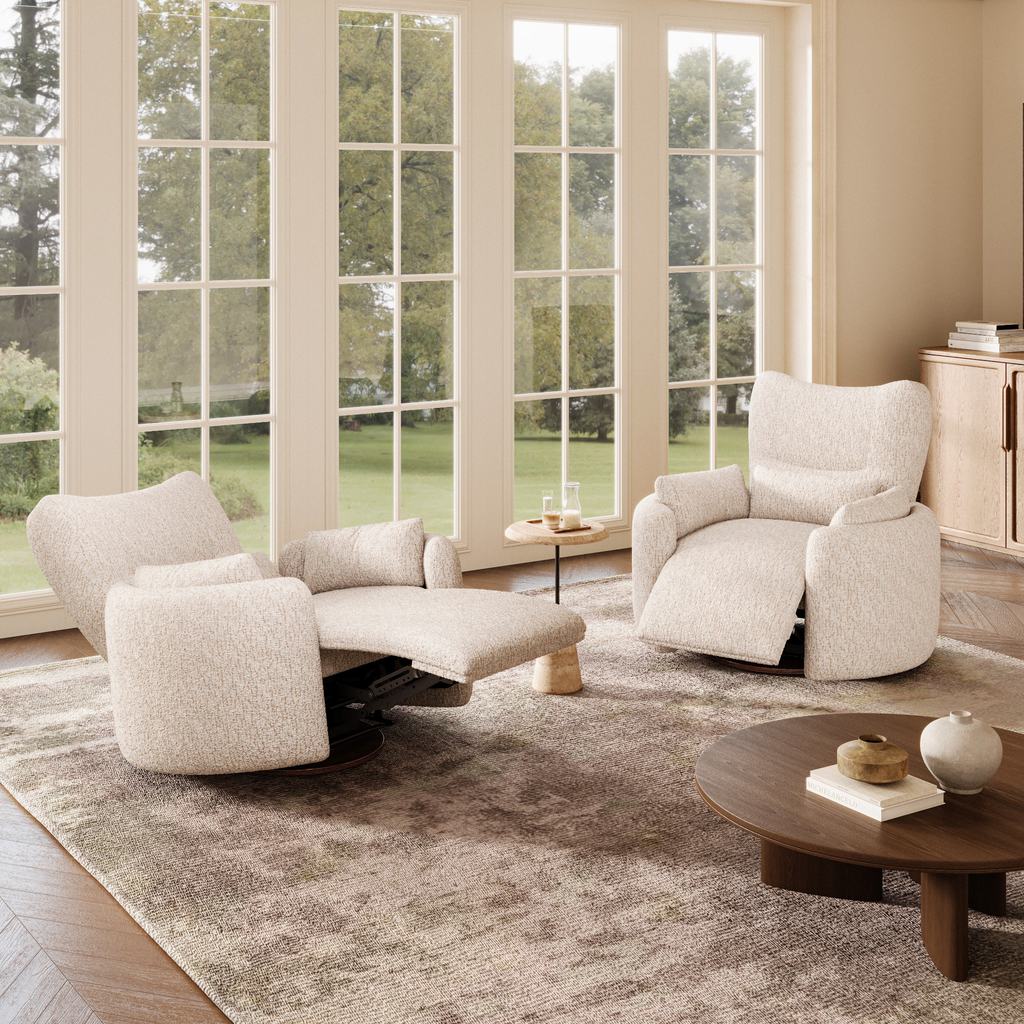
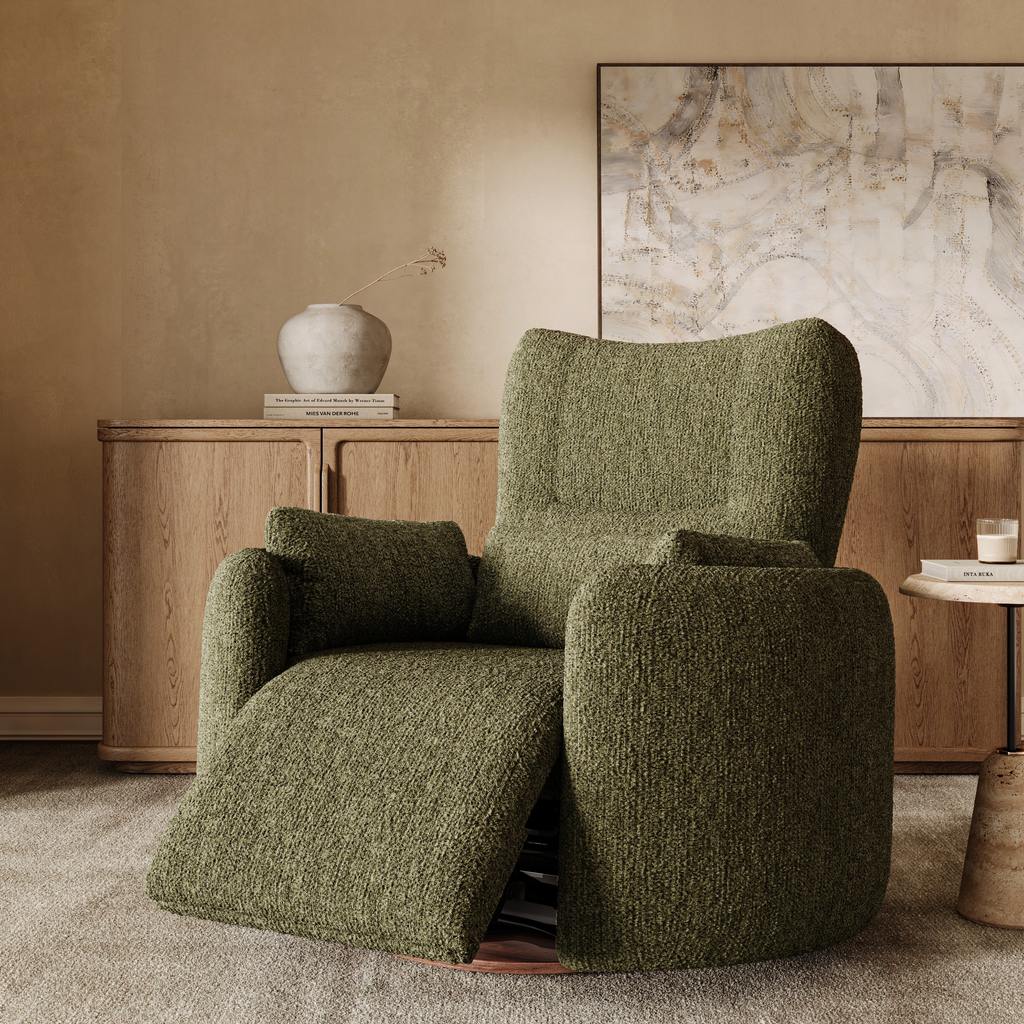
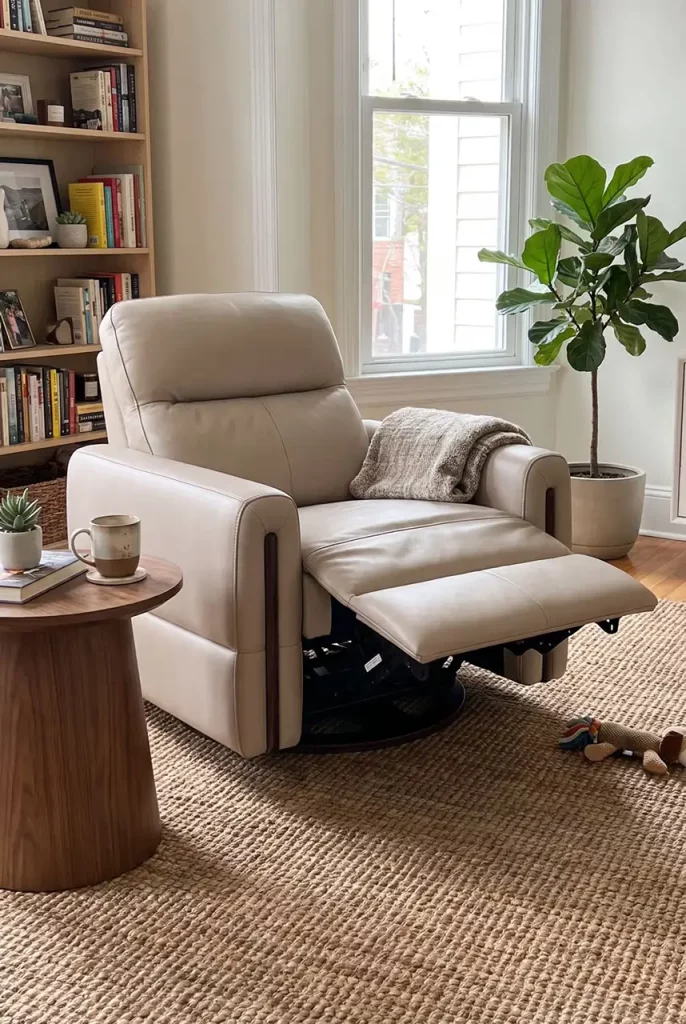
The Oliver Swivel Power Barrel Recliner can serve as the more flexible seat in this arrangement. Its 270-degree swivel makes it easy to turn toward a window or screen, while the 90–145-degree power recline and gentle rocking motion provide additional ways to unwind. It gives one person more positioning options without requiring both chairs to have the same functions.
Oliver Swivel Power Barrel Recliner
A barrel chair gives one person a flexible seat within shared lounging.
👍 Best for: Mixed seating in a two-chair arrangement
✨ 270° swivel
✨ 90°–145° power recline
✨ Gentle rocking motion
Add a Loveseat or Modular Sofa for a Cozy Bedroom Lounge
A loveseat makes sense when two people usually relax together. Unlike two separate chairs, it creates one continuous seating area that works well for watching a show, talking before bed, or enjoying a quiet evening.
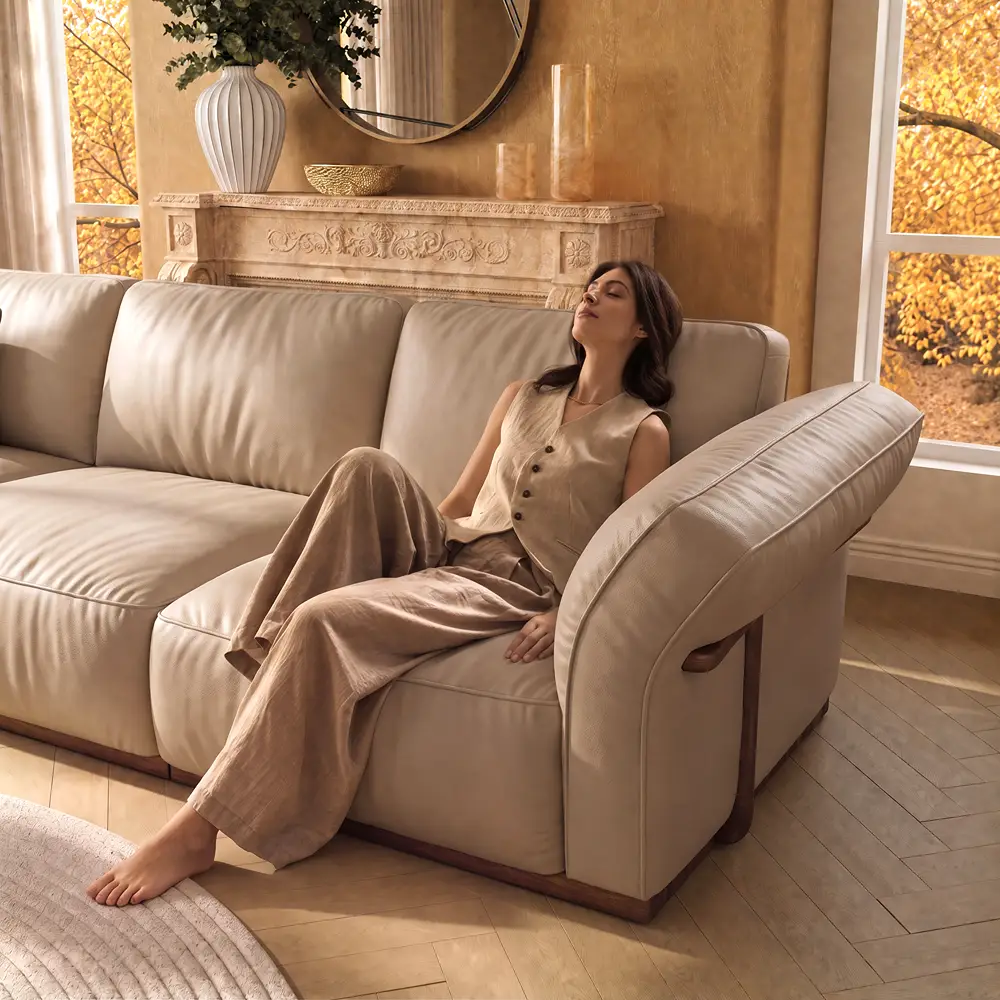
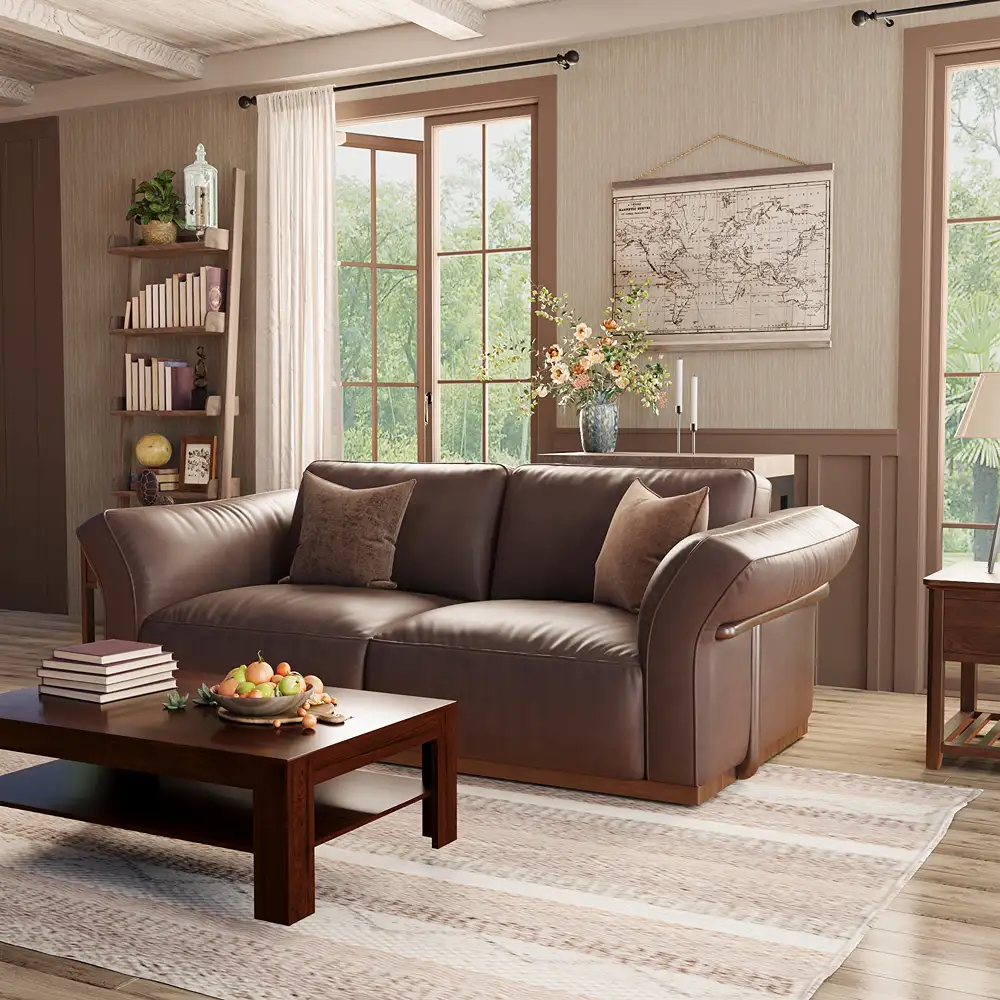
For a larger primary bedroom, a modular sofa can provide an alternative when a compact loveseat feels too small. The Cronus Genuine Leather Modular Sofa with Solid Wood Frame offers seating for two to three people, with top-grain leather upholstery and a solid wood frame. Its generous proportions suit a dedicated lounge area rather than a narrow leftover corner. The main consideration is whether the room can accommodate its full footprint while preserving clear walkways.
Cronus Genuine Leather Modular Sofa
A modular leather sofa anchors a spacious lounge for shared everyday relaxation.
👍 Best for: Spacious master-bedroom lounging
✨ Top-grain leather upholstery
✨ Solid wood frame
✨ Deep seat for relaxed lounging
Create a Larger Lounge with a Sofa or Chaise
If you want more than a place to sit, a sofa or chaise can turn a larger bedroom into a more complete relaxation area. A chaise works well for stretching out alone, while a sofa provides more flexibility for shared downtime, reading, or watching TV.
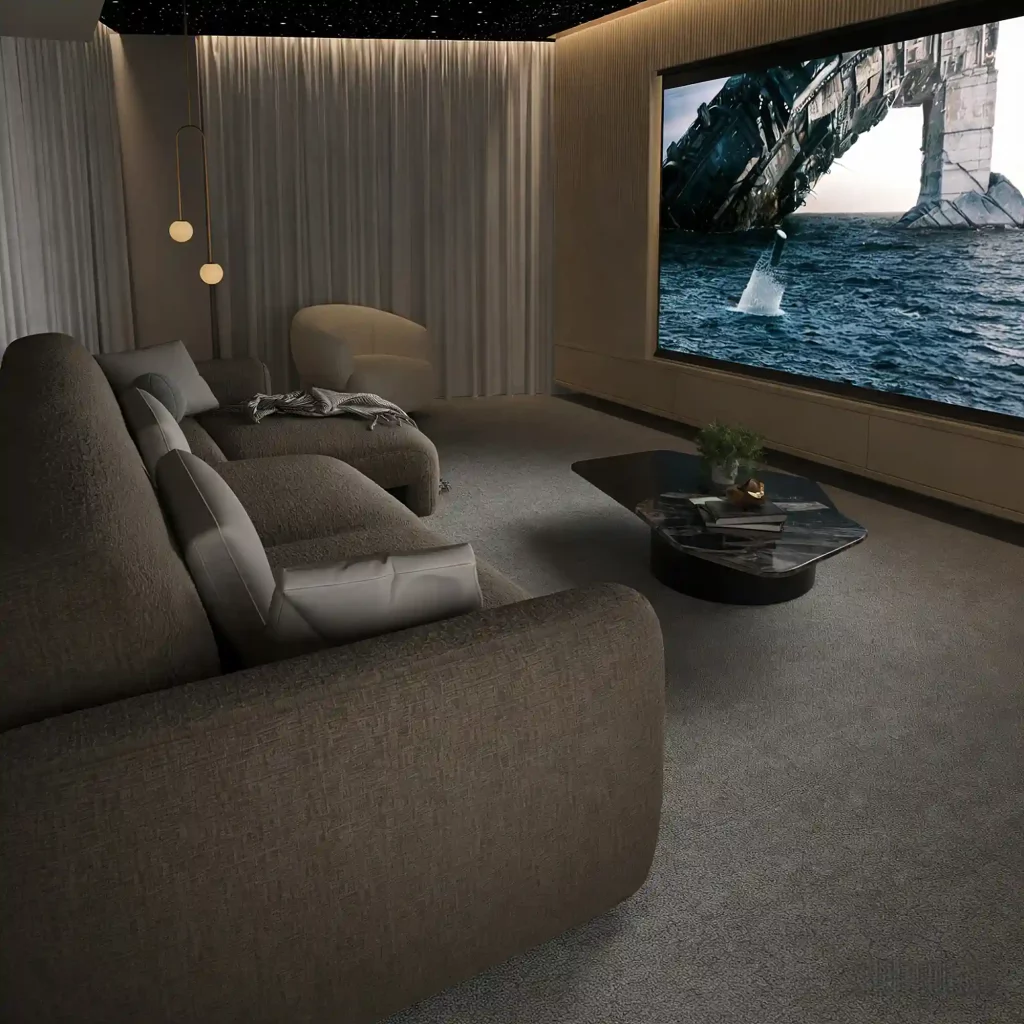
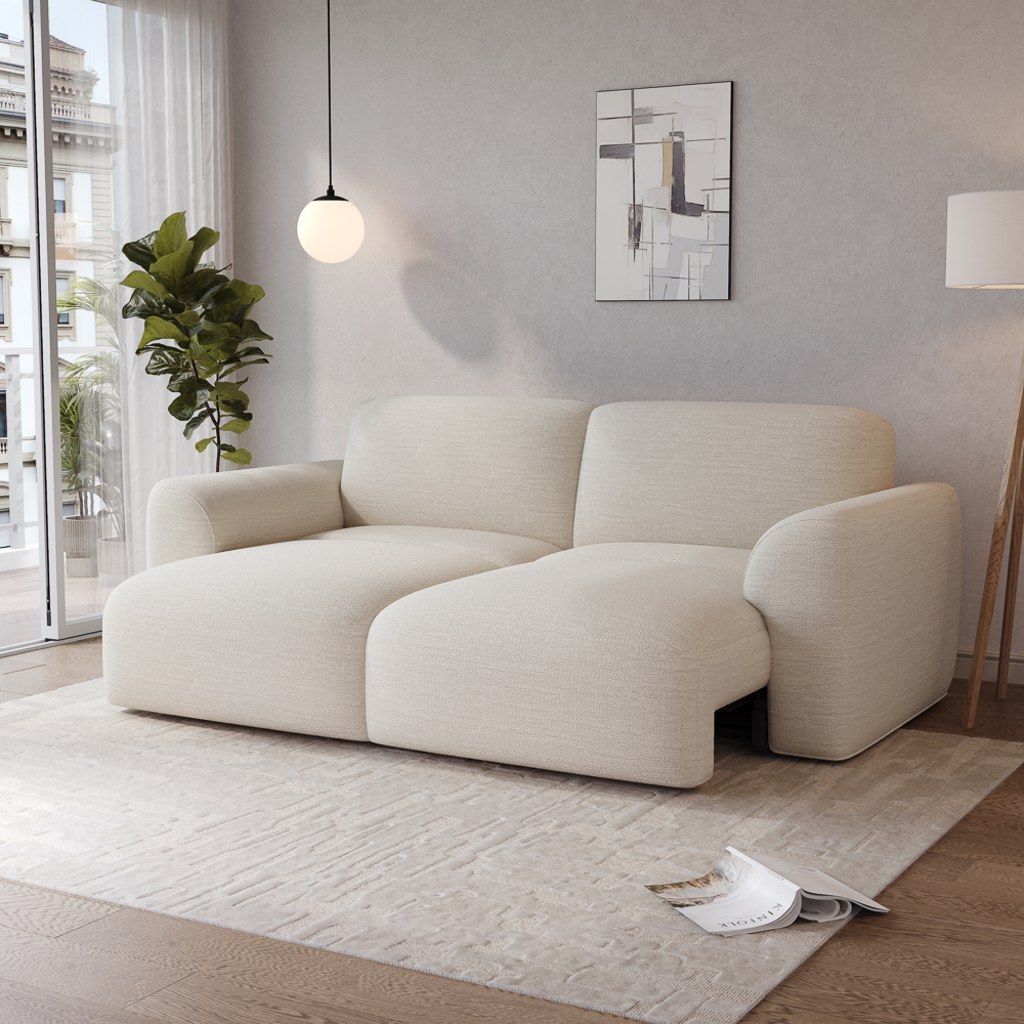
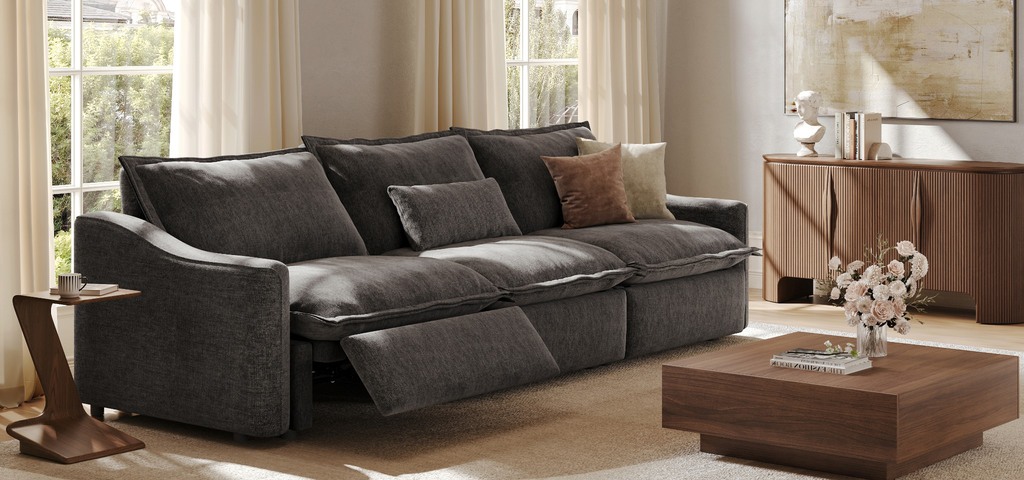
For households that want to change their sitting position throughout the day, a fixed-depth sofa may feel limiting. The Aurora Power Sofa Bed addresses this with stepless powered seat-depth adjustment from 27 to 45.5 inches. The deeper setting creates more room to stretch out without adding a separate chaise, making it a practical option when the bedroom has enough open floor space in front of the sofa. Its adjustable seating also offers more ways to relax beyond a conventional fixed-depth sofa, as explained in these power sofa bed configurations for different ways to live.
Aurora Power Sofa Bed
Powered depth adjustment creates more room to stretch without adding a separate chaise.
👍 Best for: Larger rooms needing deeper lounging
✨ Stepless 27″–45.5″ seat depth
✨ Water-resistant chenille
✨ Scratch-resistant fabric
Step 3: Find the Right Spot for Your Sitting Area
After choosing a seating combination, consider where it will work best within the existing bedroom layout. The right position should make the area feel intentional while keeping windows, storage, and the main route around the bed accessible.
By a Window
A window-side arrangement makes use of natural light and creates a pleasant place for morning coffee or reading. Position the chair so daylight reaches the page without creating direct glare. Leave enough room for curtains to open and close freely.
At the Foot of the Bed
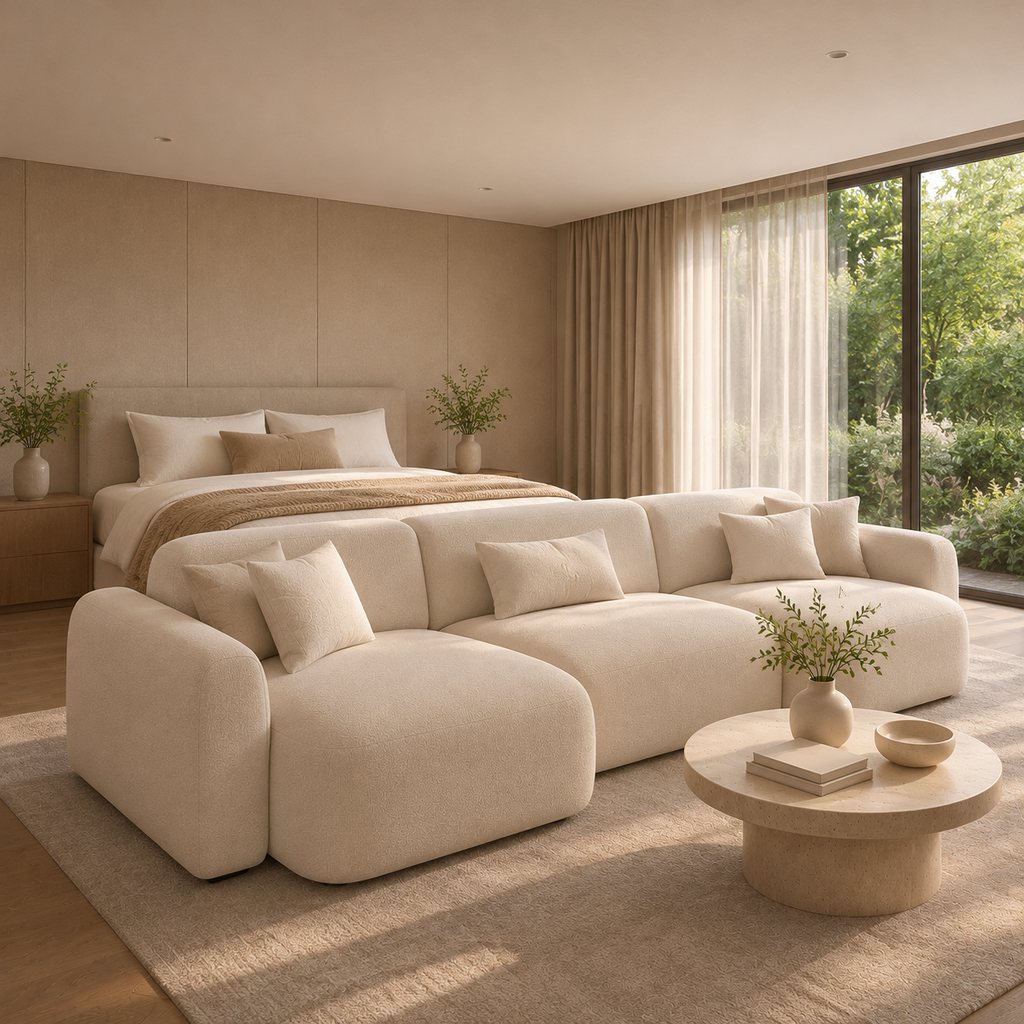
If there is enough space between the bed and the opposite wall, the foot of the bed can accommodate a loveseat or two smaller chairs. This arrangement creates a visual transition between sleeping and relaxing without requiring a separate room.
Make sure the furniture does not restrict access to the bed or nearby drawers. A smaller side table is often more practical than a large coffee table in this position.
In an Unused Corner or Along an Open Wall
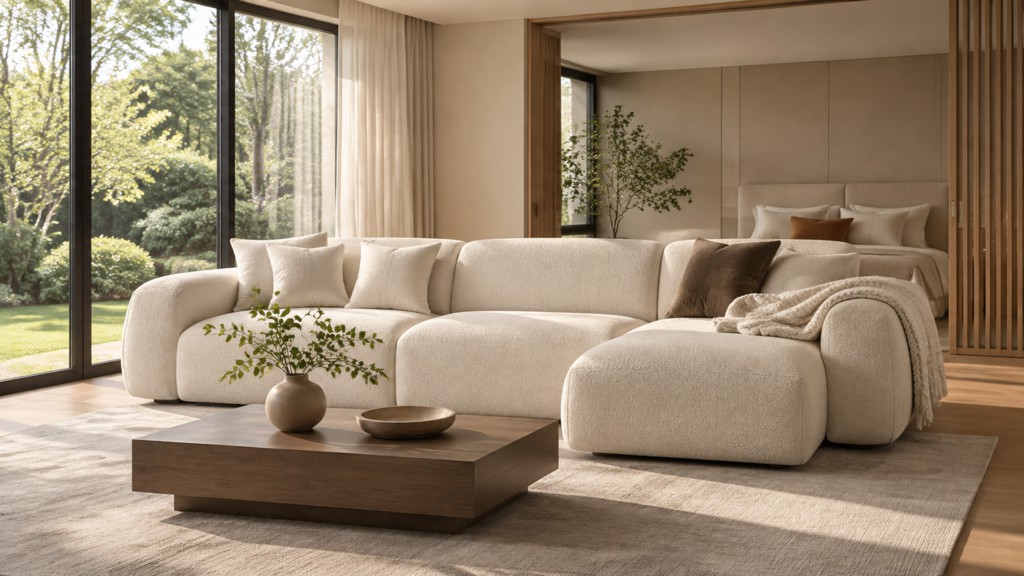
An empty corner can become a functional sitting area with just one chair, a narrow side table, and a floor lamp. For a larger open wall, consider a loveseat or sofa.
Avoid filling every available corner with furniture. One clearly defined seating arrangement often feels more intentional than several disconnected pieces.
Facing the TV or Another Focal Point
If the bedroom already has a TV, arrange the seating around a comfortable viewing direction. A swivel recliner is useful when you also want to turn toward the window or another person without repositioning the entire chair.
For rooms that need to accommodate both a permanent bed and a separate lounge, thoughtful bedroom living room combo layouts can help you separate the two areas while maintaining a clear route between them.
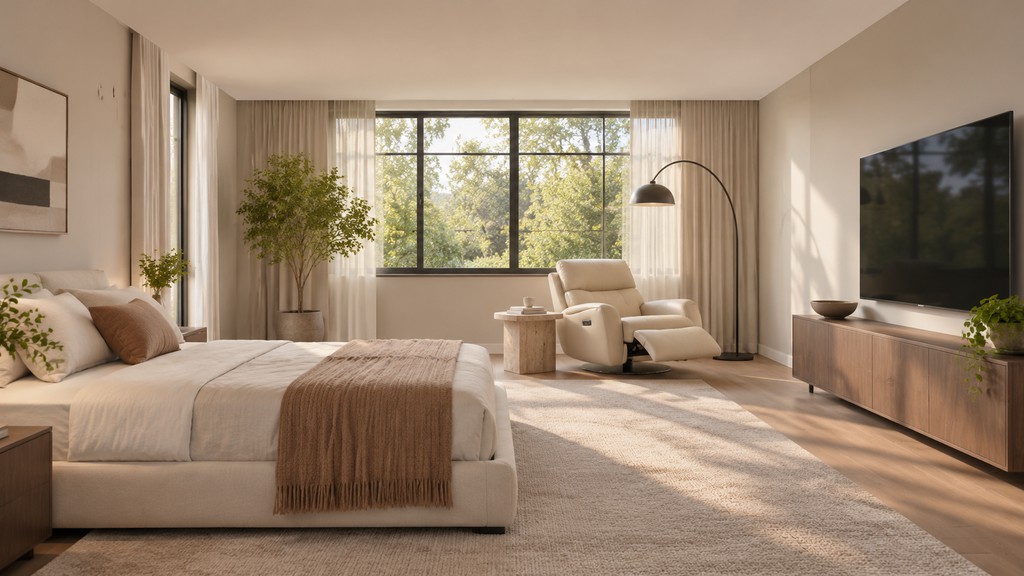
Step 4: Check Your Layout and Finish the Space
Before considering the arrangement complete, make sure the furniture fits both physically and functionally. A sitting area should feel comfortable to use, not just look spacious in a photo. Check the full furniture footprint first, then add a few practical accessories to make the space feel complete.
Check Furniture Clearance Before Buying
When planning small bedroom sitting area ideas, measure the furniture in every position you expect to use it. A recliner, extending sofa, or ottoman can occupy considerably more floor space during use than it does in its regular position.
Check these points before ordering:
- Furniture width and depth: Measure the complete footprint, including arms, bases, and attached footrests.
- Bed access: Make sure the arrangement does not restrict the route around the bed.
- Closet and drawer clearance: Open doors and drawers fully to check for conflicts.
- Main walkway: Preserve a continuous path between the bedroom entrance, bed, and frequently used storage.
- Movement range: Account for recliner extension, swivel rotation, and adjustable sofa depth.
One useful test is to mark the furniture’s footprint on the floor with painter’s tape. If you are considering a recliner, mark the extended position as well. Walk around the marked area and open nearby doors before committing to the layout.
Finish the Sitting Area with Practical Accessories
Once the main seating is in place, a few supporting pieces can make the area more comfortable without overcrowding it. The goal is to give each item a purpose rather than add decoration simply to fill empty surfaces.
- Area Rug: Use a rug to visually connect the chairs or sofa and distinguish the sitting area from the bed. It does not have to be a separate rug if an existing bedroom rug already covers the seating arrangement.
- Side Table: Keep everyday essentials within reach. A narrow or C-shaped table can work better than a full coffee table when space is limited.
- Lighting: Add a floor lamp beside a chair or a table lamp near a loveseat. Separate lighting makes it easier to read or relax without turning on every bedroom light.
- Pillows and Throws: Use a few coordinated textiles to make the seating feel connected to the bedding.
- Color and Texture: Repeat one or two colors or materials from the bedroom, but avoid making every furniture piece look identical.
For a reading-focused setup, coordinate the chair, task lighting, and nearby surface around how you actually use the space. These reading room seating and lighting ideas offer additional ways to make a reading corner comfortable without filling it with unnecessary furniture.
Conclusion
The most successful bedroom sitting area ideas start with a clear purpose, whether that means creating a quiet reading corner, adding shared seating for TV, or building a larger lounge for deeper relaxation. Choose a furniture combination that suits your routine, then check its full footprint before arranging the rest of the room. A comfortable chair, loveseat, or adjustable-depth sofa can make an unused part of the bedroom more useful without compromising access to the bed or storage.
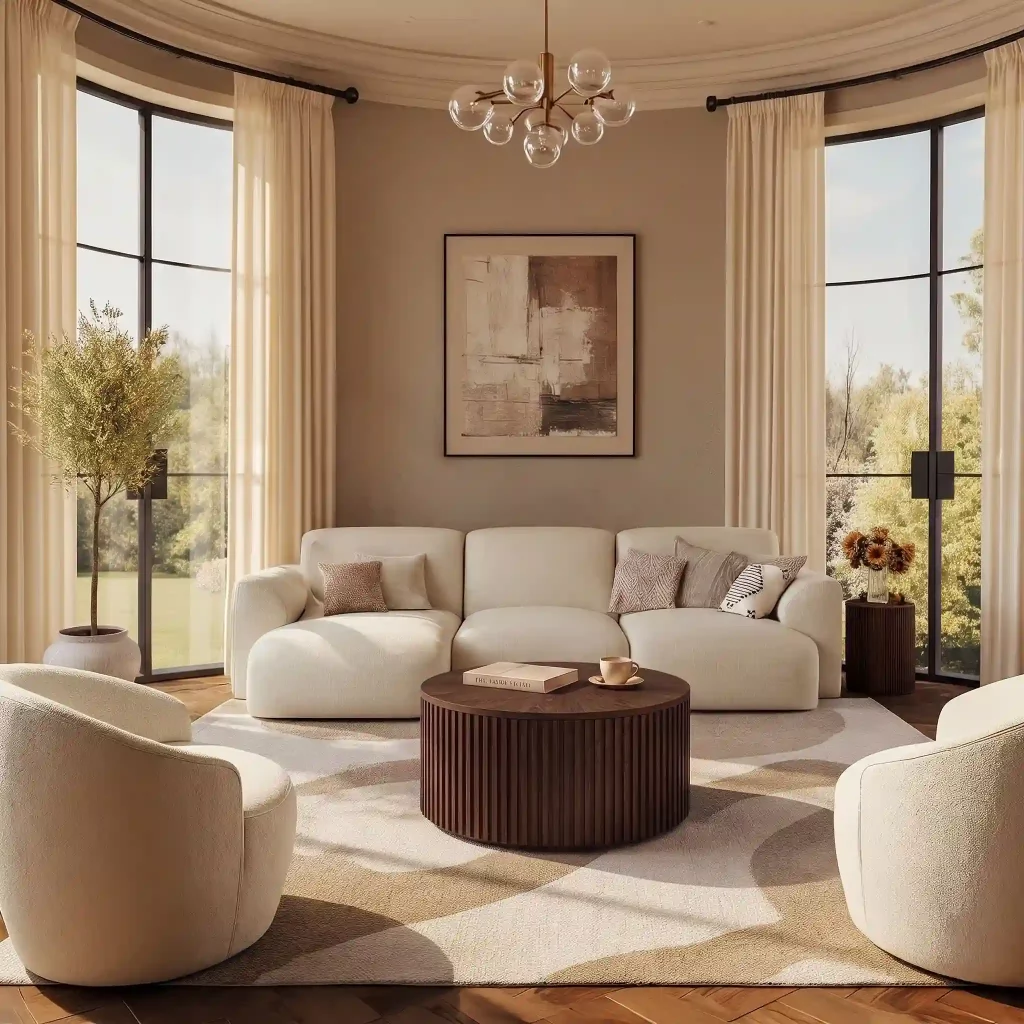
Find the Right Bedroom Seating
Explore sofas, recliners, and flexible seating for different bedroom layouts and everyday ways to relax.
Q&A About Bedroom Sitting Areas
Can a Bedroom Sitting Area Work Without a Coffee Table?
Yes. A side table, wall-mounted shelf, or stable tray-top ottoman can provide enough surface space for a book or drink. In a small bedroom, skipping a central coffee table can also preserve more room to walk between the bed and seating.
Can a Leather Sofa Sit Beside a Sunny Bedroom Window?
It can, but prolonged direct sunlight may cause leather to fade or dry out over time. Use curtains or blinds to limit exposure, and follow the upholstery care instructions. This is particularly important when choosing a leather sofa for a bright master bedroom.
How Can You Keep a Bedroom Chair from Becoming a Laundry Drop Zone?
Give the chair a clear purpose and provide a separate place for worn clothes. A nearby hamper or designated clothing hook can prevent laundry from accumulating on the seat. Keep the chair available for sitting rather than treating it as temporary storage.
Does a Power Sofa Need an Electrical Outlet Nearby?
Yes. A powered sofa needs access to a suitable outlet for its motor. Check the power cord length and outlet position before finalizing the layout. Keep cords away from walkways, moving mechanisms, and areas where they could become trapped beneath furniture.
Should Bedroom Sitting Area Furniture Match the Bed?
No. The furniture does not need to come from the same collection as the bed. Instead, coordinate one or two elements, such as wood tones, upholstery colors, or metal finishes. This creates a connected look while allowing the sitting area to have its own identity.


[…] sofa doesn’t always need to sit against a wall. In a wider studio, positioning the sofa with its back toward the bed can create two distinct areas without adding another large furniture […]