 By Jenny Smith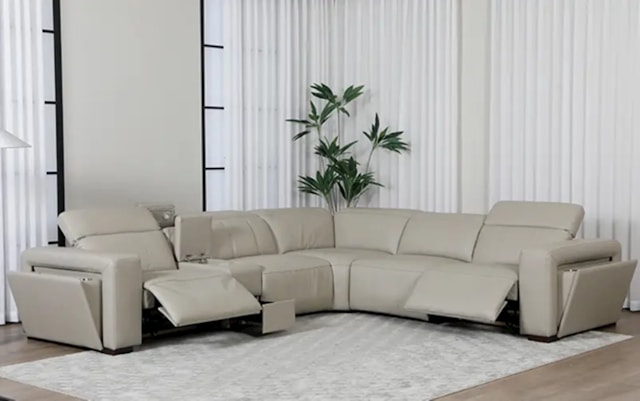
If you are searching what is zero gravity recliner, the short answer is this: it is a recliner designed to place your body in a more balanced, supported position, usually with your legs raised and your back gently reclined. The result is a lighter, less compressed feeling than a standard seat. That is why people often compare it to a zero gravity chair.
What Is a Zero Gravity Recliner?
A clear definition
A zero gravity recliner is a recliner built to support your body in a more neutral posture, with your back tilted and your legs elevated so your weight feels more evenly distributed. That setup aims to reduce the heavy pressure many people feel in the lower back, hips, and seat base when sitting upright for a long time.
What makes it feel different
A standard recliner mainly gives you a backrest angle and a footrest, while power recliners provide more angle to adjust without effort. A zero gravity model feels different because the posture is the point, not just the motion. If someone asks what is a zero gravity chair, the easiest answer is that it is seating designed to create a more balanced, weight-distributed recline instead of a simple lean-back position.
Zero gravity chair, zero gravity chairs, and no gravity chair
In everyday search behavior, zero gravity chair, zero gravity chairs, and no gravity chair are often used almost interchangeably. Usually, they all point to the same comfort idea: a chair that reclines into a more neutral position. The main difference is product type. A no gravity chair often refers to a simpler outdoor lounger, while a zero gravity recliner usually means a padded indoor seat with fuller support.
How Does a Zero Gravity Recliner Work?
What changes in your body position
When a zero gravity recliner moves into its comfort zone, three things usually happen:
- Your upper body tilts back into a more open position
- Your legs rise higher than they do in a basic recliner
- Your body weight spreads more evenly across the chair
That combination is why the position often feels calmer and less compressed than standard lounging.
Why that setup feels easier to stay in
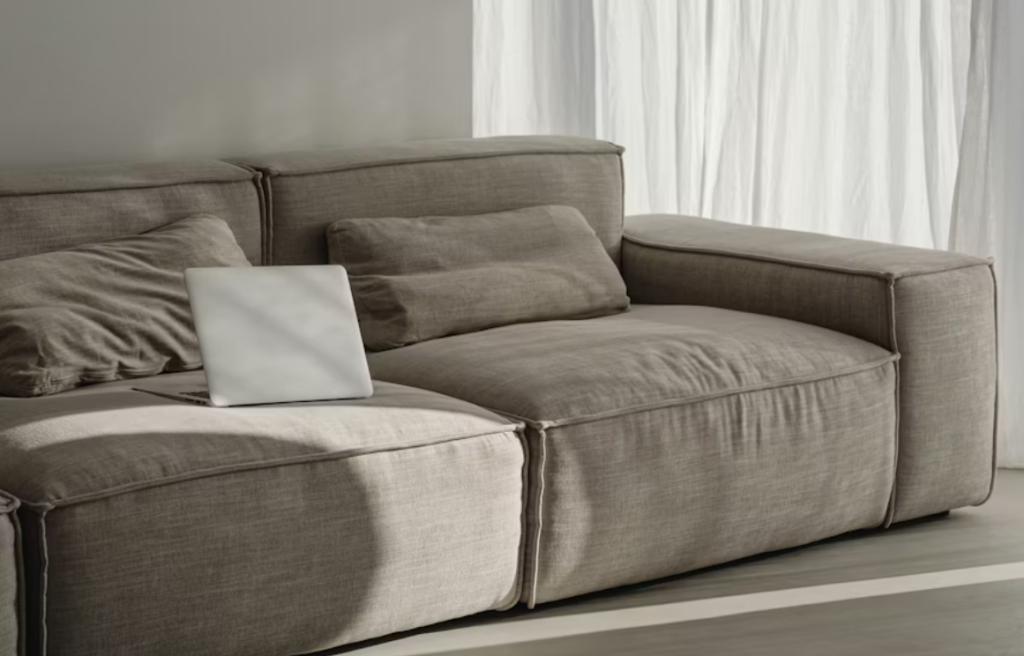
The real difference often shows up after twenty or thirty minutes, not in the first ten seconds. I can easily picture a late evening where your laptop is finally closed, your calves are fully supported, and your body stops doing that small constant shifting that happens in flatter seats. That is the same reason many recliner chair uses in everyday living rooms revolve around reading, movie nights, and end-of-day downtime rather than quick sitting.
Why Do People Choose It Over a Regular Recliner?
At this point, curiosity usually turns into evaluation. People are no longer asking what it is. They want to know whether it feels noticeably better, whether it is worth the extra money, and whether the benefits show up in normal daily life instead of just showroom demos.
The comfort benefits people notice first
Most buyers choose a zero gravity recliner for comfort, posture relief, and longer sitting sessions that feel easier on the body. Common reasons include:
- Less concentrated pressure in the lower back
- Better leg elevation after work or travel
- A more relaxed position for reading or watching TV
- More even support across the body
- A smoother, less “slumped” feeling than a basic recliner
These are comfort benefits, not medical promises, but they explain why the category stays popular.
How it compares with a regular recliner
It is that one is designed around posture support, while the other is designed around simple lounging.
| Feature | Zero Gravity Recliner | Regular Recliner |
| Main goal | Balanced, neutral-feeling support | Basic lean-back comfort |
| Leg position | Higher elevation | Moderate elevation |
| Pressure feel | More evenly distributed | More weight can stay in seat and lower back |
| Best for | Long reading, TV, quiet recovery | Casual everyday lounging |
| Controls | Often power, sometimes preset-friendly | Manual or basic power |
| Buying focus | Posture, support, clearance | Price, size, and simple comfort |
That is also why many shoppers end up comparing power reclining sofa vs manual recliner options before they decide how much control and convenience they really want.
How Do You Know If It Is Right for You?
This is the part many articles skip too quickly. A zero gravity recliner can feel great in theory and still be wrong for your room, your height, or your habits. The better question is not “Is it comfortable?” but “Will it work with the way I actually live?”
Who tends to like it most
A zero gravity recliner often makes the most sense for people who:
- Sit for long stretches with a book, tablet, or TV
- Want more leg elevation than a standard recliner offers
- Prefer smoother angle control and less physical effort
- Notice lower-back fatigue in upright seating
- Want a more supportive indoor version of what they imagine
On a slow Sunday afternoon, it is easy to imagine one seat becoming the default spot in the room: lamp on, throw blanket nearby, one episode turning into three because your body finally feels settled instead of folded into itself.
What to check before you buy
Before you focus on color or silhouette, check the details that affect daily use:
- Seat depth and height: especially important for shorter or taller users
- Head and neck support: useful if you read while only partly reclined
- Wall clearance: essential for small rooms and traffic flow
- Power vs. manual: power is easier, but needs an outlet
- Fabric performance: helpful for pets, spills, and daily wear
- Ease of exit: some deep recliners feel wonderful, but are slower to get out of
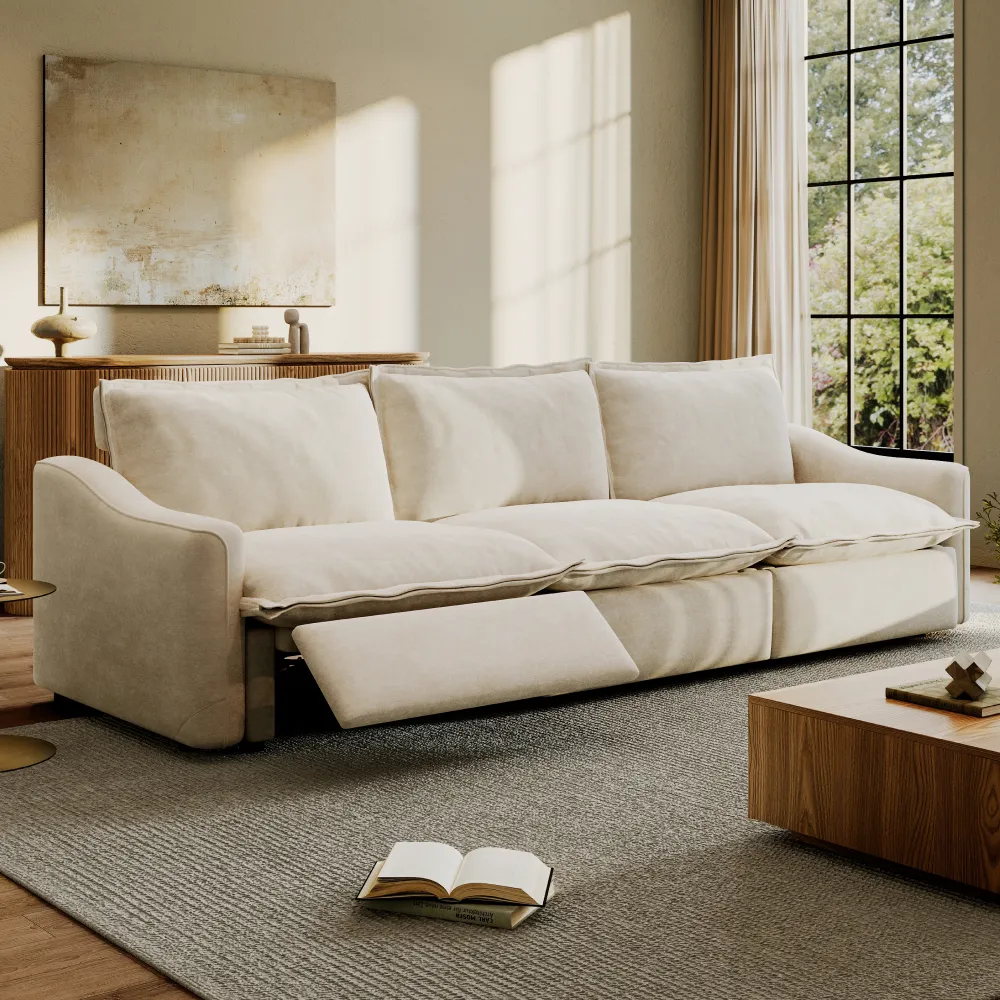
If you need shared seating instead of a single chair, this Ergopals power reclining loveseat fits naturally into the same conversation. It offers a 90°–145° recline, adjustable headrest support, built-in USB charging, pet-friendly performance fabric, and a wall-hugging footprint, which makes it practical for relaxed evenings without demanding a huge room. In tighter layouts, small space reclining sofa ideas that still leave room to move can help you judge fit before you buy.
Conclusion
A zero gravity recliner is worth considering if you want more than a simple lean-back seat. Its real value is not the buzzword. It is the way the chair supports your body, raises your legs, and makes long sitting sessions feel easier and more settled. For most shoppers, the smartest approach is to look past the label and judge the chair by fit, support, control, and room compatibility. When those details line up, a zero gravity recliner can feel noticeably more useful than a regular recliner in everyday life.
FAQ
Are zero gravity recliners better for tall people?
They can be, but only if the seat depth, back height, and headrest range are generous enough. Taller users often like the extra leg support, but a short backrest can still ruin the experience. Look for full-body support instead of assuming “oversized” automatically means a better fit.
Do you need a wall-hugger model for a small room?
Not always, but it helps a lot. A wall-hugging or zero-clearance design is useful when you want reclining comfort without giving up too much walking space behind or in front of the seat. In apartments or compact living rooms, that feature matters more than people expect.
Is a zero gravity recliner too soft for reading?
It depends on the model. Some are built for deep lounging and feel better for movies than reading, while others use adjustable headrests and more controlled power angles that support upright reading well. The best reading setup usually combines neck support, stable arms, and fine recline control.
Is fabric or leather better for everyday use?
That depends on your routine. Fabric often feels warmer, softer, and more forgiving for long lounging sessions, while leather is easier to wipe clean and can look sharper over time. Homes with pets or kids usually benefit more from durable, easy-care performance upholstery than from material prestige alone.


