 By Hana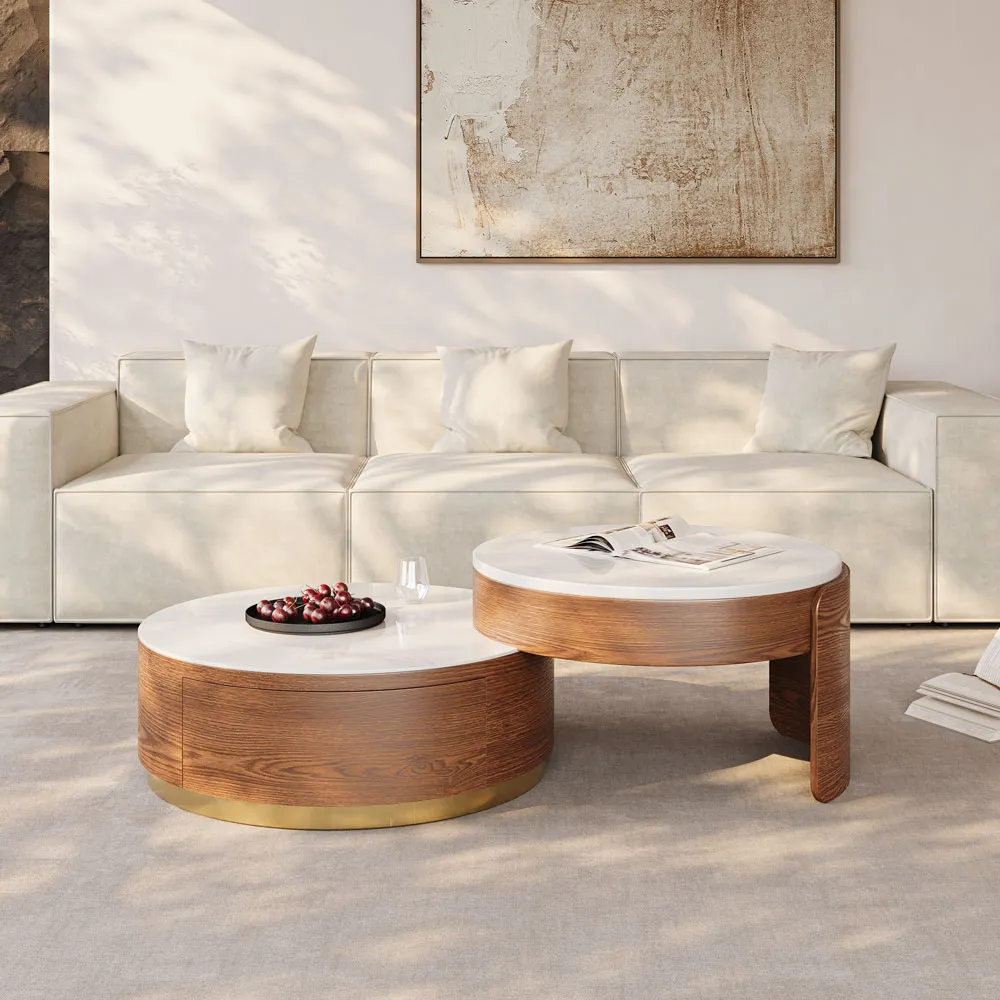
You know that moment when the room is full, every surface is taken, and someone still needs a spot for a drink or laptop? That’s exactly where nesting tables shine. They slide out when you need “just one more surface” and disappear again when you don’t. In this guide, we’ll unpack what nesting tables are, how they work, and why they’ve become a small-space essential for modern homes.
Understanding Nesting Tables
What Is a Nesting Table? (Clear Definition for Beginners)
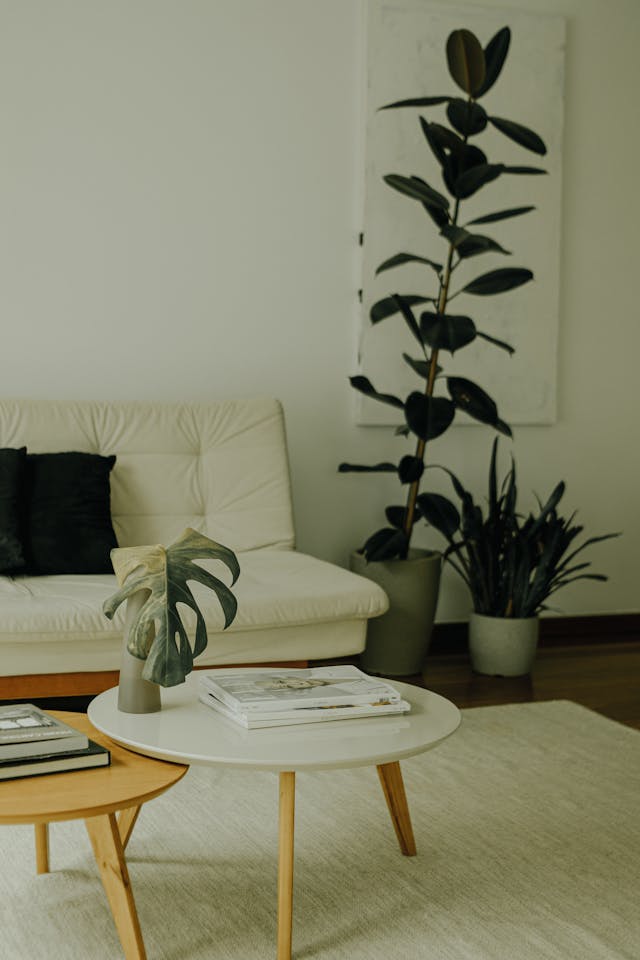
A nesting table is a set of two to four small tables in different heights that tuck neatly under one another when not in use. Pull them apart and you get multiple mini surfaces; push them together and they act like one compact piece. When people ask “what is a nesting table?” the simple answer is: a space-saving stack of small tables that work as a team.
Compared with a single side table or coffee table, nesting tables give you more flexibility without permanently taking up more floor space:
| Feature | Single side/coffee table | Nesting tables set |
| Floor space when stored | Medium | Small |
| Number of usable surfaces | One | Two–four |
| Best for | Fixed seating spot | Dynamic layouts, guests |
That’s why you’ll see nesting side tables, nesting end tables, and nesting coffee tables in so many modern living rooms.
How Nesting Tables Work (Design, Sizes & Configurations)
Most nesting tables are designed so each smaller table slides partly or fully underneath the larger one. Height differences are usually 2–4 inches between each piece, enough for easy stacking but close enough to look cohesive when grouped. Sets commonly come in 2-piece, 3-piece, or 4-piece configurations, depending on how much flexibility you want.
You’ll find nesting tables for living room layouts (next to a sofa, in front of a compact couch), by the bed as flexible nightstands, in an entryway as a slim landing zone, or even in a home office as movable laptop perches. Think of them as tiny, mobile surfaces that can follow you around your space.
Why Nesting Tables Are Worth It
Space-Saving Superpower in Small & Busy Homes
So, what is the point of nesting tables? In one phrase: maximum surface, minimum footprint. When nested, they take up roughly the same space as one small table. When you pull them out, they expand into a mini landscape of surfaces for drinks, snacks, or work. That’s a big deal when you live in a studio, city apartment, or family home where the living room has to multitask.
The small space furniture market reached USD 23.4 billion in 2023 and is forecast to grow at 6.5% annually through 2032, driven by compact urban living and multifunctional designs (Dataintelo, 2023). Nesting tables are one of the simplest ways to tap into that trend without a full room makeover.
Visual Interest & Layered Design
Beyond function, nesting tables add visual depth. Their differing heights create a layered look that instantly makes a room feel more “designed.” Styling a set on top of a rug and next to a sofa lets you overlap lines, shapes, and materials, which adds dimension to even a basic layout.
They’re also great problem-solvers for awkward corners or asymmetrical layouts. A cluster of black nesting tables in metal and glass on one side of the room can balance a heavier bookcase on the other. Instead of “just another place to park a coffee cup,” nesting tables help your living room feel like a curated space rather than a pile of mismatched furniture.
Materials, Shapes & Styles of Nesting Tables
Popular Materials and What They’re Best For
Nesting tables come in almost every material you can imagine, but four show up over and over: wood, glass, metal, and mixed-material designs.
| Material | Durability | Weight | Cleaning ease | Kids/pets friendly |
| Solid/veneer wood | High | Medium | Easy with mild cleaner | Very good (forgiven to bumps) |
| Glass | Medium | Light–medium | Needs frequent wiping | Fair (watch for fingerprints & chips) |
| Metal | High | Medium | Very easy | Good (check for sharp edges) |
| Mixed (wood + metal, marble + metal) | High | Medium–heavy | Depends on top material | Good if edges are rounded |
Wood nesting tables feel warm and cozy, perfect for family rooms where toys and remotes inevitably show up. Glass-topped sets look airy and help small spaces feel larger because they don’t block the view through the room. Metal frames bring a contemporary or industrial vibe and are usually very easy to wipe down—think sleek black nesting tables beside a leather sofa. Mixed-material designs give you the best of both: maybe a walnut top with a slim black metal base for a modern, high-contrast look.
Shapes & Silhouettes
Shape matters more than people think. Round nesting tables are ideal for tight layouts and homes with kids or pets because there are no sharp corners to bump into. Squares and rectangles line up neatly with sofas, sectionals, and rugs, which can look very clean in modern interiors. C-shaped or cantilevered nesting tables slide partly over the sofa seat, turning them into handy laptop or snack stations.
Open-base designs—where you can see the floor through slim legs—look lighter and are great if your room already has a lot of big, heavy pieces. Solid drum-style bases feel bold and sculptural but visually heavier, so they work best in larger rooms or minimalist spaces with plenty of breathing room.

How to Choose the Right Nesting Tables for Your Space
Start with Your Room Size, Layout & Traffic Flow
Before you fall in love with a set of nesting tables for living room use, grab a tape measure. Measure the length of your sofa and the open space in front of it or beside it. As a rule of thumb, leave at least 18–24 inches of walking space between the edge of a table and the next major piece of furniture so people can pass without sideways shuffling.
For small rooms, choose lighter, slimmer sets that can slide under each other tightly or tuck beside the sofa arm like nesting side tables. In larger open-plan rooms, you can go bigger and bolder, using a grouping of nesting coffee tables in the center as a flexible alternative to one huge low table.
Getting Height & Proportion Right
Comfort matters. Ideally, the top of your main nesting table should be roughly level with, or slightly below, the arm of your sofa so you don’t feel like you’re reaching up for your drink. If you already have a main coffee table, the largest nesting piece should be a bit lower or smaller in diameter to avoid competing visually.
Thick tops and chunky legs add weight and presence; they’re great in airy rooms with tall ceilings. Thin legs and slim tops, often seen in budget-friendly sets like many nesting tables, visually “disappear” and are perfect when you want function without bulk.
Looking for more inspiration? Check out our curated list of the top nesting coffee tables for 2026.
Styling Ideas – How to Decorate with Nesting Tables
Living Room Styling Formulas
In the living room, think of nesting tables as a way to layer shapes, heights, and textures. Pair round nesting tables with a soft, curved sofa to echo the lines, or choose slim rectangular tables to sharpen a modern silhouette. Style the tallest table with a sculptural lamp, let the middle one host a stack of art books, and keep the smallest for a plant or candle so the arrangement looks intentional, not cluttered. Coordinating finishes with your coffee table or curtain hardware ties the whole seating area together.
Bedroom, Entryway & Small-Space Ideas
In the bedroom, a nesting set can look more polished than a single chunky nightstand: place a ceramic lamp and framed photo on the main table, then use the smaller one to display a bud vase or scented candle when you want a boutique-hotel feel. In an entryway, a slim set styled with a tray for keys, a small bowl, and a tall vase creates a mini vignette that greets you at the door. In compact studios, repeating similar colors on each table—like black frames, white ceramics, and one green plant—helps the pieces move between zones while keeping your overall decor cohesive.
Practical Care, Maintenance & Safety Tips
Cleaning Different Nesting Table Materials
For wood nesting tables, dust regularly and wipe with a soft cloth and mild cleaner; coasters are your best friends for preventing water rings and heat marks. Avoid placing hot mugs or plates directly on veneer surfaces. Glass tops stay beautiful with a streak-free glass cleaner and microfiber cloth—just remember they’ll show fingerprints faster.
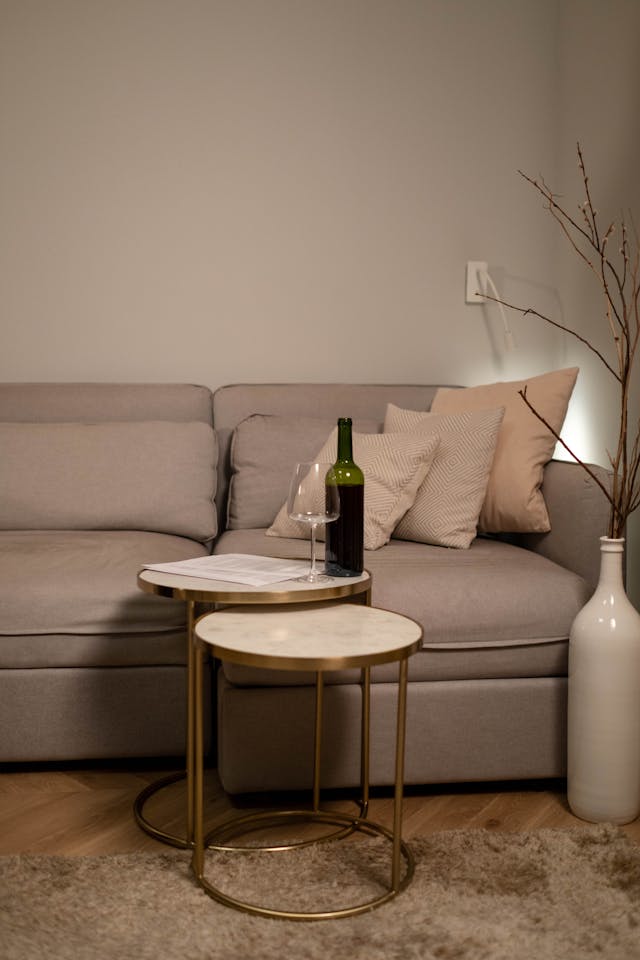
Metal and stone tops are generally sturdy, but they have their own quirks. Use non-abrasive cleaners on metal to protect the finish, and avoid acidic spills like wine or lemon on marble, which can etch the surface. If you love the look of light stone, sealing it periodically will help it handle everyday life.
Conclusion
Nesting tables are a clever blend of flexibility, style, and space-saving power. They work hard in small and busy homes, shifting from laptop stand to snack table to decor display in seconds—all while nesting neatly out of the way when life calms down. If you’re constantly wishing for “just one more surface,” measure your space, review the key criteria above, and choose a set of nesting tables that matches the way you actually live, not just the way your living room looks in photos.
FAQs About Nesting Tables
What is the point of nesting tables compared to a regular side table?
The point of nesting tables is flexibility. A regular side table gives you one fixed surface. A nesting set gives you multiple small tables that can scatter around the room when needed and tuck away again when you’re done. You get more function without committing to more permanent furniture.
Are nesting tables outdated or still on trend?
Nesting tables are very much on trend, especially as homes get smaller and more multifunctional. Current designs range from minimalist metal frames to sculptural drum tables and organic wood forms, so they fit nearly any interior style—from Scandinavian calm to bold contemporary.
Do nesting tables have to match my coffee table or sofa?
They don’t have to match, but they should coordinate. Aim for one shared element—similar wood tone, metal finish, or overall style. For example, black metal nesting tables pair well with a light oak coffee table if the shapes feel cohesive and the heights relate nicely.
How many nesting tables do I really need (2, 3, or more)?
For most homes, two or three tables is enough. Choose a 2-piece set if your living room is compact and you mainly need a little extra surface by the sofa. Opt for three if you entertain often or want pieces that can travel between the living room, bedroom, and entryway.
Where should I place nesting tables in a small living room?
In small living rooms, tuck nesting tables at the end of the sofa, between two chairs, or partly under the main coffee table. Keep them within easy arm’s reach when you’re seated but out of the main walking path. This way, you gain useful surfaces without making the room feel crowded.


What’s great about nesting tables is how they offer both function and form. It’s amazing how something so simple can help maximize space while still being stylish.