 By Jenny Smith
In 2026, dining chairs aren’t just “seats around the table” – they’re daily workhorses in open-plan spaces that double as home offices, homework zones, and snack stations. Choosing between velvet chairs and leather dining chairs is no longer only about style; it’s about how well they survive spills, pets, and constant use. With furniture prices rising and more people buying “forever pieces” instead of fast furniture, picking the right material can easily add five to ten extra years of life to your upholstered dining chairs – and save you from replacing an entire set mid-decade.
How We Define “Durable” Dining Chairs in 2026
The 4 pillars of dining chair durability
When we talk about durability in 2026, we’re looking at more than just fabric vs. leather labels. True longevity comes from four pillars:
- Frame strength: solid wood or quality metal, tight joints, and no wobble.
- Seat structure: high-density foam, proper webbing or springs, so seats don’t pancake after a year.
- Upholstery resilience: fabrics that resist abrasion, pilling, and cracking over time.
- Everyday life resistance: how well the chair handles stains, dark denim, pet claws, UV light, and humidity in busy modern kitchen chairs.
Testing & standards you should know
Fabric durability is often measured by Martindale or Wyzenbeek “rub counts” – lab tests that simulate someone sliding on and off the seat. Higher double-rub results mean the fabric can tolerate more wear before showing damage, and around 3,000 double rubs is roughly equal to a year of regular use. (Revolution Fabrics, 2024) Leather isn’t tested the same way, so you’ll instead see terms like full-grain, top-grain, or corrected-grain; these indicate how much of the original hide is intact, which strongly influences scratch resistance and lifespan.
2026 trends that change the durability conversation
Durability is also being reshaped by materials innovation. The global upholstery fabric market is projected to grow steadily through 2033, driven largely by demand for performance textiles that resist stains, fading and abrasion. (Cognitive Market Research, 2025) In practice, that means more performance velvets with built-in stain guards and higher rub counts reaching the dining room. At the same time, consumers are shifting from “cheap and replace often” to “buy once, buy better,” making cost-per-use more important than ticket price – especially for a full leather dining chairs set of 4 or 6.
Velvet Dining Chairs: Softer Look, Stronger Than You Think?
What is velvet today? (Natural, synthetic & performance velvet)
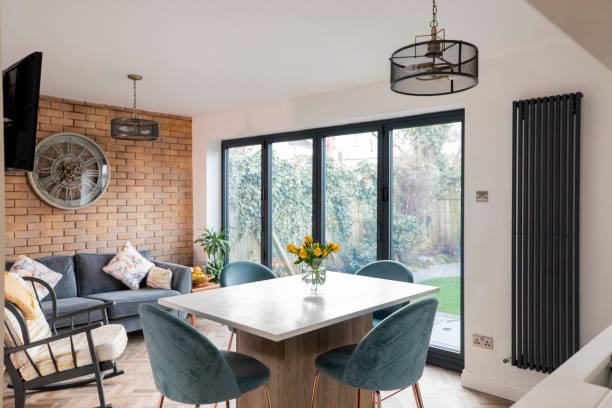
“Velvet” is now more of a construction method than a single fiber. Cotton velvets feel lush but can crush and fade faster in bright dining rooms. Polyester and poly-blend velvets, on the other hand, offer better colorfastness and abrasion resistance, making them smarter for everyday upholstered dining chairs. Performance velvet takes this further with tighter weaves, higher rub counts, and stain-resistant finishes baked in instead of sprayed on. Not every velvet chair is suitable for a dining room, but the right synthetic or performance velvet can absolutely handle weeknight pasta, weekend brunch, and laptop lunches.
Velvet durability: pros & cons for real homes
Velvet chairs radiate warmth and coziness in actual homes. They add a smooth, elegant texture to small rooms, particularly around round tables or in apartment eating nooks, and feel cozy in the winter. The compromise? Compared to leather, velvet transfers crumbs, pet hair, and dark clothing more readily. If you don’t wipe right away, a light beige velvet chair may also draw attention to spill ring marks. Imagine spending hours with friends on luxurious emerald velvet dining chairs in a tiny city apartment. These chairs will feel opulent and welcoming, but you’ll vacuum them more frequently than leather ones. That’s a reasonable replacement for formal dining rooms with little foot activity; it might not be as good for breakfast areas since cereal is available everywhere.
How to make velvet dining chairs last longer
Longevity with velvet is all about smart habits. Choose performance velvet when possible, and look for chairs labeled with suitable cleaning codes (W or W/S) so you can safely spot-clean with water-based solutions. For light colors, avoid dark raw denim and use placemats so sauce splatters land on the table, not the seat. Regularly vacuum in the direction of the nap and lightly brush to keep the pile from matting. For deeper maintenance techniques, you can borrow routines from sofa care – guides like Povison’s tutorial on cleaning velvet sofas adapt almost one-to-one to velvet dining chairs.
Leather Dining Chairs: Classic Workhorse or High-Maintenance Choice?
Types of leather that actually matter for durability
Not all “leather dining room chairs” are created equal. Full-grain and top-grain leather retain the strongest parts of the hide and generally deliver the longest life, while split leather and bonded leather are more prone to peeling and cracking. Corrected-grain leathers have protective coatings that boost stain and scratch resistance but slightly reduce that soft, “buttery” feel. Aniline leather feels luxurious but is vulnerable to stains; semi-aniline or pigmented leathers give a better balance for dining rooms. Faux leather dining chairs (often PU) can look great and are easy to wipe clean; with good-quality materials and proper care, they offer reliable everyday durability even in high-use areas like seat fronts and edges.
Leather in the dining room: strengths & stress points
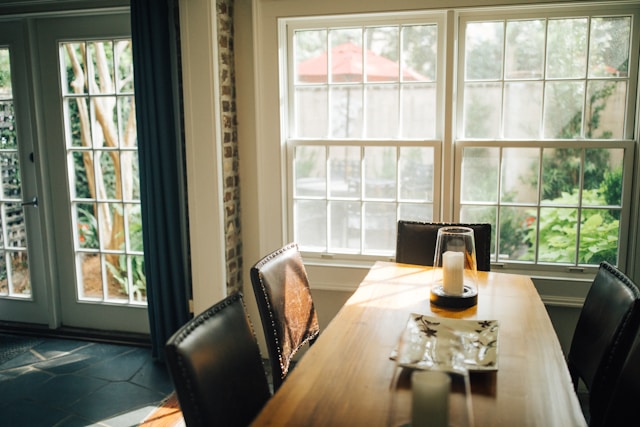
Leather dining chairs are stars for wipe-clean practicality. Spilled juice, wine drips, and greasy fingerprints usually sit on the surface rather than soaking in, so you can just blot and wipe. Well-made leather sofas, for instance, are known to last for decades with proper care, outlasting many fabric alternatives. (The Spruce, 2024) Transfer that logic to white leather dining chairs or brown leather dining chairs and you get a material that shrugs off most everyday messes. The stress points? Sharp pet claws, belt buckles and very dry indoor air, which can create fine surface scratches or dryness if you never condition the leather.
Caring for leather dining chairs like a pro
Think of leather as skin: it likes to be clean, conditioned, and out of harsh sun. Dust or lightly vacuum your leather dining chairs weekly, especially along seams where crumbs collect. Every 6–12 months, use a dedicated leather conditioner (not a household oil) to keep genuine leather dining chairs supple; in dry or heated climates, lean toward the shorter end of that range. Keep chairs away from direct blasts of sunlight or radiators to reduce fading and dry-out. If you love black leather dining chairs in a sunny bay window, pairing them with sheer curtains or UV film is a small investment that dramatically improves longevity.
Velvet vs. Leather: Side-by-Side Durability Comparison for 2026
Real-life durability: which wins in different households?
For snack-heavy homes with kids, leather dining chairs usually win: stains wipe away, and even a leather dining chairs set of 6 is easier to refresh than six fabric slipcovers. In pet households, cats may be tougher on leather, while velvet performance fabrics can disguise fur and minor pulls better. In bright, open-plan kitchens with cooking fumes, coated leathers resist grease but may warm up if placed right beside windows; performance velvet handles light better than old-school cotton velvet but can still fade slowly. For occasional-use dining rooms, velvet chairs feel more special and cosy; for everyday modern kitchen chairs that double as work seats, leather’s easy cleaning is a huge advantage.
Long-term value: cost-per-use, comfort & how they age
Over a decade or two, well-maintained leather often delivers the lowest cost per use. Quality leather seating is frequently cited as lasting 10–20 years or more, while many standard fabrics show wear closer to the five-to-seven-year mark. (Oakland Furnishings, 2025) (Oakland Furnishings) Velvet won’t usually match that lifespan, but it offers plush comfort and a warmer sit, especially in cooler climates. If you love changing colors or trends, a mid-priced velvet set that you happily refresh every 7–8 years might be a better emotional and aesthetic fit than “forever” leather.
Matching Material to Lifestyle: Who Should Choose Velvet vs. Leather?
For style-first, design-loving households
If you curate your home like a gallery, velvet chairs are fantastic storytelling pieces. Rich jewel tones or soft neutrals instantly elevate mid-century silhouettes and sculptural modern kitchen chairs. You can even mix materials—think two velvet captain’s chairs with four slim leather dining chairs set of 4—to get texture and practicality in one arrangement. For more styling inspiration, Povison’s guide to mid-century modern dining chairs shows how different fabrics change the overall mood of a room.
For busy family homes & rentals
In busy family kitchens, holiday rentals, or dining spaces that host homework, art projects and nightly dinners, leather or high-quality faux leather tends to be less stressful. A set of faux leather dining chairs with wipeable seats will forgive juice boxes, sauces, and marker mishaps far better than untreated cotton velvet. Imagine a short-term rental where guests roll suitcases past the dining table—here, resilient, coated leather dining chairs beat delicate velvets every time in both cleaning and perceived cleanliness between stays.
Practical Buying Checklist for 2026 Dining Chairs
Before deciding between velvet and leather, check the specs beyond the product photos. Confirm frame material (solid wood or robust metal), seat construction (high-density foam, webbing or springs), and upholstery details such as rub counts and cleaning codes. Make sure the seat height matches your table, especially for modern kitchen chairs with thicker tabletops. Scan reviews for insights on pilling, sagging, or squeaks after a few months’ use. If you’re torn between materials, guides like Povison’s best dining chairs for 2026 can help you cross-check comfort, footprint, and budget across multiple options.
Conclusion
If you need a clear winner for pure durability, well-made leather dining chairs—especially top-grain or full-grain—still have the edge in 2026 for stain resistance and long lifespan. But performance velvet has narrowed the gap, giving style-forward homes a surprisingly robust option that feels softer and looks richer than many leathers. Start with your lifestyle: kids, pets, sunlight, and how often you use the space. Then weigh comfort, cleaning habits, and cost-per-use. The most durable choice is the one you’ll happily live with, care for, and keep around your table for many years of meals and memories.
Velvet & Leather Dining Chair FAQs
Are velvet dining chairs a bad idea if I have kids?
Not automatically. Choose performance velvet in medium or darker shades, and pair it with placemats and kid-friendly dinnerware. Quick blotting, regular vacuuming, and rules like “no markers at the table” go a long way. If you’re nervous, you can also keep one or two wipeable kid seats at the ends and use velvet chairs on the sides.
How often should I condition leather dining chairs?
For most homes, conditioning every 6–12 months is enough. In dry climates or rooms with strong heating or air conditioning, aim closer to every 6 months. Always dust first, use a dedicated leather conditioner, and test in an inconspicuous spot. Genuine leather dining chairs will stay supple longer if you avoid harsh cleaners and excessive sunlight.
Which material is better for open-plan kitchens with lots of sunlight?
In very sunny spaces, coated or pigmented leather often handles UV and cooking residues better than untreated cotton velvet. Performance velvets can still work but may gradually fade. Whatever you choose, use blinds, sheer curtains, or UV film to cut direct rays, and rotate chairs occasionally so one side doesn’t age faster than the others.
Can I mix velvet and leather chairs around one table?
Absolutely—and it can look very intentional. Try velvet chairs at the heads of the table and leather dining chairs along the sides, or alternate materials in a consistent color palette. Keep one or two elements cohesive, like leg finish or metal accents, so the mix feels curated rather than random. A rug or pendant light that echoes both tones ties everything together.
What if I want vegan, leather-free options with leather-like durability?
Look for high-quality faux leather dining chairs with thick, flexible coatings and strong backing fabrics, plus performance woven fabrics that mimic matte leather. They’re easier to clean than traditional textiles but may not last as long as top-grain leather, especially at stress points. If longevity is key, pair these with durable frames and good seat construction to offset the shorter upholstery lifespan.


