 By Jenny Smith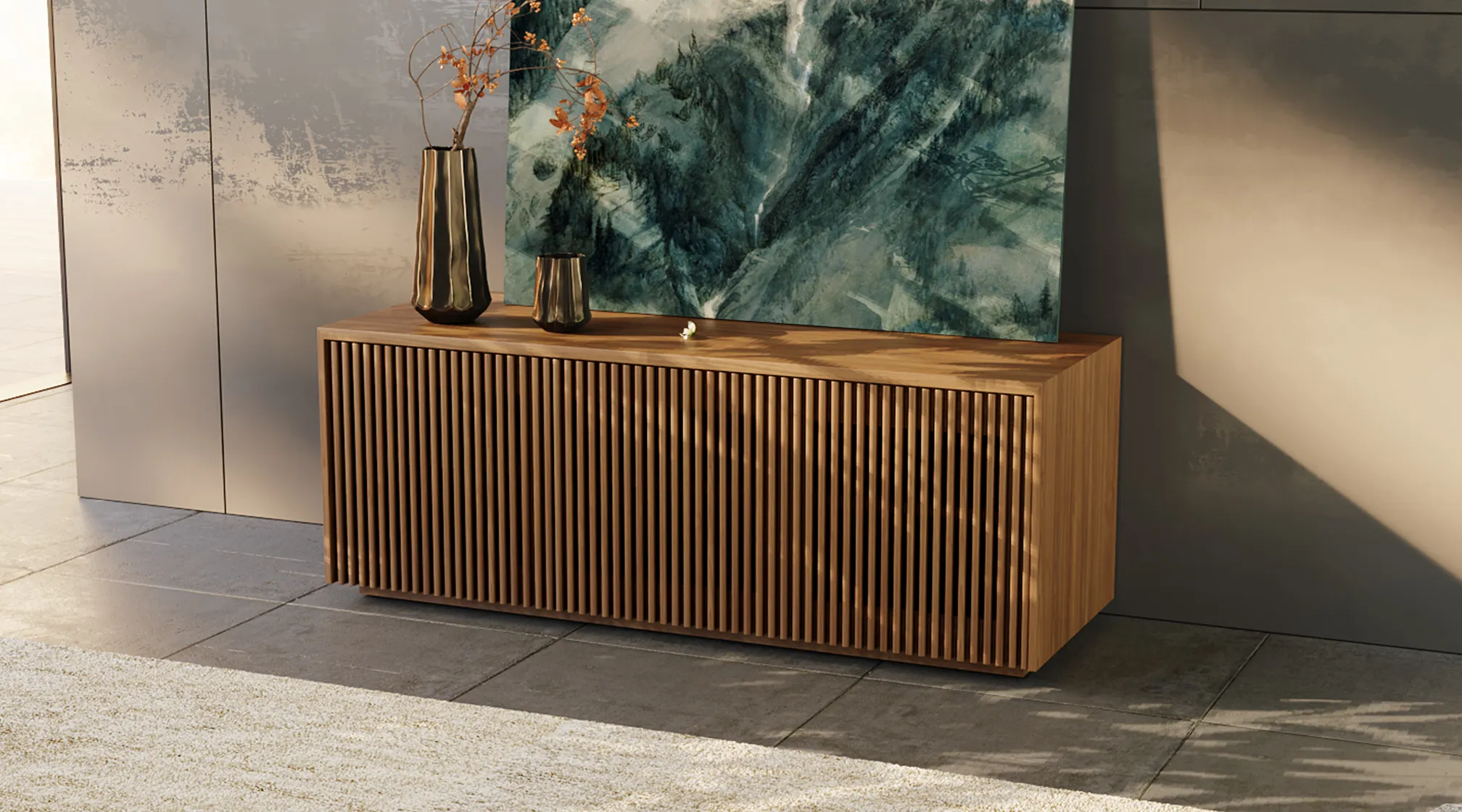
If you’ve ever felt torn between function and style, or wished your entertainment setup looked less bulky and more elevated—literally—this guide is for you.
Let’s explore the world of legless TV stands, from types and benefits to must-know safety tips and designer picks that arrive fully assembled and ready to transform your space.
What Is a Legless TV Stand?
A TV stand without legs is a cabinet or console that either mounts directly to the wall or sits flush to the floor, with no visible elevation. This modern design eliminates visual weight and brings a sleek, seamless feel to your room.
There are two common formats:
Floating TV Stands: Mounted to the wall with brackets, creating a “hovering” effect.
Plinth-Base Stands: Sturdy, legless units that rest directly on the floor without a gap underneath.
Types of Legless TV Stands: Which One Fits Your Space?
Floating Wall-Mounted Stands
Minimalist and space-saving, these attach directly to the wall and often come with LED lighting and built-in cable management. They’re ideal for small spaces or ultra-modern homes.
Grounded, Flush-to-Floor Consoles
Without legs or lift, these create a low-profile look that feels substantial and clean. Often used in mid-century or Japandi designs, they provide stability and floor-to-surface storage height.
Built-in or Full-Wall Consoles
Some TV units span entire walls and are installed flush to look like part of the architecture—great for custom interiors or large-format entertainment centers.
Floating vs. Freestanding: Pros and Cons Breakdown
| Feature | Floating TV Stand | Grounded/Legless Console |
| Visual Space | Opens up the floor area | Creates low visual weight |
| Installation | Requires wall mounting | Ready out of the box |
| Cleaning | Easy underneath | Easy around, but sits on the floor |
| Mobility | Fixed to the wall | Can be moved if needed |
| Weight Support | 100–150 lbs typically | Often more stable for heavier TVs |
Key Insight: If you move frequently or rent, a freestanding legless design might be better. But if you’re upgrading your forever home, a floating wall-mounted TV stand delivers unbeatable elegance.
Are Floating TV Stands Safe for Large TVs?
Yes—but you must install them properly. Most floating stands can support TVs up to 75 inches or 100–150 lbs, as long as:
You mount them into studs (never just drywall)
You use weight-rated hardware
You balance the load across the mounting points
For oversized TVs (over 80”), choose wider units that spread the weight. You can also use hybrid stands: wall-mounted units with hidden base support for added stability.
How to Choose the Right Legless TV Stand
Here’s what experienced home stylists recommend:
1. TV Size Compatibility
Choose a unit that’s at least 2–4 inches wider than your TV on both sides. This keeps proportions balanced and reduces tipping risk.
2. Storage Configuration
Do you need drawers? Open shelves? Hidden compartments? Floating units usually offer fewer deep storage options than floor-based consoles.
3. Room Style & Function
Match the TV stand finish with other furniture. For example:
Walnut tones for mid-century or warm modern rooms
Ash or light woods for minimalist or coastal vibes
Glossy white or black for ultra-modern interiors
4. Ventilation and Device Access
Make sure the design allows airflow around cable boxes, soundbars, and gaming systems, especially in enclosed compartments.
Immersive Picks from Povison: Leg-Free and Fully Styled
Want to skip the guesswork? Here are two design-forward picks from Povison, the world’s best fully assembled furniture brand.
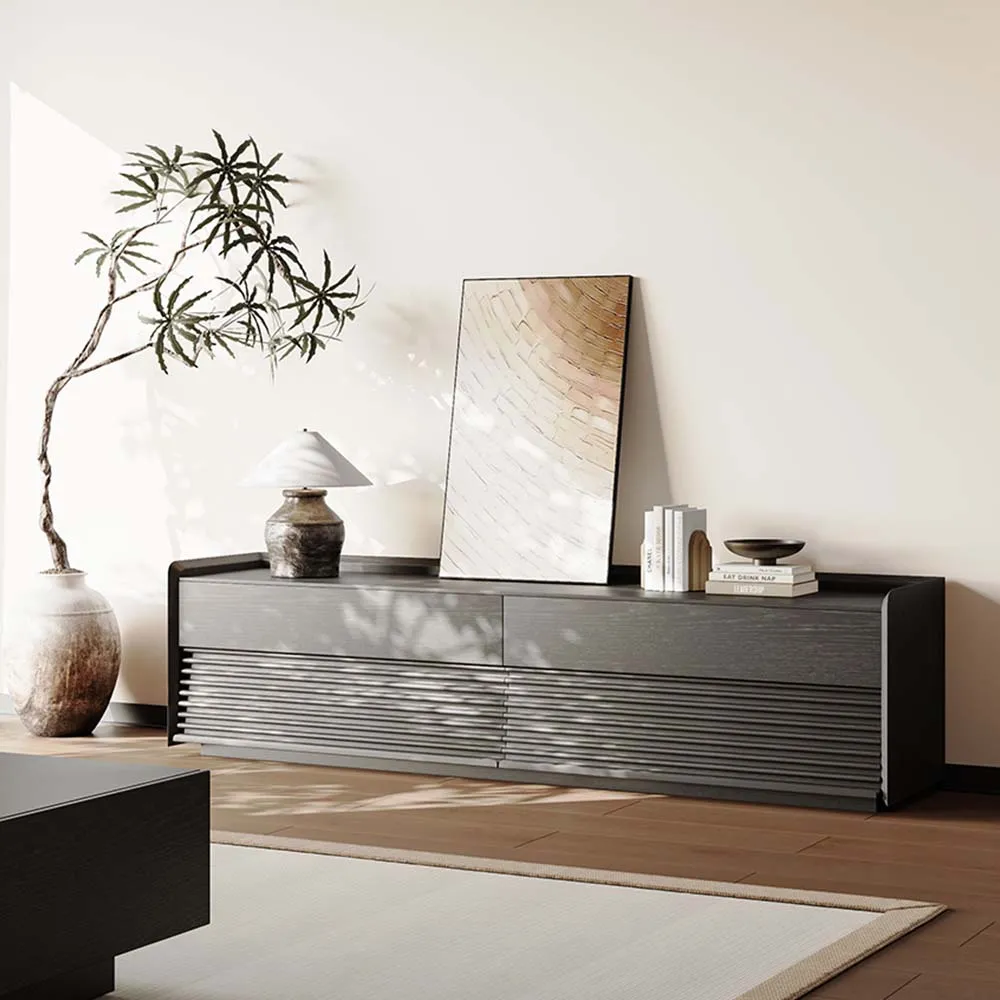
Imagine your living room bathed in the soft glow of the Mid-Century TV Stand Modern Center Cabinet with Adjustable Light. No legs, no clutter—just timeless wood tones, ambient LED lighting, and a silhouette that feels built-in. It arrives fully assembled and turns any screen setup into a curated design moment.
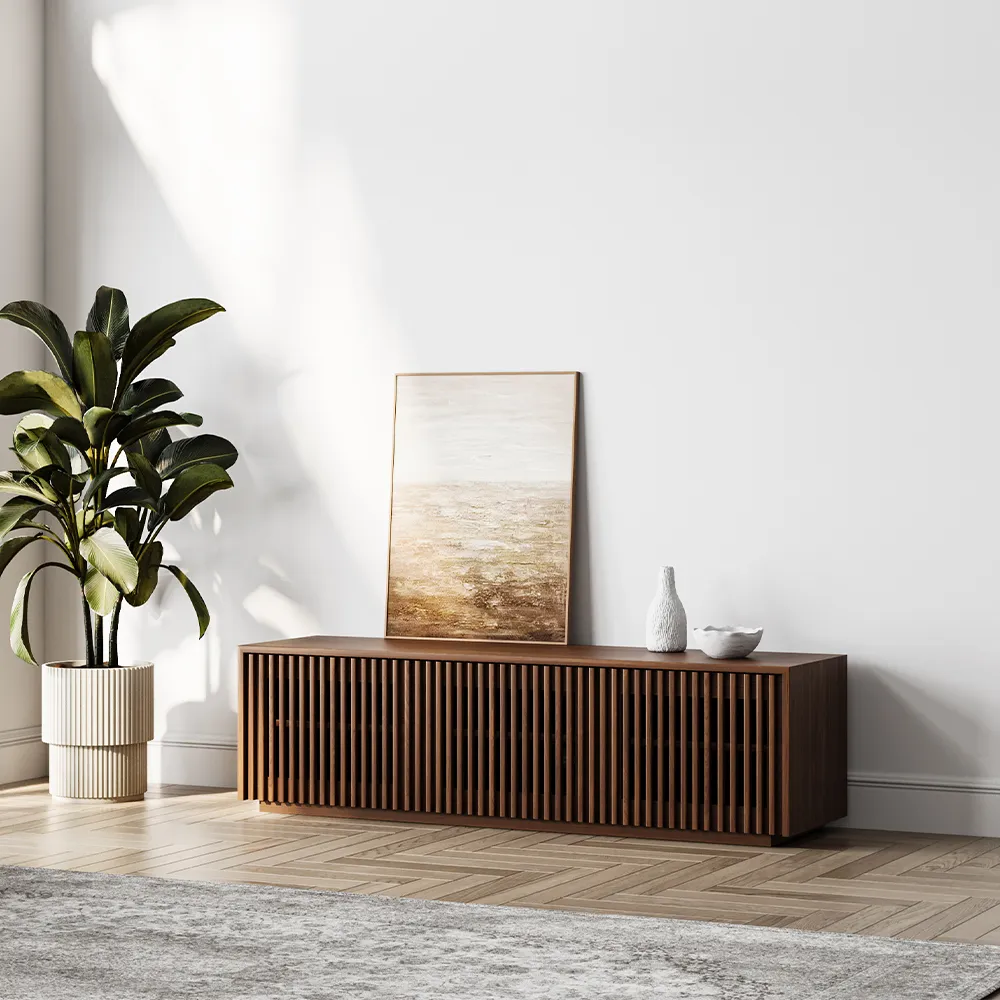
If your space calls for subtle elegance, the Modern Solid Wood TV Stand Minimalist Slatted with Removable Shelves brings a serene, tactile quality. The horizontal slats create visual rhythm, while the hidden shelf system keeps tech out of sight. Its grounded base provides rock-solid support, without a single leg in view.
Why Choose Povison?
✅ Fully assembled—skip the tools, skip the stress
✅ Timeless materials: real wood, clean finishes, smart storage
✅ Built with intention—for modern living, media flexibility, and peace of mind
Whether your dream setup floats or stands firm, Povison delivers effortless beauty right out of the box.
Final Word: No Legs, No Limits
A TV stand without legs is more than just a trend—it’s a smarter way to style and organize your media space. Whether you’re designing a cozy studio or upgrading your family room, ditching the legs doesn’t mean sacrificing support, storage, or sophistication.
Explore Povison’s full TV stand collection today and discover how modern, fully assembled furniture can turn any wall into a showstopper.
Because sometimes, the best support is the one you never see.


