 By Jenny Smith
Modern living room ideas with storage matter most in open‑plan homes, where the TV zone, a compact work setup, and kids’ play all happen in the same sightline. The goal isn’t to hide life—it’s to give every category a “parking spot” so surfaces stay clear, paths stay usable, and cleanup takes minutes instead of a full reset. In the ideas below, you’ll see storage moves that support zoning (TV, work, play), keep a minimalist look, and rely on real‑world dimensions like 30–36 in walkways and 16–18 in sofa‑to‑table spacing.
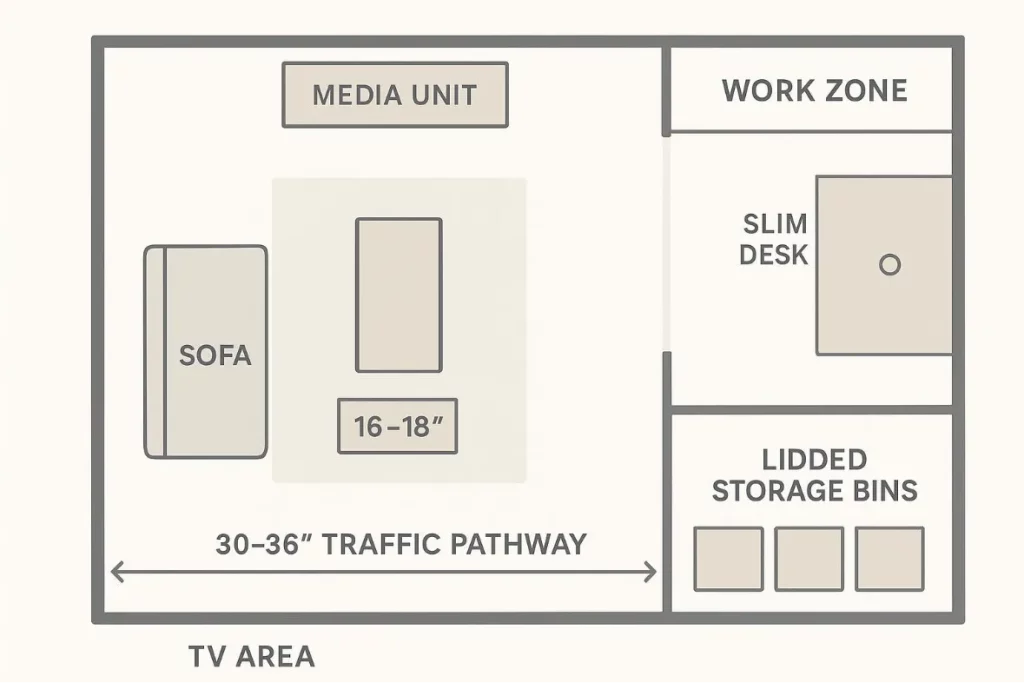
Visual cheat sheet: a tidy open‑plan layout
Before you buy anything, lock in a simple “map” for how people move through the room. In most open‑plan layouts, the difference between calm and chaotic is whether you’ve protected clear walkways and given each zone one dedicated storage landing spot. Use the diagram as a quick reference, then match the ideas below to your biggest friction point—TV clutter, work spillover, or toys that migrate everywhere.
Keep paths about 30–36 in where possible, and aim for roughly 16–18 in between the sofa and coffee table so the room still works when someone’s eating, working, or playing.
16 modern living room ideas with storage for open‑plan living
An open‑plan family room needs storage that does more than “hold stuff.” Each solution below is designed to protect the three zones you’re juggling—TV, work, and play—while keeping the room visually quiet. As you read, pick ideas that reduce the biggest daily pain (toy sprawl, work clutter, or the TV wall looking busy), then layer a second idea that supports your weak spot.
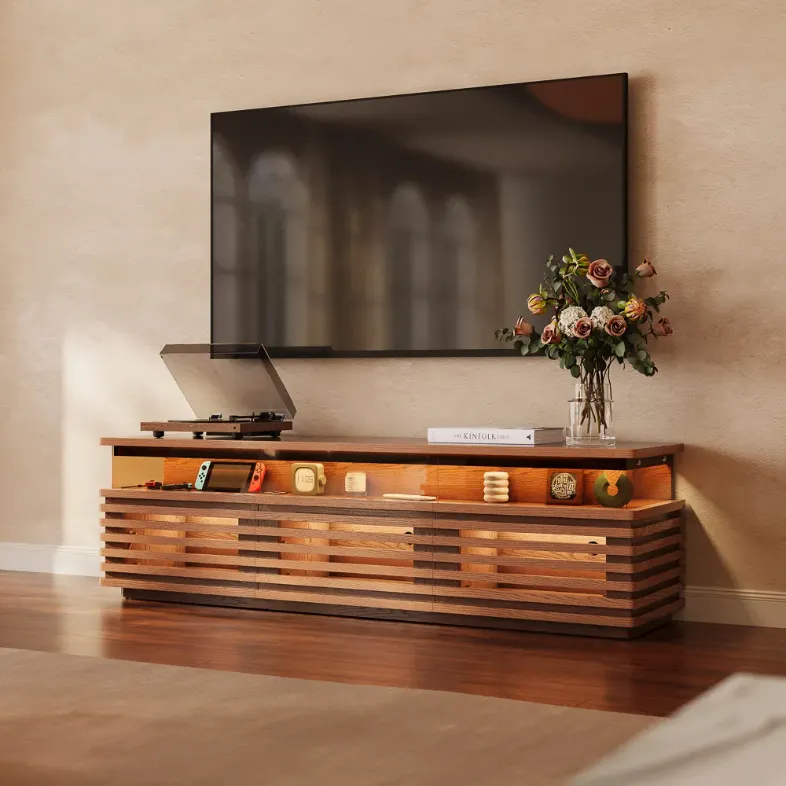
1. Media console that hides the mess
- Best for: households that want the TV area to look finished even when the rest of the room is in use.
A long, low console keeps the TV wall calm while giving you real storage for games, remotes, and kids’ “small pieces.” Choose one roughly as wide as the TV so it reads intentional, and leave enough breathing room for any warm devices.
2. Lift‑top coffee table that turns into a work surface
- Best for: hybrid work and snack time in the same footprint.
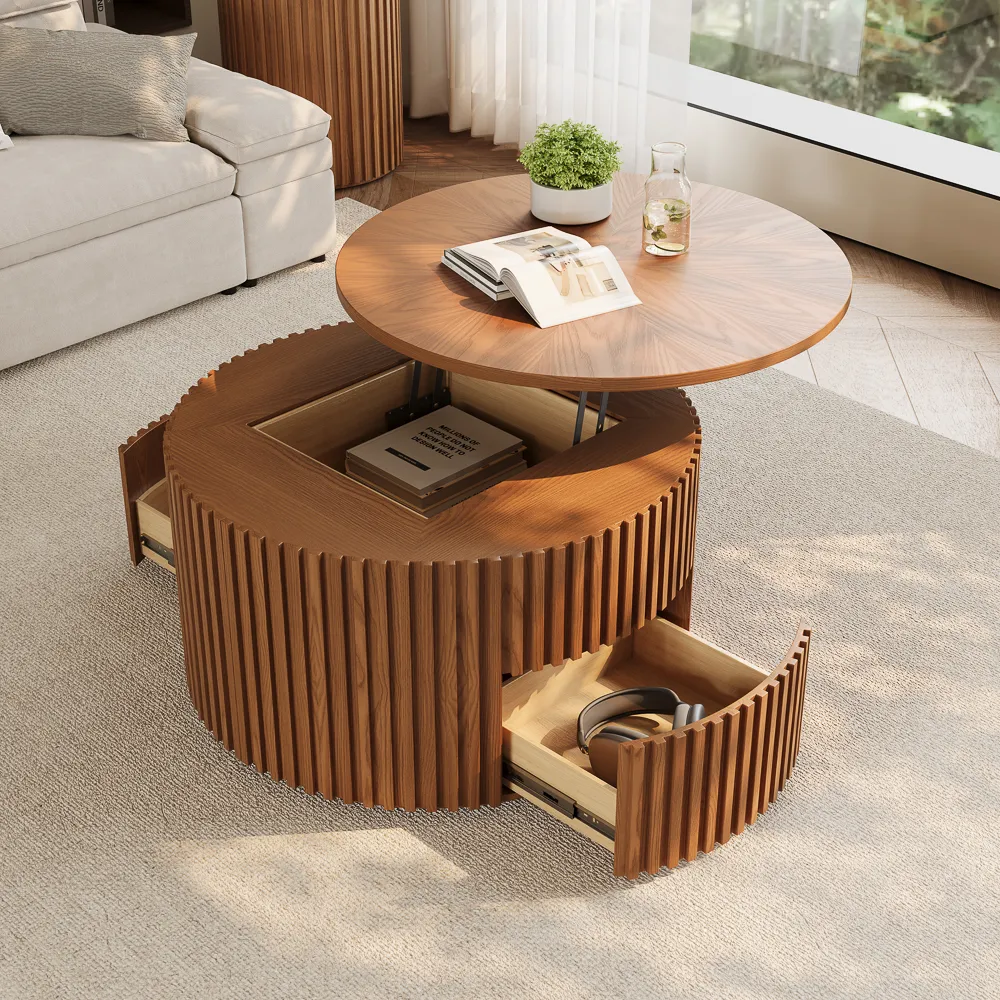
A lift‑top table lets you answer emails or supervise homework without dragging a desk into the main seating area. Look for a stable lift mechanism and keep about 16–18 in between sofa and table so the top can rise without bumping knees. A fully assembled option like Povison’s lift-up modern coffee table with storage fits this role.
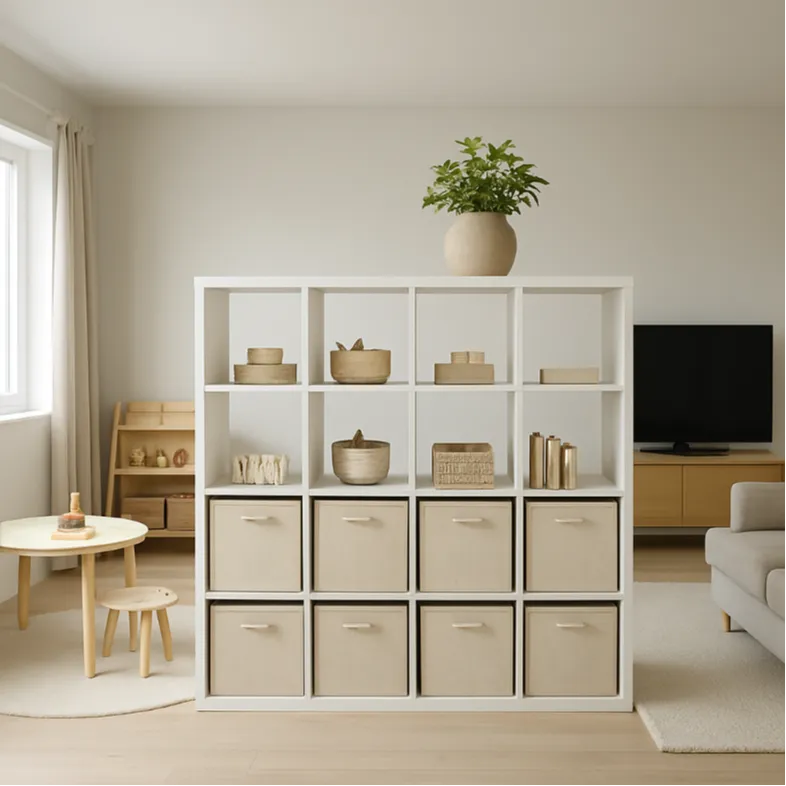
3. Double‑sided cube shelving as a gentle room divider
- Best for: open plans that need zoning without construction.
A waist‑high cube unit can separate the play area from the TV seating without blocking light, and it gives you “one bin per category” control. Load the bottom with heavier books or closed bins and keep display items higher to avoid visual noise.
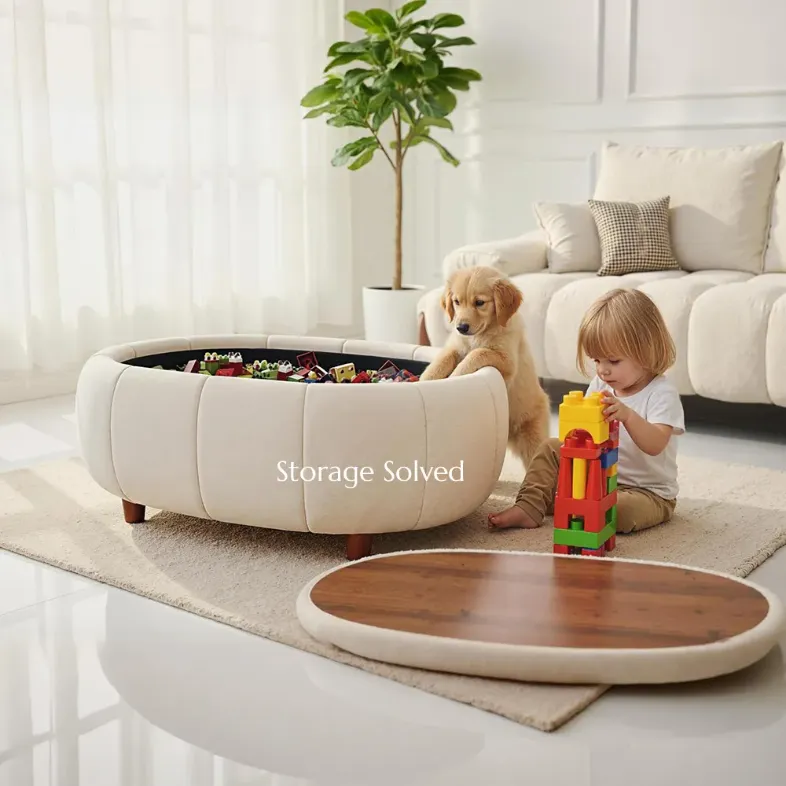
4. Storage ottoman that’s the room’s reset button
- Best for: families who host or need a quick end‑of‑day reset.
A storage ottoman is the fastest way to make the room look tidy in under two minutes—toss in throws, toys, and controllers, then close the lid. Choose soft‑close hinges and rounded corners if kids use it daily.
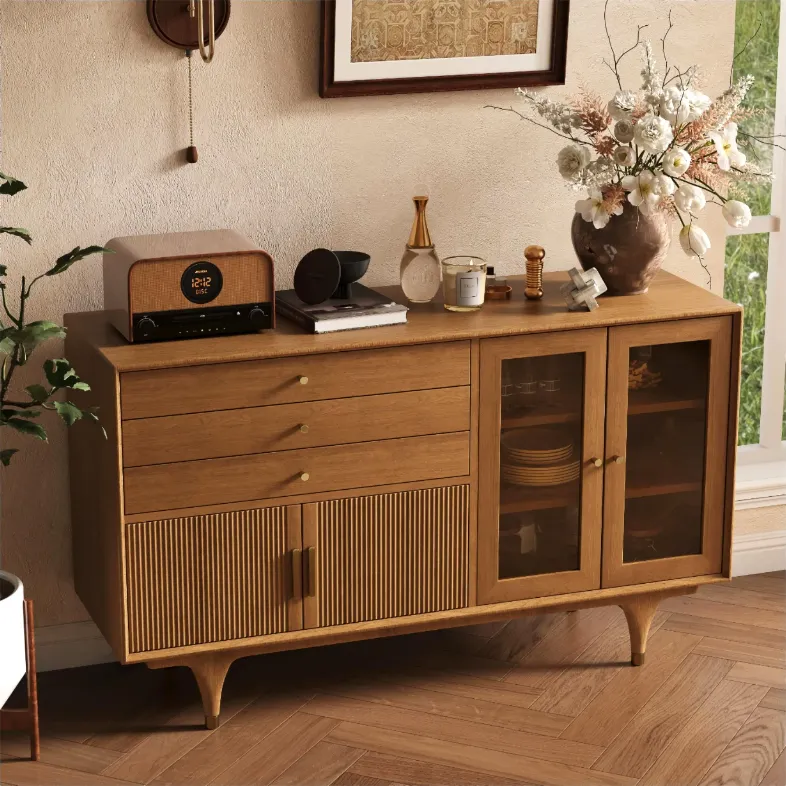
5. Slim sideboard that becomes the “work kit” closet
- Best for: people who work in the living room but want to fully shut it down after hours.
Instead of leaving laptops, chargers, and notebooks on the dining table, dedicate a shallow sideboard to work supplies. Use one drawer for cables, one for paper, and one for “grab‑and‑go” items like headphones.
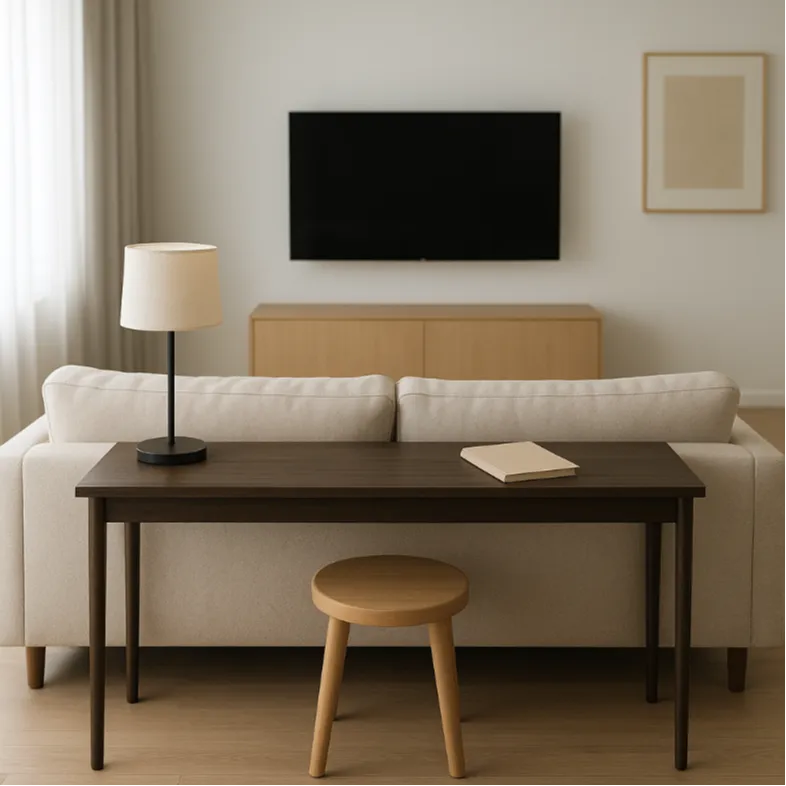
6. Behind‑the‑sofa console to create a hidden micro‑office
- Best for: open plans with no spare wall for a desk.
A narrow sofa table can hold a small monitor, a lamp, and a tray for daily essentials while the seating side still looks minimalist. If you add a stool that tucks under, the spot becomes a compact work perch.
A simple layout sketch helps you decide where the work perch won’t interrupt traffic; this is where how to layout furniture in your living room is genuinely useful as a spacing reference.
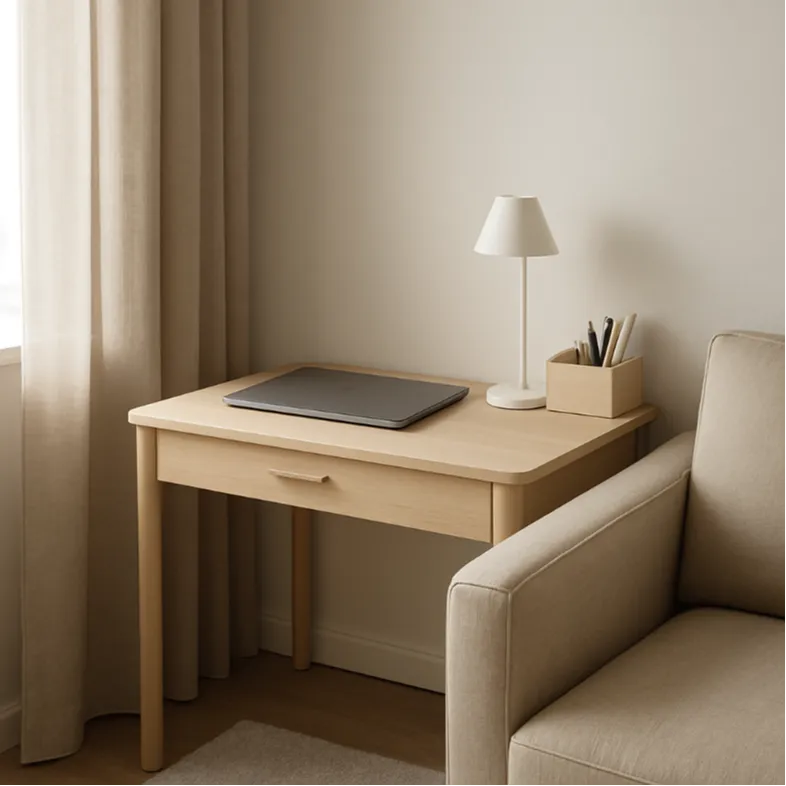
7. Corner workstation that uses “dead space” on purpose
- Best for: long rooms where the corner sits outside the main walking path.
If your main walls are reserved for the TV and storage, a corner desk turns awkward square footage into a dedicated work zone. Pick a desk with at least one drawer so the surface can clear completely at the end of the day.
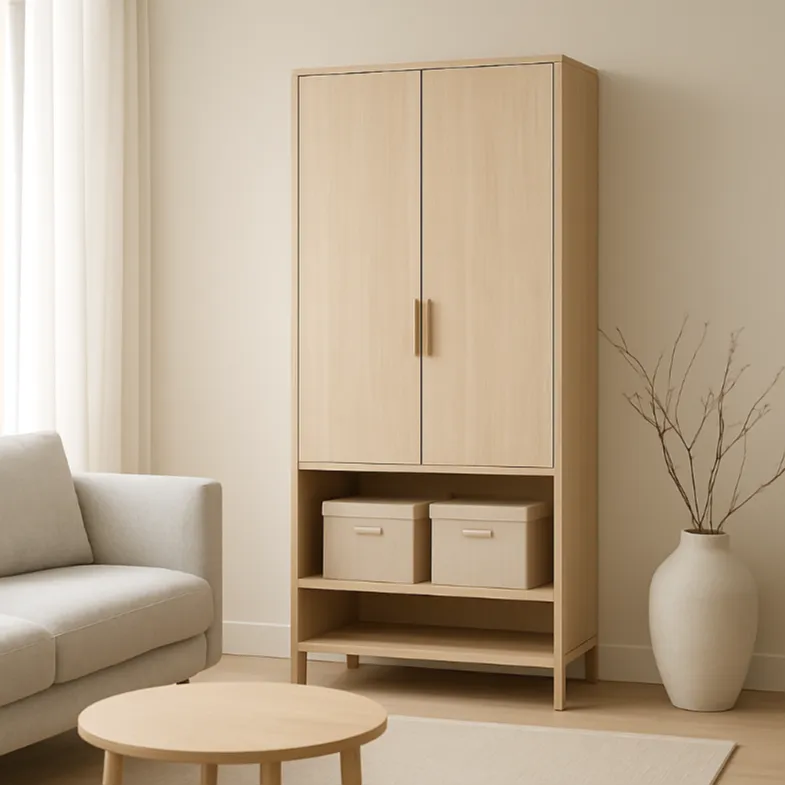
8. Tall cabinet with doors to hide big, ugly categories
- Best for: families who want fewer visible items overall.
A tall, closed cabinet is ideal for board games, craft kits, and bulky toy sets that don’t fit bins. Put heavier items on lower shelves, and use labeled boxes up top for “seasonal” gear you don’t want in rotation.
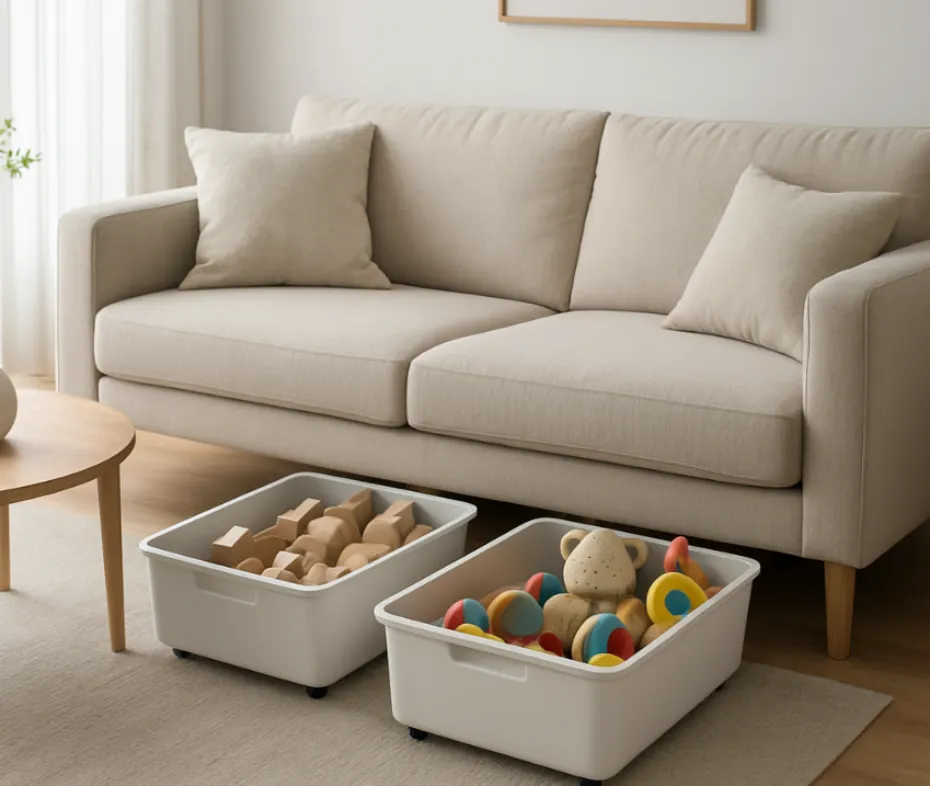
9. Under‑sofa rolling bins for toy rotation
- Best for: small spaces where toys otherwise live on the floor.
Rolling bins under the sofa or console are great for rotating toys—keep only one bin “active,” store the rest elsewhere, and swap weekly. Measure your clearance first (many sofas allow about 6.5–7 in).
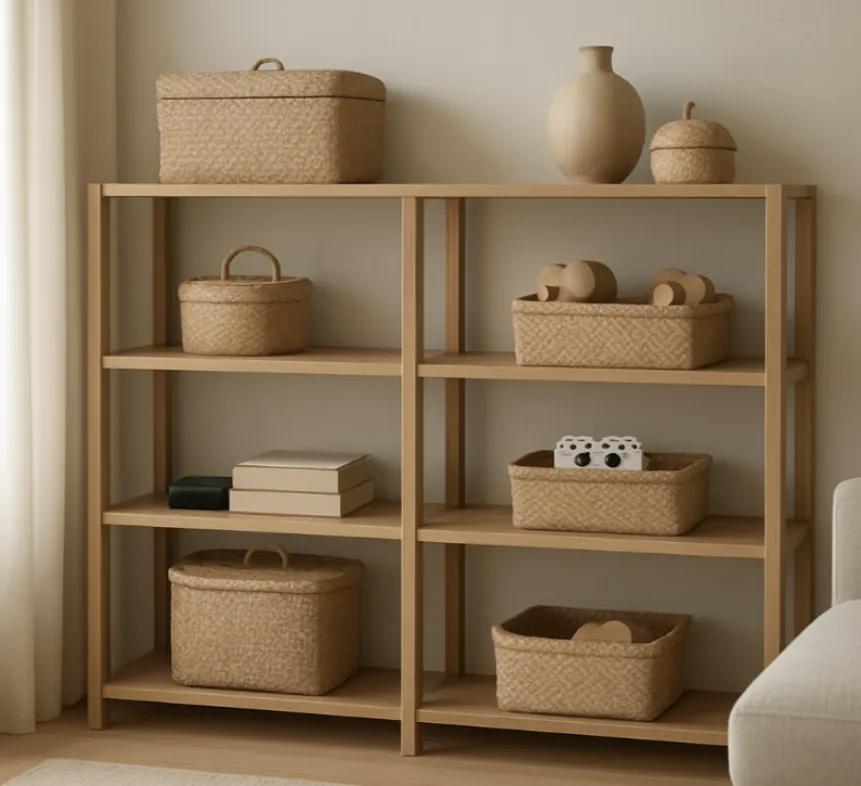
10. Lidded baskets that match your palette
- Best for: open shelves that need to look calm from across the room.
Matching baskets are a minimalist cheat code: they hide mixed items (blocks, puzzles, cords) but still look deliberate on open shelving. Choose one size for toys and a smaller size for tech so sorting stays simple.
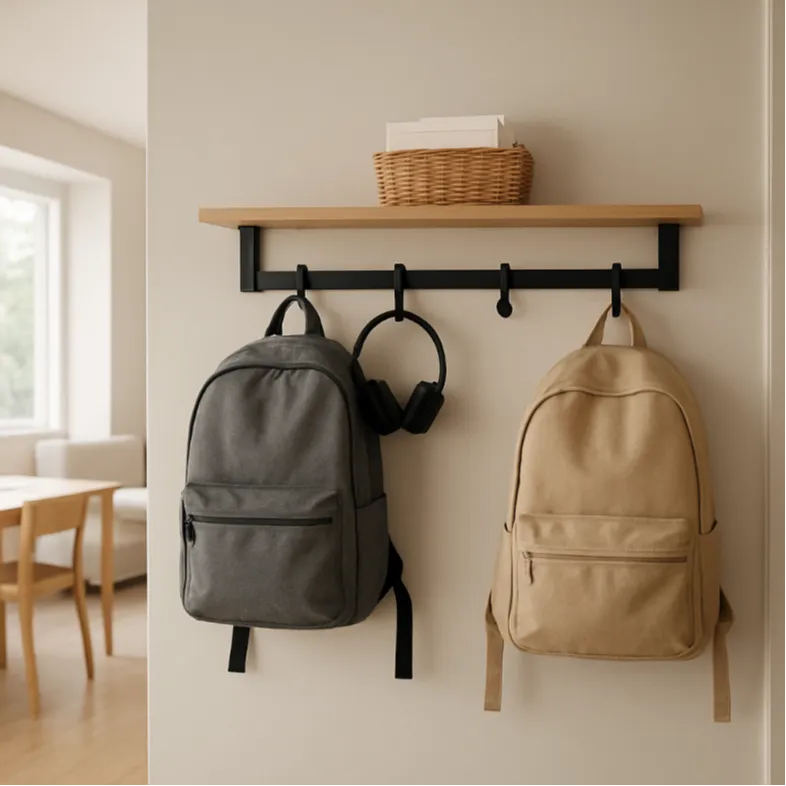
11. Wall rail with hooks for backpacks, headphones, and hats
- Best for: households where the mess starts the moment you walk in.
A slim wall rail near the entry or work zone stops “drop clutter” from landing on the sofa or coffee table. Use hooks for backpacks and a small basket for mail so the living area stays clear.
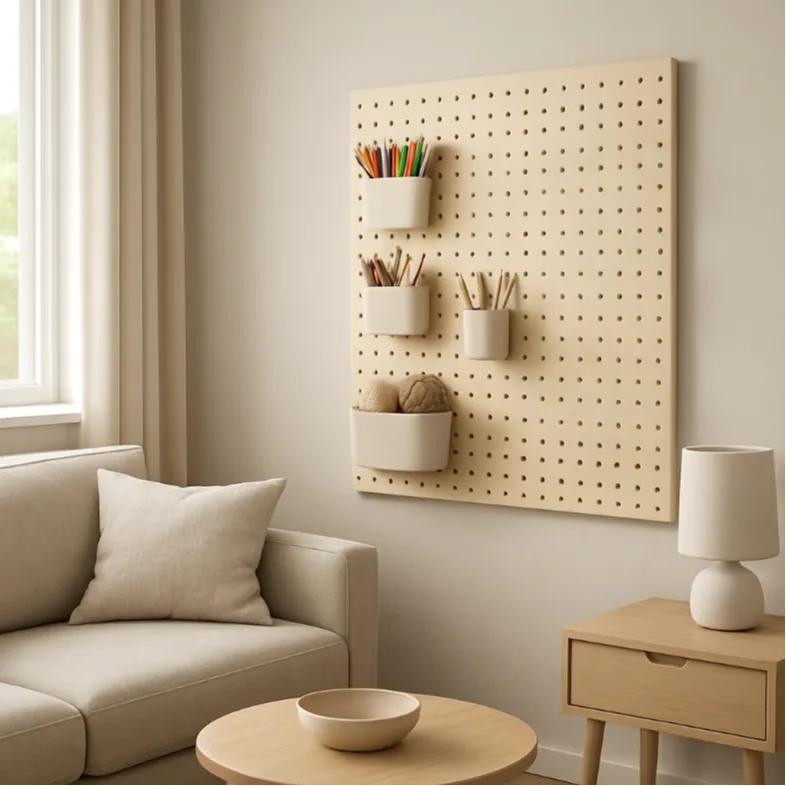
12. Pegboard for small parts in the play‑and‑work overlap
- Best for: shared work/play corners that get messy fast.
Pegboards aren’t just for tools—they’re perfect for controllers, craft scissors, markers, and the little charging cords that vanish when you need them. Keep frequently used items at adult height, and reserve the bottom row for kid‑safe bins.
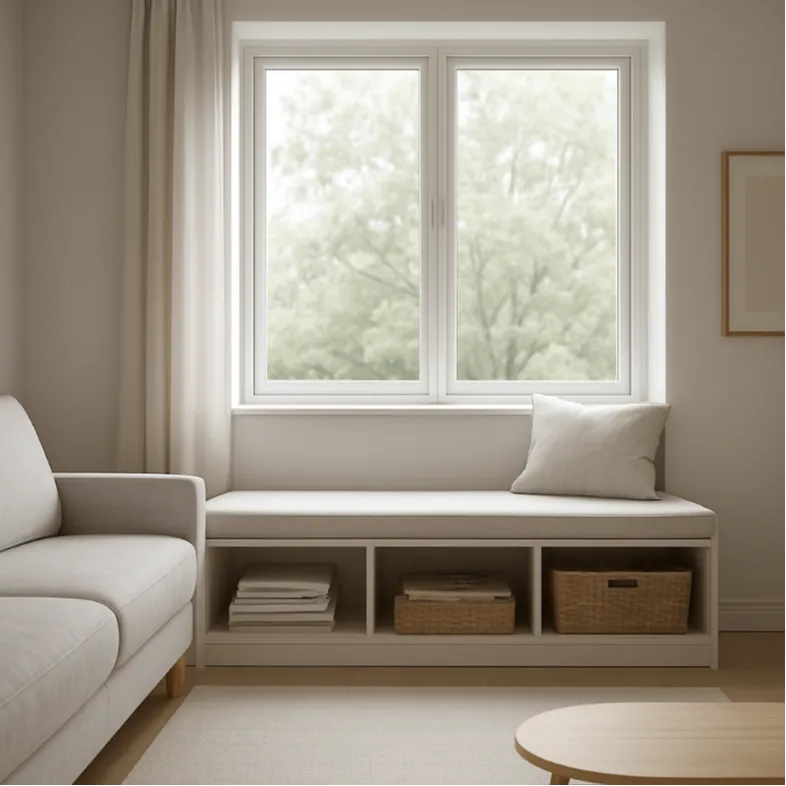
13. Window‑seat bench with storage for “quiet toys”
- Best for: kids who like a defined nook but still want to be in the same room.
If you have a window wall, a storage bench can become a calm play spot for books, puzzles, and art pads. It also keeps that category separate from the TV seating, which makes the room feel less chaotic.
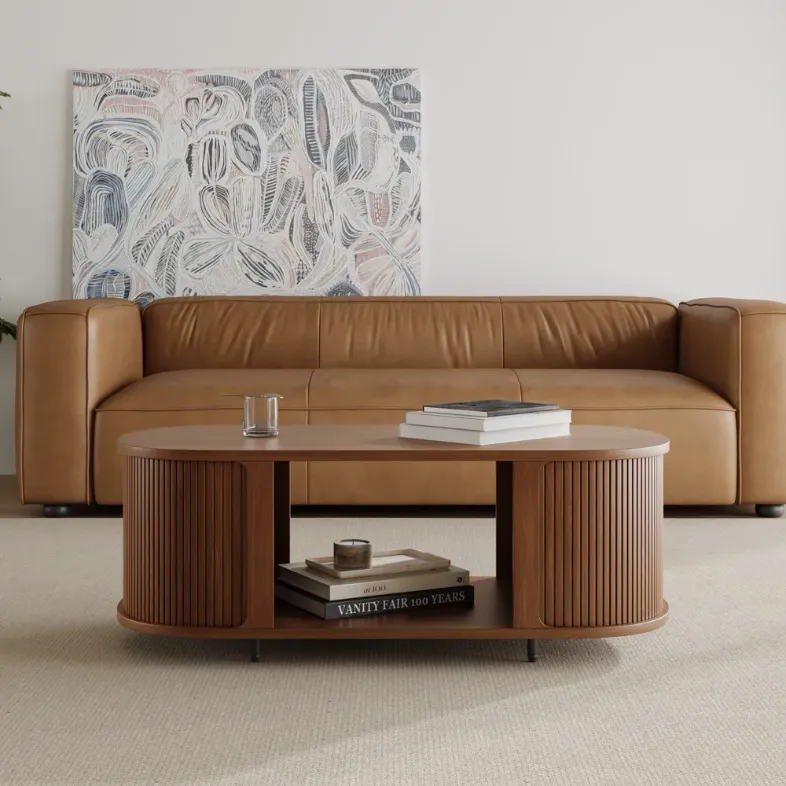
14. Two‑tier coffee table styling that hides everyday items
- Best for: people who want the look of “styled” surfaces without constant maintenance.
If you prefer a fixed coffee table, choose one with a lower shelf. Store a tray of remotes and a lidded box (for cords or small toys) underneath, and keep the top mostly clear.
15. Rolling craft cart that parks near a console
- Best for: families who do daily crafts but don’t want a permanent play table.
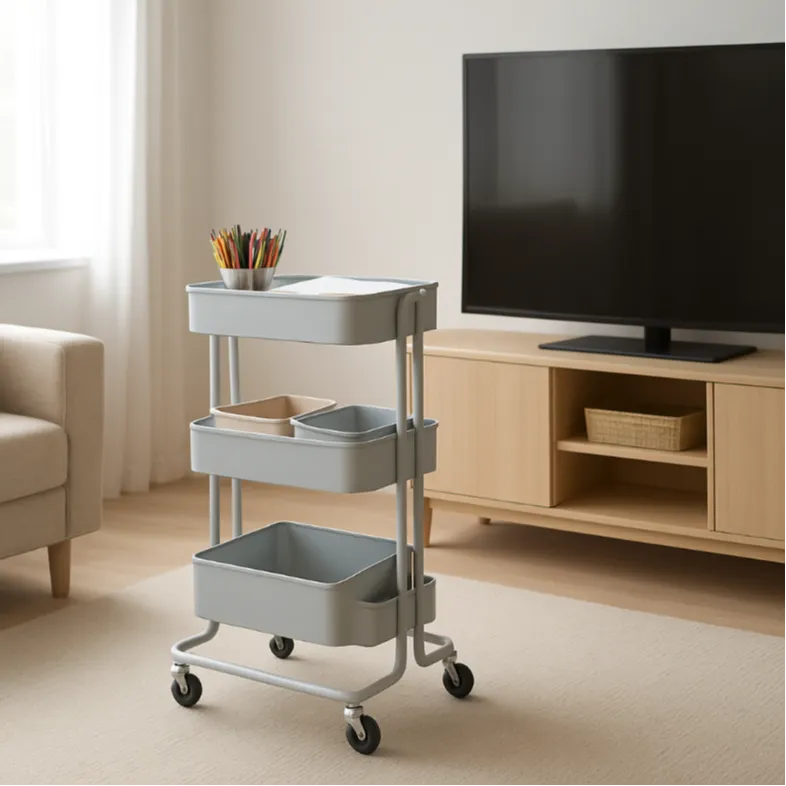
A slim rolling cart can hold crayons, glue, and paper, then tuck beside or under a console when playtime is over. Pre‑load a single bin for each kid so cleanup is straightforward and fair.
16. Acoustic panels that double as a hidden tech wall
- Best for: great rooms with lots of hard surfaces.
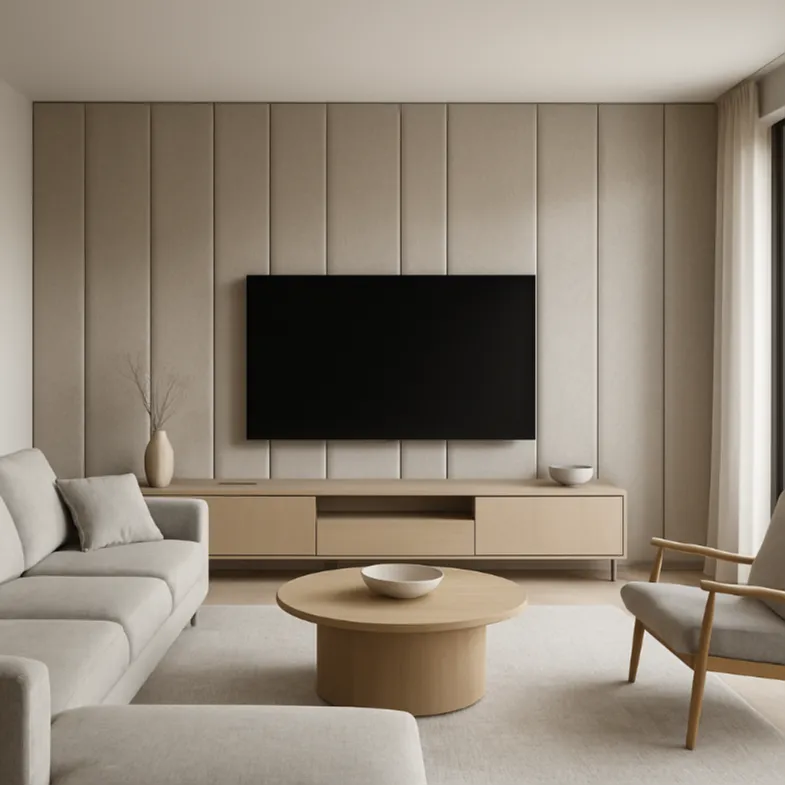
In echo‑y open plans, soft panels can make TV dialogue easier to hear and give you a spot to conceal small devices on shallow ledges behind fabric. Keep the look simple—one consistent color reads more modern than a patchwork.
Quick‑compare: storage pieces that work in open‑plan rooms
When you’re deciding what to buy first, it helps to compare solutions by what they protect: the TV wall, the work surface, or the play zone. Use this table to narrow your options, then match it to the ideas list above so you don’t end up with storage that looks good but doesn’t solve the daily clutter.
| Furniture type | Typical dimensions | Integrated storage? | Best for TV/work/play zones | Notes/limits |
| Lowline media console | 70–90 in W x 16–20 in D x 18–24 in H | Drawers, doors, shelves | TV gear + the “small parts” that spread | Keep surfaces clear; plan where remotes and games live |
| Lift‑top coffee table | 36–48 in W x 20–26 in D x 16–20 in H | Hidden compartment; drawers | Work perch + quick toy/remote hideaway | Needs ~16–18 in sofa clearance for comfort |
| Slim sideboard | 47–71 in W x 14–18 in D x 28–36 in H | Drawers + shelves | Work kit storage and paperwork containment | Works best when categories are pre‑assigned to drawers |
| Storage ottoman/bench | 36–60 in W x 14–20 in D x 16–20 in H | Lidded cavity | Fast resets; soft seating for play supervision | Choose soft‑close lids and kid‑safe corners |
| Cube shelving divider | Module‑based; cubes ~13–15 in each | Bins/doors optional | Zoning between play and TV without walls | Load heavier items low for stability |
How we curated these ideas
To keep this list practical (not Pinterest‑only), we screened each idea against the same real‑life constraints you’re dealing with in an open plan: it has to reduce visible clutter, respect circulation paths, and make it easier to switch the room from TV time to work time to play time.
We used seven criteria:
- Multifunctionality and integrated storage
- Zoning support for TV, work, and play
- Ease of daily reset (how fast you can put things away)
- Durability and easy cleaning for family use
- Visual simplicity for modern minimalist rooms
- Value for money (with prices marked as subject to change)
- Safety basics, like stable vertical storage in kid spaces
If you’re still deciding on your main storage “backbone,” browsing top modular storage cabinets can help you compare configurations and what categories each layout hides.
Conclusion
A minimalist open‑plan living room stays functional when you design storage around the way your day actually runs: protect clear walkways, assign each zone a small set of “homes,” and make resets easy enough that you’ll do them nightly. Start with one anchor piece that hides the mess you see most (TV clutter, work gear, or toys), then add one quick‑reset solution like bins or an ottoman before you buy anything else. If you’re still dialing in circulation and seating distances,living room furniture arrangements that feel truly comfortable can help you sanity‑check the layout.
FAQ: minimalist storage in open‑plan living rooms
A few quick answers to the questions that come up most when one room has to do triple duty.
How do I hide cables in a modern living room?
Use a single “power path” along the perimeter (baseboard raceway or cord clips), then bring power up only where you need it (TV wall, desk, charging drawer). Avoid running cords under rugs.
What storage furniture works best in open‑plan spaces?
Start with one closed piece (media console or sideboard), then add one fast‑reset piece (ottoman or baskets). Finish with vertical storage only if the room still looks busy.
How do I zone a living room with kids without clutter?
Give the play zone a hard boundary (cube divider or rug edge) and a single container limit (one cart or two bins). When it’s full, rotate toys instead of adding more storage.
Are built‑ins or modular units better for renters?
Modular units are usually safer: they move with you, adapt to new layouts, and don’t require permanent millwork. Choose closed fronts to keep the minimalist look.


