 By Jenny Smith
Suede looks rich and feels soft, but it is harder to clean than ordinary upholstery because moisture can leave rings and friction can crush the surface nap. That is why how to wash suede sofa is not just about removing dirt. It is also about protecting texture. This guide explains how to wash suede sofa the safe way for both real suede and microsuede, so you can clean the surface, avoid patchy drying, and keep the finish soft and even.
What Makes a Suede Sofa Different From Other Fabric Sofas?
Before you wash anything, it helps to know why a suede couch behaves differently from cotton, linen, or standard polyester upholstery. Suede responds to pressure, moisture, and brushing in visible ways, so the cleaning method has to protect both color and texture.
Is your sofa real suede or microsuede?
Real suede is made from leather, so it is more porous and more sensitive to moisture. Microsuede is usually a synthetic fabric, often polyester-based, and it is generally easier to maintain if you follow the care tag. That difference matters because the safest cleaning method depends first on which material you own, especially if you are still comparing different types of sofa upholstery before deciding how much moisture your sofa can handle.
| Feature | Real Suede | Microsuede |
| Material | Leather underside | Synthetic microfiber, often polyester |
| Moisture tolerance | Low | Moderate, depends on care code |
| Stain response | Can darken or stiffen easily | Usually more forgiving |
| Best approach | Mostly dry cleaning methods | Tag-based spot cleaning |
| Surface feel | Natural, varied grain | More even and uniform |
A quick test helps. Real suede often feels warmer and less uniform, while microsuede feels smoother and more consistent across panels. The care label is usually the easiest clue. In busy homes, that difference matters even more: APPA says 94 million U.S. households owned at least one pet in 2025, so sofas often deal with fur, paw marks, and frequent spot cleaning.
Why does suede show marks so easily?
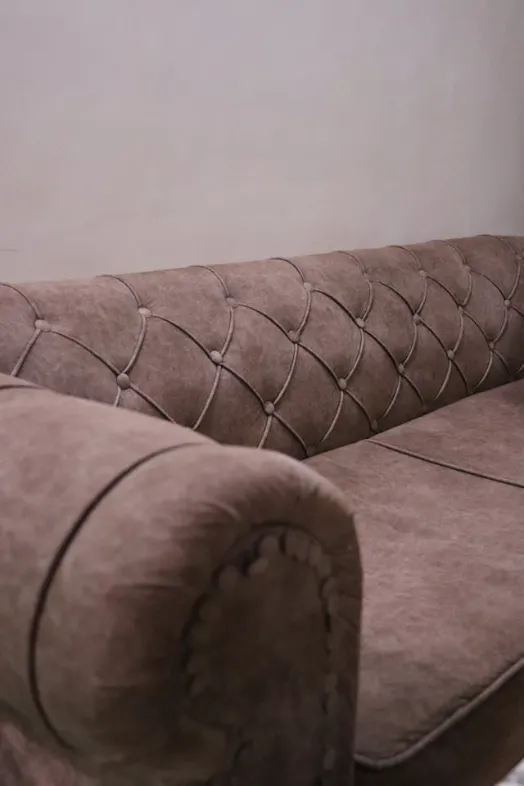
Suede has a raised nap, which means the tiny fibers lie in a direction. When you sit, wipe, or press on the surface, the nap shifts and reflects light differently. That is why a sofa can show dark patches, shiny spots, stiff sections, or water rings even when it is technically clean.

What Should You Check Before You Wash a Suede Sofa?
This is the step many people skip when they search how to wash suede sofa, and it is often where damage starts. A two-minute check of the tag, tools, and hidden test area can prevent water rings, color loss, and rough texture.
What does the care code actually allow?
Most sofas use one of four cleaning codes. On suede-like upholstery, these codes matter even more because not every suede couch should be treated like an ordinary fabric couch. Always test your method on a hidden panel before cleaning a visible area.
| Care Code | What It Means | What You Can Do on a Suede Sofa | What to Avoid |
| W | Water-based cleaning allowed | Use a lightly damp cloth and clean evenly in small sections | Soaking one spot or over-wetting the nap |
| S | Solvent-based cleaner only | Use a suede-safe solvent product only after spot testing | Water, steam, or homemade wet cleaners |
| W/S | Either water- or solvent-based cleaner allowed | Start with the mildest method and the least moisture possible | Scrubbing hard or saturating the fabric |
| X | Vacuum only | Vacuum with a soft brush and use a suede brush for finish recovery | Any liquid cleaner or stain spray |
What tools are safest for suede?
The safest kit for how to clean suede furniture is simple. Use gentle tools that lift soil without crushing the nap.
- Vacuum with a soft brush attachment
- White microfiber cloth
- Suede brush or soft-bristle brush
- Suede eraser for dry marks
- A small amount of approved cleaner only if the tag allows it
Professional upholstery standards also stress dry soil removal before cleaning and recommend grooming pile fabrics after cleaning to restore a more uniform appearance. That lines up perfectly with how to clean suede material without making it look worse.
How Do You Wash a Suede Sofa Without Leaving Water Marks?
Now we get to the part most readers want: the actual method for how to wash suede sofa without ending up with blotchy panels. The key is even treatment, low moisture, and patience while the fabric dries.
How do you prep the sofa the right way?
Remove loose cushions if you can, then vacuum every seam, crease, and surface. After that, brush lightly with the nap instead of scrubbing in random directions. This step removes grit that can grind into the fibers once moisture is added.
If one section needs damp cleaning, treat the surrounding area lightly too. That reduces the risk that one wet patch dries darker than the rest. For synthetic upholstery, the same idea appears inhow to clean a microfiber sofa couch, where low moisture and full, even drying help prevent marks.
How do you clean suede with the least moisture possible?
For real suede, stay close to dry methods whenever possible: vacuum, suede eraser, and suede-safe brushing. For microsuede, follow the tag exactly. Work in small sections, blot instead of rub, and let the sofa dry naturally before deciding whether it needs a second pass.
A safe sequence looks like this:
- Vacuum first.
- Spot test your cleaner on a hidden area.
- Lightly dampen a cloth, not the sofa.
- Blot the section gently.
- Dry with airflow, not heat.
- Brush only when fully dry.
This is the heart of wash suede couch care: less liquid, less friction, and no rushing.
How Do You Remove Stains From Suede Without Damaging the Nap?
Stain removal is where most people search how to clean suede couch, how to clean suede stains, or how to remove stains from suede. The mistake is using one generic method for every stain. Suede reacts better when you match the method to the stain type.
How do you treat fresh spills on suede?
Blot immediately with a dry cloth. Pressing is safer than wiping because wiping spreads liquid and pushes soil deeper into the nap. For drinks, keep blotting until transfer slows. For food, lift solids first. For muddy marks, let them dry before brushing so you do not grind them into the surface.
One weekend, I caught a splash of iced coffee on a microsuede armrest just seconds after it landed. Blotting with a folded white cloth worked far better than rubbing, and the nap recovered once it dried and I brushed it lightly.
How do you handle oil stains, water spots, and dark marks?
Use different methods for different problems. Oil needs absorption first. Water spots need even treatment around the mark. Surface scuffs respond best to dry correction.
| Stain type | Best first step | What to avoid |
| Oil or grease | Absorb with dry powder or cloth, then lift gently | Flooding with water |
| Water spot | Lightly treat surrounding area to blend | Cleaning only the center |
| Surface scuff | Use suede eraser or gentle brush | Hard scrubbing |
| Deep dark stain | Repeat only if tag allows; consider pro help | Aggressive household cleaners |
For homes with pets or heavy use, tightly woven synthetic options can be easier to manage because fur and surface debris sit higher on the fabric. That is one reason pet-friendly sofa fabrics and microsuede remain practical for active households. Some deep stains, especially on real suede, may permanently alter the color and need professional care.
How Do You Bring Back the Soft, Velvety Feel After Cleaning?
A suede sofa often looks worse right after cleaning. That is normal. This stage is about finishing, because how to clean a suede couch is only half the job. The other half is getting the nap to look soft, balanced, and natural again.
Why does suede feel rough or look patchy after drying?
Cleaning can flatten or stiffen the nap, especially on seat panels and armrests. Uneven drying can also make the surface reflect light differently, which makes one area look darker even when no stain remains. Professional upholstery guidance specifically notes pile grooming as part of producing a more uniform fabric appearance.
How do you restore the nap and soft finish?
Wait until the sofa is completely dry, then brush gently in one direction first. After that, blend uneven areas with light passes. High-touch zones like seat fronts and arms may need a little extra attention, but overbrushing can roughen the surface.
If you want a practical benchmark, the beige suede version of POVISON’s Sailboat sofa uses 100% polyester suede fabric with a soft handfeel, added water-resistant protection, and care guidance that says to keep it away from direct sunlight and heat while using spot cleaning or dry cleaning as needed. Its splash-resistant fabric makes it a strong example of suede-like upholstery that stays easier to clean when you deal with messes early instead of letting them soak in.

When Should You Stop DIY Cleaning and Protect the Sofa Instead?
Not every problem should be solved with more cleaning. Sometimes the smartest answer to how to wash suede sofa is to stop, protect the fabric, and prevent the next stain instead of pushing the material too far.
DIY cleaning should stop when the stain is large, set in, oily across a wide area, or sitting on real suede with color loss or hardened patches. You should also stop if the cleaning code is missing or unclear. Those situations carry a higher risk of rings, roughness, or permanent shading changes.
Conclusion
The best approach to how to wash suede sofa is gentle, controlled, and texture-aware. Good suede cleaning is not just stain removal. It also protects softness, color, and that velvety finish people love. Start by identifying whether you have real suede or microsuede, follow the care code, use as little moisture as possible, and always restore the nap after drying. In the long run, light weekly upkeep beats deep aggressive cleaning, and that is what keeps suede couches looking soft instead of stressed.
FAQs About Washing and Cleaning a Suede Sofa
Can you wash a suede sofa with water?
Sometimes, but only if the material and care tag allow it. Real suede is much more moisture-sensitive, while microsuede may tolerate limited water-based cleaning. Use as little moisture as possible and always spot test first.
How do you clean a microsuede couch safely?
Check the code first, vacuum thoroughly, blot instead of rub, and clean in small sections. Let it dry fully, then brush the fibers to even out the finish. That is the safest answer to how do you clean a microsuede couch.
Why does my suede couch look darker after cleaning?
Usually because of moisture, uneven drying, or nap direction. The fabric may not actually be dirty. It can simply be reflecting light differently after cleaning. Gentle brushing after full drying often improves the appearance.
How do you remove stains from suede without making them bigger?
Blot early, use low moisture, and match the method to the stain type. Oil, water spots, and scuffs should not be treated the same way. Rubbing is what usually spreads the mark.
What is the best way to make suede soft again after cleaning?
Wait until the surface is fully dry, then brush gently to lift and align the nap. Start in one direction and blend slowly. Brushing too soon or too hard can make the surface look rougher.


