 By Hana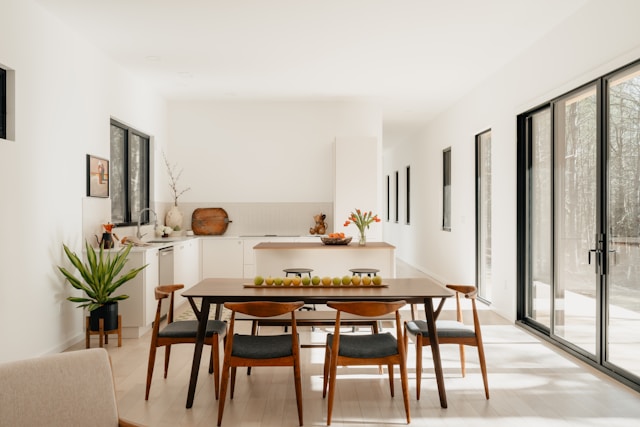
Introduction – Why Dining Table Shape Matters More Than You Think
Your dining table isn’t just where dinner happens. It’s where laptops open, kids do homework, birthdays get sung, and friends linger over dessert. The dining table shape quietly controls how people move, how many you can seat, and how natural conversations feel. Kitchen and dining furniture alone is a USD 61 billion market and projected to reach nearly USD 99 billion by 2033, so we’re clearly investing in this zone (according to the Deep Market Insights 2024 report). This guide helps you match shape to lifestyle, not just your inspiration photos.
Dining Table Shapes 101 – What Each Shape Is Best At
The Main Dining Table Shapes & Their Typical Uses
Rectangular tables are the classic dining room table choice, perfect for longer rooms and families that often seat 6–8. A round dining table feels cozy and works brilliantly in small apartments, especially as a dining table set for 4. Square tables suit squarer rooms or open-plan corners where you want a compact but balanced footprint. Oval tables soften the look of a rectangle while giving you better circulation. When your life swings between “just us” and “everyone over,” an extendable dining table is the easiest way to switch modes.
Quick Pros & Cons Snapshot by Shape
- Rectangular: Great for long rooms and larger families; corners can be tight in narrow spaces.
- Round: Encourages conversation and works well as a small dining table; very large rounds can dominate.
- Square: Intimate and balanced, but awkward in narrow rooms.
- Oval: Softer edges, good Space & Traffic Flow, and often seats one more than a similar rectangle.
- Extension: Flexible footprint, ideal for mixed everyday-and-hosting lifestyles.
Lifestyle-Based Shape Selection – Matching Your Table to Daily Life
If Your Dining Table Is “Everyday Life Central”
If your table doubles as office, craft station, and snack bar, you’ll appreciate the extra surface of a sturdy rectangular or oval solid wood dining table. One young family I worked with used a 72″ oval table as command center: mom on video calls at one end, kids coloring at the other, dinner laid out down the middle. Rounded corners and a soft edge are friendlier for little heads and make daily circulation smoother. For more material tips, see Povison’s solid wood dining table guide.
If You Love Hosting & Creating Moments
If your weekends mean shared platters, game nights, or long, talkative dinners, favor shapes that keep everyone “in the circle.” A round dining table for 6 or an oval table makes passing dishes and making eye contact easy. When you want dramatic, banquet-style energy, a long rectangular modern dining table paired with an extension leaf works beautifully. Store extra stackable chairs and table linens in a nearby cabinet so you can flip from quiet Tuesday to full-on party night in minutes, instead of dragging furniture in from other rooms.
Space & Traffic Flow – Let the Room Decide First
How to Read Your Room: Measurements That Matter
Before obsessing over finishes, colors or leg styles, map your clearances first. Most people need at least 36–40 inches (90–100 cm) between the table edge and the nearest wall or cabinet so chairs can slide out and someone can walk behind. Designers often subtract 72–84 inches from room length and width to get a maximum table size. In new homes, dining areas account for roughly 6% of finished floor space, so every inch really does matter (based on NAHB “Spaces in New Homes” research).
Best Dining Table Shape for Common Room Layouts
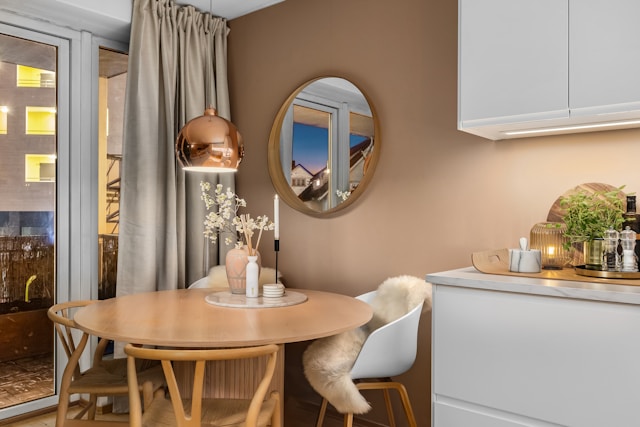
For narrow dining rooms or “galley-style” spaces, a slim rectangular or oval dining table set for 6 aligns with the longest wall and keeps walkways clear. In compact nooks, a 40–48″ round dining table pushed slightly off-center lets you squeeze in extra guests without blocking doors. In open-plan rooms, follow the main traffic line from kitchen to sofa and position the table parallel to it so the layout feels natural, not like an obstacle course. Painter’s tape on the floor is still the cheapest layout tool you’ll ever own.
Social Interaction Differences Between Dining Table Shapes
Conversation, Eye Contact & Inclusion
Round and square tables naturally keep everyone at similar distances, which boosts shared dishes, card games, and one big conversation. Long rectangular tables shine for larger groups but often split into mini chats at each end. Oval shapes occupy a sweet spot: more inclusive than a rectangle, more seats than an equivalent round. As open, social kitchens grow—nearly 59% of homeowners now use their kitchen for entertaining and 46% for casual socializing after renovation (according to the 2024 U.S. Houzz Kitchen Trends Study) —table shape matters more than ever.
Formal vs. Casual Vibes
Straight lines feel structured. A rectangular farmhouse dining table with a trestle base looks more formal, especially when paired with upholstered chairs and a runner. Curved silhouettes—round or oval tops, pedestal bases—signal “sit wherever, stay as long as you like.” I once helped a couple swap a sharp-cornered square table for an oval dining table; overnight, their space felt more like a relaxed brunch café than a conference room. Choose the mood you want guests to feel before you even set the plates down.
Beyond Shape – Base, Legs & Seating Flexibility
Pedestal vs. Four Legs vs. Trestle
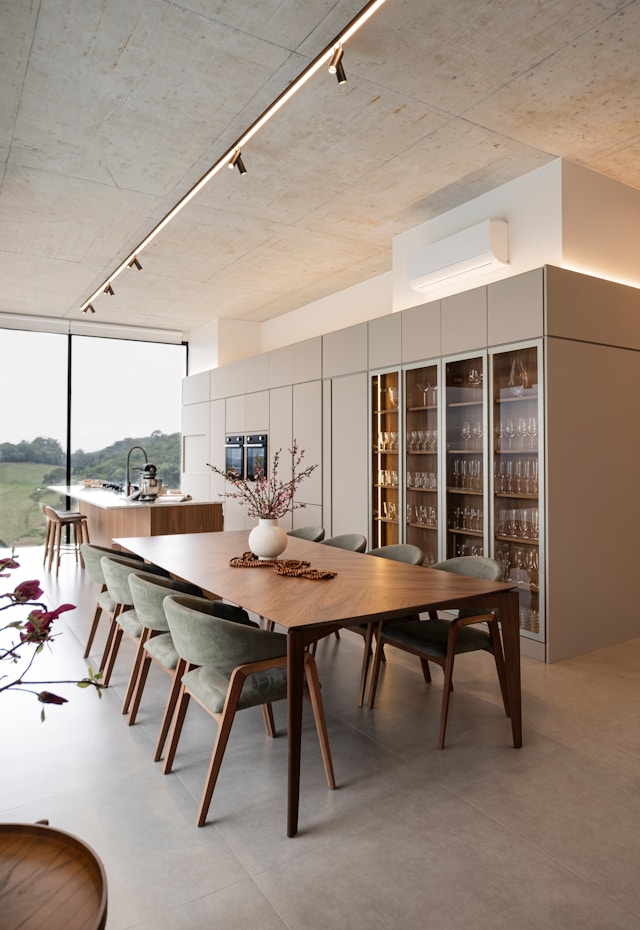
The base quietly decides how many people you can seat comfortably. A pedestal base under a round or square table keeps knees free and lets you squeeze in an extra chair when needed. Four-leg tables are stable and classic but can “block” the corners, so you may end up with fewer usable seats than the top size suggests. Trestle and X-bases work well for longer dining room table sets, especially when you love the look of a bench along one or both sides.
Chairs, Benches & Everyday Flex
Match seating to your real headcount, not a fantasy dinner party. If you usually seat four, your dining table set for 4 should feel generous every day, with extra chairs only pulled in for guests. Benches are brilliant along a wall or for homes with kids who like to pile in. For shape–chair pairing inspiration, explore Povison’s modern dining table guide and their tips on matching dining tables and chairs.
A Simple 3-Step Method to Choose Your Dining Table Shape Confidently
Step 1–2–3: Measure, Map, Mood
Start by measuring your room and marking minimum clearances on the floor with tape so you see where chairs and doors really move. Next, “draw” different shapes on the floor using tape or cardboard and live with them for a day—walk around, pull in chairs, imagine a dining table set in that footprint. Finally, choose the dining table shape that felt easiest to use and match it to your lifestyle: family hub, entertainer, or minimalist. This three-step list makes a handy screenshot for showroom visits.
Mini Decision Flow – From Lifestyle to Shape
If you regularly host 6–8 people in a long room, choose rectangular or oval. If you’re mostly 2–4 people in a compact space, go for a round dining table or small square. Need everyday compactness plus occasional big gatherings? An extendable dining table or modular set is perfect—Povison’s guide on modular vs fixed dining sets breaks that decision down further. When your life is “a bit of everything,” prioritize the layout you use 80% of the time and solve the rest with extra foldable chairs or a hidden leaf.
Conclusion – Bring Shape, Space & Lifestyle Together
In the end, choosing a dining table shape is less about trends and more about rhythm: how you live, how your room flows, and how you like to gather people. Start with lifestyle, then respect the limits of your space, and only then chase the look you love. There’s no universal “perfect” table—only the one that earns its keep in your daily life. Grab a tape measure, map two shapes on your floor today, and let real movement, not just mood boards, make the final call.
FAQ – Quick Answers About Dining Table Shape
Q1. What is the best dining table shape for a small space?
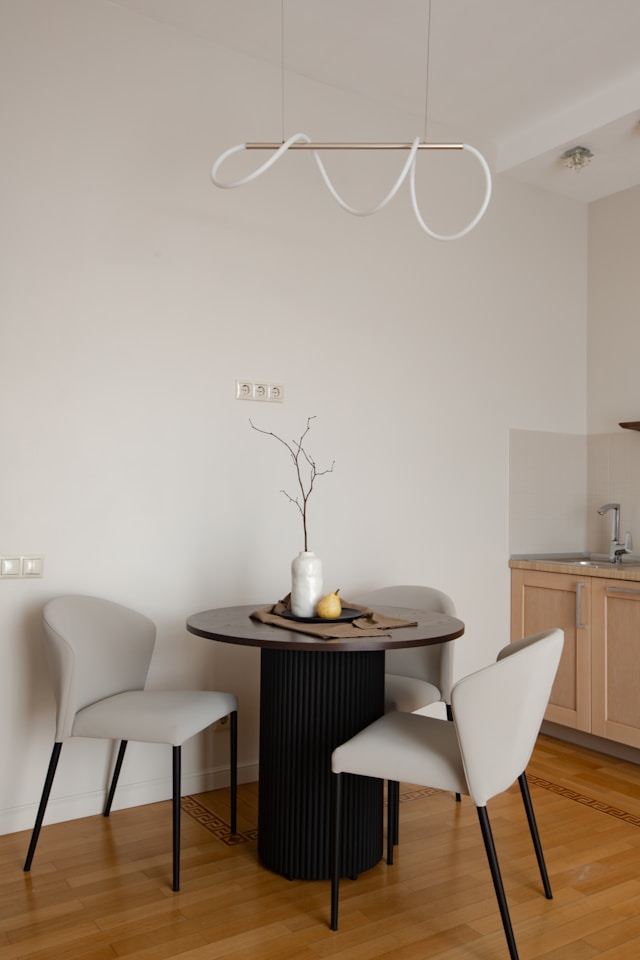
For small rooms, a 36–48″ round or square table is usually best. You can tuck it slightly off-center, pull in extra chairs when needed, and you’re less likely to bruise hips on sharp corners. A pedestal base on a small dining table saves floor space and makes the room feel lighter.
Q2. How do I know if a round or rectangular table suits my family better?
Think about how you sit today. If you love shared dishes and “everyone in one conversation,” round or square shapes help. If you usually serve buffet-style, line up dishes, or have a long room, rectangular works better. Let your typical meal style and room shape, rather than trends, lead the choice.
Q3. How much space do I need around a dining table for people to move comfortably?
Aim for at least 36 inches (about 90 cm) from the table edge to the nearest wall or large furniture. That’s enough for most people to pull out chairs and walk behind someone seated. If you can stretch to 42–48 inches, it feels noticeably more relaxed, especially in busy households with kids running back and forth.
Q4. Which dining table shape is safest with young children?
Rounded shapes are safest. A round dining table or softly curved oval dining table reduces sharp-corner bumps at toddler head height. Look for rounded edges on the top, a stable base that doesn’t tip easily, and easy-clean finishes so you’re less tempted to use harsh cleaners right where kids eat and play.
Q5. Can I mix a round dining table with very modern, angular chairs?
Definitely. The contrast between a curved top and crisp, angular chairs often looks intentional and designer-approved. Just check that seat height leaves 10–12 inches of legroom under the top, and repeat one element—like black metal, oak, or fabric color—so your dining table set feels cohesive rather than random.


