 By Charles
Hello fellow nest builders,
If you’re anything like me, you’ve probably dreamed of sinking into a reclining sofa after a long day of work, kid chaos, or dog zoomies. A good recliner isn’t just furniture, it’s about making your house feel like home.
But let’s face it, with so many options out there, it’s easy to feel overwhelmed. The good news is you don’t have to figure it out alone. Let’s walk through how to pick a reclining sofa that fits your space and survives your family.
Manual vs Power Reclining Sofa: Choosing the Right Recliner Sofa for Your Home
Your first big decision is whether you want a manual or power reclining sofa. Both can be comfortable, but the right choice depends on how you use your living room, who’s sitting on it, and how much you value low-effort relaxation.
Manual reclining sofas use a lever or push-back mechanism. They’re usually simpler, lighter, and don’t need an outlet. That means fewer things to break and easier placement in the room. If you move often or don’t have many wall outlets, this can be a big plus.
Power reclining sofas plug into the wall and use electric motors so you can fine-tune the angle with a button. They’re great if you want effortless reclining, especially if you or someone in your home has back, knee, or mobility issues. You press, it moves, no leg strength required.
| Feature | Manual Recliner | Power Recliner |
| Best For | Budget-conscious buyers & renters who move often. | Seniors, nursing moms, & movie marathon lovers. |
| Ease of Use | Physical effort required. Uses a lever or body weight to push back. | Effortless. Adjusts with the touch of a button. Zero strength needed. |
| Positioning | Limited. Usually has 2-3 set positions (upright, TV mode, full recline). | Infinite. Stop at any angle you want for personalized comfort. |
| Placement | Anywhere. No cords, no outlets needed. Can float in the middle of a room. | Near a wall/outlet. Cords need management. |
| Durability | High. Fewer moving parts means fewer things can break over time. | Medium-High. Motors are reliable but add a layer of complexity for repairs. |
| Price Range | $ – $$ (More Affordable) | $$-$$$ (Investment Piece) |
| The “Catch” | Can be jerky to close; requires leg strength to snap footrest back. | Heavier to move; buttons/motors can fail (check warranty!). |
Here’s how to decide quickly:
- Choose manual if you prefer fewer moving parts, like a lower price, and don’t mind using your body a bit to recline.
- Choose power if you want one-touch comfort, smoother motion, and don’t want to fight a stiff lever at the end of the day.
Whether you lean towards the simplicity of manual or the ease of power, we invite you to explore our diverse collection of reclining furniture designed to suit your relaxation style.
Key Features to Look For in a Reclining Sofa
Once you’ve picked manual or power, the next step is choosing features that actually make a difference in your daily life, not just in a showroom.
USB Charging Ports and Smart Controls in Modern Recliner Sofas
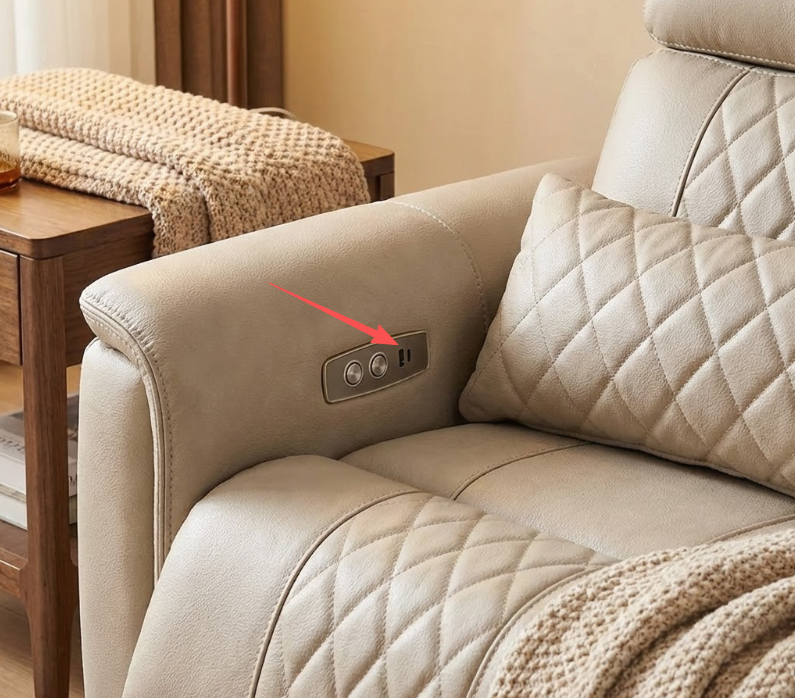
If your living room is also your charging station, built-in USB ports can be a sanity-saver. You plug your phone or tablet right into the sofa instead of hunting for wall chargers. Many power recliner couches now include:
- USB or USB-C charging ports in the arm or side panel
- Simple button controls for reclining, sometimes with memory presets
- Optional adjustable headrests you can tilt for better TV viewing
Look for controls that are easy to reach when you’re fully reclined and bright enough to see, but not glowing like a mini runway at night.
Lumbar Support and Ergonomic Comfort for Everyday Use
A recliner that feels great for five minutes can be a pain trap after an hour. You want real lumbar support, not just squishy cushions. Check for:
- A noticeable curve that supports your lower back
- High-density foam or pocket coils that don’t flatten out immediately
- Head support that keeps your neck from craning when you watch TV
If you tend to fall asleep on the couch (no judgment), lie back and ask yourself: “Could I stay like this for a full movie without my back complaining?” If the answer’s no, keep looking. For those dealing with chronic discomfort, consider reading our guide on the best sofa for back pain to understand what ergonomic features matter most.
Wall-Hugger Design: Space-Saving Reclining Couch Solutions
If you live in a smaller home or apartment, a wall-hugger reclining sofa is worth hunting down. These are designed so the seat moves forward as the back reclines, meaning you might only need 3–4 inches between the sofa and the wall instead of 10–12.
This lets you:
- Fit a full reclining couch in a compact living room
- Keep walkways open for kids, pets, and laundry baskets
- Avoid rearranging the entire room just to recline
Always check the fully reclined depth in the product specs so you know exactly how much floor space it will need when it’s all the way back.
Best Materials for a Reclining Sofa: Comfort, Durability, and Maintenance
Material choice decides how your reclining sofa will look in a year, especially if you share your home with kids, pets, or popcorn.
Leather vs Fabric Recliner Sofa: Pros, Cons, and Care Tips
Leather versus fabric is one of the most common debates when choosing upholstery. Leather (or faux leather) recliners give you that sleek, easy-wipe surface. Real leather can last a long time if you condition it a couple of times a year, but it can show scratches from pets and may feel cooler or stickier depending on your climate.
- Pros: Wipes clean, looks upscale, resists most spills.
- Cons: Can scratch, usually higher cost, may feel cold at first.
Fabric recliner sofas feel softer and warmer, and they’re usually more forgiving with tiny claw marks. For busy homes, look for:
- Performance fabric or stain-resistant finish
- Removable cushion covers where possible
- Medium-tone colors or subtle patterns that hide small stains
Vacuuming once a week and spot-cleaning quickly will keep most fabric looking good for years. To dive deeper into the advantages of each material, consider factors like climate, lifestyle, and maintenance preferences.
Pet-Friendly Reclining Couch and Recliner Couch Materials
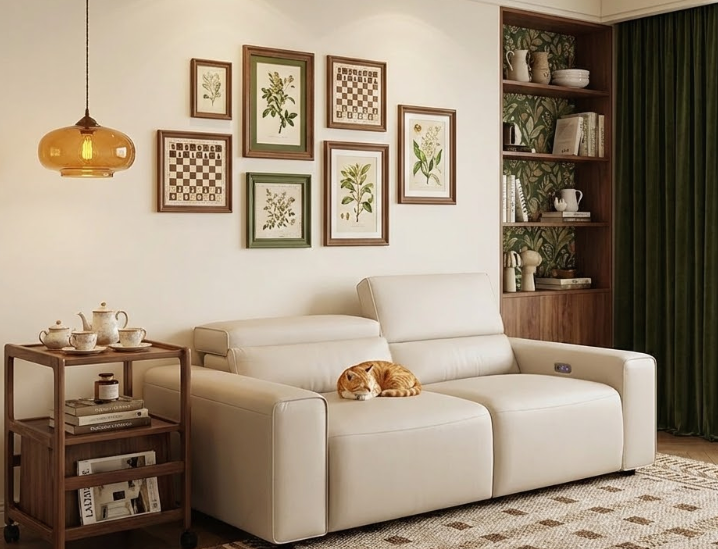
If you’ve got a dog that treats the sofa like their throne or a cat that thinks every surface is a scratching post, you need tougher materials.
Pet-friendly picks usually include:
- Tight-weave fabrics (harder for claws to snag)
- Slightly textured or patterned surfaces to camouflage fur and marks
- Faux leather that resists most scratches better than soft, unfinished leather
Also check the base of the recliner couch. You want minimal exposed moving parts so tails, toys, and curious paws can’t get caught when the mechanism moves. For comprehensive advice on kid and pet-proof upholstery options, explore materials that balance durability with everyday comfort.
Reclining Sofa Size and Space Requirements: What to Measure Before Buying
Before you fall in love with a reclining sofa online, grab a tape measure. A few minutes now can save you from the “it doesn’t fit through the door” nightmare.

Measure three things:
- Room size: Length and depth of the area where the recliner couch will sit.
- Doorways and hallways: Width and height, including any tight turns.
- Recline depth: How far the sofa extends when fully open.
Most reclining sofas need around 36–40 inches of overall depth when reclined. If space is tight, look for wall-hugger or slim-arm designs to reduce the footprint. Use painter’s tape on the floor to outline the sofa’s size so you can see exactly how much walking space you’ll have left.
Don’t forget legroom for the person sitting. You want at least 12–18 inches of clearance between the extended footrest and anything in front of it (coffee table, TV stand, toy explosion).
Common Recliner Sofa Problems to Avoid (Based on Real User Experience)
A reclining sofa should make your life easier, not add new headaches. Watching out for a few common issues upfront can save you returns and repairs later.
Weak frames are a big one. Look for descriptions like hardwood or metal frame instead of only particle board. A solid frame handles kids climbing, adults flopping down, and daily use without wobbling.
Another issue: noisy or jerky mechanisms. If you’re in a store, recline every seat fully and listen. At home, squeaks usually mean loose bolts or cheap moving parts. User reviews often call this out, so don’t skip them.
For power reclining sofas, pay attention to cord placement. You don’t want wires where kids or pets walk or play. Some models offer cable clips or rear exits so cords stay closer to the wall.
Cushion sagging is another frequent complaint. Check for high-density foam, pocket coils, or webbing support in the seat. These details matter if you want a sofa that still feels supportive after a few years, not like you’re sinking into a hammock.
Finally, check the warranty. A longer warranty on the reclining mechanism and frame usually signals more confidence from the manufacturer, and gives you some peace of mind when real life happens on that couch every single day.
Reclining Sofa FAQs
How do I choose between a manual and power reclining sofa?
Choose a manual reclining sofa if you want a lower price, fewer moving parts, and flexibility to place it without needing an outlet. Opt for a power reclining sofa if you prefer one-touch reclining, smoother motion, and extra ease for anyone with back, knee, or mobility issues.
What key features should I look for in a modern reclining sofa?
Prioritize features that improve daily comfort: USB or USB-C charging ports, easy-to-reach control buttons, optional adjustable headrests, and solid lumbar support. Also look for high-density foam or pocket coils, a sturdy frame, and a design that still feels comfortable after a full movie or nap.
What is a wall-hugger reclining sofa and when should I buy one?
A wall-hugger reclining sofa is designed so the seat moves forward as it reclines, needing only about 3–4 inches from the wall instead of 10–12. It’s ideal for small living rooms or apartments where you want full recline without sacrificing walkways or constantly rearranging furniture.
Is leather or fabric better for a reclining sofa with kids and pets?
Leather and faux leather are easy to wipe clean and resist most spills, but real leather can scratch and feel cool or sticky. Fabric offers a softer, warmer feel and hides small marks better. For families and pets, consider performance fabrics, tight weaves, stain-resistant finishes, and medium-tone colors.
How long should a quality reclining sofa last with regular use?
A well-built reclining sofa with a hardwood or metal frame, durable fabric or leather, and high-density foam can typically last 7–10 years or more with regular use. Lifespan depends on construction quality, how often you recline the seats, and how well you maintain and clean the upholstery and mechanisms.
Can a reclining sofa cause back pain if used every day?
A reclining sofa can actually help reduce back pain if it offers proper lumbar and head support. Problems arise when cushions are too soft, the lower back isn’t supported, or you’re sinking into saggy seats. Choose firm, supportive cushions and test whether you can sit or recline comfortably for at least an hour. Research on sleeping in a recliner also shows that proper support is crucial for extended use without discomfort.


Great point about considering how your family uses the sofa. I’m always worried about durability, especially with kids and pets. I’ve learned that going for a model that matches my lifestyle is way more important than just picking something that looks good!