 By Charles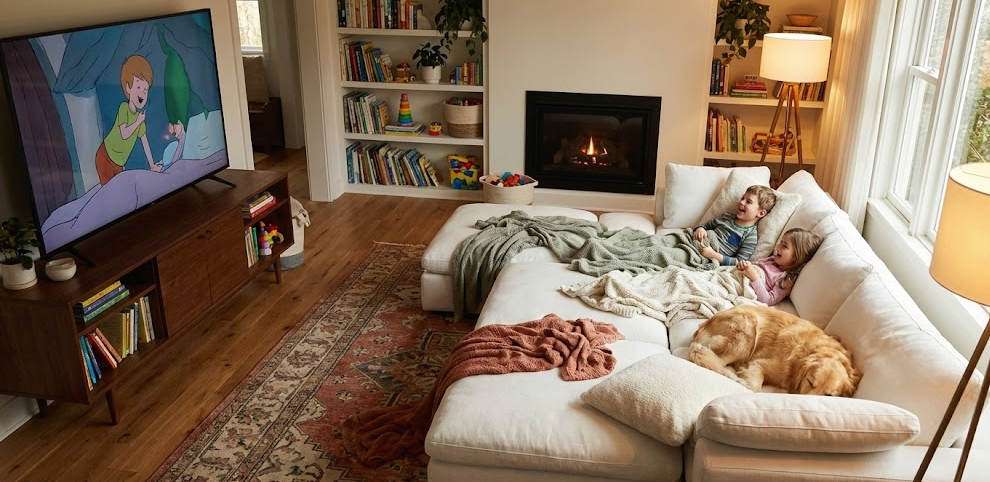
What’s up, sofa scrollers?
Let’s be real—a deep sofa is basically the difference between “we sit here” and “we actually live here.” If you’re anything like me and have ever felt like you’re awkwardly perching on the edge of a couch instead of properly relaxing, then a deep sofa is exactly what you’ve been missing.
But here’s the thing: before you hit “add to cart,” we need to talk about what “deep” actually means for your body and your space.
What Is a Deep Sofa?
A deep sofa is simply a sofa with extra seat depth, designed so you can curl up, cross your legs, or fully lean back without feeling like you’re about to slide off. Instead of making you sit bolt upright, it lets you lounge the way you actually live, especially on movie nights and lazy Sundays.
Standard vs Deep Seat Depth
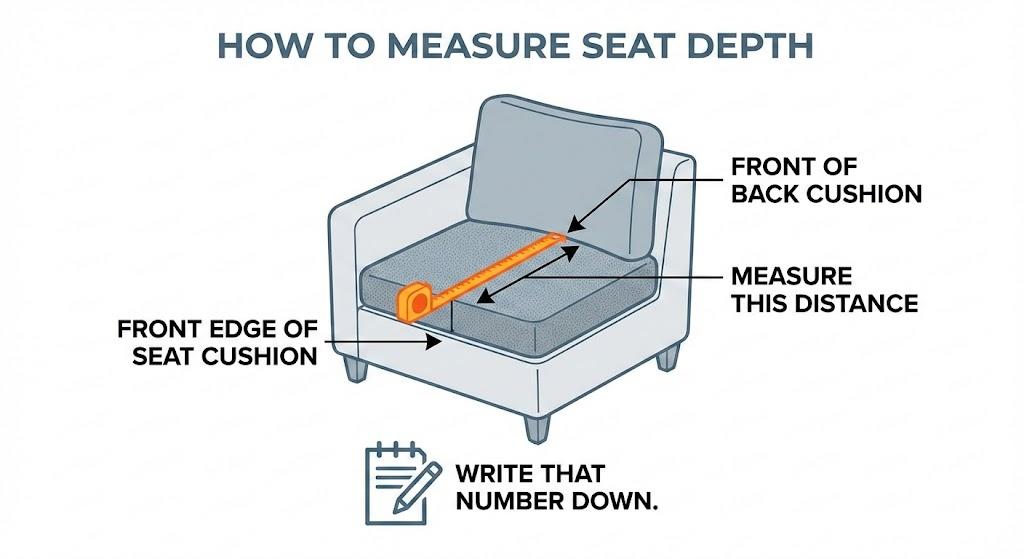
Seat depth is the distance from the front of the cushion to the back (where your lower back hits). It matters because it determines whether your feet touch the floor comfortably or you tuck your legs up.
In general:
- Standard seat depth: 20–22 inches
- Deep seat depth: 23–26 inches
- Extra-deep: 27+ inches (think: almost daybed-level lounging)
If you like to sit upright with good posture, standard often works. If you’re always pulling throw pillows behind your back so you can tuck your legs up, you’re a deep sofa person at heart. When considering fabric durability for deep sofas, remember that lounging furniture gets more daily wear than formal seating.
How to Measure Your Sofa
Measuring your current sofa helps you understand what your body actually likes, instead of guessing in a showroom.
- Measure seat depth: From the front edge of the seat cushion straight back to the front of the back cushion. Write that number down.
- Check your comfort: Sit how you normally do. Do your feet rest flat on the floor? Do you feel pushed forward? Are you constantly slouching?
- Measure your thigh-to-knee: Sit on a chair that feels good. Measure from your lower back to just behind your knees. That number (usually 18–22 inches for most adults) is a quick guide to how much support you need. For proper ergonomic guidance, the Canadian Centre for Occupational Health and Safety provides detailed recommendations on seat depth and back support.
If your current sofa depth is 21 inches and you still sit diagonally or cross-legged, jumping to a 24–26 inch deep sofa will feel like a real upgrade.
Deep Sofa vs Standard Sofa
Think of a standard sofa as your “polite conversation” seat and a deep sofa as your “no one’s judging my sweatpants” seat. Both have their place: it just depends how you actually use your living room.
Here’s how they stack up:
- Comfort: Standard is better for upright sitting: deep is better for lounging, napping, and “one more episode.”
- Space: Standard sofas usually run 35–37 inches deep overall, while deep sofas can be 40–44 inches, so they eat more floor space.
- Posture: Standard depth supports feet-on-the-floor seating. Deep depth encourages curled-up, laid-back positions.
- Look: Standard sofas feel a bit more formal. Deep sofas give a relaxed, plush, “sink-in” vibe.
If your living room doubles as a home office or playroom, a deep sofa can do double duty, work calls by day, pile-of-blankets movie fort by night. For multi-functional living spaces, consider pairing your deep sofa with a coffee table with storage to maximize functionality.
Who Should Buy a Deep Sofa?
You should seriously consider a deep sofa if your couch is less “formal seating area” and more “family crash zone.” Certain people benefit from that extra depth more than others.
Tall People (6ft+)
If you’re over 6 feet tall, a standard sofa can feel like kid furniture. Your knees shoot forward, your back loses support, and you end up slouching.
A deep sofa with 24–26 inch seat depth lets your thighs rest fully on the cushion. You can lean back without feeling like you’re sliding off, and you’re not constantly hunting for extra pillows to wedge behind you.
Finally, a sofa that fits you. Experience the Sailboat Sofa, with an adjustable backrest that opens up to a massive 33-inch seat depth—giving your long legs the full support they deserve.
Loungers & Nappers
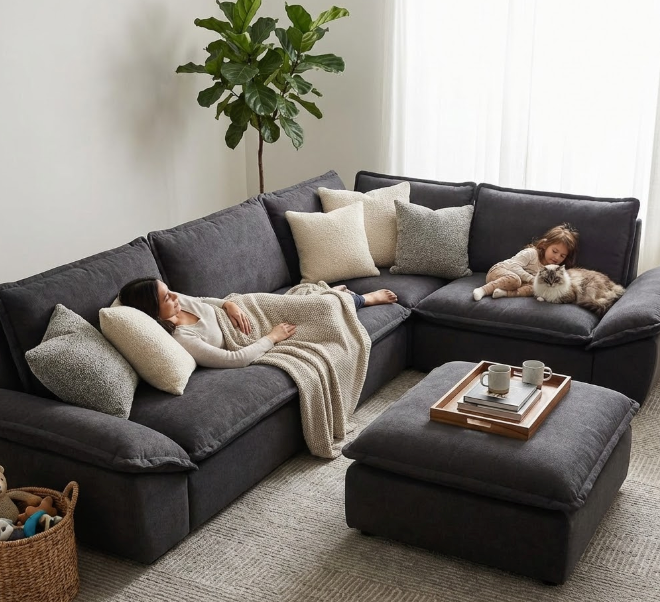
If your ideal evening involves a blanket, a show, and possibly falling asleep halfway through, a deep sofa makes that easy. You can:
- Curl up sideways without your feet hanging off.
- Stretch out with a partner or kid next to you.
- Use it as an extra guest “bed” in a pinch if you choose 27+ inch extra-deep seats.
You’re paying for usable lounging space, not just a pretty silhouette. If overnight guests are common in your home, you might also want to explore our guide on choosing the most comfortable sleeper sofa for dedicated guest sleeping solutions.
Families with Kids & Pets
Kids don’t sit like adults: they sprawl, roll, pile, and jump. Pets claim corners and armrests. A deep sofa gives everyone more actual surface area.
- Two kids can lie down side by side on a 90-inch long deep sofa.
- Pets can hog an entire cushion and you still have room.
- Bigger cushions mean fewer gaps for lost toys and crumbs.
If your living room is command central for assignments, snacking, and dog naps, a deep sofa handles the chaos with less “scoot over” every five minutes.

A deep sofa isn’t for everyone, and it’s better to know that before you haul one up the stairs.
You may want to skip a deep sofa if:
- You have a very small living room. In a compact space (say under 10×12 feet), a 42-inch-deep sofa can overwhelm the room and block walkways. For home design tips for small spaces, consider furniture arrangement strategies that maximize flow.
- You or someone in your home has mobility issues. If standing up from low, deep seats is hard, a standard depth (20–22 inches) with a firmer cushion and 18–19 inch seat height is safer and more comfortable. AARP’s HomeFit Guide offers excellent advice on choosing furniture that supports aging in place and accessibility needs.
- You host formal gatherings. Guests in dress clothes don’t always want to sink into a lounge pit. Upright seating is easier for conversation and drinks.
If you’re short (under 5’4″) and mainly sit upright, deep sofas can feel like they’re swallowing you unless you add a serious row of lumbar pillows.
Best Seat Depths by Use Case
Choosing the right seat depth for your deep sofa comes down to how you actually use it daily, not a styled photo online.
Here’s a quick guide:
- Everyday family sofa (mixed sitting + lounging): Aim for 23–24 inch seat depth. Deep enough to curl up, still comfortable for upright sitting with a throw pillow.
- Movie-night and napping sofa: Go 25–27 inches. This turns your sofa into a near-daybed, especially in a sectional.
- Small room, but you love deep seats: Look for a compact length (around 75–78 inches) but with a 23–24 inch seat depth so you get the lounge feel without dominating the room.
For most busy households, that 23–25 inch sweet spot gives you the best of both worlds: space to sprawl when you want, and enough support that you can sit through a work call without sinking into the cushions.
If you’re unsure, take five minutes to measure your current sofa, note how it feels, then add 1–3 inches. That small change can turn “nice” into “I never want to get up.”
Ready to find the one that fits your lounge style perfectly? Explore our collection of deep sofas designed for the way we actually live.
Deep Sofa FAQs
What is considered a deep sofa?
A deep sofa is defined as having a seat depth between 23 and 26 inches. Unlike standard sofas (20–22 inches), deep sofas allow you to sit cross-legged or fully recline, making them ideal for lounging rather than formal upright sitting.
What is the difference between standard vs. deep seat depth?
The main difference is the measurement from the front of the seat to the back cushion:
- Standard Sofa: 20–22 inches (Best for sitting upright with feet on the floor).
- Deep Sofa: 23–26 inches (Best for lounging and curling up).
- Extra-Deep Sofa: 27+ inches (Best for sleeping or tall individuals).
Is a deep sofa good for small living rooms?
Yes, but choose carefully. For small spaces, look for a “compact deep sofa” with a length under 78 inches but a depth of 23–24 inches. This gives you the lounging comfort without blocking walkways or overwhelming the room visually.
Who should avoid buying a deep sofa?
You should consider avoiding a deep sofa if:
- You have mobility issues: The low, deep seat makes standing up difficult.
- You are under 5’4″: Your feet may not touch the floor, causing back strain.
- You prefer formal hosting: Guests may feel awkward “sinking” into the furniture during conversation.
Do deep sofas hurt your back?
Not if matched to your height. However, a deep sofa can cause back pain if the seat is too deep for your legs (causing you to slouch) or if the cushions are too soft. To prevent this, use sturdy lumbar pillows to shorten the depth when you need to sit upright.


