 By Charles
You’ve probably felt it: that sofa that looks amazing online but, once it’s in your living room, either swallows you whole or keeps you perched on the edge. This sofa seat depth guide is here to save you from that. When seat depth matches your body and how you actually live, you sit longer, slump less, and spend a lot less time regretting your purchase.
How Is Sofa Seat Depth Measured Correctly?
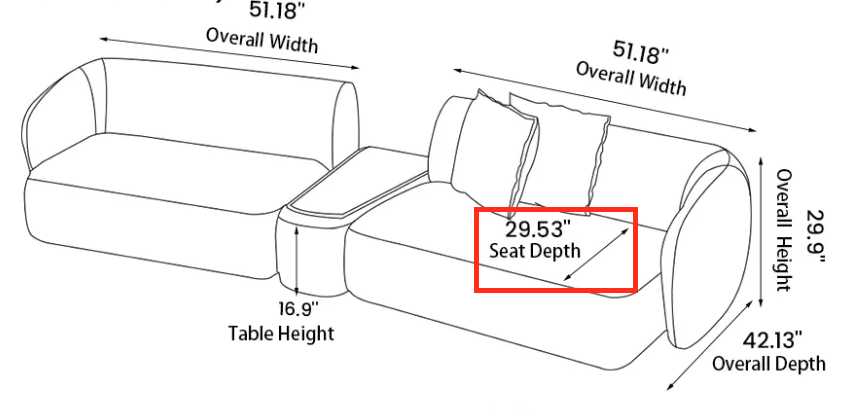
Sofa seat depth sounds simple, but different brands measure it differently, which is how you end up surprised on delivery day. Getting the measurement right helps you predict whether your feet will touch the floor, if you’ll need an extra pillow, and how comfortable your lower back will feel.
The correct way to measure seat depth is from the front edge of the seat cushion straight back to the front of the back cushion (or the backrest if there’s no loose cushion). That number, usually between 20″ and 26″, tells you how much space your thighs and hips actually have. For a complete guide on taking accurate furniture measurements, see our detailed article on how to measure for a sofa.
If you’re checking a sofa in a showroom, sit all the way back, then slide your hand between the back of your knee and the cushion edge. You want about 1–2 inches of space. More than that and you’ll either slouch or tuck your legs under you all the time.
Do Back Cushions Change the Real Measurement?
Yes, back cushions absolutely change how deep the sofa feels, even if the frame dimension stays the same. A sofa that’s 25″ deep at the frame can sit more like 22″ if the back cushions are very full.
Think of it this way: loose, overstuffed cushions = shallower usable depth: slim, tight-back design = deeper usable depth. When you read specs, look for both “overall seat depth” and “usable depth” if the brand provides it. If they don’t, assume you’ll lose 1–3 inches of depth once cushions are in place, especially on plush, lounge-style sofas.
For busy households with kids or pets that squash cushions over time, expect the usable depth to increase slightly as cushions soften and compress. That’s another reason to choose a depth that feels right now, not one you hope to “grow into.”
Why Does Incorrect Depth Cause Back Pain?
If your sofa seat depth is off, your body will tell you, usually through an aching lower back or tight hips after movie night. The problem isn’t just “bad posture.” It’s that the sofa forces your body into angles that fight your spine’s natural curve.
When a seat is too deep for you:
- Your feet lose contact with the floor.
- Your pelvis tilts backward.
- Your lower back rounds and you end up slouching.
That repeated slouching compresses discs and strains muscles. Studies on seating ergonomics show that unsupported lower backs increase spinal pressure by up to 40% compared to neutral sitting.
When a seat is too shallow:
- Your thighs aren’t fully supported.
- Pressure shifts to a smaller area under your sit bones.
- You tend to perch on the edge, which tires your core and hips.
If you already have mild back issues from long workdays or parenting marathons, the wrong depth just amplifies them. Choosing the right depth is one of the easiest ways to turn your sofa into a recovery zone instead of another source of stress on your body. For specific recommendations on ergonomic seating, explore our guide on choosing the best sofa for back pain.
Which Wins: Standard 21″ or Deep 24″ Seats?
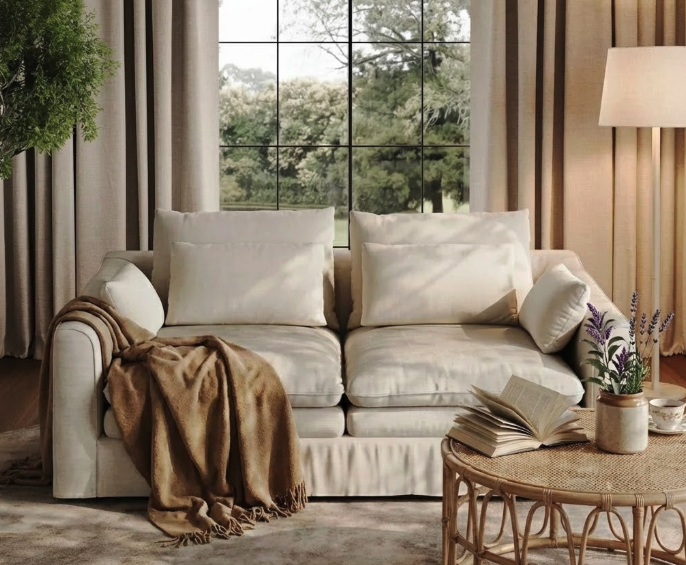
Most sofas for US homes land around two common depths: standard (about 20–22″) and deep (about 23–26″). Your winner depends on how you actually sit: upright and chatty, or curled up with a blanket and a show.
Before you compare, it helps to know what each depth does well. Standard depths tend to support your back better for active sitting, while deeper seats are lounge champions for sprawling and napping. To understand the terminology better, check out our comparison of sofa vs loveseat vs couch to clarify which seating option works best for your space.
For quick reference, here’s how they stack up in everyday use:
A standard 21″ seat works best when you want your feet flat on the floor, your back supported, and your posture reasonably upright. It’s often the safer choice for shorter adults, guests of different sizes, and more formal living rooms where you host rather than nap.
A deep 24″ seat shines in family rooms where you:
- Watch long movies.
- Sit sideways or cross‑legged.
- Pile on with kids, pets, and snacks.
In my experience testing different depths, busy households usually favor deeper seats in the main TV room and keep standard-depth sofas or accent chairs in a separate sitting area. If you only have space for one main sofa, aim for a middle ground around 22–23″, deep enough to curl up, not so deep that anyone under 5’5″ feels swallowed.
What Depth Fits Your Height? (Quick Reference Chart)
Your height is the most reliable clue when choosing sofa seat depth. The goal is simple ergonomics: you want your knees at roughly 90 degrees and your feet flat on the floor, while your back rests fully against the cushions.
Use this chart to find your starting baseline, then adjust based on how you like to sit:
| Your Height | Recommended Seat Depth | Adjustment Tips |
| 5’0″ – 5’4″ | 19″ – 21″ | Go shallower (19-20″) if you prefer sitting upright with feet firmly on the floor. Add a lumbar pillow if you fall in love with a deeper sofa. |
| 5’5″ – 5’8″ | 20″ – 22″ | The “Goldilocks” zone. 21″ is the industry standard that fits most people in this range comfortably for both chatting and relaxing. |
| 5’9″ – 6’0″ | 21″ – 23″ | Lean towards 22-23″ if you have long legs. A standard 21″ seat might feel like a waiting room chair unless you plan to slouch. |
| 6’1″ – 6’2″+ | 22″ – 25″ | Don’t go below 23″. You need the extra depth to fully support your thighs. Look for “deep seat” or “lounge” collections. |
Pro Tip for Couples:
If you and your partner are vastly different heights, don’t compromise on a depth that fits neither of you. Instead, look for a modular sofa with a chaise. Shorter people naturally gravitate toward the chaise (where depth matters less), while taller people can claim the deeper corner sections.
How to Test Before You Buy:
- Find a Chair: Grab a dining chair that feels comfortable.
- Measure It: Measure from the front edge of the seat to the backrest.
- Adjust:
- Add 1–2 inches to that number if you prefer to lounge, curl up, or nap.
- Subtract 1 inch if you strictly use this room for formal hosting or upright sitting.
Shop by Seat Depth: Three Practical Starting Points
Once you know your preferred seat depth, use that number to narrow the search. These three sofas show the difference between a moderate everyday seat, an adjustable-depth design, and a true extra-deep lounging sofa.
Benjamin Power Reclining Loveseat
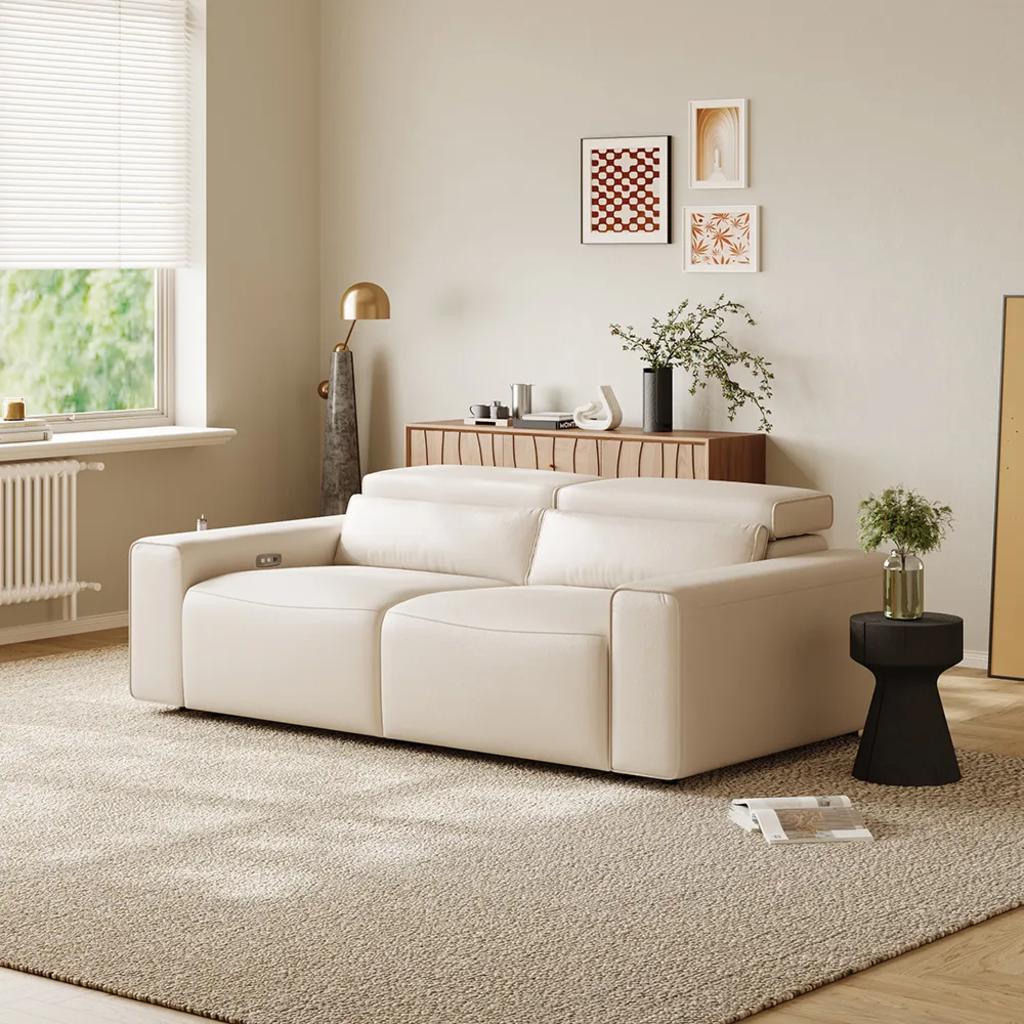
A moderate-depth power loveseat balances upright support with powered reclining, making it easier to switch between sitting and lounging.
👍 Best for: Balanced everyday sitting and lounging
✨22.44-inch moderate seat depth
✨Powered reclining up to 135°
✨Adjustable fold-down headrests
✨Water-resistant performance leather
🎯 Features
For shoppers who find extra-deep sofas difficult to sit upright in, Benjamin keeps the fixed seat at 22.44 inches while adding powered recline for more relaxed positions. The depth falls directly within this guide’s moderate range, so buyers can gain reclining flexibility without starting from an oversized lounge seat. Adjustable head support further changes the sitting position, making Benjamin a practical middle-ground choice for everyday seating and relaxation.
🗨️ Buyer Review
“The seats are firm yet, comfortable and not too deep.” — Jarvie
Hudson Sailboat Deep Sofa
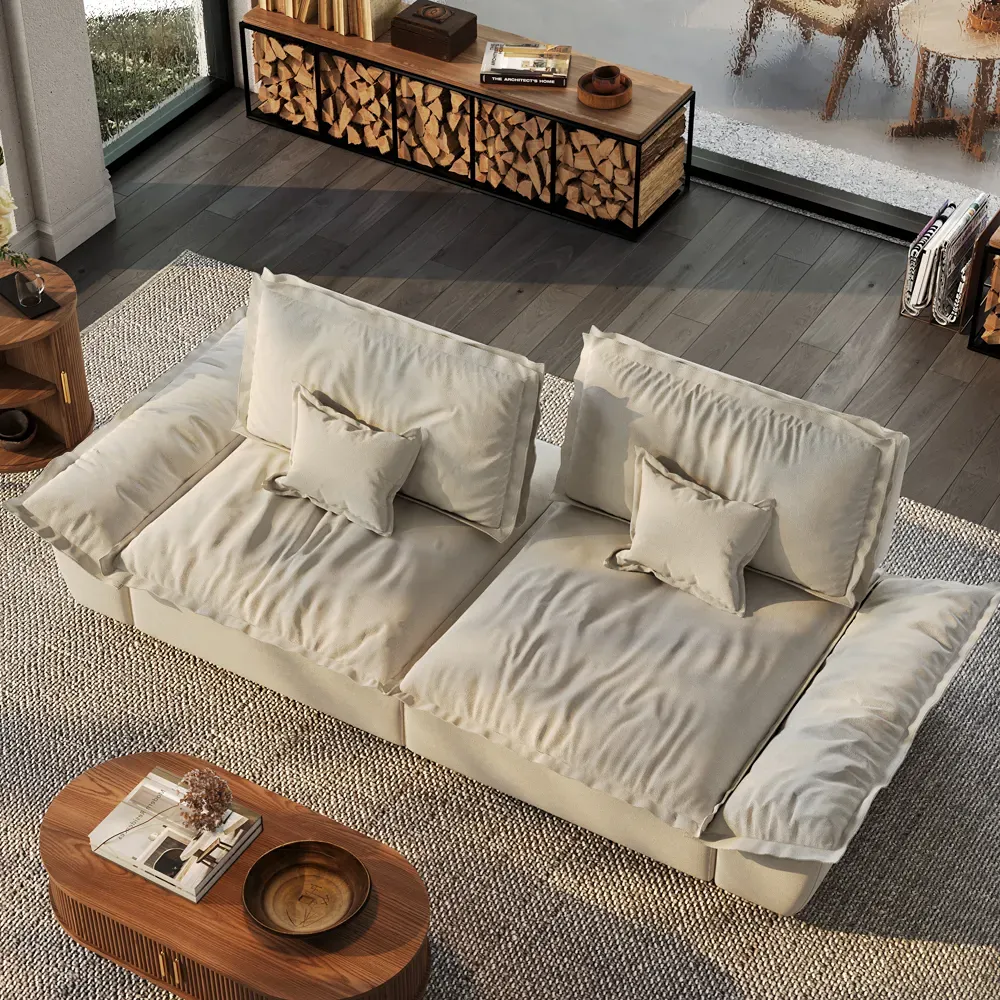
An adjustable backrest shifts usable seat depth from moderate to extra-deep, giving one sofa more flexibility for changing lounge positions.
👍 Best for: Changing sitting and lounging preferences
✨22.83–33.46-inch adjustable seat depth
✨Retractable backrests change usable depth
✨Water-resistant pet-friendly suede fabric
✨1,000-lb listed weight capacity
🎯 Features
Hudson suits buyers who are unsure how deep they want to sit throughout the day. Moving the backrest changes usable depth from 22.83 inches for a more conventional position to 33.46 inches for deeper lounging. That range avoids locking the room into one fixed extra-deep setup while still giving plenty of space to stretch out. It is especially relevant to this guide because seat depth itself becomes adjustable rather than a permanent buying decision.
🗨️ Buyer Review
“Fabric is soft and the couch is very comfortable.” — Thomas
Silva Orange Velvet Tufted Sofa
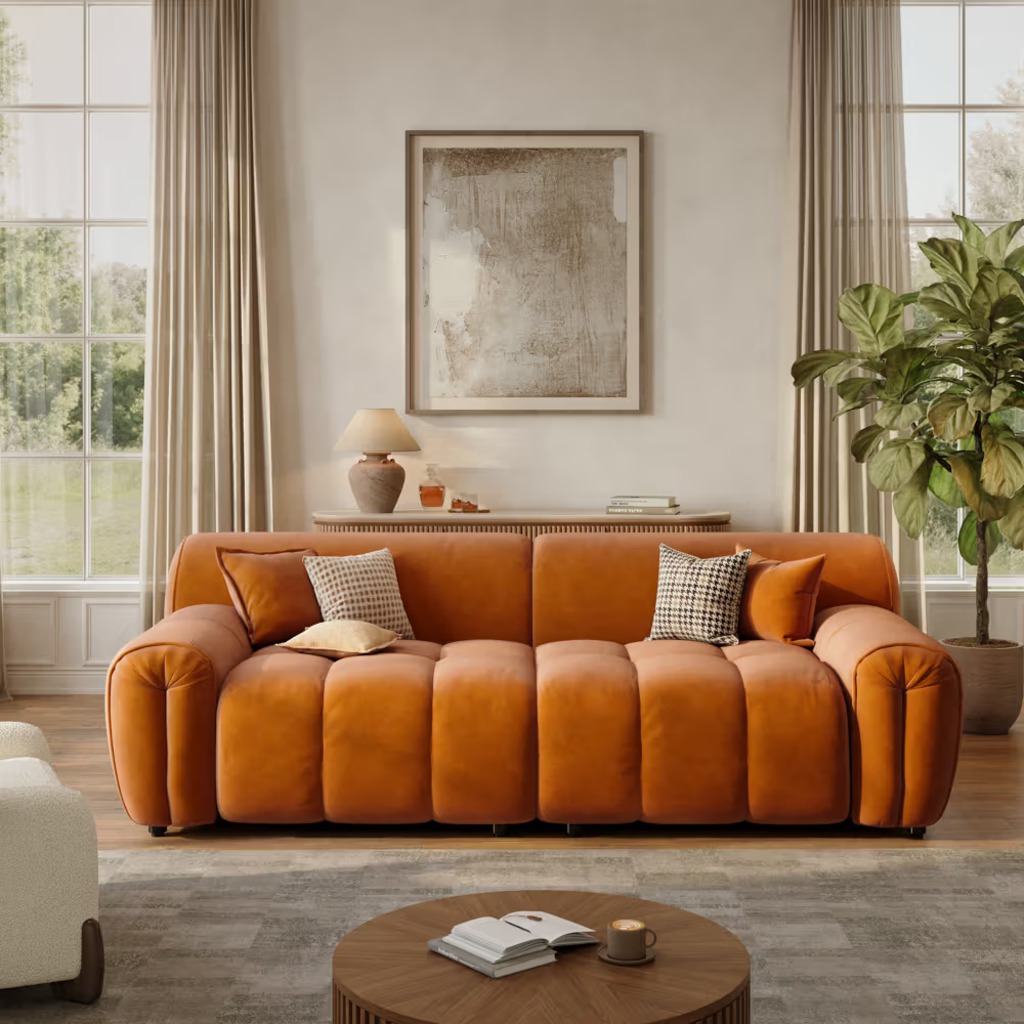
A fixed 29-inch deep seat creates a lounge-first setup for buyers who already know they prefer extra-deep seating.
👍 Best for: Buyers committed to extra-deep lounging
✨Fixed 29-inch extra-deep seat
✨Water-resistant velvet upholstery
✨Hand-tufted cushioned construction
✨Wide rounded armrests
🎯 Features
Silva is the deliberate extra-deep option rather than a default choice for upright sitting. The 29-inch seat leaves substantially more room for curling up, sitting cross-legged, or stretching out than the moderate-depth options above. Multi-layer cushioning supports the lounge-first format, while water-resistant velvet makes the upholstered surface more practical for everyday use. For readers who have already decided that deeper seating matches their preferred posture, Silva provides the clearest fixed-depth answer.
🗨️ Buyer Review
“Soft to the touch, firm yet pillowy when you sit. Beautiful.” — Charles
Who Should NOT Buy Deep Seat Sofas?
For some people, deep seats are more trouble than they’re worth. If you fall into any of these groups, you’ll likely be happier with a moderate or standard depth.
If you’re wondering whether deep seats will frustrate you, think about your back, your space, and how often you host guests who sit upright rather than lounge.
You should skip deep sofas if you:
- Are under 5’4″ and dislike using extra pillows.
- Have chronic lower-back pain that flares when you slouch.
- Prefer formal seating for conversation or work calls.
- Have a narrow living room where deep seats crowd pathways.
For you, a supportive 20–22″ sofa plus one deep lounge chair or chaise often hits the sweet spot. You can still stretch out when you want, without committing your entire room to giant cushions.
Which Depth Suits Napping vs. Formal Sitting?
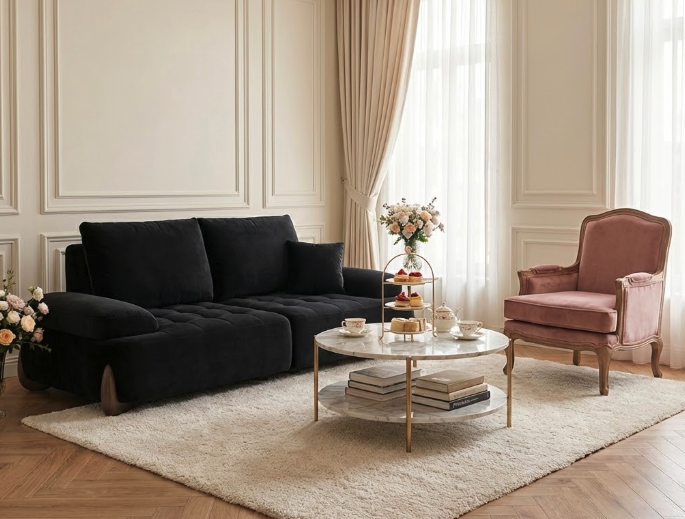
Depth isn’t just about height: it’s about how you use your sofa day to day. The best depth for your home comes down to one question: is this primarily a napping zone, a conversation spot, or something in between?
For napping and lounging, deeper seats around 23–26″ give you room to curl up, tuck your legs, or lie sideways without feeling like you’re falling off. Add a chaise or a double‑wide seat and you’ve basically got a weekday-friendly daybed.
For more formal sitting, think book club, in‑laws visiting, Zoom calls, you’ll want 20–22″ so people can sit upright and stand up easily without scooting forward. Guests shouldn’t need to wrestle with throw pillows just to find a stable position.
If this sofa is doing both jobs, aim for:
- Depth around 22–23″.
- Medium-firm cushions so you don’t sink too deep.
- A mix of supportive back pillows and a few softer throw pillows.
You can then “tune” the depth per person: kids and shorter guests add a lumbar pillow, taller loungers toss pillows aside and stretch out. Pairing the right depth with easy-clean fabrics (like performance polyester or treated linen) also means you won’t stress about naps with a dog or a toddler and a juice box.
Sofa Seat Depth Guide: Frequently Asked Questions
What is sofa seat depth and how do you measure it correctly?
Sofa seat depth is the distance from the front edge of the seat cushion to the front of the back cushion or backrest. Use a tape measure along the seat’s surface, front to back. Most sofas fall between 20″ and 26″ of depth, which determines how your thighs and hips are supported.
How does the wrong sofa seat depth cause back pain?
If a sofa is too deep, your feet may not touch the floor, your pelvis tilts back, and your lower spine rounds into a slouch, increasing spinal pressure. If it’s too shallow, your thighs aren’t fully supported and you perch on the edge, straining hips, core, and lower back over time.
What sofa seat depth is best for my height?
As a quick sofa seat depth guide: if you’re around 5’0″–5’4″, look for 19–21″; 5’5″–5’8″, choose 20–22″; 5’9″–6’0″, aim for 21–23″; and 6’1″–6’2″+, target 22–25″. You should be able to sit with feet flat, knees near 90 degrees, and your back touching the cushions.
Should I choose a standard 21″ seat or a deep 24″ seat?
Standard depths around 20–22″ are better for upright sitting, mixed-height guests, and more formal living rooms. Deep seats around 23–26″ are ideal for lounging, napping, and curling up sideways with kids or pets. If you need a compromise, 22–23″ usually balances support with room to sprawl.
Can I make a too-deep sofa more comfortable without replacing it?
You can improve a too-deep sofa by adding firm lumbar pillows or a thick back cushion layer to shorten the usable seat depth. A footstool or ottoman helps shorter sitters keep feet supported. Seat wedges or folded blankets under the back cushions can also bring your hips further forward.
These fixes can shorten the usable depth, but if you still cannot sit back comfortably with your feet supported, compare replacement sofas using the seat-depth range that worked best for you. Check the published seat depth, not just the sofa’s overall front-to-back dimension.
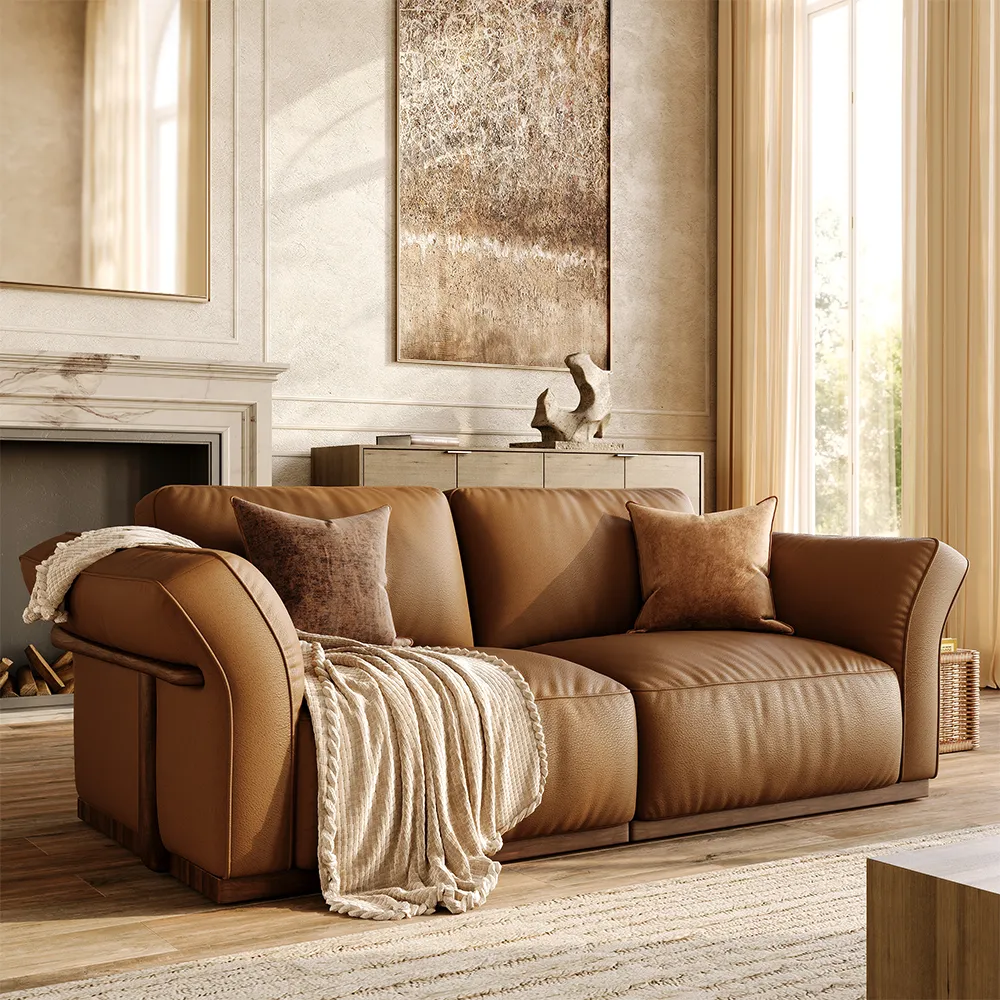
Find a Sofa That Fits the Way You Sit
Compare moderate, deep, and adjustable seating for upright sitting, lounging, and everyday flexibility.


