 By Jenny Smith
A slow Saturday afternoon, iced coffee on the table, kids or pets padding across the deck — that’s the outdoor space you’re trying to build. Now picture two versions of it: one with sturdy, sustainable furniture that still feels solid ten summers from now, and one with a wobbly bargain set that fades, cracks, and ends up on the curb after two seasons. When you ask “what is the best material for outdoor furniture?”, you’re really asking about durability, comfort, and environmental impact — not just looks. In this guide, you’ll see how common materials perform outdoors, which ones work best for sustainable furniture, and a simple checklist to match them to your climate and lifestyle.
Why Material Choice Matters for Sustainable Outdoor Furniture
From Throwaway Sets to Long-Term Sustainable Furniture
Most “fast furniture” patio sets are not designed to last. They rust, sag, or peel after a couple of seasons, and then need to be replaced, repackaged, and shipped all over again. In the U.S. alone, EPA data cited by waste researchers shows that furniture waste reached about 12 million tons a year, with roughly 80% going to landfill. (Recycle Track Systems) Choosing long-lived materials means you buy once, not every few years — and that’s one of the greenest things you can do.
Durability, Maintenance, and Environmental Footprint
A material that survives rain, sun, and spilled sangria without constant repair is usually also better for the planet. Well-made hardwood or metal outdoor furniture can last 15–25 years or more with basic care, while cheap softwoods or thin plastic may crack, warp, or loosen within 2–5 years in harsher climates. Long lifespans mean fewer raw materials, less transport, and less waste over the life of your outdoor space.
Health and Safety: Finishes, Off-Gassing, and Kids & Pets
Even though your outdoor set lives outside, cushions, benches, and storage pieces still affect the air right next to your home — and sometimes indoors when you bring them in for winter. Studies summarized by the U.S. EPA show that some indoor air pollutants, including VOCs from paints and finishes, can be 2–5 times higher indoors than outdoors, and people spend about 90% of their time inside. (US EPA) To keep that air healthier for kids and pets — and to move toward truly pet-friendly furniture — look for FSC-certified wood with water-based or low-VOC finishes, cushions made with CertiPUR-US®, OEKO-TEX®, or similar non-toxic standards, and avoid furniture that has a strong chemical smell that never really fades.
Best Sustainable Materials for Outdoor Furniture (and Why)
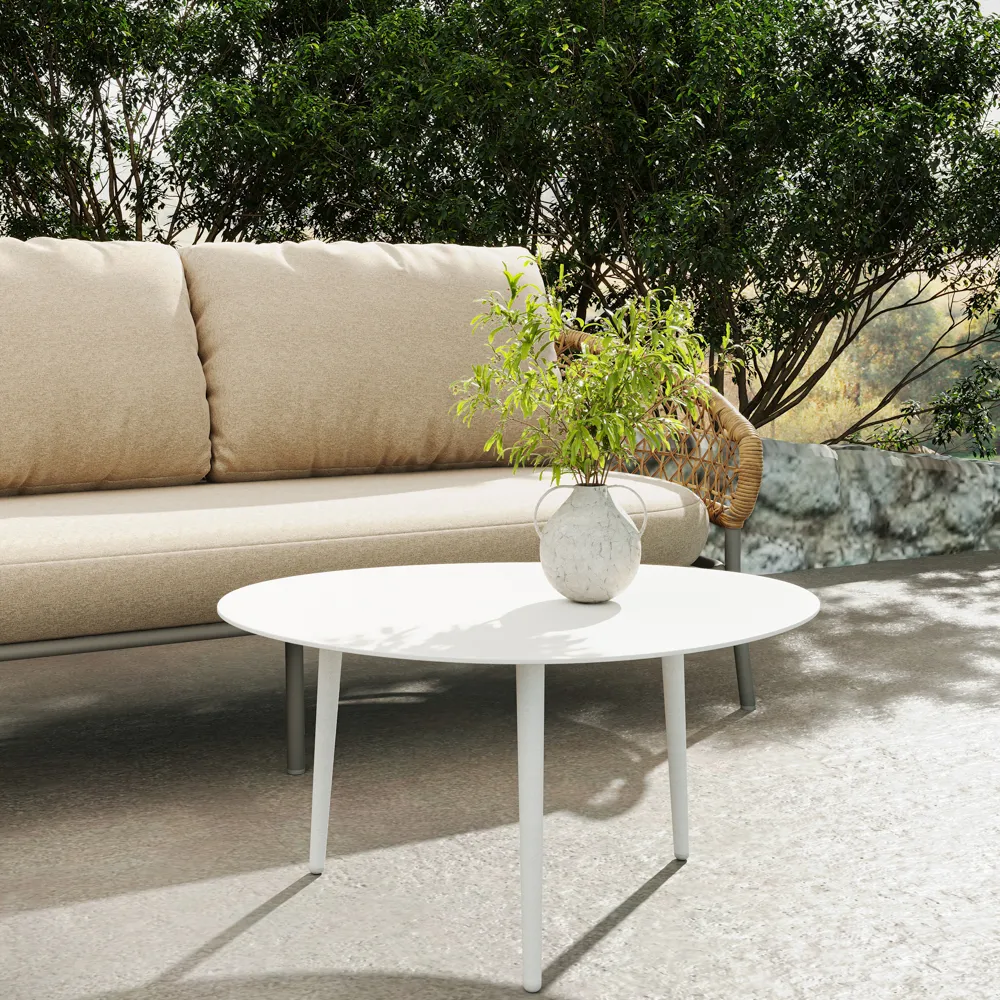
Even though there’s no single “perfect” answer to what is the best material for outdoor furniture, some materials clearly stand out when you care about both longevity and sustainability. Certified hardwoods, recycled or recyclable metals, reclaimed wood, and high-quality recycled plastics (like HDPE) generally offer the best balance of durability and lower impact compared with cheap softwoods or thin, non-recyclable plastic. Globally, forests cover roughly 30% of the world’s land area and store an estimated 283 billion tons of carbon in their biomass (FAO data via FSC), so choosing wood from responsibly managed, certified forests really does matter for climate as well as style.
| Material | Sustainability Advantage | Best For |
| FSC-certified teak / other hardwoods | Long life, renewable resource, verified forest management | Classic decks, dining sets, high-use patios |
| Recycled / recyclable aluminum or steel | Highly recyclable, very long lifespan | Modern spaces, mixed sun and shade |
| Reclaimed wood | Gives existing timber a second life, unique character | Rustic porches, statement benches or tables |
| Recycled HDPE (poly lumber) | Made from waste plastic, extremely weather-resistant | Low-maintenance family spaces and pool areas |
FSC-Certified Teak and Other Responsible Hardwoods
Teak has a reputation as one of the best materials for outdoor furniture for a reason: its dense grain and natural oils help it resist rot, insects, and moisture without heavy chemical treatments. Over time it weathers into a soft silver, which many people love, though you can keep the golden tone with occasional oiling. To make your wooden furniture truly sustainable, look for FSC or PEFC certification so you know the timber comes from responsibly managed forests. If teak is out of budget, options like FSC-certified acacia or eucalyptus give you a similar warm look at a more accessible price, with slightly more maintenance.
Recycled & Recyclable Metals (Aluminum and Steel)
Aluminum and steel are excellent choices for sustainable furniture when they’re designed to last. Aluminum is lightweight, naturally corrosion-resistant, and easy to move around; powder-coated steel feels solid and stable, ideal for windy balconies or larger tables. From a sustainability perspective, metals can be recycled again and again without losing quality. Industry data shows that producing recycled aluminum uses around 95% less energy than making primary aluminum, which also means a much lower carbon footprint over the product’s life (International Aluminium Institute).When you shop, look for mentions of recycled content, durable powder-coated finishes, and brands that offer spare parts or hardware so you can repair instead of replace.
Reclaimed Wood and Recycled Plastic (HDPE) Options
Reclaimed wood gives your outdoor space a “story” and keeps old beams, floorboards, and offcuts in use instead of in a landfill. Small variations, nail marks, or patched areas turn a simple bench into a character piece while still being strong and functional. Recycled plastic furniture, usually made from HDPE, takes post-consumer waste like milk jugs and detergent bottles and turns them into “poly lumber” chairs and tables that shrug off rain, sun, and snow. In my experience, a recycled-plastic Adirondack chair is the one piece everyone fights over because it’s comfortable, stable, and you never worry about splinters. For busy households with kids, pets, and pool days, this combination of low maintenance and high durability is hard to beat.
How to Choose the Best Material for Your Outdoor Space
Match the Material to Your Climate (Sun, Rain, Snow, Coast)
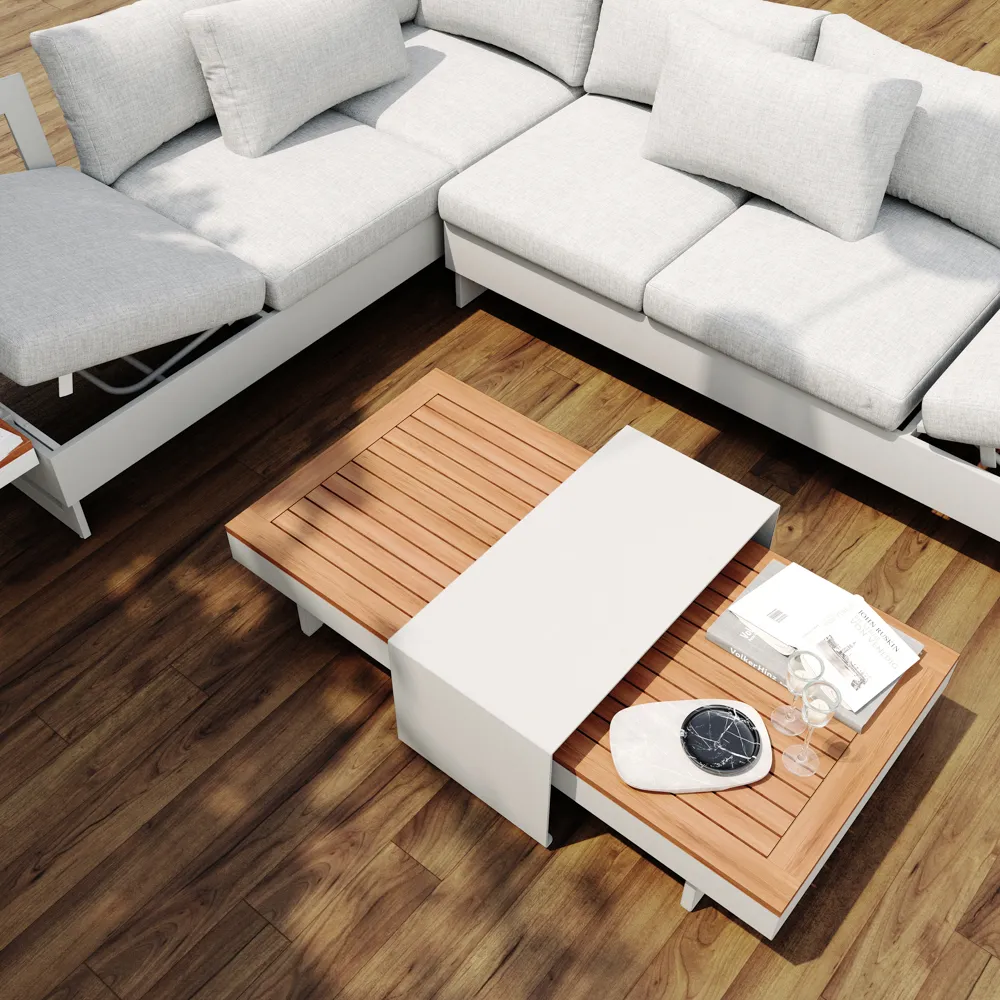
Start with your weather. In hot, high-UV climates, UV-stable resin, HDPE, and teak do better than softwoods or cheap plastics that crack and fade. In rainy or snowy regions, look for fast-drying slats, breathable cushions, and rust-resistant aluminum or well-protected steel. Coastal homes need extra protection: marine-grade stainless hardware, powder-coated metal, and naturally durable woods like teak help resist salt spray. Imagine a small balcony that bakes every afternoon — that’s where a slim aluminum set with a recycled-plastic top will stay comfortable and low-maintenance for years.
Comfort, Style, and How You Actually Use the Space
Then zoom in on lifestyle. If you love long dinners outside, prioritize ergonomic chairs and cushions with removable, washable covers. For a reading corner, a deep lounge chair in wood or poly lumber with a soft cushion might beat a metal bistro set. Think about how fabrics and colors fit your style, but also check for outdoor-rated textiles like solution-dyed acrylic or recycled polyester that resist fading and mildew.
Sustainability Checklist When Shopping for Outdoor Furniture
Go Beyond the Label – Certifications, Finishes, and Fabrics
Use this quick checklist while you’re scrolling or walking a showroom:
- Wood: FSC or PEFC certification, plus clear information about species and origin.
- Metals: Mention of recycled content or recyclability, and durable powder-coat or galvanized finish.
- Plastics: HDPE or clearly labeled recycled plastic, with UV-stable pigments and take-back or recycling info.
- Finishes: Water-based or low-VOC, ideally with third-party labels like GREENGUARD Gold where available.
- Fabrics & cushions: Outdoor-rated, with OEKO-TEX® or similar safety certifications and removable covers.
- Design details: Replaceable parts, standard hardware, and clear care instructions to extend lifespan.
Choosing Responsible Brands and Circular Design
Beyond materials, look at how the brand behaves. Do they share where their wood comes from and which certifications they hold? Do they offer spare parts, replacement cushion covers, or repair instructions, so you can fix instead of toss? Some companies are starting to offer take-back programs or partner with recyclers, closing the loop on metals and plastics. For example, Povison offers furniture made with FSC-certified wood and sofas upholstered in OEKO-TEX® certified fabrics, so both the structure and the soft surfaces follow stricter standards for safety and sustainability. When you support these “circular” practices and certification-led brands, your purchase becomes part of a system that uses resources more than once.
Conclusion – Choosing the Best Outdoor Furniture Material Once, Not Twice
If you care about sustainability, the “best material for outdoor furniture” is the one that lasts in your specific climate, feels good to use, and comes from a responsible source. That often means FSC-certified hardwoods, recycled or recyclable metals, reclaimed wood, and high-quality recycled plastics like HDPE. When you combine these materials with thoughtful design and low-VOC finishes, you’re not just decorating a patio — you’re making a long-term, low-waste choice for your home and for the planet.
FAQs About the Best Material for Outdoor Furniture
Is Wood or Metal Better for Outdoor Furniture?
Neither is automatically better; it depends on your climate and how much maintenance you’re willing to do. Wood (especially teak or other hardwoods) feels warm and natural but needs periodic cleaning and care. Metal is usually lower maintenance and more slim-lined in small spaces, but can get hot in full sun and needs a good finish to prevent rust.
Are Plastic Outdoor Chairs Ever a Sustainable Choice?
Yes — if they’re made from high-quality, recycled plastic like HDPE and designed to last many years. A sturdy recycled-plastic chair that survives a decade of summers is far more sustainable than a cheap, brittle one that cracks after two seasons. Look for information about recycled content, UV resistance, and whether the piece can be recycled again at end of life.
How Long Should Quality Sustainable Outdoor Furniture Last?
With normal use and basic care, quality sustainable outdoor furniture often lasts 10–20 years or more. Hardwood and well-protected metal frames can stay structurally sound for decades, while good HDPE and resin pieces typically hold up for at least 10–15 seasons. Check warranties, care instructions, and reviews — they’re a good reality check on how long a set truly lasts outdoors.


Such a great point about matching furniture materials to your climate! Living in a coastal area, I’ve found that some materials really don’t hold up to the salty air. This is a great guide for people like me who need furniture that will survive the elements.