 By Jenny Smith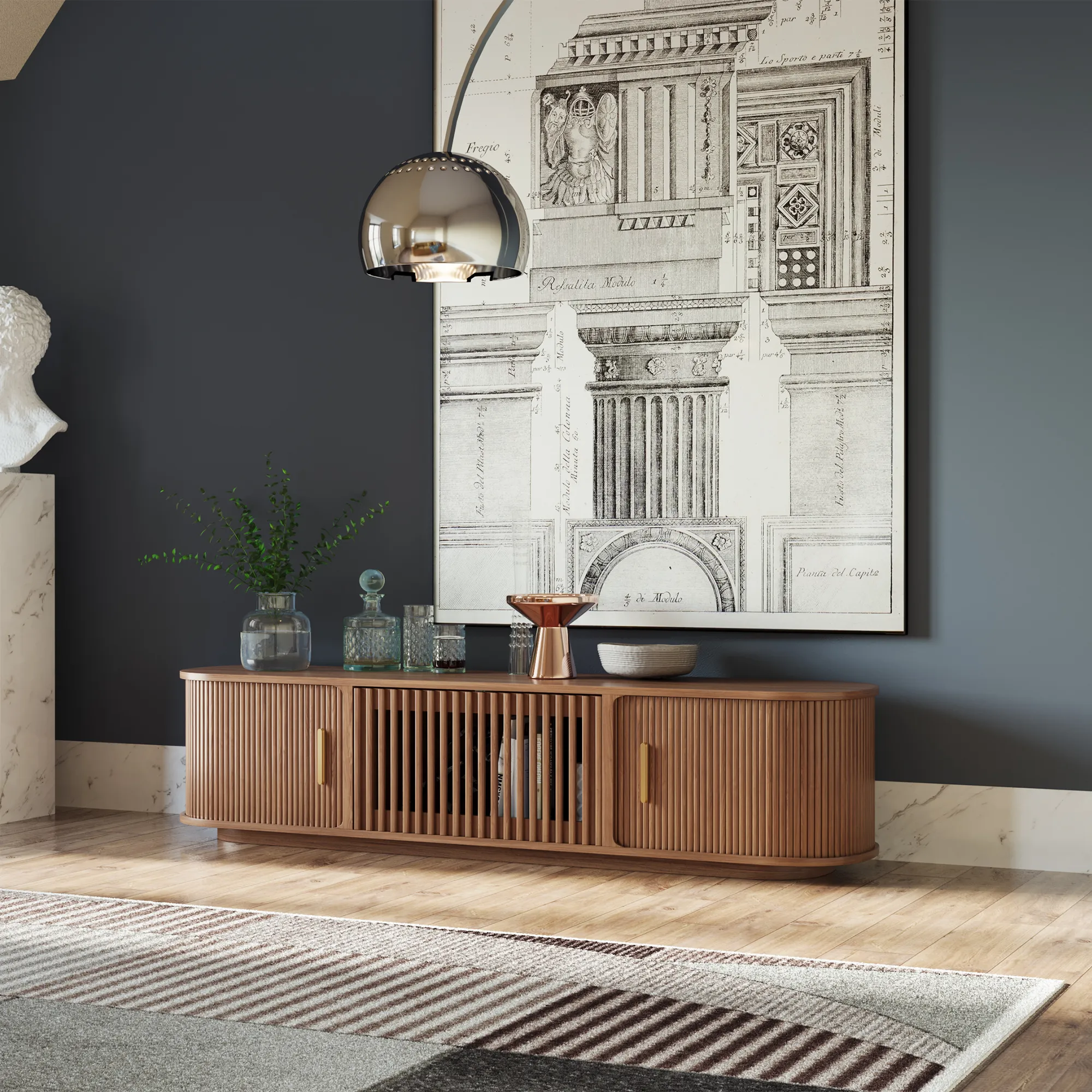
Retro style furniture lets you bring color, character and stories into a modern home. Instead of a room that feels like it came out of a box, you get pieces that look lived-in, playful and warm. In this guide, you’ll learn what “retro,” “vintage” and “antique” really mean, how to choose the right era for your space, and how to shop smart—online or offline—without wasting money. By the end, you’ll feel confident building a retro-inspired home that still works for real life.
Table of Contents
Why Retro Style Furniture Is Back in a Big Way
Retro style furniture taps into nostalgia. A low walnut sideboard or a 70s bar cart doesn’t just “fill space”—it reminds us of childhood homes, grandparents’ dining rooms, or favorite movies. At the same time, these pieces fit beautifully into modern interiors: clean-lined sofas, slim tapered legs and rounded silhouettes keep a room feeling light instead of heavy. There’s also a sustainability bonus. The U.S. EPA estimates that around 12.1 million tons of furniture and furnishings entered the waste stream in 2018, with about 80% landfilled—choosing retro and vintage furniture helps slow that down.
Beyond nostalgia and sustainability, mid-century–inspired retro style is simply in demand again. Design editors report that 1960s trends like sculptural curved furniture, bold geometric patterns and retro color palettes are making a strong comeback as people seek warmer, more personality-driven homes. (Good Housekeeping)
Retro, Vintage, Antique & Repro – What’s the Difference?
Before you shop, it helps to know what sellers actually mean by retro, vintage, antique and reproduction. Those labels affect price, quality and how much care a piece may need.
| Term | Age / Origin | What It Really Means | Typical Look | Best For |
| Retro style furniture | New or old, inspired by 1950s–1990s | Design echoes mid-century, space-age, 70s lounge or playful 80s/90s forms | Clean lines, tapered legs, geometric patterns, bold or earthy colors | People wanting a fun, modern-feeling home with a nostalgic twist |
| Vintage furniture | Usually 20–100 years old | Original pieces from their era, including true mid-century and Danish modern | Real wood, period hardware, patina and wear | Collectors or anyone who loves authentic history |
| Antique furniture | 100+ years old | Often ornate, traditional styles with detailed craftsmanship | Carved legs, rich woods, classic silhouettes | Historic homes, statement pieces, heirloom feel |
| Reproduction / “retro look” furniture | Brand-new | New items made to mimic older styles—often called “mid-century style furniture” or “furniture retro style” | Fresh finishes, modern sizing, stable construction | Easiest way to give your home a retro vibe with fewer risks |
Reproduction and other “retro look” pieces are usually the fastest way to get a room to feel retro without hunting for months or dealing with repairs.
Step 1 – Define Your Retro Look, Space & Lifestyle
Pick Your Era and Mood
Each decade brings a different flavor of retro style furniture. The 1950s and early 60s lean mid-century modern: warm woods, slim legs, organic curves. The late 60s and 70s feel more relaxed, with low lounge chairs and earthy oranges, browns and greens. The 80s–90s bring bolder silhouettes, high contrast colors and glossy finishes. Decide how you want your home to feel—cozy and warm, clean and minimalist, bold and artistic, or eclectic and mismatched—and let that mood guide your color palette and shapes.
Decide Your Retro–Modern Mix
Most homes look best with a mix of retro and modern rather than going “full time capsule.” A helpful rule is the 80/20 mix: about 20% of your furniture as strong retro pieces, and 80% as calm, modern basics. For example, you might pair a mid-century style TV stand and a retro lounge chair with a simple contemporary sofa and neutral rug. Rooms that feel like movie sets—everything strictly one era—can be fun but hard to live in; a balanced mix keeps your space timeless while still clearly leaning into furniture retro style.
Measure First, Shop Second
Retro and vintage furniture can be surprisingly deep, low or heavy, so measuring is non-negotiable. Note the length, depth and height of your room, plus doorways, hallways, stairs and elevator openings. For comfort, leave at least 30 inches (about 75 cm) of walking space in main paths, 18 inches between a coffee table and sofa, and 24 inches around a dining table where chairs pull out. When I helped a friend pick a 70s-style sideboard, we taped its footprint on the floor first—saving her from buying a gorgeous piece that would have blocked a closet door.
Match Furniture to Your Lifestyle
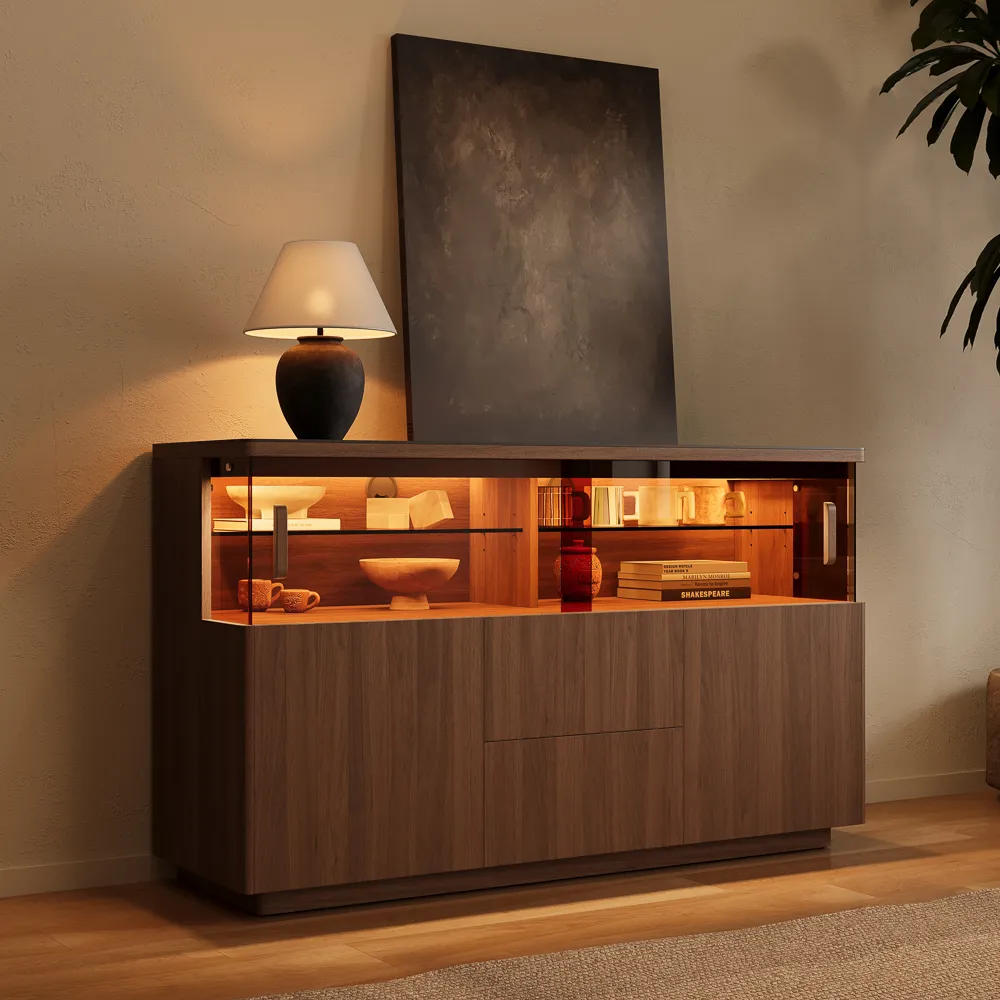
Think about who actually uses the space. If you have kids or pets, look for rounded corners, sturdy frames and upholstery you can spot clean—pet- friendly fabrics like performance polyester or leather age better than delicate vintage weaves. Renters might prefer lighter pieces and smaller retro coffee tables that can move easily, while homeowners may invest in heavy solid-wood credenzas. Smart storage is your friend: nesting tables, retro bar carts and classic mid-century sideboards hide clutter while still looking stylish.
Step 2 – Choose Between Retro, Vintage & Reproduction
Start by deciding whether you want retro style furniture and reproductions to be the foundation of your home, with vintage or antique pieces as the “icing on the cake.” True vintage furniture and antiques are unique and full of character, but they may need cleaning, repairs or even full restoration. You’ll also need patience to hunt for the right size, condition and price. Retro style furniture and new reproduction pieces give you the same visual language with fewer unknowns: you can read reviews, check dimensions and often get faster delivery. Many people let retro-inspired new pieces do most of the work, then add one or two vintage “story” items where they really matter.
Step 3 – Check Quality, Authenticity & Safety
Construction & Materials
Whether you’re buying brand-new furniture retro style or a secondhand retro piece, check how the item is built. Look for solid wood or high-quality plywood, not flimsy particleboard for major weight-bearing pieces. Joints should be tight and even; drawers should slide smoothly; chairs should feel stable when you gently rock them. On upholstered furniture, dense foam or coil springs tend to last longer than thin cushions. Flip sofas and chairs over—staples, framing and webbing can tell you a lot about long-term durability.
Authenticity Clues for Vintage Furniture
If a seller calls something “vintage” or “mid-century,” look for proof. Signs of authenticity include original maker labels or stamps, hardware and screws that match the era, and normal wear in logical places (like armrests or drawer pulls). Be cautious with pieces that look brand-new but claim to be from the 60s, or items with mismatched parts that might indicate heavy repairs. For high-ticket vintage furniture, it’s okay to ask for close-up photos, receipts from past owners or a written description of its history.
Safety Checks
Vintage doesn’t automatically mean safe. Examine wood carefully for tiny holes, sawdust or frass that may indicate woodworm or other pests. Check upholstered pieces for any suspicious stains or smells—skip anything that suggests bedbugs. Very old furniture (especially pre-1970s painted items) might contain lead paint, so avoid sanding or stripping them yourself unless you know how to handle hazardous dust. With new retro style furniture, safety concerns are usually lower, but it’s still smart to check certifications, weight limits and anchoring options for taller pieces.
Step 4 – Shop Smart: Where & How to Buy Retro Style Furniture
Offline Treasure Hunting
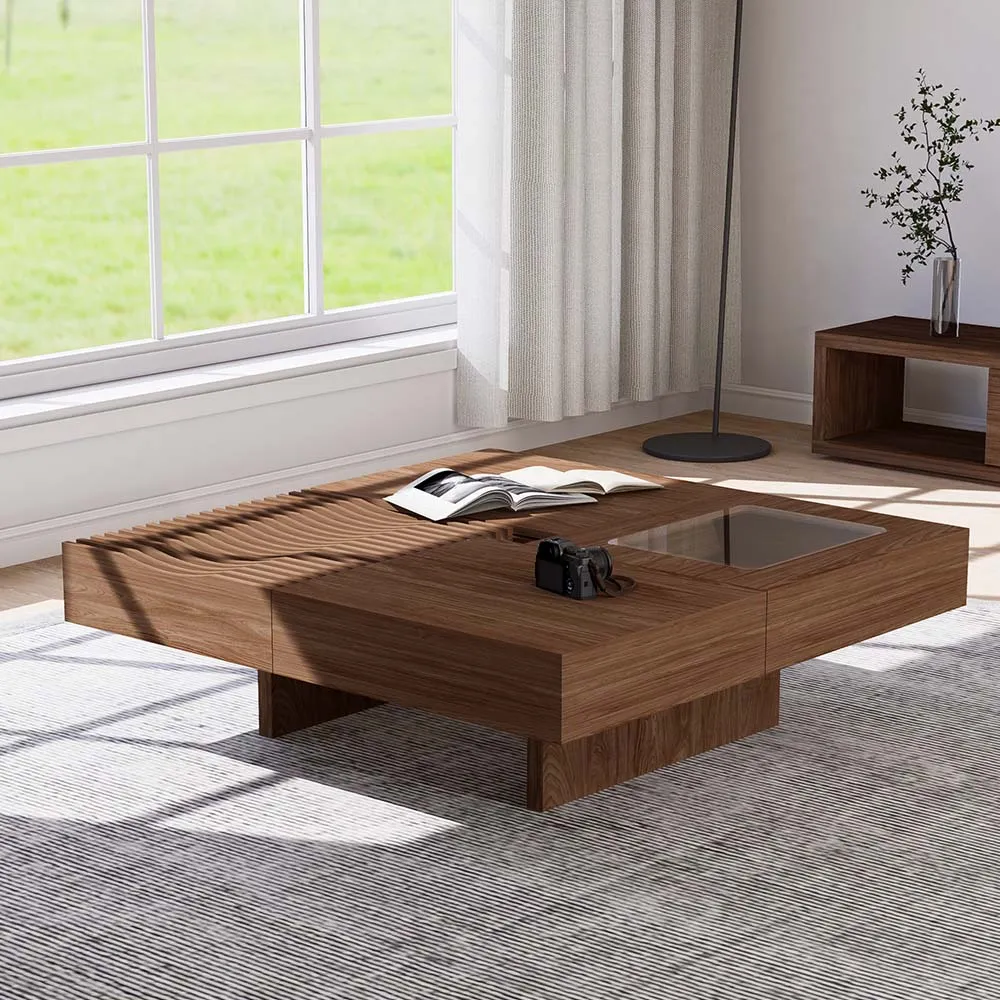
Thrift stores, charity shops, flea markets and antique fairs are ideal for discovering unique retro style furniture and the occasional true vintage gem at lower prices. You can find everything from 60s-style coffee tables to 70s-inspired bar carts that just need a good clean. Go with a list of needed pieces, a tape measure and photos of your room on your phone. Check items in good daylight if possible, open every door and drawer, and sit on chairs longer than 3 seconds; comfort matters as much as aesthetics when you’ll live with a piece every day.
Online Shopping for Retro & Vintage Furniture
Marketplaces like eBay, Etsy and Facebook Marketplace make it easier to search by keywords such as “retro style furniture,” “vintage teak dresser” or “furniture retro style.” The downside is that condition can vary hugely, and shipping costs add up fast. Always read descriptions carefully, zoom in on photos and ask for extra images of damage or labels.
New Furniture Retro Style from Modern Brands
Sometimes, new retro-inspired pieces are the smartest option—especially for big items like sofas, TV stands and beds that you use every day. You get consistent sizing, clear warranty terms, modern safety standards and easy delivery. Brands like Povison focus on mid-century style furniture that arrives fully assembled, with FSC-certified wood and low-VOC finishes, so you can enjoy a retro look without the DIY or repair headaches. A streamlined walnut TV stand, for example, gives you that classic 60s silhouette while hiding cables and media gear the original designers never had to think about. In many homes, these new retro style pieces form the backbone of the space, with vintage finds sprinkled in later.
Step 5 – Style, Care & Grow Your Retro Collection
Styling Furniture Retro Style in a Modern Home
Start with one “hero” piece—a retro sofa in a rich color, a long credenza, or a brass bar cart—and build around it. Keep walls and large textiles like curtains or rugs calmer so the retro shapes can stand out without overwhelming the room. You can still apply the 80/20 rule here: let about 20% of the room be bold (patterned cushions, graphic art, a colorful armchair) and 80% be neutral and grounding. Some people love ready-made retro living room sets; others enjoy slowly mixing thrifted finds with new retro style furniture for a more personal, curated look.
Care, Restoration & Long-Term Value
Retro and vintage pieces can last decades if you treat them well. Use coasters on wood surfaces, avoid harsh cleaners, and tighten screws or legs as soon as they feel loose. Sunlight can fade woods and fabrics, so rotate items or use blinds in very bright rooms. Light restoration—like re-oiling wood, reupholstering seat pads or replacing missing knobs—can boost both beauty and value. When I finally reupholstered a sagging vintage lounge chair in a durable olive fabric, it instantly became the most fought-over seat in the house and paired perfectly with a new mid-century style sofa.

Conclusion
Choosing retro style furniture is about more than copying a Pinterest board. When you understand the difference between retro, vintage, antique and reproduction, measure your space, check quality and shop with a clear plan, you end up with a home that feels stylish, personal and comfortable. Start with one great piece, live with it, and let your retro collection grow as your story does.
FAQs About Retro Style & Vintage Furniture
Is retro style furniture the same as vintage furniture?
No. “Retro style furniture” usually describes new or recent pieces inspired by older designs from the 1950s–1990s, while “vintage furniture” means items that were actually made decades ago, typically 20–100 years old. Retro style gives you the look with fewer surprises; vintage offers original materials and history, but may need more care and restoration.
Can I mix different retro eras in one room?
Yes, mixing eras is often more interesting than sticking to a strict theme. A 60s-style sideboard can look great with a 70s lounge chair and a 90s glass coffee table, as long as the colors and proportions work together. Use a consistent palette—say warm woods and muted greens—so the mix feels intentional. Aim for a few strong “star” pieces and keep the rest simpler.
What’s better for families with kids: vintage furniture or new furniture retro style?
For most families, new furniture retro style is easier. You get rounded edges, sturdy modern construction and fabrics that are designed to handle spills and everyday wear. Vintage furniture can absolutely work too, especially solid-wood storage pieces, but you may need to refinish surfaces, secure heavy items to the wall and reupholster seats in more durable fabrics before daily kid use.
How do I start decorating on a small budget?
Begin with one affordable hero item—like a small vintage coffee table, a retro floor lamp or a secondhand sideboard—and build around it slowly. Thrift stores, online marketplaces and local buy/sell groups are your best friends. Focus on pieces that do more than one job, such as a vintage chest that doubles as a TV stand and storage, and add budget-friendly retro details through cushions, posters and lighting.


