 By Jenny Smith
A sectional sofa is a sofa made of multiple connected pieces that create more seating and a clearer room layout. This guide explains what is a sectional sofa, how it differs from other sofa styles, which sectional layouts are most common, and how to choose one that fits your space.
Table of Contents
What Is a Sectional Sofa?
A sectional sofa is a sofa made of multiple connected sections that work together as one seating system. Those sections can include a chaise, a corner piece, armless seats, or reclining modules, depending on the design. The reason this matters is simple: unlike a straight sofa, a sectional is built around the shape of the room as much as the number of seats.
At its simplest, the sectional meaning is a sofa that is divided into sections instead of built as one straight piece. That structure is what allows it to form L-shapes, U-shapes, chaise-ended layouts, and other room-friendly arrangements. Some sectionals are fixed in one configuration, while others are more flexible and can be rearranged over time.
A good way to think about it is this: a regular sofa is mainly a seating piece, while a sectional is both a seating piece and a layout tool. It helps define where people sit, where they lounge, and how the living room flows.
How Is a Sectional Sofa Different From a Sofa or a Modular Sofa?
The couch vs sofa debate is mostly about language, tone, and style, while sectional vs. modular is about construction and flexibility. In everyday use, people may say couch or sofa interchangeably, but a sectional describes a specific form: a multi-piece seating layout designed to fit corners, open plans, or family rooms.
For shoppers still sorting out the difference between sofa couch settee terms, the easiest rule is this: a sectional is not the opposite of a sofa. It is one of the main sofa categories. A standard sofa is usually a single straight piece. A sectional adds connected extensions for more seating and better room zoning. A modular sofa goes one step further by allowing the pieces to move more freely or be reconfigured more often.
Here is the practical difference:
- Regular sofa: best for narrow rooms, formal layouts, and flexible furniture mixing
- Sectional sofa: best for family seating, corners, and grounding an open living room
- Modular sofa: best for people who expect to move pieces around or change layouts often
Why Do People Choose a Sectional Sofa?
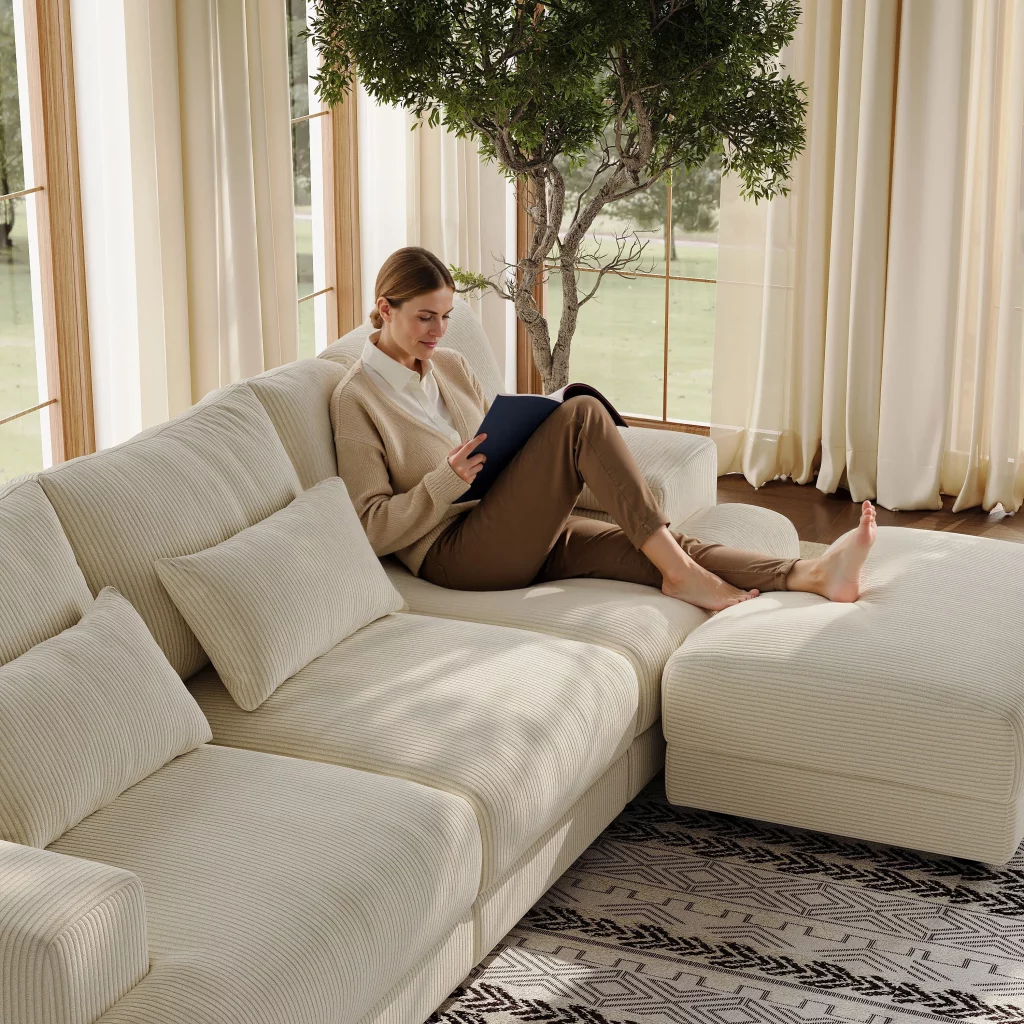
Most people choose a sectional because it gives them more usable seating without forcing them to buy several separate pieces. It is especially effective in homes where the living room needs to do more than one job, such as movie nights, reading, hosting, or daily family time. Sectionals also tend to make a room feel settled because they anchor the seating zone instead of leaving it visually scattered.
They are often a strong choice when you want:
- more connected seating for family or guests
- a comfortable chaise or lounge-style seat
- better use of a corner
- a clear layout in an open-plan room
- a casual, cozy feel rather than a formal furniture arrangement
That said, a sectional is not always the best answer. If your room is long and narrow, if you move often, or if you prefer a more formal seating plan with accent chairs and visible space between pieces, a regular sofa may still work better. That balance matters, because sectionals feel great when they fit the room well, but heavy when they do not.
What Types of Sectional Sofas Are Most Common?
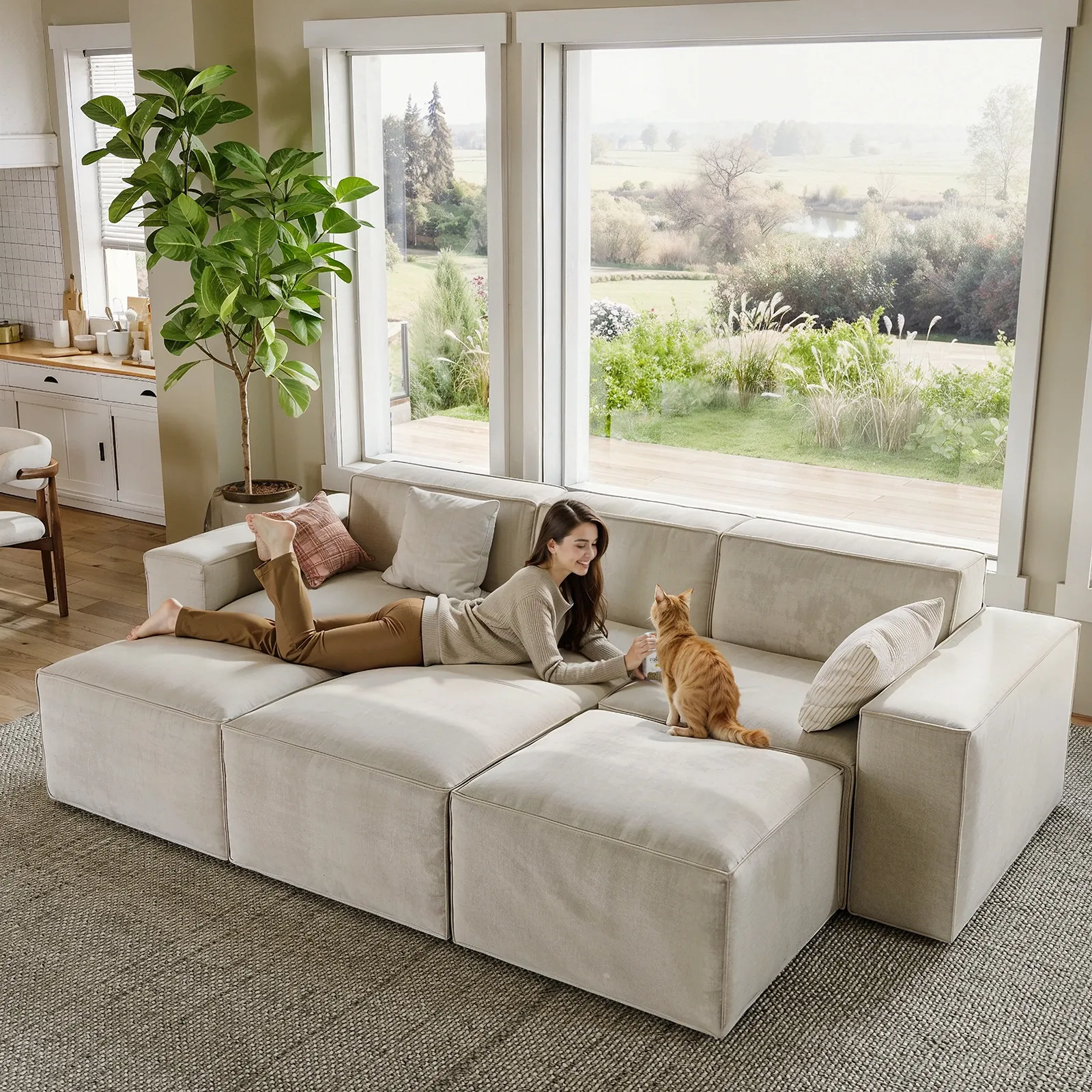
Among the many types of sofas, sectionals are the ones most directly shaped by room layout. The best version for your home depends less on trend and more on how you live, how many people usually sit there, and whether you want the sofa to hug a wall or float in the room.
The most common sectional layouts are:
- L-shaped sectional: the classic choice for corners and open living rooms
- U-shaped sectional: best for larger rooms, big families, or conversation-focused seating
- Chaise sectional: adds a stretch-out seat without using as much width as a full U-shape
- Modular sectional: gives you the most flexibility if your layout may change
- Reclining sectional: built more for comfort-first lounging
- Sleeper sectional: useful when the living room also needs to host overnight guests
This is where the couch styles differences become easier to see. A straight sofa mainly changes the look of a room, but sectional layouts change both the look and the function. That is why these sofa types are less about decoration alone and more about how the room will actually be used day to day.
How Do You Know if a Sectional Sofa Will Fit Your Room?
This is the step many shoppers rush, and it is the step that matters most. Before choosing a fabric or silhouette, measure the room and map the layout. Costco’s measuring guide recommends checking room length and width, leaving clear walking space, and using tape on the floor to outline the sofa footprint before buying. Bassett also recommends leaving about 36 inches of clearance around a chaise sectional for flow.
Use this quick fit checklist:
- measure the full wall length and room width
- note the sectional’s overall width and overall length
- leave at least 30–36 inches for walking paths
- keep about 18 inches between the sofa and coffee table
- check whether the chaise should face left or right based on traffic flow
- make sure doors, stairs, hallways, and elevators can handle delivery
One easy trick is to use masking tape to mark the sectional outline on the floor. This helps you see whether the room still feels open, whether windows or vents get blocked, and whether the chaise interrupts movement. It also lets you compare a sectional against a regular sofa-and-chair setup before you commit.
How Do You Choose the Right Sectional Sofa for Your Lifestyle?
Once the size works, the next step is choosing for real life. Start with the room, then the layout, then comfort, then fabric. Deep seats feel great for lounging, but they can be less supportive for people who prefer upright sitting. Performance fabrics usually make more sense for homes with kids or pets, while softer decorative fabrics may work better in lower-traffic spaces. POVISON’s own fabric guidance emphasizes durability, easy care, and daily use over purely visual appeal.
A simple decision order helps:
- Room: how much space do you truly have?
- Layout: L-shape, chaise, U-shape, or modular?
- Comfort: upright sitting, deep lounging, or both?
- Fabric: pet-friendly, easy-clean, or more decorative?
- Construction: frame, cushions, and long-term durability
If you want a concrete example, a design like the Minimalist Sectional Sofa makes sense for households that want deep seating, a chaise layout, and pet-friendly polyester upholstery with anti-scratch positioning built into the product concept. That kind of feature mix is often more useful than chasing a trendier shape that does not match your daily routine.
Q&A: Common Questions About Sectional Sofas
Are sectional sofas good for small living rooms?
Yes, if you choose the right scale. Apartment-size sectionals, reversible chaises, and low-profile designs can work well in smaller rooms as long as walkways stay open.
Is every sectional a modular sofa?
No. Some sectionals come in a fixed layout, while modular sofas are designed to let you move or reconfigure the pieces more freely.
Which side should the chaise face?
Choose the side that keeps traffic moving comfortably. Stand facing the sofa area and decide whether the extended seat works better on your left or right.
Are sectionals harder to move than regular sofas?
Some are, especially larger fixed-frame models. Modular sectionals are usually easier because the pieces separate for carrying and delivery.
How many people can a sectional seat?
That depends on the layout, but most sectionals seat more people than a standard straight sofa because they use corners and chaise space more efficiently.
Conclusion
So, what is a sectional sofa? It is a multi-piece sofa designed to create more connected seating and a smarter room layout. The best sectional is not simply the biggest or most stylish one. It is the one that fits your room dimensions, supports your daily habits, and leaves enough space to move comfortably. Measure first, choose the right layout second, and let fabric and styling come after that.
What to Read Next:


