 By Kelvin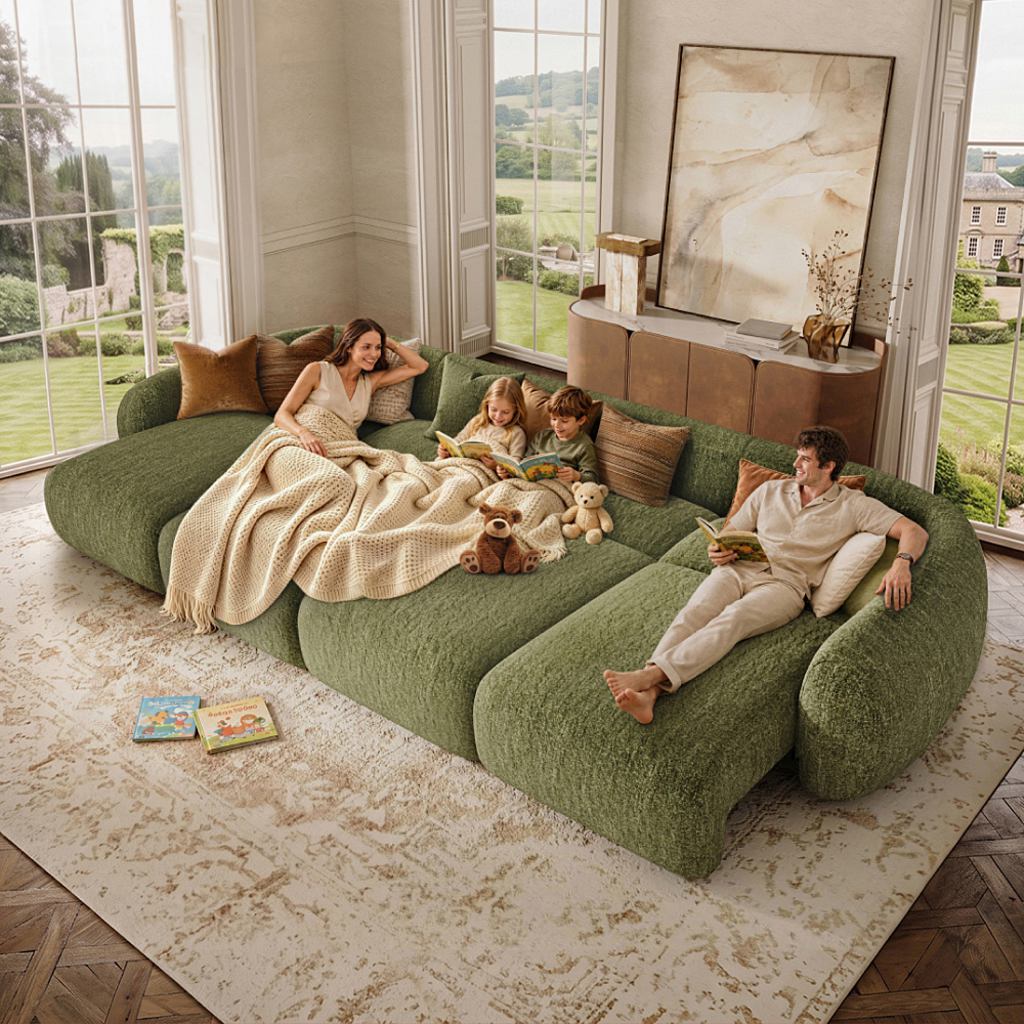
A room filled with toys during the week can still welcome overnight guests without a permanent bed taking over the floor. A practical playroom guest room combo gives children room to play while providing a comfortable sleeping space when family or friends visit. The key is choosing furniture that fits both routines and arranging it so switching between them doesn’t require moving everything. Below are four layouts for different room sizes, along with guest bed options, storage solutions, and space-planning tips to help you make the room work.
Table of Contents
4 Playroom Guest Room Combo Layouts for Different Homes
The right layout depends on how much floor space children use, how often guests stay, and whether the room needs adult seating during the day. Rather than dividing every room into two permanent zones, consider which furnishings can serve both purposes. These four arrangements offer different ways to balance play space with overnight accommodations.
1. Sofa Bed Along the Wall for Open Floor Play
Best for: Playrooms that occasionally host adult guests.
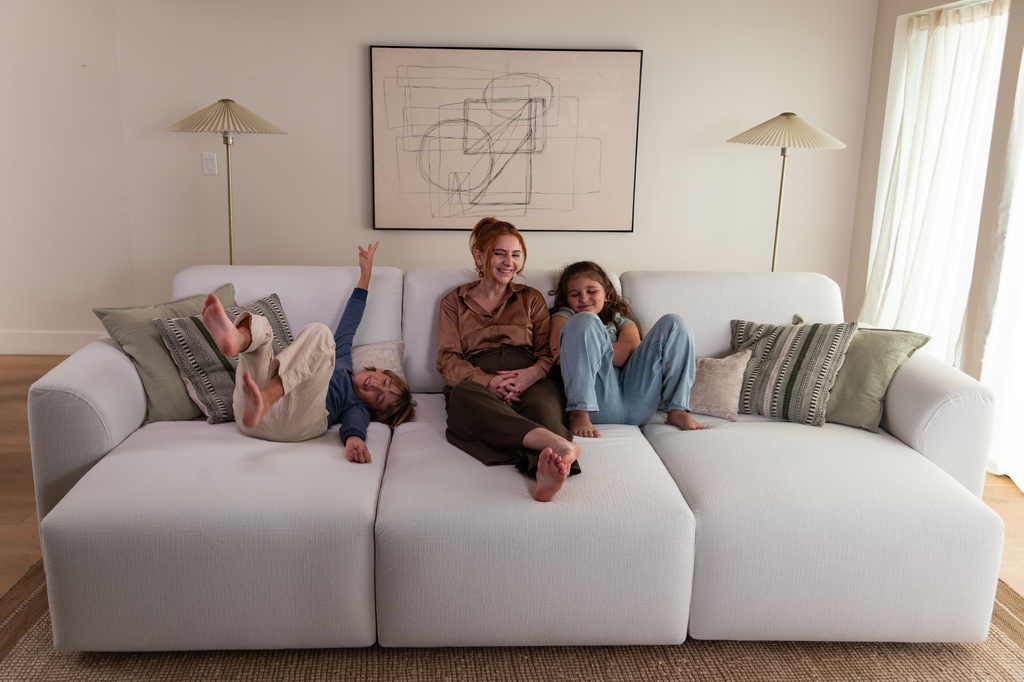
Position a sofa bed against the longest available wall, with toy storage along an adjacent wall. Keep the center open for building blocks, puzzles, and activities that require floor space. A soft rug can define the play area without adding bulky furniture.
During the day, the sofa provides a comfortable spot for parents to read with their children or supervise play. When guests arrive, the seating can extend into a sleeping surface after nearby toys and movable furniture are cleared.
This guest room playroom combo works particularly well when children use the room daily but overnight visitors arrive only occasionally. The main consideration is the sofa’s fully extended footprint. Avoid placing permanent storage or activity tables directly in front of the opening area.
2. Daybed and Low Storage for Narrow Rooms
Best for: Smaller rooms that usually accommodate one overnight guest.
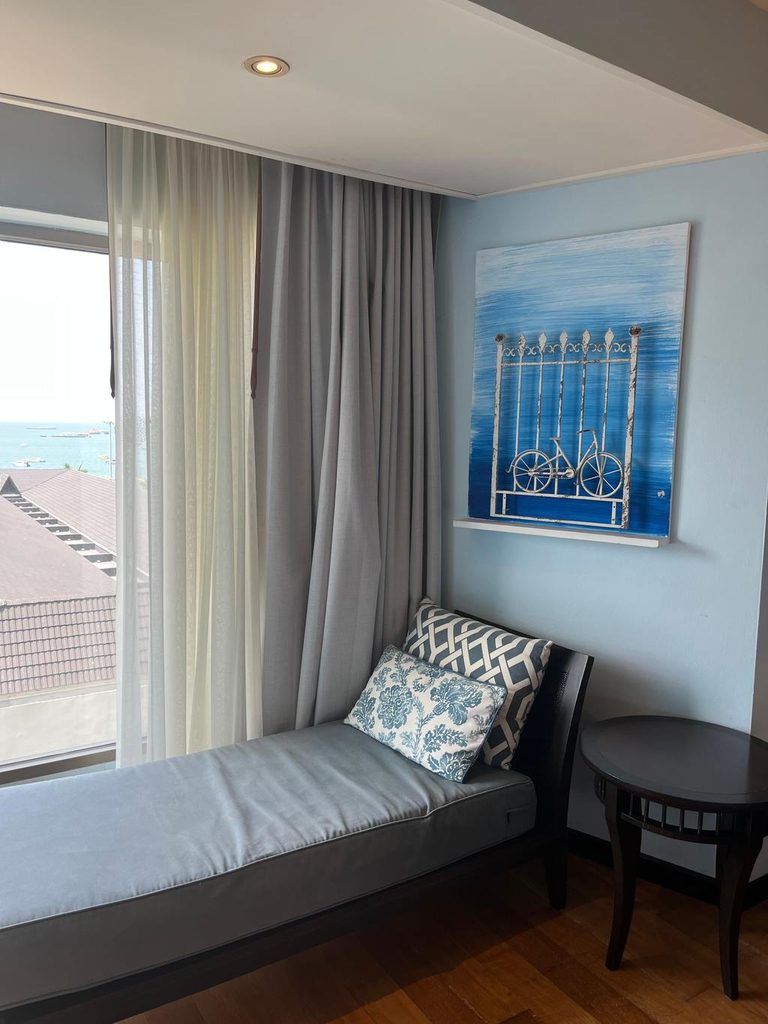
A daybed sits against the wall like a sofa but keeps a fixed sleeping surface available. Pair it with low toy cabinets along another wall, leaving the center as open as possible.
Unlike a conventional pull-out sofa bed, a standard daybed doesn’t require additional floor depth to become a bed. That makes it useful in narrow rooms where forward extension would interfere with circulation.
The trade-off is that the sleeping surface occupies the same footprint every day. A daybed may also offer less conventional back support for sitting unless you add cushions.
If most guests are single adults and the room doesn’t need a separate family sofa, this arrangement can be simpler than a larger convertible.
3. Murphy Bed with a Clear Play Area
Best for: Rooms where maximizing daytime floor space is the priority.
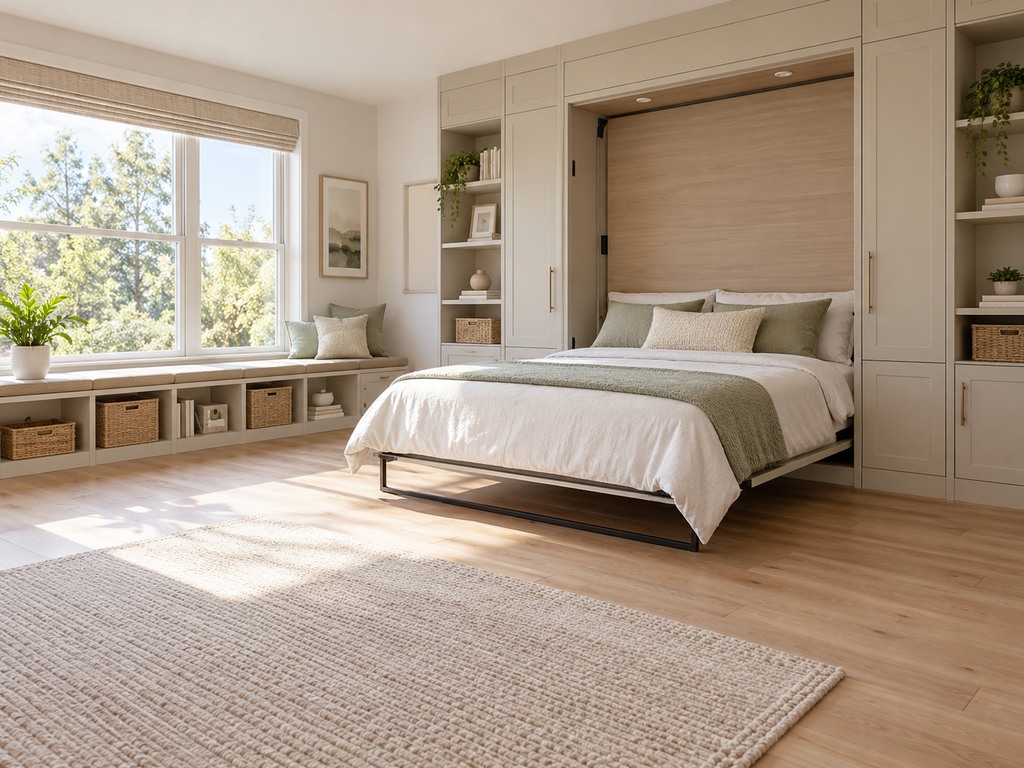
A Murphy bed folds vertically into a wall-mounted cabinet, leaving more open space for play when the bed is stored. Arrange toys in low storage units along the opposite wall, keeping the bed’s operating area clear.
This setup works especially well for children who enjoy train tracks, large building projects, or other activities that spread across the floor.
However, a Murphy bed requires suitable installation conditions and secure mounting. Its opening path must remain free of toys and furniture, and children should not operate the mechanism.
Consider this option when a dedicated adult bed is more important than having an everyday sofa.
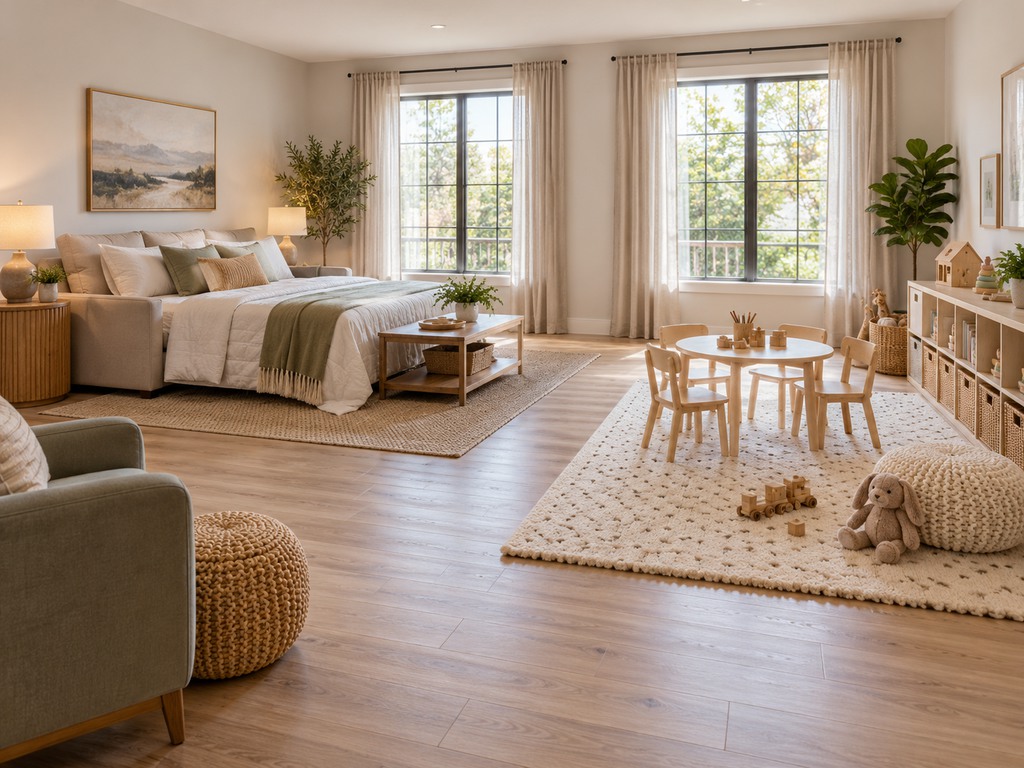
4. Separate Play and Guest Zones in a Larger Room
Best for: Spacious rooms that also serve as family lounges.
If the room is large enough, give each function its own area rather than relying entirely on furniture conversion. Place the guest sofa or bed along one wall, with toys, a small activity table, and storage grouped on the other side.
Use an area rug to define the play zone. Low furniture can create a visual boundary without blocking sightlines.
This arrangement can support children playing while an adult sits nearby, although guests still need privacy when sleeping.
A larger sofa may make sense here because the room has a dedicated seating area. Just avoid filling the available space with oversized furniture that leaves little room for children’s activities.
Which Guest Bed Works Best in a Playroom?
Choosing a guest bed starts with two questions: Who usually stays overnight, and what does the furniture need to do when nobody is visiting?
A daybed may be enough for one occasional guest, while a sleeper sofa provides seating for adults during the day. Murphy beds prioritize open floor space but require installation. A regular bed makes more sense when guests stay frequently and the room functions more like a bedroom.
| Guest Bed Type | Best For | Main Limitation |
| Daybed | Narrow rooms and one guest | Permanently occupies floor space |
| Sleeper sofa | Daily seating and occasional guests | Needs room when extended |
| Murphy bed | Maximum daytime play space | Requires secure installation |
| Regular bed | Frequent or extended guest stays | Reduces everyday play area |
For families considering adult-sized seating, choosing a sofa bed for a kids’ room also involves checking upholstery care, operating mechanisms, and who will use the sleeping surface.
A sofa bed becomes particularly useful when parents already want a comfortable place to sit during playtime.
The Aurora Power Sofa Bed suits playrooms with a dedicated seating wall and occasional overnight visitors. Its powered extension changes the seating depth without pulling out a separate mattress frame, making guest preparation less physically demanding. The two-seat design is 83 inches wide, while water- and scratch-resistant chenille helps accommodate everyday family use.
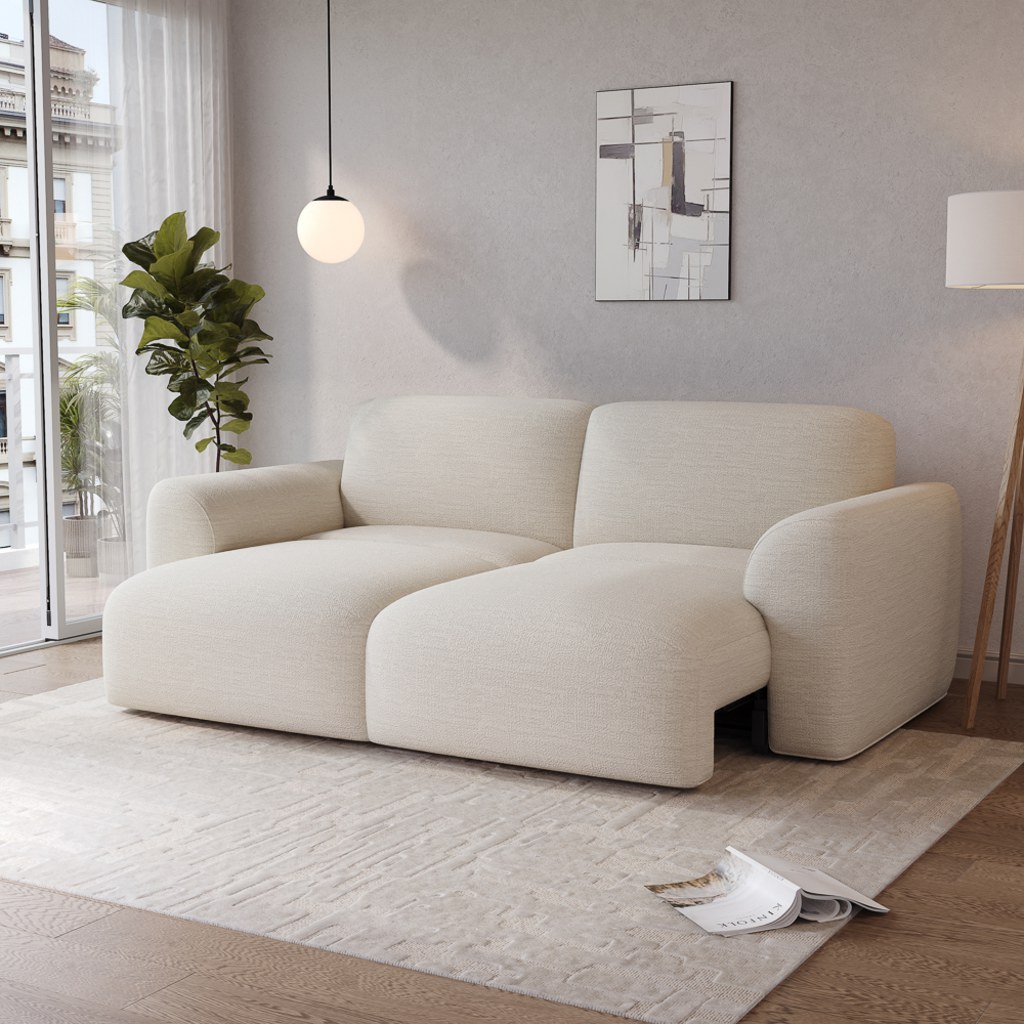
Aurora Power Sofa Bed
Powered guest seating preserves daytime floor space compared with a permanent bed.
👍 Best for: Playrooms hosting occasional adult guests
✨ Stepless 27–45.5-inch seat depth
✨ Remote-controlled power extension
✨ Water- and scratch-resistant chenille
A motorized, cushioned platform shifts from upright seating to an extended sleep surface, making occasional guest setup manageable without unfolding a traditional mattress frame.
How Much Space Do You Need for Both Uses?
Before buying furniture, measure the room in its everyday arrangement and with the guest bed fully open. A sofa can fit comfortably against a wall yet leave too little room to walk around once extended.
For example, an 83-inch-wide sofa may fit along a 12-foot wall, but that doesn’t guarantee enough space for a guest to reach the door when it’s open.
Use this three-step fit check:
- Measure the daytime layout. Mark the sofa or bed footprint and confirm that children still have enough room for their usual activities.
- Test the sleeping layout. Use painter’s tape to outline the fully extended furniture. Open nearby doors and drawers, and check the route from the bed to the exit.
- Plan where displaced items go. Decide where the play table, floor cushions, or toy baskets will move. If there’s no convenient place, reconsider the layout.
For powered seating, make sure the outlet is accessible without running an electrical cord across the walking path.
A Larger Sofa Bed for Rooms with More Space
When the room also functions as a family lounge, accommodating visiting couples may matter more than minimizing the sofa’s footprint.
The Mila Power Sofa Bed suits larger playrooms with a designated adult seating area. Its powered seat and backrest adjustments provide upright seating for everyday use and a broad surface for overnight guests. The two-seat model measures 90 inches wide, so it requires a substantial wall and generous space in front when extended.
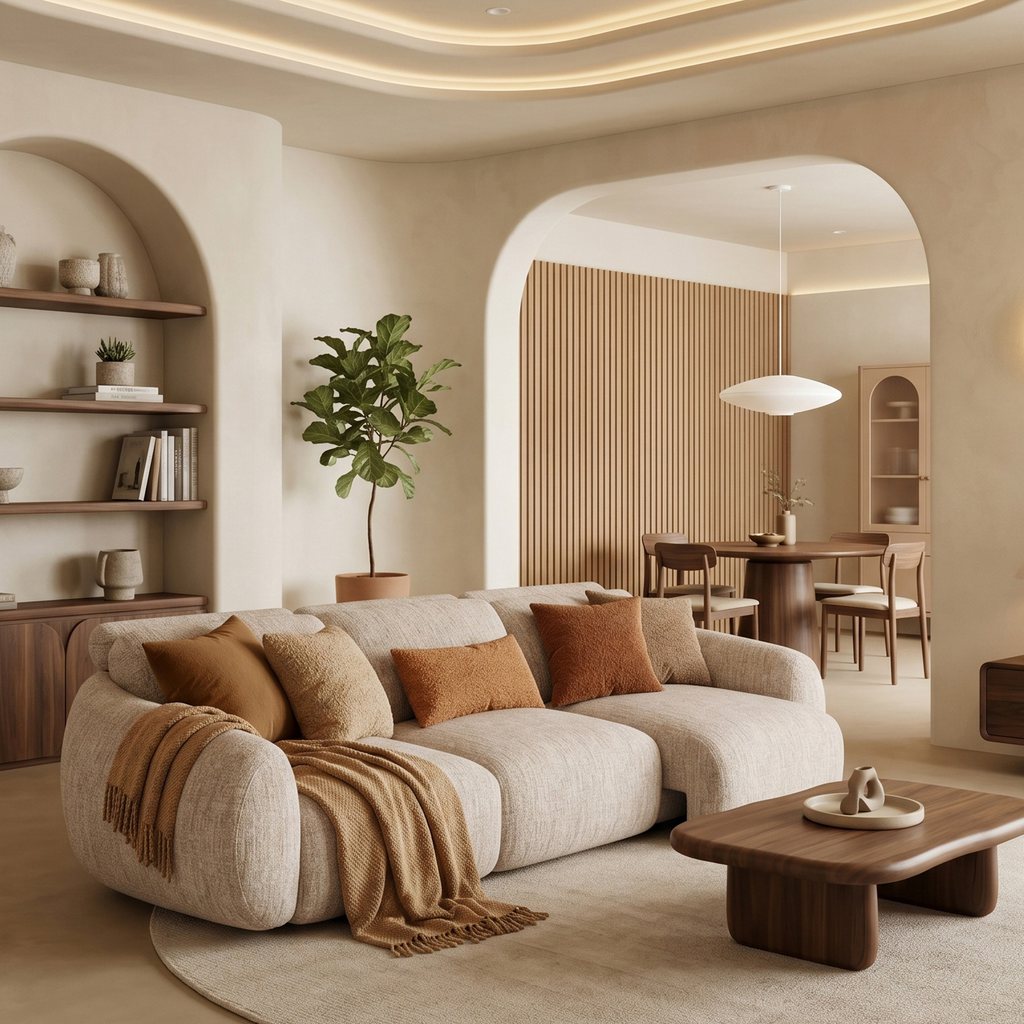
Mila Power Sofa Bed
A broader sleeping area suits couples visiting homes with larger playrooms.
👍 Best for: Spacious playroom and guest lounges
✨ 32–59-inch adjustable seat depth
✨ 105°–180° reclining backrests
✨ Water-resistant tweed chenille upholstery
Powered reclining and an expanding cushioned platform support daytime relaxation and shared overnight accommodations without requiring a separate conventional guest bed.
Mila is less suitable for a narrow playroom where the sofa would dominate the available floor. The larger sleeping surface is useful only when guests can still move comfortably around it.
How to Store Toys Without Crowding the Guest Space
When figuring out how to combine a playroom and a guest room, storage needs to support two routines: easy access for children and quick preparation for visitors.
Keep frequently used books, blocks, and art supplies in low, accessible storage. Larger toys can go in closed cabinets or labeled bins, while guest bedding and personal belongings should have a separate shelf or drawer.
In rooms with a dedicated seating area, furniture with built-in storage can help keep smaller items out of sight. The Silva Lift-Top Round Coffee Table offers hidden storage and two drawers for small toys, books, or guest essentials. Its rounded edges suit a shared family lounge, while the adjustable tabletop provides a convenient surface for adult activities. Keep it outside the sofa bed’s extension area and have adults operate the lift mechanism.
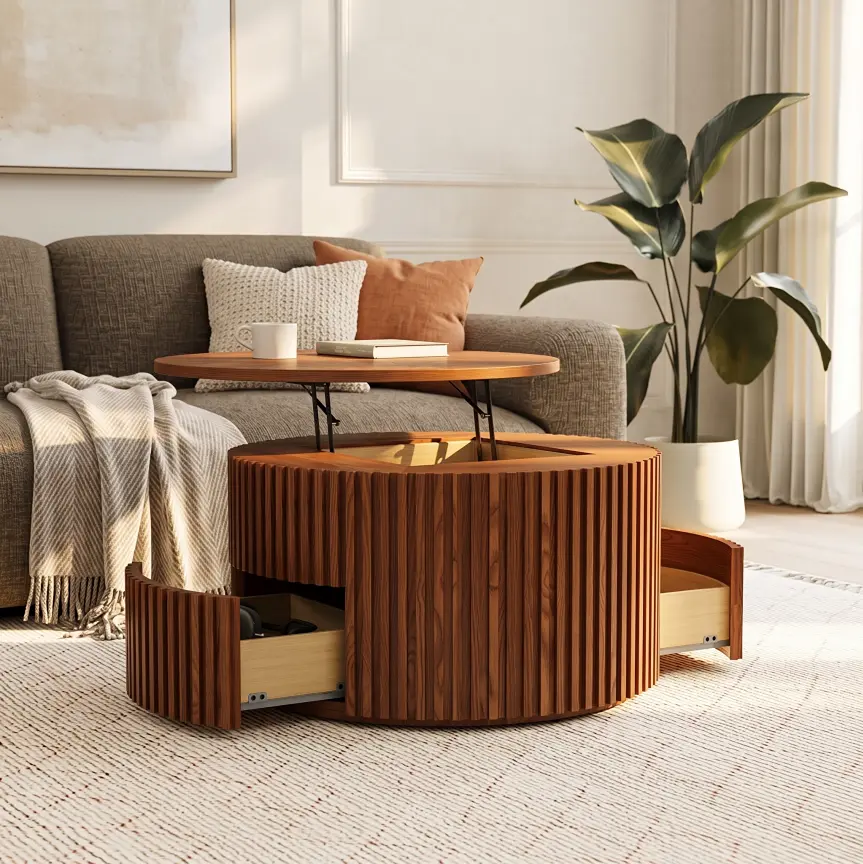
Silva Lift-Top Round Coffee Table
Keeps everyday essentials organized in playrooms with a separate seating area.
👍 Best for: Shared playrooms with lounge areas
✨ Concealed storage beneath lift top
✨ Two built-in storage drawers
✨ Rounded edges with walnut finish
A compact round design combines accessible drawers with concealed storage, helping shared rooms stay organized without adding another storage cabinet.
Before guests arrive, return toys to their designated storage and clear any furniture that interferes with the sleeping area. Make sure drawers remain accessible and the path around the guest bed stays unobstructed.
How to Turn the Playroom into a Guest Room
The final test of a playroom and guest room combination is how easily the room changes when someone stays overnight. The process should be predictable, with designated storage and minimal furniture movement.
A practical guest-room setup follows five steps:
- Clear the activity area. Return toys to their usual storage and remove any large projects from the floor.
- Move lightweight furniture. Relocate play tables, loose floor cushions, or baskets that interfere with the sleeping arrangement.
- Prepare the bed. Extend the sleeper or arrange the daybed, then add clean bedding and pillows.
- Add guest essentials. Provide a bedside light, accessible charging spot, and space for a small suitcase.
- Check nighttime access. Make sure the guest can reach the door and bathroom without stepping around toys or furniture.
A power sofa bed can simplify the sleeping setup because the seat extends electronically rather than requiring someone to unfold a separate mattress mechanism. Different power sofa bed setups for sitting, lounging, and sleeping also help explain how one piece of seating can serve different activities.
The goal isn’t to eliminate every trace of the playroom. It’s to make the sleeping area comfortable and usable while children temporarily use another space.
Conclusion
A successful playroom guest room combo doesn’t require giving equal space to both functions every day. Start with how children normally use the room, then choose a sleeping arrangement that fits the available wall space and the guests who visit. A daybed works for simpler one-person setups, while a sleeper sofa can provide useful adult seating between visits. Whatever layout you choose, measure the furniture when fully open, keep toys organized, and plan a realistic guest-room reset. The result should support everyday play without making overnight stays unnecessarily complicated.

Find a Sofa Bed That Fits Your Space
Explore adjustable sofa beds designed for everyday seating, flexible room layouts, and overnight guests.
Frequently Asked Questions
Can Kids Still Use the Playroom While Guests Are Staying?
Yes, but the timing matters. Children can use the room when guests aren’t sleeping or needing privacy. For overnight stays, move favorite toys and activities elsewhere beforehand. If visitors need the room throughout the day, temporarily relocating playtime is usually more practical than expecting both activities to happen simultaneously.
Is a Power Sofa Bed Suitable for a Playroom with Toddlers?
A power sofa bed can provide adult seating and guest accommodations, but the mechanism should be operated by adults. Keep children and toys clear of moving parts, secure electrical cords, and follow the manufacturer’s instructions. For toddlers who frequently climb furniture, a simpler, age-appropriate arrangement may be easier to supervise.
What If Grandparents Stay for a Week or Longer?
For longer visits, prioritize sleeping comfort, a stable surface, and easy access when getting in or out of bed. Older guests may also benefit from accessible lighting and an unobstructed bathroom route. If grandparents visit regularly for extended periods, consider temporarily making the room a dedicated guest bedroom.
Can Renters Create a Guest Room and Playroom Combo Without Renovations?
Yes. Daybeds, sleeper sofas, movable toy bins, and freestanding furniture can support a dual-purpose room without major renovations. However, furniture that requires anti-tip anchoring must still be secured correctly. Check lease restrictions and obtain permission before installing wall-mounted cabinetry, shelves, or a Murphy bed.
Can a Playroom Without a Door Work as a Guest Room?
An open playroom may accommodate occasional guests who don’t need much privacy, but it’s less suitable for adults staying several nights. Curtains or folding screens offer visual separation without meaningful sound isolation. Check applicable sleeping-room safety requirements, and consider a room with a closable door for regular overnight visitors.


[…] comfortably. These flex room ideas cover eight practical ways to make extra space more useful, from family activities to occasional overnight guests. You’ll also learn how to choose furniture, plan around room dimensions, and avoid layouts […]