 By Kelvin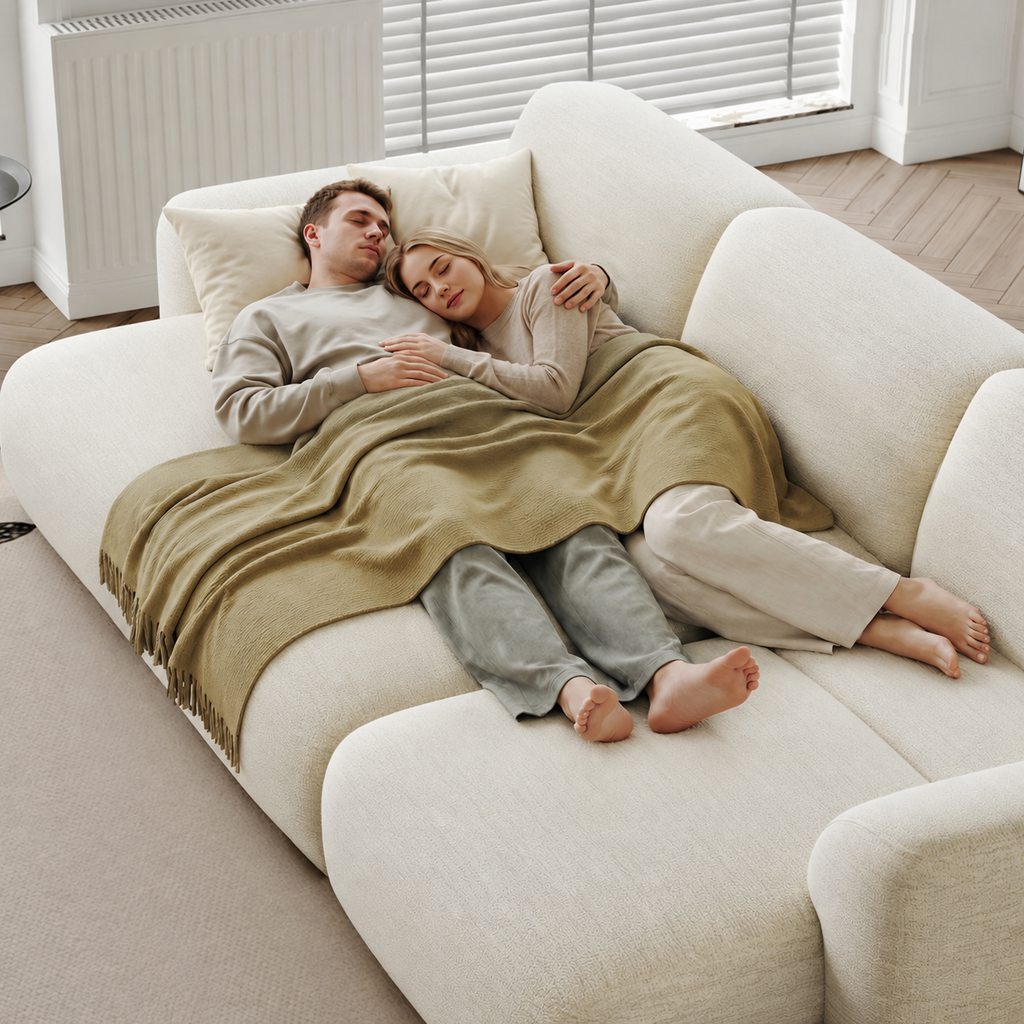
If you need to know how to sleep on a sofa for one night or an occasional overnight stay, focus first on the space your body will actually use. A regular sofa can become more sleep-friendly when you clear the surface, smooth small gaps, use real bedding, and choose a position that fits its usable length and depth. This guide explains how to sleep comfortably on a sofa without turning a temporary solution into an elaborate setup—and how to recognize when the sofa itself, rather than the bedding, is limiting your comfort.
Table of Contents
How to Sleep on a Sofa Comfortably Tonight
The quickest way to make a sofa comfortable to sleep on is to work from the furniture outward. First create the widest, flattest usable surface the sofa can provide; then add bedding and adjust the room. Extra layers cannot compensate for a deep sag, a hard armrest under your head, or a sleeping area that simply does not fit your body.
Step 1: Clear the Sofa and Remove Back Cushions
Start by removing throws, decorative pillows, and loose items. If the sofa has detachable back cushions, taking them off can add several useful inches of depth and give your shoulders more room.
Vacuum or wipe the exposed seat before adding bedding, especially if the sofa is used daily by pets or for eating. Put removed cushions somewhere out of the walking path so you are not stepping over them at night.
Step 2: Check the Surface Before Adding Bedding
Lie down briefly before covering the sofa. Notice where your shoulders and hips land and whether they sit over a cushion seam, gap, permanent low spot, or sloped section.
A folded towel or thin blanket can smooth a small seam. Do not keep adding layers to disguise deep sagging or a major height difference between cushions.
If you are actually using a convertible sleeper, how to make a sofa bed more comfortable involves different considerations, including its mattress, support structure, and opened sleep surface.
Step 3: Add a Clean Sheet and Light Bedding
Cover the upholstery with a clean sheet rather than sleeping directly on the seat fabric. It creates a more familiar sleep surface while helping keep body oils and sweat off the upholstery.
Use bedding that matches the room temperature instead of piling on thick layers by default. A lightweight blanket is easier to adjust during the night and less likely to bunch between narrow sofa cushions.
Step 4: Use a Real Sleeping Pillow
Decorative sofa cushions are designed primarily for sitting and styling, so their height and firmness may not suit an entire night.
Use the pillow you would normally sleep on when possible. Place it completely on the supported seat area rather than balancing it on a hard armrest. If the arm pushes the pillow sharply upward, move farther toward the center instead of treating the arm as part of the sleeping surface.
Step 5: Make the Living Room Sleep-Ready
Once the sofa is set, treat the room more like a bedroom. Turn off the TV, lower bright lighting, silence unnecessary notifications, and keep water nearby.
If someone is sleeping in the living room after guests have taken the bedrooms, clear a path to the bathroom before everyone goes to bed. A comfortable surface matters less if the sleeper has to navigate coffee tables and bags in the dark.
What Is the Best Position for Sleeping on a Sofa?
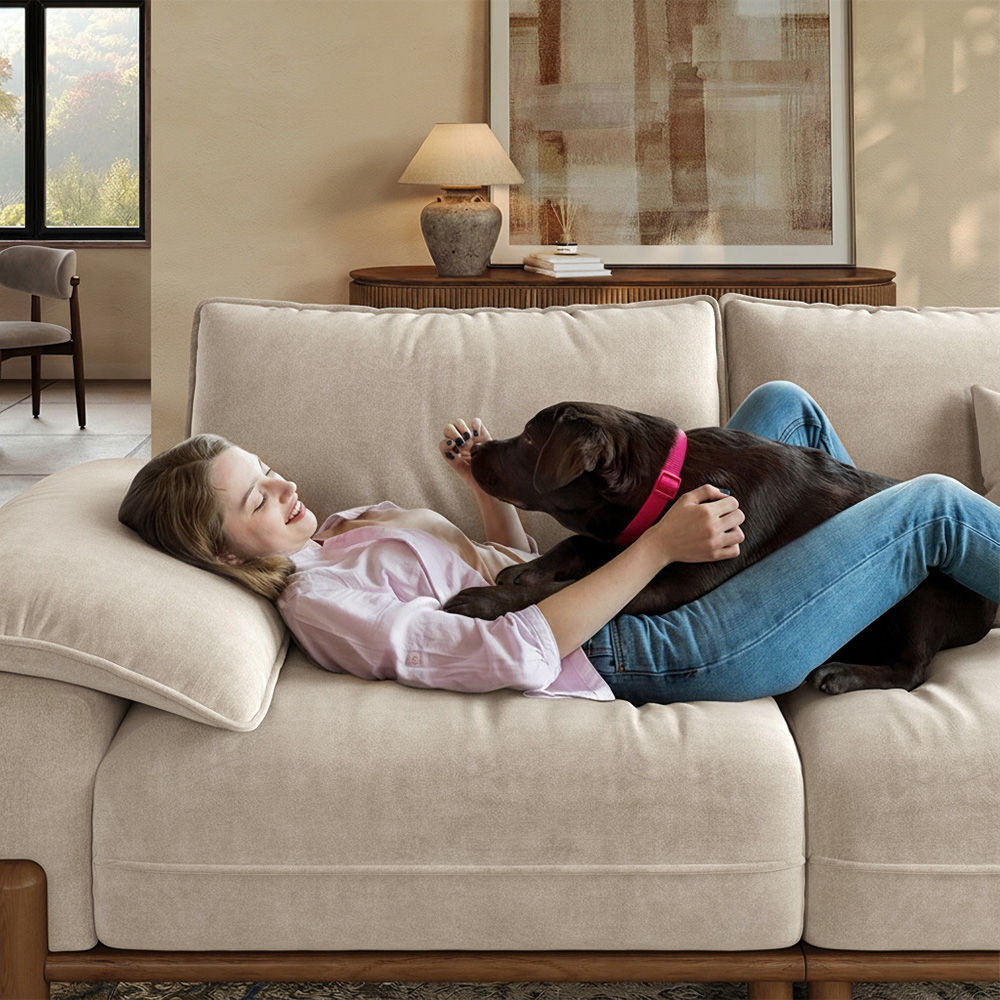
The best position depends more on the sofa’s usable shape than on a universal rule. When figuring out how to sleep on a couch with limited room, choose the position that keeps your head, torso, hips, and legs supported without forcing part of your body onto a hard arm, deep seam, or unsupported edge.
Side sleeping often fits a narrow sofa more naturally because your arms can stay closer to your body. Check where your shoulder and hip land; both should rest on reasonably even cushioning rather than directly over separate cushion edges.
Back sleeping can work when the seat is wide enough for your shoulders and arms. If one shoulder hangs off the front edge or your hips sink much lower than your upper body, changing positions may not fix the underlying fit.
Stomach sleeping is usually harder to accommodate on a narrow sofa because it requires enough room for your torso while your head remains comfortably positioned. Do not force your usual bed position if the sofa’s shape cannot support it.
Is Your Sofa Big Enough to Sleep On?
Overall sofa width can be misleading. An 84-inch sofa does not necessarily provide 84 inches of sleeping room because the arms, back cushions, curved ends, and seat divisions reduce the usable surface.
Before setting up for the night, use this 30-second sofa sleep fit check:
- Length: Can your head, torso, and legs stay supported without pressing against both arms?
- Depth: After removing loose back cushions, can your shoulders and hips remain on the seat?
- Levelness: Do major seams, gaps, or low spots sit directly under your shoulders or hips?
- Pillow space: Can a sleeping pillow lie naturally without being pushed upright by the arm or back?
A sofa can be long enough yet still feel restrictive because its fixed depth gives your body little room to change position. For a small living room that occasionally needs overnight capacity, the Povison Aurora Power Sofa Bed addresses that specific limitation by extending the seat from 27 to 45.5 inches. Its performance chenille also provides a soft, water-resistant surface for everyday seating.
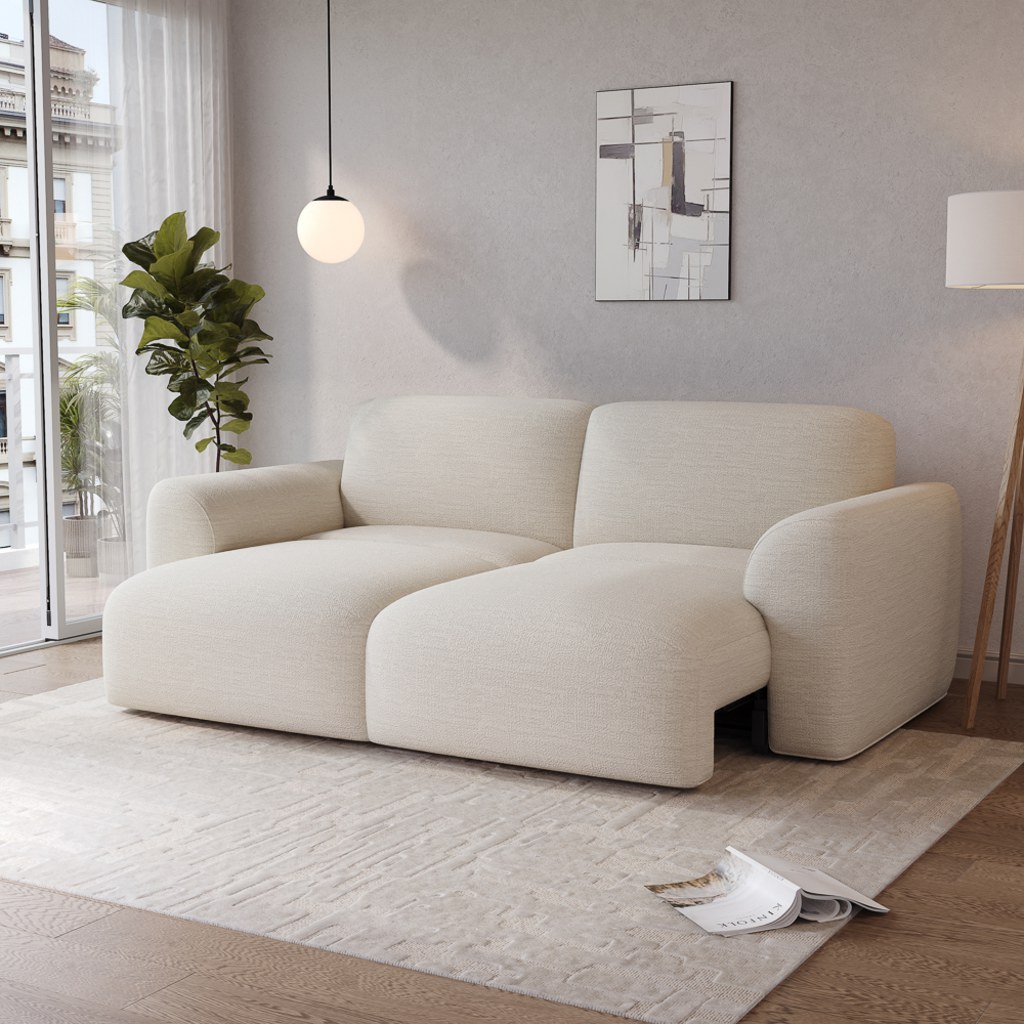
Aurora Power Sofa Bed
Powered depth creates more resting room without keeping a permanent oversized footprint.
👍 Best for: Multipurpose small living rooms
✨ 27–45.5″ adjustable seat depth
✨ Remote-controlled powered extension
✨ Water-resistant performance chenille
When Is the Sofa Itself the Problem?
Temporary fixes work when the underlying sofa is already reasonably flat, stable, and large enough. They become less useful when every overnight stay requires you to compensate for the furniture’s basic geometry. At that point, identifying the limitation is more useful than adding another pillow or blanket.
| What You Notice | Quick Fix Tonight | Sofa May Be the Limitation When… |
| Sofa feels too narrow | Remove loose back cushions | Shoulders or hips still hang off the supported surface |
| Small cushion gaps | Smooth them with a folded towel or blanket | The gaps create a large height change or body twist |
| Sofa feels too short | Adjust your position slightly | Your head or legs must stay on a hard armrest |
| Seat feels uneven | Smooth a minor dip with a thin layer | One area has a permanent deep sag |
| Sofa sleeps warm | Use breathable sheets and lighter bedding | Upholstery still traps uncomfortable heat |
The pattern matters more than one imperfect night. If you regularly have to curl up because the sofa is too short, rebuild the surface before bed, or avoid the same deep low spot, the problem is probably structural rather than a bedding issue.
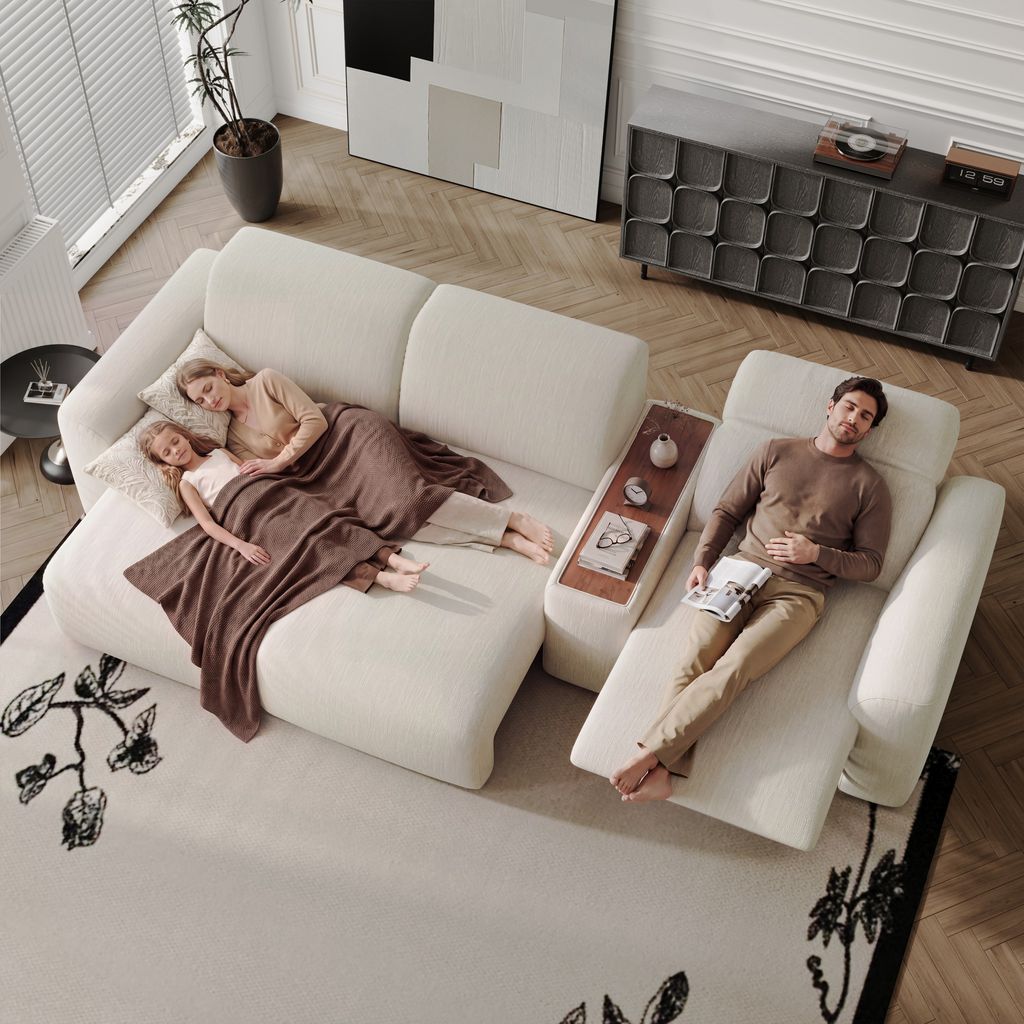
For two people or a room that repeatedly changes between living and sleeping space, more usable depth can matter even more. The Povison Mila Power Sofa Bed extends from 32 to 59 inches deep and adjusts through a 105°–180° powered backrest range, creating substantially more room for stretching out than a fixed-depth sofa.
Mila Power Sofa Bed
Extra-deep powered extension suits shared lounging and recurring overnight use.
👍 Best for: Larger flexible living spaces
✨ 32–59″ adjustable seat depth
✨ 105°–180° powered backrest
✨ Wide sleep-ready resting surface
Conclusion
Knowing how to sleep on a sofa starts with using the space the furniture can realistically provide. Clear the seat, smooth minor gaps, add simple bedding, and choose a position that keeps your body on supported surfaces. Small setup problems are usually manageable for an occasional night. A sofa that remains too short, narrow, deeply sagging, or difficult to prepare is a different problem. When overnight use becomes routine, a sleep-ready design may make more sense than repeatedly adapting furniture built mainly for sitting.
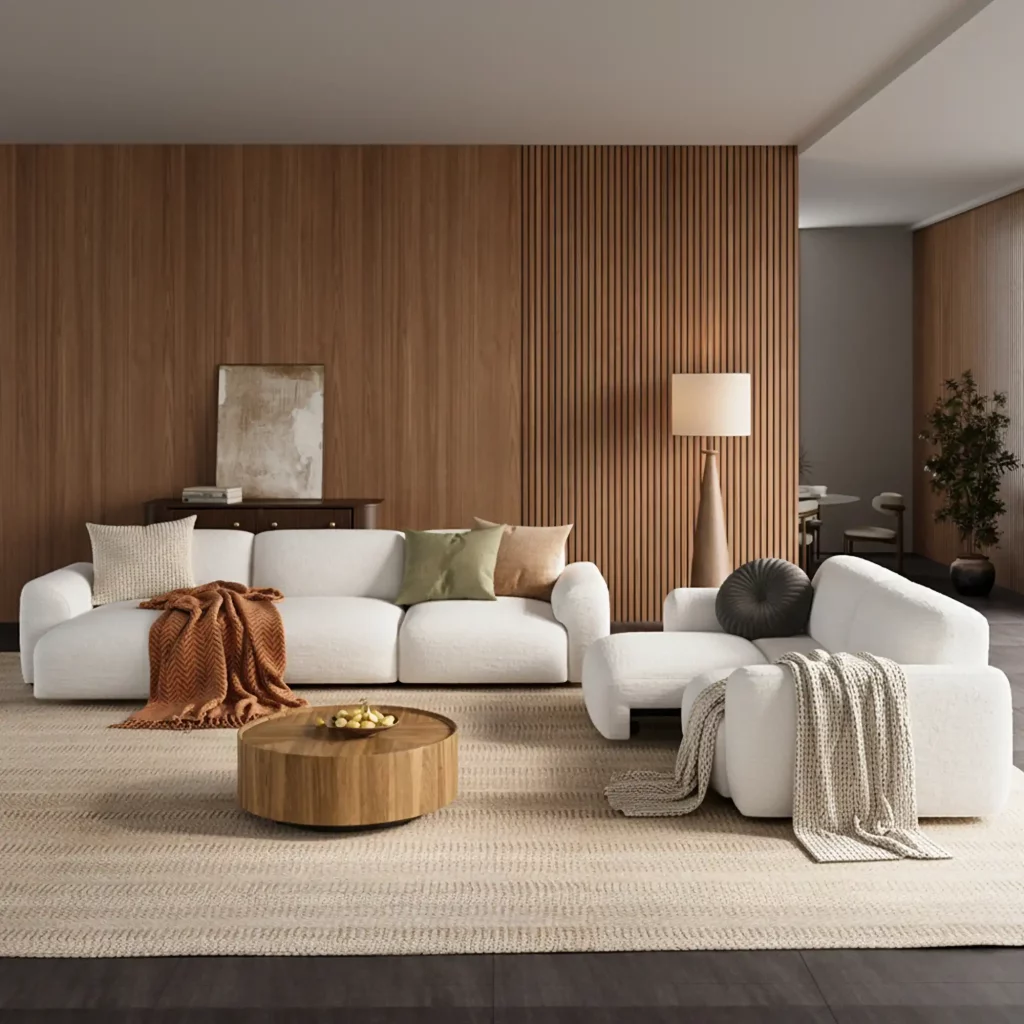
Need More Room to Sleep?
Explore sofa beds designed for everyday seating with more space to stretch out when it’s time to sleep.
Q&A
Why do I fall asleep faster on the couch?
A sofa may feel more contained, or the living room may carry less pressure to “try” to fall asleep than the bedroom. TV, lighting, temperature, or an uncomfortable bed can also play a role. Falling asleep faster on the couch does not necessarily mean its surface provides better support for an entire night.
Does sleeping on a sofa damage the cushions?
Occasional sleeping is unlikely to change healthy cushions quickly, but repeated overnight pressure can concentrate wear in the same areas. Sheets also help limit direct exposure to sweat and body oils. If removable cushions begin developing persistent low spots, follow the manufacturer’s rotation and care instructions rather than adding more padding immediately.
Can I use a mattress topper on a regular sofa?
Yes, if the sofa is already reasonably flat and stable. A thin topper can soften seams or surface pressure, but it cannot correct a sofa that is too short, deeply sagging, or sharply uneven. Measure the usable seat area first so the topper does not hang over unsupported edges.
How do I keep sheets from sliding off a sofa?
Use a fitted sheet only when it can wrap securely around removable seat cushions without straining seams. Otherwise, tuck a flat sheet beneath the cushions where the design allows. Avoid clips or fasteners that can scratch upholstery, catch clothing, or interfere with reclining and sleeper mechanisms.
Can two people sleep on a regular sofa?
Usually only if the sofa provides enough flat, supported space for both people without forcing either person onto an armrest or unsupported edge. A standard three-seat sofa is often too narrow for comfortable shared sleep. For recurring two-person use, compare the usable sleeping surface rather than the sofa’s overall width.


[…] with how you actually sit and sleep on the sofa. If you love curling up with your legs tucked under you, look for deeper seats (around 24″ […]