 By Stephanie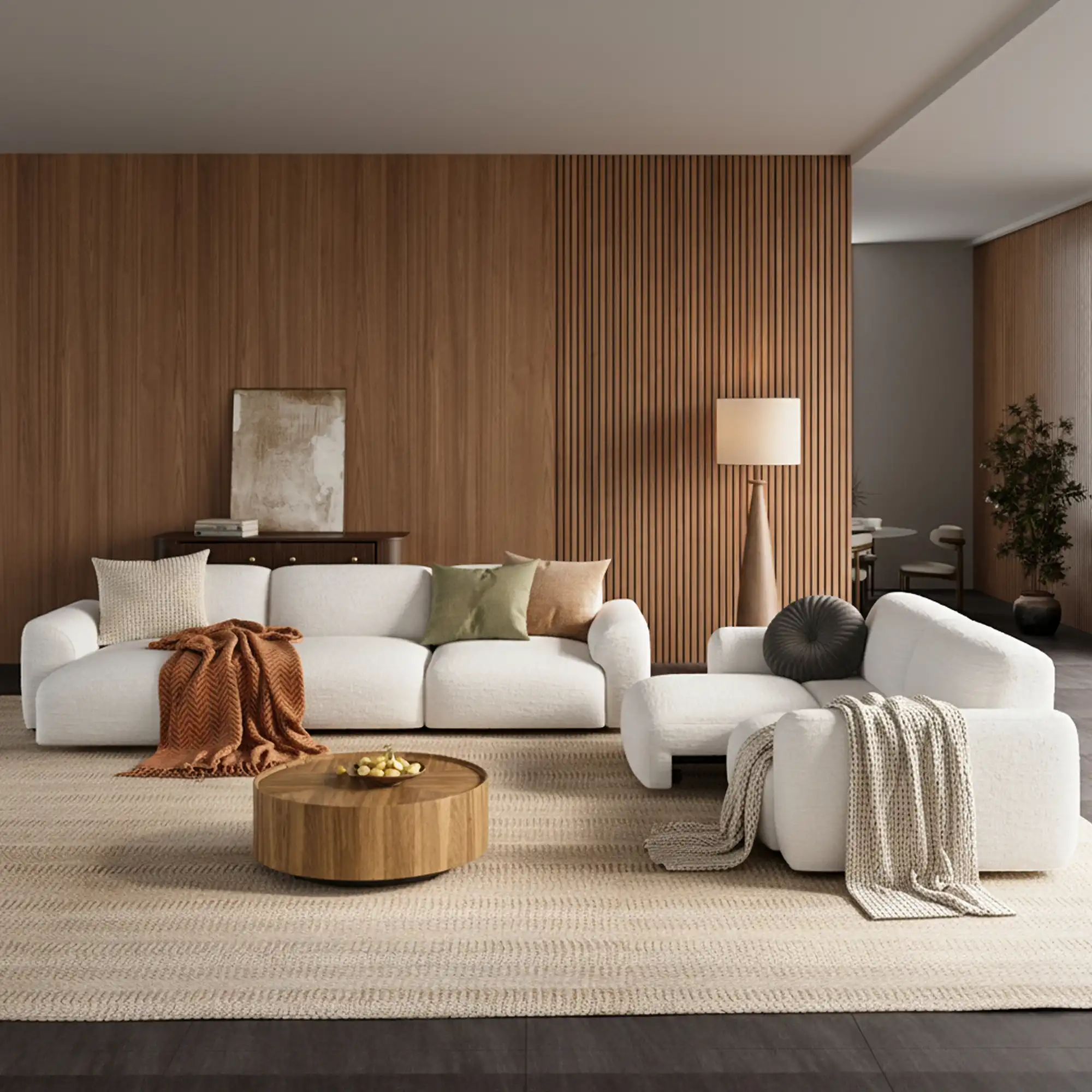
A sofa bed can make sense when a studio, apartment, or multipurpose room needs to work as living space by day and sleeping space at night. But can you sleep on a sofa bed every night without treating it like a temporary guest setup? Sometimes. The useful question is whether a specific model can handle your actual nightly routine.
This guide uses three practical checks—documented product evidence, the real sleeping surface, and a seven-night repeatability test—to help you decide before relying on a sleeper as your primary bed.
Table of Contents
Can You Sleep on a Sofa Bed Every Night?
Yes, some sofa beds can work for nightly use, but occasional sleeping and relying on one as your primary bed are very different demands. A guest sleeper might be opened a few weekends a year; nightly use means repeating the same sleep setup and conversion routine hundreds of times.
So when asking is it okay to sleep on a sofa bed every night, separate two questions: Can you sleep on it? and Can you comfortably live with the setup every day? The second requires a sleep surface that fits your body, a routine you can realistically repeat, and enough product information to know what you are relying on.
Check 1: Is It Built for Nightly Use?
Nightly use is easier to judge when you separate documented facts from general product language. A sofa bed does not need to publish every possible durability test, but you should know what the manufacturer actually supports, what is left unclear, and which missing details matter before the same mechanism becomes part of your morning and bedtime routine.
Useful Evidence for Nightly Use
Give more weight to information tied directly to repeated operation: intended-use guidance, relevant load limits, mechanism or motor coverage, durability testing when disclosed, and access to service or replacement parts. None of these guarantees that the sofa will feel right for your body, but they tell you more than price or a generic “sleeper” label.
Frequent conversion is where the Aurora Power Sofa Bed becomes especially relevant. Its powered seat extends continuously from 27 to 45.5 inches, so moving toward sleep mode does not require lifting out a separate frame. POVISON also lists three years of free motor replacement and says its motor durability testing was based on two daily cycles—details that directly relate to a morning-and-night conversion routine.

Aurora Power Sleeper Sofa
A strong fit for rooms that switch modes every day, especially when you want the bedtime setup to stay simple and easy to repeat.
Missing Specs to Verify Before Nightly Use
Missing information should be treated as unverified, not automatically as a warning sign. Before depending on a sleeper every night, fill in the gaps that affect repeated use rather than guessing from photos or price.
| What You Need to Know | Useful Evidence | If It Is Missing |
| Intended use | Regular/nightly-use guidance or repeated-use information | Ask how often the model is intended to convert |
| Load guidance | Capacity that applies to the configuration you will use | Confirm rather than assuming |
| Moving parts | Motor/mechanism warranty and service coverage | Ask what happens if a component fails |
| Durability | Cycle testing or other repeated-use information, if available | Treat longevity as unknown |
| Sleep setup | Actual opened dimensions and operating instructions | Ask for measurements or documentation |
Check 2: Are You Measuring the Right Sleep Surface?
Mattress thickness is useful when a sleeper actually uses a separate mattress. It is a much weaker shortcut for integrated designs, where the sofa cushions or an extendable platform become the bed. For those models, open the sofa to the position you would actually use at night and measure the continuous supported area—not the sofa’s overall dimensions or its marketing size.
Check three things:
- Usable length: Measure the supported space from head to foot, excluding arms or raised edges.
- Usable width: Measure the area sleepers can actually share without counting unusable edge space.
- Continuous surface: Note where sections meet and whether those joins reduce the area someone can realistically lie on.
Do not assume a “Queen” or “King-like” product description equals a standard mattress size unless the published sleeping dimensions support it. For sleepers who are sensitive to firmness or cushion transitions, how sofa bed comfort changes between sitting and sleeping also depends on the cushion construction and support beneath that measured surface.
For couples, the Mila Power Sofa Bed shows why integrated sleepers need a different kind of measurement. Its seat depth adjusts from 32 to 59 inches, while the backrest moves from 105° to a flat 180° position. That added depth gives two sleepers more room to stretch out at night, while the sofa can return to a shallower seating setup during the day. Because the two seats operate independently, one person can also extend their side without opening the full sleep setup.
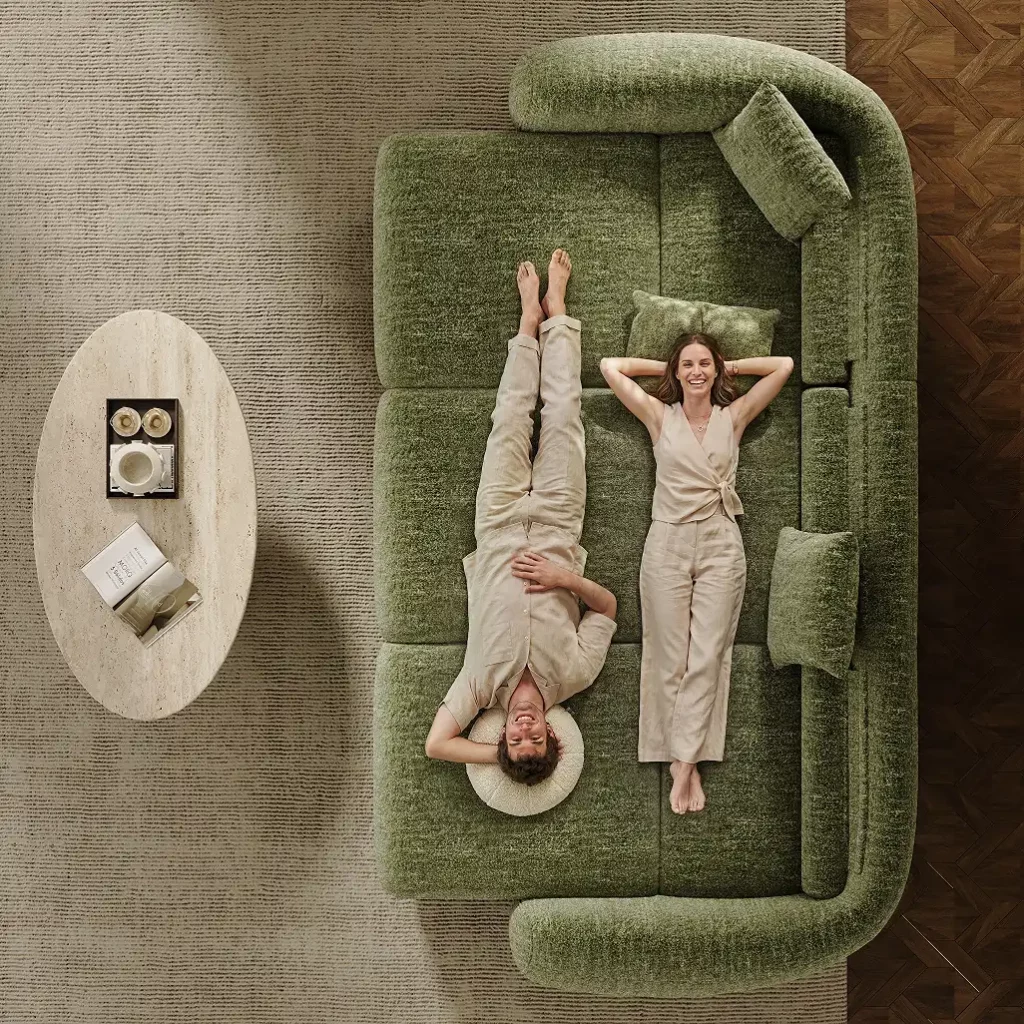
Mila Multifunctional Sofa Bed
Well suited to couples who care more about usable sleep space than a traditional pull-out mattress, with room to stretch out once fully extended.
Check 3: Can You Repeat the Setup for Seven Nights?
Specs can tell you whether a sofa bed looks workable on paper. They cannot tell you whether the routine still feels reasonable after you have repeated it several days in a row.
If you already own the sofa—or are still within a trial or return period—use it for seven consecutive nights. One week cannot prove long-term durability, but it can expose the everyday friction that a single overnight test misses.
- Night 1: Establish a baseline. Time the conversion, note what furniture or bedding has to move, and confirm that the sleep surface gives you enough usable room.
- Nights 2–3: Watch the routine. Can one person handle the setup easily? Are you finding a practical place for sheets and pillows, or is the room starting to feel cluttered?
- Nights 4–7: Watch your behavior. Are you still converting it willingly, or are you leaving it open, adding extra layers, or avoiding part of the surface because the routine is becoming inconvenient?
That last stage matters. In a studio where the sofa needs to return to seating before the workday starts, repeatedly leaving it open by day four or five tells you more about long-term fit than another product specification.
Once that routine genuinely works, comparing sofa beds designed around nightly sleep becomes useful for choosing among models rather than deciding whether nightly sofa-bed living suits you at all.

What Should You Do If the Seven-Night Test Fails?
A failed test does not always mean you need a different sofa. First identify what failed. If conversion is the problem, check whether the room layout or bedding storage can be simplified. If the usable sleeping area is too short, narrow, or uneven, accessories will not change the underlying dimensions. And if the sofa is working mainly as a bed rather than switching back to seating, the convertible function may no longer be solving a real space problem.
At that point, the broader sofa bed vs regular bed decision becomes more useful. The goal is not to make a sofa bed work at all costs, but to choose the setup that still makes sense after the novelty of conversion wears off.
Conclusion
So, can you sleep on a sofa bed every night? Yes, but the better question is whether a specific sleeper continues to make sense after nightly use becomes routine. Product claims can tell you what the sofa is designed to do; actual measurements and repeated use tell you whether it works for your room and habits. If the sleep setup remains comfortable to live with—not just comfortable to lie on—the sofa bed has a much stronger case for becoming part of your everyday routine.
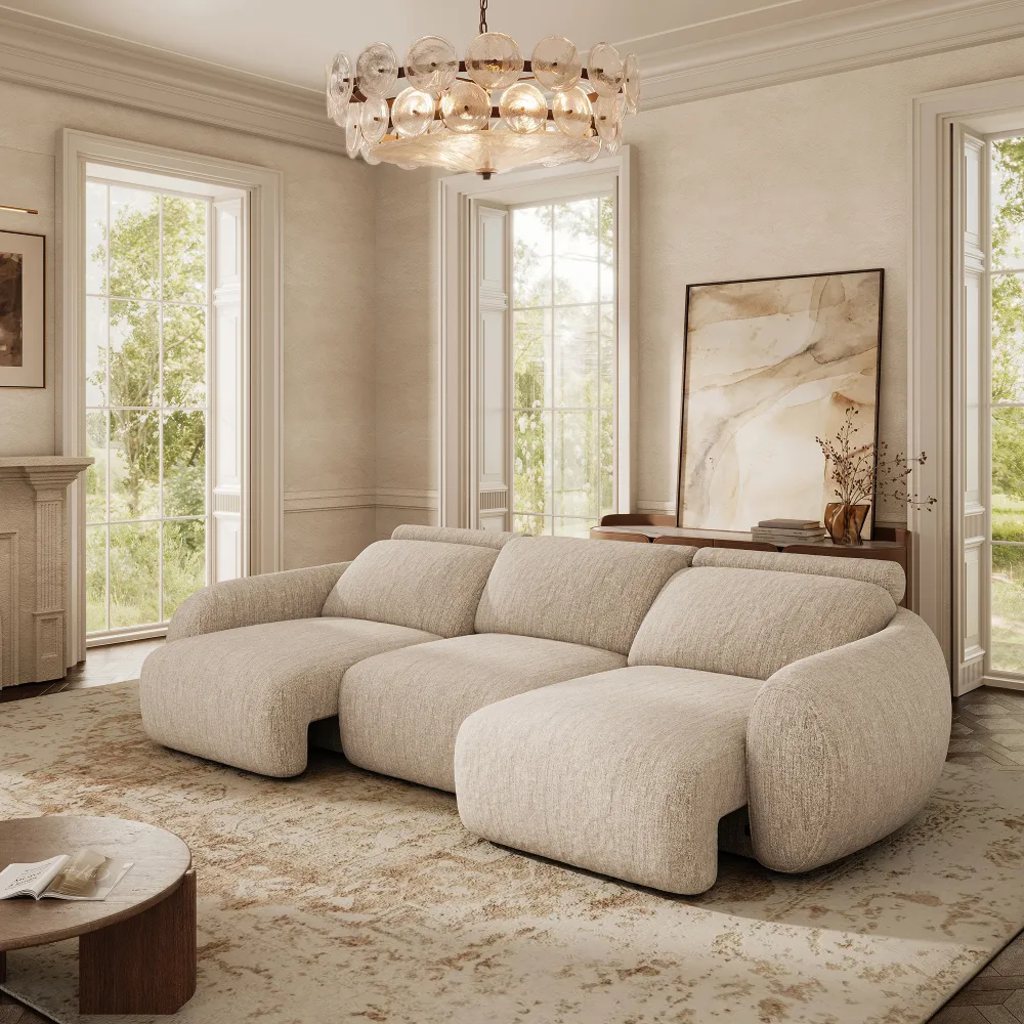
Find a Sofa Bed for Your Daily Routine
Explore sofa beds with different sleep setups, room footprints, and conversion features for frequent use.
FAQ
How can you tell a sofa bed is wearing out?
Watch for new sagging, uneven sections, loose movement, unusual noises, or increasing resistance during conversion. Stop forcing a mechanism that suddenly becomes harder to operate. Review the manufacturer’s care and warranty instructions before adjusting, lubricating, or repairing powered or moving components yourself.
Can a sofa bed stay open for several days?
Usually, if the manufacturer does not require otherwise. Keep bedding, loose fabric, and other objects away from joints, controls, vents, and moving sections. Before closing the sofa again, remove anything the instructions do not specifically allow to remain on the sleeping surface.
What happens if a power sofa bed loses electricity?
Treat a nightly sofa bed as both upholstery and a sleeping surface. Wash removable sheets and bedding on their normal schedule, vacuum crumbs and hair before closing the sofa, and follow the upholstery care label for deeper cleaning. Eating on the sofa, pets, or daily lounging may make surface cleaning necessary more often.
How often should a nightly sofa bed be cleaned?
Treat it as both everyday upholstery and a sleeping surface. Wash removable bedding regularly, vacuum hair and crumbs before closing the sofa, and clean upholstery only according to its care instructions. Homes with pets or frequent food and drinks on the sofa may need surface cleaning more often.
Can pets share a sofa bed used every night?
Yes, as long as the combined load stays within the product’s guidance. The bigger concern is the moving structure: remove pet beds and toys before conversion, and keep claws away from exposed seams or upholstery near moving sections. For power models, make sure a pet is clear of the sofa before operating it.


