 By Stephanie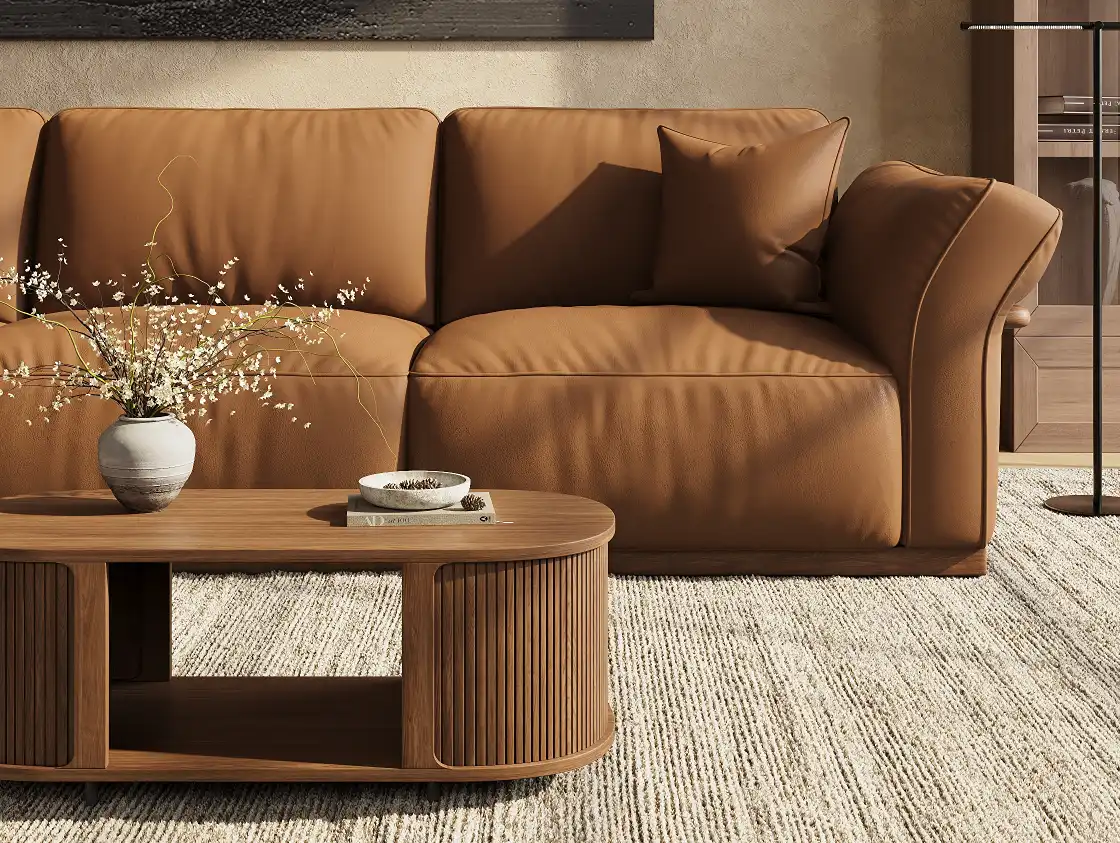
A sofa labeled “leather” can look convincing online while giving you very little information about what the upholstery is actually made from. If you are comparing bonded leather vs genuine leather, the useful questions are not just which one is “real,” but how each material wears, what the label leaves out, and whether the price matches the construction. This guide focuses on sofa buying: how to read material descriptions, predict high-contact wear, and decide which option makes sense for a frequently used living room versus lighter-use seating.
Table of Contents
What Is the Difference Between Bonded and Genuine Leather?
The simplest answer is that genuine leather is made from real animal hide, while bonded leather is a composite made with leather fibers or scraps combined with binders and a surface layer. In a bonded leather vs genuine leather comparison, that structural difference matters because the two materials do not wear in the same way.
If your question is “is bonded leather real leather,” the practical answer is: it contains real leather fibers, but it is not a continuous piece of hide. “Genuine leather,” meanwhile, confirms real hide-based material but does not by itself tell you the exact grade, finish, or how much of the sofa is covered in that leather.
| What to Check | Bonded Leather | Genuine Leather |
| Basic construction | Leather fibers or scraps combined with binders and backing | Real animal hide, often with a protective finish |
| Typical aging | Surface cracking, flaking, or peeling as layers break down | Creasing, scuffs, softening, color change, or finish wear |
| Repair potential | Limited once broad peeling or delamination starts | Often more repairable, depending on damage and finish |
| Upfront cost | Usually lower | Usually higher |
“Genuine leather” is therefore a material description, not a complete quality verdict. Before comparing two sofas, you still need to verify what the seller means by that label rather than assuming every genuine leather product uses the same construction.
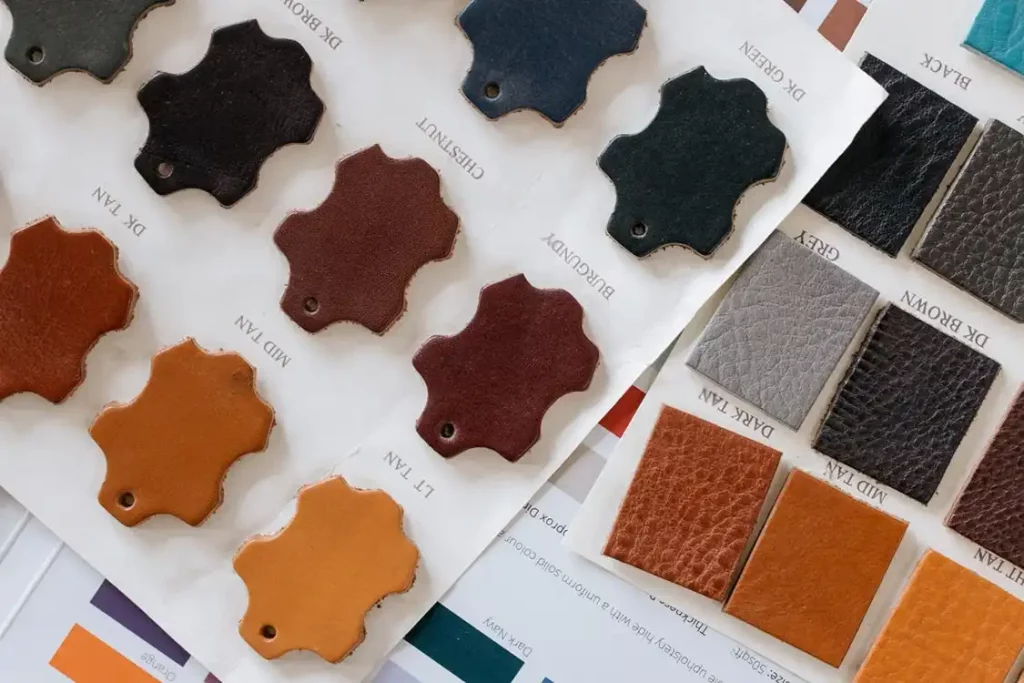
Why Do Bonded and Genuine Leather Wear Differently?
A couch experiences repeated pressure, body heat, friction, and flexing in the same zones. The seat front, arm tops, back cushions, and head-contact areas usually work harder than the outer back panel. To judge durability, focus on how the material is built and what happens when those high-contact areas flex day after day.
Bonded Leather Can Fail Between Layers
Bonded leather relies on a composite structure rather than one continuous hide. When the surface coating and bonded layer weaken, damage can progress from small cracks to flakes or peeling. Flexing can make the problem more visible at seat edges, armrests, and other points that bend or rub repeatedly.
Genuine Leather Usually Ages at the Surface
Real leather can still show wear. Creases may become more visible, the surface can soften, and scratches or color variation can develop depending on the finish and care routine. Those changes are different from a bonded layer separating from its backing.
This distinction helps when reading owner photos. Natural wrinkles or gradual patina are not automatically a defect, while widespread flaking is a more serious material failure. If you want to compare leather grades against actual household use, best leather for a sofa by daily use separates grade and finish instead of treating all real leather as one material.

How Can You Tell Bonded Leather From Genuine Leather Online?
When you shop online, appearance is weak evidence. Bonded leather can be embossed with a convincing grain, while finished real leather can look highly uniform in photos. The stronger method is to trace the material claim from the product name to the detailed specifications and check whether those descriptions agree.
1. Find the Most Specific Material Term
Start with the specification section rather than the marketing headline. “Leather sofa” tells you very little. Look for language such as bonded leather, top-grain leather, full-grain leather, split leather, or genuine leather.
If a page uses “genuine leather,” check whether another field identifies the leather more precisely. More specific information gives you a better basis for comparing two sofas.
2. Separate Material Type From Leather Coverage
Next, determine what the material claim applies to. A listing may use real leather on body-contact surfaces while using another material on outer panels.
Check the seat, backrest, arm surfaces, sides, and rear separately when the seller provides that information. If coverage is unclear, ask before ordering rather than assuming every visible panel has the same construction.
3. Check Whether the Rest of the Page Supports the Claim
Material details should make sense together. Real leather listings may note natural variation, appropriate care, finish, or how the surface changes with use. Bonded leather should not be identified by appearance alone.
The Cronus Genuine Leather Modular Sofa shows what a more useful material description looks like. Its page goes beyond “genuine leather” by specifying top-grain leather with a fine pebble grain and matte finish. The leather is designed to soften further with use, while premium down and a 26-inch seat depth give you room to curl up or sit cross-legged comfortably.

4. Do Not Let a Home Test Override the Label
Smell, softness, grain variation, and backing can provide clues when you see a couch in person, but none is a reliable substitute for material documentation. Coatings can alter how real leather feels, while embossing can make composite upholstery look natural.
Use physical inspection to confirm the product information—not to replace it.
Which Leather Makes More Sense for Your Sofa?
Once you understand the material difference, the decision becomes a question of how often the sofa will be used and how long you expect to keep it. A lower purchase price matters differently on occasional seating than it does on the couch your household uses for hours every day.
| Your Situation | Better Direction | Main Reason |
| Main sofa used every day | Clearly specified real leather | Frequent contact makes long-term surface performance more important |
| Reclining or highly flexible seating | Clearly specified real leather | Seat fronts, folds, and head-contact areas move and rub repeatedly |
| Occasional secondary seating | Bonded leather may be reasonable | Lower usage reduces cumulative wear |
| Temporary furnishing | Bonded leather may fit | Lower upfront cost may matter more than long ownership |
| Furniture you plan to keep long term | Verify the exact real-leather construction | Material clarity and repair potential matter more over a longer ownership period |
Do not treat the table as a universal durability guarantee. Usage, finish, construction, care, sunlight, pets, and manufacturing quality still affect how a sofa ages. The point is to match the risk you are accepting to the role the furniture will actually play in your home.
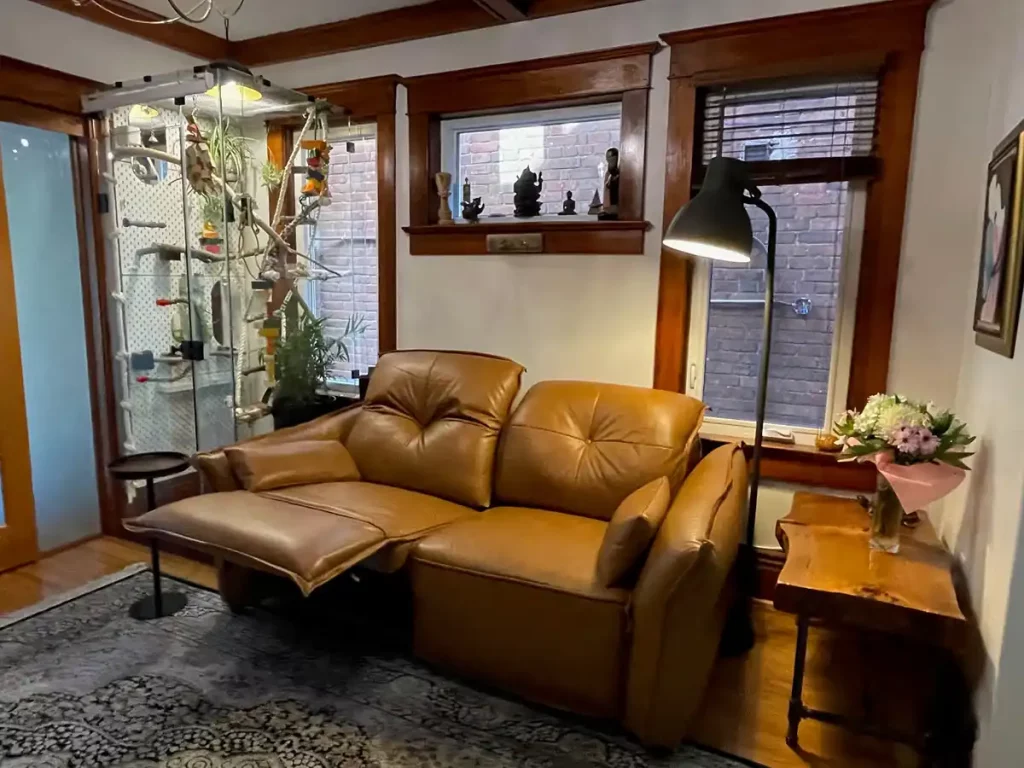
Conclusion
When comparing bonded leather vs genuine leather, first verify what the upholstery actually is, then judge it against how the furniture will be used. Bonded leather can make sense when lower upfront cost matters more than long ownership, while clearly specified real leather is generally better suited to frequent seating. The strongest purchase decision comes from matching the material to the sofa’s real workload—not from relying on a product photo or the word “leather” alone.
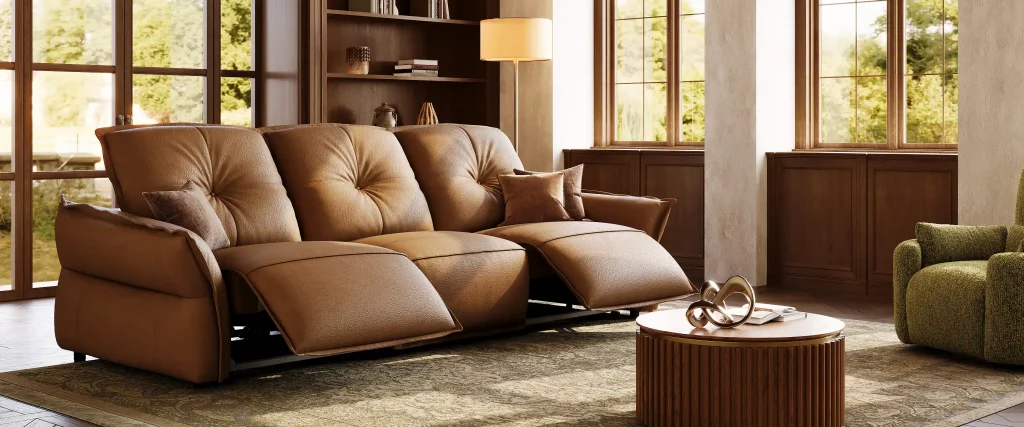
Choose Leather With More Clarity
Explore top-grain leather sofas made for everyday comfort and long-term use.
Q&A
Does bonded leather feel different from genuine leather on a sofa?
Often, yes. Bonded leather tends to have a more uniform coated surface, while real leather can feel more supple and may soften with use. However, seat comfort also depends heavily on cushion fill and suspension, so upholstery type alone cannot tell you whether a sofa will feel firm or relaxed.
What does “leather match” mean on furniture?
Leather match usually means genuine leather is used on body-contact areas while a visually similar synthetic material covers some outer panels. The exact definition can vary by seller, so check which material covers the seat, backrest, arms, sides, and rear rather than assuming “leather match” means full-leather upholstery.
Does a higher sofa price guarantee genuine leather?
No. Sofa prices also reflect size, frame construction, cushion materials, reclining mechanisms, design, and brand positioning. A higher price therefore does not prove that the upholstery is genuine leather. Use the material specifications to verify leather type first, then decide whether the rest of the construction justifies the price.
Which leather is easier to live with around spills?
The label alone does not determine spill resistance. A coated surface may wipe clean easily, while some genuine leathers have protective finishes that also handle everyday spills well. For dining or family-room furniture, check the specific finish and cleaning instructions and blot spills promptly rather than choosing by “bonded” or “genuine” alone.
What should a leather sofa warranty say about peeling?
Check whether the upholstery warranty specifically addresses cracking, peeling, delamination, or material defects, and note what it classifies as normal wear. Also check the coverage period and exclusions for improper cleaning or environmental damage. Warranty wording can help you judge how much risk you would carry after purchase.


