 By Stephanie
Shopping for leather-look seating gets confusing fast. One product says PU leather, another says faux leather, and a third uses terms such as vegan, microfiber, or performance leather. The key fact in the PU leather vs faux leather debate is simple: PU leather belongs inside the broader faux-leather category. The better buying question is what upholstery is made from and whether it suits your sofa, recliner, dining chair, sunlight, pets, spills, and daily routine. This guide turns material labels into practical furniture decisions you can use before ordering online.
Table of Contents
PU Leather and Faux Leather: The Real Difference
The phrase “faux leather vs PU” sounds like a comparison between two separate materials, but the relationship is broader than that. Faux leather is an umbrella term for materials designed to create a leather-like appearance without using conventional leather hide as the main surface. PU leather is one type of faux leather, commonly made with a polyurethane wear layer over a textile base.
In furniture listings, PU leather is generally treated as one type of faux leather, but not every faux leather is PU. Other leather-look materials may include:
- PVC or vinyl: Usually firmer, with a coated and more structured surface.
- Microfiber leather: A fine-fiber synthetic base combined with resin or a surface finish.
- Vegan leather: An animal-free label whose exact composition can vary.
- Performance leather: A benefit-led term that may refer to stain, water, or wear-related properties.
- Leather-look upholstery: A visual description that does not identify a specific material.
These names help identify the material family, but they do not provide a complete quality rating. When comparing PU leather furniture with other leather-look options, use the label to understand the category first. The later buying decision should depend on how the upholstery performs on the specific sofa, recliner, sofa bed, or dining chair.
Choosing Leather-Look Upholstery by Furniture Type
A fixed sofa, power recliner, sofa bed, and dining chair are not worn in the same way. Before comparing color or price, identify how often the piece will be used, where the upholstery will bend or rub, and whether the room has direct sunlight, pets, children, or frequent spills.
| Furniture type | Best fit | What to verify | When to avoid it |
| Main family sofa | Well-specified PU, microfiber, or performance upholstery | Full material description, seat coverage, care limits, upholstery warranty | Avoid vague “leather-look” labels with no composition or warranty |
| Guest-room sofa | Standard PU can be practical | Limited sunlight, moderate use, approved cleaning method | Avoid if the room gets strong heat or direct sun |
| Power recliner | Flexible, performance-focused upholstery | Movement video, seam tension, footrest folds, upholstery coverage | Avoid surfaces that bunch, stretch tightly, or rub against hardware |
| Sofa bed | Upholstery suited to repeated folding and sliding | Material behavior in both sofa and bed positions | Avoid tight creases or exposed friction points |
| Dining chair | Wipeable PU or vinyl | Approved cleaner, seat-edge finish, piping quality | Avoid delicate finishes that cannot handle frequent wiping |
| Pet or kid seating | Documented stain- or scratch-resistant upholstery | Warranty exclusions, care limits, high-contact areas | Avoid “pet-friendly” claims without specific details |
Sofas and Sectionals
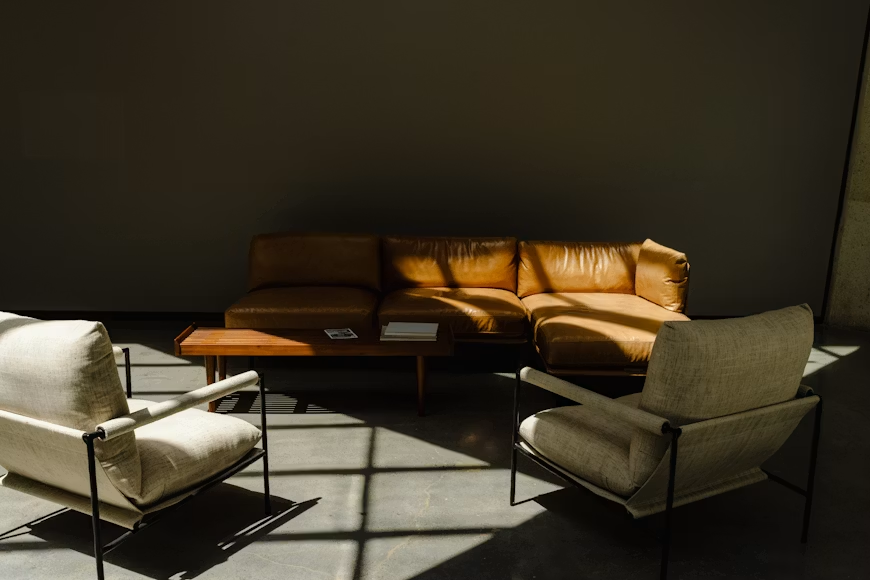
For a main family sofa used every day, prioritize a product page that clearly states the upholstery type, listed composition, care instructions, coverage, and surface warranty. Check whether the seat, back, arms, and outer panels use the same material or different materials.
A Friday movie night may keep the same three cushions occupied for several hours while people shift for snacks and blankets. In that setting, body heat, friction, and repeated pressure matter as much as spill cleanup.
Choose standard PU for a guest-room or moderately used sofa when:
- The room meets the product’s placement requirements.
- The product provides clear care instructions.
- The upholstery warranty is stated.
- The sofa will not be the household’s main everyday seat.
For a heavily used family sectional, prioritize upholstery with specific information about abrasion, flexing, stains, care, and warranty coverage. That may be a higher-spec PU, microfiber, or another performance material.
Recliners and Sofa Beds
Recliners place repeated stress on the headrest, armrests, seat front, backrest hinge, and footrest folds. Review the product video or request a demonstration showing the entire opening and closing cycle.
The upholstery should:
- Move without rubbing against exposed hardware.
- Avoid deep bunching around the footrest.
- Stay relaxed rather than pulling tightly across seams.
- Remain covered by an upholstery warranty separate from the motor warranty.
For a sofa bed, inspect product images in both positions. Check where the seat slides, folds, or presses against the frame. Choose it only when the upholstery remains smooth around those points and the product page explains how to clean the sleeping and seating surfaces.
For daily reclining or folding, reject any upholstery that lacks clear construction, care, and surface-warranty information. Frequent movement makes unclear material construction a greater risk than it would be on a fixed chair.
Dining Chairs, Pets, and Children
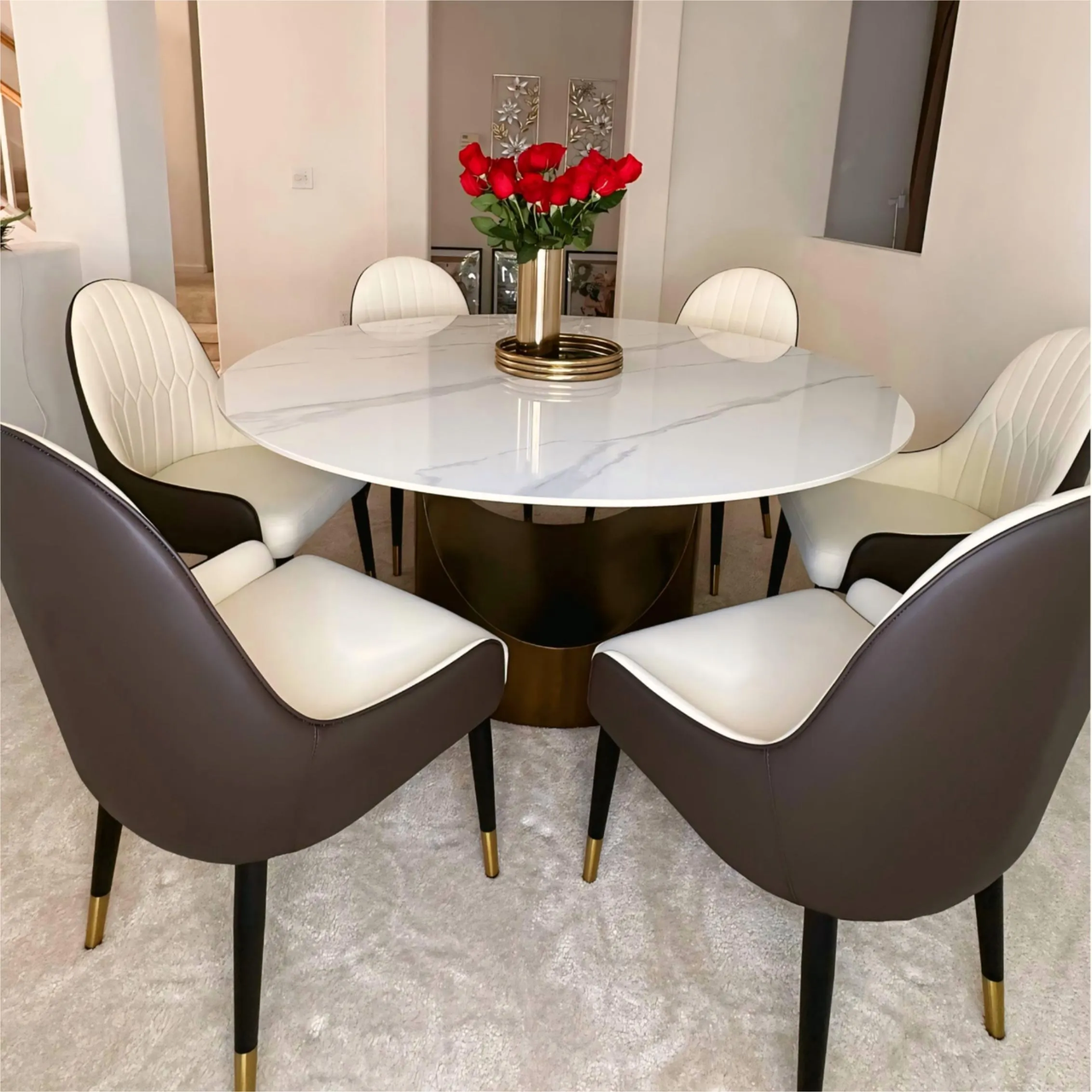
Dining chairs face short sitting periods but frequent contact with food, drinks, belt buckles, and clothing. Wipeable PU or vinyl can work well because breathability matters less than fast cleanup in this setting.
Before buying, inspect:
- The front seat edge, where clothing rubs during entry and exit.
- Piping and corners, where coatings may wear first.
- Care instructions for grease, drinks, and food residue.
- Whether the approved method allows routine damp-cloth cleaning.
Pet and child use adds a different kind of risk: punctures, repeated spot cleaning, and concentrated wear on favorite seats.
In homes with pets or children, do not treat “scratch-resistant” or “pet-friendly” as a guarantee. Choose upholstery with specific care guidance and clear warranty exclusions. Protect the arm or cushion where a pet regularly jumps, and assume claws can still puncture any coated surface.
The practical rule is simple: Wipeable PU or vinyl can be practical for dining chairs and occasional seating, while frequently used sofas and moving furniture require more detailed performance information.
Reading Material Labels Before You Buy
Product pages often split the useful facts across the title, specification table, care notes, warranty, and images. Reading these fields together shows whether the upholstery suits the room and furniture type. This section turns the product page into a quick decision tool.
Match the Name to the Composition
Start with the upholstery name, then look for the full material construction or listed fabric composition. A fiber percentage may describe the textile base without fully explaining the surface finish. A page may say sustainable, vegan, or performance leather while listing polyester, polyurethane, vinyl, or microfiber elsewhere. Use the more specific disclosure when comparing products.
Also check whether the featured material covers the entire visible exterior or only the body-contact areas. U.S. guidance says non-leather content should be disclosed when a material looks like leather but is not leather (Federal Trade Commission).
Verify Performance and Care Claims
Translate every claim into a home condition:
- Easy to clean: Which cleaner and cloth are approved?
- Water-resistant: Does the care guide still require immediate blotting, and are certain liquids excluded?
- Scratch-resistant: Is the claim supported by a test, care note, or upholstery warranty?
- Durable: Is testing, warranty coverage, or intended use stated?
Abrasion numbers alone do not predict lifespan; construction, lightfastness, maintenance, and use also affect performance (Association for Contract Textiles).
The safest approach to cleaning a faux leather sofa without damaging the finish begins with identifying the material and following its care label.
The 30-Second Product-Page Check
Before adding leather-look furniture to the cart, confirm five lines:
- Compare the product title with the material specification.
- Identify the coating, backing, or listed fiber composition.
- Check whether all visible panels use the same upholstery.
- Match the care limits to your room’s sunlight, heat exposure, spill risk, and pet activity.
- Confirm whether the warranty covers peeling, cracking, seams, and upholstery around moving sections.
Skip the product or contact the seller when composition and care information remain unclear. A low price does not offset uncertainty about a surface used every day.
Leather-Look Upholstery Red Flags and Better Alternatives
PU and other faux leathers are not poor choices by definition. They become poor choices when the room, care routine, or aging expectations conflict with their limits. For frequent reclining, the alternative is not automatically real leather; it is upholstery whose composition, care rules, and function match the room.
Room Conditions and Use Cases to Avoid
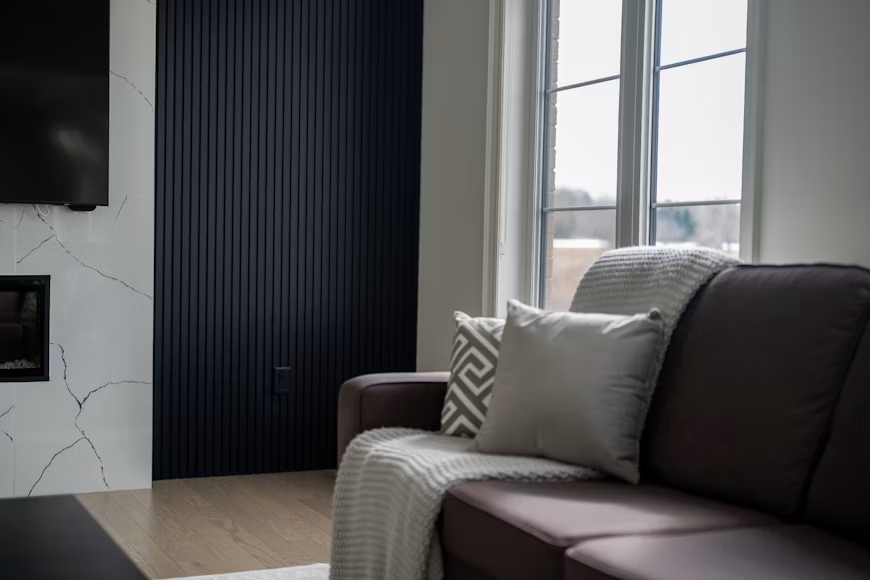
Choose another material when the furniture must sit in strong direct sun, beside a fireplace, near a heating vent, or in a room where approved cleaning methods cannot meet household needs. Avoid an unclear coating for a heavily used sofa when the seller provides no composition, care instructions, or surface warranty.
PU is also a weak match when the goal is natural patina, refinishing, or repairable aging over decades. Buyers prioritizing those qualities should compare real-leather grades and finishes when choosing the best leather for a sofa by daily use.
Performance Upholstery for Frequent Reclining
Once the room passes the sunlight and heat check, focus on how the seat moves. A recliner used for movies, reading, or afternoon naps repeatedly bends the upholstery around the seat front, backrest, and footrest. The material name matters less than whether the surface, seams, and mechanism move together without sharp bunching or tension.
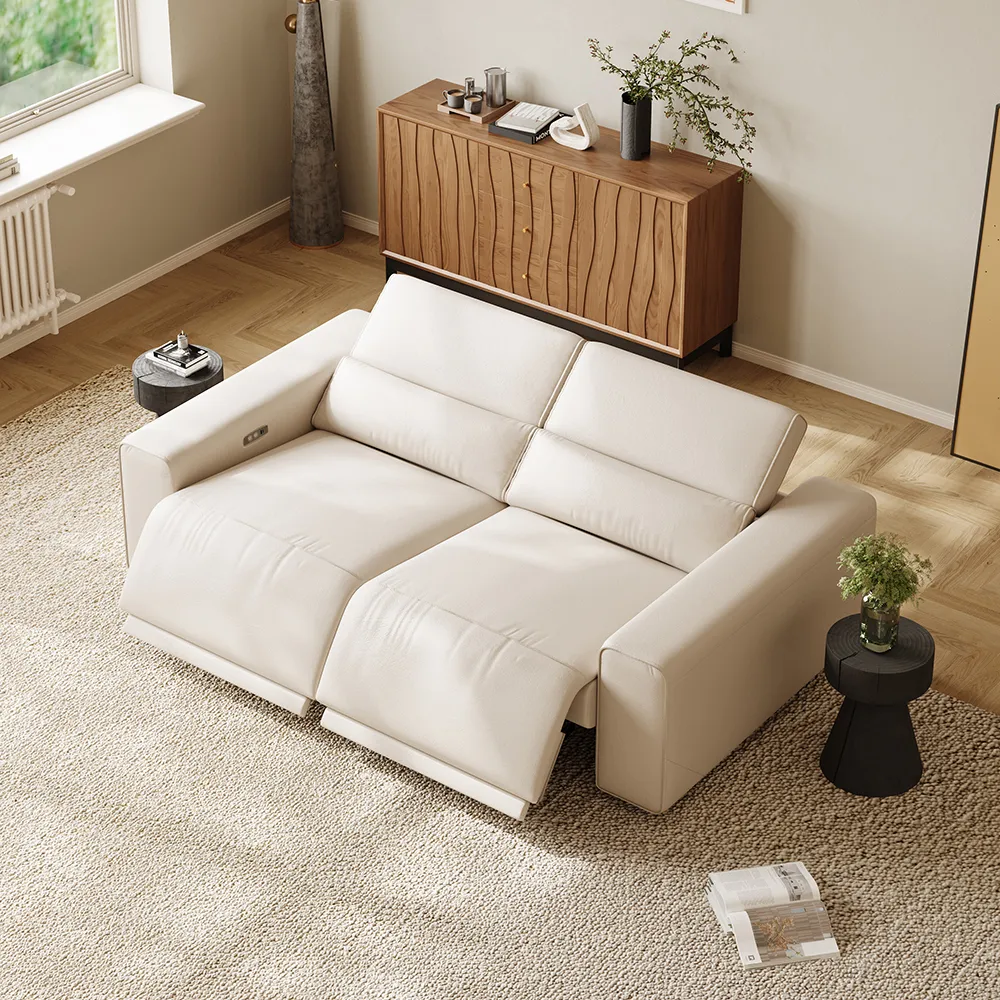
The leather-look power reclining loveseat fits that use pattern. Its backrest and footrest adjust together up to 135 degrees, while the manually adjustable headrest helps users refine neck support as they move from upright reading to deeper lounging. The product page lists sustainable leather, performance leather, 100% polyester, and eco-friendly microfiber leather, showing why buyers should read the full specification instead of relying on the headline alone.
Before ordering, review the product video or movement images, map the full recline path, and leave enough room behind and in front of the loveseat. Check that the upholstery does not pull tightly across seams or press against moving joints. Its water-resistant surface adds everyday practicality, but upholstery movement, mechanical fit, and room clearance should drive the final decision.
Conclusion
The PU leather vs faux leather question becomes easier once you stop treating the terms as equal rivals. PU is one faux-leather type, while furniture performance depends on the coating, backing, seams, moving parts, care limits, and room conditions. Identify the most specific material information available, match it to the furniture’s daily stress, and reject listings that lack useful detail. A dining chair, main sofa, and power recliner need different priorities. Choose the upholstery that supports the way you live, not the material label that sounds most familiar.
FAQs
Should I request a swatch before ordering leather-look furniture?
Yes, especially for the main sofa. A swatch helps you judge color, sheen, grain, softness, and flexibility under your room’s lighting. Bend it gently and view it morning and evening, but remember that a small sample cannot reveal seam quality, cushion comfort, or mechanism movement.
Can new faux leather furniture have an odor?
Some coated or synthetic furnishings can have a noticeable new-product smell after unpacking. Remove packaging, ventilate the room, and follow the manufacturer’s instructions. Do not cover the odor with unapproved sprays. Contact the seller if it is unusually strong, causes discomfort, or does not improve.
Can dark denim transfer color to light faux leather?
Yes, some dark or new denim can transfer dye to pale upholstery through friction and moisture. Test clothing when practical, wipe marks promptly using the approved method, and avoid aggressive rubbing. A protective throw can help on the seat used most often.
Can faux leather furniture be recycled?
Recycling options are limited and vary because faux leather often combines a coating, textile backing, adhesives, foam, and furniture hardware. Check local textile, plastics, or bulky-furniture programs before disposal. Longer use, careful maintenance, repair when possible, and responsible resale may be more practical than curbside recycling.


