 By Kelvin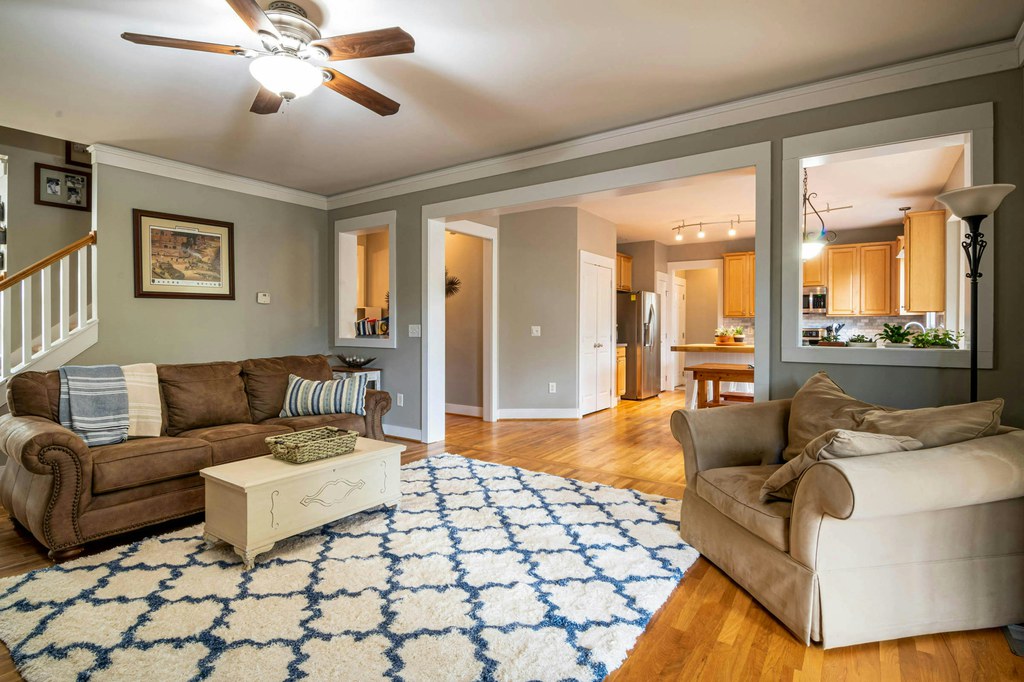
Introduction
A cozy family room should feel easy to use on an ordinary Tuesday, not just look inviting in a photo. The right setup gives everyone a comfortable place to sit, keeps the TV area from taking over the room, and makes blankets, games, remotes, and kid clutter easier to put away. These cozy family room tips focus on the decisions that matter most: how people use the room, where they sit, what needs storage, and which layers actually make the space feel warmer.
Table of Contents
What Makes a Family Room Feel Cozy Instead of Crowded?
A cozy family living room does not need more furniture or more decor. It needs a clearer balance between comfort, connection, and open space. People should be able to settle in with a movie, talk without shouting across the room, and move around without squeezing between furniture.
The most comfortable rooms usually have three things in common:
- A clear seating zone: The main sofa, chairs, and coffee table feel connected instead of scattered around the walls.
- Useful soft layers: A rug, curtains, pillows, or throws make the room more comfortable without becoming visual clutter.
- A simple reset routine: Everyday items have a place, so the room can look calm again after a game night or busy afternoon.
The goal is not to make every surface soft or every corner decorative. A room feels more inviting when the pieces people use most often are easy to reach and easy to put back.
How Should You Plan the Layout Before Buying More Decor?
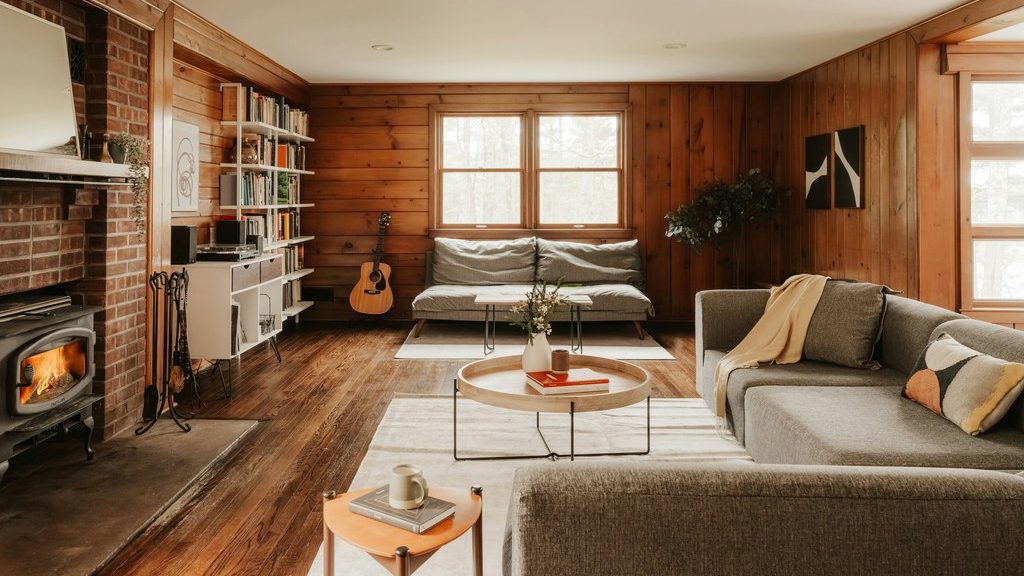
Before choosing pillows, paint, or wall art, decide what the room needs to support most often. A family room may host movie nights, weekend visitors, board games, children’s floor play, reading, or all of them at different times. The strongest family area ideas begin with one primary use and add flexibility around it rather than trying to make every wall serve a different purpose.
Start With the Main Activity
Choose the room’s main activity first. In many homes, that is TV viewing. In others, it may be conversation, homework, or a place where kids can play while adults relax nearby.
A TV-first room should give the main seats a comfortable view of the screen while leaving an easy path behind or beside the seating. A conversation-first room can pull chairs closer to the sofa and use the TV wall as a secondary feature. A mixed-use room should keep one main seating zone intact, then leave one edge open for a play mat, a reading chair, or flexible storage.
Protect the Walking Path
A room can look cozy in a photo but feel frustrating when a person carrying laundry, snacks, or a sleeping child cannot move through it easily. Mark the route from the doorway to the sofa, TV wall, and nearby kitchen before finalizing furniture placement.
In a living room with a sectional couch, choose the chaise side based on where people actually walk. A chaise that blocks the route to a doorway or window can make a comfortable sofa feel much larger than it is.
Bring Seats Closer Before Adding More Seats
When a room feels cold or disconnected, the answer is not always another chair. Often, the existing seating is simply too far apart. Pull the sofa and chairs into one defined group, then use a rug and coffee table to make that group feel intentional.
For example, on a Friday night, one person may be stretched out watching a game while two children sit on the rug with snacks. A connected seating arrangement keeps everyone in the same zone without forcing the room to feel overly formal.
Which Furniture Pieces Support Everyday Comfort?
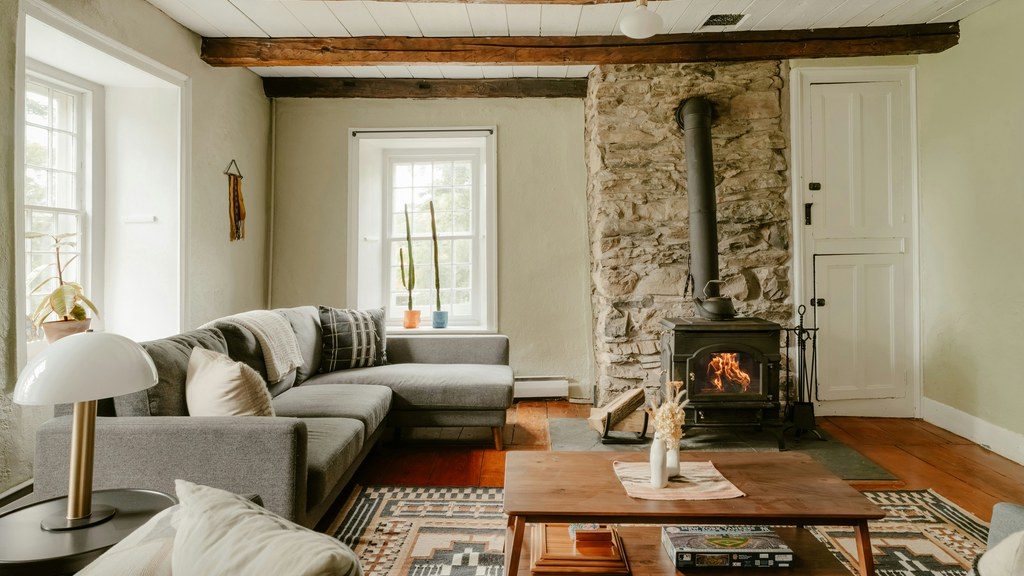
The furniture in a cozy family room should each solve a daily problem. The main seat handles lounging and hosting. A central surface holds drinks, books, and remotes. Storage keeps visual noise under control. Once those jobs are covered, decorative pieces become easier to choose because they no longer have to compensate for missing function.
| Daily Need | Furniture That Helps | What to Check Before Buying |
| Movie nights and long lounging | Sofa or sectional | Enough seating without blocking circulation |
| Casual snacks, books, and remotes | Coffee table, ottoman, or side-table pair | Can regular seats reach a useful surface? |
| Kids’ play and flexible hosting | Upholstered ottoman or movable chair | Can it work as a footrest, extra seat, or soft-edged center piece? |
| Cables, gaming devices, and clutter | Media console or storage cabinet | Is there room for devices, ventilation, and closed storage? |
| Occasional overnight guests | Flexible sofa bed or adaptable seating | Does it still feel comfortable for daily sitting? |
Choose Seating for the Way People Actually Sit
A sofa is often enough for a smaller household that uses the room mainly for conversation and short TV sessions. Add one movable chair or ottoman when extra seating is needed.
A sectional makes more sense when several people regularly lounge together, when one person often stretches out, or when the room needs a stronger visual anchor. It should not be chosen only because the room is large. An oversized sectional in a lightly used room can reduce flexibility and make the space feel less welcoming.
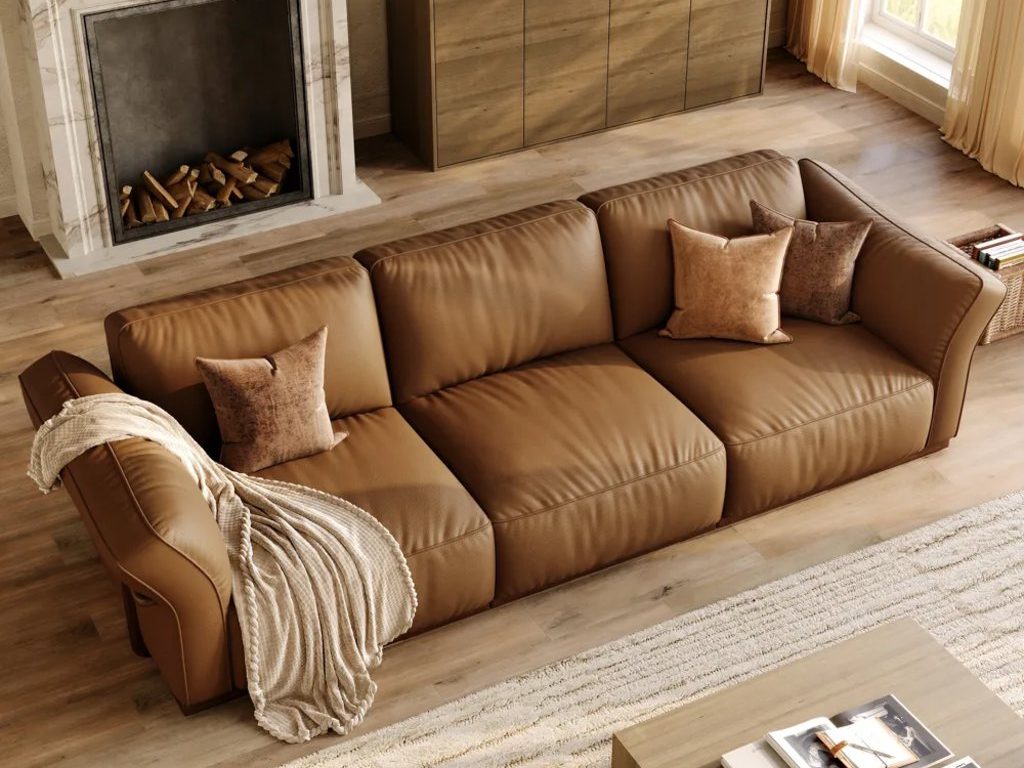
For a family room where people tend to stretch out during long movies rather than sit upright, the Cronus-Brown Genuine Leather Modular Sofa gives the seating zone a more relaxed, grounded feel. Its 26-inch seat depth, down-filled cushions, top-grain leather upholstery, and solid-wood frame suit households that want substantial everyday comfort without relying on extra loose lounge pieces.
For occasional guests, flexible seating can help, but do not let a once-a-year sleepover dictate every daily decision. The main seat should still support how the household relaxes most of the time.
Give Every Regular Seat a Reachable Surface
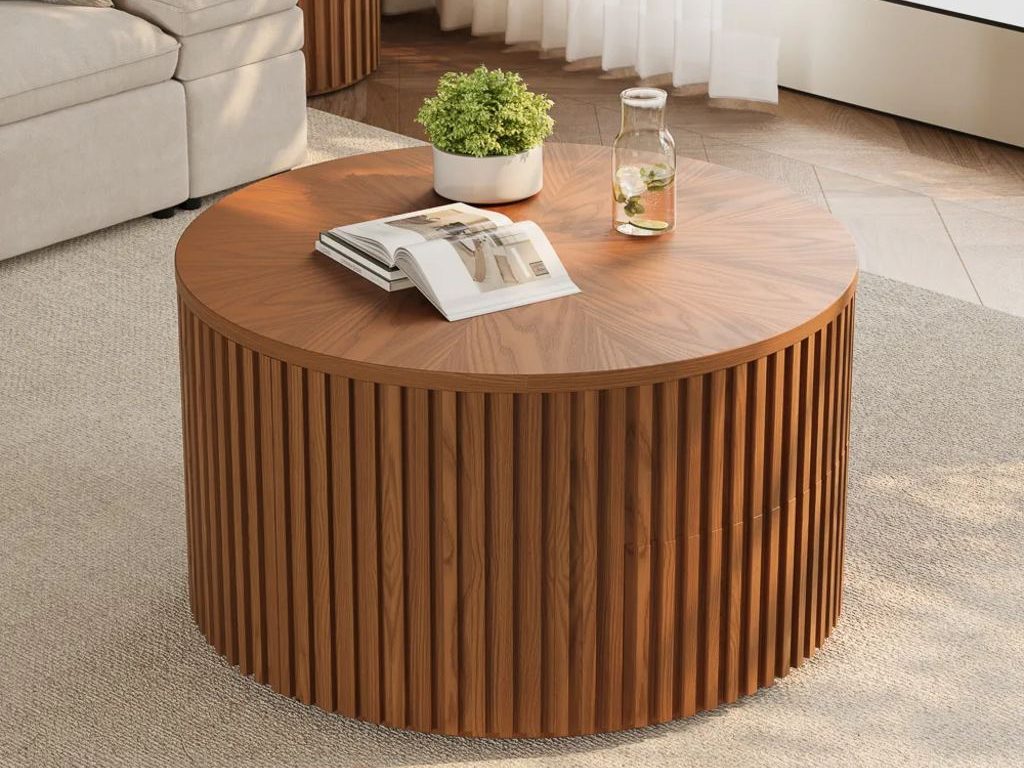
A room becomes less useful when people have nowhere to set a drink, a phone, a book, or a snack bowl. A coffee table works well when the seats surround it comfortably. An ottoman can be better when the room needs softer edges, extra seating, or more legroom.
Use a tray on an upholstered ottoman when you want a stable surface for drinks. This keeps the piece flexible without turning the center of the room into a hard obstacle for children or guests.
Keep Storage Close to the Activity
Storage works best when it is near the items it needs to hold. Blankets belong near the sofa. Game controllers and charging cords belong near the TV. Toys, art supplies, and books should be close enough for children to use and return independently.
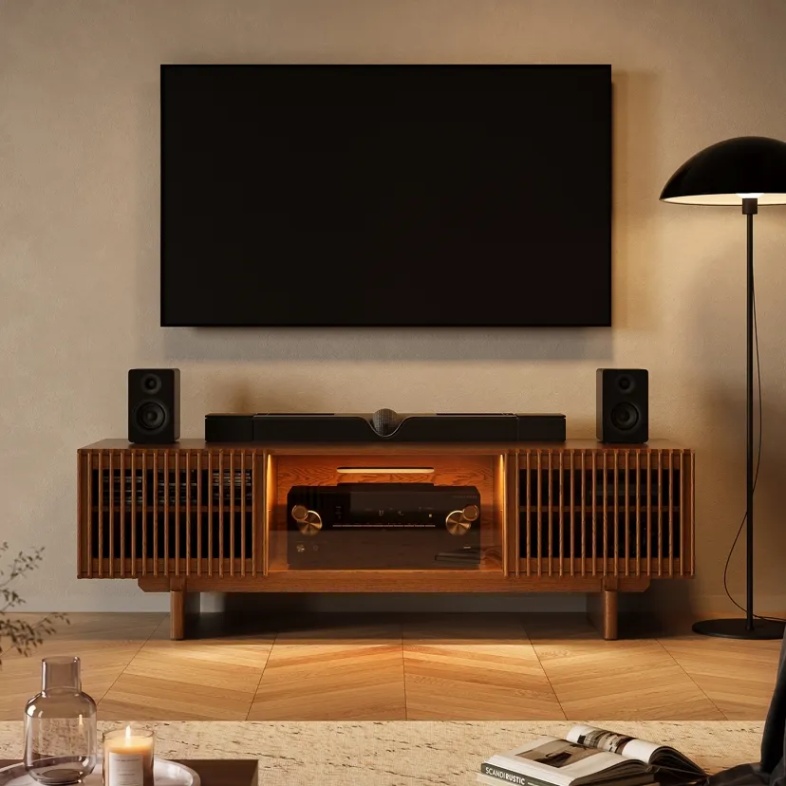
A wood TV stand with natural warmth can help a media wall feel less cold while giving cables, remotes, and gaming accessories a more contained home. Look for a mix of accessible space for active devices and closed sections for visual clutter.
When the TV zone also collects controllers, chargers, and streaming devices, the Arboren-71” Mid-Century Modern TV Stand with storage gives those items a more organized home without treating the setup like an afterthought. Its three cabinets, removable interior shelves, six internal cable holes, and slatted doors help manage equipment while allowing sound and remote signals to pass through.
How Can You Add Warmth Without Filling Every Surface?
Cozy family room decor works best when it adds comfort at different heights: underfoot, at seat level, and around the room’s edges. Rather than buying many small accessories at once, start with a few larger layers that affect how the room feels to use.
Layer Lighting for Different Times of Day
One ceiling fixture can make a room bright, but it rarely makes it relaxing. Layered lighting for different times of day can include a floor lamp near a reading chair, a table lamp near the sofa, or a low lamp near the media wall. This gives the room softer light for watching TV, talking after dinner, or helping with homework.
Use brighter light where people need to see clearly, such as near a game table or storage cabinet. Use lower, softer light around lounging areas. That contrast helps the room feel more settled at night without making it too dark to use.

Add Texture Through the Pieces You Already Need
A rug can soften hard flooring, reduce the visual gap between seating pieces, and make floor play more comfortable. Curtains can make windows feel more finished while helping the room feel less echoey and bare. Pillows and throws should be chosen for actual use, not stacked until the sofa becomes difficult to sit on.
Mixing a few textures is usually enough. A woven rug, a smooth wood surface, soft upholstery, and one knit throw can create more depth than ten unrelated decorative objects.
Use Color and Wood to Ground the Room
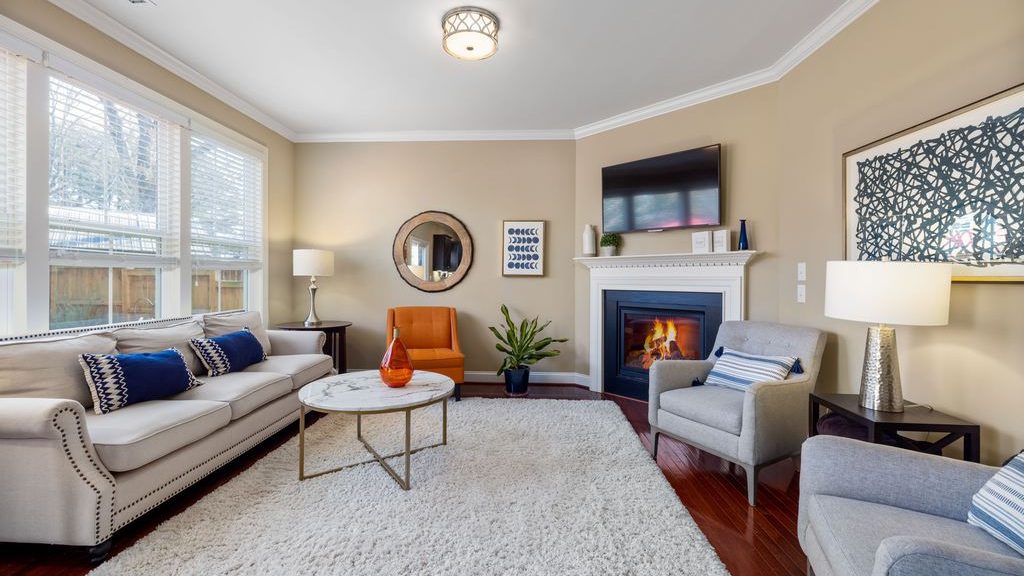
Warmth does not require dark walls or a fully brown color scheme. Neutral rooms often feel more relaxed when they include a few warmer undertones: oatmeal, camel, muted rust, olive, walnut, or warm gray.
Wood is especially useful near a TV wall, where screens and electronics can otherwise feel visually hard. Pairing a warm wood finish with a fabric lampshade, a textured rug, or a few books makes the area feel more like part of the room and less like a separate entertainment zone.
What Should You Measure Before Buying Family Room Furniture?
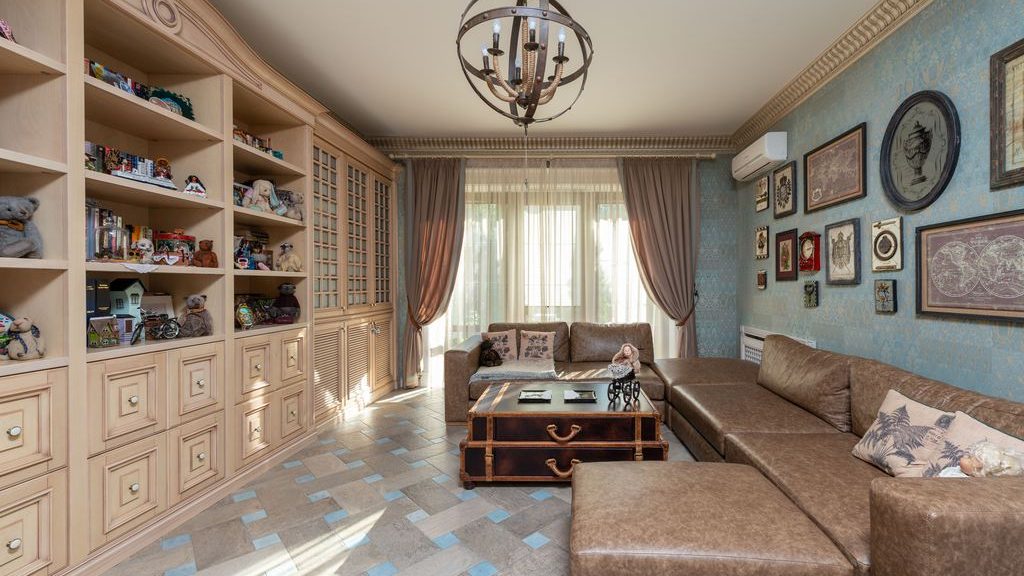
Measure the room for use, not only for furniture delivery. The sofa may fit against the wall but still leave too little room to walk around, open a cabinet, or pull out a footrest. For a large living room that feels cozy, this matters just as much as it does in a compact room.
Before buying, check:
- The full seating footprint: Include chaise sections, reclining space, and any seats that extend forward.
- The main walkway: Test the route people take between the doorway, kitchen, sofa, and TV wall.
- The rug area: Decide whether it will anchor the front legs of the seating or sit fully beneath a smaller grouping.
- The coffee-table zone: Make sure people can pass without bumping corners, while still reaching the surface from regular seats.
- Storage doors and drawers: Open them in your plan before committing to a console or cabinet.
A simple painter’s-tape outline on the floor can reveal problems that room photos and product dimensions often hide.
Conclusion
The most inviting cozy family room is not the one with the most pillows or decor. It is the one that supports the people using it every day. Start with the main activity, shape the seating around it, protect the walking path, and give clutter a place to go. Then add warmth through lighting, texture, and materials that make the room easier to settle into. When comfort and function work together, the room feels calmer, more personal, and more likely to be used.
FAQ
Are loose seat cushions or a bench cushion better for family use?
Separate seat cushions are usually easier to rotate when one spot receives more daily wear. They also make it easier to clean between cushions. A bench cushion gives the sofa a smoother look and lets people shift across the seat more freely, but it can be harder to rotate evenly over time.
Are attached back cushions easier to maintain than loose back cushions?
Yes, attached back cushions are generally easier to maintain because they stay in place and need less daily straightening. Loose back cushions often feel softer and can be refluffed or rearranged, but they require more attention. Choose attached backs when a consistently tidy look matters more than adjustable softness.
What should I ask about a sofa’s suspension before buying?
Ask what supports the seat cushions and whether that component has separate warranty coverage. Suspension affects how the sofa feels beneath the cushions and how support may change with regular use. Compare the construction details, warranty terms, and customer feedback instead of relying only on a styled product photo.
Is bouclé upholstery practical for a busy household?
Bouclé can be practical in a lower-impact room, but it is not always ideal for homes with pets that scratch or children who use the sofa roughly. Its looped texture can catch or snag. A tighter woven upholstery is usually a safer choice when the sofa will receive heavier daily wear.
How can I tell whether a fabric is likely to snag?
Check whether the fabric has loose loops, raised yarns, or an open weave that can catch on claws, zippers, or rough clothing. Tighter, flatter weaves are generally easier to live with in active households. When possible, examine a fabric swatch closely and rub it lightly before ordering.
Does a long sofa need center support legs?
Usually, a longer sofa benefits from center support legs because they help distribute weight across the frame. They should sit firmly on the floor rather than hover above it. Check the product photos and specifications, especially for larger sofas that will be used by several people at once.
Are removable sofa covers always worth choosing?
No, removable covers are most useful when frequent spills or pet messes are likely. They can simplify cleaning, but some covers require careful washing or professional cleaning to avoid shrinkage and shape changes. Before buying, review the care instructions and confirm whether replacement covers can be ordered later.


