 By Stephanie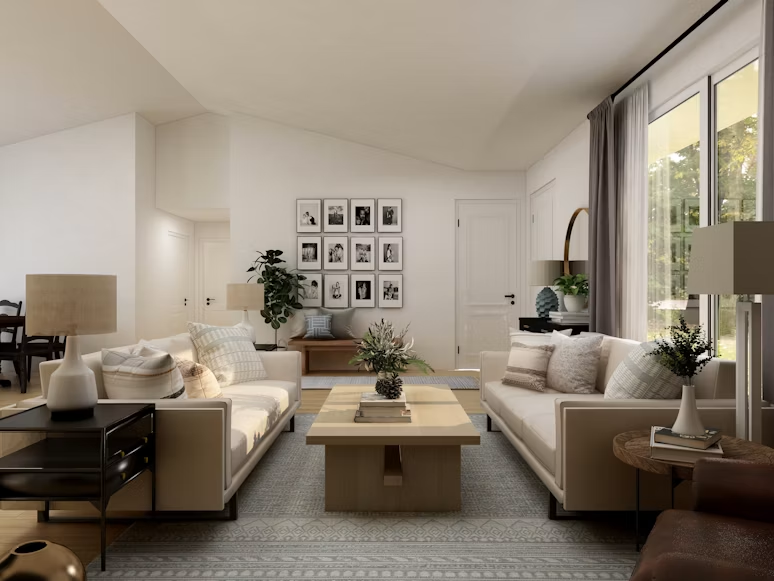
A modern farmhouse sofa should do more than add warm neutrals to a living room. It should feel good after a long workday, hold up when the dog jumps on it with damp paws, and give guests a comfortable place to settle during a weekend visit. The best choice looks relaxed without feeling overly rustic and practical without looking like it belongs in a commercial space. This guide helps you choose a modern farmhouse sofa by starting with daily life—not a trend photo—and ending with a room that feels warm, useful, and easy to maintain.
Table of Contents
What Makes a Modern Farmhouse Sofa Feel Current?
Modern farmhouse style is not about recreating a country house inside a newer home. It is about balancing softness, natural materials, and straightforward shapes. Since the sofa is usually the largest upholstered piece in the room, its profile sets the tone long before you add a rug, coffee table, or throw pillows.
Clean Lines Create the Modern Side of the Look
A modern farmhouse sofa usually has square arms, gently sloped arms, or a softly rounded profile with clear structure. The cushions can look inviting, but the overall shape should still feel edited. This is what prevents the room from drifting toward an overly traditional or themed look.
Look for these features:
- Tailored or lightly relaxed seat cushions
- Low-profile wood legs or a simple upholstered base
- Matte fabric, warm leather, or subtle texture
- Arms that feel structured rather than oversized
- A silhouette that works with both rustic and modern pieces
Avoid buying a sofa simply because it has a farmhouse tag. Heavy rolled arms, nailhead trim, thick distressed-wood framing, and large buffalo-check upholstery can make the style feel too literal. The goal is to create a room that feels lived-in, not staged for a themed photo shoot.
The same principle applies when choosing modern farmhouse furniture that feels warm rather than old: let one large anchor piece establish the mood, then keep supporting furniture quieter.
Let the Sofa Carry One Clear Natural Signal
The sofa itself only needs one strong natural cue. That might be an oatmeal weave, cognac leather, muted green upholstery, or a simple wood base. Adding all of those cues to one piece can make it feel busy before the rest of the room is even finished.
Use this comparison when narrowing down options:
| A Modern Farmhouse Choice | A Detail That Can Feel Overdone |
| Soft-square or gently sloped arms | Heavy rolled arms with nailhead trim |
| Oatmeal, beige, cognac, or muted green | Cool gray or stark black-and-white contrast |
| One warm wood detail | A fully distressed wood frame |
| Matte leather or a subtle woven texture | Shiny faux leather or large country prints |
| A few textured pillows | Multiple plaid, word-print, and themed pillows |
Think of the sofa as the calm center of the room. A beige sofa with one wood detail already creates enough warmth to pair with a walnut coffee table, a woven rug, and a ceramic vase. It does not need additional rustic decoration built on every surface.
The Live-First Sofa Filter: Choose by Use, Fit, Care, and Style
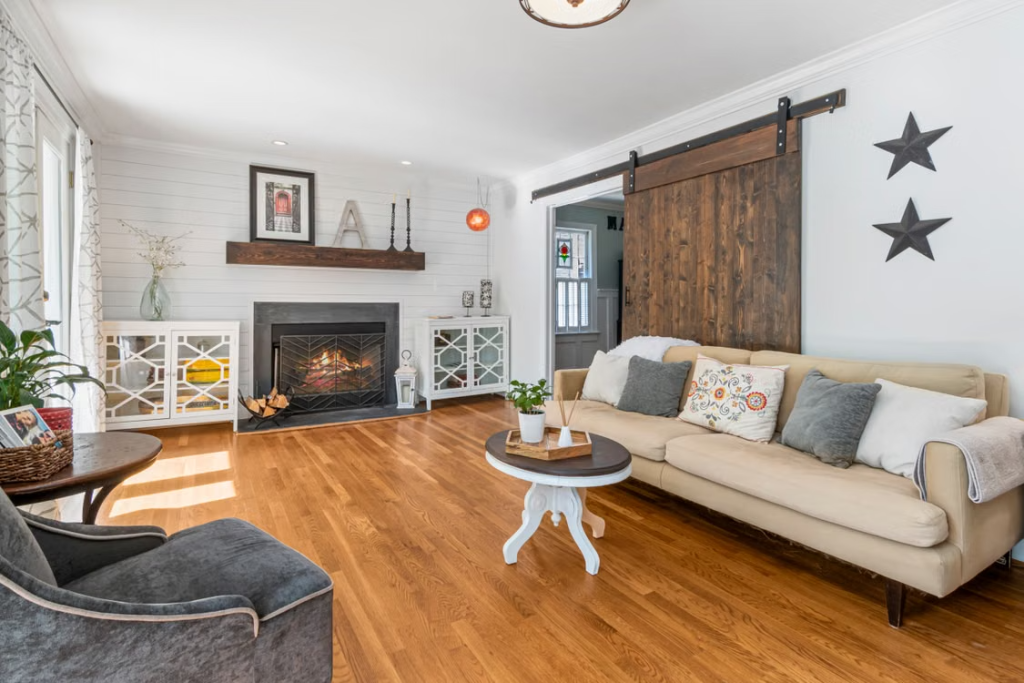
Most people start with color, then realize too late that the sofa is too deep, too large, too delicate, or too rigid for the way they actually live. The Live-First Sofa Filter reverses that order. It gives readers a practical buying sequence: Live, Fit, Maintain, then Style.
Before comparing swatches or saving inspiration photos, work through these four questions:
- Live: Who uses the sofa, and what happens there every day?
- Fit: What size and shape keep the room easy to move through?
- Maintain: What material can handle the household’s real messes?
- Style: Which color and finish make the room feel like a modern farmhouse?
A sofa that passes all four steps will still feel right after the original trend image stops feeling new.
Live: Start With the Friday-Night Test
Picture your living room at its busiest normal moment. Not during a holiday party. Not when it is freshly cleaned. Think about a Friday night after dinner.
Does the room usually hold two people watching a show? Does everyone spread out with snacks and blankets? Is there a child doing homework at one end while someone answers email at the other? Do friends occasionally stay overnight? Your answer should guide the sofa category before you look at fabric or color.
Use this quick match:
- Reading, conversation, and everyday sitting: Choose a supportive three-seater with a more tailored profile.
- Family movie nights: Consider a chaise sectional or modular configuration with enough room to stretch out.
- Open-plan rooms: Use an L-shaped sectional only when it helps define the lounge area.
- Regular overnight guests: Consider a sleeper sofa or power sofa bed that serves a genuine guest-room need.
- Pets, kids, and snack-heavy evenings: Treat easy cleanup as a non-negotiable feature.
At 7:45 p.m., a family sofa may need to hold a laptop, a bowl of popcorn, a child under a blanket, and a dog claiming the corner cushion. That is why the right modern farmhouse sofa begins with real household behavior—not the word “farmhouse” in a product title.
Fit: Choose the Shape That Solves Your Layout
A sofa should solve a layout problem, not simply occupy the largest available wall. Start by asking what the room needs more of: open circulation, extra seating, visual separation, or guest flexibility.
A straight sofa is usually the smarter choice for a narrow room, a fireplace wall with nearby doors, or a living area that already has accent chairs. It keeps sightlines open and lets the room adapt later. You can add a chair, ottoman, or side table without making the seating zone feel fixed in place.
A sectional sofa earns its footprint when it offers a clear benefit:
- It seats a larger household without adding several separate chairs.
- It gives one or two people a chaise for regular lounging.
- Its back creates a boundary between an open living room and dining area.
- Its modular pieces can be adjusted as the household changes.
Do not choose a sectional just because it looks cozy online. In a real room, an oversized sectional can block the main path, crowd the coffee table, and make a space feel smaller than it is. The best configuration is the one that makes the room easier to use from the door to the sofa, from the sofa to the kitchen, and from the sofa to the TV.
Fit: Confirm Comfort and Clearance Before Choosing Color
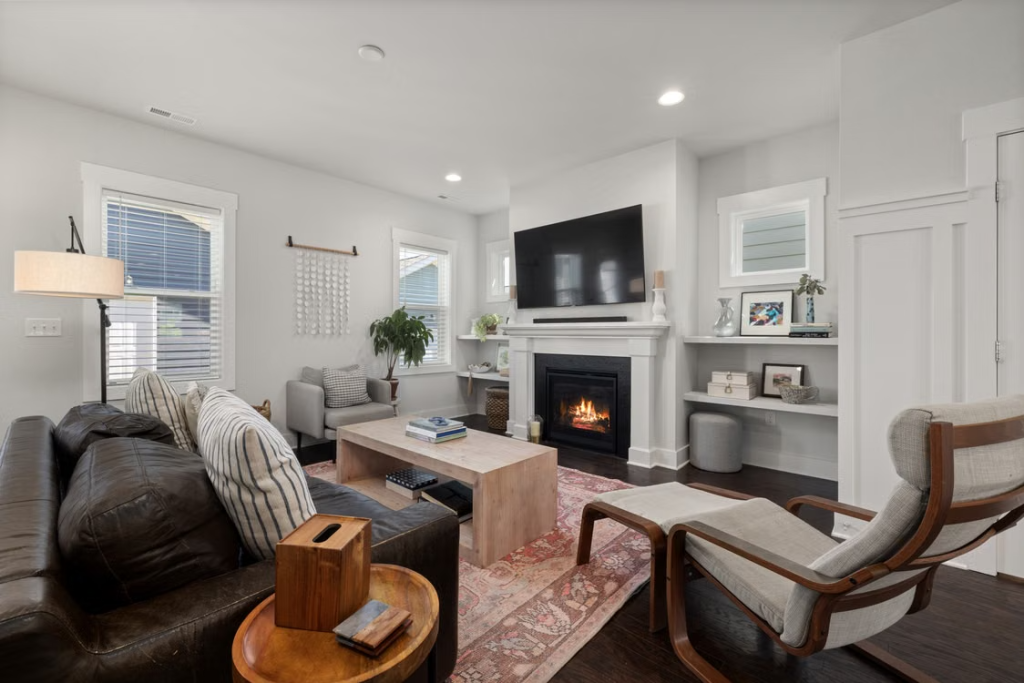
Once you know the right sofa category, test the room on paper and on the floor. Comfort and clearance should be confirmed before you commit to cream, beige, brown leather, or green fabric.
A shallower seat generally feels more supportive for conversation, reading, and getting up easily. A deeper seat gives more room for long television sessions and relaxed lounging. Neither is automatically better; the correct choice depends on how people sit in your home.
Before ordering, complete this check:
- Mark the sofa’s width and depth on the floor with painter’s tape.
- Walk through the taped outline as you normally would.
- Open nearby doors, drawers, and media-console cabinets.
- Measure every part of the delivery path, including elevators, halls, stair turns, and doorways.
- Check that the coffee table will remain easy to reach without blocking circulation.
- Consider whether the seat height and depth suit older relatives or anyone who prefers more upright support.
For a practical farmhouse sofa for living room layout, the sofa should never turn the main route through the room into an obstacle course. A room feels more welcoming when people can sit down, stand up, and pass through it without adjusting their bodies around furniture.
Maintain: Match Fabric and Color to Your Household
Fabric and color should support the life you already mapped. A pale linen-look sofa may suit a bright, low-mess room beautifully. It may not be the best choice for a home where the dog comes in from the yard, children eat snacks during movies, and the sofa is used every day.
Choose upholstery based on the issue you manage most often:
| Household Need | Best Starting Material | Color Direction |
| Bright, low-mess room | Linen-look or soft woven fabric | Cream or ivory |
| Kids, pets, and everyday snacks | Tight-weave performance fabric | Beige, oatmeal, or khaki |
| Frequent pet hair or muddy paws | Smooth leather or short-pile performance fabric | Mid-tone beige, taupe, or warm brown |
| Light walls and a stone fireplace | Matte leather | Cognac or soft brown |
| A neutral room needing gentle contrast | Durable woven upholstery | Muted green or olive |
Linen-look upholstery creates a relaxed, layered look, but it works best when cleaning demands are low. Chenille feels soft and inviting for lounging, though homes with heavy pet shedding should consider how easily fur will release from the surface. Leather offers fast wipe-down care and develops warmth over time. Performance fabric often gives active households the most balanced solution because it can feel soft while handling daily wear more calmly.
For homes with dogs, the best sofa fabrics for fur, claws, stains, and daily cleanup depend on which problem shows up most often. A shedding dog creates a different upholstery need than a dog that scratches, drools, or runs in after rain.
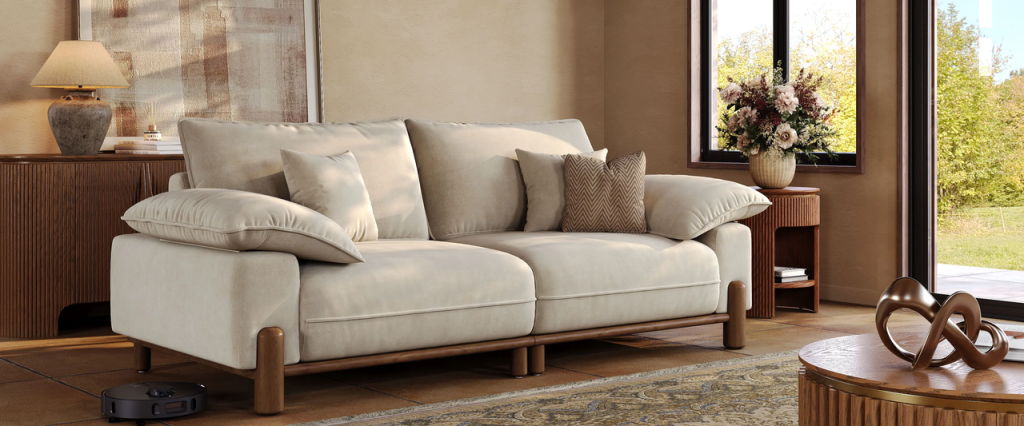
That is where the Atticus Mid-Century Sofa with pet-friendly fabric fits naturally into a modern farmhouse room. Its two-to-three-seat scale creates a defined seating anchor without the visual weight of a sectional, while its sloped arms, solid wood legs, layered foam cushions, and short-pile pet-friendly upholstery support real family use. The five-inch leg clearance also gives a robot vacuum room to handle the daily cleanup underneath.
Beige and oatmeal are often the most forgiving choices because they stay soft beside wood and stone while hiding minor wear better than stark white. Cognac leather works well with cream walls and light oak but can make a room feel too heavy when paired with dark flooring and several dark-wood pieces. Muted green is a smart option when the room needs color but does not need another black metal or distressed-wood accent.
Style the Sofa Without Making the Room Feel Themed
Once the sofa has passed the Live-First Filter, styling becomes much simpler. The sofa does not need to carry every farmhouse detail because the room can create warmth through a few layered materials. The best spaces feel collected and comfortable, not filled with repeated symbols of one style.
Build the Room Around Three Material Layers
A modern farmhouse living room usually needs three material layers: one to ground the sofa, one to soften the room, and one to make the space feel personal. Each layer should do a different job.
- Grounding layer: A walnut, oak, or stone-looking coffee table gives the sofa a visual base.
- Softening layer: A wool, cotton, or low-pile woven rug prevents wood and upholstery from feeling flat.
- Personal layer: One ceramic object, framed landscape, sculptural lamp, or leafy plant adds character without clutter.
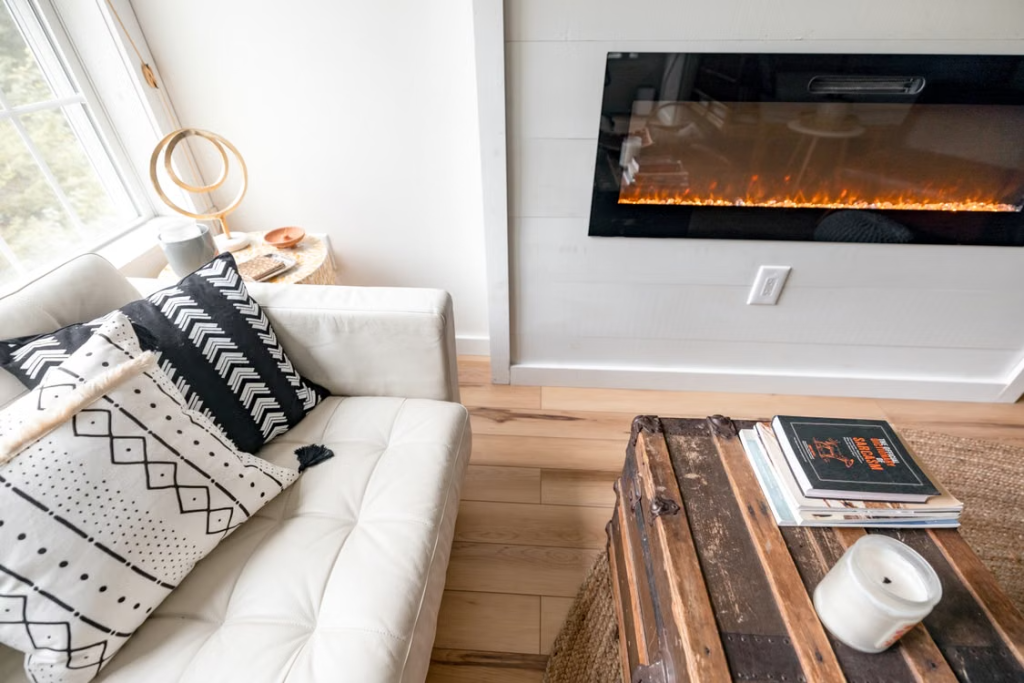
These modern farmhouse sofa ideas are effective because they work with the sofa instead of competing against it. On a quiet Sunday morning, a beige sofa, medium-walnut coffee table, and textured ivory rug can make a room feel complete before you add a single decorative object.
Keep the pattern story simple. If the rug is textured, use mostly solid pillows. If the sofa is leather, add softness through a woven throw or wool rug. If the sofa has visible wood legs, choose a coffee table that brings in a related wood tone rather than an identical match.
Repeat the Sofa Color in Small, Intentional Doses
A room looks more connected when the sofa color appears once or twice elsewhere in a quieter form. The key is repetition, not matching.
An oatmeal sofa can connect to a tan lampshade, a warm wood table, or one pair of muted pillows. A muted green sofa can pick up an olive detail in a cushion, a botanical print, or one leafy plant. A cognac sofa can echo in a leather-bound book, clay-toned pottery, or a warm brown frame.
A modern farmhouse interior decor plan that feels fresh and livable uses repetition carefully: the room should share a palette, but no single color or finish should take over every surface. This is what keeps the space warm without making it feel overly designed.
Before You Order: The 60-Second Purchase Check
By now, you have already confirmed that the sofa fits the room and supports the way your household lives. This final step is about the exact item in your cart. A sofa can be the right general choice but still become the wrong purchase if the configuration, fabric option, delivery details, or ownership terms are not clear.
Confirm the Exact Version You Are Buying
Before you place the order, review the product page one more time and confirm:
- The selected configuration is correct, including the chaise position, sectional orientation, or modular arrangement.
- The color and fabric shown in your selection are the versions you actually want, not just the default image on the page.
- The upholstery care instructions match your routine, especially if you expect pet hair, spills, or frequent use.
- The cushion style, leg finish, and arm shape work with the room you have planned.
- Any optional pieces, such as an ottoman, sleeper function, or additional module, are included in the final order rather than shown only in the product photos.
Pay close attention to orientation labels. Retailers may define “left-facing” and “right-facing” from different viewing positions, so check the diagram or ask for confirmation before ordering a chaise sectional.
Confirm Delivery, Assembly, and Ownership Details
The buying experience matters just as much as the sofa itself. Check the practical details before checkout:
- Whether the sofa arrives fully assembled, requires partial assembly, or needs tools after delivery.
- How many boxes or packages will arrive and whether they will fit in your entryway while unpacking.
- Whether delivery includes room placement, white-glove service, or curbside drop-off only.
- The estimated delivery window and whether you need to schedule a specific appointment.
- The return policy, restocking fees, warranty coverage, and any conditions for reporting damage.
These details are easy to overlook when you are focused on fabric and color, but they shape the first days of ownership. A sofa should arrive in a way that feels manageable, not like another project waiting at the door.
Think Beyond the First Setup
Finally, consider whether the sofa can keep up with the next stage of your life. A neutral upholstery color may work with a new rug or wall color later. A flexible layout may matter more if a child, pet, work-from-home routine, or regular guest changes how the room is used.
The best final question is simple: Will this exact sofa still feel like a smart choice once the room changes around it? If the answer is yes, you are ready to order.
Conclusion
The right modern farmhouse sofa does not need to announce its style from across the room. It earns its place by supporting the way people gather, rest, clean up, and move through the space. Use the Live-First Sofa Filter to decide how your household lives first, then choose the shape, comfort level, fabric, and color that support that reality. When a sofa handles movie nights, muddy paws, quiet mornings, and unexpected guests without making the room feel crowded, it has done more than match the style. It has made the room easier to live in.
FAQs
Can Two Sofas Work Better Than a Sectional in a Modern Farmhouse Living Room?
Yes. Two sofas often work better in rectangular rooms, formal conversation areas, or spaces centered on a fireplace. They keep the middle of the room open and make later layout changes easier. This arrangement can also feel lighter than a large sectional in a home with several doors or windows.
Can You Mix a Leather Sofa With Fabric Chairs in a Modern Farmhouse Room?
Yes. A warm brown or cognac leather sofa can look especially balanced with oatmeal, cream, or muted olive fabric chairs. Keep the shapes simple and connect the pieces with one shared element, such as a warm wood coffee table, woven rug, or soft neutral throw. The goal is contrast in texture, not a perfectly matched furniture set.
What Sofa Color Hides Pet Hair Best?
Choose a medium tone that resembles your pet’s coat rather than a color that only looks good in photos. Oatmeal, taupe, warm beige, and khaki are usually more forgiving than stark white or very dark charcoal. A smooth, short-pile surface also releases hair more easily than loose texture.
Can a Modern Farmhouse Sofa Work in a Rental Apartment?
Yes. A clean-lined three-seater, freestanding coffee table, woven rug, and warm lighting can create the look without permanent changes. Choose a sofa with a flexible scale and neutral finish so it can move into a future home while still making the current apartment feel settled.


