 By Kelvin
Introduction
A sofa, loveseat and recliner layout can give a family room plenty of comfortable seating, but only if the pieces still work when footrests are open and people need to move through the room. This guide explains how to arrange the three pieces, when a smaller configuration works better, and how to measure the active footprint before ordering.
Table of Contents
Is a Sofa, Loveseat and Recliner Setup Right for Your Room?
A sofa, loveseat and recliner arrangement works best when the room has one clear seating zone and enough space for several people to relax at the same time. It is especially useful in a dedicated family room where the TV is the focal point, the main doorway sits outside the seating area, and four or more people regularly watch, read, or lounge together.
It is less useful when the room serves too many jobs at once. In a narrow living room, a loveseat can turn the middle of the room into a bottleneck. In an open-plan apartment, a recliner placed in the wrong spot can interrupt the path from the kitchen to the balcony. Buying all three pieces simply because they are sold as a set can leave you with more seats than the room can use comfortably.
| Your Room Need | Better Starting Configuration | Why It Works |
| Two regular users in a compact room | Reclining sofa + one recliner | Keeps one side of the room open |
| Family TV room with one long wall | Reclining sofa + loveseat | Adds shared seating without scattering chairs |
| Large room with frequent guests | Sofa + loveseat + recliner | Creates several comfortable viewing positions |
| Open layout with multiple doorways | Sofa + movable recliner | Protects the main walkway |
| Short wall behind the seating | Wall-hugger reclining sofa | Reduces the rear clearance needed to recline |
Think about how people actually use the room. A family may need three reclining seats during a Friday movie night, but that same room may need an open route to the kitchen every morning. If the furniture only works when no one moves around it, the configuration is too large for the space.
How Much Space Does a Reclining Set Need When Open?
A reclining layout should be planned around its active footprint, not its showroom footprint. A sofa may look compact when closed, yet become the room’s biggest obstacle once its footrest extends. Before choosing a style, measure the furniture at rest, the furniture fully reclined, and the path people need to use around it.
Measure Three Zones, Not One
Start with the dimensions listed on the product page, but separate them into three practical zones:
- Closed footprint: The width and depth of each piece while upright.
- Recline footprint: The total depth once the back and footrest are fully extended.
- Circulation path: The route that remains open when one or more seats are reclined.
Do not assume that a sofa and loveseat can share the same clearance just because they match. The loveseat may include a center console, cup holders, or thicker arms that change its overall width. A single recliner may need more space beside it if the controls sit on the outer arm.
Try the Active Footprint Test Before Ordering
Painter’s tape is one of the simplest ways to catch a layout problem before delivery day. Mark the closed dimensions first, then add the extended depth from the product specifications.
- Tape the outline of the sofa, loveseat, and recliner in their upright positions.
- Extend the front edge to show where each footrest will reach.
- Mark the coffee table, TV console, doors, and any radiator or floor vent.
- Walk from the entrance to every seat as if two footrests were open.
- Check whether someone can still cross the room without squeezing sideways.
This test is particularly useful in apartments where a room can look generous when empty but becomes tight once a rug, media console, and side tables are in place.
When a Wall-Hugger Reclining Sofa Helps—and When It Does Not
A wall hugger reclining sofa can make a wall-facing layout easier because it is designed to recline with less space behind the back. That can be useful when the sofa sits along a short wall, near a window wall, or opposite a TV console. Still, reduced rear clearance does not remove the need to measure the front of the room.
When placing a power recliner sofa against a wall, check the fully extended depth, not just how close the back can sit to the wall. The footrest may still meet the coffee table, block a drawer, or cut into the only clear path across the room.
How Should You Arrange a Sofa, Loveseat and Recliner?
The best layout depends less on the number of pieces and more on the room’s shape. Start with the focal point, usually a TV, fireplace, or main window. Then protect the most important route through the room before trying to create visual symmetry.
Layout 1: The TV-First L-Shape
Place the sofa directly across from the TV wall. Position the loveseat on the adjacent wall or at a slight angle, then use the recliner near the outer corner. This arrangement gives everyone a view of the screen without placing every seat in a straight line.
It works best in a square or moderately wide room with one main entrance. Keep the recliner on the side that does not interrupt the doorway. A compact side table beside it is often more useful than a large coffee table in the center.
Layout 2: The Open-Center Conversation Plan
In an open-plan room, the loveseat does not need to sit at a strict 90-degree angle. Turning it slightly toward the sofa can preserve the conversation zone while keeping the kitchen-to-hallway route more open.
This layout works well when a family uses the room for both TV time and visiting. It gives the recliner its own comfort zone without closing off the center of the room. Understanding the difference between a sofa and a loveseat also helps here: the loveseat should support the main seating plan, not automatically become a second full-scale sofa.
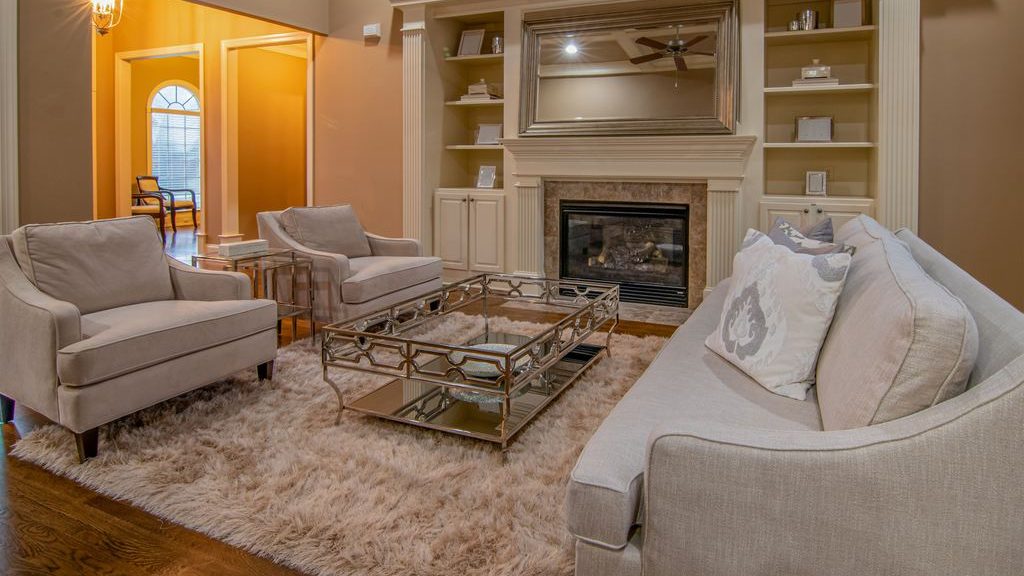
Layout 3: Sofa + Recliner Layout for Narrow or Multi-Use Rooms
A full three-piece set is not always the stronger layout. In a narrow or multi-use room, place the sofa on the longest usable wall or opposite the TV, then keep one recliner toward the outer corner instead of filling the remaining wall with a loveseat. This preserves more of the center walkway for a desk, play area, or everyday traffic.
A zero-wall recliner is most useful when the wall behind it is limited, but it still needs side access for controls and enough clear floor in front for the footrest. Put it near a window, corner, or reading lamp only when its reclined position will not block curtains, outlets, or doors.
When a full three-piece set crowds a narrow or multi-use room, Aurora Power Sofa Bed can consolidate lounging and guest use into one sofa. Its 27–45.5-inch adjustable depth and zero-distance wall placement reduce rear-clearance pressure, though front extension still needs measuring.
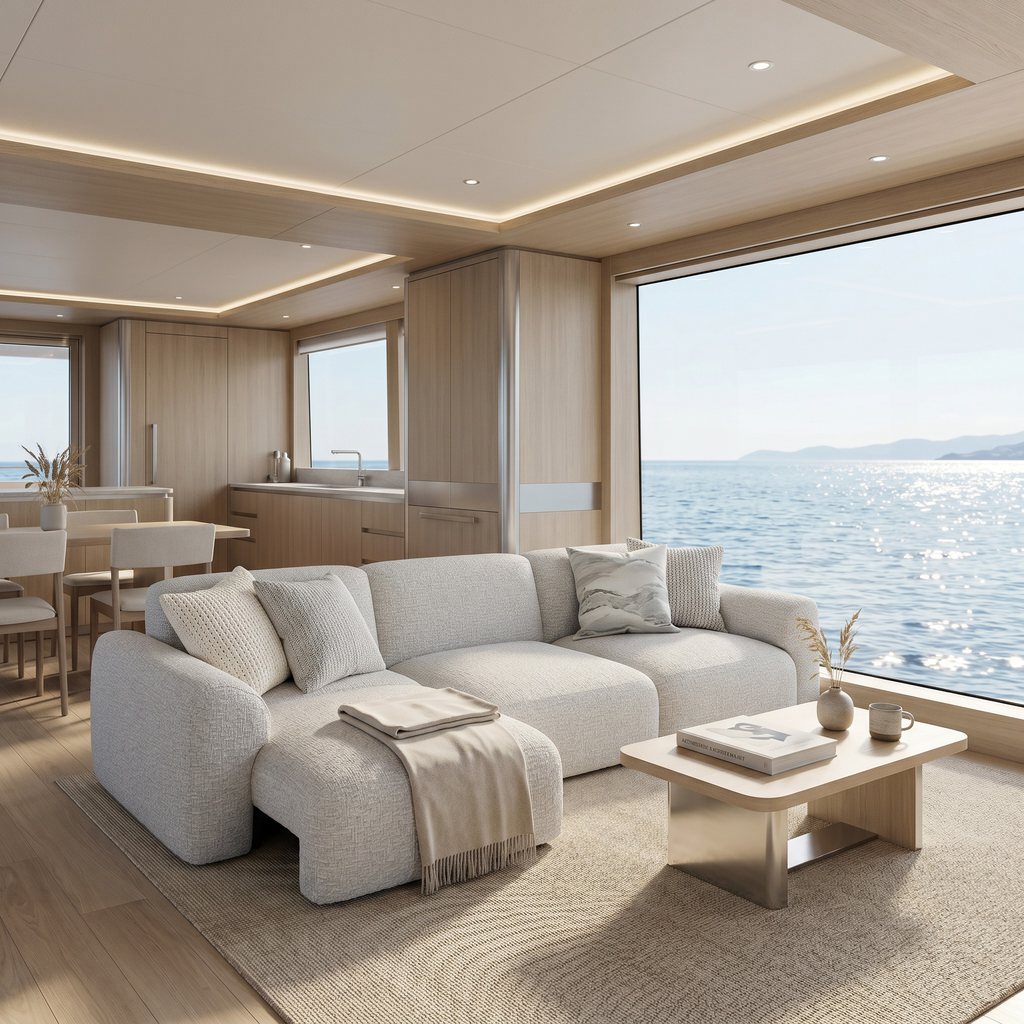
Aurora Power Sofa Bed
Powered seating that saves layout space while adding flexible guest use.
👍 Best for: Narrow multi-use living rooms
✨ 27–45.5″ adjustable seat depth
✨ Zero-distance wall placement
✨ Powered lounge-to-sleep adjustment
How Do You Keep Reclining Furniture From Blocking the Room?
Once the major pieces are in place, the next decision is not decor. It is how the room behaves during real life. A well-planned setup allows someone to recline, another person to refill a drink, and a third person to pass through without moving furniture first.
Choose Tables That Move With the Room
A large fixed coffee table can become the first obstacle in a reclining room. When two people often open their footrests at the same time, consider nesting tables, a C-table, or two smaller side tables instead. They offer a place for drinks and remotes without forcing the whole room to revolve around one heavy center table.
A console loveseat can reduce the need for extra surfaces because it may hold remotes, cups, or chargers. But it also creates a firm divider between the two seats. Choose it for separate TV viewing habits, not for couples who often sit close together or stretch across both cushions.
Keep One Route Clear at All Times
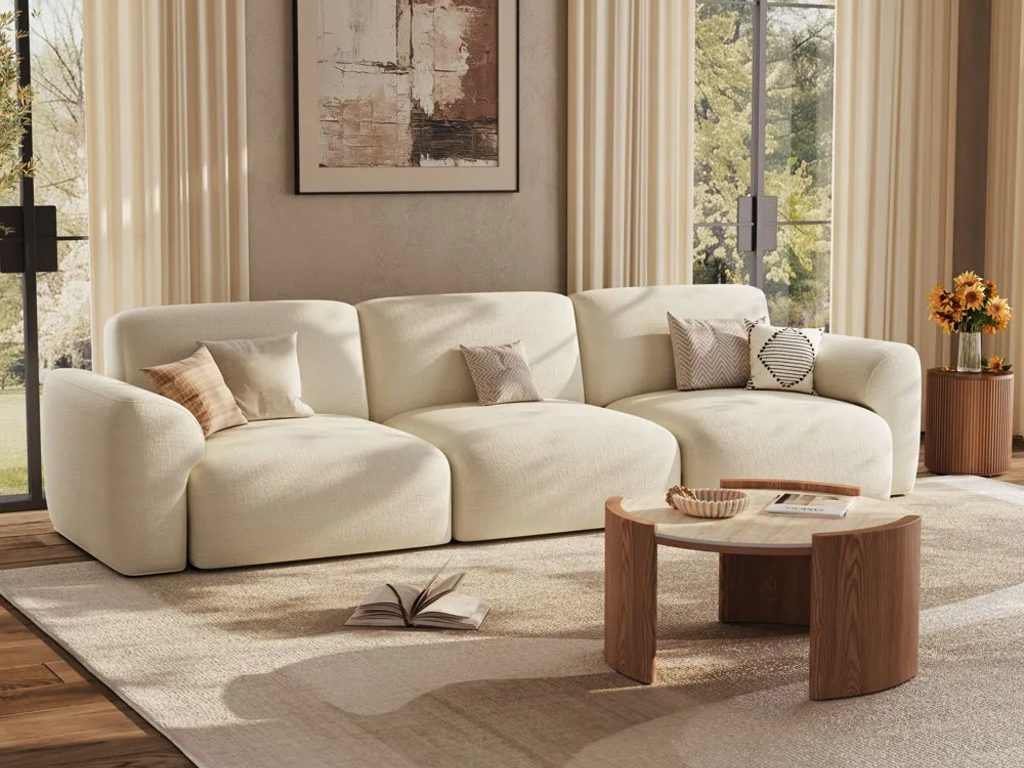
Choose one route that must remain usable when the seats are reclined, such as the entry-to-kitchen or sofa-to-hallway path. If the layout only works when every footrest is closed, the configuration is too large for everyday use.
Check the Control Side and Power Route
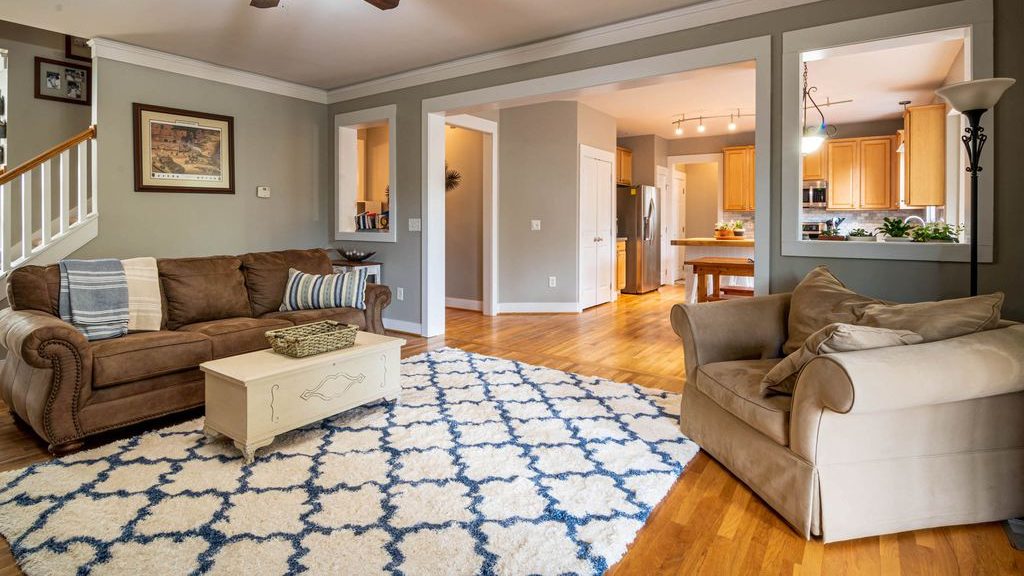
Before ordering a power model, confirm where the buttons, USB ports, and cord are located. A side table can accidentally block the controls, while a power cable routed across a walkway creates a daily nuisance.
The decision between a manual and power reclining sofa should also reflect the room. Manual recliners can be simpler where outlets are limited. Power models make more sense when the controls remain accessible and the cord can reach an outlet without crossing the main traffic path.
What Should You Confirm on the Product Page Before Ordering?
Check these details before you commit to a reclining configuration:
- Fully reclined depth, not only overall closed depth
- Required wall clearance for each piece
- Whether every seat reclines independently
- Loveseat width with or without a center console
- Recliner control location and side-table clearance
- Power cord length and outlet placement
- Seat width, seat depth, and arm thickness
- Doorway, elevator, hallway, and stair-turn measurements
- Whether the delivery path can handle the item in its packaging
A coordinated set can look simple online, but each piece has its own dimensions and movement pattern. Confirm them separately before assuming the sofa, loveseat, and recliner will work as one layout.
Conclusion
The right sofa, loveseat and recliner layout is not the one with the most seats. It is the one that gives people comfortable places to sit, recline, and move through the room without rearranging furniture every evening. Measure the furniture when it is fully open, protect one everyday walkway, and treat wall-saving mechanisms as one part of the decision rather than the whole answer. Once the layout works in real life, choosing fabric, color, and extra features becomes much easier.
Q&A
Can I mix a fabric sofa with a leather recliner?
Yes, as long as the pieces share a clear visual connection. Match the undertone first, such as warm brown with camel, or cool gray with charcoal. Then repeat one more element, such as low-profile arms, black metal legs, or a similar seat height. Avoid pairing a glossy leather recliner with a heavily textured casual sofa unless the room already mixes finishes elsewhere.
Can a sofa, loveseat and recliner set work in a home with kids or pets?
Yes, but choose upholstery based on cleanup and wear before choosing color alone. Tightly woven performance fabric or easy-care leather is usually easier to manage than loose weaves that trap pet hair, crumbs, or claws. Check whether the gaps around the reclining mechanism are accessible enough to vacuum, especially if pets regularly sit beneath the furniture.
Can I put an area rug under reclining furniture?
Yes, provided the rug stays flat and does not interfere with the moving base or footrest. Low-pile rugs are usually easier to manage than thick shag styles. After placing the rug, fully open every reclining seat and check whether the edge shifts, curls, or catches beneath the mechanism during normal use.
What should I do if one recliner will be used much more than the others?
Choose independently operating seats and compare coverage for the mechanism, motor, and upholstery separately. The most-used chair often shows wear first at the headrest, armrests, and front seat edge. A washable throw or fitted headrest cover can protect high-contact areas while keeping the recliner easy to use.
Does reclining furniture need regular maintenance?
Yes, but routine care is usually simple. Vacuum crumbs and pet hair from seams and moving areas, check that nothing has fallen beneath the footrest, and follow the manufacturer’s cleaning instructions for the upholstery. Do not apply lubricant to the mechanism unless the product manual specifically recommends it, since the wrong product can attract dust or affect moving parts.
Can I use a throw or removable cover on a recliner?
Yes, as long as it does not interfere with the footrest, side controls, or moving joints. Choose a lightweight throw for everyday protection, or a recliner-specific cover that stays secured when the chair opens. Avoid oversized blankets that can slide into the mechanism or get caught beneath the base.
What warranty details matter most for a power recliner?
Look for separate coverage for the frame, reclining mechanism, motor, electrical components, and upholstery. A long frame warranty does not necessarily mean the motor is protected for the same period. Also confirm whether labor, in-home service, shipping, or replacement parts are included if a power function stops working.


