 By Kelvin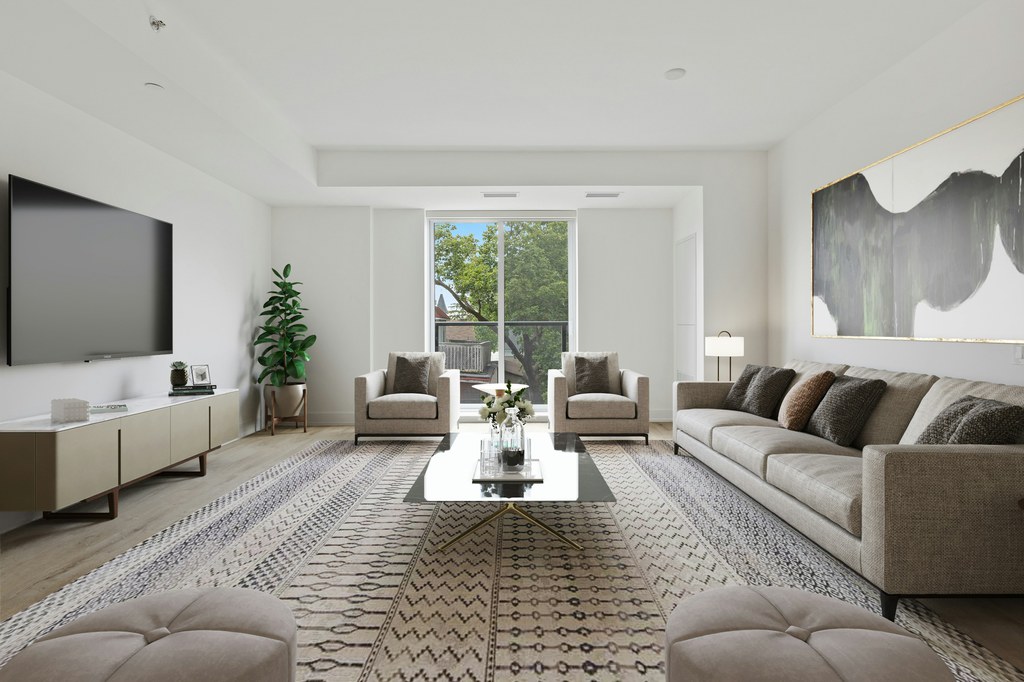
Introduction
Choosing the best rug material is really about matching the rug to how your room works every day. A soft bedroom rug, a dining rug under moving chairs, and a living room rug that handles pets, snacks, and foot traffic all need different qualities. This guide helps you compare comfort, durability, cleaning, budget, and decor style before you buy. Instead of naming one material as the winner for every home, it shows which rug fibers make sense for specific rooms, lifestyles, and furniture layouts.
Table of Contents
What Is the Best Rug Material Overall?
The best rug material overall is usually wool if you want a strong balance of softness, durability, and long-term use. But wool is not always the best material for a rug in every home. A family dining area may need an easier-cleaning synthetic rug, while a coastal room may look better with jute or sisal texture.
Use this quick table as a first filter before looking at colors, patterns, or prices.
| Need | Better Rug Materials | Why It Works | Watch Out For |
| Best overall | Wool | Soft, durable, naturally resilient, and suitable for many living rooms or bedrooms | Higher upfront cost and possible early shedding |
| Easiest to clean | Polypropylene, polyester | Better for spills, kids, pets, and casual family rooms | May not feel as rich as natural wool |
| Best for living rooms | Wool, nylon, low-pile synthetic | Handles seating areas, coffee tables, and daily foot traffic | Delicate fibers can wear faster in busy spaces |
| Best for dining rooms | Low-pile wool, polypropylene, polyester | Easier chair movement and simpler cleanup after meals | High pile can trap crumbs and catch chair legs |
| Best natural texture | Jute, sisal, seagrass | Adds organic warmth for boho, coastal, or organic modern rooms | Rougher feel and poor moisture tolerance |
| Best for formal spaces | Fine wool, silk, viscose blends | Adds polish, softness, and subtle sheen in low-use rooms | Not ideal for pets, kids, water, or heavy traffic |
A good rule is simple: choose wool when you want long-term comfort, synthetic fibers when you want easier maintenance, jute or sisal when you want texture, and silk or viscose only when the rug is mostly decorative.
How Do You Choose Rug Material by Room?
The right room matters as much as the fiber. A rug under a sofa does different work from a rug under a dining table. Before choosing the best material for rugs in your home, think about traffic level, food spills, furniture movement, cleaning habits, and whether the rug needs to feel soft or simply perform well.
Living Room
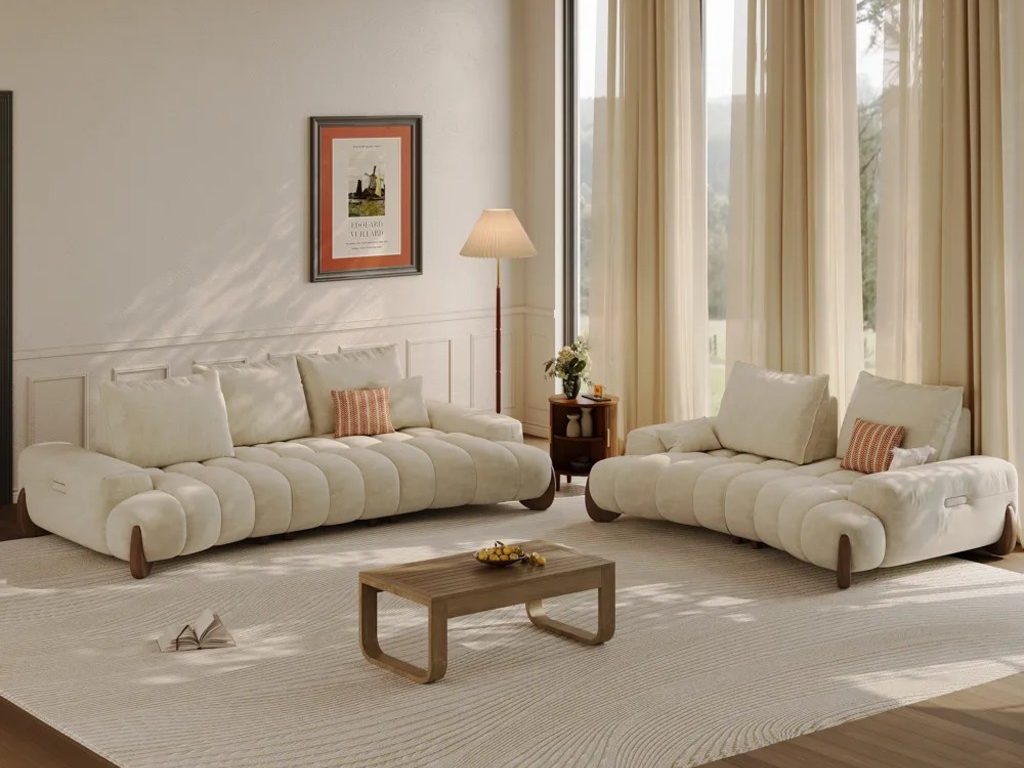
For most homes, wool, polypropylene, polyester, or nylon are the safest living room choices. The best material for living room rug use depends on whether the room is formal or used daily. A family sofa area needs a lower-pile, durable rug that can handle shoes, snacks, pets, and vacuuming. The best rug material for living room seating should also work with sofa legs and coffee tables. When material choice turns into a size question, living room rug placement affects whether the rug feels balanced under the whole seating zone.
Dining Room
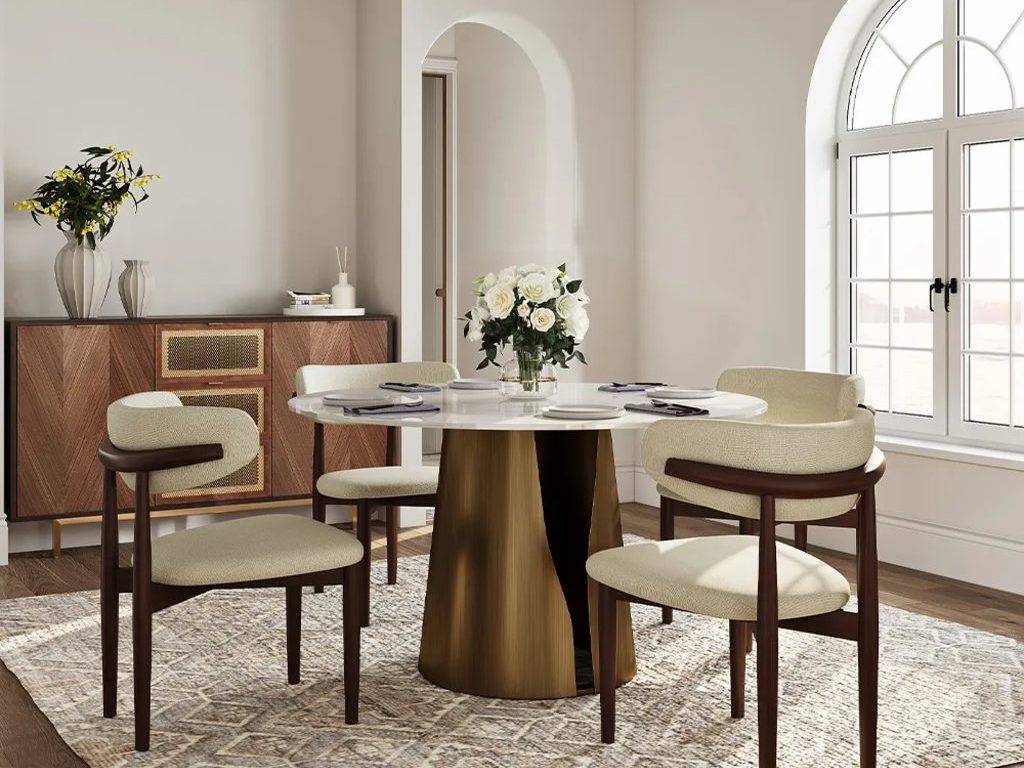
The best rug material for dining room use is usually low-pile wool, polypropylene, polyester, or another easy-clean synthetic. Dining chairs need to slide in and out without catching, and crumbs should not disappear into deep fibers.
For everyday family meals, a flatweave or low-pile rug with a subtle pattern is easier to live with. A formal dining room can use wool for a more refined look, but silk, viscose, shag, and loose natural fibers are harder to maintain around food.
Bedroom
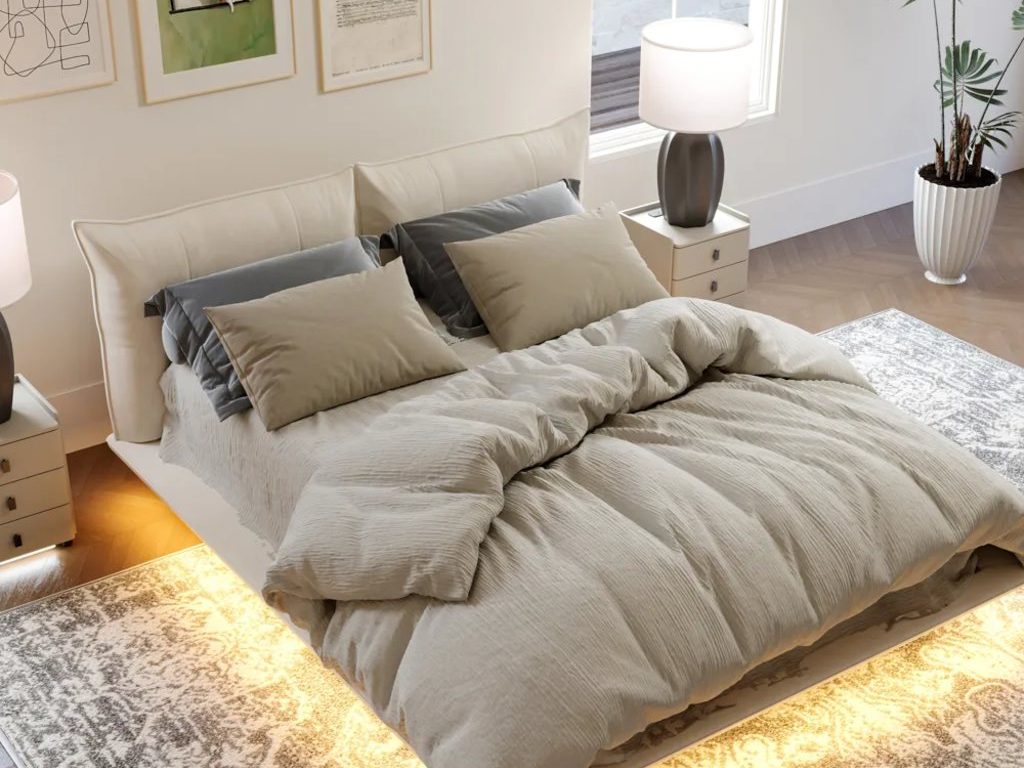
Bedrooms can prioritize softness more than stain resistance because they usually see less shoe traffic. Wool, cotton, and soft synthetic rugs work well beside or under the bed. If the rug sits where bare feet land in the morning, comfort matters more than heavy-duty performance. If it goes under the whole bed, check that the pile does not interfere with drawers, doors, or nightstands.
Entryway and Hallway
Entryways and hallways need low-pile, durable, easy-clean materials because they collect shoes, dust, wet umbrellas, and bags. Nylon, polypropylene, sisal, and flatweave wool are practical options. Avoid very light colors, delicate fibers, and thick pile near doors. The rug should stay flat, resist visible dirt, and allow the door to open without dragging.

Kids and Pets
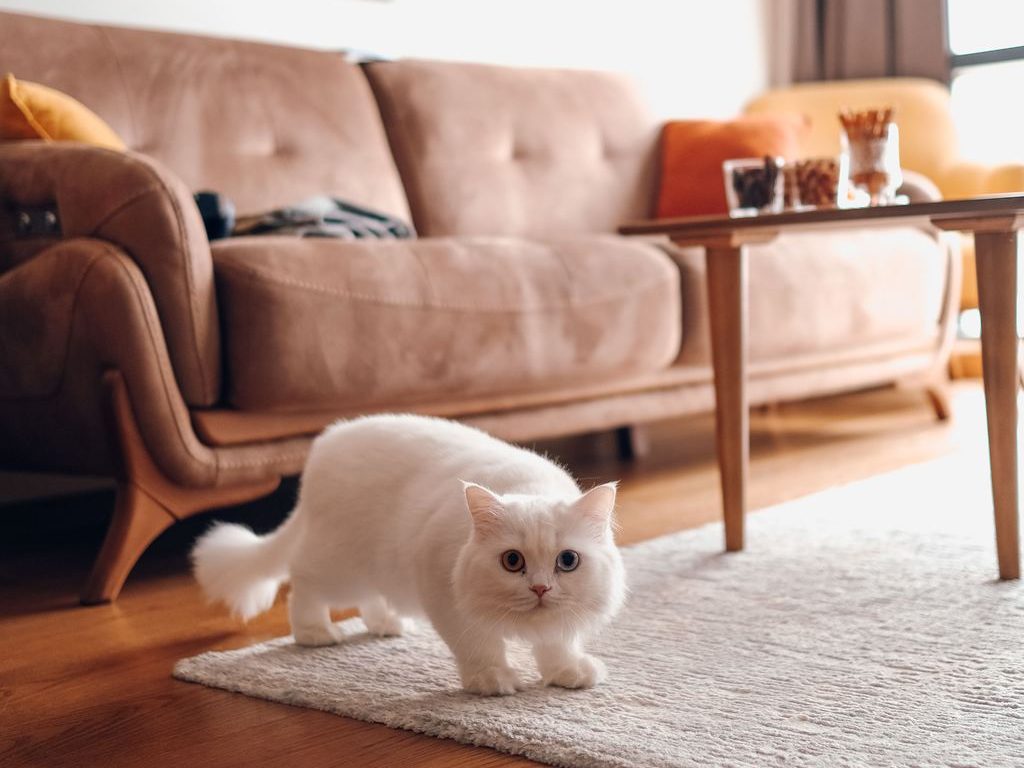
Kids’ rooms and pet-friendly homes need rugs that are low pile, stain-resistant, washable, or easy to spot clean. Polypropylene, polyester, nylon, washable cotton, and some wool rugs can work depending on budget and care habits. Avoid long fringe, loose weaves, and delicate viscose. If pets shed or kids eat in the room, easy vacuuming matters more than a plush surface.
Outdoor Areas
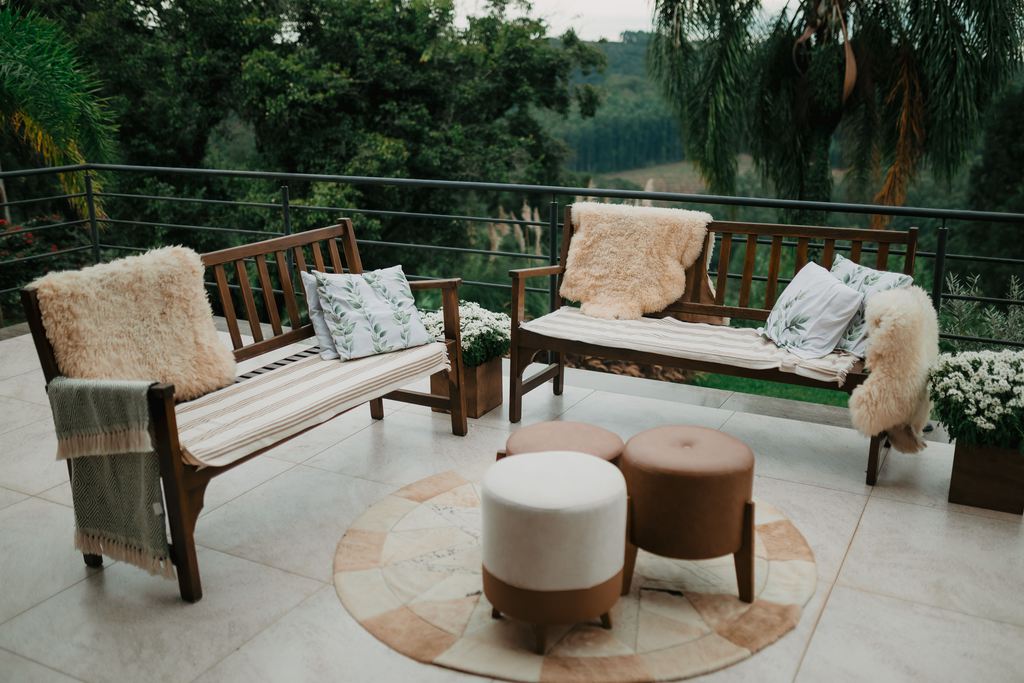
Outdoor spaces need outdoor-rated synthetic fibers, usually polypropylene or outdoor-rated polyester. Indoor cotton, wool, jute, silk, and viscose are not designed for rain, humidity, or direct outdoor exposure. If the rug sits near a patio door rather than fully outside, choose a low-pile material that handles tracked-in dust and occasional moisture better than a delicate indoor rug.
What Rug Materials Work Best With Different Decor Styles?
Decoration style should guide the look of the rug, but daily use should still guide the material. A boho room may look good with jute, but that does not mean jute is right under a table used by toddlers. A luxury room may suit viscose, but not if the rug sits in the busiest path to the sofa.
| Decor Style | Better Rug Materials | Best Use |
| Modern | Wool, low-pile polyester, polypropylene | Clean texture, simple patterns, and polished living rooms |
| Organic modern | Wool, jute, sisal, cotton | Warm texture with wood, stone, and neutral furniture |
| Boho | Cotton flatweave, wool, jute | Layered texture, relaxed seating areas, and casual rooms |
| Coastal | Jute, sisal, cotton, light wool | Airy rooms, pale wood, slipcovered seating, and breezy palettes |
| Farmhouse | Wool, cotton, jute | Soft neutrals, wood furniture, and casual dining or living spaces |
| Minimalist | Low-pile wool, cotton, refined synthetic | Quiet texture without visual clutter |
| Luxury or formal | Fine wool, silk, viscose blends | Low-traffic rooms where polish matters more than easy cleaning |

What Should You Check Before Buying a Rug?
Material is only one part of rug performance. The same fiber can behave very differently depending on pile height, weave, backing, and placement. Before buying, use this checklist to make sure the rug material supports the way the room is actually used.
- Check pile height. Low-pile and flatweave rugs work better in dining rooms, entryways, hallways, pet areas, and high-traffic living rooms. They are easier to vacuum and less likely to catch dining chairs.
- Use medium pile where comfort and cleaning both matter. Medium-pile rugs work well in family rooms and bedrooms because they feel softer without trapping as much debris as shag rugs.
- Avoid high pile in messy or furniture-heavy zones. Shag rugs feel cozy, but they trap crumbs, dust, and pet hair more easily. They are better for bedrooms, reading corners, or low-traffic spaces.
- Look at the weave and construction. Hand-knotted rugs can last for years but often cost more. Hand-tufted rugs can feel soft and substantial, though some may shed. Machine-made rugs are practical when budget, easy cleaning, and style flexibility matter.
- Check the rug pad and backing. Flatweave rugs often need a rug pad for grip and comfort. A pad also helps protect flooring, but it cannot make a delicate material stain-resistant.
- Measure clearance and furniture movement. A thick rug that is too large can block doors or make chairs feel unstable. A very small rug, even in the right material, can make the seating area look disconnected. Measuring the area of rug before buying helps prevent both problems.
- Consider sunlight and moisture. Direct sunlight can fade some materials, especially darker natural fibers. Moisture-sensitive materials such as jute, sisal, silk, and viscose should stay away from damp spaces.
What Rug Material Mistakes Should You Avoid?
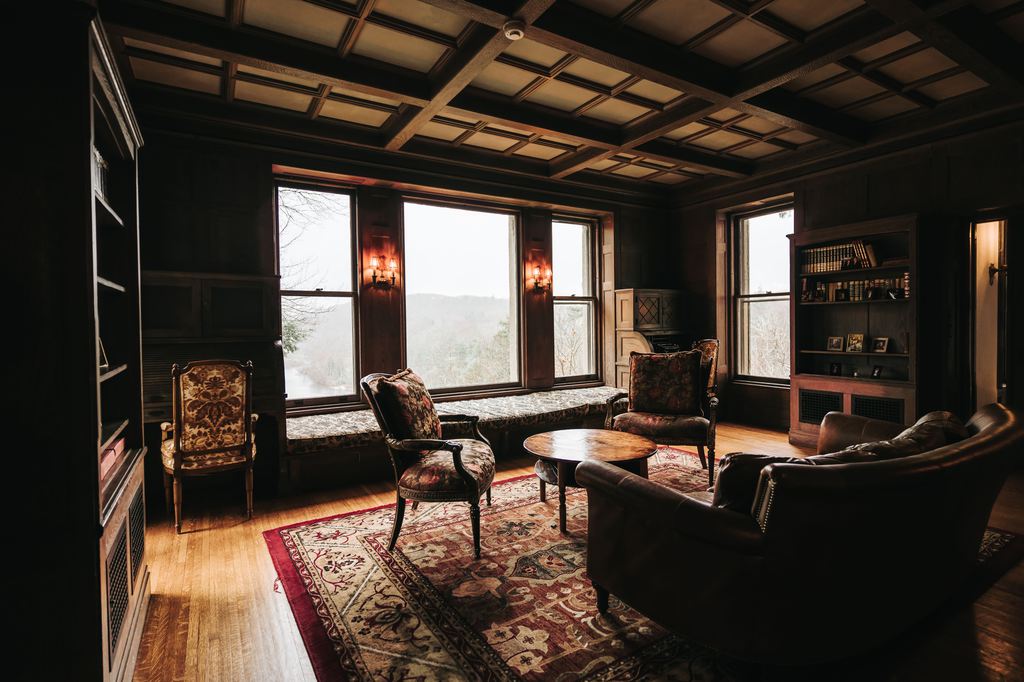
The biggest mistake is choosing a rug only because it looks good in a styled photo. A beautiful material can still be wrong for the way your room works. Before buying, check the room, traffic, cleaning needs, furniture movement, sunlight, and moisture exposure.
Avoid these common material mistakes:
- Do not use silk or viscose in a spill-prone room.
- Do not choose high pile under a dining table.
- Do not use jute or sisal where liquid spills happen often.
- Do not choose cotton for a hallway if you expect long-term heavy wear.
- Do not ignore door clearance in entryways.
- Do not assume “washable” means easy if the rug is too large for your washer.
Dining rooms need extra caution because they combine food, chair movement, and furniture weight. The best rug for dining table should be large enough for pulled-out chairs, but the material also needs to be low enough and durable enough for daily use.
Conclusion
The best rug material is the one that matches your room, lifestyle, cleaning habits, and furniture layout. Wool is a strong all-around choice, synthetic rugs are useful for spills and pets, jute and sisal add natural texture, cotton feels casual, and silk or viscose should stay in low-traffic spaces. Once you know how the rug will be used, material decisions become much easier. Start with the room’s function, then choose the fiber, pile, and weave that support daily life.
FAQ
What rug material is best for reducing noise in a room?
Wool and thicker cotton rugs usually help soften sound better than thin flatweave or rough natural-fiber rugs. If the room has hard floors, high ceilings, or little upholstery, choose a denser rug and add a quality rug pad. Material matters, but thickness and coverage also affect noise control.
Is a washable rug always better than wool?
No, a washable rug is not always better than wool. Washable rugs are practical for spills, kids, rentals, and casual rooms, but wool often feels more substantial and can last longer in a finished living space. Check whether the rug size fits your washer before treating “washable” as the deciding factor.
What rug material works best with a robot vacuum?
Low-pile wool, polypropylene, polyester, nylon, or flatweave cotton usually works best with a robot vacuum. Avoid thick shag, long fringe, and uneven high-low textures that can catch or slow the vacuum. The material matters, but pile height and edge construction matter just as much.
Should I choose rug material before or after choosing furniture?
Choose major furniture first, then select the rug material around how the furniture will be used. A dining table needs a low-pile rug, while a sofa area can allow more softness. If you choose the rug first, make sure it still supports chair movement, walkways, cleaning, and room scale.
What rug material is safest for renters who may move later?
Cotton, polypropylene, polyester, and flatweave rugs are practical for renters because they are easier to move, clean, and replace. Avoid oversized heavy rugs or delicate investment pieces unless you know they will fit your next home. A rug pad can also help protect rental floors.
How can I compare two rugs made from the same material?
Compare pile density, backing, edge finishing, weight, care instructions, and return policy. Two wool or polyester rugs can perform very differently if one is loosely made or has a weak backing. Product photos show style, but specifications help you judge durability, softness, and cleaning needs before buying online.


