 By Kelvin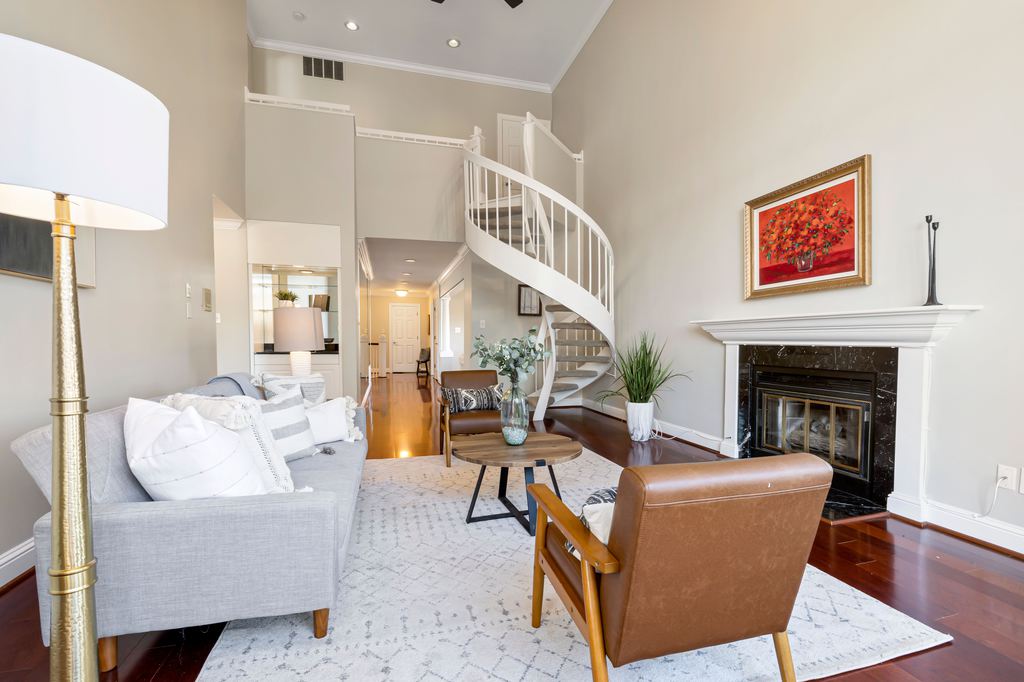
Introduction
If you rent, decorating can feel like a balance between making the place feel like yours and avoiding anything your lease may punish later. These renter friendly decorating ideas focus on changes that are movable, reversible, and useful beyond your current address. Instead of relying only on peel-and-stick hacks, this guide shows how to choose rugs, lighting, storage, wall decor, and furniture that improve daily life now while still making sense when you move to the next home.
Table of Contents
How Should I Decorate My Rental Home?
Decorate a rental home by choosing changes that improve the space now and can be undone later. A painted accent wall may look good, but it becomes a problem if your lease requires repainting. A large sectional may feel comfortable, but it may not fit the next apartment. The safest approach is to start with rugs, curtains, lamps, sideboards, removable wall decor, and freestanding storage because these pieces can change the feeling of a room without changing the building.
This does not mean renter friendly decor has to look temporary. It means your money should go toward pieces that move with you, adapt to different layouts, and cover rental weaknesses without creating new ones. For example, a renter with a plain white living room and old flooring will usually get more value from a large rug, warm lighting, and closed storage than from a dozen small decorative objects. The room feels more finished, and nothing has to be repaired later.
What Should You Check Before Buying Rental Decor?
Before buying renter friendly decor, check the parts of the home you cannot easily change: lease rules, wall material, flooring, lighting, window size, outlet placement, and moving path. This prevents you from buying decor that looks good online but creates problems in daily use.
| Check Before Buying | Why It Matters | Safer Rental-Friendly Choice |
| Lease rules | Some leases restrict painting, drilling, balcony attachments, or fixture changes. | Choose no-drill, freestanding, or written-approved updates. |
| Wall surface | Textured walls, old paint, and humidity can affect adhesive products. | Test removable hooks or strips in a hidden area first. |
| Flooring condition | Old carpet, tile, or scratched wood can make a room feel unfinished. | Use a large rug with a rug pad instead of floor treatments. |
| Window size | Rental blinds often look harsh or dated. | Use tension rods or existing hardware for curtains when possible. |
| Outlet placement | Poor outlets can make lamps and media areas messy. | Plan plug-in lighting and cable paths before furniture placement. |
| Doorways and stairs | Large furniture may not fit elevators, hallways, or tight turns. | Measure the delivery path, not only the room. |
The main rule is simple: do not buy decor for the photo version of the rental. Buy for the lease, the layout, and the way you use the space every day.
Which Renter Friendly Decorating Ideas Make the Biggest Difference First?
The most useful renter friendly decorating ideas solve visible problems without requiring renovation. Start with the surfaces and zones that affect the whole room: floors, windows, lighting, storage, and blank walls. These changes make the space feel designed before smaller styling details matter.
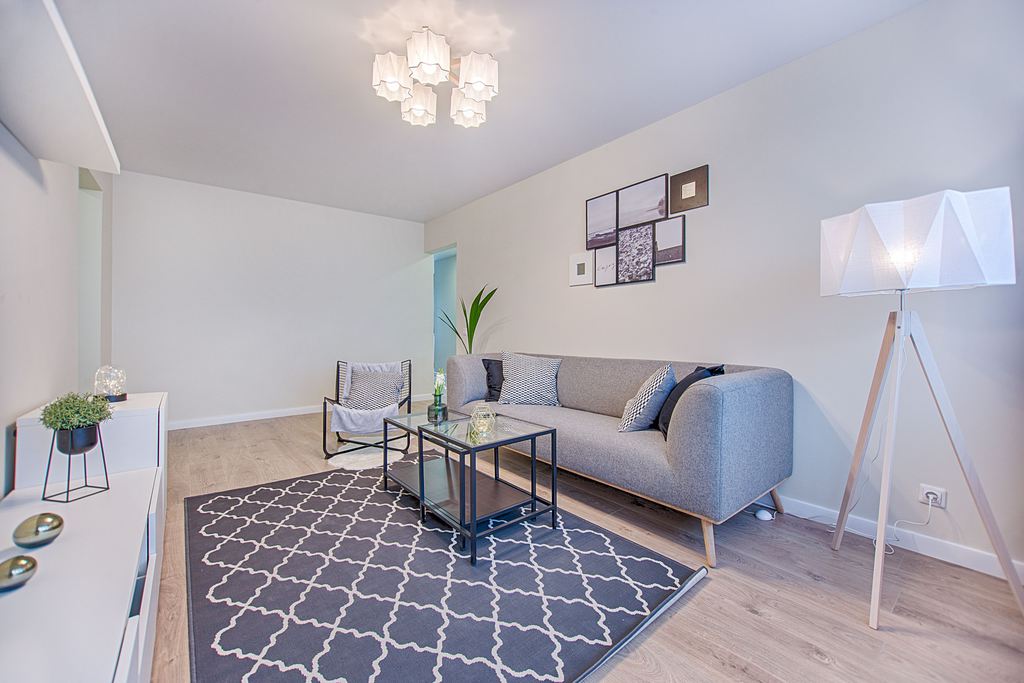
Use a Large Rug to Cover Floors and Define Zones
A large rug can hide worn flooring, soften sound, and make furniture feel connected. In a rental living room, choose a rug large enough for at least the front legs of the sofa and chairs to sit on it. In a studio, a rug can separate the seating area from the sleeping or dining area without adding walls.
Avoid very small rugs floating in the middle of the room. They often make the rental feel more temporary because the furniture looks disconnected. If the existing carpet is not attractive, layering a flat-weave rug over it can still work, especially with a rug pad that keeps the surface stable.
Improve Lighting Without Rewiring
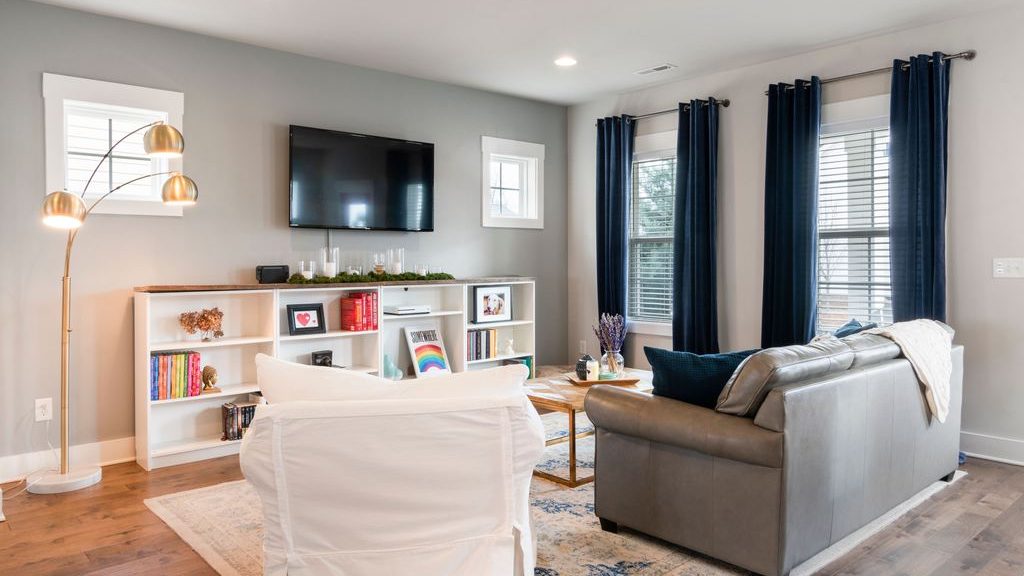
Rental lighting is often too bright, too cold, or badly placed. Instead of replacing fixtures, build a plug-in living room lighting plan with a floor lamp near the sofa, a table lamp on a console, and a small lamp in the bedroom or entryway. Warm white bulbs can make builder-grade finishes feel softer.
In a home office corner, a plug-in desk lamp also reduces the need to rely on harsh overhead lighting during evening work. This is a small change, but it affects how the space feels every day.
Add Wall Interest Without Painting
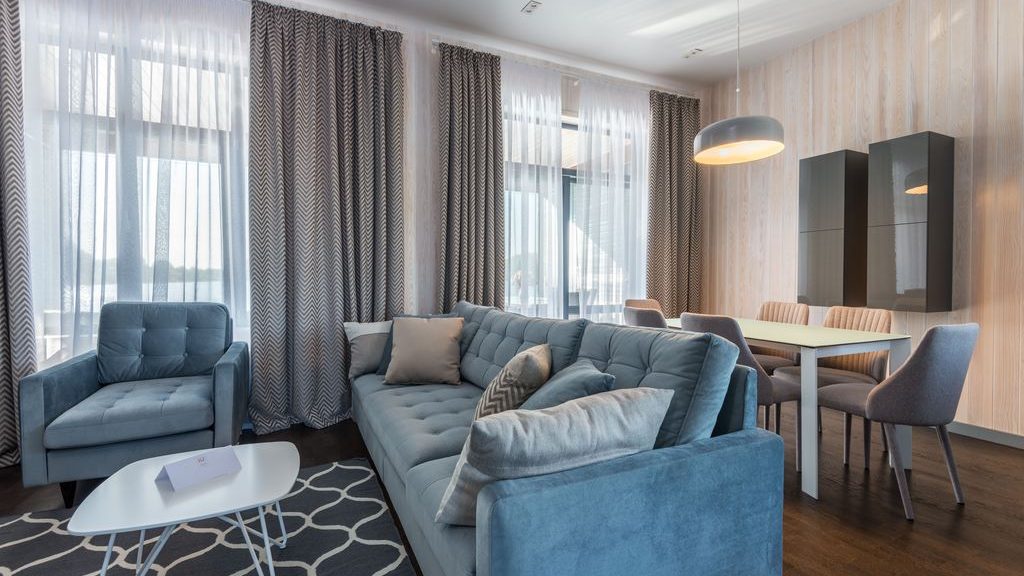
Blank walls are one of the most common rental problems. Removable wallpaper, leaning art, large framed prints, textiles, and mirrors can add personality without a permanent change. The key is not to cover every wall. One strong focal point usually looks more intentional than many small pieces scattered around the room.
For dining spaces, dining room wall decor ideas can help you decide whether the wall needs art, a mirror, shelves, or texture instead of adding random decor.
Renter Friendly Decor Ideas by Room
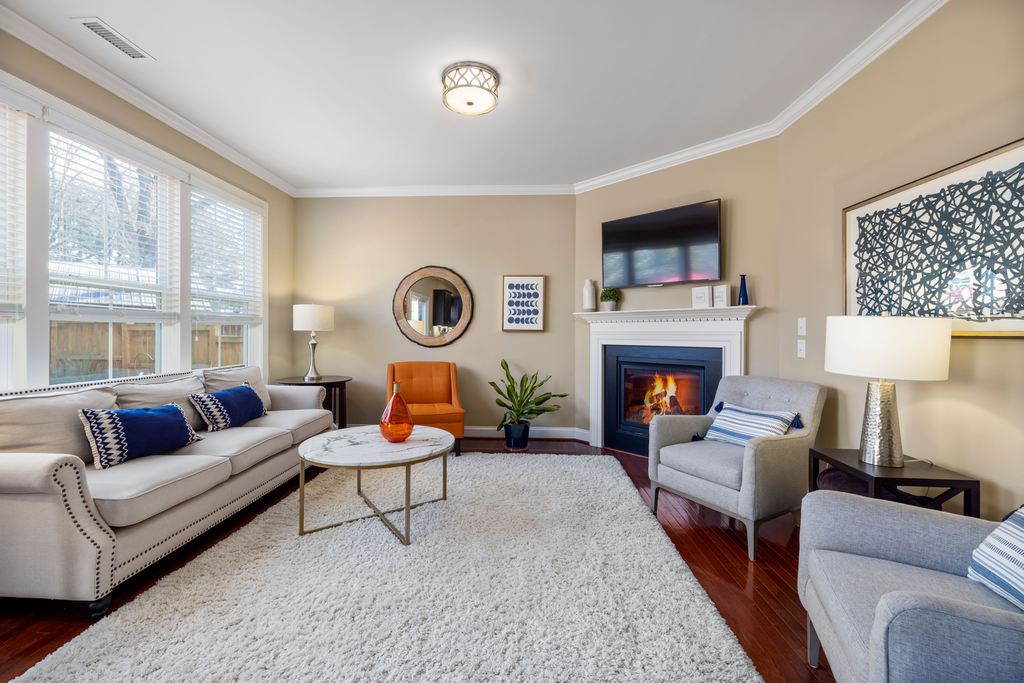
A rental home works better when each room has a clear purpose. The living room may need storage and seating, while the bedroom may need softness and privacy. The following room-by-room approach keeps renter friendly decor ideas practical instead of turning the whole home into one repeated formula.
- Living room: Start with the sofa position, then place the rug, coffee table, media console, and lighting around it. Closed storage helps hide remotes, chargers, mail, games, and everyday clutter. If space is tight, apartment living room ideas can support layout decisions before you buy more decor.
- Bedroom: Use bedding, curtains, a rug, and bedside lighting to change the mood before adding wall treatments. A tall leaning mirror can make the room feel brighter without drilling, while a dresser or storage bench can reduce visible clutter.
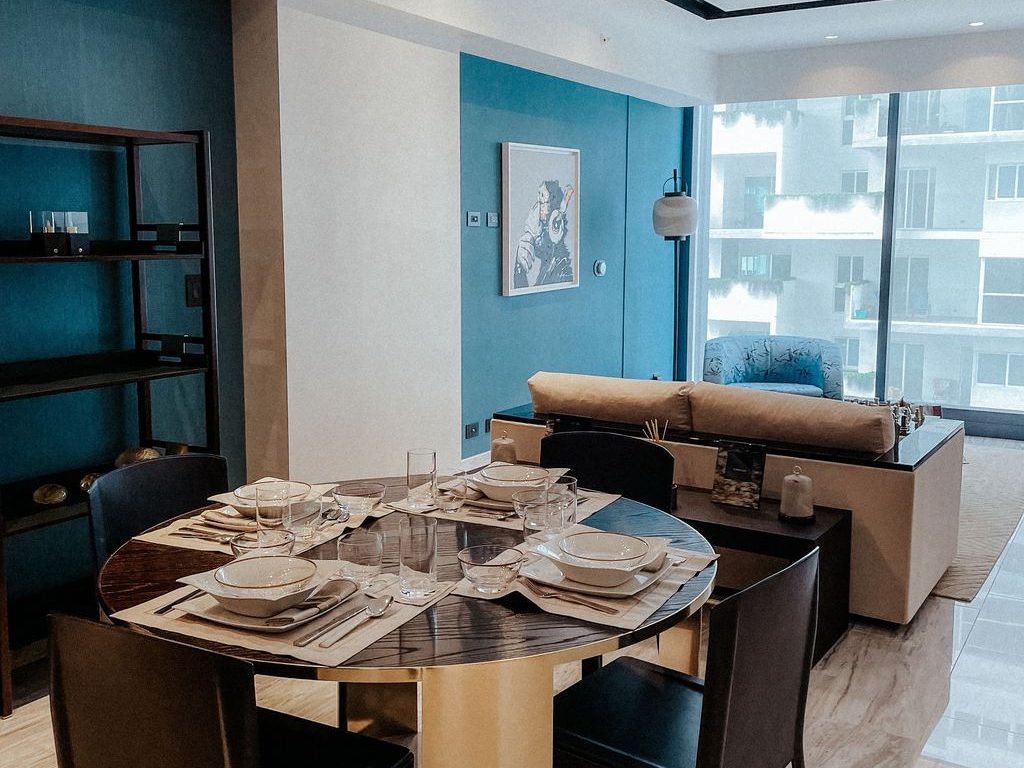
- Dining area: Create a zone even without a separate dining room. A rug, plug-in pendant-style light, wall art, or sideboard can make the area feel intentional. If the dining table sits near the living room, repeat one material or color from the seating area.
- Entryway: Build a drop zone with a slim console, freestanding coat rack, shoe cabinet, or wall-safe hooks. This area needs a place for keys, bags, shoes, and mail more than extra decoration.
- Home office: Choose furniture that can close, move, or blend in when your work area shares space with the bedroom or living room. In studios, studio apartment furniture ideas are useful when one room has to support sleeping, working, eating, and hosting.
- Balcony: Check building rules before adding screens, lights, or rail-mounted pieces. Use outdoor rugs, folding chairs, planters, and small tables that can be moved easily.
What Furniture Works Best in a Rental Home?
The best furniture for a rental home is useful now and still useful later. That usually means movable, flexible, and not too dependent on one exact room size. Instead of buying very specific pieces that only solve one awkward corner, choose furniture that can work in several rooms.
Good rental-friendly furniture usually has a few traits:
- It fits through elevators, stairs, and doorways.
- It offers storage without needing built-ins.
- It works with more than one layout.
- It looks finished from multiple angles.
- It can support daily routines, not just styling.
| Furniture Type | Where It Works Now | Why It Works for Rentals |
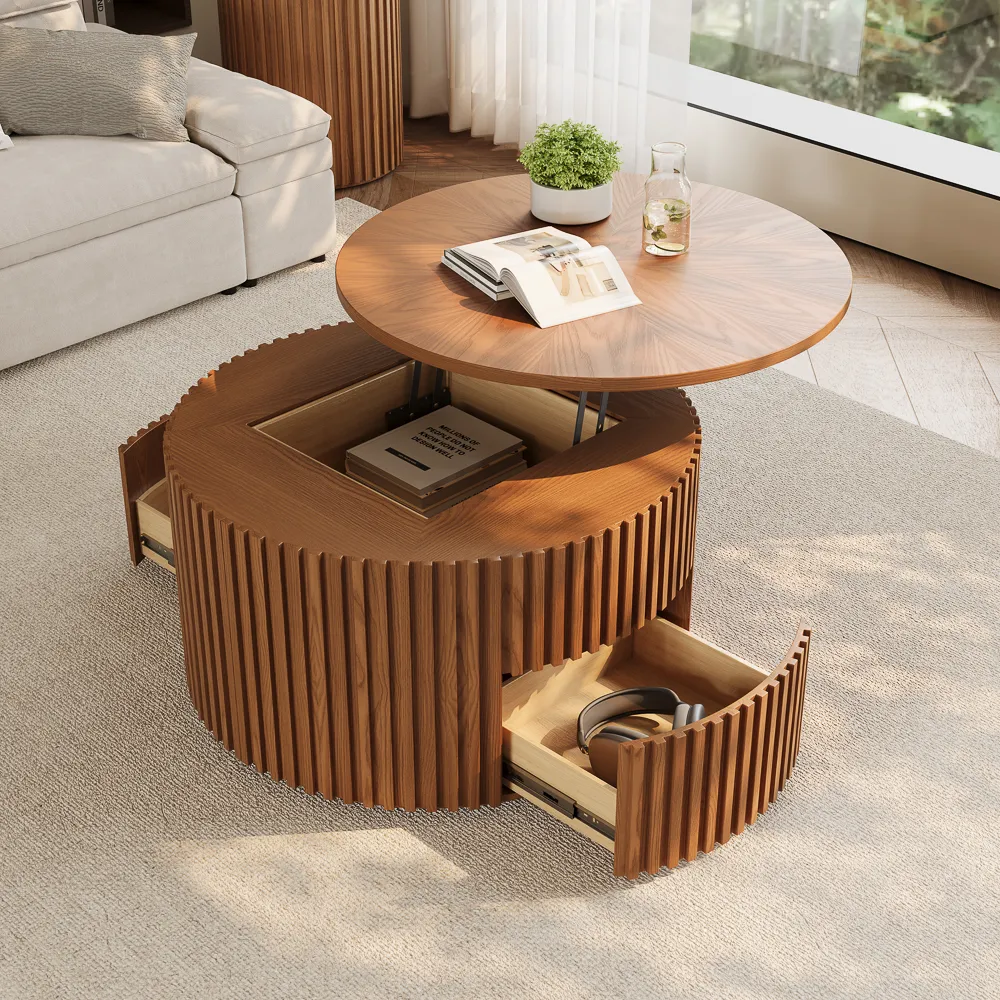
| Storage coffee table | Living room | Keeps remotes, chargers, and small daily items hidden without adding built-ins. |
| Sideboard | Dining area, entryway, or living room | Can store dishes, shoes, mail, or decor depending on the next layout. |
| Modular sofa | Living room or open-plan apartment | Can adapt if your next home has a different wall length or seating arrangement. |
| Fully assembled furniture | Move-in stage or busy households | Reduces setup stress when you need the home to become functional quickly. |
For a rental living room that needs storage without adding another cabinet, the Silva 31.5” Lifting Top Round Coffee Table can support daily use in a compact seating area. Its lift-top design creates a higher surface for a laptop or casual meal, while hidden storage and drawers keep remotes, chargers, and small items out of sight.
Renter friendly decor should not only be easy to remove. It should also reduce the number of things you need to rebuy every time you move.
What Mistakes Make Rental Decor Look Temporary?
Rental decor starts to look temporary when everything feels small, scattered, or chosen only because it was easy to remove. The goal is not to avoid commitment completely. The goal is to commit to pieces that are safe, movable, and visually strong.
- Choosing a rug that is too small: A tiny rug can make the furniture look disconnected. One larger rug usually makes the room feel more intentional.
- Using too many adhesive wall products at once: Removable hooks, wallpaper, and strips can help, but overusing them may make the room look patchy or create more removal risk.
- Relying only on overhead lighting: Rental ceiling lights are often harsh. Floor lamps, table lamps, and warm bulbs make the space feel softer.
- Filling every open shelf with small decor: Too many small items can make a rental feel cluttered instead of styled.
- Buying only for this apartment: A tiny accent chair, narrow desk, or oddly shaped shelf may solve one corner now but become useless in the next home.
- Making every piece temporary: One substantial mirror, one closed cabinet, or one large rug can make the home feel more finished than several small, low-impact items.
A better approach is to use fewer, larger decisions: one large rug instead of three small mats, one substantial mirror instead of a cluster of tiny mirrors, one closed cabinet instead of several open baskets. These choices make the home feel intentional while keeping it rental-safe.
Conclusion
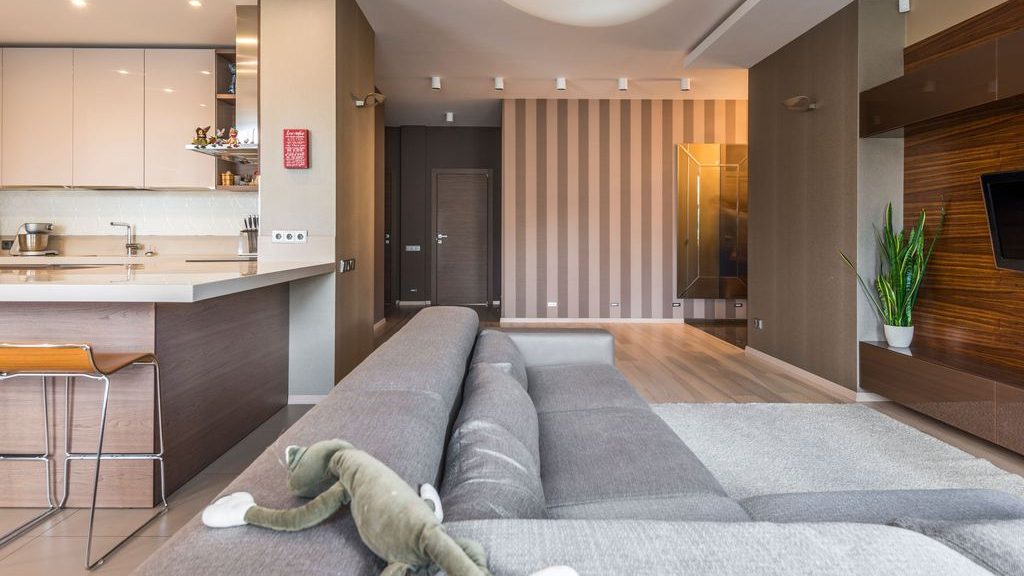
The best renter friendly decorating ideas do not treat your home as temporary. They help you make smart, reversible changes that improve comfort, storage, light, and personality without fighting the lease. Start with the biggest visual problems first: floors, windows, lighting, blank walls, and clutter. Then choose furniture and decor that can move with you instead of pieces that only work in one rental. A rental can feel finished, personal, and practical when every choice is easy to live with now and easy to undo later.
FAQ
Are peel-and-stick products safe for rental walls?
Peel-and-stick products can be safe, but they are not risk-free. Wall texture, old paint, humidity, and removal technique all affect the result. Test a small hidden area before covering a large wall. Avoid using strong adhesive products on peeling paint, unprimed walls, bathrooms with poor ventilation, or surfaces your landlord has warned against changing.
What rental decor is worth spending more on?
Spend more on pieces that can move with you, such as a sofa, rug, dresser, media console, dining table, or storage cabinet. These items affect comfort and daily function. Spend less on highly apartment-specific items, unusual wall treatments, trendy small decor, or anything that may not fit your next layout.
How do I make a rental feel cohesive without buying everything new?
Choose one repeated material, one main color family, and one consistent metal finish. For example, warm wood, cream textiles, and black hardware can connect the living room, dining area, and bedroom. You do not need matching furniture sets. You need enough repetition that separate pieces feel related.
How can I make renter friendly decorating ideas work with pets?
Choose washable rugs, performance fabrics, closed storage, and furniture with legs or bases that are easy to clean around. Avoid delicate woven wall pieces at pet height and unstable leaning mirrors in high-traffic zones. A rental with pets needs decor that is removable, cleanable, and safe for daily movement.
How can I divide an open-plan rental without adding walls?
Use rugs, lighting, furniture backs, and storage pieces to divide an open-plan rental. A sofa can separate the living area from dining space, while a sideboard can create a visual boundary without blocking light. If the rental combines seating and dining in one room, a planned living room combined with dining layout helps each zone feel clear without adding walls.


