 By Kate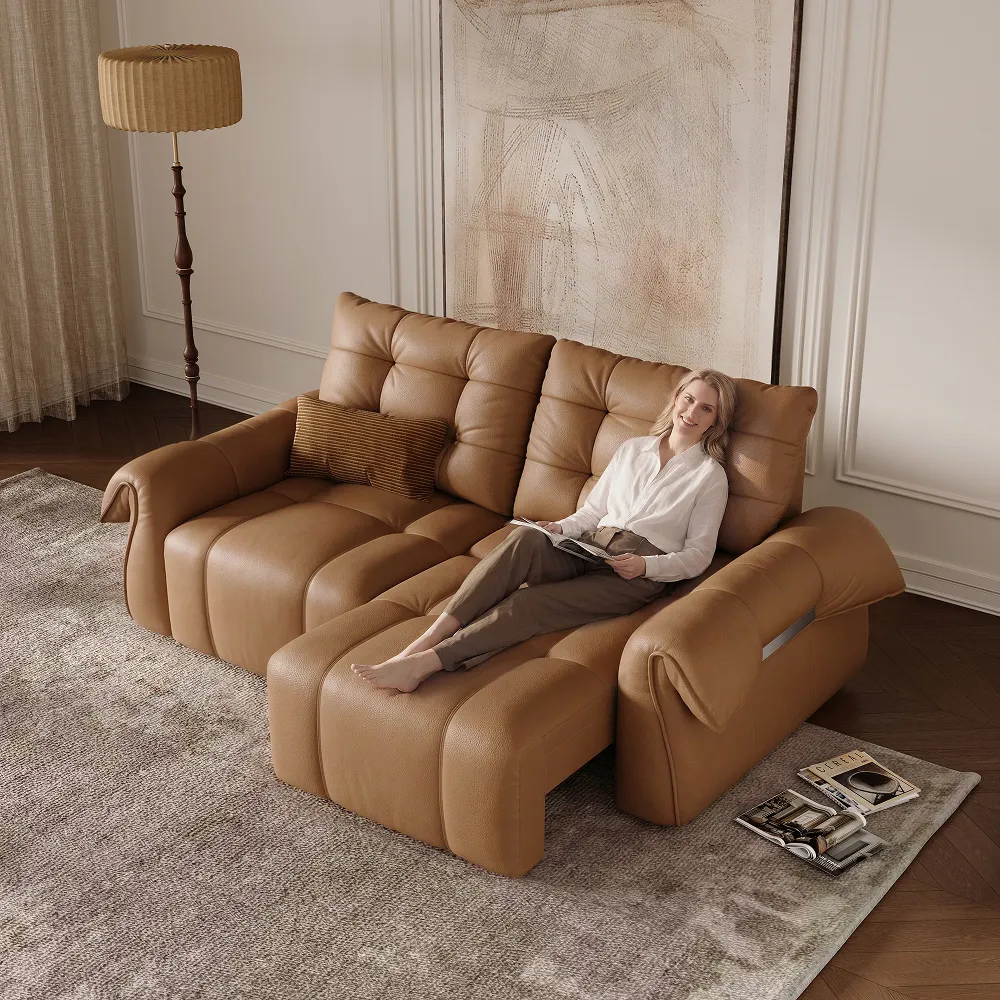
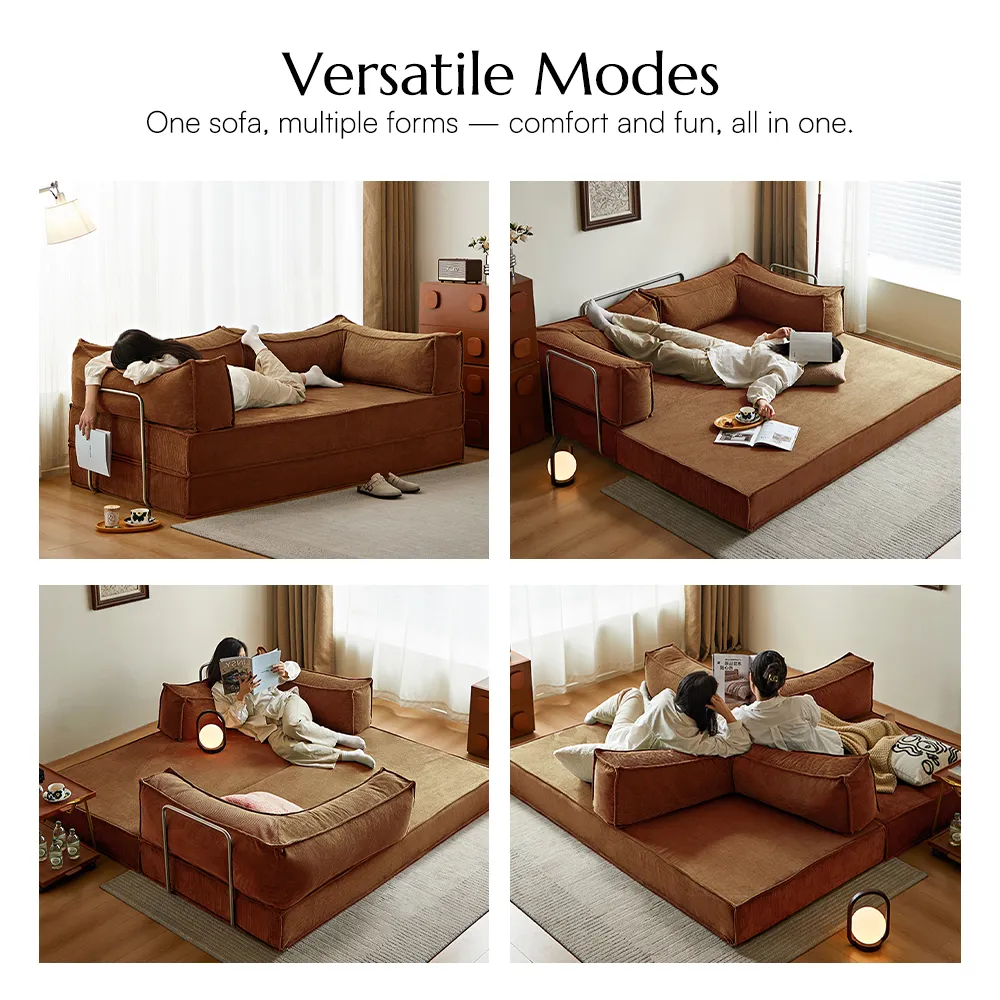
If you live in a studio apartment, guest room, small bedroom, or home office, learning how to make a bed look like a sofa can help one room do two jobs. The quick answer is simple: push the bed against a wall, use a tight cover, add large back pillows, place bolsters at the ends, and finish the area with a throw, side table, rug, or ottoman. Done well, the bed works like seating during the day and still feels ready for sleep at night.
Table of Contents
How to Make a Bed Look Like a Sofa in 7 Steps
The goal is not to hide every sign of a bed. The goal is to give it the visual cues of a sofa: a backrest, armrests, clean upholstery, and a living-room setting. These seven steps work especially well if you want to turn bed into a couch without buying a new frame.
Start With the Right Bed Shape
A twin bed or daybed is the easiest to style like a sofa because the depth is closer to real seating. A platform bed also works well because it looks clean and structured. A full bed can work, but it needs thick back pillows to reduce the seat depth. Queen and king beds are harder because they feel too deep for casual sitting. A firm mattress is better than a soft one because it keeps the whole setup from looking saggy.
| Bed Type | Sofa-Look Difficulty | Best Styling Move |
|---|---|---|
| Twin bed | Easy | Use 3 large back pillows and 2 bolsters |
| Daybed | Easy | Choose a fitted cover and matching side pillows |
| Platform bed | Medium | Keep bedding flat and minimal |
| Full bed | Medium | Add thick cushions to reduce depth |
| Queen/King bed | Hard | Use corner placement and oversized pillows |
Step 1: Push the Bed Lengthwise Against a Wall
A bed looks more like a sofa when its long side sits against the wall. This creates a backrest, which is the main difference between “bed in a room” and “seating zone.” If the bed floats in the center, it will always read as a sleeping area. Try to style a narrow guest room this way, and simply moving the bed against the longest wall made the room feel like a small lounge before we even added pillows.
Step 2: Use a Fitted Daybed Cover or Tucked Coverlet
Loose bedding is the fastest way to make the setup look unfinished. Use a fitted daybed cover, a tailored slipcover, or a coverlet tucked tightly under the mattress. Solid colors usually work better than busy bedding because they mimic sofa upholstery. If you are researching how to style a daybed, this is the first rule: treat the mattress like one clean seat cushion, not like a layered bed.
Step 3: Add Large Pillows as a Sofa-Style Backrest
Place large square pillows along the wall side of the bed. They create comfort and visually shorten the mattress depth. For a twin bed, three large pillows usually work. For a full or queen bed, use oversized pillows or firm back cushions. This step is especially useful if you want to know how to make a twin bed look like a sofa, because the right pillow height can make a simple twin bed feel like a built-in couch.
Step 4: Place Bolsters at Both Ends as Armrests
Bolsters help the bed look more like a finished seating piece. Put one at each end to create the feeling of sofa arms. If real bolsters feel expensive, use body pillows inside firm covers. They work well, especially for renters or students. When people search for a twin bed that looks like a sofa, this is often the missing piece: the ends need structure, not just more decorative pillows.
Step 5: Layer a Throw Blanket for Texture
A throw adds softness, but it should look intentional. Fold it across one side, drape it over the front edge, or place it near one bolster. Avoid spreading it flat like a blanket for sleeping. Using a textured knit throw because it softens the room without making the bed feel messy. This is also helpful when styling a daybed that feels too plain or too formal.
Step 6: Add a Coffee Table, Side Table, or Ottoman
Furniture around the bed tells the eye how to use the space. A coffee table, side table, ottoman, rug, or floor lamp makes the area feel like a living room. Leave enough walking space so it does not feel cramped. If the room is small, a small living room layout mindset helps you plan seating, movement, storage, and lighting as one system.
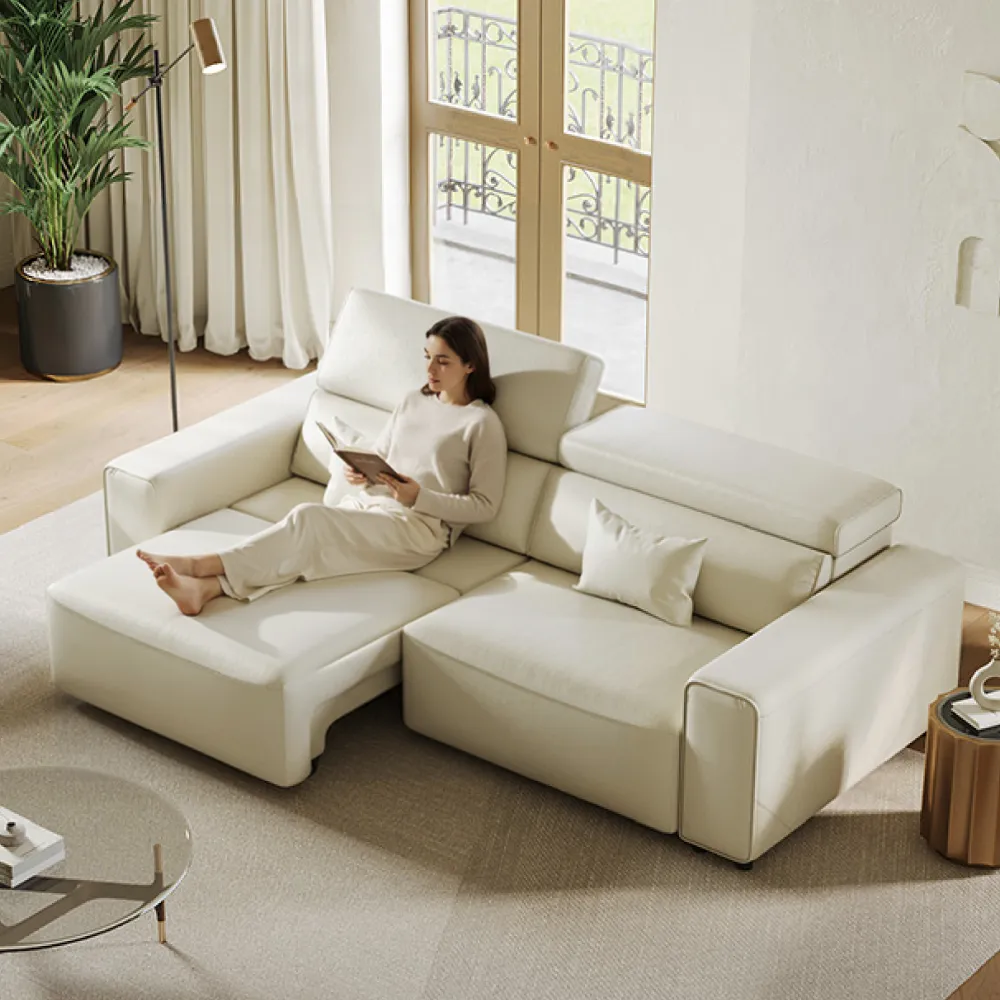
For a room that needs a true lounge function, the Aurora-Power Sofa Bed fits the same idea in a more polished way. Its one-touch design shifts between lounge, recline, and sleep modes, while the soft chenille texture keeps the room feeling warm rather than purely functional.
Step 7: Hide the Bed Frame With a Tailored Bed Skirt
If the frame, box spring, or under-bed storage is visible, the setup will still feel bedroom-like. A tailored bed skirt can hide the base and create a cleaner sofa silhouette. Choose a straight skirt, not a ruffled one, for a modern look. This step matters most with metal frames or older beds. The smoother the base looks, the easier it is to use bed as couch without the room feeling temporary.
What Do You Need to Make a Bed Look Like a Sofa?
Once the layout is right, the shopping list is short. You do not need to buy every decorative item at once. Start with the pieces that create structure first, then add texture and surrounding furniture. The best results usually come from fewer items chosen with clear purpose.
Essential items:
- Fitted daybed cover or tightly tucked coverlet
- 3–5 large back pillows
- 2 bolsters or body pillows
- Throw blanket
- Tailored bed skirt if the base looks exposed
Nice-to-have items:
- Small coffee table
- Side table
- Ottoman or bench
- Area rug
- Floor lamp or wall sconce
The budget-friendly trick is to spend on the pieces that change the shape first. Back pillows and bolsters do more than decorative cushions. A body pillow inside a structured cover can replace a custom bolster. A solid coverlet can replace a full daybed set. If you are learning how to style a daybed as a couch, keep the palette tight: one base color, one texture, and one accent shade.
Why Does a Bed Still Look Like a Bed?
Sometimes the idea is right, but the result still feels off. That usually means one of the sofa cues is missing. Instead of adding more pillows, check the structure, fabric, scale, and surrounding furniture. A simple fix can make the setup look cleaner in minutes.
The most common problem is loose bedding. Wrinkled duvets, fluffy comforters, and visible sleeping pillows make the bed feel ready for sleep, not seating. Tuck everything flat and store sleeping pillows behind the sofa-style pillows if possible.
Another issue is seat depth. If the mattress is too deep, people cannot sit comfortably with their feet on the floor. Add thicker back cushions to shorten the seating area. If it still feels awkward, the bed may be too large for the sofa look.
Color also matters. A mix of random bedding, patterned pillows, and mismatched throws can make the setup look cluttered. Use colors that already exist in the room. The bed should feel like part of the living area, not a separate sleeping zone.
Check these quick fixes first:
- Tighten the coverlet or replace bulky bedding
- Hide sleeping pillows behind larger back pillows
- Reduce the number of small decorative pillows
- Add a rug to frame the seating area
- Use a side table or lamp to make the space feel intentional
- Move the bed fully against the wall to remove awkward gaps
If the room still feels unfinished, look at the base. Exposed legs, storage bins, or a visible box spring can break the sofa illusion. A bed skirt, bench, or low-profile frame can solve that quickly.
When Should You Choose a Sofa Bed Instead?
A styled bed works well for occasional seating, but it is not always the best long-term solution. If the room needs to look polished every day or host guests often, a real sofa bed may be easier. This is where function, comfort, and daily effort matter more than styling alone.
Choose a sofa bed instead if the seat will be used every day. A bed can look like a sofa, but it may not sit like one. Daily lounging needs proper back support, balanced seat height, and cushions that do not slide around.
A sofa bed also makes sense if guests stay often. With older sleeper sofas, people often search for sofa bed mattress replacement or a mattress pad for pull out sofa because the sleep surface feels thin. Newer designs can reduce that problem by building comfort into the structure.
The Cygnus-Power Sofa Bed is better suited to rooms where the first priority is a refined living-room look. Its top-grain leather, wide seat, memory foam feel, and one-touch lounge-to-sleep function make it feel like a polished sofa first, with the bed function quietly built in for overnight use.
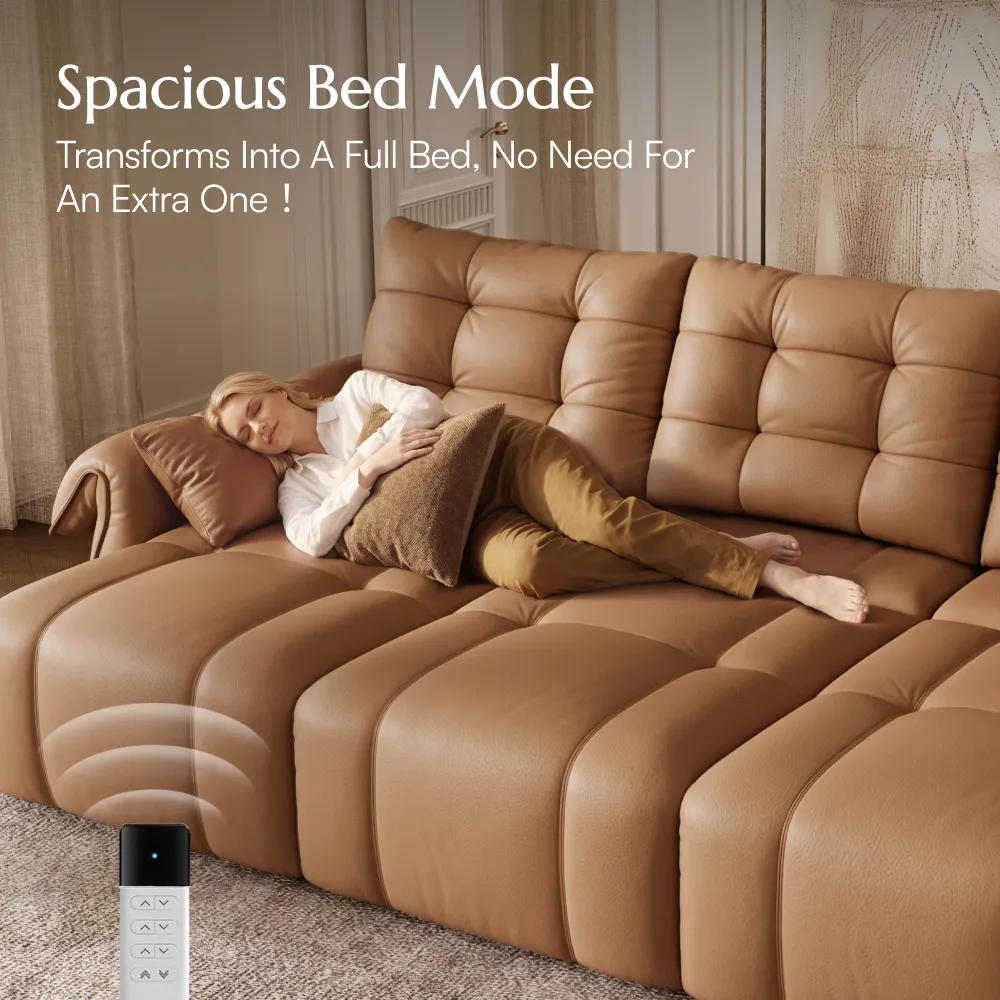
A sleeper sofa for guests is also worth considering when the open footprint, mattress thickness, frame material, and return policy matter as much as the closed look. This is especially true in apartments, guest rooms, and multipurpose home offices.
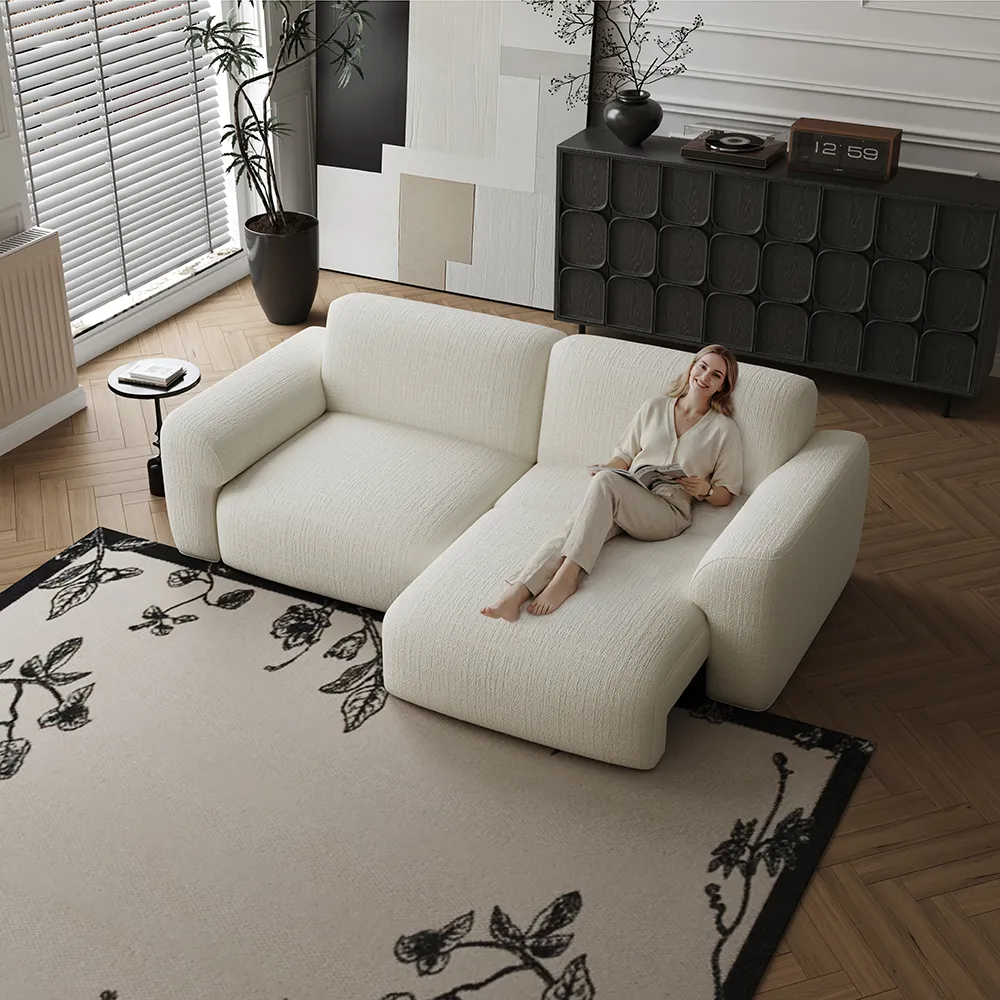
For a smaller guest room, apartment, or multipurpose home office, the 3-Seater Fold Out Sofa Bed offers a more straightforward solution. It keeps the familiar shape of a classic sofa during the day, then folds out into a bed when needed, making it practical for spaces where every piece has to work harder.
Q&A
Can a queen bed look like a sofa?
Yes, but it is harder than styling a twin bed or daybed. A queen bed is deep, so it needs oversized back pillows, corner placement, and a tight cover. It works best in a lounge-style room, not a narrow bedroom.
How many pillows do I need?
Most setups need 3–5 large back pillows and 2 bolsters. Avoid using too many small pillows because they create clutter. Large, firm pillows are better because they change the shape of the bed and create real back support.
How do I keep back pillows from sliding?
Use firm pillows, place the bed tightly against the wall, and choose covers with textured fabric. You can also add a non-slip rug pad strip behind the pillows. A wall-mounted cushion rail works well for a more permanent setup.
Can I use a regular comforter?
You can, but it should be tucked tightly. A bulky comforter often looks too much like bedding. A fitted daybed cover, quilt, or coverlet usually looks cleaner. Use the comforter for sleeping and hide it during the day if possible.
How can I make a sleeper or pull-out bed more comfortable?
If you are wondering how to make a sofa sleeper bed more comfortable or how to make pull out bed more comfortable, start with a thin topper, breathable sheets, and supportive pillows. Avoid thick toppers if the mechanism needs to fold closed.
Conclusion
Learning how to make a bed look like a sofa is not about piling on pillows. It is about three things: a structured backrest, a tailored cover, and a living-room context. Start by pushing the bed against the wall, tightening the cover, and adding bolsters at both ends. Then use a rug, side table, throw, or lamp to frame the space. With the right balance, your bed can feel like a sofa during the day and stay comfortable for sleep at night.


