 By Kelvin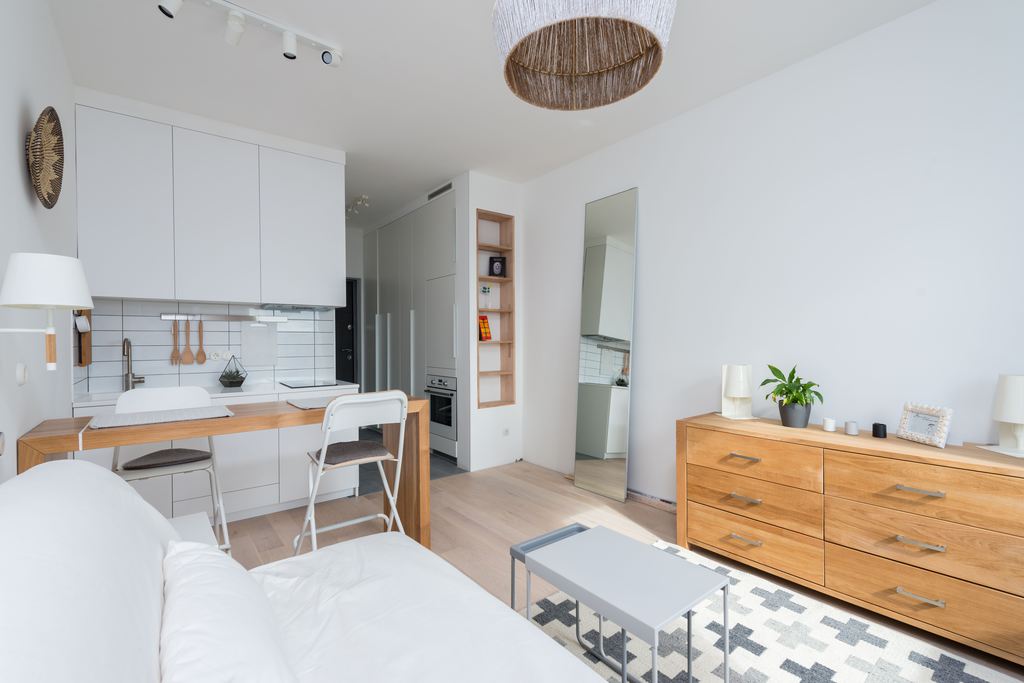
Introduction
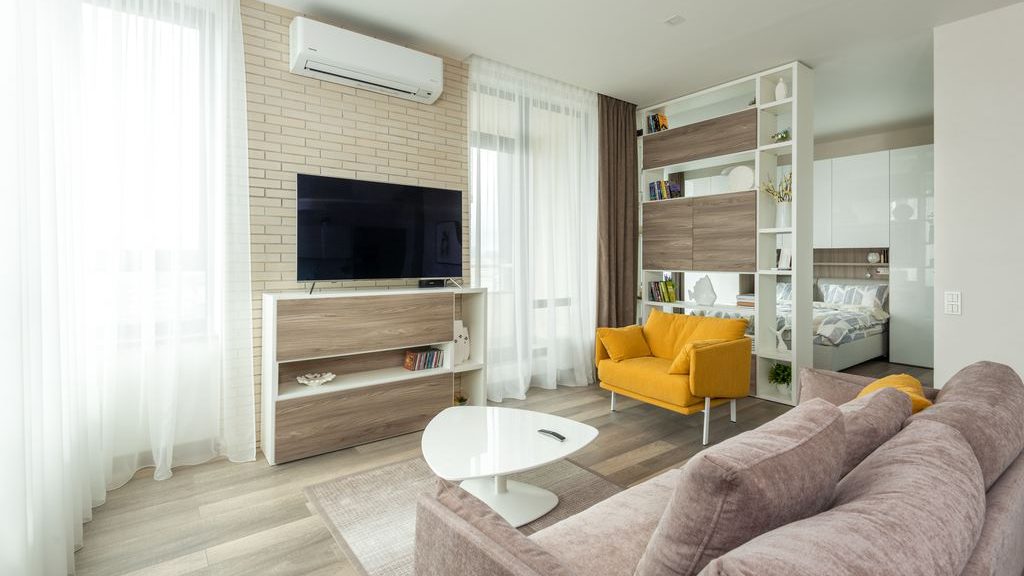
A studio apartment becomes difficult when the same few square feet need to work as a bedroom, living room, dining area, workspace, and media zone. The right multifunctional furniture for studio apartments does more than add a hidden drawer or a moving part. It helps the room shift through real routines without leaving your bed, laptop, dishes, cables, and guests competing for the same space. Start with the daily friction you feel most often, then choose furniture that makes that part of the room easier to reset.
Table of Contents
Why Does a Studio Keep Getting Stuck in One Mode?
A studio can feel crowded even when it is not full of furniture. The problem is often that one activity keeps controlling the room after it is over. The bed still defines the room after breakfast. The coffee table remains covered with work items after dinner. The dining table keeps a hosting footprint even when no one is visiting. Media devices spread beyond the TV wall after a movie ends.
A thoughtful studio apartment furniture layout helps determine where large pieces belong. But the furniture itself determines whether the room can return to a useful state after each activity.
| Everyday Friction | What Usually Happens | What the Room Needs |
| The room stays in bedroom mode | A fixed bed or bulky lounge piece controls the room all day | Seating that can become a sleep surface when needed |
| One table becomes a dumping ground | A laptop, meals, remotes, chargers, and papers collect in one place | A surface that can lift, store, and reset |
| Hosting creates a permanent footprint | A large dining table takes space even when no guests are over | A table that stays compact until more seats are needed |
| The TV zone spreads into the room | Cords, devices, controllers, and remotes move onto the floor or coffee table | One stable, organized home for media equipment |
The goal is not to make every piece transform. It is to make the functions that change most often easier to manage.
When the Room Needs to Feel Like a Living Space by Day
A dedicated bed can be the better choice when sleep comfort is the only priority. But in a studio where the main room also needs to support TV time, reading, guests, and everyday lounging, a permanent sleep setup can make the space feel like a bedroom from morning to night.
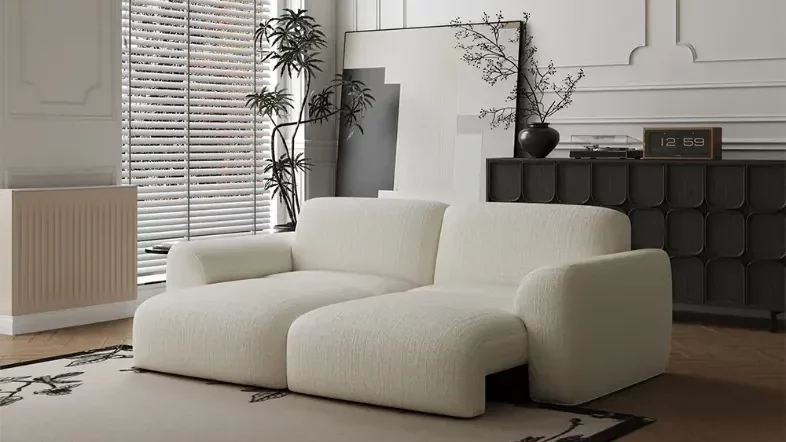
A power sofa bed works when seating and sleep need to share the same footprint. Instead of pulling out a manual mattress frame or moving multiple pieces before every change, the main seat can remain useful for sitting and relaxing, then extend when deeper lounging or a sleep-ready surface is needed.
The Aurora-Power Sofa Bed is designed for a room that needs one main seat to handle several routines. Its remote-controlled design moves between lounge, recline, and sleep modes, while the frame keeps a more compact everyday profile than a separate sofa and bed. The chenille upholstery is also water-resistant and scratch-resistant for regular use.
This type of setup is most useful when the room genuinely needs to shift between living and sleeping. It is less useful when you prefer a permanent bed, rarely use the living area, or cannot keep enough front clearance for the extended position. Electric couch beds for small spaces make the most sense when the conversion supports a routine you will use regularly, not an occasional idea that never becomes part of daily life.
When One Table Has to Handle Work, Meals, and Daily Clutter
In many studios, the coffee table becomes the most overworked surface in the home. It starts with coffee and a laptop, holds takeout and mail by afternoon, then becomes the place for remotes, chargers, and snacks during a show. The issue is not always that you need a full home office. It is that one low, open surface is trying to support too many temporary tasks.
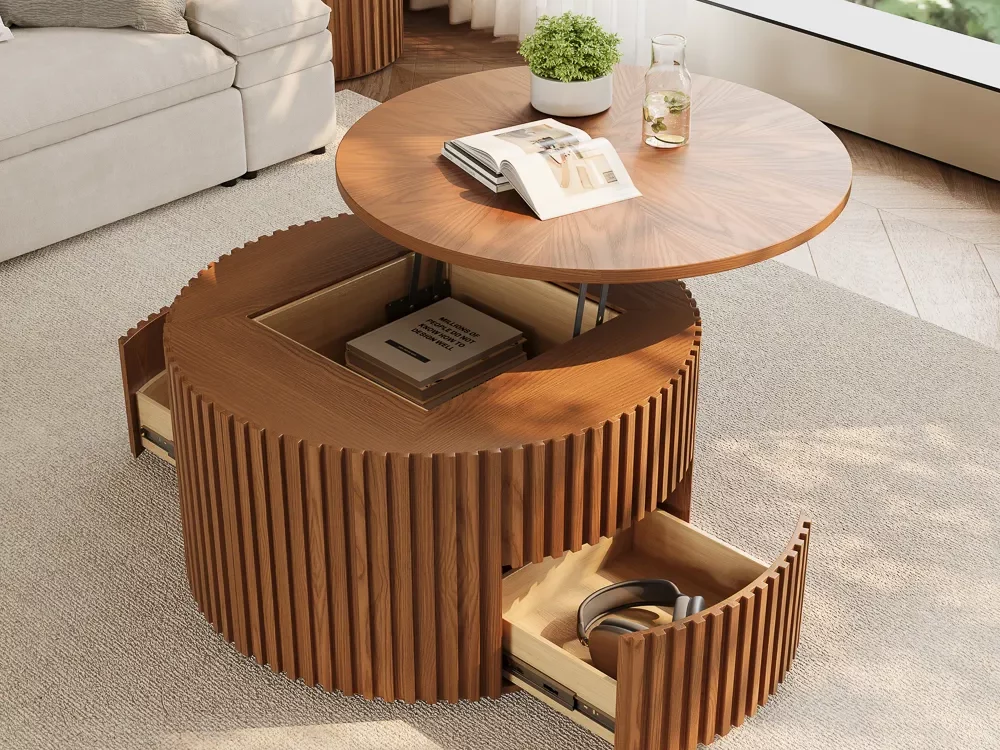
This is where multifunctional furniture for living room use can be more practical than adding a separate desk that permanently occupies floor space. A lift-top coffee table gives short laptop sessions and casual meals a better height, then returns to a lower, calmer profile afterward.
The Silva 31.5″ Lifting Top Round Coffee Table lifts from 16.9″ to 23.2″ with hidden storage and two drawers for charging cables, remotes, or small paperwork. Its round shape also removes sharp corners from a tight seating zone, while the closed top keeps the room looking like a living area instead of a temporary workstation.
A lift-top coffee table is useful for email, short laptop tasks, casual dining, and clearing small items before guests arrive. It does not replace a full workstation for someone who works all day with multiple monitors, a keyboard, files, and an ergonomic office chair. In that case, a dedicated desk may still deserve the space.
When Occasional Guests Take Up Space All Week
A large dining table can make sense when a household uses it every day. In a studio, however, many people buy for the dinner party that happens once a month and give up valuable floor space for the rest of the year.
An extendable table separates normal dining needs from occasional hosting needs. On a weeknight, it can support one or two people without dominating the room. When friends come over for dinner, a board game, or a weekend brunch, it can expand instead of forcing you to keep a larger table in place all the time.
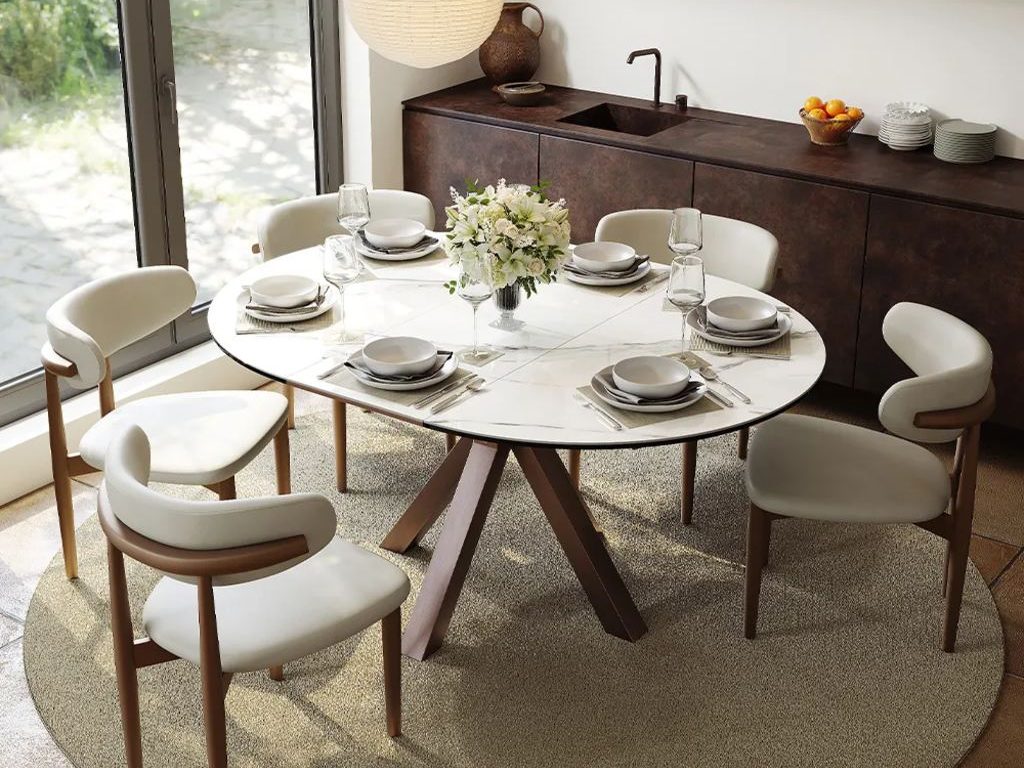
The Hector-Oval Glossy Sintered Stone Extendable Dining Table works well in a studio where daily dining should stay compact but friends occasionally gather. Its round-to-oval extension gives the room more seating only when needed, while the pedestal-style base keeps the area around the table easier to use. The durable sintered stone top is also practical for everyday meals and casual hosting.
Before buying, tape out both the closed and extended dimensions on the floor. Check whether chairs can pull out, whether the route to the kitchen or entry stays clear, and where extra chairs will sit when no one is visiting. Extendable dining tables for everyday meals and occasional guests work best when the compact size is genuinely comfortable for daily life, not merely tolerated.
When the TV Zone Starts Taking Over the Rest of the Room
Media clutter is easy to underestimate in a studio. A router, streaming device, game console, soundbar, controller, remotes, charging cords, and power strips can look minor on their own. Without a dedicated place for them, they slowly spread to the coffee table, the floor, the sofa arm, and even the bed.
This is where multifunctional living room furniture should be stable rather than constantly convertible. A media console does not need to change shape every day. Its value comes from keeping a busy category of items in one contained, usable place.
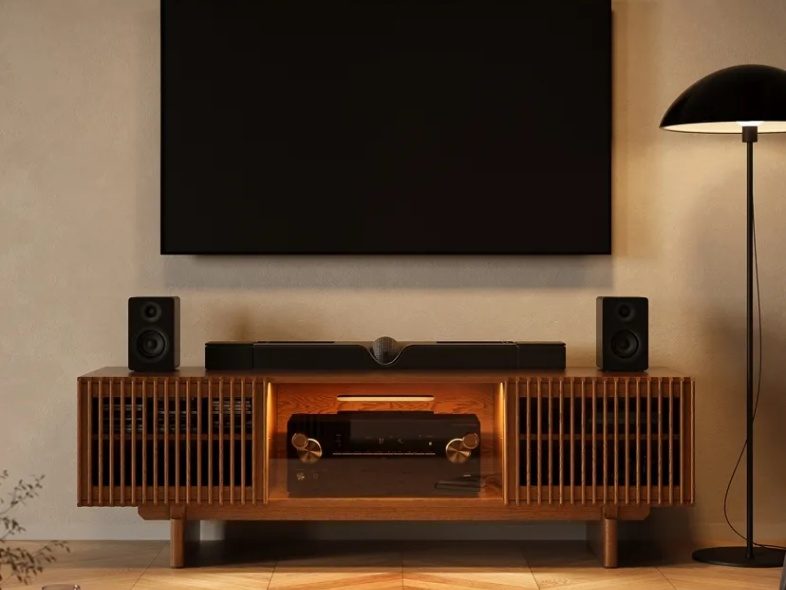
The Arboren 71″ Mid-Century Modern TV Stand combines a TV surface with three cabinets, two removable shelves, six internal cable holes, and three rear cable holes. At 70.9″ wide and 22″ deep, it gives AV equipment room to sit properly, while rear ventilation slots and fluted side doors help support airflow around devices that run warm.
This kind of media console is most useful when your studio has a fixed TV wall and several daily-use devices. It may not be a first priority if you mainly use a projector, stream from one small device, or do not have a defined media area.
What to Check Before Buying Multifunctional Furniture for a Studio Apartment
Before choosing multifunctional furniture for a studio apartment, focus on the routines that create the most friction, not on the number of features a piece can offer.
- Identify the problem that affects you most often. Start with the conflict you deal with several times a week, whether that is needing a sleep surface, lacking a usable table, hosting occasionally, or managing media clutter.
- Choose for the room’s everyday state first. A piece should feel comfortable and useful when it is closed, compact, or not using its second function. Do not sacrifice daily comfort for a feature you may only use a few times a year.
- Check what has to move before the furniture can change. Multifunctional furniture works best when one person can open, extend, lift, or reset it without moving half the room.
- Measure every position, not only the product’s standard size. Mark the closed and expanded footprint on the floor, then make sure the kitchen, entry, closet, and bathroom remain easy to reach.
- Make sure each changed function can reset quickly. Work supplies, dining extras, remotes, and cables should have a clear place to go after use. A piece that creates a new visible pile is not solving the studio’s real problem.
- Avoid solving the same problem twice. One primary multifunctional piece and one supporting piece are often enough. Buying several furniture items with overlapping storage or conversion features can make a studio feel more complicated rather than more flexible.
Conclusion
The most useful multifunctional furniture for studio apartments does not make a home feel packed with clever features. It reduces the time your room spends in the wrong mode. A power sofa bed can free the room from bedroom mode, a lift-top coffee table can clear an overworked surface, an extendable table can stop occasional hosting from taking over daily life, and a media console can keep devices from spreading everywhere. Start with the friction you feel most often, then choose the piece that makes the next reset easier.
FAQ
What should I measure before studio furniture is delivered?
Measure the entire delivery route, not only the room itself. Check the building entrance, elevator interior, hallway width, door openings, tight turns, and ceiling obstructions. Compare those measurements with the product’s packaged size or delivery requirements. A piece may fit your floor plan but still be difficult to bring into the apartment intact.
Should storage in a studio apartment be open or closed?
Use closed storage for items that create visual noise, including cables, electronics, paperwork, cleaning supplies, and spare dining items. Open shelving works better for a small number of frequently used or display-worthy objects. In a studio, visible storage becomes part of the room’s overall appearance, so open shelves need more frequent editing.
What upholstery is easiest to maintain in a studio apartment?
Performance fabric or tightly woven upholstery is usually easier to maintain in a studio because the main sofa often handles meals, guests, pets, and regular lounging. Look for clear care instructions and a fabric that can tolerate spot cleaning. Delicate materials can be harder to manage when one seating piece serves several daily roles.
Should studio furniture have exposed legs or sit flush to the floor?
Exposed legs can make a studio feel visually lighter because more floor remains visible underneath the furniture. They also make vacuuming easier. Furniture that sits flush to the floor can look more grounded and may hide less dust, but it often appears heavier. Choose based on the room’s visual density and cleaning routine.
Is built-in storage better than removable storage bins?
Built-in storage works best for items that always need the same home, such as remotes, cables, linens, or dining accessories. Removable bins are more flexible for seasonal items or things that move between rooms. In a studio, use built-in storage to reduce daily clutter and removable storage for categories that change more often.
What should renters prioritize in multifunctional furniture?
Renters should prioritize pieces that work without wall mounting or permanent alterations and can adapt to a different floor plan later. Look for furniture with flexible everyday dimensions, straightforward delivery requirements, and durable finishes for regular use. Avoid choosing a bulky solution that only works in one exact room layout.


[…] Small apartment […]