 By Hana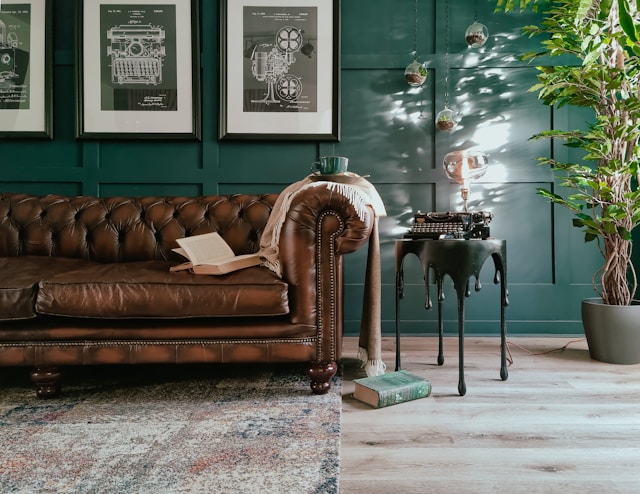
Upgrading your living room in 2026 isn’t just about looks anymore. Most of us are trying to balance comfort, style, budget, and a growing concern for what our stuff is doing to the planet. That’s where the big question shows up: Eco-Friendly Sofa vs Leather Couch – which one actually fits your life, not just your Pinterest board?
In this guide, we’ll keep the jargon low and the value high. You’ll see how sustainable sofas are built, what “best leather couch” really means, and how each option ages, feels, and behaves in real homes. By the end, you’ll have a simple framework to choose between a sustainable sofa and a leather couch that fits your lifestyle, health needs, and long-term budget.
Quick Preview: Eco-Friendly Sofa vs Leather Couch
| Eco-Friendly Sofa | Leather Couch | |
| Environmental impact | Lower if materials & foams are truly sustainable | Higher due to animal agriculture & tanning |
| Budget | Wide range; good value at mid–high tier | Higher upfront for quality leather |
| Durability | Excellent if frame and cushions are well-built | Can last decades with care |
| Maintenance | Washable covers, more stain-forgiving | Wipeable surface, needs conditioning & protection |
Eco-Friendly Sofas vs Leather Couches – What Do These Terms Really Mean?
What Counts as an “Eco-Friendly” or Sustainable Sofa in 2026?
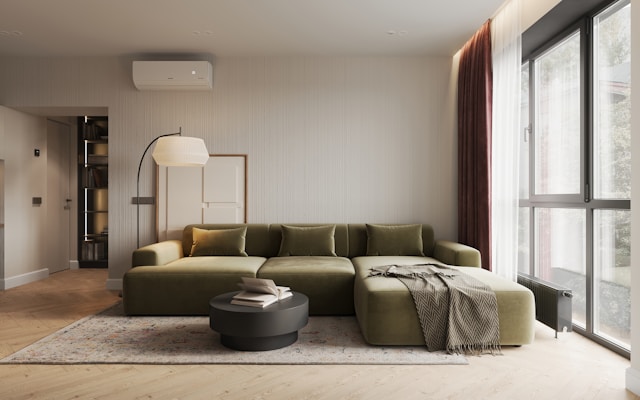
In 2026, sustainable sofas are less about a single label and more about how the whole piece is made. A genuinely eco-friendly sectional sofa made with sustainable materials usually starts with an FSC-certified wood frame, low-VOC or water-based glues and finishes, and fabrics like linen, organic cotton, wool, or recycled polyester. The best eco friendly sofa designs pair that with high-resilience foam, recycled fillings, or even natural latex, plus construction that’s meant to be repaired, not dumped.
Think of “eco-friendly” as a spectrum: a basic eco friendly sleeper sofa with only recycled fabric is a step up from a cheap couch, but a fully certified, low-VOC, modular eco friendly sectional sofa with replaceable parts sits much higher on that scale.
What We Mean by “Leather Couch”
When most people say leather couches, they’re talking about a whole range of very different materials. At the top end, full-grain and top-grain leather are thick, breathable, and develop a beautiful patina over time – this is usually what people mean when they’re searching for the best leather couch. Corrected-grain or split leather is thinner and more heavily processed, which makes it more affordable but generally less durable.
Then there’s faux leather couch territory – PU and PVC – which avoids animal hides but relies on plastics and can crack or peel more quickly. A leather sectional couch or leather reclining couch made mostly from “bonded leather” (leather scraps mixed with polyurethane) often looks luxe at first but tends to wear out unevenly. So when you’re choosing a “leather couch,” you’re really choosing where on that spectrum you want to land—from long-lasting investment piece to short-term, style-first option.
Environmental Impact – Which Is Truly Better for the Planet?
Material Footprint – From Cows & Chemicals to Certified Wood & Fabrics
From a climate and waste point of view, materials matter a lot more than marketing copy. A leather couch starts with animal agriculture, where hides are byproducts of the meat industry, but still tied to land use, methane emissions, and water. Tanning often uses chromium salts and other chemicals, and even more responsible vegetable tanning still requires energy, water, and transport.
On the flip side, eco-friendly sofas built with FSC-certified wood and responsibly sourced fabrics can cut impact by using renewable forests, recycled fibers, and lower-toxicity finishes. The catch: high-performance stain-resistant fabrics may rely on synthetics, so an “eco-friendly sofa bed” might still shed microplastics over time. And whichever path you choose, remember the landfill: in the U.S. alone, furniture and furnishings generated 12.1 million tons of municipal solid waste in 2018.(US EPA)
| Aspect | Eco-Friendly Sofa | Leather Couch | Faux Leather Couch |
| Raw materials | Certified wood, natural/recycled fibers | Animal hides + chemicals | Plastics (PU/PVC) + textiles |
| Water & chemicals | Lower with water-based finishes | High from tanning & dyeing | Moderate but fossil-fuel based |
| Renewability | High if wood & fabrics certified | Limited (animal + chemical chain) | Low; petroleum derived |
| End-of-life | Parts may be recyclable, reusable | Hard to recycle, may be resold | Often cracks, ends in landfill |
Longevity, Repairability & the Circular Economy
From a sustainability lens, the sofa you keep longest usually wins. A well-made brown leather couch can last decades if you clean, condition, and protect it, and leather couch repair pros can re-dye or patch scuffs. A quality eco friendly sectional sofa with removable, replaceable covers and refillable cushions can also go the distance.
Imagine a ten-year timeline. In year one, both pieces look amazing. By year three, a low-quality couch in leather or fabric may already sag or peel, pushing you toward replacement. By year ten, a high-quality leather couch might show soft patina and still feel solid, while a thoughtfully designed sustainable sofa may just be on its second set of washable covers. Asking “where will this live in 10 years – my home, someone else’s, or a landfill?” is one of the most powerful questions you can ask.
Certifications & Labels That Actually Mean Something
Because “eco” claims are messy, third-party labels are your shortcut. For frames and wood, look for FSC certification. For fabrics and fillings, labels like OEKO-TEX STANDARD 100 or GOTS signal reduced harmful substances. Low-VOC or GREENGUARD-type certifications on foams and finishes help you avoid harsh off-gassing. For leather, look for tanneries audited by the Leather Working Group (LWG) or similar “responsible leather” schemes, which track water, chemicals, and waste. These don’t make a perfect sofa, but they do give you a minimum trust baseline.
Everyday Living – Comfort, Durability & Maintenance Compared
Durability & Aging – Patina vs Pilling
High-grade leather ages in a way fabric rarely can: it softens, develops patina, and small nicks often add character. On lower-grade or faux leather, the story is very different – you may see peeling, cracking, or flaking on high-touch areas, especially on inexpensive leather couches in sunny or hot rooms.
Fabric-based eco sofas age through different issues: pilling, fading, or sagging cushions. That’s why frame construction and cushion cores matter as much as fabric type. In my experience setting up a busy family living room, a sturdy eco-friendly sofa with dense foam and a solid hardwood frame held its shape far better after year three than a cheaper couch with the same look but flimsy suspension.
Cleaning & Care – How Much Work Are You Signing Up For?
With leather, daily life is about prevention and gentle care. Wipe spills quickly with a soft cloth, skip harsh cleaners, and condition occasionally so the hide doesn’t dry and crack. If you’ve ever Googled how to clean leather couch, you know that the main rule is: less is more and always test a cleaner leather couch method in a hidden spot first.
For eco-friendly sofas in fabric, maintenance is different but not harder. Vacuum regularly, spot-clean with a mild, fragrance-free solution, and, if possible, choose sofas with removable, machine-washable covers. A pale eco friendly sleeper sofa in a small apartment, for example, becomes far more realistic when you can strip the cover and wash it after a movie-and-pizza night.
| Care Aspect | Leather Couch | Eco-Friendly Fabric Sofa |
| Everyday cleaning | Dust/wipe with soft cloth | Vacuum, quick blot on spills |
| Deep care | Leather cleaner + conditioner every few months | Wash or dry-clean covers; occasional professional clean |
| Risk points | Sun, heat, harsh chemicals, pet claws | Stains, pilling, color transfer, pet hair |
Health & Indoor Air Quality – What You Breathe Matters
New furniture often comes with that “new sofa smell” – which is usually VOCs (volatile organic compounds) from foams, fabrics, glues, and coatings. The U.S. EPA notes that levels of several organics are often 2–5 times higher indoors than outdoors, even without obvious pollution sources. That matters if you have asthma, migraines, or small kids napping on the couch every afternoon.
If you’re shopping with babies, pregnant people, or allergy-sensitive adults at home, prioritize materials and finishes first, aesthetics second. For eco-friendly sofas, that means low-VOC or water-based finishes, glues without added formaldehyde, and fabrics certified to restrict harmful substances. For leather couches, seek responsibly tanned leather with low-odor finishes and avoid heavily coated, plasticky surfaces if possible.
For high-sensitivity households, a practical priority list looks like this: first, low-VOC and certified materials; second, washable surfaces to keep dust and allergens down; third, fragrance-free cleaning products so you’re not trading one irritant for another.
Budget, Style & Decision Guide – How to Choose What’s Right for You
Cost Breakdown Over Time – Not Just the Price Tag
Sticker price can be misleading. A budget couch in leather-look material that fails after three years often costs more per year than a mid-range sustainable sofa that lasts a decade. At the same time, quality top-grain leather is an investment piece; if you truly love the look and plan to keep it 15–20 years, the annual cost can be quite reasonable.
The market is shifting with you: the global sustainable home décor market is projected to grow from about $4.5 billion in 2024 to $9.4 billion by 2034, around a 7.9% annual growth rate, meaning more choice and competition in eco-friendly furniture.
| 5-Year Total Cost (Example) | Low-Cost Couch (Faux Leather) | Quality Eco Sofa | Best Leather Couch |
| Upfront price | $500 | $1,500 | $2,000 |
| Likely replacements | 1 replacement by year 5 | None | None |
| Basic care/cleaning | $100 | $150 | $200 |
| Approx. 5-yr total | $1,100 | $1,650 | $2,200 |
| Cost per year | $220 | $330 | $440 |
(Numbers are illustrative; your actual costs depend on brand, use, and care.)
Style, Color & How It Plays with the Rest of Your Home
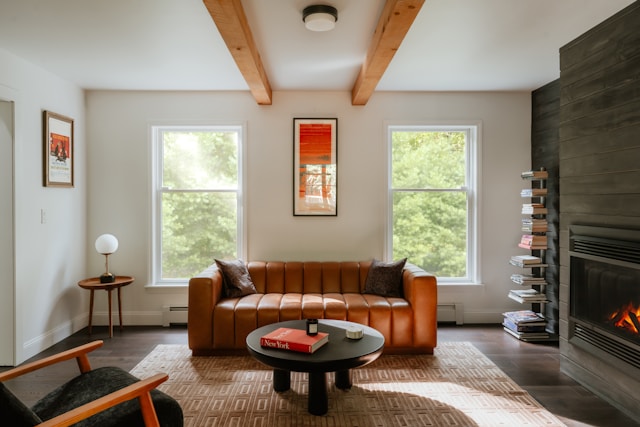
Leather has a very specific visual energy. A brown leather couch brings warmth and works beautifully with wood, jute, and plants in modern, industrial, or farmhouse-leaning spaces. A black leather couch feels more sleek and urban, pairing well with chrome, glass, and stone. Sofas in fabric are more flexible: a textured neutral eco friendly sectional sofa can soften a minimalist room, while bolder weaves add depth to a simple layout.
One trick I use in mock-ups: if the sofa is leather, I layer in softer elements like chunky throws, linen cushions, and plush rugs. If the main sofa is fabric, I often add a leather lounge chair or ottoman to ground the room and bring in that timeless material without overwhelming the space.
Conclusion – Your Sofa, Your Story, Your Impact
There’s no single winner in the Eco-Friendly Sofa vs Leather Couch debate. A thoughtfully built eco sofa can minimize toxins and waste, while a well-cared-for leather couch can deliver decades of comfort and patina. What really matters is where your lifestyle, values, and budget overlap. Look beyond the showroom moment: imagine how this piece will feel, smell, and look after years of movie nights, naps, and gatherings. Then choose the eco-friendly sofa or best leather couch that lets you relax in 2026 knowing you made a long-term, thoughtful decision for your home and the planet.
FAQs About Eco-Friendly Sofas vs Leather Couches
Is a Leather Couch Ever Considered Eco-Friendly?
Yes, relatively. A high-quality leather couch from a responsibly audited tannery that you keep for 15–20 years can be more sustainable than a cheap fabric sofa you replace every few years. But it will still have a higher animal and resource footprint than many well-designed sustainable sofas, especially those using certified wood and recycled or organic fabrics.
Are Faux Leather Couches Better for the Environment?
Not automatically. Faux leather avoids animal hides but leans on plastics like PU or PVC, which can crack, shed microplastics, and usually end up in landfill. A durable real-leather couch or a robust eco sofa in certified fabric that truly lasts can be more sustainable than an inexpensive faux leather couch that fails quickly.
What’s the Most Sustainable Sofa Choice I Can Make Today?
The most sustainable choice is usually to buy once, buy well, and keep the piece in circulation as long as possible. Look for sustainable sofas with FSC-certified frames, low-VOC finishes, third-party-tested fabrics, and designs you’ll still love in ten years. If you choose leather, prioritize responsible tanneries and timeless shapes that can move with you through different homes.


