 By Stephanie
Table of Contents
Moving into a new house creates a long shopping list, but buying everything at once is rarely the safest approach. If you are figuring out how to choose furniture for a new home, start with the pieces that shape daily routines and control the dimensions of what comes next. This guide shows you what to decide before ordering, which furniture deserves priority, how to test real-world fit, and what is smarter to postpone until you have lived in the space.
What Should Be Certain Before You Buy Furniture?
Before shopping, separate what you know about the new home from what you are still guessing about. Finished wall dimensions, door swings, outlet locations, household size, and furniture you already own are known constraints. How often you will host, whether a spare room becomes an office, or how much extra storage you need may not be clear yet.
Buy expensive furniture around facts, not assumptions. A useful pre-shopping check is:
| Decision Type | Examples | What to Do |
| Fixed | Wall length, doors, vents, outlets | Measure before shopping |
| Confirmed | Daily household size, TV equipment, existing bed | Plan furniture around it |
| Uncertain | Future guests, extra seating, overflow storage | Preserve flexibility |
This is a more reliable way to approach how to choose furniture for a new home. When existing pieces are coming with you, understanding how to mix furniture styles without looking mismatched can help with visual compatibility after the functional decisions are settled.
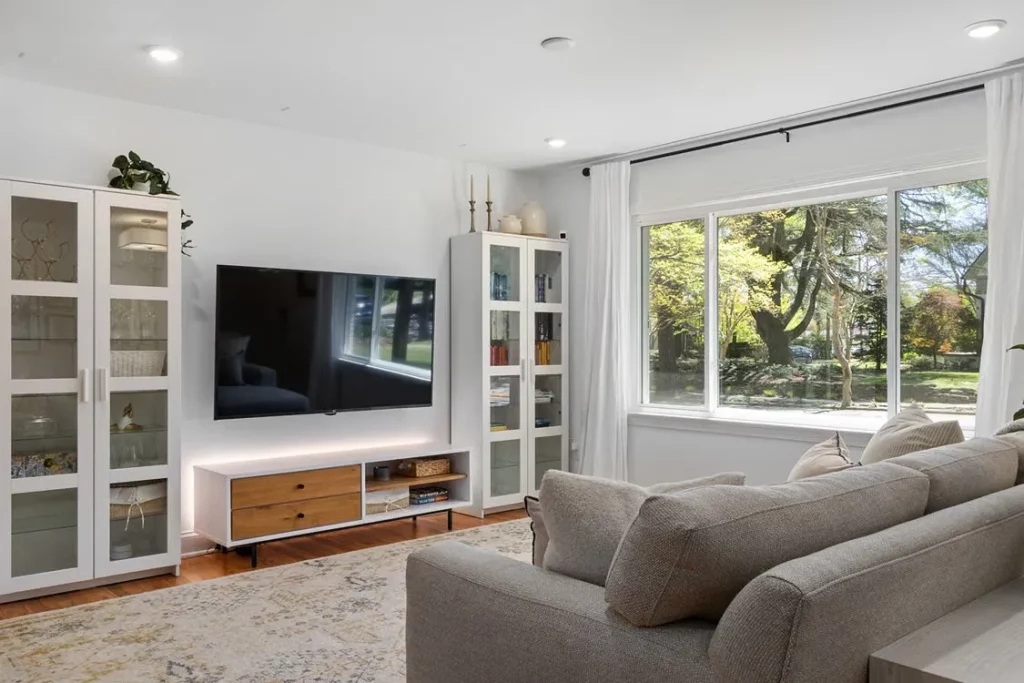
What Furniture Should I Buy First for a New Home?
Buy first when a piece combines high certainty with a high cost of getting it wrong. Instead of following a universal furniture checklist, test each major purchase against three questions: Will you use it immediately? Will its dimensions affect another furniture decision? Would returning, moving, or replacing it be difficult?
A primary bed will usually pass all three tests. A main sofa often will too. A dining table may not be available if your household currently uses a kitchen island and is still deciding how the dining room will function. A media console moves up the list when existing AV equipment already sets specific depth, ventilation, or cable-routing requirements.
If a purchase solves an uncertain future need but does not affect daily life yet, leave that floor space and budget uncommitted. This makes what furniture I should buy first for a new home a household-specific decision rather than a fixed shopping order.
How Do You Know Furniture Will Actually Fit?
When learning how to furnish a new home, one overall width-and-depth measurement is not enough. Large furniture usually has three different space requirements, and each one can disqualify an otherwise appealing piece.
Resting footprint is the space the furniture occupies in its normal position. Mark it on the floor and check doors, windows, outlets, vents, and daily walkways.
Active footprint is the maximum space it occupies while being used. Extend the sleeper sofa, pull dining chairs back, open drawers and cabinet doors, and expand an extendable table. A piece that works while closed may create a bottleneck once it moves.
Arrival envelope covers the route into the room. Compare carton or delivery dimensions with exterior doors, hallway turns, stairs, elevators, and the narrowest interior opening.
For especially heavy pieces or homes with stairs and tight turns, understanding when white glove delivery makes sense for furniture can also affect the purchase decision before checkout.
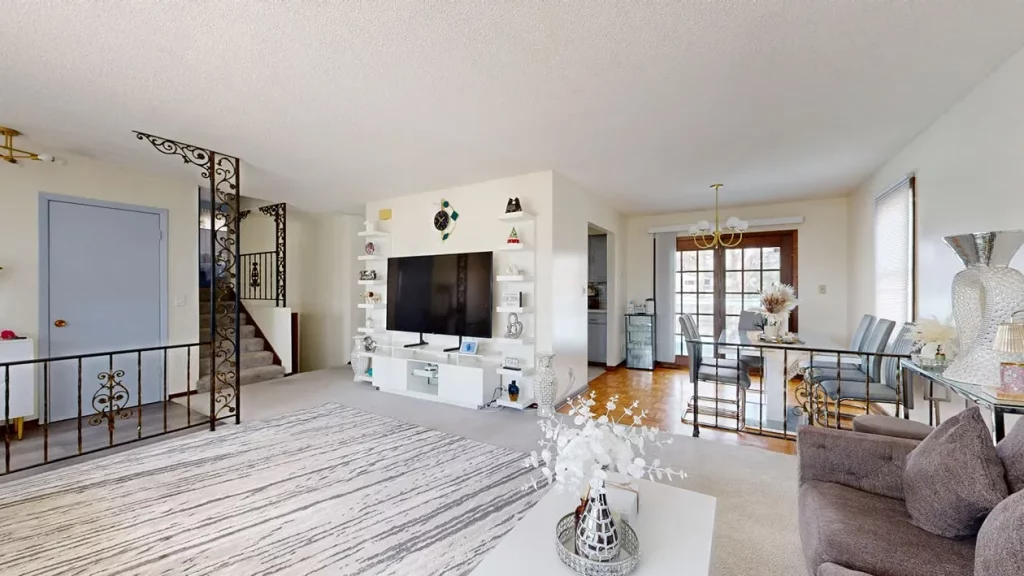
Where Should Your Furniture Budget Go First?
Do not spend more simply because a piece is larger. Spend where better construction or function changes the way the furniture performs every day. For upholstered seating, that may mean durable fabric, supportive cushioning, or a reliable moving mechanism. For media storage, usable interior depth and ventilation can matter more than decorative compartments. For an extendable table, the extension mechanism and everyday surface deserve more attention than extra styling details.
This keeps the budget tied to the features that are difficult to add or correct later. Color, small accessories, and secondary tables are relatively easy to change; inadequate equipment clearance, an awkward extension system, or upholstery that does not suit the household is not.
POVISON Picks for Three New-Home Decisions
These picks are not ranked against one another. Each shows how a product specification can resolve a different uncertainty before checkout: whether one room needs to change function, whether existing equipment can fit inside new storage, and whether dining capacity needs to change without adding another furniture piece.
Aurora Power Sofa Bed
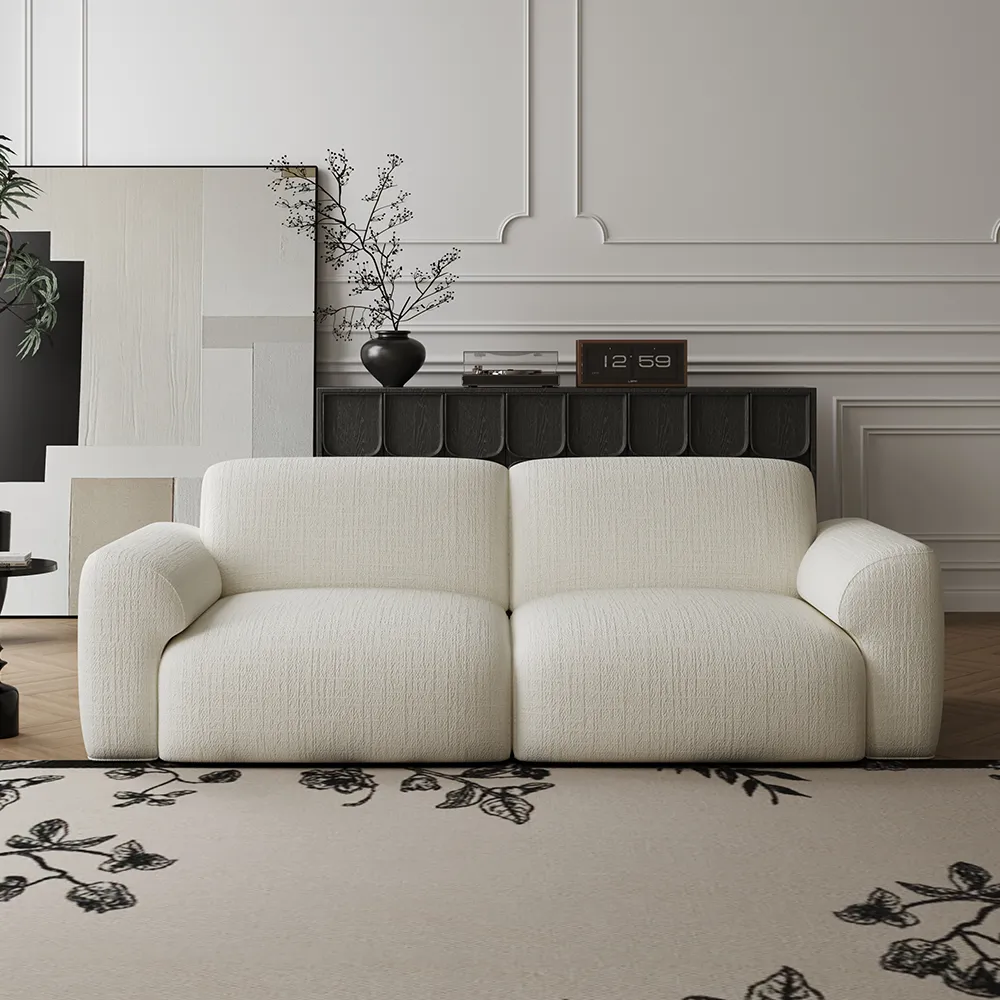
Aurora Power Sofa Bed | $2,599
A flexible anchor for new homes where the living room may evolve over time.
When a living room needs everyday seating but may also serve as a lounge or occasional sleep space, the Aurora Power Sleeper Sofa makes that second function adjustable rather than permanent. Its power extension adjusts continuously from 27 to 45.5 inches, and the performance chenille is water- and scratch-resistant. The key buying check is its active footprint: measure the room at full extension, not only in sofa mode.
Arboren Mid-Century Modern Media Console
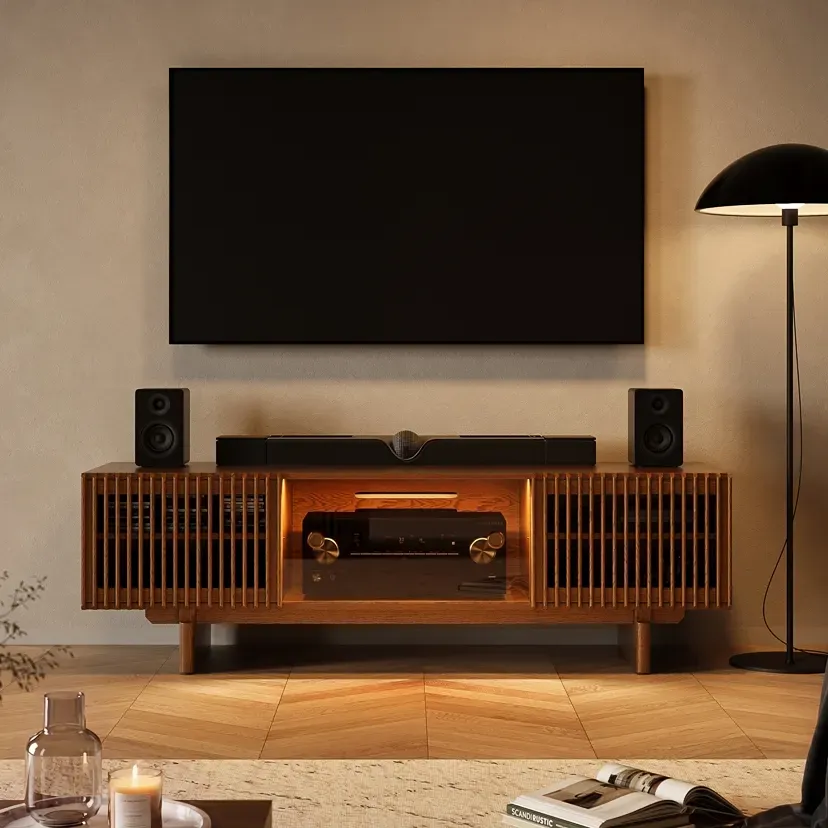
Arboren TV Stand | $1,699
A more considered foundation for a media space that needs to stay functional and visually calm.
When AV equipment is already coming to the new home, cabinet depth becomes a fixed requirement rather than a styling preference. The Arboren Media Console provides 18.3 inches of internal depth, six internal and three rear cable openings, plus passive ventilation. That combination gives deeper receivers and their rear connections more practical room while helping cables and heat move away from the equipment zone.
Silva Round Extendable Dining Table
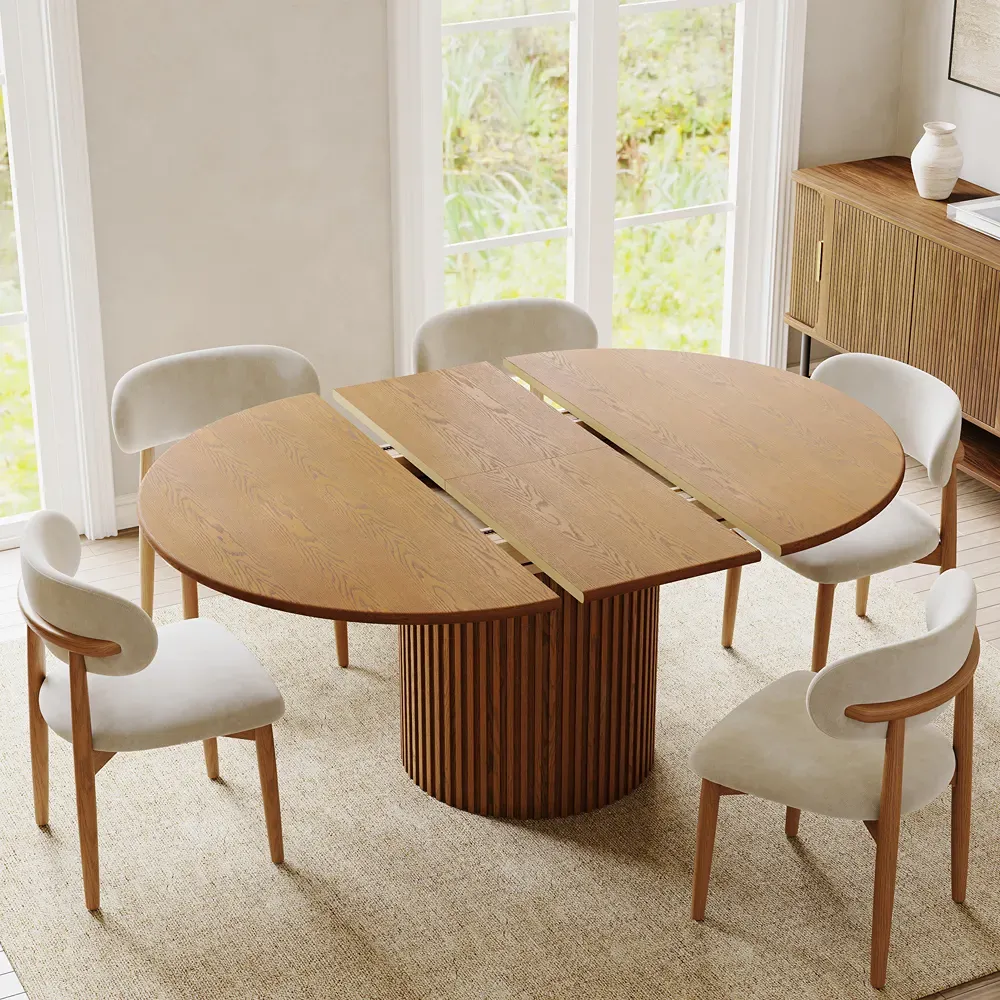
Silva Extendable Dining Table | $1,399
A versatile centerpiece for a dining space that does not need every future need decided on day one.
When you know where the dining zone belongs but not how much capacity it will eventually need, the Silva Round Extendable Dining Table keeps that decision reversible. It moves from a 47.2-inch round footprint to a 63-inch oval and seats four to six, while the butterfly leaf stores inside the table. Buyers can therefore test both real footprints without also planning separate storage for an extension leaf.
Conclusion
Knowing how to choose furniture for a new home is less about filling empty rooms than making expensive decisions when you have enough information to make them well. Separate fixed facts from uncertain future needs, prioritize furniture that is both important and difficult to change, and test its resting, active, and arrival space before ordering. Where your future routine is still unclear, leave room for adaptability. A new home does not need every furniture decision made at once; it needs the right decisions made in the right order.
Q&A
Can I order furniture from builder floor plans?
Use builder plans for early layout planning, not final ordering of large furniture. Finished wall dimensions, trim, outlets, door swings, and construction tolerances can change usable space. Verify the completed room and delivery path in person before ordering a sofa, large cabinet, bed, or dining table with limited clearance.
Should I order furniture before closing on a home?
Avoid committing to custom, nonreturnable, or tightly fitted furniture before the purchase and final measurements are secure. Standard pieces with flexible dimensions are lower risk, but confirm return terms and delivery timing. If the furniture depends on a particular wall, doorway, or room configuration, wait until you can verify it.
Should I choose a rug or furniture first?
Choose the main furniture layout first unless you already own a rug that must stay. Sofa, table, and chair positions determine the usable rug size more reliably than an empty-room measurement. If an existing rug is non-negotiable, reverse the process and treat its dimensions as one of the room’s fixed constraints.
How should furniture work around vents and outlets?
Do not treat vents, floor registers, and frequently used outlets as expendable floor space. Mark them before taping out furniture. Powered sofas and media equipment also need practical access to electricity without creating unsafe cord routes. If a piece blocks a required vent or forces cables across a walkway, reconsider its position or size.
What if my room falls between two furniture sizes?
Choose the larger size only when its active, not just resting, footprint leaves the room working normally. Open nearby doors and drawers, pull chairs back, and walk the main route. If both options technically fit but the larger one removes flexibility for future storage or seating, the smaller size is usually the safer commitment.


[…] Choose the sleep setup before buying any supporting furniture. It determines how much floor space remains, whether doors and storage can still open, and whether the room can serve another purpose during the day. Make the decision based on how often guests stay and how the room is used between visits. […]