 By Jenny Smith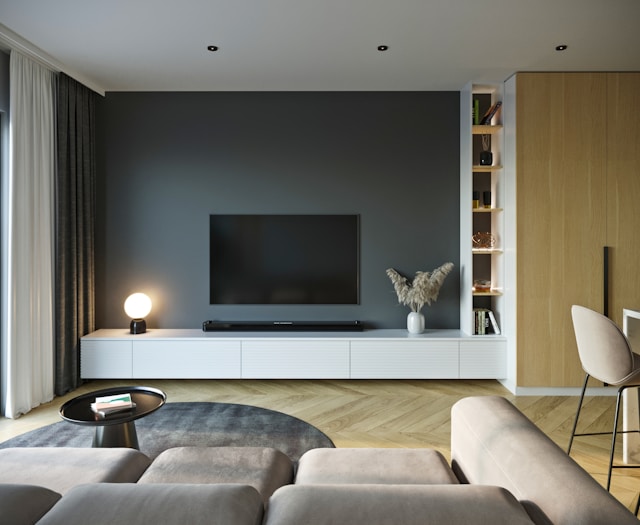
When you renovate in 2026, your TV wall is no longer an afterthought—it’s the main stage of your living room. The furniture you put under (or around) that screen has to handle storage, cables, safety and style all at once. With the global entertainment furniture market already above $23 billion in 2023 and growing 6.5% annually (2024–2030 data from Grand View Research), choosing between a floating vs floor TV stand matters more than ever. This guide walks you through wall-mounted vs floor-standing options so you can pick the media unit that actually fits your home, habits and renovation plans.
Quick Answer: Choose a floating TV stand if you want a lighter wall look, easier floor cleaning, and less visual bulk. Choose a floor TV stand if you need more storage, easier installation, stronger support for large TVs, or a renter-friendly setup. Before buying, check your wall type, outlet location, cable path, TV weight, and how much hidden storage you actually need.
Wall-Mounted vs Floor-Standing: The Basics
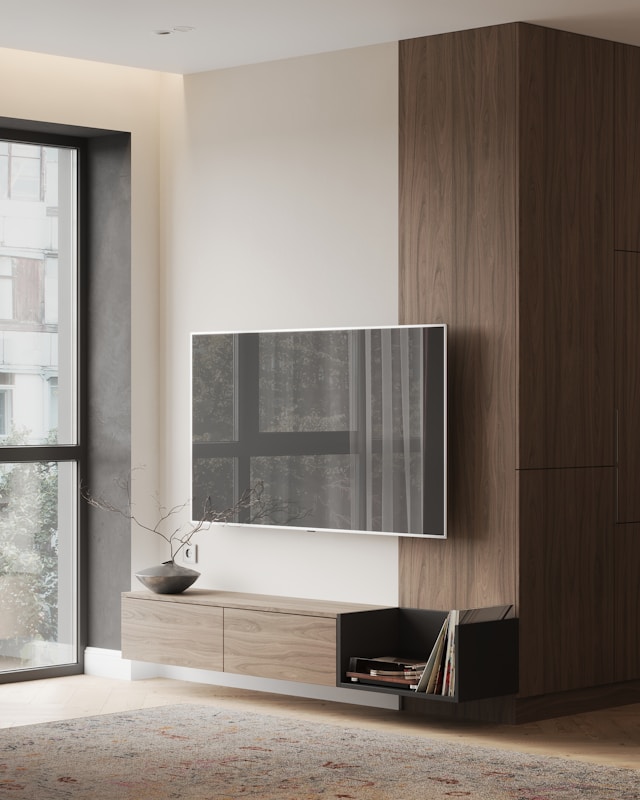
A floating TV stand is a wall-mounted media console that doesn’t touch the floor. It’s anchored into wall studs and usually pairs with a wall-mounted TV, creating that “hovering” look you see in minimalist living rooms. You’ll often see names like floating tv stand, tv stand floating, tv floating stand or even a floating fireplace tv stand when a slim electric fireplace is integrated below the screen.
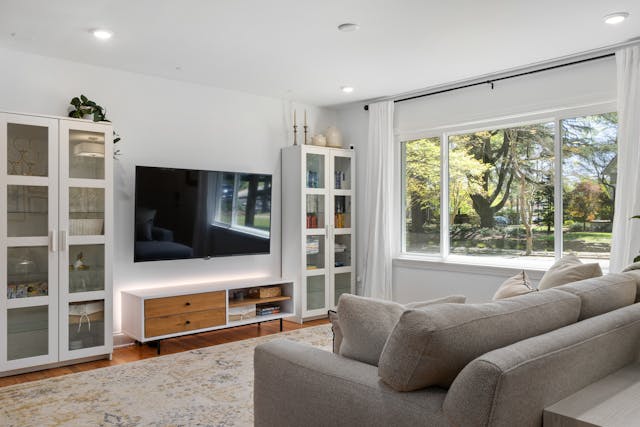
A floor TV stand or tv floor stand is any media unit resting fully on the ground. That includes classic low consoles, a floor tv stand with mount, or modular floor stand tv mounts that support the screen on a vertical column. These pieces don’t require drilling into the wall, which makes them flexible for rentals, tricky walls or rooms where you expect to move furniture often.
Pros & Cons of Floating TV Stands
Key Advantages of Floating TV Stands
Floating stands suit 2026’s love of clean, airy spaces. By lifting storage off the ground, a modern floating tv stand or minimalist floating tv stand frees up floor area for robot vacuums, foot traffic and small-space layouts. Wall-mount adoption keeps rising—over 38% of U.S. households installed TV mounts in 2023, showing how quickly wall-mounted setups are becoming mainstream (Consumer Technology Association, reported by Business Research Insights, 2025).
Imagine a 13×17-foot condo living room: a white floating tv stand with hidden cable channels keeps the floor clear, while a slim soundbar sits comfortably underneath a 65″ TV. The whole wall reads as one design feature instead of a pile of electronics. For more styling ideas, check Povison’s Ultimate Guide to Choosing a Floating TV Stand.
When Floating May Not Be the Best Fit
Floating media units do demand the right structure behind the drywall. If your wall is poorly framed, made of brick, or conceals hidden plumbing, anchoring a floating modern wall-mounted tv stand may require professional help. That adds cost compared with simply sliding in a floor console.
They’re also less forgiving if you like to rearrange the room every few months; moving a floating tv stand means patching holes and re-drilling. Gamers with heavy AV receivers or many consoles might find floor cabinets more practical, unless they choose a high-capacity tv stand floating system designed for serious equipment.
Pros & Cons of Floor TV Stands
Why Floor TV Stands Still Work in 2026
A floor mount tv stand shines when flexibility matters. No drilling, no stud-finding, no landlord negotiations—just unpack, position and plug in. That’s ideal for renters, multi-use rooms or older homes where wall construction is unpredictable. Many tv floor stand with mount designs now include swivel brackets, integrated cable channels and anti-tip straps, giving you most of the adjustability of a wall mount with an easier install.
Floor stands also play nicely with staging. In the National Association of Realtors’ 2025 Profile of Home Staging, 37% of buyers’ agents said the living room is the most important room to stage (via Investopedia, 2025). A well-chosen media console helps that first impression feel polished without needing to touch the walls.
Drawbacks of Floor TV Stands
The trade-off is footprint and visual weight. A deep tv stand floor can visually shrink a small room, especially if you layer in tower speakers, game consoles and baskets. Cable clutter tends to spill over the back and sides unless the design has smart routing.
In a 14×16-foot family den, for example, a large floor stand for tv with open shelves might feel crowded once toys, controllers and extra blankets pile up. Some homeowners switch to a floating fireplace tv stand or a low, closed console the next time they remodel purely to regain breathing room and easier cleaning.
Design & Space: Modern Media Unit Comparison
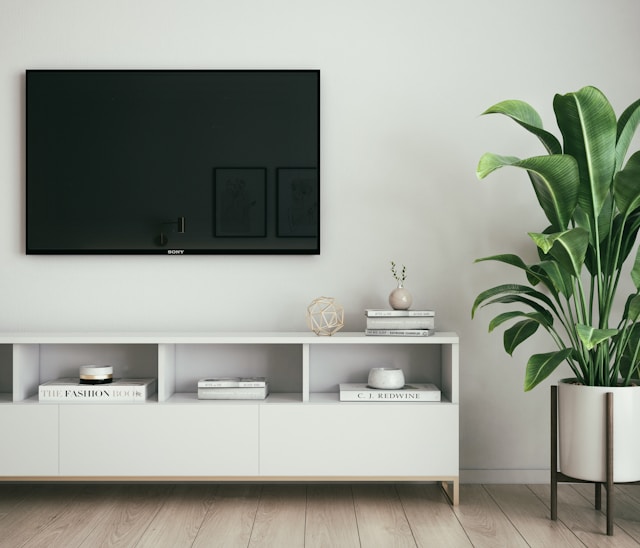
From a design standpoint, floating stands naturally read more minimal and “built-in.” They pair beautifully with slim sofas, Japandi palettes and simple rugs. A modern floating tv stand in walnut or matte black visually stretches the wall, making ceilings feel higher because your eye runs across an uninterrupted horizontal line. That’s why design-forward brands—and yes, even an IKEA floating tv stand—lean into long, handle-free doors and hidden storage.
Floor stands, by contrast, let you introduce legs, curves and mixed materials. If you love vintage or mid-century looks, a low wood floor tv stand with tapered legs can echo your coffee table or sideboard. This also matters for resale: buyers often respond better to coherent, “furnished” rooms than to tech-heavy setups, so choosing a console that matches your other pieces can support future staging plans.
Safety, Installation & Cable Management
Safety should be non-negotiable whether you go wall-mounted or floor-standing. With so many larger screens in homes, TV mounts and stands are under more scrutiny than ever. In 2023, over 38% of U.S. households installed TV mounts, underscoring how common wall-mounted displays have become in everyday living rooms (Consumer Technology Association via Business Research Insights, 2025).
For floating units, always:
- Anchor into studs (not drywall anchors alone)
- Respect the manufacturer’s weight rating for both stand and TV
- Keep kids from hanging or climbing on the cabinet
On the floor-standing side, a floor tv stand with mount needs anti-tip straps, especially with kids or pets racing around. Many newer floor stand tv mounts bolt to the back of the console and then tether to the wall, so you get a hybrid between freestanding furniture and wall security.
How to Choose Between Floating vs Floor TV Stand in 2026
Ultimately, the best choice depends on your renovation scope, wall type and how long you plan to stay. If you’re already opening walls, running new electrical and building a feature TV wall, a minimalist floating tv stand is the most future-ready option. It works especially well in open-plan apartments or compact homes where every square foot of floor space counts.
- Pick a floating tv stand if… you want a modern, space-saving look, have solid stud walls, and don’t mind drilling once for a long-term layout.
- Pick a floor tv stand if… you’re renting, expect to rearrange furniture, or need maximum equipment storage without touching the wall.
If you decide floating is your route, you can shortlist specific wall-mounted models in Povison’s 2026 roundup: Best Floating TV Stand: Top Wall-Mounted Picks.
Conclusion
For a 2026 renovation, the choice between a Floating vs Floor TV Stand isn’t about naming one clear “winner,” but about what fits your home and habits. Floating units bring sleek lines, open floors and a custom, built-in feel that works especially well in compact or carefully planned layouts. Floor TV stands offer superior flexibility, quick setup and generous storage for consoles, speakers and decor. When you match the stand type to your space, wall condition and how often you rearrange, your TV wall will stay practical and stylish for years to come.
FAQ
Are floating TV stands safe for large TVs?
Yes—when the stand and TV mount are both rated for your screen’s weight and installed correctly into studs. Always follow the mounting template, avoid over-tightening bolts, and keep heavy components centered. If you’re unsure about your wall type, hiring a pro installer for an hour is worth the peace of mind.
Can I use a floating TV stand in a rental apartment?
Often you can, as long as your lease allows wall mounting and you patch holes when you leave. Look for a tv stand floating system with a clear bracket template and keep all manuals for move-out. If your landlord says no, a tv floor stand with mount gives similar ergonomics without permanent changes.
Is a floor TV stand with mount stable on carpet?
Most floor stand tv mounts are designed for standard carpeted rooms, but stability depends on base size and TV height. Choose a wide, heavy base, secure any anti-tip straps to wall studs, and avoid stacking extra gear high above the screen. For deep-pile rugs, adding a rigid board under the base improves stability.
How do I hide cables with either option?
For floating setups, run power and data through in-wall rated cable kits or behind a surface-mounted raceway painted to match the wall. Many floating modern wall-mounted tv stand designs also have rear cut-outs and internal channels. Floor stands rely more on rear panels, cable clips and zip ties to keep cords grouped and out of sight.
Which option is better for a future home sale?
Buyers respond best to living rooms that feel calm and intentional. A clean wall-mounted setup can read high-end, while a stylish floor console looks familiar and easy to live with. If you’re unsure, choose a neutral wood or black media unit with closed storage—floating or floor-standing—that keeps electronics discreet for staging photos.


