 By Stephanie
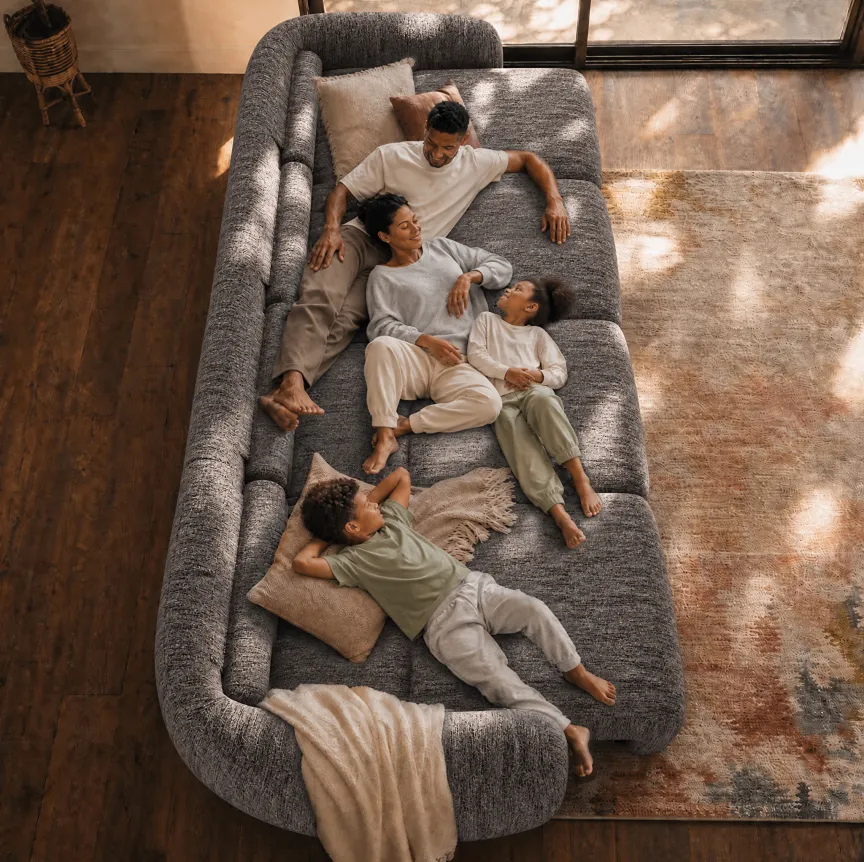
Boneless couches can feel soft and inviting at first sit, but that does not automatically make them comfortable for every part of daily life. So, are boneless couches comfortable? Usually, yes, for relaxed lounging, curling up, or stretching out. The answer is less certain for upright sitting, long reading sessions, or households that need firmer support. The difference comes down to more than softness: foam recovery, seat height, usable depth, backrest stability, and how the sofa is used. This guide explains what to check before choosing one as your main sofa.
Table of Contents
Are Boneless Couches Comfortable for Everyday Use?
For casual lounging, boneless couches can be comfortable, especially if you like to curl up or stretch out. They may be less satisfying as an all-purpose seat if you spend long periods sitting upright, need a higher seat, or prefer a firmer, more structured feel.
If you’re asking, “Are boneless couches good for everyday use?” consider how your household actually uses the living room. A sofa used mainly for afternoon naps and relaxed evenings has different requirements from one used for family conversations, reading, and frequent entertaining.
| Daily Activity | Comfort Potential | What to Consider |
| Casual lounging | Often a good fit | Softness and available seating space |
| Cross-legged sitting | Depends on design | Seat width and usable depth |
| Upright sitting | Varies | Backrest stability and seat support |
| Extended reading | Varies | Back support and cushion firmness |
| Shared family seating | Depends on construction | Weight capacity and module stability |
| Everyday primary sofa use | Depends on household needs | Seat height, support, and durability |
For example, a couple who spends most evenings watching movies may appreciate a deep, flexible boneless couch. A household that uses the living room for reading, conversation, and hosting guests may prefer a sofa with more defined seat and back support.
The important distinction is that a comfortable lounging sofa is not automatically a comfortable all-purpose sofa.

What Makes a Boneless Couch Comfortable or Uncomfortable?
The comfort of a boneless couch depends on how its materials and proportions work together. A thick cushion can look inviting but still create an awkward sitting position if the seat is too low or the backrest provides little support. Three factors deserve attention when evaluating how a boneless design will feel beyond the first sit.
Foam Construction and Cushion Recovery
On a true boneless design, foam provides both the cushioning and much of the seat’s structure. This makes its ability to support body weight and recover after compression especially important. A seat that sinks too far or remains flattened can feel very different from one that rebounds evenly.
Check whether the manufacturer identifies the seat and back materials separately. Also compare foam density, firmness, and resilience as distinct specifications rather than treating them as interchangeable. These details can help explain why two couches that look equally plush may feel quite different in daily use.
Understanding how foam density differs from firmness and resilience can also help you evaluate material specifications without assuming that higher density automatically means a firmer or more comfortable seat.
Seat Height and Usable Seat Depth
Boneless couches often have a low, relaxed profile, but their actual seat height and usable depth vary by design. A low seat may feel natural for lounging yet become less convenient when you need to stand up frequently. Deep cushions can also make it harder for shorter users to sit back while keeping their feet supported.
Check the actual seating dimensions rather than relying on the sofa’s overall depth, especially if it will serve as your main living-room seat. Understanding how sofa seat depth and height affect everyday comfort can help you determine whether a low-profile design suits your body proportions and preferred sitting position.
Backrest Stability and Upholstery
On some boneless couches, the backrest relies on soft foam sections or loose cushions rather than a rigid, fixed support structure. When you lean back, check whether these sections stay in position or shift under pressure. A back cushion that repeatedly moves out of place can make it difficult to maintain a comfortable sitting position, especially during reading or longer conversations.
Upholstery also affects surface comfort. Thick materials and dense cushioning may retain warmth during extended sitting, so consider the fabric’s texture and breathability alongside the foam construction. A breathable fabric, however, cannot compensate for a backrest that lacks stability.

How Does a Boneless Couch Compare With a Traditional Sofa for Comfort?
The difference is not simply whether one sofa feels softer than the other. A true boneless design relies heavily on foam for its shape and support, while many traditional sofas use a separate frame and seat suspension system. These structural differences can affect how the seat responds when you lean back, sit near an edge, or shift your weight. Individual designs still vary, so compare the actual seating experience rather than relying on the category name alone.
| Comfort Factor | Boneless Couch | Traditional Sofa |
| Seat Feel | Often has a softer, more flexible sink-in feel | Can range from soft to firm, depending on cushion construction |
| Seating Boundaries | Soft sections may create a more continuous lounging surface | Defined seat and arm sections often create clearer seating areas |
| Front Edge Support | Soft foam edges may compress more under pressure | A more defined seat edge may feel firmer |
| Position Flexibility | Flexible cushions can accommodate relaxed, informal positions | More structured seating may encourage a defined sitting posture |
Neither category guarantees a particular level of comfort. Some traditional sofas have very soft, deep cushions, while some boneless models use firmer foam and more stable configurations.
The term itself can also be used loosely in furniture listings. Some products are genuinely frameless, while others simply have a low-profile, foam-heavy appearance. Understanding the difference between true boneless sofas and boneless-style alternatives helps you compare construction before making a decision based on comfort alone.
How to Test a Boneless Couch’s Support Before Buying
A quick showroom sit can make almost any soft sofa feel inviting. To judge whether a boneless design will remain comfortable as your main seat, pay attention to how its foam and back sections respond to pressure. These checks help identify support issues that may not be obvious from product photos or a brief first impression.
1. Lean Back Without Holding the Cushion
Sit naturally and lean against the back section without manually holding it in place. Does it stay where you expect, or does it fold, slide, or compress excessively?
If the design relies on loose cushions, check whether they maintain their position during ordinary use. This matters particularly if you spend time reading, talking, or watching TV in an upright position.

2. Test the Front Edge of the Seat
Sit near the front edge, then move back toward the center. Notice whether the cushion collapses excessively, rolls forward, or makes it difficult to change positions.
A seat that feels supportive only in the middle may become frustrating when you frequently perch on the edge, get up to answer the door, or shift positions throughout the day.
3. Shift Your Weight Across the Seating Surface
If the sofa is designed for multiple people, try sitting beside another person and shifting positions at the same time. Notice whether the seating surface remains stable, whether the sections move apart, and whether one person feels the other person’s movements. This gives you a better sense of how the couch will perform during everyday shared use.
A Power Sofa Bed Alternative to a Fixed-Depth Boneless Couch
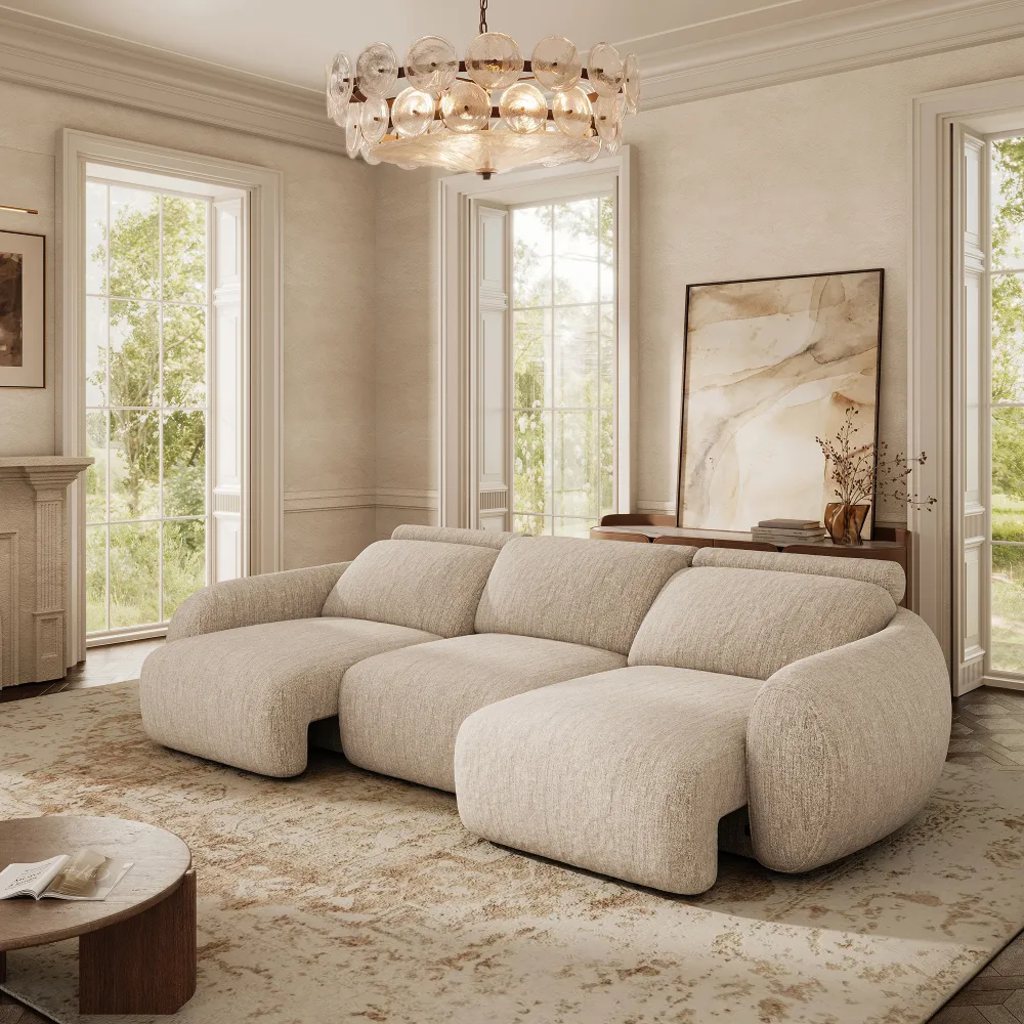
For readers who like the relaxed feel of a boneless couch but find its low, yielding seat too limiting, a power sofa bed offers a more structured alternative. It provides a more defined seat with motorized adjustments, rather than the fixed, sink-in feel of many boneless couches.
The POVISON Aurora Comfortable Sofa Bed features a one-touch extension that adjusts its seat depth from 27 to 45.5 inches, giving you more room to stretch out without rearranging cushions. Its 18-inch seat height offers a more defined sitting position than very low-profile designs, while its lounge, recline, and sleep modes accommodate everyday seating, relaxation, and occasional overnight guests.

Aurora Multifunctional Sofa Bed
A practical choice if you prefer a more defined sitting position but still want room to stretch out.
Conclusion
Ultimately, are boneless couches comfortable enough to serve as your main sofa? The answer depends on whether their seating structure matches your everyday routine. Before buying, compare the seat dimensions with a sofa you already find comfortable, check how the cushions respond to pressure, and consider who will use it most often. If you need more defined support or adjustable seating space, compare structured alternatives before making your decision.
More Flexibility for Everyday Comfort
Explore power sofa beds designed to adapt to everyday sitting, relaxed lounging, and overnight guests.
Frequently Asked Questions
Can Two Adults Sit Comfortably on a Boneless Couch?
Yes, if the sofa has enough usable seating width and a suitable weight capacity. Check whether the stated capacity applies to the entire sofa or individual sections. Also look at the center seam and module connections, since gaps or shifting sections can affect shared seating comfort.
Do Boneless Couches Need to Be Placed Against a Wall?
Not always. Some designs have self-supporting back sections, while others rely on loose cushions that may shift when leaned on. Check the manufacturer’s placement recommendations and whether the backrest can stay upright without wall support before planning a floating sofa arrangement.
How Long Do Boneless Couches Last?
There is no universal lifespan for boneless couches. Foam quality, construction, daily use, and maintenance all affect durability. Watch for persistent indentations, uneven seat heights, or cushions that no longer recover their shape. Check replacement options and warranty coverage before purchasing.
Can You Replace the Foam in a Boneless Couch?
Only if the design allows access to the cushion inserts or the manufacturer offers replacements. Fully integrated or sewn-in foam may require professional repair. Confirm whether individual seat and back sections can be serviced before purchasing if long-term repairability matters.
Are Boneless Couches Comfortable for Overnight Guests?
Only when the design provides a long, level, uninterrupted surface. Deep seating alone does not guarantee a comfortable sleeping area. Check for gaps between sections, raised seams, and sufficient usable length. Treat it as occasional guest accommodation unless it is specifically designed as a sleeper sofa.


