 By Kelvin

Does real leather peel? It can develop surface damage that looks like peeling, but that does not automatically mean a sofa is made from faux or bonded leather. Real hide and its protective finish can wear differently, while composite upholstery may shed layers as its surface breaks down. If your sofa has started flaking, the next step is to examine the damage, check the material details, and avoid treatments that could make it worse. This guide explains what the signs may mean and how to decide whether to seek repair, contact the seller, or shop more carefully next time.
Table of Contents
Does Real Leather Peel, or Is the Finish Coming Off?
Real leather generally does not peel in the same way that bonded leather or some synthetic upholstery does. However, the surface finish applied to genuine leather can crack, flake, or wear away. Understanding which layer is damaged matters more than judging the sofa by appearance alone.
Genuine leather is made from animal hide. Depending on its grade and finish, it may develop wrinkles, scratches, color changes, and a natural patina with use. Some finished leathers also have protective coatings that can deteriorate under certain conditions.
Bonded leather has a different construction. It typically combines leather fibers with binders and a manufactured surface layer. When those layers separate, the upholstery may develop widespread peeling or expose the material underneath.
The distinction between bonded leather and genuine leather in construction and wear helps explain why similar-looking damage can have different causes.
One important rule: peeling alone does not prove that a sofa is made from fake leather. Check the exposed material, original product specifications, and upholstery coverage before drawing conclusions.
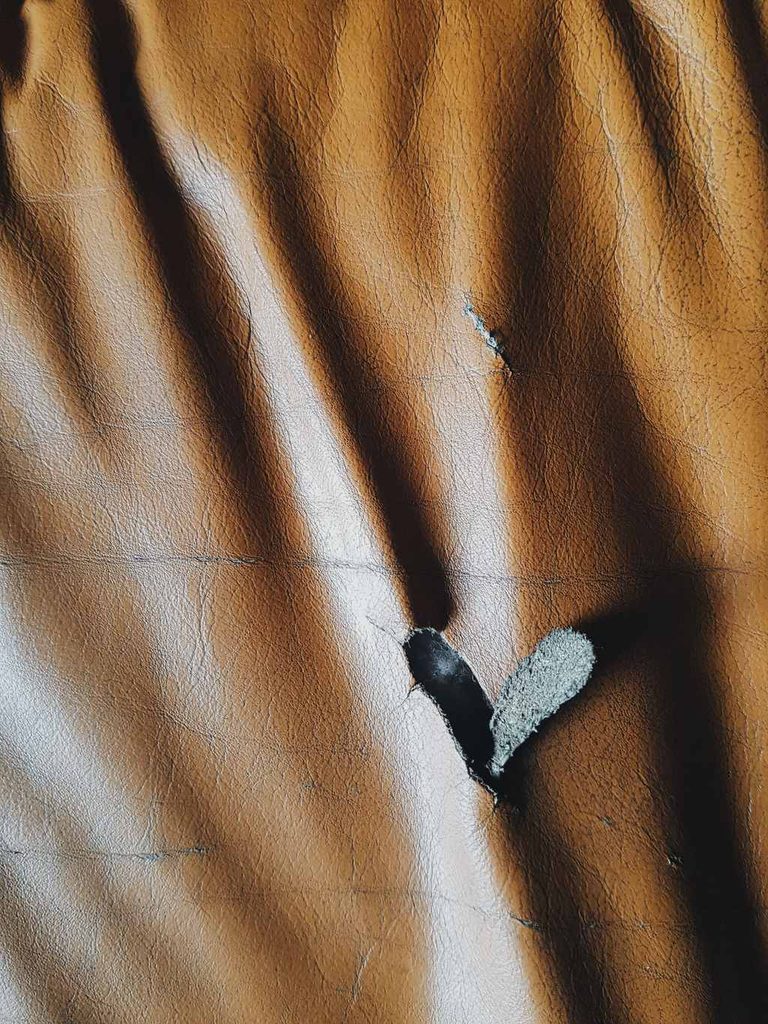
How to Tell Peeling From Cracking, Patina, and Finish Wear
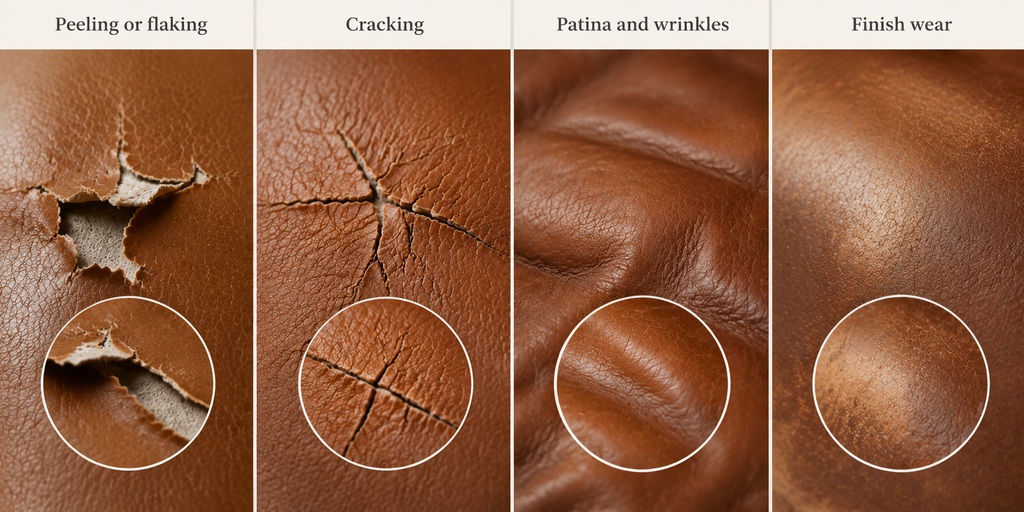
Not every change in a leather sofa’s appearance indicates the same problem. Before attempting a repair, compare the visible signs and consider where they occur. These observations can help narrow down the possibilities, although they cannot establish the exact material or cause without further evidence.
| Surface condition | What it may look like | What to check next |
| Peeling or flaking | Thin pieces of the surface lift or detach | Examine the edges and material underneath |
| Cracking | Fine lines, deeper splits, or a network of cracks | Check whether the finish is breaking or the damage extends into the leather |
| Patina and wrinkles | Gradual color changes, soft creases, and a more relaxed appearance | Look for missing surface layers or other signs of damage |
| Finish wear | Faded patches, uneven color, or areas that look duller | Check whether the change is limited to the surface finish |
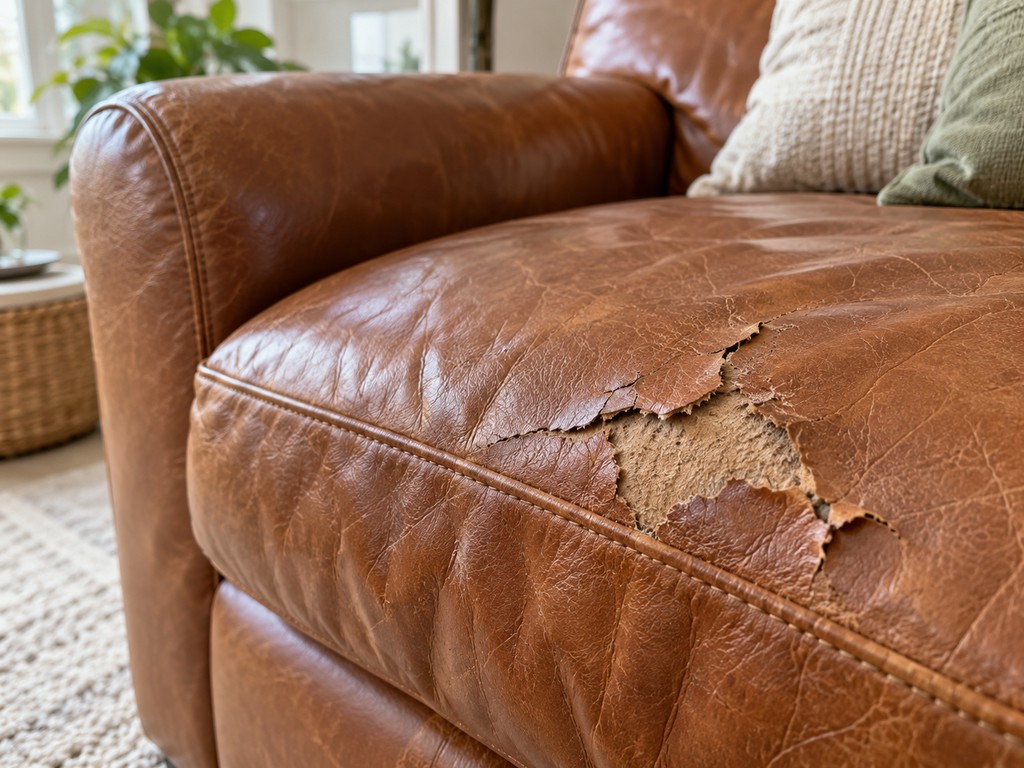
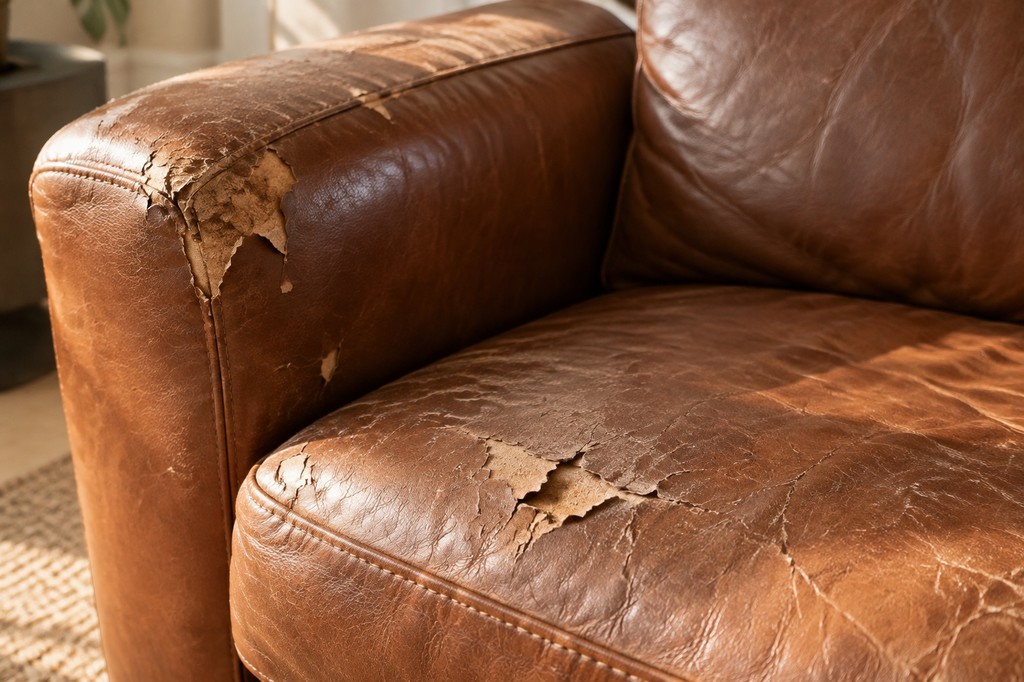
Peeling or flaking deserves closer attention when the damage spreads across seat cushions, armrests, or other frequently used areas. The appearance of a different-colored layer underneath may provide a clue, but it is not definitive proof of the upholstery material.
Cracking can occur in a surface coating or in the leather itself. Deep cracks, exposed backing, and areas that continue to split require a different assessment from shallow creases.
Patina is different from material separation. Real leather may soften and develop subtle color variations over time without losing its surface layer. Trying to eliminate every wrinkle or change in tone can lead to unnecessary cleaning or treatment.
For anyone dealing with leather couch peeling, the key question is which layer appears to be coming away, not simply whether the sofa is labeled genuine leather.
Why Is My Leather Couch Peeling? Common Causes
Several conditions can produce similar-looking surface damage. The location, pattern, and timing of the change can help identify what to investigate, but more than one factor may be involved.
- Deteriorating surface finishes
Some genuine leather upholstery has a protective or pigmented finish. If that finish becomes damaged or separates, the surface may flake even when the underlying hide is real leather. The appropriate repair depends on the finish and the extent of the damage.
- Bonded or synthetic upholstery breaking down
Bonded leather and some faux leather products can develop peeling as their surface layers weaken or separate from the backing. This may be especially noticeable on seat fronts, cushion edges, and armrests that experience repeated bending and friction.
- Harsh cleaning products
Strong solvents, abrasive cleaners, or products that are incompatible with the upholstery can damage certain finishes. Applying additional conditioner or rubbing the area aggressively may make the problem worse rather than restore the surface.
- Sunlight, heat, and repeated friction
A sofa beside a sunny window or heating vent may experience more fading or surface stress than one in a shaded area. Daily contact also concentrates wear on armrests, head-contact areas, and favorite seats.
A living room sofa used every evening may show wear first on the cushion where one person always sits. That pattern is useful evidence, but it does not establish whether the cause is the material, finish, environment, or a combination of factors.
Following appropriate care habits that protect leather furniture from sunlight, heat, and friction can help reduce avoidable wear. Always follow the specific upholstery care instructions rather than assuming every leather finish responds to the same treatment.

What Should You Do If Your Leather Couch Is Peeling?
When peeling appears, avoid jumping straight to a repair kit. A few careful checks can help you preserve evidence, prevent additional damage, and decide whether to contact the seller or seek professional advice.
- Pause unverified treatments. Stop using any new cleaner, conditioner, dye, or repair product until you know what material and finish you are dealing with. Do not pull away loose pieces or scrub the damaged area.
- Document the damage. Take a photo of the entire sofa, followed by close-ups of the affected area and its edges. Photograph any visible backing without pulling the upholstery apart. Keep the images dated if you may need to discuss the issue with the seller.
- Check the original specifications. Review the order confirmation, product label, material description, and care instructions. If the product listing does not clearly identify the upholstery or which panels use leather, ask the retailer for clarification.
- Compare the evidence. Consider where the peeling occurs, whether it appeared shortly after purchase, whether the sofa has been exposed to direct heat, and whether a cleaning product was recently applied. These details can help narrow down the cause without treating any single clue as conclusive.
- Contact the seller or a qualified repair professional. If the material description seems inconsistent with the visible damage, or the surface is deteriorating quickly, request an assessment before attempting a repair.
If the upholstery type is still uncertain, how to tell whether a couch is real leather provides additional material-identification guidance. Visual inspection can help, but product documentation is usually a stronger starting point.
Can Peeling Leather Be Repaired, or Should You Replace the Upholstery?
The right decision depends on the material, the extent of the damage, and the condition of the sofa underneath. A small area of finish damage on otherwise sound leather presents a different repair challenge from widespread peeling across composite upholstery.
| Situation | Practical next step | Main consideration |
| Localized damage to a leather finish | Request an assessment of surface repair or refinishing | The repair must suit the specific finish |
| Widespread peeling of bonded or synthetic upholstery | Compare panel replacement, reupholstery, and replacement costs | Extensive separation may be difficult to repair durably |
| Small damaged area with a sound frame and cushions | Obtain a targeted repair estimate | Preserving the rest of the sofa may be worthwhile |
| Peeling combined with sagging cushions or structural problems | Assess the sofa as a whole | Fixing the surface alone may not resolve the larger problem |
A repair kit may improve the appearance of certain surface defects, but it cannot restore every damaged material layer. Likewise, adding conditioner will not reattach a coating that has already separated.
The goal is to compare the likely durability of a repair with the cost and usefulness of a replacement, rather than assuming every peeling sofa is beyond saving.
How to Check Leather Material Before Buying a Sofa
A clearer material description makes it easier to compare sofas and understand their care requirements. Before ordering, check four things:
- Specific material: Look for a clear leather grade or material type rather than relying on the general word “leather.”
- Upholstery coverage: Confirm whether the seat, backrest, arms, sides, and rear use the same material. Some sofas combine genuine leather with synthetic upholstery on selected panels.
- Finish and care: Review the stated surface finish and cleaning instructions. Genuine leather can have different finishes, so the label alone does not determine how it will age.
- Warranty terms: Check how the seller distinguishes material defects, peeling, and normal wear, including any exclusions that may apply.
These checks are especially useful for buyers concerned about peeling. Top-grain leather is genuine leather, not the reconstituted-fiber material used in bonded leather. That distinction avoids one common source of peeling associated with bonded upholstery, although the surface finish of genuine leather can still wear if exposed to harsh chemicals, heat, or friction.
For daily-use living rooms, the Cronus Genuine Leather Modular Sofa with Solid Wood Frame uses top-grain leather, which avoids the reconstituted-fiber construction behind one common type of bonded-leather peeling. Its pebble-grain matte finish suits a lived-in living room, and routine care is simple: dust with a soft, dry cloth and blot spills promptly. Reinforced stitching and a solid wood frame add durability. The finish still needs protection from harsh chemicals, heat, and direct sunlight.
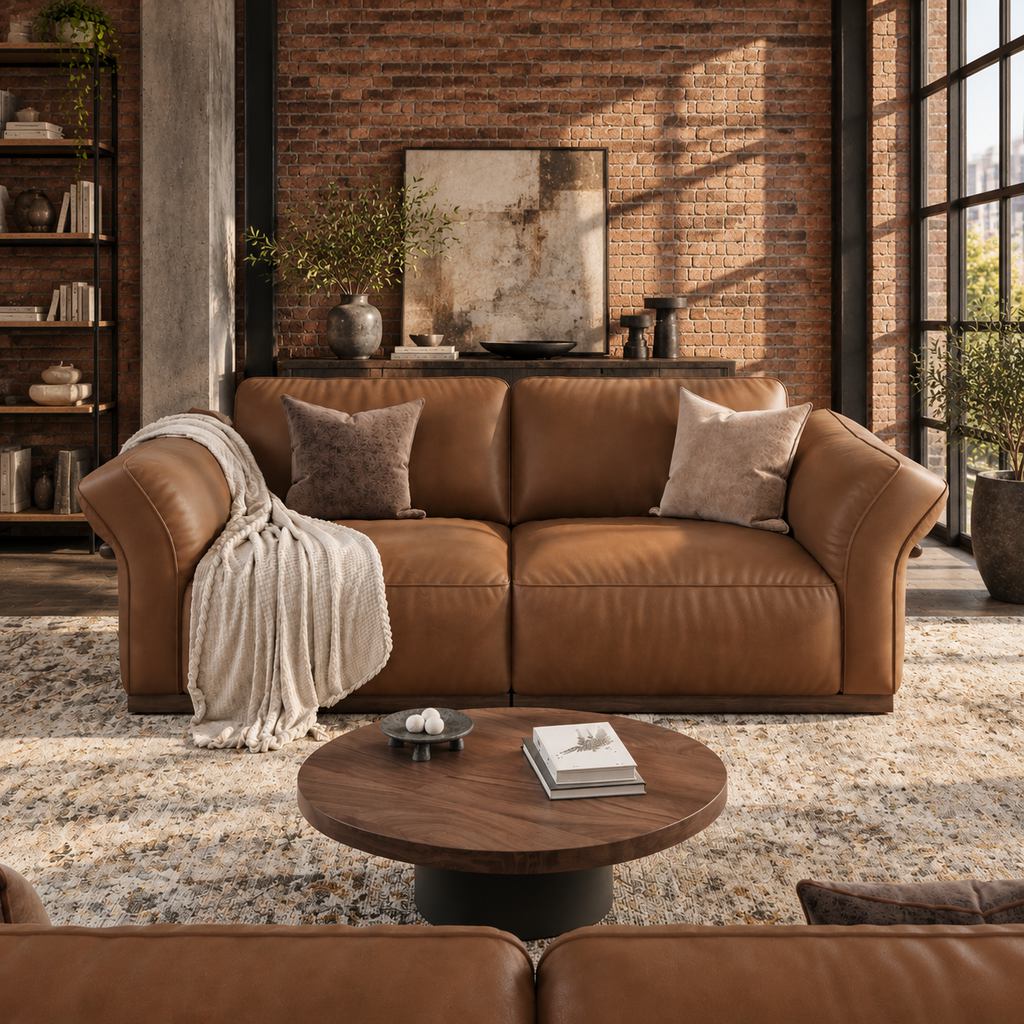
Cronus Genuine Leather Modular Sofa
Top-grain leather avoids bonded upholstery’s fiber layers, reducing one peeling risk.
👍 Best for: Everyday leather sofa seating
✨ Pebble-grain matte finish
✨ Simple dust-and-blot care
✨ Reinforced stitching and solid wood frame
Conclusion
The practical answer to “does real leather peel” is that the hide and its finish can behave differently. Real leather may develop surface damage, while bonded and synthetic upholstery can peel as their layers separate. The appearance alone cannot establish which material you have. Check the damaged area, verify the original specifications, and avoid untested treatments before deciding whether to repair or replace the sofa. When shopping for a replacement, prioritize clear material descriptions, upholstery coverage, care instructions, and warranty terms.
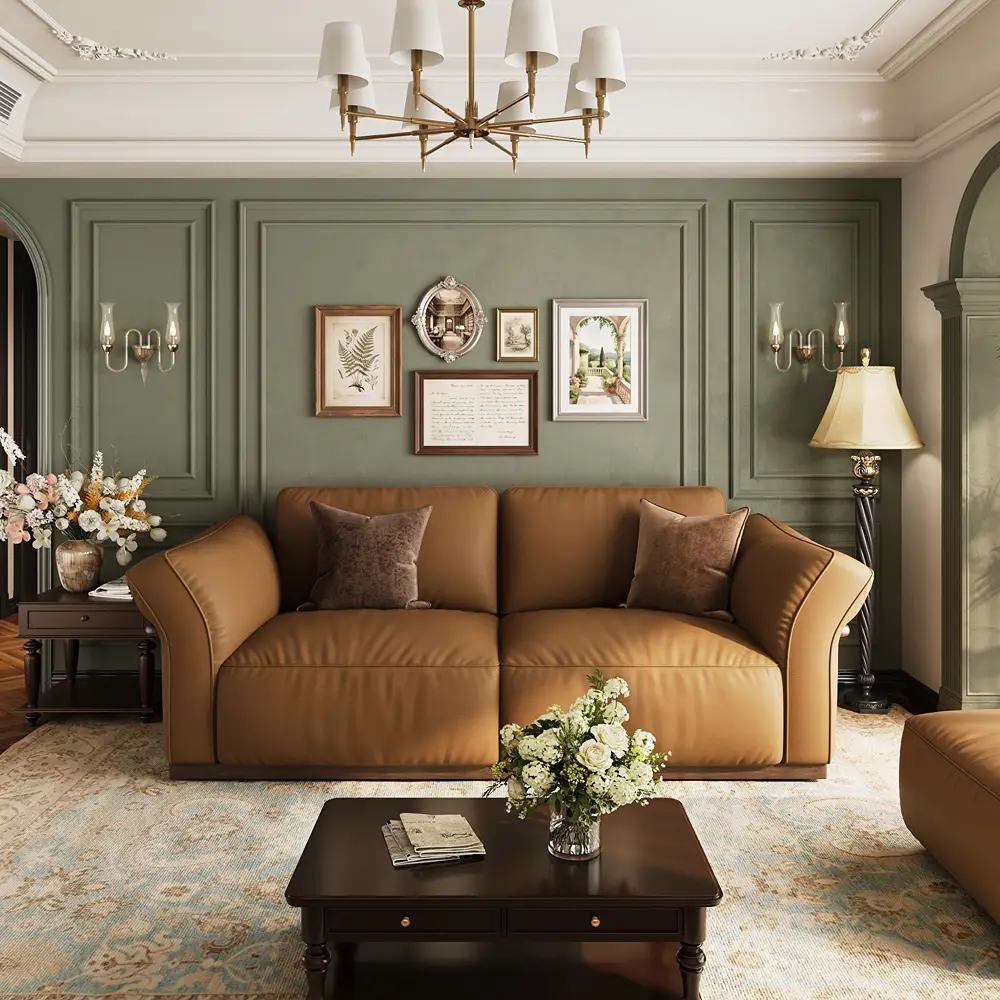
Find a Leather Sofa That Fits Your Home
Compare leather sofa designs and material details for everyday comfort and care.
Q&A / FAQ
Can Leather Conditioner Stop Peeling Once It Starts?
No. Leather conditioner may help maintain suitable real leather when it becomes dry, but it cannot reattach a separated coating or replace missing surface material. If peeling has started, identify the upholstery type and finish before applying any product. Follow the manufacturer’s care instructions or seek professional advice.
Can a Leather Sofa Warranty Cover Peeling?
Possibly. Coverage depends on the seller’s written warranty, the upholstery material, the timing of the damage, and applicable exclusions. Review the terms for material defects, surface peeling, and normal wear. Keep your receipt, product description, and dated photos before contacting customer support.
What Photos Should I Take Before Contacting the Retailer?
Take one photo showing the sofa as a whole, several close-ups of the damaged areas, and a clear image of any visible backing or lifted edges. Also photograph the product label if accessible. Save the original product listing and order confirmation so the seller can compare the damage with the material description.
Can a Leather Sofa Start Peeling Within the First Few Years?
Yes, surface damage can appear within a few years, depending on the material, finish, construction, environment, and use. Early peeling alone does not prove the sofa is counterfeit or defective. Document when the problem began and compare the evidence with the product specifications and warranty terms.
Can I Use a Leather Repair Kit on a Peeling Sofa?
Only if the kit is compatible with the upholstery and the specific damage. Some kits address scratches or minor finish defects but cannot reliably repair widespread material separation. Test products only as directed, and seek a professional assessment if the surface is extensively flaking or the material underneath is unclear.


[…] structure rather than one continuous hide. When the surface coating and bonded layer weaken, damage can progress from small cracks to flakes or peeling. Flexing can make the problem more visible at seat edges, armrests, and other points that bend or […]
[…] soft creasing and a gentle change in tone can be part of normal aging. Damage looks more like cracking, peeling, sticky residue, severe fading, or rough patches that feel dry to the […]
[…] necessarily. Faux and bonded leather can peel when surface layers separate, but genuine leather can also experience finish damage or coating deterioration. Check what lies beneath the peeling area and review the manufacturer’s material information. […]