 By Stephanie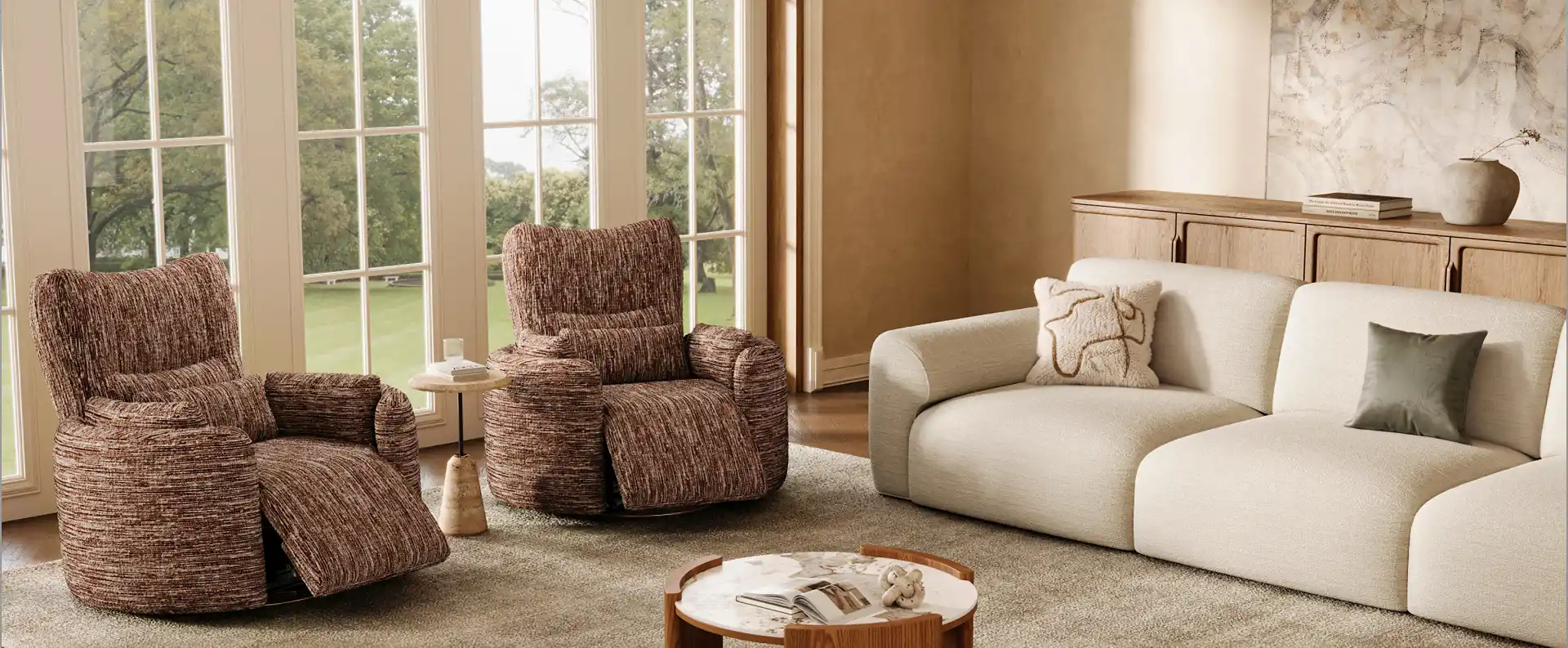
A living room without TV needs a clear furniture arrangement and a reason to use the space beyond looking at an empty wall. Whether you have removed a screen or never planned to buy one, the next decisions are where seating should face, what belongs in the former TV area, and how the room supports everyday activities. Start with the furniture you own. This guide explains how to choose a focal point, compare practical layouts, and add seating, surfaces, or storage only where they solve a specific problem.
Table of Contents
What Should Your Living Room Do Without a TV?
Choose the activity that happens most often before moving furniture. A room used for reading every evening needs a different setup from one used mainly for weekend visitors. You can support a second activity, but it should fit without displacing the first.
| Your main routine | Prioritize | Avoid |
| Reading, music, or quiet rest | Supportive seating, a reachable side table, and a reading lamp | Buying extra seats that leave no room to stretch out |
| Conversation and casual visits | Seats oriented toward one another and places for drinks | Arranging every seat toward an unused wall |
| Games, puzzles, or family activities | A suitable surface or open floor area, with nearby storage | Filling the center with furniture that must constantly be moved |
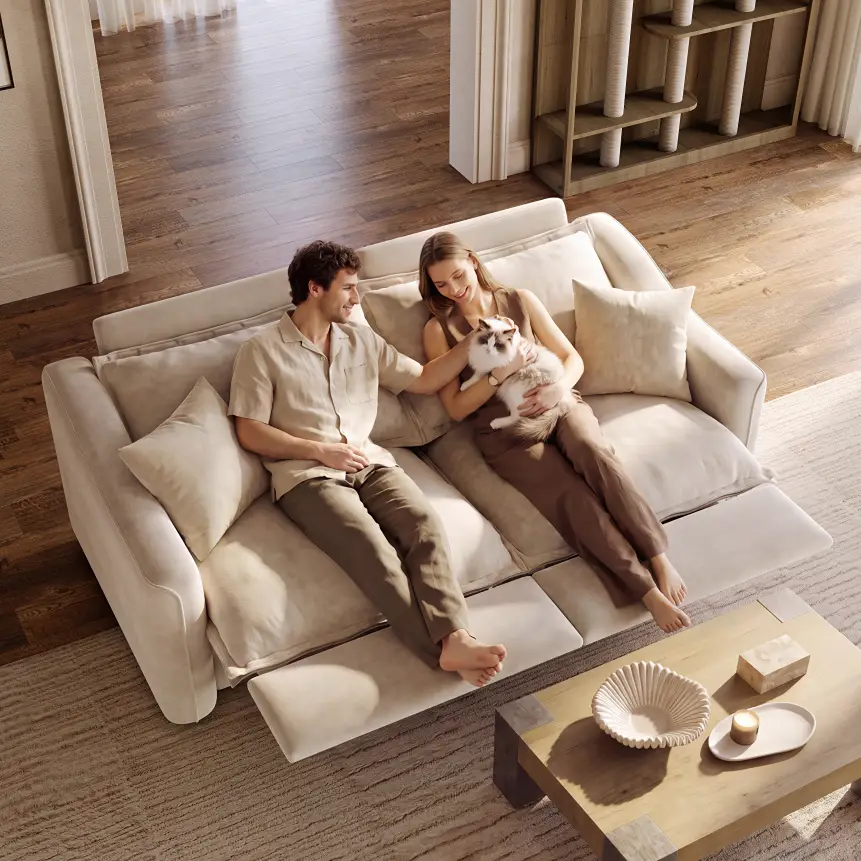
During a weekday evening, one person might read on the sofa while another listens to music nearby. That setup needs comfortable individual positions, rather than a formal circle of chairs. Choose furniture for the room’s regular users first; occasional visitors can use movable seating.
What Should Replace the TV as the Focal Point?
In a living room without TV, the focal point gives the space visual balance, while the seating arrangement supports its activities. These do not have to face the same direction. Choose an existing feature when it contributes something useful, or let furniture define the room when there is no compelling wall to emphasize.
Use an Existing Fireplace or View
A fireplace can give seating a clear reference, but arrange chairs so people can also turn toward each other. Follow the fireplace manufacturer’s clearance requirements before placing upholstered furniture, books, or rugs nearby.
A window works when the view is worth enjoying. If it faces a neighboring wall or exposes the room to passersby, privacy may matter more than facing outward. Place a reading chair beside the window so daylight reaches the page without forcing the whole room into rows facing the glass.
Use Art or Shelving When There Is No Natural Feature
One substantial artwork or a coordinated grouping can balance a blank wall. Before hanging it, tape paper templates in place and check the composition from the entrance and main seats.
Shelving makes sense when you have books or objects to store and display. Avoid installing a large bookcase solely to fill the television’s former footprint. Keep frequently used items accessible, and follow the furniture’s anchoring instructions.
Let the Seating Group Anchor the Room
A room does not need a dramatic feature wall. A sofa, chair, table, and rug can establish a complete seating area, especially in an open-plan home.
Check the room from its entrance. The seating area should look complete even if the former TV wall stays mostly bare. Center the table and rug on the seats that use them, rather than on the old screen position. This lets the furniture group define the room without requiring another large object on the wall.
How Do You Arrange Seating Without a TV?
Choose a living room layout without TV by comparing your room’s usable width, door locations, and everyday seating needs. The largest arrangement is not automatically the most comfortable. Start with one of the configurations below, then check whether someone can enter, sit down, and leave while others remain seated.
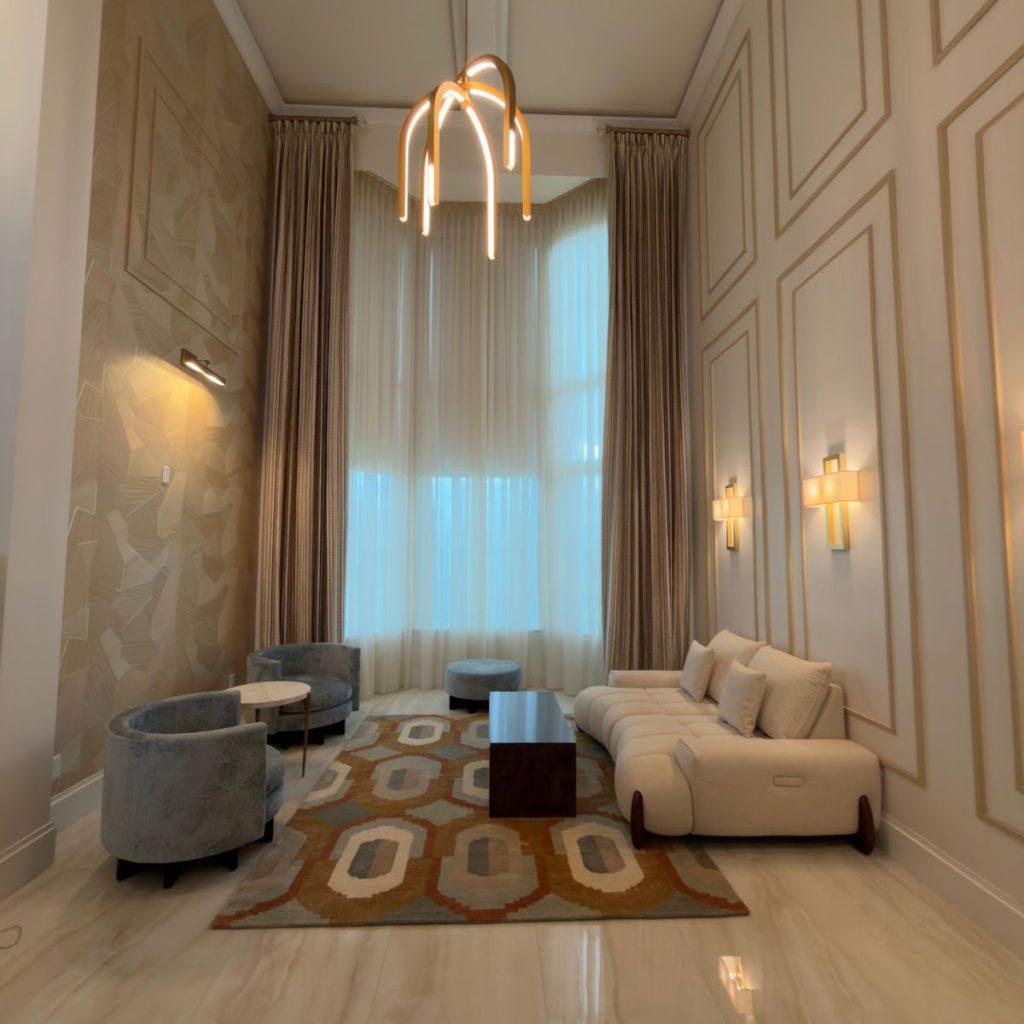
A Compact Sofa and One Angled Chair
This arrangement suits smaller rooms and households that usually need two or three places to sit. Place the sofa along the most usable wall, then angle one chair toward it without blocking the entrance. A side table can serve the chair when a central coffee table would crowd the room.
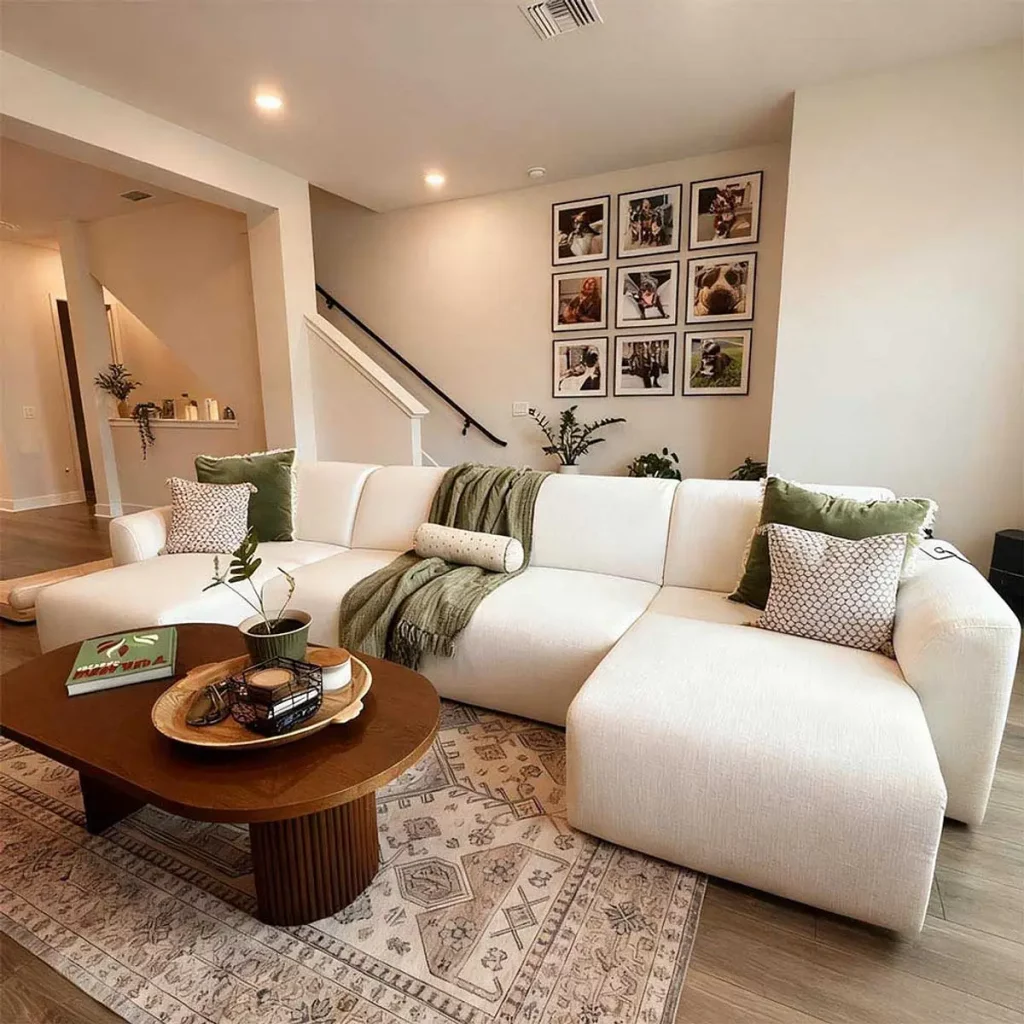
When one sofa serves both reading and casual lounging, the Arlo Deep Seat Sofa lets you reposition its back cushions to change the usable sitting depth. Keep the cushions closer for back support, or move them to make more room for curling up. The adjustment happens within the sofa’s footprint, so the frame can stay in place while you change your sitting position.
A Sofa and Two Flexible Chairs
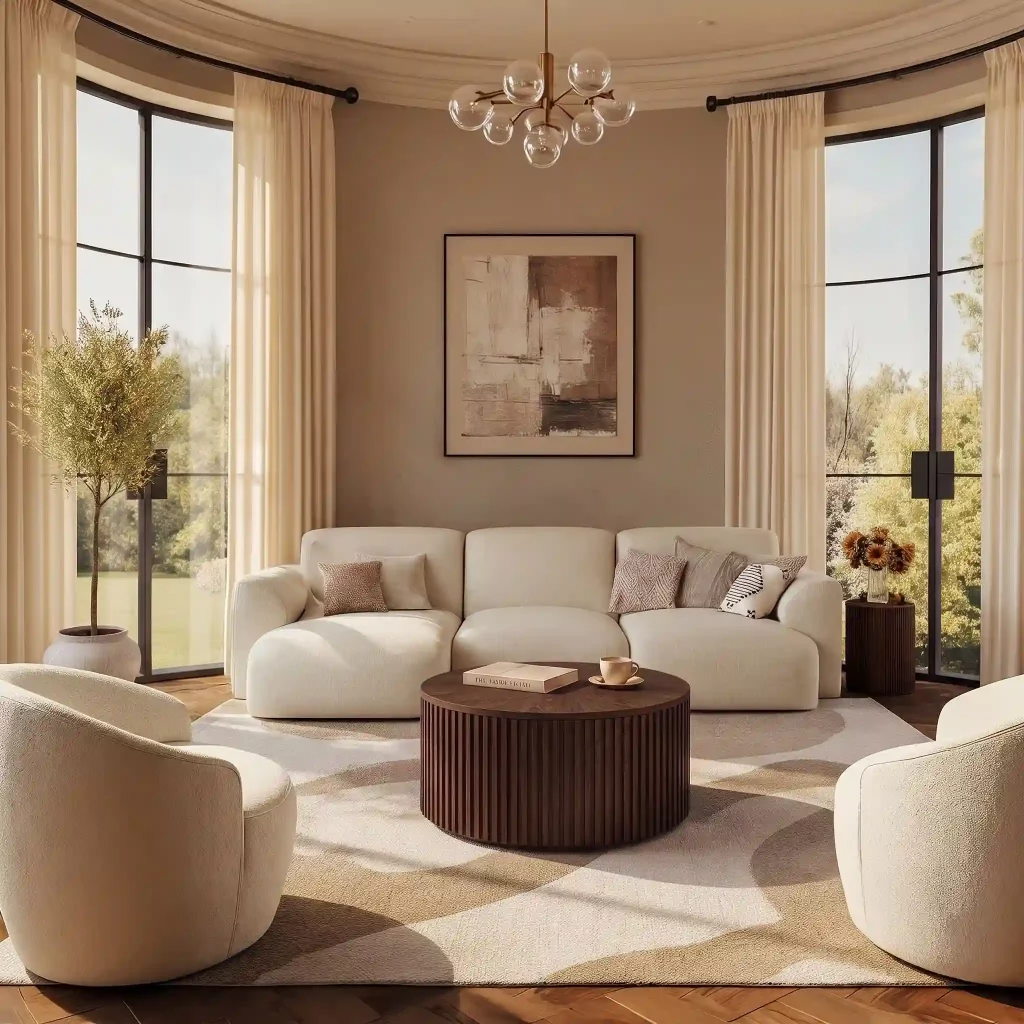
Use this configuration when several people regularly share the room and there is enough width for chairs without squeezing the walkway. Place the chairs opposite or at right angles to the sofa, depending on the doorways.
After removing a TV, avoid automatically putting both chairs against its former wall. One can sit beside the sofa and the other near a window, provided both still connect to the group. Check the spacing between conversational seats and tables, then keep the through-route outside the arrangement. The chairs do not need matching positions.
A Main Lounge With a Separate Activity Corner
A long room may work better as a lounge at one end and a reading or activity corner at the other. Keep the secondary area small enough that it has a purpose without competing for floor space.
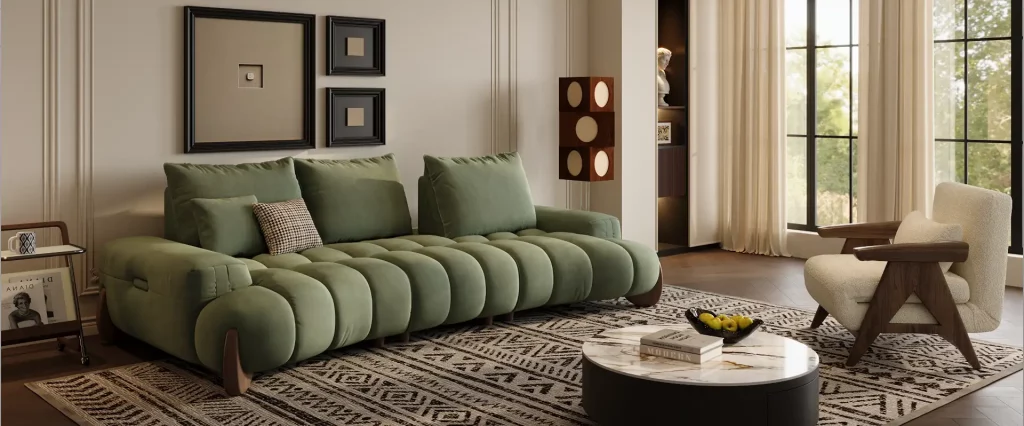
For a lounge where sitting upright and stretching out happen at different times, Aurora Multifunctional Sofa Bed adjusts seating depth electrically from 27 to 45.5 inches. You can extend the seat for resting without adding a separate ottoman. Use a side table for drinks if a central table would obstruct the extension, and check the total open depth rather than treating seat depth as the furniture footprint.
Check the entire arrangement, not just the sofa. For example, a 38-inch-deep sofa, two 18-inch gaps, a 24-inch-wide table, and a 34-inch-deep facing chair require 132 inches—11 feet—across the furniture group. A walkway behind the chair needs additional space. These are example measurements, not minimum room dimensions; substitute the actual furniture sizes before buying.
What Should You Do With the Former TV Wall?
Removing the screen does not mean removing everything beneath it. Decide whether the old cabinet still supports the room before replacing it. The most useful living room without TV ideas often reuse existing furniture with a clearer job.
| Decision | When it makes sense | What to change |
| Keep the cabinet | You need its storage, and it fits without restricting movement | Remove unused media accessories and store items used in the room |
| Reassign the area | The location suits reading, music, or another regular activity | Add only the seat, surface, or lighting that activity requires |
| Remove the cabinet | It crowds the room or provides little useful storage | Leave the area open before deciding whether a smaller piece is needed |
Measure cabinet interiors against your game boxes, records, or baskets. Check that drawers and doors open without hitting a chair. A cabinet that looks suitable outside may not hold the items you actually need.
If you keep the cabinet, give it a specific storage job: game boxes, reading supplies, or music equipment. Remove unused accessories before adding decor. If you move it, check what it was hiding, including outlets, wall marks, and cable connections. Keep active connections accessible; remove loose cables only when they no longer serve equipment.
Make Everyday Activities Work Without a TV
Once the seating is in place, make the room’s everyday activities convenient. For reading, position a lamp so it lights the page without shining into your eyes, and keep a small surface within reach for a book and drink. Check the setup after dark rather than relying on daylight alone.
For games, compare the usable tabletop with the board or puzzle dimensions, leaving room for players’ hands and pieces. A lift-top coffee table for flexible everyday use can support short seated activities, but choose a dining-height table for longer sessions if using a low surface means repeatedly bending forward.
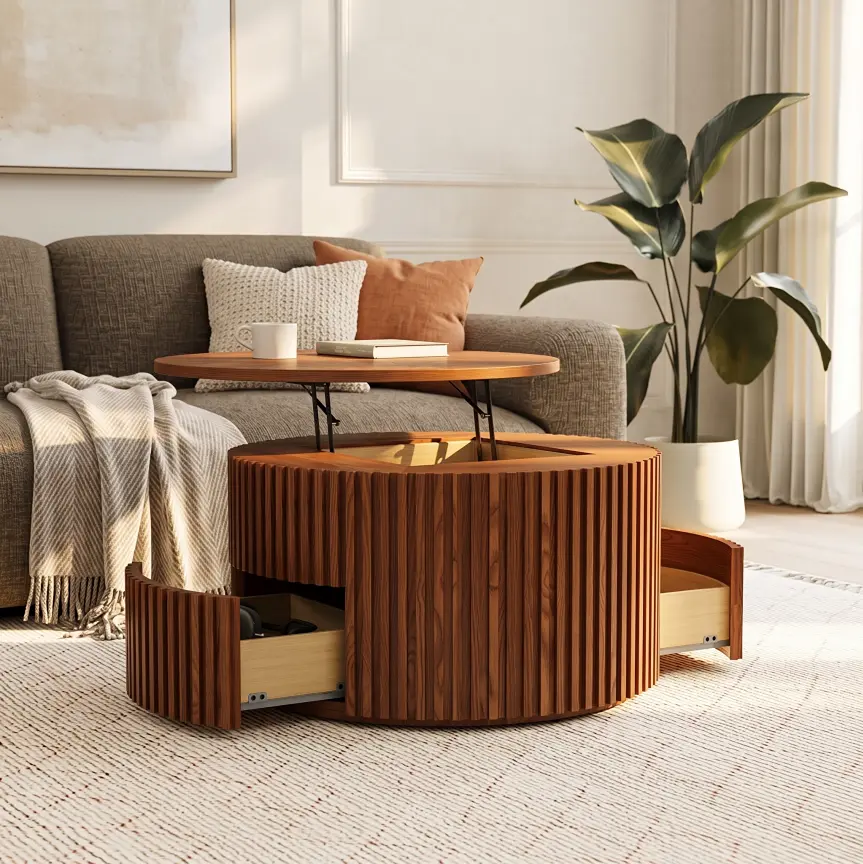
When the seating area also handles short games and snacks, the Silva Lifting Top Round Coffee Table offers a lifting surface and two drawers for cards and small supplies. The raised top brings items closer while you remain seated. Check whether its 31.5-inch diameter accommodates your activities, then confirm the lifting section clears nearby seating without blocking the route through the room.
Keep your current book within reach and less-used supplies in the cabinet. For an unfinished puzzle, use a removable board that fits both the table and its storage location. This frees the shared surface when someone wants to relax with a drink.
Conclusion
A living room without TV works when its furniture supports the ways you actually spend time at home. Choose a main activity, establish a visual anchor, and arrange seating around the room’s usable space rather than an empty screen position. Keep the former media cabinet if it still provides useful storage, and check furniture in its open or extended position before buying. Then make reading, games, and resting convenient with the right lighting and reachable surfaces. Add pieces to fill a practical gap, allowing the room to develop around everyday use.
Explore More from POVISON
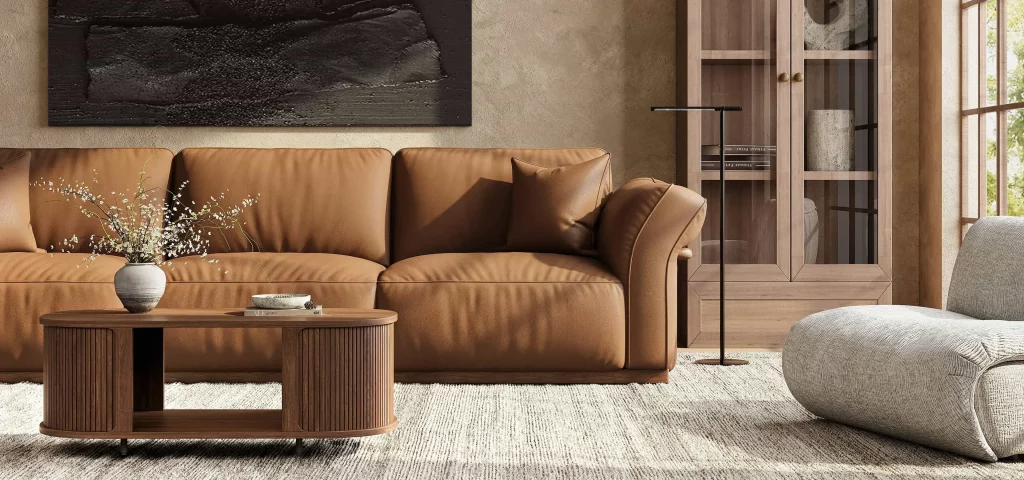
Browse fully assembled furniture designed for modern rooms, flexible layouts, and everyday living.
FAQ
Can I use a projector occasionally?
Yes. Occasional projection can fit a TV-free living room if you have a suitable screen location, control over ambient light, and somewhere to store the equipment. Check the projector’s required placement before buying. A temporary setup should not require moving heavy furniture or running cables across the route to the door.
Should I choose an ottoman or a coffee table?
Choose an ottoman when foot support is the main missing function; choose a coffee table when you need a stable surface for drinks or games. A tray helps an upholstered ottoman hold small items, but check that it stays level. Confirm whether the ottoman is rated for seating before using it as an extra chair.
Where should the router go after removing the TV?
The router can stay where it is if its location provides good coverage and access. Check cable reach before relocating it, and test Wi-Fi in the rooms you use most. Router placement that preserves Wi-Fi coverage also needs ventilation; avoid burying equipment behind books or inside a crowded cabinet.
Are deep sofas suitable for a reading-focused room?
A deep sofa can work for reading if your preferred position has enough support. For upright reading, check whether your feet rest comfortably and your lower back reaches the cushion without slouching. Sideways readers may prefer extra depth. Compare usable seat depth with the back cushions in place, rather than relying on overall sofa depth.
What if I rent and cannot change the walls?
Start with a floor lamp, a rug, and existing seating; none requires drilling into the wall. Ask your landlord before installing shelving or hanging heavy art. If a cabinet requires wall anchoring, rental restrictions do not remove that requirement. Choose a different storage option if permission is unavailable.


