 By Stephanie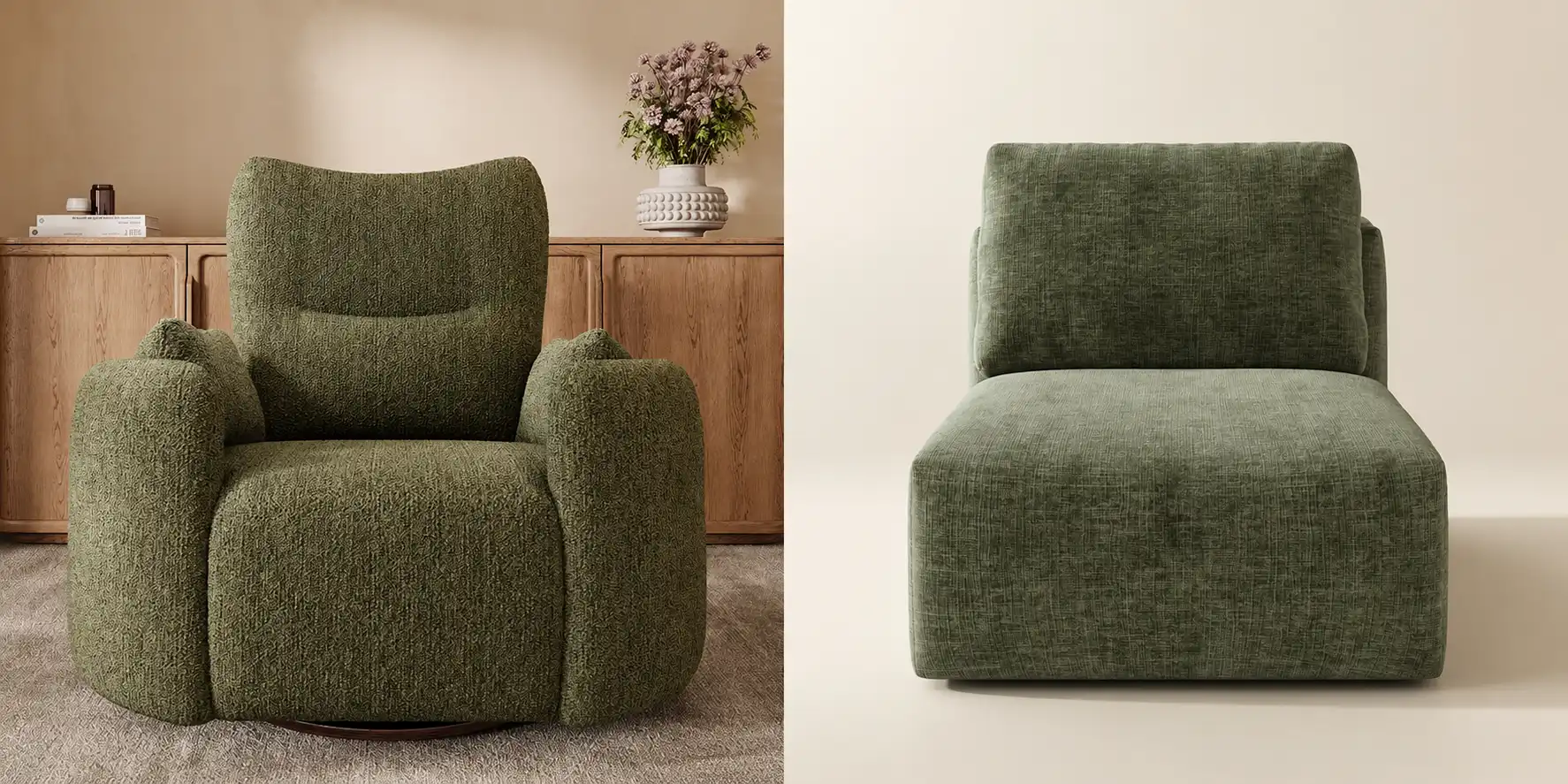
Choosing between a recliner and a chaise is less about which one looks more comfortable and more about how you use your living room. If you are comparing recliner vs chaise, the key questions are how often you change positions, whether you want a permanent stretch-out spot, and what happens to that floor space when nobody is lounging. A chaise keeps its lounging surface available all day; a recliner changes with the sitter. This guide helps you choose based on daily routines, usable space, and how each option behaves in real life.
Table of Contents
What Is the Real Difference Between a Recliner and a Chaise?
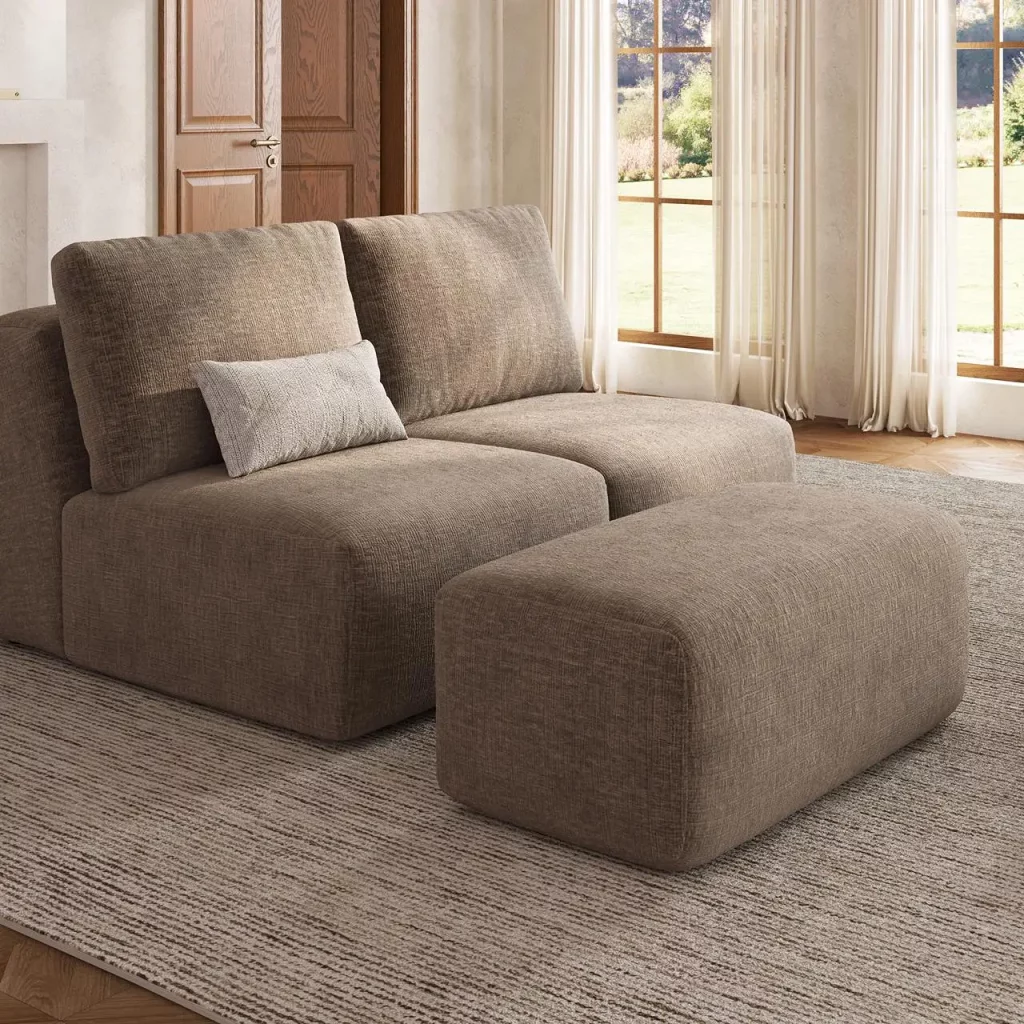
A chaise provides a long seating surface that supports your legs without requiring the furniture to move. A recliner changes position through a moving backrest, footrest, or both. In a recliner vs chaise comparison, that difference matters more than style: one creates a fixed lounging zone, while the other creates an adjustable sitting position.
| Decision Factor | Chaise | Recliner |
| Leg support | Always available | Extends when needed |
| Back position | Usually fixed | Adjustable |
| Floor use | Relatively constant | Changes between upright and reclined use |
| Works well for | Stretching out, curling up, napping | Switching between upright and relaxed positions |
| Moving parts | Usually minimal | Manual or powered mechanism |
| Power required | Usually no | Required for power models |
| Space to check | Full permanent footprint | Upright and active movement area |
A chaise may be a standalone lounge or the extended end of a sectional. If you are comparing sofa layouts rather than individual seating positions, knowing what a chaise sectional sofa is helps separate the shape of the sofa from whether the seat itself moves.
Product names can also blur the distinction. Some chaise-style seats have adjustable backs, while some recliners use wall-hugger mechanisms. Check what actually moves and how the piece behaves when occupied instead of relying only on the category name.
Which Feels Better for How You Actually Relax?
Neither type is automatically more comfortable. The more useful question is: How often do you want the seat itself to change while you are using it?
A chaise suits someone who likes to settle into one generous surface. You can stretch out, sit sideways, curl up with a book, or take a short nap without operating a mechanism. Your body changes position within the same fixed seating area.
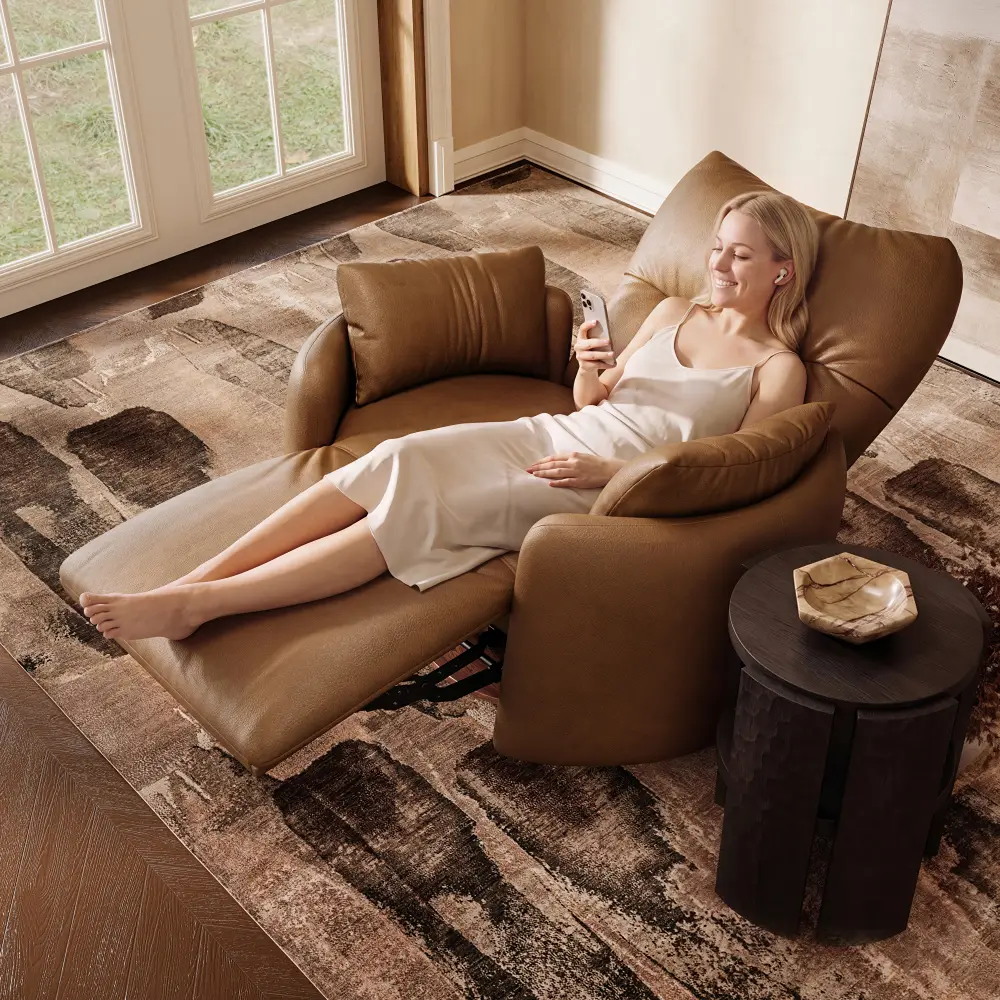
A recliner makes more sense when one seat needs to handle several distinct postures. You might sit upright while talking, lean back to read, then raise your legs while watching TV. The value comes from changing the chair around you rather than moving to another part of the sofa.
The distinction is less about how long you sit and more about how you prefer to move while sitting. A chaise gives you more surface for shifting your whole body, while a recliner changes the support beneath you. That difference becomes especially noticeable during reading, TV viewing, and longer periods of lounging.
Which Uses Your Living Room Space Better?
For anyone comparing recliner vs chaise for living room use, width alone does not tell you which option fits better. The more useful comparison is how much space each piece claims when idle and when occupied. A chaise has a persistent footprint; a recliner adds an active movement zone only when someone uses the mechanism.
Compare the Space When Nobody Is Lounging
A chaise keeps its full projection in the room all day. That is not necessarily wasted space. If the chaise sits along an unused edge of the living room and someone regularly stretches out there, the footprint is doing exactly what you bought it to do.
The trade-off appears when that same area has another job. In a pass-through room, for example, a chaise projecting toward the route between the kitchen and hallway can narrow circulation even when the sofa is empty.
A recliner can return to a more compact upright state between uses. That matters when the floor in front of the seat also serves as a walkway, play area, or flexible open space.
Compare the Space While Someone Is Using It
Once a recliner opens, the space calculation changes. The footrest moves forward, the back may shift, and a swivel model needs room to rotate. A layout that works when the chair is upright may feel crowded once someone actually reclines.
Instead of asking which furniture type is “smaller,” compare two states:
- Normal state: how the room works when the seat is not being used for lounging.
- Active state: how the room works with a chaise occupied or a recliner fully in use.
If you decide on motion seating, detailed recliner placement in a living room becomes the next step for checking traffic paths, nearby furniture, and operating clearance.
How Do a Chaise and Recliner Compare in Real Use?
The difference becomes clearer when the two approaches are applied to actual products.
The Moku Modular Block Sofa Sectional with Chaise makes the chaise trade-off tangible. Its dedicated chaise brings the sectional to 59.84 inches deep, so the stretch-out zone is always part of the room. Because the individual modules detach, that permanent lounge area does not turn the entire sofa into one immovable piece when you relocate or change the layout.
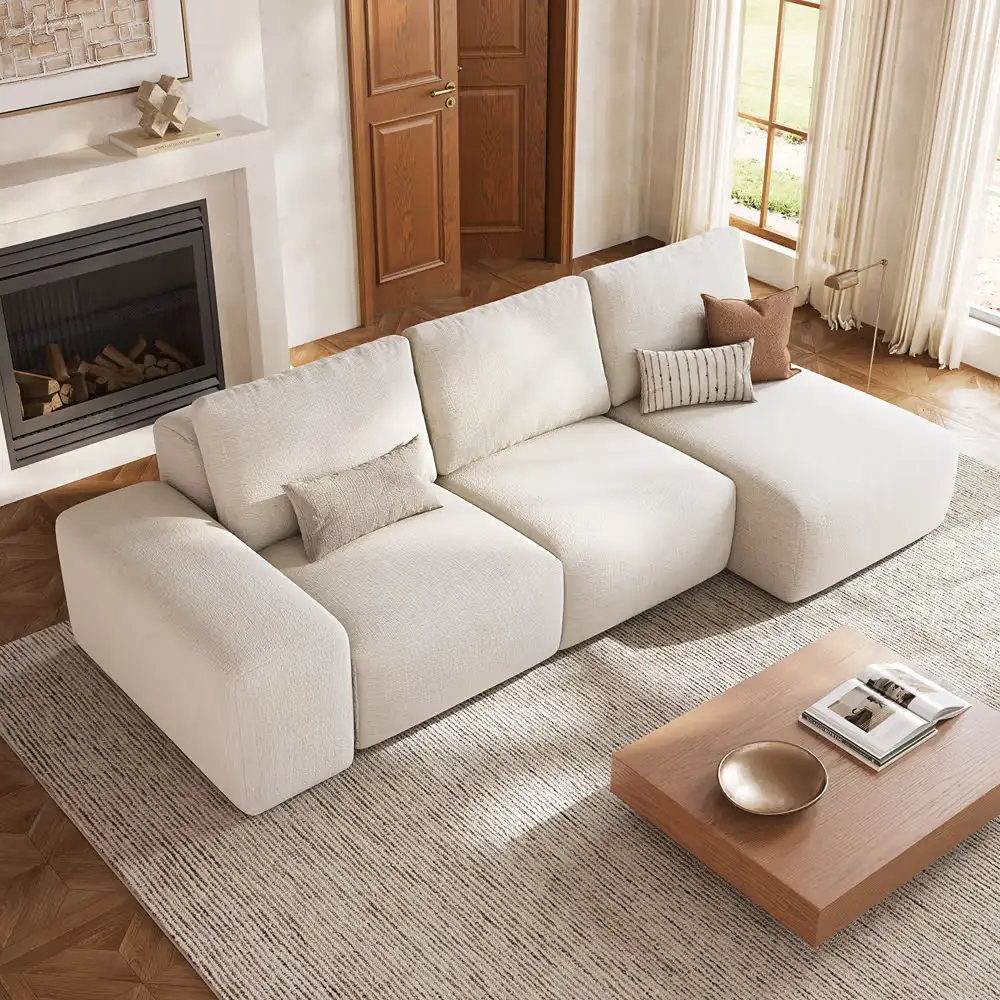
Moku Modular Sectional with Chaise
A better fit when you want the chaise to feel like a permanent part of the room, not a lounge position you open and close.
The Swayford Plush Power Recliner shows the opposite approach. Its power recline spans 90° to 130°, so one seat can move from upright sitting into deeper relaxation as needed. A 270° swivel adds another layer of flexibility, although that movement also makes clear surrounding space more important than the chair’s upright footprint alone.
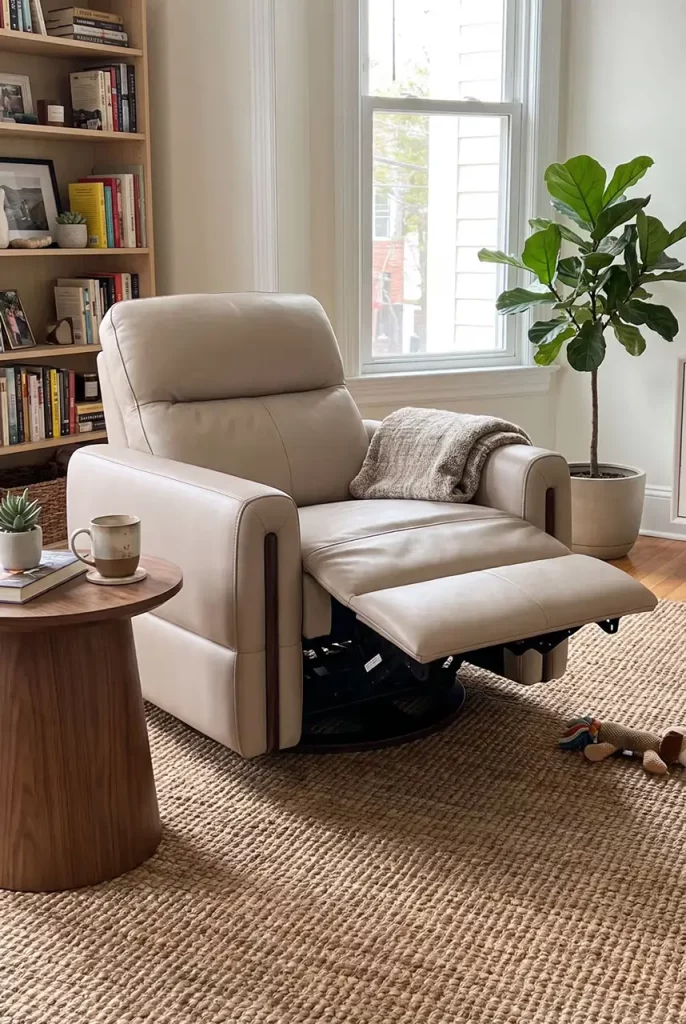
Swayford Power Recliner
Makes more sense if you switch between upright sitting and deeper relaxation more often than you lounge sideways across a chaise.
How Can You Test the Choice Before You Buy?
Specifications tell you what the furniture can do. A few ordinary evenings tell you whether those functions match how your household actually lives. Before choosing, watch three things over several days: how you use the seat surface, who tends to claim the lounge position, and how often that lounging footprint conflicts with another activity.
Track How You Actually Use the Seat Surface
For a few evenings, notice more than whether your feet are up. Pay attention to how you use the width and depth of the seat. If you regularly sit sideways, tuck both legs up, or stretch diagonally with a book or laptop, a continuous chaise surface gives your body more freedom to shift.
If you usually sit facing forward and mainly want to change your back and leg angle, a recliner’s adjustable geometry is more relevant than extra seat surface.
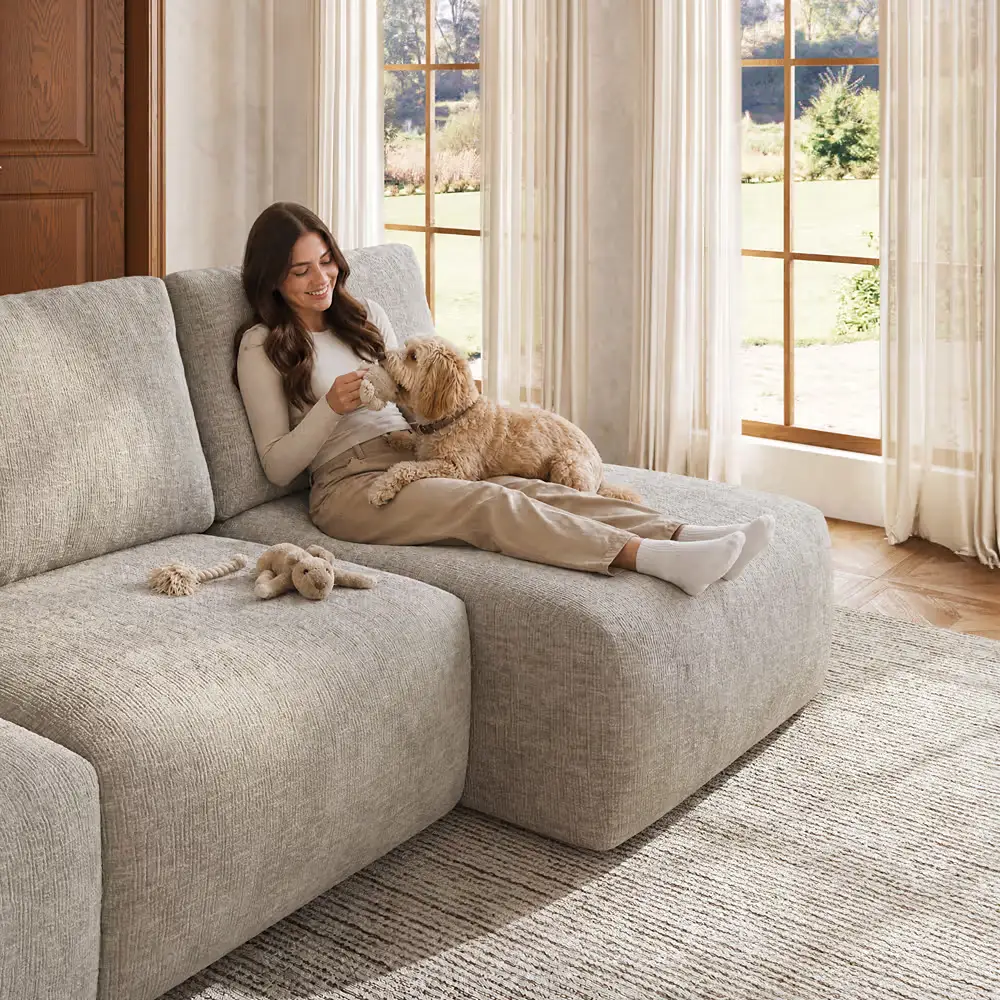
Track Who Uses the Lounge Spot
Notice whether the same person consistently claims the legs-up position. If one household member reads there every evening or regularly naps there, a dedicated chaise gives that routine a predictable home.
The calculation changes when several people use the same seat differently. If one person wants upright support while another prefers to recline deeply, a position-adjustable seat lets the furniture adapt instead of assigning one permanent function to that spot.
If your decision expands from one lounging position to the whole sofa layout, a sectional vs reclining sofa for a living room comparison addresses the broader questions of seating capacity and how many seats need motion.
Track How Often the Lounge Zone Creates a Conflict
Do not judge the floor area only when the room is quiet. Over several normal days, notice how often someone needs to walk through, play in, clean, or reach something in the same zone the furniture uses for lounging.
A space conflict that happens several times every day matters more than one that occurs only when guests visit. This turns “Does it fit?” into the more useful question: How often will its footprint interrupt another routine?
Is There a Third Option Beyond a Chaise or Recliner?
A chaise and a traditional recliner are not the only ways to create deeper lounging. Some sofas change their usable seat depth instead, allowing the same piece to stay closer to a conventional sitting position and extend when more room for the legs or body is wanted.
The Aurora Power Sofa Bed introduces a third space strategy. Its extension adjusts from 27 to 45.5 inches, giving the same sofa substantially more lounging depth when needed. Instead of keeping a chaise permanently extended or adding a separate footrest, the seating surface itself changes with the routine.
This approach makes the most sense when deeper lounging is something you use regularly, but not something you want the room to accommodate at full depth all day.
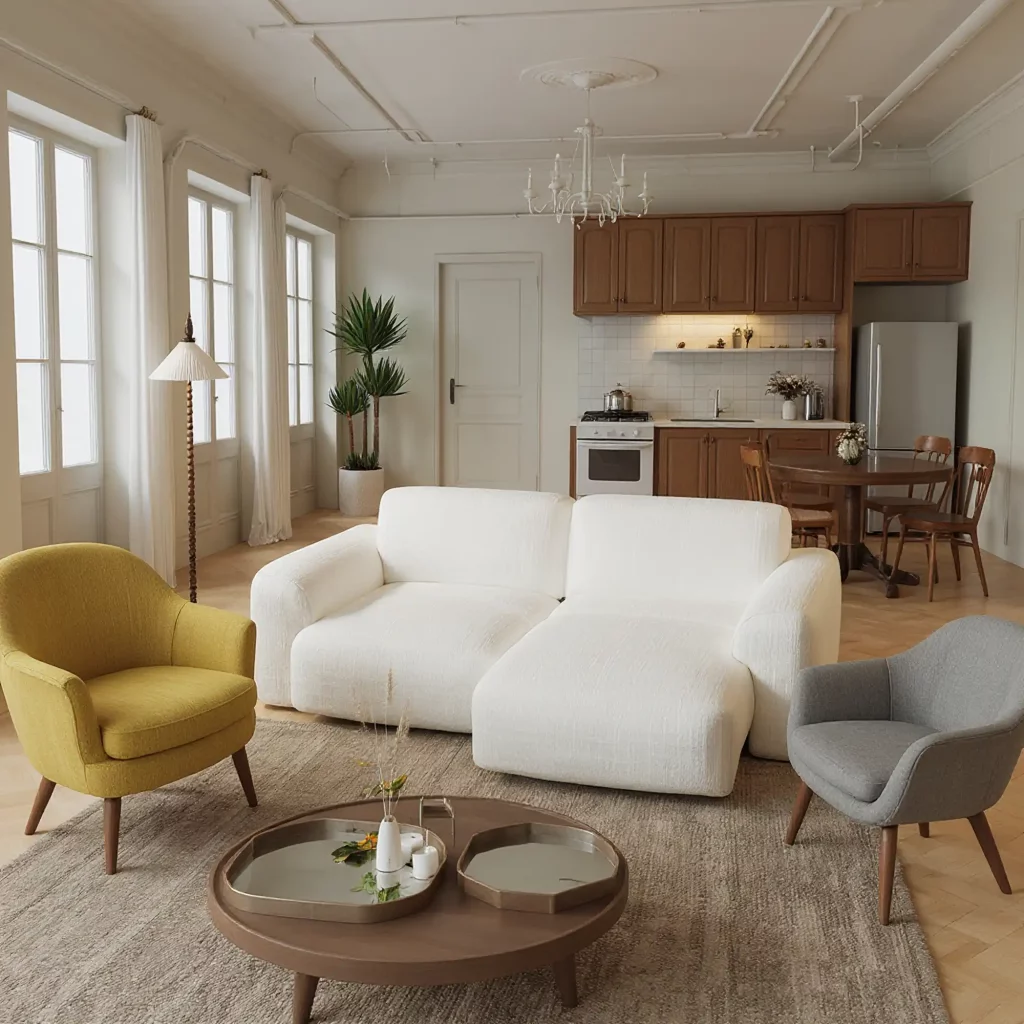
Aurora Power Sleeper Sofa
The most flexible of the three when you want deeper lounging without giving that floor space to a fixed chaise all day.
Conclusion
The recliner vs chaise decision comes down to how much of your seating—and your floor space—needs to change throughout the day. A chaise makes sense when a permanent stretch-out zone will be used consistently. A recliner earns its mechanism when the same seat regularly shifts between upright and relaxed positions. Before buying, watch a few normal evenings: who uses the lounge spot, how often they change posture, and what that floor area does when nobody is lounging. Those patterns usually tell you more than a five-minute showroom sit.
Q&A
Can a sofa bed replace a recliner for everyday lounging?
Sometimes, but the functions are different. A conventional sofa bed may add sleeping space without offering adjustable back or leg support. If daily lounging matters, check whether the model provides powered extension, adjustable seat depth, or another lounge mode rather than assuming the sleeper function will feel like a recliner.
Does a sofa bed need more floor space than a chaise?
Not necessarily, but measure it in both sofa and sleep modes. A chaise keeps its extended footprint in the room all day, while a sofa bed may need considerably more floor area only when opened. Also leave enough space to access the sleeping surface without blocking the main walkway.
Is a chaise suitable for overnight sleeping?
A chaise can handle an occasional nap, but it is not automatically a guest bed. Check usable length, width, cushion seams, and whether the manufacturer approves it for sleeping. If guests stay overnight regularly, a sleeper sofa offers a more purpose-built sleep surface.
What should families check around a power recliner?
Keep children, pets, blankets, and loose objects clear of the moving footrest and mechanism before operating the chair. Secure cords away from walking paths and follow the manufacturer’s instructions, since movement patterns and potential pinch areas vary by recliner design.
Which upholstery works better for everyday lounging?
Choose by household routine, not seating type. Top-grain leather is relatively easy to dust and wipe, while chenille offers a softer textile feel but follows different cleaning instructions. With pets, drinks, or frequent use, check the exact product’s stain, scratch, water-resistance, and care guidance before buying.


