 By Kelvin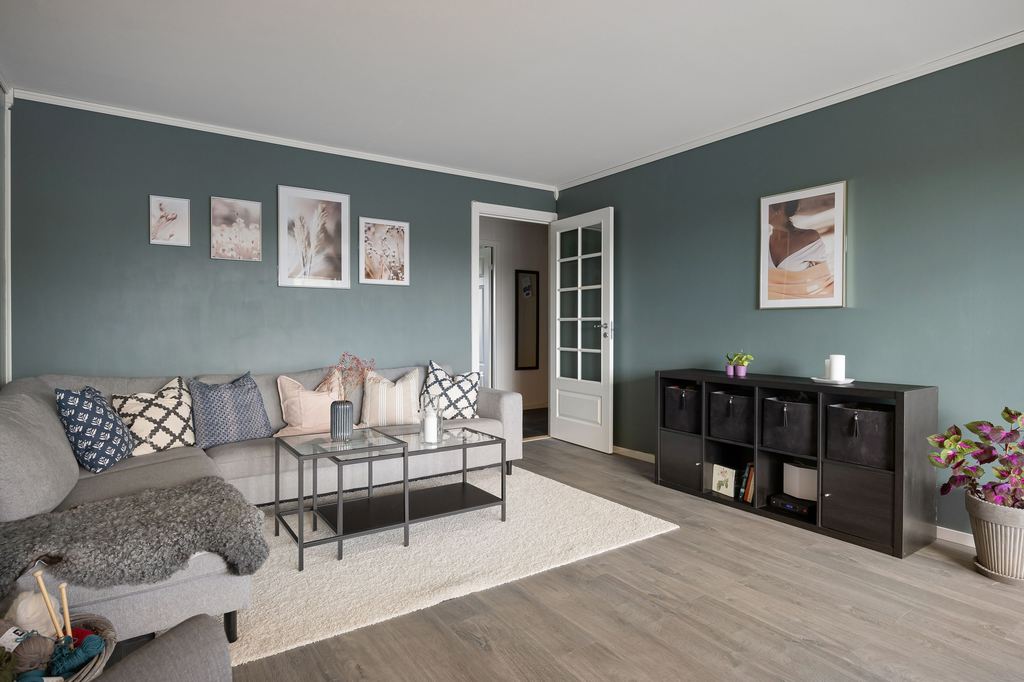
Introduction
An empty living room wall is rarely fixed by buying more small decor. The real question is what that wall needs to do: finish the seating area, soften a TV setup, reflect light, add storage, or give a large room a focal point. These living room wall decor ideas help you choose a direction before you commit to art, mirrors, shelves, or a feature wall. They also help you avoid spending on pieces that look disconnected once they are hung.
Table of Contents
What Should You Put on a Living Room Wall?
Start by deciding what the wall is missing, not by shopping for an object. The most useful living room wall decor ideas solve one clear problem.
Use these questions to narrow your options:
- Need a focal point? Choose large artwork, a mirror, or a deliberate gallery arrangement.
- Need more function? Consider picture ledges, shallow shelving, sconces, or storage below the wall.
- Need more light? Use a mirror only when it can reflect a window, lamp, or an appealing view.
- Need more warmth? Use woven art, wood-toned frames, textured wallpaper, or a textile hanging.
- Need quieter surroundings? Leave the wall mostly open and let a strong sofa, rug, or fireplace do the visual work.
A wall does not need a little of everything. In a room used for weeknight movies and weekend visits, one well-scaled arrangement above the sofa is often more effective than art, shelves, and decorative objects competing on every surface.
Which Living Room Wall Decor Works Best for Each Wall?
A sofa wall, TV wall, fireplace wall, and narrow wall do not need the same solution. Start with the largest fixed element, then choose decor that supports it rather than creating a second focal point. That order prevents the common mistake of giving every wall equal visual weight, even when one wall already does most of the work.
Above a Sofa
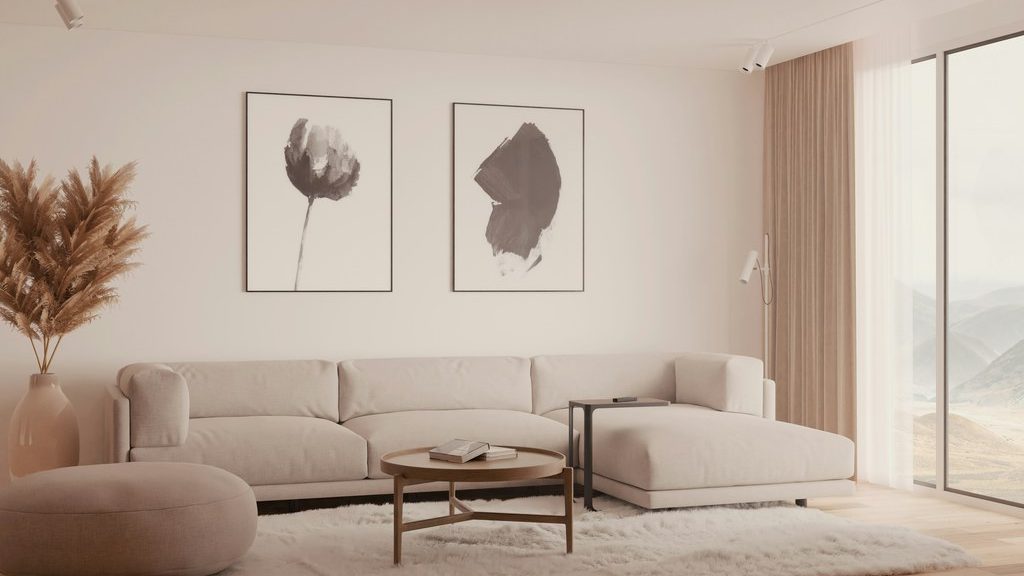
Treat the sofa and its wall decor as one composition. A single oversized canvas, two balanced prints, a round mirror, or a low-density gallery wall can finish the seating area. Repeat one element—such as a warm wood frame, black line, curved shape, or rug color—rather than matching the sofa exactly.
Avoid a small frame floating high over a long sectional. It makes both the wall and sofa feel under-scaled.
Around a TV
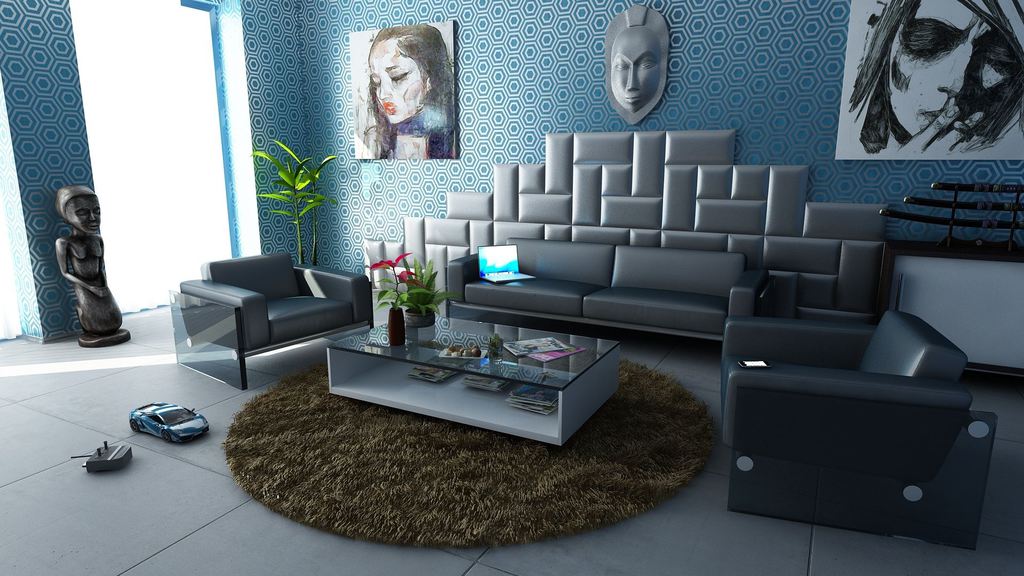
A TV is already a large dark rectangle, so wall decor should soften or balance it, not crowd it. Two vertical artworks, a slim sconce pair, or a textured wall finish can help. Keep the area immediately around the screen clear enough that the room stays comfortable when the TV is on.
The same principle guides decorating the wall behind a TV stand: let the console, screen, and wall elements read as one zone.
Above a Fireplace
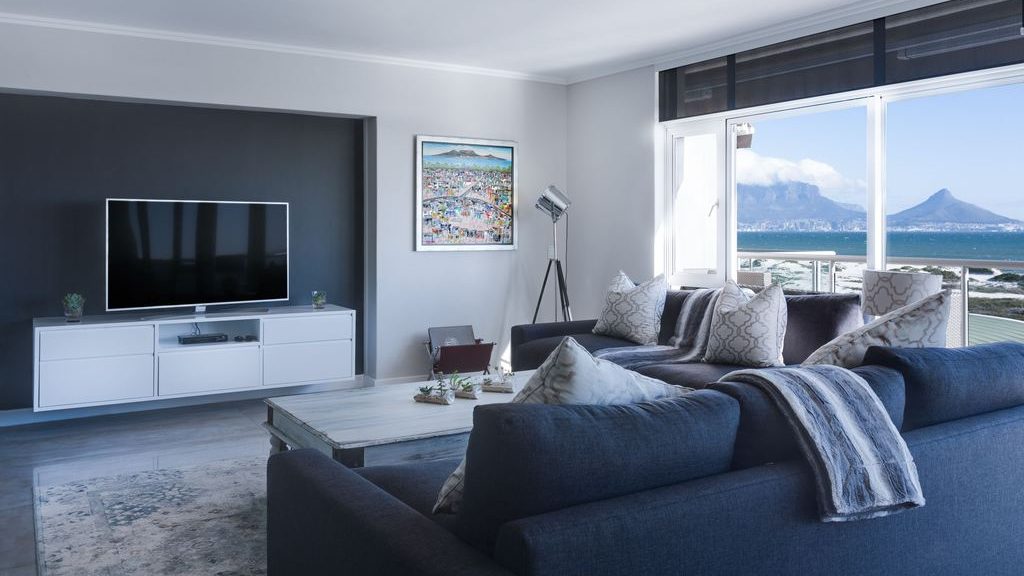
A fireplace is already a focal point. Give it one supporting element rather than a full collection. A substantial artwork, a mirror that reflects light, or a pair of slim sconces can create height without making the mantel feel busy.
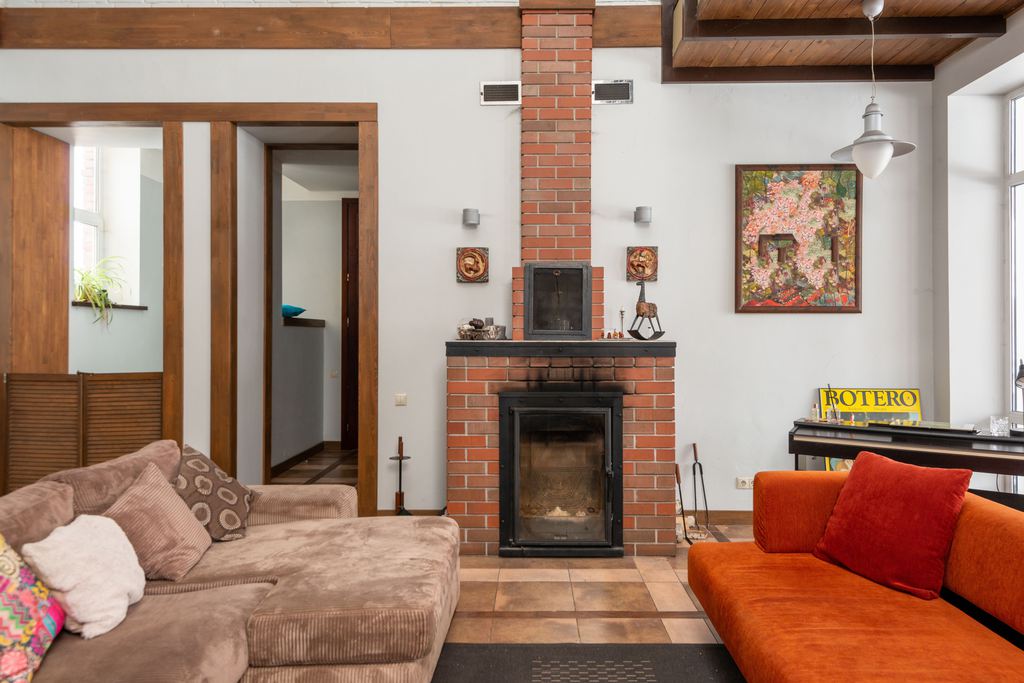
On a Large Blank Wall
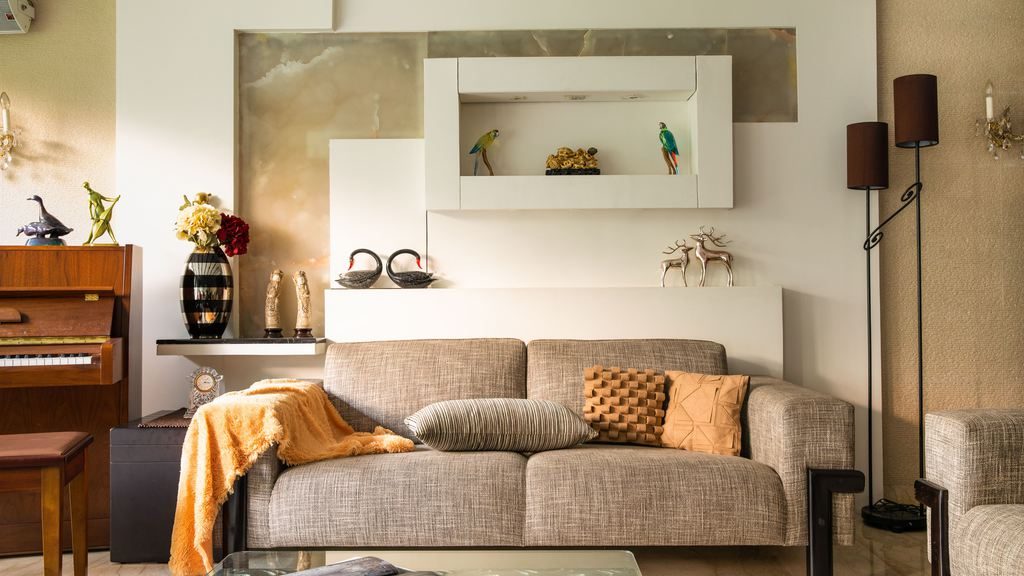
A large blank wall needs a clear composition, not scattered filler. One oversized piece, a three-panel series, a measured gallery wall, or a wide shelving arrangement can establish scale.
For rooms that feel too open as well as under-decorated, how to decorate a large living room begins with furniture scale and circulation before the final wall layer.
On a Narrow Wall or Between Windows
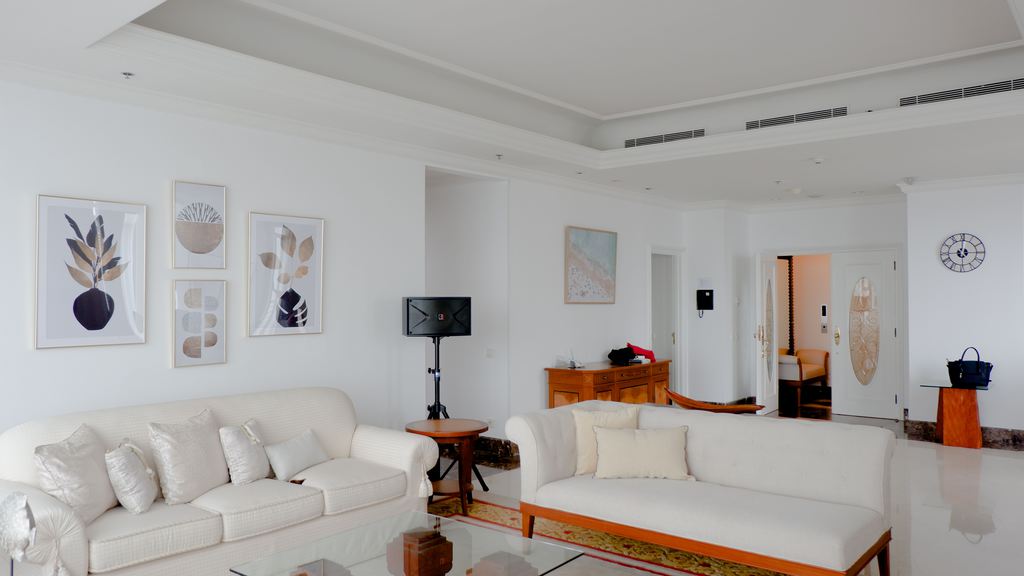
Follow the wall’s vertical shape. A tall framed print, narrow mirror, single sconce, or two related pieces can add height without making the wall feel squeezed. Center the arrangement within the usable wall area, not necessarily within the entire room.
How Big Should Living Room Wall Decor Be?
For most sofa walls, the overall arrangement should be about two-thirds to three-quarters of the sofa’s width. Use that as a starting point, not a strict formula; the goal is simply to connect wall decor to the furniture below it.
| Wall situation | Useful starting point | Placement check |
| One artwork or mirror above a sofa | About 2/3–3/4 of the sofa width | Keep the lower edge about 6–10 inches above the sofa back |
| Two or three related pieces above a sofa | Treat all pieces as one combined arrangement | Keep the outer edges within the sofa’s visual width |
| Decor above a mantel | About 2/3 of the mantel width | Hang it close enough to connect with the mantel |
| Gallery wall on a large blank wall | Establish the full outer shape first | Leave a consistent border of open wall around it |
| Narrow wall or wall between windows | Use a vertical shape that follows the wall | Avoid wide pieces near trim or curtains |
Before buying, mark the proposed outline with painter’s tape. Check it from the doorway, then sit on the sofa and look at it again. It also shows whether a mirror will reflect a cluttered kitchen counter, a ceiling fan, or nothing useful.
When Should You Choose Art, Mirrors, Shelves, or a Feature Wall?
Choosing among wall decor ideas for living room spaces becomes easier when you match each option to its strongest job. Art creates a focal point. Mirrors redirect light and views. Shelves add adaptable display space. A feature wall changes the background itself. Pick one main strategy first; layering works best when it adds function rather than more visual noise.
Choose Art When the Room Needs a Focal Point
Art works well above a sofa, fireplace, or console because it gives the eye a destination. Choose one large piece for a busy room; choose a small collection when you have generous surrounding blank wall.
For wall decoration ideas for living room spaces with neutral furniture, artwork can carry the room’s strongest color. Repeat one or two shades in a pillow, throw, or tabletop object, then let the remaining wall stay quiet.
Choose Mirrors When They Improve the View
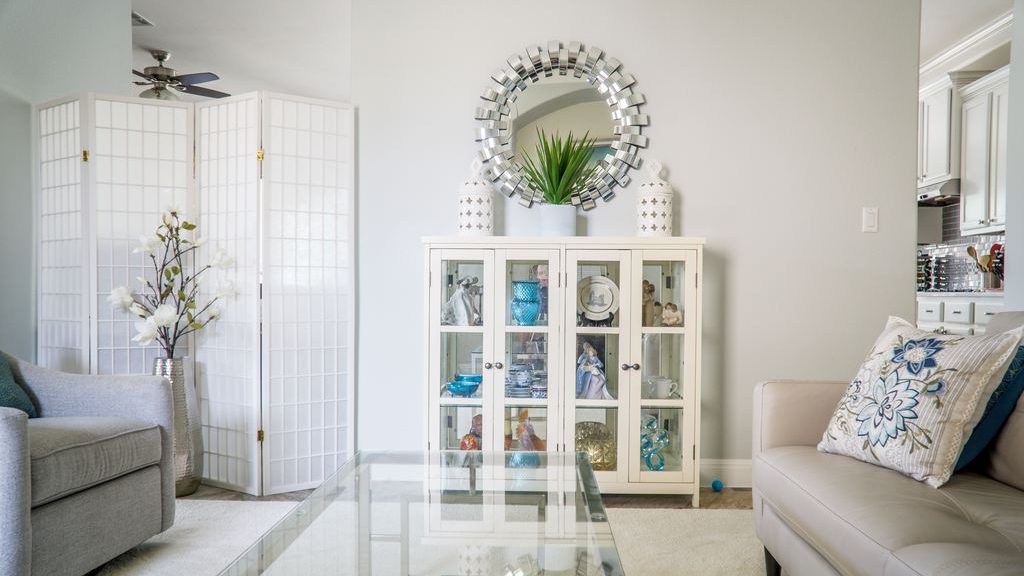
A mirror is useful when it reflects daylight, a window view, a lamp, or another part of the room worth repeating. It is not automatically helpful on every blank wall. Do not use one where it doubles the view of a TV, exposed cords, or an open kitchen that is usually busy.
The same reflection check matters when decorating with mirrors in a living room. Consider the view from your usual seat before choosing its height, size, and shape.
Choose Shelves When the Wall Needs Function
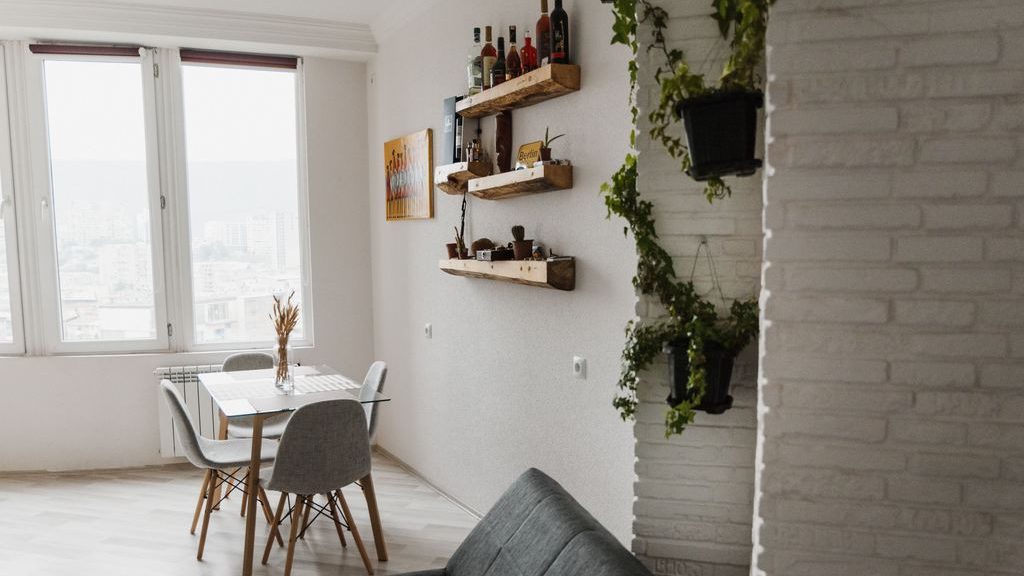
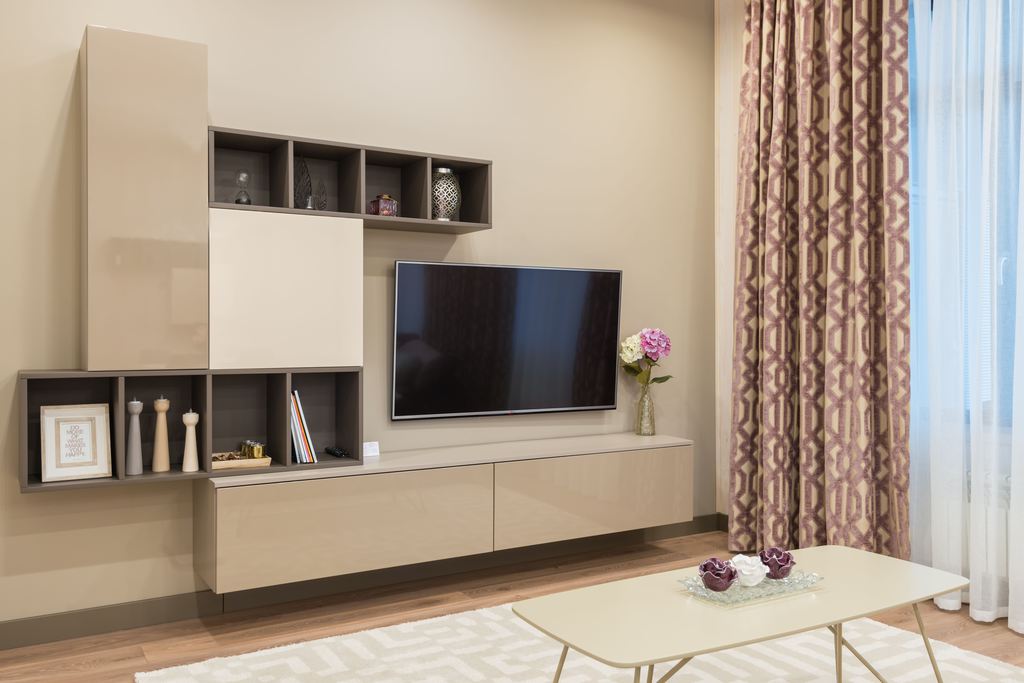
Picture ledges and shallow shelves suit people who want a wall that can change with new books, family photos, or seasonal decor. Keep each shelf edited: a few larger objects with breathing room look more intentional than a tight row of small items. They can also move fragile decor away from a coffee table used for snacks, board games, and daily clutter.
Choose a Feature Wall When the Background Needs Presence
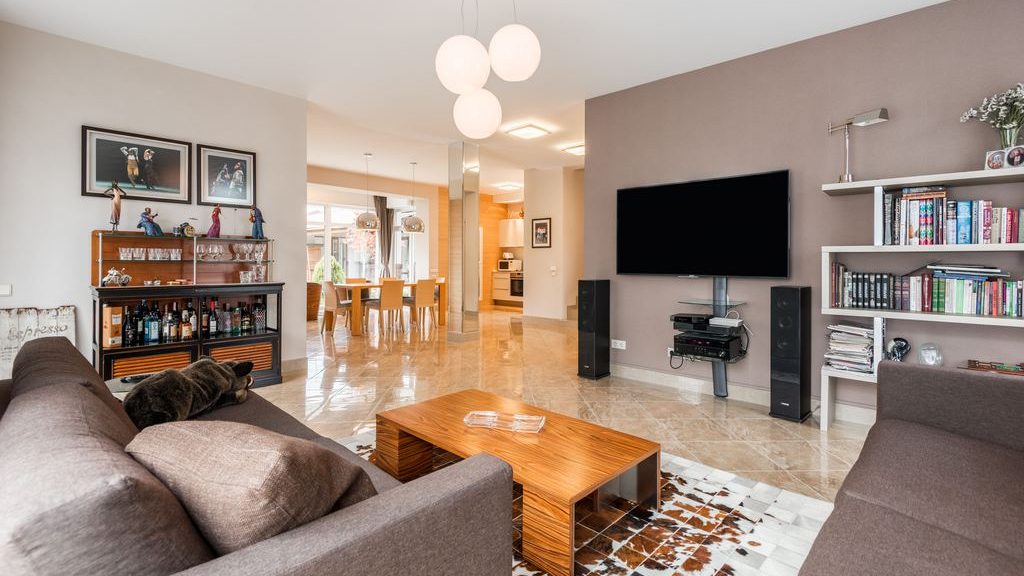
Wallpaper, paneling, painted color, or a textured finish works when a single object would still leave the wall feeling weak. This is especially helpful behind a sofa in an open-plan room or on a long wall without built-ins. Once the wall itself is doing the visual work, keep framed art and accessories pared back.
How Do You Keep Wall Decor From Looking Busy?
The common mistake with decorating ideas for living room walls is treating every wall as a chance to add another focal point. Edit the room as a whole, not one surface at a time.
- Give the room one main focal point. It may be a fireplace, TV wall, sofa wall, or large artwork—not all four at once.
- Repeat one connector. A frame color, wood tone, metal finish, or curved shape can make different pieces feel related.
- Vary visual weight. A bold gallery wall needs quieter side walls and simpler furniture nearby.
- Leave deliberate blank space. Open wall is useful when it gives the eye a break and makes the main composition easier to notice.
If your eye jumps from the TV to a shelf to a mirror to unrelated frames, remove or relocate one layer.
Use Furniture to Anchor the Wall, Not Compete With It
Wall decor works best when furniture below it provides a stable base. A low media console gives a mounted TV enough horizontal weight, while a console table helps a mirror wall feel grounded. For a sofa wall, confirm that a tall lamp or plant will not cut across the artwork from the doorway.
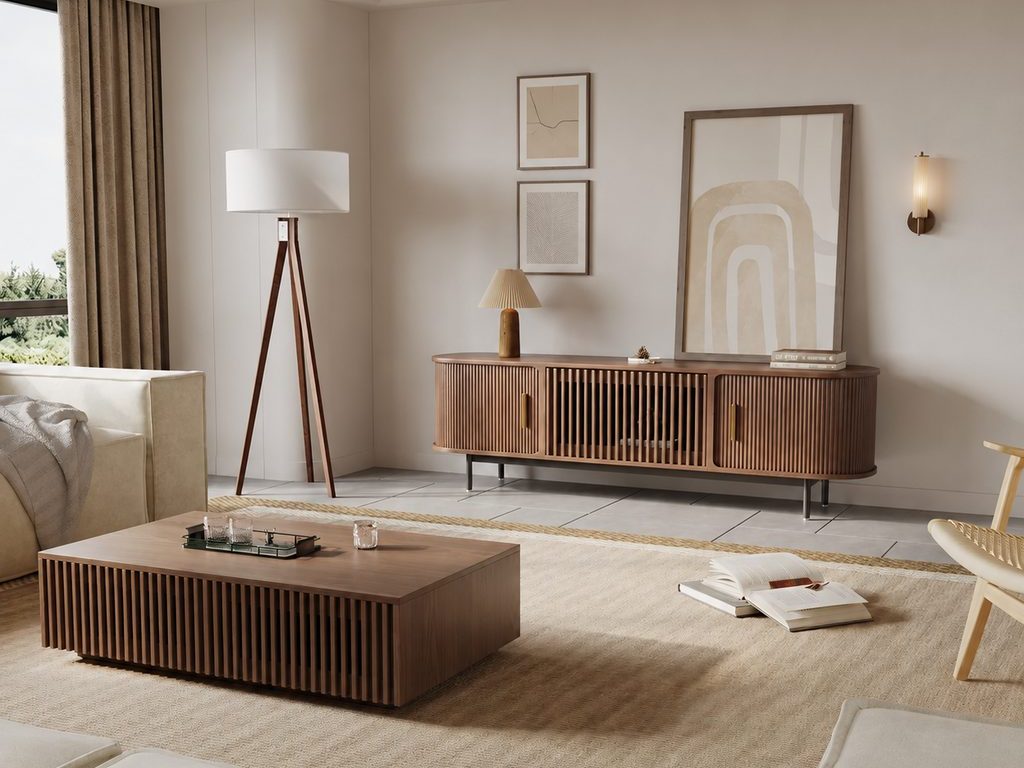
For a TV wall, choose storage based on what actually stays in the room: game consoles, remotes, streaming devices, books, or cables. The Eos-71″ Mid-Century Modern Tambour Door TV Stand helps keep media equipment and cords out of sight with rolling ash doors and built-in cable openings.
Conclusion
The strongest living room wall decor ideas begin with the wall’s role in the room, not a trend or a shopping list. Identify whether the surface needs a focal point, more light, flexible display, or a stronger connection to the furniture below it. Then check scale before you buy, and view the arrangement from both the doorway and your usual seat. Leave enough open wall around the final composition so the room still feels easy to live in, even when the TV is on or guests are over.
FAQ
What Mounting Hardware Should I Use for Heavy Wall Decor?
Use hardware rated for both your wall type and the item’s total weight, including the frame and glass. Whenever possible, drive screws into a wall stud. If there is no stud, choose a load-rated drywall anchor and follow its stated limit. Do not rely on adhesive strips for large mirrors or heavy framed pieces.
Is Canvas, Framed Glass, or Acrylic Better for a Busy Living Room?
Canvas is often the most forgiving option for a high-traffic living room because it is lightweight and does not shatter. Framed glass gives a sharper, more formal finish but can reflect windows and needs secure mounting. Acrylic is lighter and shatter-resistant, though it can scratch more easily during cleaning or moving.
How Do I Protect Wall Decor From Direct Afternoon Sun?
Keep photographs, textiles, and lower-cost prints out of strong direct sunlight whenever possible. For framed pieces, choose UV-filtering glazing and close shades during the brightest hours. Rotate delicate decor when one side of the room gets stronger light. Fading usually happens gradually, so protect colors before they begin to look washed out.
What Is the Safest Renter-Friendly Way to Display Large Wall Decor?
Use removable hanging hardware only for lightweight pieces and stay within the listed weight limit. For larger framed art, lean it on a console table, use a floor-standing mirror, or choose a removable wall treatment instead. Photograph the wall before installation and keep packaging and hardware details for a smoother move-out.
How Should I Plan Wall Decor Behind a Reclining Sofa?
Measure the sofa with every seat fully reclined, not only when it is upright. Keep hard, heavy, or sharp-edged decor above the highest moving point, and avoid installing ledges where a headrest could make contact. Check the manufacturer’s required wall clearance before choosing mounting locations.
How Do I Clean Wall Decor Without Damaging the Finish?
Dust framed art, mirrors, and wall objects with a dry microfiber cloth first. Spray cleaner onto the cloth rather than directly onto glass, wood, or metal frames, so moisture does not seep behind the frame or leave streaks. For textured canvas, woven pieces, or paper art, avoid liquid cleaners and use a soft brush attachment instead.


