 By Stephanie
Introduction
A small spill can leave a stubborn ring long after the water is gone. If you’re searching “how to remove water stains from sofa,” start by reading the mark—not by grabbing the nearest cleaner right away. A pale halo, a yellow edge, or a dark patch that shifts in the light can signal different problems. The safest response is usually modest: check the cleaning code, use as little moisture as possible, and let the fabric dry evenly. This guide covers small, clean-water rings, not flood damage or contaminated spills.
Table of Contents
Diagnose the Mark Before You Treat It
Before reaching for a cleaner, decide whether you are seeing a true water ring, leftover product, transferred soil, or flattened fibers. That quick distinction changes the next step. It also prevents the most common mistake: adding more water to a surface that either needs a different method or does not need cleaning at all.
Use this quick check before you add water, cleaner, or heat to the fabric.
| What You See | What It May Mean | Safest First Move |
| A clear ring with normal-feeling fabric | Uneven drying | Use a low-moisture blend-and-blot method if the code allows |
| A cloudy or tacky edge | Cleaner residue | Test a fabric-safe cleaner on W or W-S fabric |
| A dark patch that changes with the light | Flattened pile or nap direction | Brush the dry fibers before adding moisture |
| Yellow, brown, red, or blue discoloration | Soil transfer, dye movement, or deeper staining | Stop DIY cleaning and assess the fabric carefully |
Read the Shape, Color, and Surface Feel
A water stain on couch upholstery often has a crisp circular edge because moisture moved outward and dried at the boundary. A clear ring with normal-feeling fabric usually means uneven drying. A tacky or stiff edge points more toward cleaner residue. Yellow, brown, red, or blue discoloration can signal soil or dye movement, so do not keep wetting it.
Check the spot from two angles. If the shade shifts with the light, lightly brush the dry pile in one direction. Microfiber, chenille, velvet, and microsuede can look stained when their fibers have simply been pressed flat. When brushing changes the appearance, the issue is usually texture—not a stain that needs more liquid.
Use the Care Code as Your Go/No-Go Check
Most upholstered furniture uses cleaning codes to show which types of products may be appropriate. W allows water-based spotters or cleaners, W-S allows either water- or dry-solvent-based products, S requires dry-solvent care, and X means brushing or dry vacuuming only. Treat the code as a starting point, not permission to saturate the cushion.
A light ring on W or W-S fabric may respond to low moisture. On S, X, leather, real suede, or unmarked upholstery, do not experiment with water. A small ring can turn into lasting color change.

Choose the Right Method for Your Upholstery
Water affects woven fabric, pile fabric, coated surfaces, and natural hides in different ways. Use this table as a quick decision tool, not a substitute for the care tag. When the material and label seem to disagree, choose the more cautious route.
Compare First Moves by Material
The cleaning code tells you what kind of cleaner may be used, but the fabric construction tells you how easily it can show marks. A W-coded woven polyester sofa may tolerate a light blend-and-blot method, while a W-coded velvet cushion can still show pile distortion if it is rubbed, overheated, or dried unevenly.
| Upholstery Type | Start Here | Avoid | Stop and Reassess When |
| W or W-S woven fabric | Low-moisture blend and blot | Soaking seams or piping | The ring changes color |
| Microfiber or microsuede | Follow the code; brush dry fibers | Heavy water or repeat passes | Fibers stay patchy |
| Chenille or velvet | Check pile direction first | Scrubbing and high heat | The pile mats |
| Leather or faux leather | Barely damp wipe, then dry | Upholstery sprays and soaking | The finish clouds |
| Real suede, S, or X code | Dry brush or professional care | Water-based DIY | Any water edge remains |
Handle Pile Fabrics, Leather, and Suede Differently
Microfiber, chenille, velvet, and microsuede may need a dry brush before they need a cleaner. If a genuine ring remains on microfiber, follow the code and keep moisture extremely low. Cleaning a microfiber sofa without leaving water rings or streaks is especially relevant when the fabric needs a code-specific cleaner rather than plain water.
Leather and faux leather should be wiped with a barely damp soft cloth, then dried right away. Real suede, S, and X codes are not DIY water-ring projects; water can darken the surface, stiffen it, or leave uneven nap. With these materials, avoiding a bigger mark matters more than forcing a quick result.
Repair a Light Ring on Water-Safe Fabric
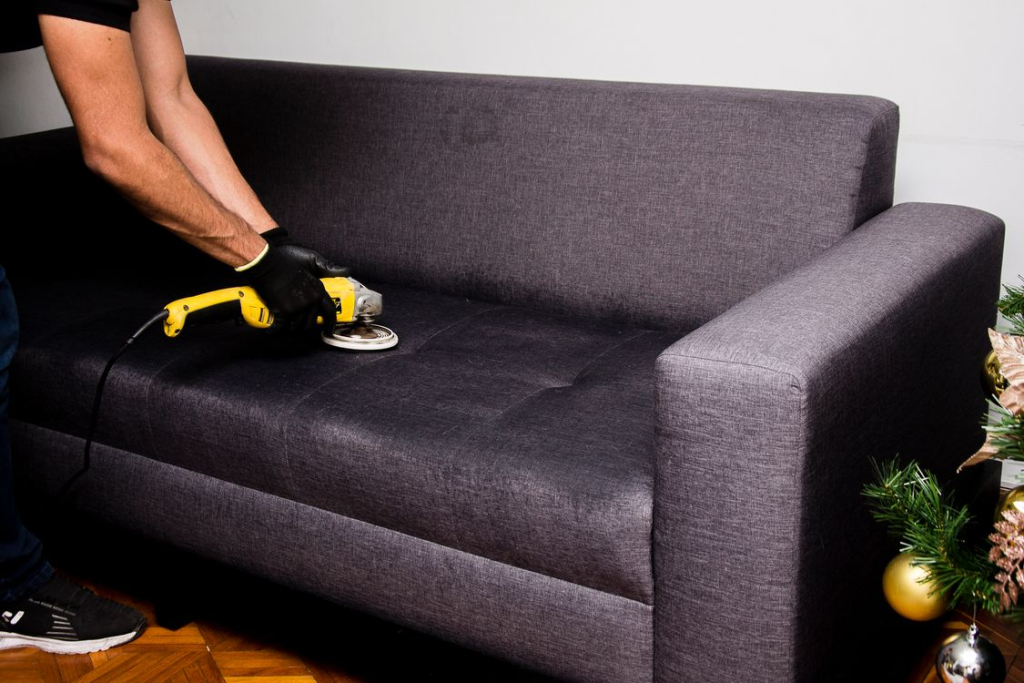
This method suits a clear, recent-looking ring on W or W-S upholstery that has not changed color and does not feel wet underneath. The goal is to even out a drying line, not deep-clean the cushion. One controlled pass tells you more—and carries less risk—than several increasingly wet attempts.
Step 1: Set Up, Then Blend the Boundary
Use two clean white microfiber cloths: one barely damp and one dry. Vacuum the mark and nearby seams first, because loose dust can become a muddy edge once wet. Test the damp cloth on a hidden section and allow it to dry.
Dampen the first cloth with distilled water until it is moist, never dripping. Starting just outside the ring, press and lift across a slightly wider area. Do not scrub in circles. Then press the dry cloth over the same zone to absorb surface moisture.
A guest who sets a sweating glass down during a movie can leave a palm-size halo by morning. Treating the full small area—not its center—helps it dry more evenly. That same low-moisture restraint matters when you clean a fabric sofa without damaging it.
Step 2: Use a Cleaner Only When the Clues Point to Residue
A water based cleaner for couch fabric can help when the edge looks cloudy, feels tacky, or appeared after earlier cleaning. Use it only on W or W-S upholstery, after a hidden-area test. Apply it to the cloth, not directly to the cushion, and keep the treated zone small.
Do not treat vinegar, dish soap, baking soda paste, or steam as automatic upgrades. They can leave residue, alter the fabric’s feel, or push moisture into padding. If the mark is yellow, brown, greasy, or colored, skip home chemistry. The problem may be color transfer or embedded residue rather than a simple water ring.
Step 3: Dry Completely and Avoid a Second Halo
Blot once more, then use normal room airflow or a fan several feet away. Avoid radiators, hair dryers, and direct sun. Heat can create a fresh drying edge or make pile fabrics look rougher.
Also avoid:
- Spraying the cushion until it feels wet
- Scrubbing with a textured sponge or paper towel
- Layering products before the first treatment dries
- Repeating the same method before the fabric is fully dry
If the ring still looks the same after one careful pass and full drying, stop before making the damp area larger. A stubborn mark may be caused by residue, color transfer, or moisture below the surface—none of which is likely to improve with repeated wetting.
Know When to Call a Professional
DIY care works best for a small surface ring with a clear cause. Once water reaches foam, carries color, or creates odor, the task is no longer cosmetic. The priority becomes protecting the cover, cushion insert, and frame before a manageable spill turns into a harder restoration problem.
Separate a Surface Ring From Deep Moisture
Press a dry white towel against the cushion for a few seconds. If it comes away damp, the foam feels heavy, or the fabric stays cool and wet beyond the mark, focus on airflow rather than stain removal. Do not add cleaner.
Moisture can stay trapped inside seams, zippers, and dense cushion foam even when the surface feels dry. If the cushion is soaked rather than just lightly damp, focus on getting it dry before trying another cleaner. The U.S. Environmental Protection Agency notes that upholstered furniture can be difficult to dry completely within 48 hours after significant water exposure. If the spill was large, the cushion still feels wet, or a musty odor develops, professional extraction may be the safer choice.
Signs That DIY Cleaning Has Reached Its Limit
Call a professional when you see:
- Yellow, brown, red, or blue color migration
- A stiff, faded, pilled, or rough surface
- A ring that returns after one code-safe attempt
- Odor after the cushion has dried
- Real suede, silk, wool, rayon, antique fabric, or no care label
These signs suggest something more complex than a surface drying line. A trained upholstery cleaner can test fibers and remove deeper moisture without saturating the cushion again.
Prevent Water Rings During Everyday Living
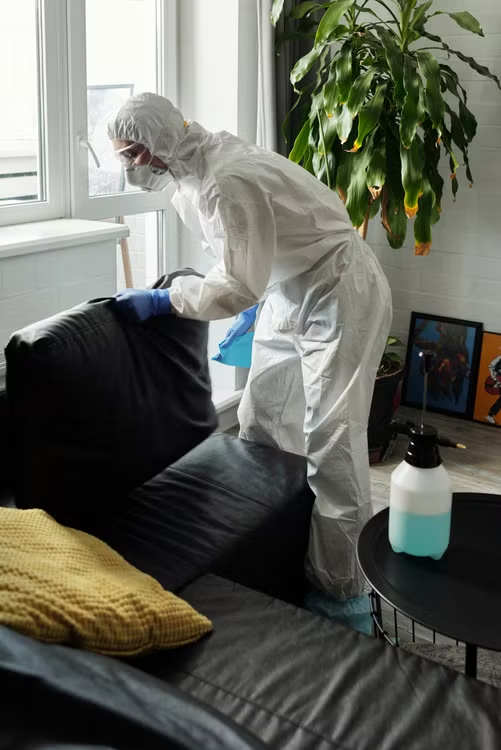
Prevention does not mean treating a sofa like a museum piece. It means responding before a spill reaches the cushion filling or dries into a visible edge. A simple routine can protect the fabric without making daily life feel overly careful—especially in homes where drinks, pets, children, and family routines are part of the picture.
Keep a 60-Second Spill Routine
When a drink tips:
- Lift solids without pressing them into the weave
- Press a white towel over moisture; replace it as it becomes damp
- Check the care code before adding any product
- Leave airflow around the cushion until it is dry
After a rushed weekday breakfast, someone who presses a tipped water glass with a towel before the school run is much less likely to come home to a hard-edged ring. For delicate upholstery, washing a suede sofa without creating new water marks follows the same low-moisture principle.
Choose Upholstery That Is Easier to Maintain
Quick blotting does most of the work after a spill, but the fabric itself can affect how much time you have to respond. Water-resistant upholstery does not make a sofa stain-proof, but it can give you more time to absorb moisture before it dries into a ring. The Sailboat Sofa with Adjustable Backrest uses ultra-soft, pet-friendly 100% polyester with added water-resistant protection. Its animal-free fabric is designed for spot cleaning and is dry-clean safe, making it a practical choice for rooms shared with pets, kids, and everyday drinks.

Conclusion
Water stains look dramatic because a clear ring can appear after an ordinary spill. The most reliable response is disciplined rather than aggressive: identify the mark, respect the care code, use minimal moisture, blend a small boundary, and wait for complete drying. Stronger products do not solve every problem, especially when the fabric shows color change, odor, or deep saturation. Those signs call for professional help, not more experimentation. With a calm response and a few daily habits, one small spill does not have to become the first thing everyone notices.
FAQs About Water Stains on a Sofa
Can a Water Ring Come Back After It Looks Gone?
Yes. It can return when minerals, dissolved soil, or old cleaner residue dries at the edge after the surface looks clear. Let the upholstery dry completely before reassessing. If it reappears after one code-safe attempt, avoid repeated wetting and ask a professional for advice.
Can a Portable Upholstery Machine Fix One Small Water Mark?
It can, but it can also overwet the cover and foam. Use one only when the manufacturer permits water-based cleaning, the machine extracts strongly, and you can dry the cushion quickly. For a light, isolated ring, a low-moisture cloth method is usually safer.
Should You Machine-Wash a Removable Cushion Cover to Remove a Ring?
Only if its care label specifically permits washing. Cleaning one cover can leave it lighter, tighter, or softer than the others. Start with localized care. If a full wash is necessary and allowed, wash matching covers together to reduce visible variation across the sofa.
Can Hard Tap Water Leave a Ring on Upholstery?
It can. Minerals may remain at the outer edge as fabric dries, particularly on pale, absorbent upholstery. Distilled water reduces that variable for water-safe fabric. It does not override an S or X code, replace a spot test, or make delicate fibers safe to wet.


