 By Kelvin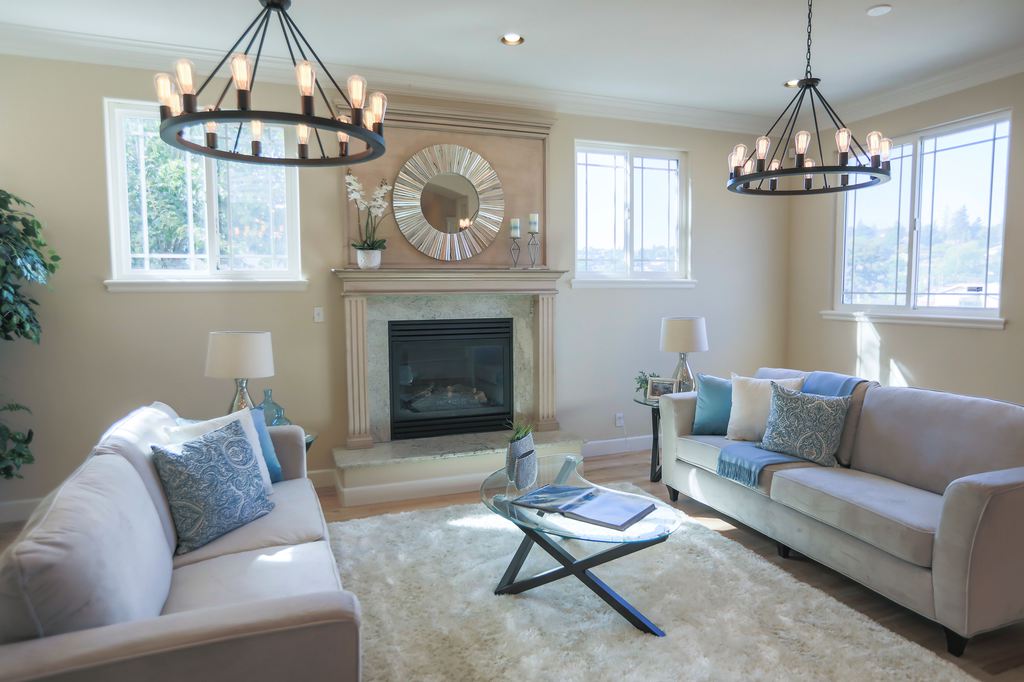
Introduction
Using two different sofas in living room design can create a more personal, collected space without making the room look accidental. The challenge is deciding which features should coordinate and which can contrast. This guide explains how to compare size, visual weight, color, material, and function before choosing a layout or buying the second sofa. It also shows when rugs and pillows can connect an existing pair—and when a proportion or clearance problem means the combination is unlikely to work.
Table of Contents
What Should Match, and What Can Be Different?
The safest way to combine two different sofas in living room settings is to match the structural qualities that affect balance, then contrast one decorative quality. A useful rule is match two, contrast one: connect two elements, such as scale and color temperature, while allowing the material, color depth, leg style, or exact shape to differ.
| Feature | What Usually Works | Warning Sign |
| Seat height | Equal or visually close | One seat is clearly higher |
| Arm and back height | Similar horizontal lines | A low sofa beside a tall, bulky back |
| Overall scale | Comparable visual weight | One piece overwhelms the other |
| Color undertone | Both warm or both cool | Blue-gray beside yellow beige |
| Material | Different materials are fine | Nothing connects their color or texture |
| Leg or base style | A deliberate contrast | Two almost-matching bases |
| Function | Different roles complement each other | Reclining or sleeper functions block circulation |
Length does not need to match exactly. A full sofa can sit with a loveseat, and a compact sofa can partner with a longer lounging piece. Seat height, arm height, and visual mass matter more because they determine whether the pairing feels balanced at eye level.
How Do You Pair Different Colors, Materials, and Styles?
A living room with two different sofas feels cohesive when the contrast follows a clear rule. Start with color temperature, then compare texture and shape. The goal is not to hide every difference. It is to repeat one visible element that explains why the pieces belong in the same room.
Connect the Color Undertones
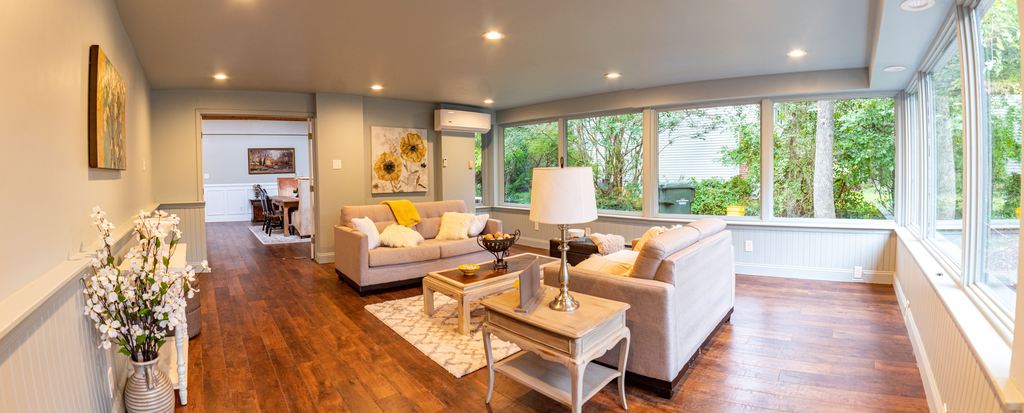
Two sofas may be different colors without clashing. Warm tan leather works more easily with cream, camel, olive, rust, or warm gray. Cool charcoal is easier to pair with blue-gray, crisp white, navy, or cooler green.
Be careful with colors that are almost the same. Two slightly different beiges can resemble a failed match, while a clear light-and-dark contrast looks deliberate. Repeat one sofa color in the rug, artwork, or a small textile across the room.
When two different sofa colors usually work:
- The undertones feel related, even if one sofa is much lighter or darker.
- The contrast looks intentional rather than like an imperfect color match.
- At least one sofa color is repeated in a rug, pillow, artwork, or nearby furniture.
When they are more likely to clash:
- The colors are very similar but visibly different.
- One sofa leans warm while the other has a strong cool undertone.
- Both sofas are visually dominant and the room has no shared neutral to connect them.
Contrast Materials with Intention
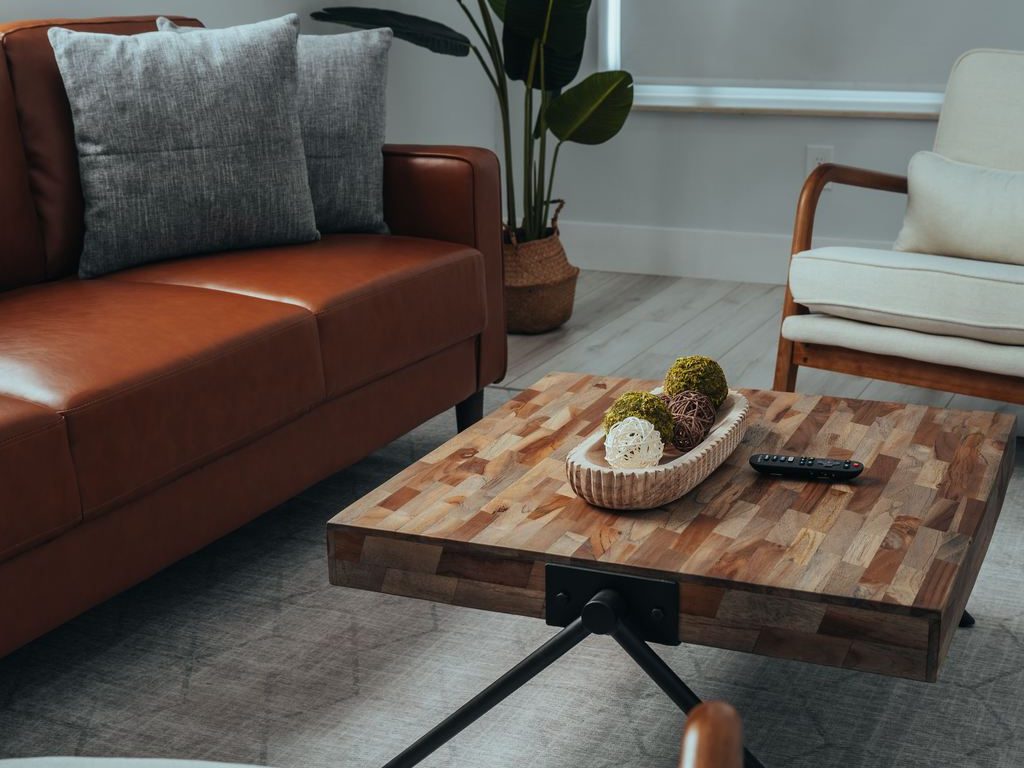
Leather and fabric pair well because their textures are clearly different. Keep another feature connected, such as arm height, warm undertones, or clean modern lines. The same principle works for linen and velvet or smooth performance fabric and bouclé.
When deciding how to mix leather and fabric furniture, avoid making both pieces dark, oversized, and visually heavy. Let one anchor the room while the other adds softness or a lighter profile.
Keep One Style Thread
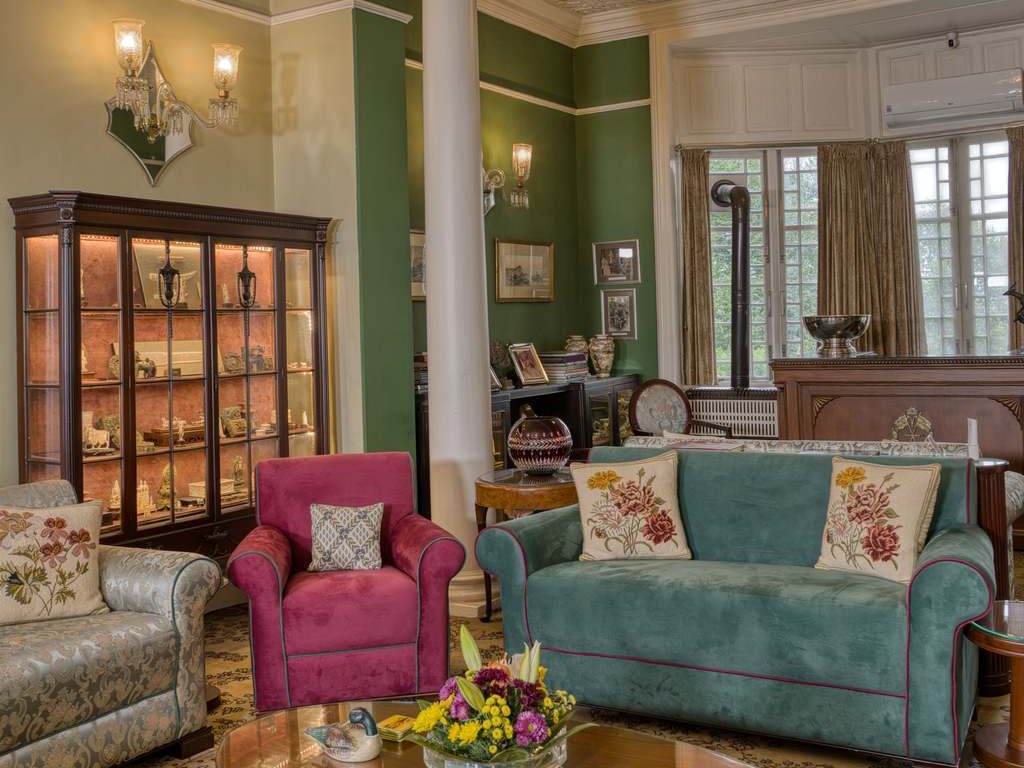
Different design periods can work together when they share a visible detail. Look for repeated curves, straight arms, wood tones, low profiles, or a similar level of formality.
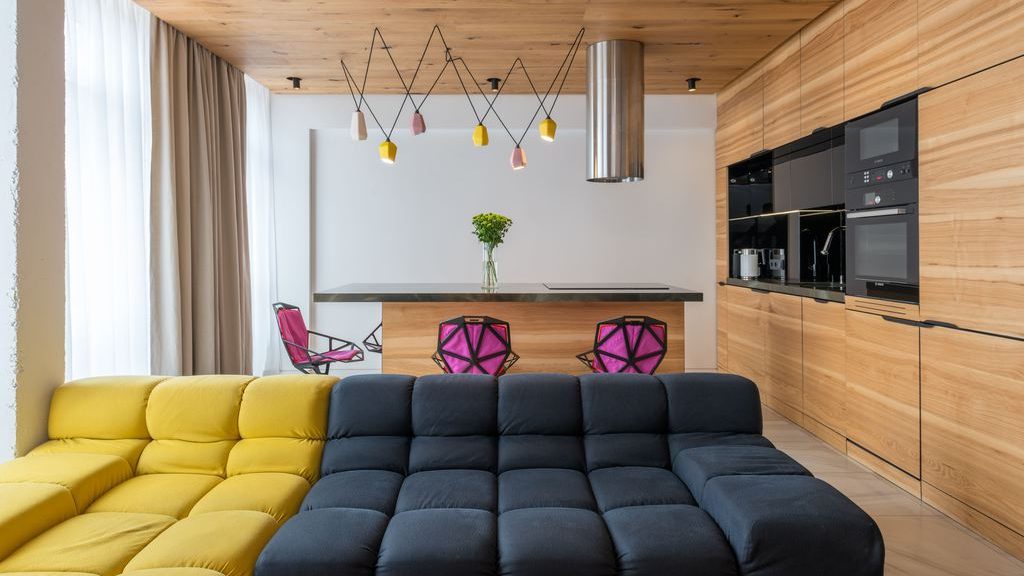
A sculptural curved sofa beside a clean rectangular sofa can look intentional. Two traditional rolled-arm sofas with noticeably different proportions may look more awkward because they appear as though they were meant to match but do not.
How Do You Arrange Two Different Sofas in a Living Room?
How to arrange two different sofas in living room plans depends on the main activity. Face-to-face arrangements emphasize conversation and balance. L-shaped layouts support television viewing and everyday lounging. Floating or angled layouts help with open-plan and irregular rooms, but they require closer attention to walkways and exposed sofa backs.
| Room Goal | Best Starting Layout | Watch For |
|---|---|---|
| Conversation | Face the sofas toward each other | Similar seat height and balanced visual weight |
| TV viewing and lounging | Create an L-shape | Inside-corner clearance and sightlines |
| Open-plan zoning | Float or angle one sofa | Walkways, exposed sofa backs, and power access |
Face Them Toward Each Other
Use this arrangement around a fireplace, large coffee table, or conversation zone. It works best when the sofas have similar seat heights and visual weight because the direct comparison makes differences more noticeable.
The lengths can differ. Center the shorter sofa on the longer one, then balance the extra space with a side table, lamp, or plant.
Create an L-Shape
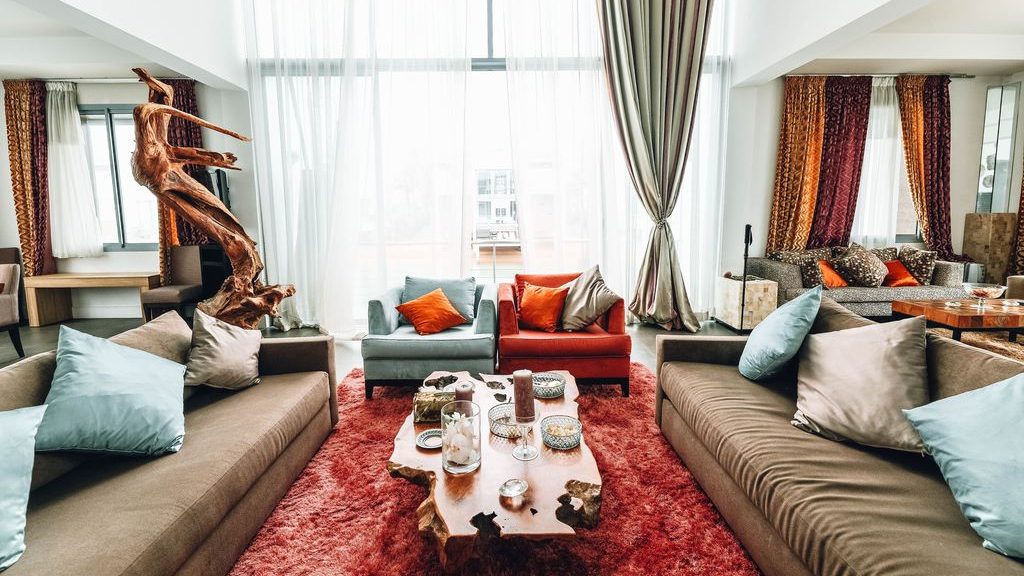
An L-shaped layout is more forgiving when the sofas differ in length, depth, or function. Aim the main lounging sofa toward the television or focal point, and use the second sofa to complete the seating area.
This suits a family room where one person stretches out for a movie while another prefers a firmer seat. Keep the inside corner open enough that arms, tables, and recliners do not collide.
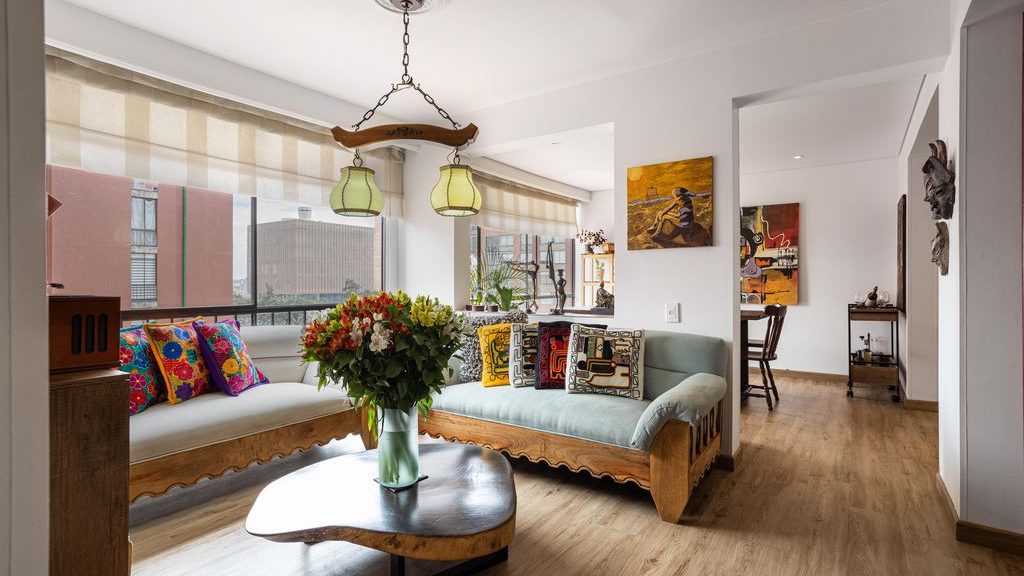
Float or Angle One Sofa
In an open-plan room, one sofa can define the edge of the living area while the other sits at a right or wider angle. This separates seating from a dining space or entry without adding a wall.
A living room furniture layout with clear walkways should send the main path around the seating group rather than through it. If a power sofa floats away from the wall, plan a safe route to the outlet. As a starting point, keep about 14 to 18 inches between a sofa and coffee table.
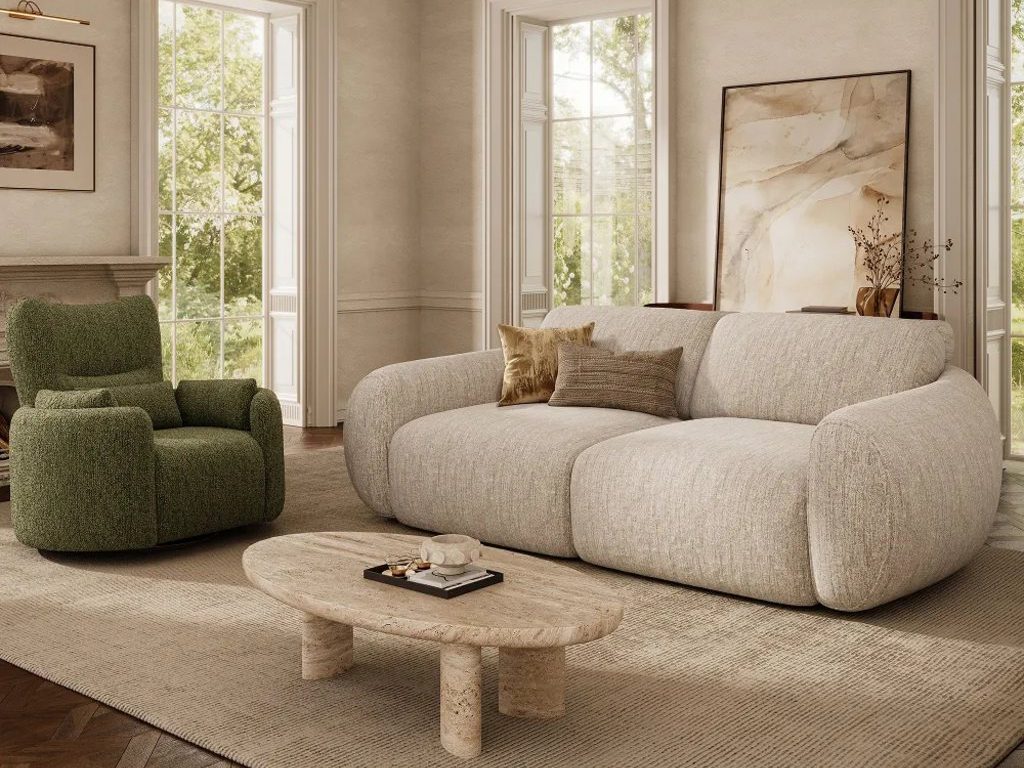
How Can You Connect Two Sofas You Already Own?
When replacing a sofa is not practical, use the surrounding decor to build a shared visual story. These fixes work when the two pieces are already reasonably compatible in height and scale:
- Place the front legs of both sofas on the same large rug.
- Repeat one color across the two pieces without copying identical pillow sets.
- Use a throw or pillow that references the other sofa’s texture.
- Repeat one wood tone or metal finish in tables and lamps.
- Choose artwork or a rug pattern containing colors from both sofas.
A brown leather sofa and light fabric loveseat, for example, can connect through a warm patterned rug, walnut tables, and one cream pillow on the leather seat. Accessories can bridge color and texture. They cannot correct a blocked route, a major seat-height difference, or a sofa that physically dominates the room.
When Are Two Sofas Too Different to Work?
Some living rooms with two different couches fail because the contrast is structural, not decorative. Treat these conditions as warning signs:
- One sofa sits much higher or has a back that towers over the other.
- One is low and leggy while the other is tall and overstuffed.
- Both are strong statement pieces with unrelated shapes and colors.
- The larger sofa blocks a doorway, window, or natural route.
- A recliner hits the coffee table or second sofa when opened.
- Both pieces demand the main position facing the television or fireplace.
One difference rarely ruins a pairing. The problem comes when color, material, height, and style all conflict at once. In that case, changing the second sofa is usually more effective than adding more decor.
What Should You Check Before Buying the Second Sofa?
Treat the second sofa as a complement to the one you already own. Before ordering, compare its appearance, footprint, and purpose so the two pieces feel balanced and work together in daily use.
- Visual fit: Compare seat height, arm height, back height, visual weight, leg style, and color undertone. Use specification drawings and request a fabric or leather sample when available.
- Physical fit: Mark the sofa’s width and depth on the floor, including the fully extended position of a recliner or sleeper. When choosing the right sofa size for your living room, also measure doors, hallways, stairs, and elevators.
- Functional fit: Decide what the second sofa should add, such as firmer conversation seating, deeper lounging, reclining comfort, guest sleeping space, or flexible modular seating. In a living room with two different couches, each sofa should serve a clear role instead of competing for the same use.
The second sofa does not need to duplicate the first one. If your existing sofa already handles everyday upright seating, the new piece can add a different function, such as deeper lounging, reclining, or occasional sleeping. That functional contrast is often more useful than trying to make both sofas behave exactly the same.
Mila works best here as an example of a second sofa that adds a different function rather than simply repeating the first. Its powered adjustment moves from 105° to 180°, allowing it to shift between upright seating, deeper lounging, and a flatter resting position. The seat depth extends from about 32 to 59 inches, so buyers should check the fully extended footprint as carefully as the sofa’s standard dimensions.
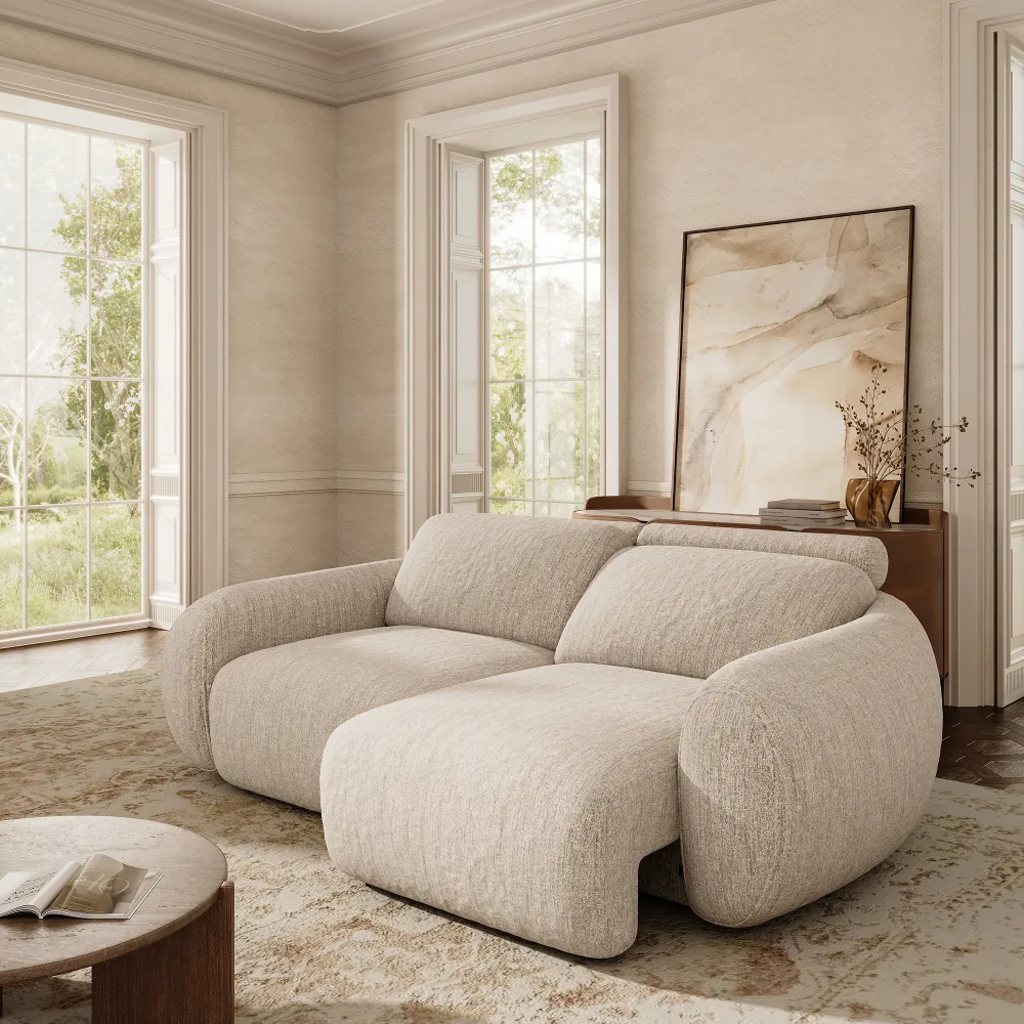
POVISON Mila Power Sofa Bed
Power-adjustable sofa bed that adds lounging and guest-sleeping flexibility to a second-sofa setup.
✨ 105°–180° power adjustment
✨ 32″–59″ adjustable seat depth
✨ Lounge-to-sleep flexibility
Conclusion
Two different sofas can work well together when they share enough visual or functional connection to feel intentional. Focus first on scale, undertones, and layout, then use rugs, pillows, and repeated materials to tie the room together. If you are buying the second sofa, choose one that adds a useful function without creating a size or circulation problem.
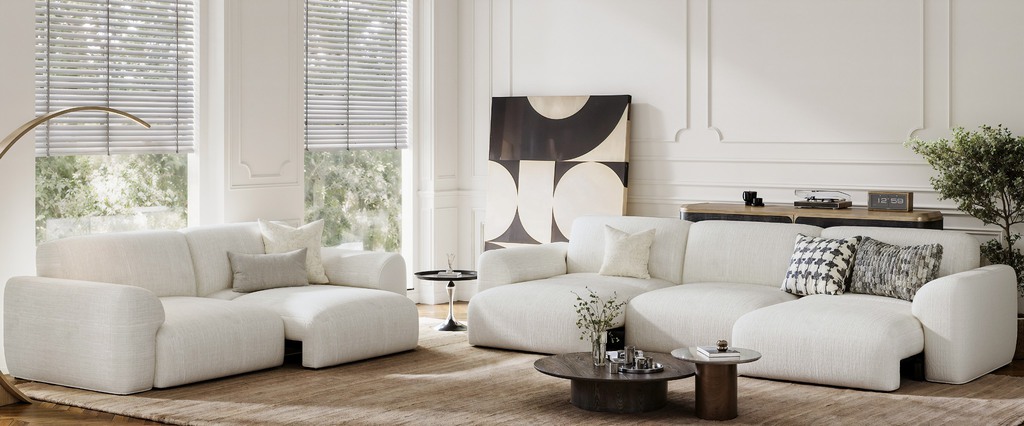
Find the Right Sofa for Your Living Room
Explore sofas for different layouts, seating needs, and ways to pair two pieces comfortably.
FAQ
Can one sofa be patterned while the other is solid?
Yes, one patterned sofa can pair with a solid sofa when the solid color appears within the pattern. Keep the rug and large curtains quieter so the room does not collect too many competing motifs. The pairing is easier when both sofas have compatible scale, seat height, and overall formality.
Do two sofas need to come from the same furniture collection?
No, two sofas do not need to come from the same collection. Different collections can prevent a showroom look, but the pieces still need a visible connection. Compare their proportions, color temperature, arm shape, leg finish, and level of formality before buying instead of relying on the collection name.
Should the second sofa be lighter or darker than the first?
Either can work. A lighter second sofa can reduce the visual weight of a darker primary sofa, while a darker piece can anchor a pale room. Focus more on compatible undertones and overall balance than on which sofa is technically lighter.
What should I do if my existing sofa has been discontinued?
Do not search for a nearly identical sofa that looks slightly wrong beside the original. Measure the existing seat, arm, and back heights, then choose a second sofa with similar scale but an intentional difference in material, color, or leg style. Order samples and confirm the return policy before buying.
What should I do if the upholstery sample looks different from the online photo?
Use the physical sample as the more reliable reference. Check it beside your existing sofa in daylight, evening light, and under nearby lamps. Hold the sample vertically because upholstery may reflect light differently when placed on a sofa. Also confirm the retailer’s color-variation and return policies before ordering.
Should both sofas have the same upholstery care requirements?
Not necessarily, but different care needs can create extra work in a busy household. A delicate sofa placed beside a stain-resistant performance fabric sofa may age unevenly if both receive daily use. Check cleaning codes, sunlight sensitivity, removable-cover options, and whether professional cleaning is required before combining them.


[…] same rule is useful when you pair two different sofas in a living room: count the existing sofa as one retained major piece before judging the newcomer. A strong choice […]